What helps sore muscles after a workout is a mix of light movement, hydration, protein, carbohydrates, sleep, and smart use of cold or heat. Most post workout soreness is delayed onset muscle soreness, which often appears after new, harder, or eccentric exercise and improves with steady recovery habits.
This guide explains what to do in the first 24 hours, what to change after 48 hours, what to eat, what to avoid, and when soreness may be more than normal recovery.
Table of Contents
- What Causes Sore Muscles After a Workout?
- What Helps Sore Muscles in the First 24 Hours?
- Next Day Recovery Strategies for Sore Muscles
- What to Eat and Drink to Help Sore Muscles
- Over the Counter Options and Supplements
- Lifestyle Habits That Help Sore Muscles Recover
- How to Prevent Excessive Soreness Next Time
- When Sore Muscles Are Not Normal
Key Takeaways
- Move lightly: Gentle walking, easy cycling, or mobility work can reduce stiffness without adding more stress.
- Use timing wisely: Cold may help early soreness, while heat often feels better later when stiffness is the main issue.
- Eat for repair: Protein, carbohydrates, fluids, and electrolytes support muscle repair and training readiness.
- Recover with sleep: Sleep and rest days are not optional, because tissue repair and nervous system recovery depend on them.
- Watch red flags: Sharp pain, major swelling, fever, dark urine, or severe weakness is not typical DOMS.
What Causes Sore Muscles After a Workout?
Sore muscles after a workout are usually caused by delayed onset muscle soreness, often called DOMS. It is most common after new exercises, higher training volume, heavier loads, downhill running, or eccentric movements where muscles lengthen under tension.
DOMS is linked to exercise induced muscle stress, temporary inflammation, and microscopic muscle damage. A large recovery review found that massage, compression garments, cold water immersion, contrast water therapy, and active recovery may reduce soreness or related recovery markers, but the best method depends on timing, training type, and individual response.[1]
| Sign | Normal DOMS | Possible Injury |
|---|---|---|
| Pain type | Dull soreness, tenderness, or stiffness | Sharp, sudden, stabbing, or highly localized pain |
| Timing | Often appears hours later and peaks within one to three days | May start during the workout or worsen instead of improving |
| Movement | Feels stiff but improves with light movement | Feels unstable, severely painful, or impossible to move normally |
| Warning signs | No major swelling, fever, dark urine, or severe weakness | Swelling, bruising, fever, numbness, dark urine, or inability to bear weight |
What Helps Sore Muscles in the First 24 Hours?
The first 24 hours should focus on calming discomfort without shutting down movement completely. Light activity, fluids, balanced meals, and short cold sessions are usually better than total inactivity.
- Active recovery: Move at an easy pace with walking, relaxed cycling, or gentle mobility. The goal is to increase blood flow without creating more fatigue.
- Cold therapy: Use cold packs or cold water exposure briefly when soreness feels fresh and tender. A Cochrane review found some evidence that cold water immersion can reduce muscle soreness compared with passive recovery, although results vary across studies.[2]
- Compression: Use light compression if the area feels puffy or heavy. It should feel supportive, not tight, numb, or painful.
- Hydration: Drink water steadily and add electrolytes after heavy sweating. Dark yellow urine, dizziness, or persistent cramps may suggest that fluid intake is too low.
For home gym users, soreness is easier to manage when training volume is controlled from the start. A stable setup with rubber high density gym flooring can also make low impact recovery movement more comfortable after heavy lower body sessions.
Next Day Recovery Strategies for Sore Muscles
Next day recovery should focus on restoring range of motion, reducing stiffness, and helping you move normally again. Avoid aggressive stretching or deep pressure if pain feels sharp or injury like.
- Heat therapy: Use a warm shower, bath, or heating pad after the early tender phase has passed. Heat may make stiff muscles feel easier to move, especially when soreness is improving but tightness remains.
- Gentle stretching: Stretch slowly and stay below the point of sharp pain. Mild tension is acceptable, but forcing a sore muscle can increase irritation.
- Foam rolling: Use moderate pressure for short passes over sore areas. A meta analysis found that foam rolling may help reduce post exercise soreness and support some recovery outcomes, although effects are generally modest.[3]
- Massage: Use light to moderate massage when the muscle feels tight, not injured. A systematic review and meta analysis reported that massage after strenuous exercise may help reduce DOMS and improve some recovery measures.[4]
Strength athletes can also reduce soreness by rotating exercises across the week. If you train at home, pairing free weights from the RitFit dumbbells collection with machine or rack based sessions can help distribute load across different movement patterns.
What to Eat and Drink to Help Sore Muscles
Food helps sore muscles by giving your body the raw materials for repair, fuel restoration, and fluid balance. The best recovery meals combine protein, carbohydrates, water, and colorful whole foods.
- Protein: Eat a protein rich meal or snack after training to support muscle repair. Good options include lean meat, eggs, Greek yogurt, tofu, beans, or a quality protein shake.
- Carbohydrates: Add carbohydrates after hard sessions to restore glycogen. Rice, potatoes, oats, fruit, and whole grain bread can help refill training fuel.
- Electrolytes: Replace sodium and other electrolytes after long, hot, or high sweat workouts. This matters more when you finish training soaked, crampy, or unusually fatigued.
- Anti inflammatory foods: Add fatty fish, walnuts, flaxseed, berries, leafy greens, ginger, turmeric, and tart cherry juice as part of a balanced diet. Tart cherry juice has been studied for reducing muscle pain during strenuous running, likely due to antioxidant and anti inflammatory compounds.[5]
Recovery nutrition works best when paired with smart training, not random intensity spikes. If soreness is caused by heavy barbell work, plan loads carefully and use equipment such as barbells and weight plates in small, trackable progressions.
Over the Counter Options and Supplements
Over the counter options can reduce discomfort, but they should not be used to push through unsafe pain. If soreness repeatedly requires medication before training, your program likely needs adjustment.
- Pain relievers: Acetaminophen or NSAIDs may help short term discomfort for some people. Ask a healthcare provider before using NSAIDs if you have stomach ulcers, kidney disease, heart disease, blood thinner use, pregnancy, or other medical conditions.
- Protein powder: Protein powder can help when whole food intake is low. It is a convenience tool, not a required recovery product.
- Creatine: Creatine can support strength training performance over time. It does not instantly erase soreness after one workout.
- Omega 3 supplements: Omega 3 supplements may support general recovery nutrition when dietary intake is low. Choose reputable products and avoid treating supplements as a replacement for sleep, food, and load management.
Lifestyle Habits That Help Sore Muscles Recover
Daily habits can determine whether soreness fades normally or turns into repeated fatigue. Sleep, rest days, stress control, and training volume are often more important than any single recovery tool.
- Sleep: Aim for seven to nine hours of quality sleep when training hard. Muscle repair, hormone regulation, and nervous system recovery all depend on consistent sleep.
- Rest days: Schedule rest or low intensity days before soreness becomes severe. Rest days help you maintain long term progress instead of cycling between overtraining and missed workouts.
- Training rotation: Avoid hitting the same sore muscle group hard on consecutive days. Rotate lower body, upper body, mobility, and conditioning so tissues can adapt.
- Stress management: Keep stress lower with breathing, walking, and predictable routines. High stress can make soreness feel worse and recovery feel slower.
A supportive bench can make recovery friendly upper body sessions easier when legs are sore. For controlled pressing, rows, and light accessory work, a stable weight bench helps you train around soreness without forcing the same painful movement pattern.
How to Prevent Excessive Soreness Next Time
The best way to prevent severe soreness is to increase training stress gradually. Most intense DOMS happens when volume, load, range of motion, or eccentric work jumps too quickly.
- Warm up first: Start with five to ten minutes of easy movement and dynamic mobility. A good warm up prepares joints, muscles, and the nervous system for harder work.
- Progress slowly: Increase weight, sets, reps, or mileage in small steps. Do not change every variable in the same week.
- Control eccentric reps: Lower weights with control, but avoid excessive slow negatives when you are new to an exercise. Eccentric loading is useful, but it can create strong soreness when overdone.
- Use good form: Keep movements smooth, stable, and repeatable. If form breaks down, reduce load or end the set.
- Cool down: Finish with light movement and gentle mobility. This helps your body transition from training stress to recovery mode.
For beginners building a home strength routine, simple equipment can make progression easier to track. A pair of hex rubber dumbbells, a durable adjustable weight bench, and a basic rack setup can support gradual training without unnecessary complexity.
When Sore Muscles Are Not Normal
Sore muscles are not normal when pain is severe, sharp, worsening, or paired with systemic symptoms. These warning signs may point to an injury or a medical condition rather than routine DOMS.
- Seek urgent care: Get medical help quickly if you have dark or cola colored urine, fever, extreme weakness, severe swelling, or confusion after intense exercise.
- Do not train through sharp pain: Stop if pain changes your gait, grip, posture, or ability to bear weight. Training through injury like pain can make recovery longer.
- Monitor duration: Normal soreness should gradually improve. Pain that worsens after several days or prevents normal movement deserves professional evaluation.
- Check joint symptoms: Joint swelling, instability, locking, or major bruising is not typical muscle soreness. These signs should be assessed more carefully.
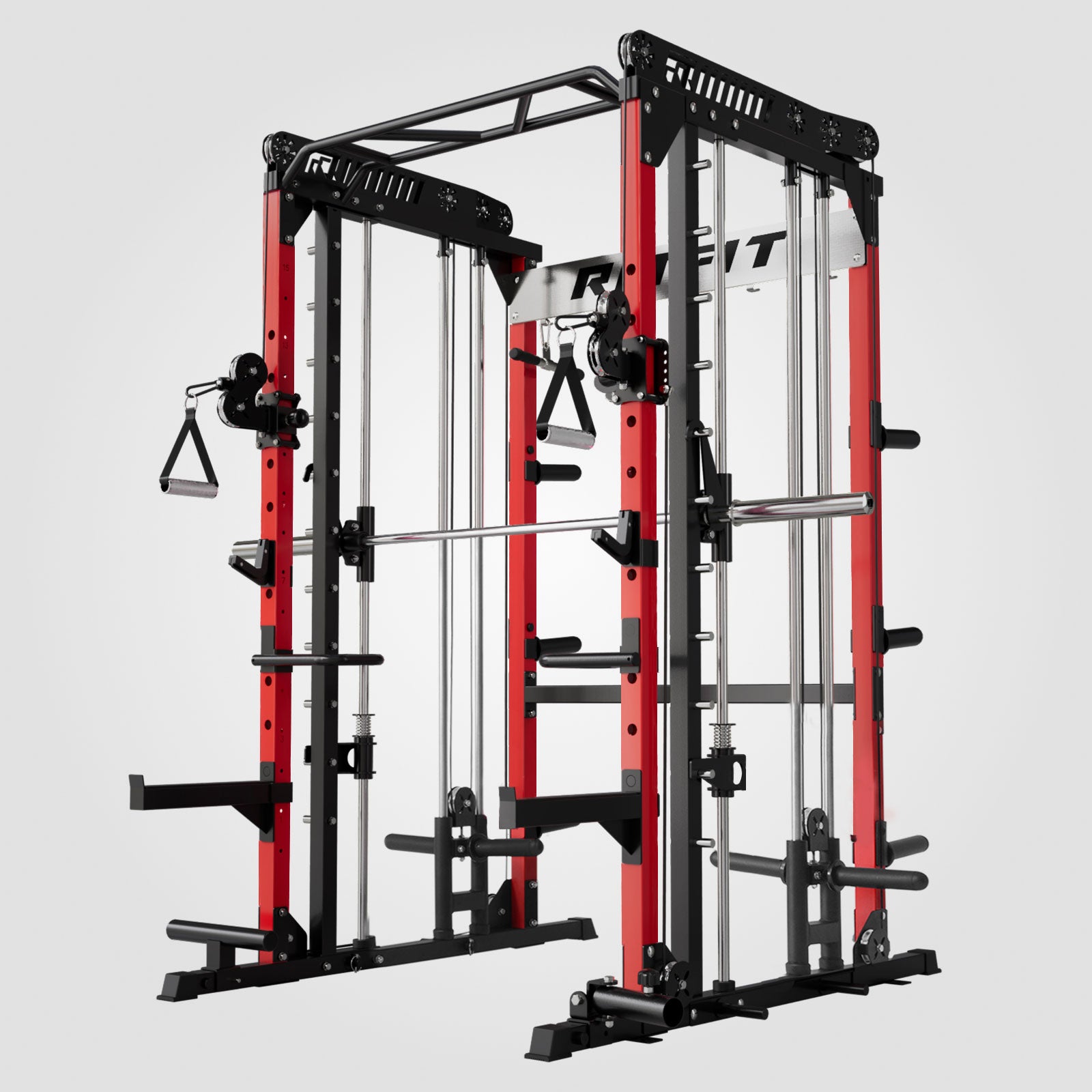
Home gym training should make consistency easier, not encourage reckless intensity. If you use larger equipment such as a Smith machine or power rack, start with conservative loads and build gradually.
FAQs
How long do sore muscles after a workout usually last?
Most sore muscles improve within three to five days when the soreness is normal DOMS. If pain keeps worsening, limits normal movement, or comes with swelling, fever, dark urine, or severe weakness, treat it as a possible warning sign and seek medical advice.
What helps sore muscles after a workout the fastest?
Light movement, hydration, protein, carbohydrates, and sleep usually help sore muscles recover the fastest. Cold therapy may reduce early discomfort, while heat can feel better later when stiffness is the main problem. The best choice depends on timing, soreness level, and overall training stress.
Can I work out if my muscles are still sore?
Yes. You can work out with mild soreness if your movement feels controlled and pain does not increase. Choose light cardio, mobility, or a different muscle group, and avoid heavy training for the same sore area until strength and range of motion improve.
Is heat or ice better for sore muscles after exercise?
Ice is usually better during the first day or two when soreness feels fresh and tender. Heat is often better later, when tightness and stiffness are the main issues, because warmth can make gentle movement feel easier. Use both safely and briefly.
Should I stretch sore muscles after a workout?
Yes. Gentle stretching can help maintain range of motion and reduce stiffness, but it should not feel sharp or forced. Use slow breathing, short holds, and easy positions, and stop if stretching makes the soreness feel worse during the session.
What foods help sore muscles after a workout?
Protein, carbohydrates, water, and colorful plant foods are the most useful nutrition basics for sore muscles. Protein supports tissue repair, carbohydrates restore training fuel, and fruits, vegetables, omega 3 rich foods, and tart cherry juice may support recovery habits over time.
Does soreness mean my workout was effective?
No. Soreness does not prove a workout was better, because muscle growth and fitness gains can happen without major pain. Progress is better judged by strength, technique, consistency, recovery, and whether training becomes gradually more challenging over time.
When should I worry about sore muscles after exercise?
Worry about sore muscles when pain is severe, gets worse, or appears with swelling, numbness, fever, dark urine, or major weakness. These signs are not typical DOMS and may require urgent medical care, especially after extreme training or heat stress.
Conclusion
Most sore muscles after a workout improve with light movement, hydration, balanced meals, sleep, and patient load management. Use cold early if soreness feels fresh, heat later if stiffness dominates, and watch for red flags that do not match normal DOMS.
The goal is not to erase every ache, but to recover well enough to train consistently, safely, and confidently.
Disclaimer
This article is for general fitness education only and does not replace professional medical advice, diagnosis, or treatment. If you have severe pain, major swelling, dark urine, fever, numbness, weakness, or trouble moving normally after exercise, seek medical care promptly.
References
- Dupuy O, Douzi W, Theurot D, Bosquet L, Dugué B. An evidence based approach for choosing post exercise recovery techniques to reduce markers of muscle damage, soreness, fatigue, and inflammation: a systematic review with meta analysis. Front Physiol. 2018;9:403. doi:10.3389/fphys.2018.00403
- Bleakley C, McDonough S, Gardner E, Baxter GD, Hopkins JT, Davison GW. Cold water immersion for preventing and treating muscle soreness after exercise. Cochrane Database Syst Rev. 2012;2012(2):CD008262. doi:10.1002/14651858.CD008262.pub2
- Wiewelhove T, Döweling A, Schneider C, Hottenrott L, Meyer T, Kellmann M, Pfeiffer M, Ferrauti A. A meta analysis of the effects of foam rolling on performance and recovery. Front Physiol. 2019;10:376. doi:10.3389/fphys.2019.00376
- Guo J, Li L, Gong Y, Zhu R, Xu J, Zou J, Chen X. Massage alleviates delayed onset muscle soreness after strenuous exercise: a systematic review and meta analysis. Front Physiol. 2017;8:747. doi:10.3389/fphys.2017.00747
- Kuehl KS, Perrier ET, Elliot DL, Chesnutt JC. Efficacy of tart cherry juice in reducing muscle pain during running: a randomized controlled trial. J Int Soc Sports Nutr. 2010;7:17. doi:10.1186/1550-2783-7-17