A penalty kick in soccer is a direct shot from the penalty mark, awarded when a defending player commits a direct free kick offence inside their own penalty area. It is one of the clearest scoring chances in the game because the kicker faces only the goalkeeper from 12 yards.
This guide explains penalty kick rules, goalkeeper limits, penalty shootouts, technique, famous moments, and training principles using the current IFAB Laws of the Game as the rules foundation.
Key Takeaways
- A penalty kick is awarded for a direct free kick offence inside the penalty area. The kick is taken from the penalty mark and can score directly.
- The penalty mark is 12 yards from the goal line. All other players must stay outside the penalty area and penalty arc until the ball is kicked.
- The goalkeeper must stay on the goal line until the kick is taken. At least part of one foot must be touching, in line with, or behind the line when the ball is kicked.
- The kicker cannot touch the ball twice in a row. The ball must touch another player before the kicker can play it again.
- A penalty shootout is different from a penalty kick during play. Shootouts happen after a tied knockout match and decide the winner.
Table of Contents
- What Is a Penalty Kick in Soccer?
- Penalty Kick Field Setup and Measurements
- When Is a Penalty Kick Awarded?
- Penalty Kick Procedure
- Rules for the Kicker
- Rules for the Goalkeeper
- What Happens After the Kick?
- Penalty Kick vs Penalty Shootout
- Penalty Kick Technique
- How Goalkeepers Save Penalties
- Famous Penalty Kicks in Soccer History
- Training for Penalty Kick Performance
- Common Penalty Kick Violations and Outcomes
What Is a Penalty Kick in Soccer?
A penalty kick is awarded when a player commits a direct free kick offence inside their own penalty area or off the field as part of play under the relevant Laws of the Game. A goal may be scored directly from the penalty kick without another player touching the ball.
The kick was introduced in 1891 after pressure grew for a stronger punishment against deliberate goal stopping fouls. William McCrum, a goalkeeper from Milford Everton in Northern Ireland, is widely credited with proposing the idea.
For beginners, the simplest definition is this, a penalty kick is soccer's highest value restart because it gives one attacker a direct shot against one goalkeeper. For advanced players, it is also a test of decision making, disguise, timing, and emotional control.
Penalty Kick Field Setup and Measurements
A penalty kick takes place from a fixed spot with strict player positioning rules. These measurements make the situation consistent across regulation soccer fields.
- Penalty mark: The ball is placed on the penalty mark, 12 yards or 11 meters from the goal line and centered between the goalposts.
- Goal size: A full size goal is 8 yards wide and 8 feet high, creating a large target but still requiring precision.
- Penalty area: The penalty area extends 18 yards from the goal line and 18 yards from each goalpost, making it 44 yards wide.
- Penalty arc: The arc marks the 10 yard distance from the penalty mark that other players must respect before the kick.
- Goal line: The goalkeeper must remain on or in line with this line until the ball is kicked.
When Is a Penalty Kick Awarded?
A penalty kick is awarded when the defending team commits an offence inside its own penalty area that would normally result in a direct free kick. The referee must judge the location, the type of offence, and whether play was active.
Fouls That Can Lead to a Penalty
Common penalty offences include tripping, kicking, pushing, holding, charging unfairly, jumping at an opponent, striking, or making careless contact while challenging for the ball.
Handball and Penalty Decisions
Handball can lead to a penalty when the arm or hand contact is deliberate, makes the body unnaturally bigger, or fits the Law's criteria for an offence.
- Not every handball is a penalty: Referees consider body position, movement, distance, and whether the arm created an unfair barrier.
- VAR can review penalty incidents: In competitions using VAR, clear and obvious errors involving penalty decisions may be checked.
- Context matters: A ball that hits a tucked arm from very close range may be judged differently from an arm extended away from the body.
Penalty Kick Procedure
A penalty kick follows a strict sequence before the ball is in play. The referee controls the restart, and any early movement or illegal action can change the outcome.
1. Ball Placement
The ball must be stationary, with part of the ball touching or overhanging the center of the penalty mark.
2. Kicker Identification
The player taking the penalty kick must be clearly identified to the referee and goalkeeper.
3. Goalkeeper Position
The goalkeeper must face the kicker and remain between the goalposts on the goal line until the ball is kicked.
4. Other Player Positions
All players except the kicker and goalkeeper must stay outside the penalty area, outside the penalty arc, behind the penalty mark, and inside the field of play.
5. Referee Signal
The kicker must wait for the referee's signal before taking the penalty.
6. The Kick
The ball must be kicked forward, and backheeling is allowed only if the ball moves forward.
7. Ball in Play
The ball is in play when it is kicked and clearly moves.
Rules for the Kicker
The kicker must follow the Law before, during, and immediately after the shot. Most kicker violations involve illegal feinting, kicking the ball backward, or touching the ball twice.
- Run up feinting is allowed: The kicker may vary speed during the run up, but cannot feint to kick the ball after completing the run up.
- The ball must move forward: A backward penalty kick is not legal, even if it is part of a trick play.
- No double touch is allowed: The kicker cannot play the ball again until it has touched another player.
- Rebounds depend on contact: If the goalkeeper saves the shot, the kicker may play the rebound because the goalkeeper has touched the ball.
- Post rebounds are different: If the ball rebounds from the post or crossbar without touching another player, the kicker cannot touch it again first.
Rules for the Goalkeeper
The goalkeeper may move along the goal line, but must not leave the line early. At the moment the ball is kicked, at least part of one foot must be touching, in line with, or behind the goal line.
- Allowed movement: The goalkeeper may move side to side and may jump, as long as the required foot position is legal at the moment of the kick.
- Unfair distraction is not allowed: The goalkeeper must not delay the kick, touch the posts, touch the crossbar, touch the net, or behave in a way that unfairly distracts the kicker.
- If the goalkeeper saves the kick after offending: The penalty is retaken.
- If the goalkeeper offends and the kick scores: The goal is awarded.
- If the goalkeeper offends and the shot misses: The kick is retaken only if the goalkeeper's offence clearly affected the kicker.
What Happens After the Kick?
After the penalty is kicked, the next restart depends on whether the ball scores, stays in play, rebounds, or goes out of play. The kicker's second touch rule remains one of the most important details.
If a Goal Is Scored
The goal stands if the ball fully crosses the goal line between the posts and under the crossbar without an attacking offence.
If the Penalty Is Saved
Play continues if the goalkeeper saves the shot and the ball remains in play.
If the Ball Hits the Post or Crossbar
Play continues if the ball rebounds from the frame of the goal, but the original kicker cannot touch it again before another player does.
If the Ball Goes Out of Play
A goal kick, corner kick, or throw in is awarded depending on where the ball leaves the field and which player last touched it.
Penalty Kick vs Penalty Shootout
A penalty kick is a restart during normal play or extra time, while a penalty shootout is a tie breaking procedure after a knockout match ends level. This distinction matters because shootout kicks are not part of open play.
- Penalty kick during play: Awarded for a direct free kick offence inside the penalty area.
- Penalty shootout: Used only when competition rules require a winner after a drawn knockout match.
- Five kicks each: Both teams usually take five kicks, alternating turns.
- Sudden death: If scores are level after five kicks each, teams continue one kick at a time until one team leads after the same number of kicks.
- Eligible players: Only eligible players on the field or temporarily off the field at the end of the match may take part, except for specific goalkeeper replacement rules.
Penalty shootouts became famous on the world stage because they compress tactical preparation, emotional pressure, and national expectation into a few seconds. The 1976 European Championship final made the shootout globally iconic when Antonin Panenka scored his famous chipped penalty.
Penalty Kick Technique
Good penalty technique combines target selection, repeatable mechanics, and emotional control. Research on soccer kicking shows that powerful shots rely on a coordinated sequence from the hip and thigh through the shank and foot.[1]
Placement vs Power
Placement penalties aim for difficult areas of the goal, while power penalties rely on speed and a clean strike to beat the goalkeeper.
- Placement approach: Aim for the side netting or lower corners where reach is limited.
- Power approach: Strike firmly through the ball with a stable plant foot and controlled follow through.
- Hybrid approach: Use enough pace to reduce reaction time while still choosing a precise target.
The Run Up
A consistent run up helps the kicker repeat contact quality and manage pressure.
Approach angle can change kicking mechanics, but recreational players should not assume that copying a fixed angle will automatically improve accuracy or ball speed.[2]
Visual Focus and Targeting
Visual strategy changes depending on whether a player uses a power penalty or placement penalty.
In one penalty study, placement kicks were linked with more attention toward goal edges, while power kicks involved longer fixation on the ball.[3]
Mental Routine
A short routine helps the kicker reduce noise and commit to the chosen action.
Research on pressure and penalty kicking suggests that giving players more control over aiming decisions can support performance under pressure.[4]
How Goalkeepers Save Penalties
Goalkeepers save penalties by combining scouting, anticipation, legal positioning, and explosive movement. The best goalkeepers do not simply guess, they read patterns while staying within the Law.
Reading the Kicker
Goalkeepers often study the run up, hip orientation, plant foot, trunk position, and previous penalty habits before deciding when and where to move.
Diving Technique
A strong penalty dive starts from a balanced stance, then uses a quick push from the inside leg to reach the chosen side.
Timing the Decision
Penalty success depends partly on the timing interaction between the kicker and goalkeeper, especially whether either player commits too early or waits too long.[5]
- Early dive risk: Diving too soon may reveal the goalkeeper's direction and make a composed finish easier.
- Late dive risk: Waiting too long can make the corners unreachable.
- Central stay option: Staying central can work against a chipped or middle shot, but it requires discipline and confidence.
Famous Penalty Kicks in Soccer History
Penalty kicks become historic because they often decide tournaments, careers, and national narratives. A single shot can become a symbol of confidence, pressure, or heartbreak.
Antonin Panenka in 1976
Antonin Panenka chipped the ball down the middle in the 1976 European Championship final, creating one of soccer's most famous penalty techniques.
Roberto Baggio in 1994
Roberto Baggio missed over the crossbar in the 1994 World Cup final shootout, giving Brazil the title and creating one of the most remembered penalty images in soccer history.
England vs Colombia in 2018
England defeated Colombia in a 2018 World Cup shootout, ending a long run of major tournament penalty shootout disappointment.
Modern VAR Era Penalties
VAR has made penalty decisions more reviewable, especially on handball, contact fouls, encroachment, and goalkeeper positioning.
Training for Penalty Kick Performance
Penalty training should include technique, pressure practice, lower body power, core stability, and recovery. The goal is not only to strike harder, but to repeat the same action under fatigue and stress.
- For kickers: Practice one reliable routine, one preferred corner, and one backup option before adding advanced deception.
- For goalkeepers: Practice legal line movement, explosive lateral dives, controlled landings, and video based anticipation.
- For team training: Add penalties after intense drills to simulate fatigue and emotional pressure.
- For strength work: Build lower body power with squats, hinges, lunges, jumps, and loaded carries.
- For recovery: Use mobility work, light movement, and tissue care to maintain clean mechanics between sessions.
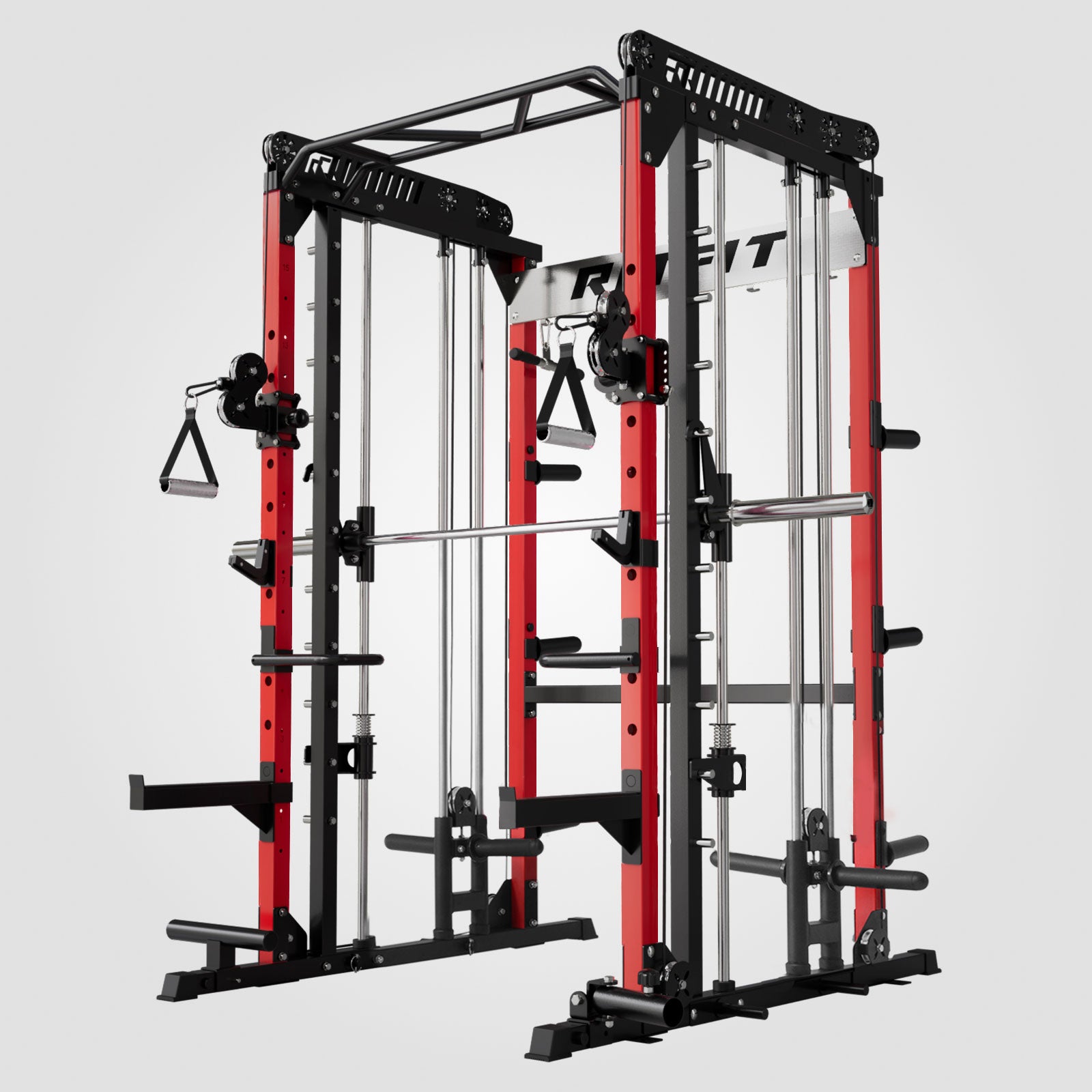
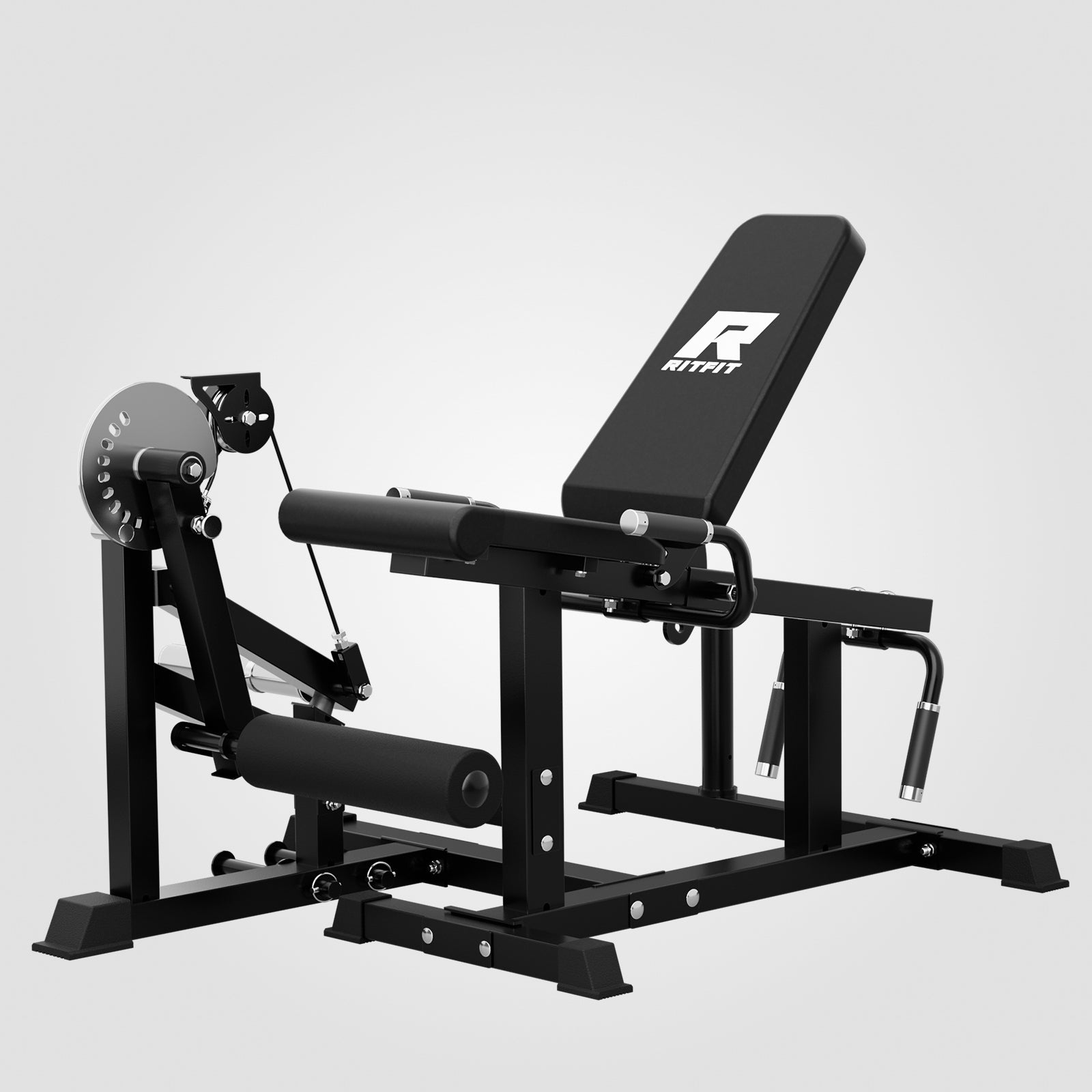
Home training can support soccer performance when it builds strength, balance, and repeatable movement quality. Athletes can use dumbbells for unilateral leg strength, a plyo box for explosive jump training, and adjustable benches for core and accessory work.
Players who want a broader home gym setup can pair barbells and weight plates with strength machines for lower body training. Goalkeepers may also benefit from box jumps and lateral power drills when performed with safe progressions.
Common Penalty Kick Violations and Outcomes
Penalty violations are judged by who offended and whether the ball entered the goal. The most important outcomes involve retakes, indirect free kicks, goals awarded, and cautions.
- Attacking team offends and the ball enters the goal: The kick is retaken.
- Attacking team offends and the ball does not enter the goal: Play restarts with an indirect free kick for the defending team.
- Defending team offends and the ball enters the goal: The goal is awarded.
- Defending team offends and the ball does not enter the goal: The kick may be retaken depending on the offence and its effect.
- Both teams offend: The kick is usually retaken unless a more serious offence occurs, such as illegal feinting.
- Kicker illegally feints after completing the run up: The kicker is cautioned and play restarts with an indirect free kick to the defending team.
FAQs
What is a penalty kick in soccer?
A penalty kick in soccer is a direct shot from the penalty mark after a defending team commits a direct free kick offence inside its own penalty area. The kicker shoots from 12 yards, only the goalkeeper defends the goal, and a goal can be scored directly.
When is a penalty kick awarded in soccer?
A penalty kick is awarded when a defending player commits a direct free kick offence inside the team's own penalty area. Common examples include tripping, pushing, holding, careless tackling, striking, or certain handball offences, but the referee must judge the action and location.
Can a goalkeeper move during a penalty kick?
Yes. A goalkeeper can move sideways along the goal line and can jump before the kick. At the moment the ball is kicked, at least part of one foot must be touching, in line with, or behind the goal line.
Can the penalty taker touch the ball twice?
No. The penalty taker cannot touch the ball again until another player has touched it. If the ball rebounds from the post or crossbar directly back to the kicker, the kicker cannot play it, but a goalkeeper save counts as another touch.
Is a penalty kick the same as a penalty shootout?
No. A penalty kick is a restart during normal play or extra time after a penalty offence. A penalty shootout happens after a tied knockout match, when competition rules require a winner, and each team takes alternating kicks to decide the result.
What happens if players enter the penalty area too early?
Early entry is penalised when it clearly affects play or creates an advantage after the kick. If an attacker enters early and the ball scores, the kick may be retaken. If a defender enters early and the kick is missed or saved, the kick may be retaken.
How far is the penalty spot from the goal?
The penalty spot is 12 yards from the goal line, which is about 11 meters. It is centered between the two goalposts, giving the kicker a direct angle at goal while leaving enough distance for goalkeeper reaction and shot placement.
How should beginners practice penalty kick technique?
Beginners should practice one repeatable routine before adding power or deception. Start with a consistent run up, stable plant foot, clean contact, and one target zone, then add pressure by taking penalties after fitness drills or small sided games.
Conclusion
A penalty kick is simple in appearance but complex in execution. It combines official rules, technical accuracy, goalkeeper anticipation, emotional pressure, and match context into one decisive moment.
Whether you are learning the game, coaching players, or preparing for a shootout, the best approach is to understand the Law first and then train the skill with a repeatable routine.
Disclaimer: This article is for general educational and sports training information only. Soccer rules may change by competition and season, so always check the latest IFAB Laws of the Game and your competition regulations. Training suggestions are not medical advice. Stop any drill that causes pain, and consult a qualified coach or healthcare professional when needed.
References
- Kellis E, Katis A. Biomechanical characteristics and determinants of instep soccer kick. J Sports Sci Med. 2007;6(2):154-165.
- Scurr J, Hall B. The effects of approach angle on penalty kicking accuracy and kick kinematics with recreational soccer players. J Sports Sci Med. 2009;8(2):230-234.
- Timmis MA, Turner K, van Paridon KN. Visual search strategies of soccer players executing a power vs. placement penalty kick. PLoS One. 2014;9(12):e115179. doi:10.1371/journal.pone.0115179
- Navia JA, van der Kamp J, Avilés C, Aceituno J. Self-control in aiming supports coping with psychological pressure in soccer penalty kicks. Front Psychol. 2019;10:1438. doi:10.3389/fpsyg.2019.01438
- Noël B, van der Kamp J, Klatt S. The interplay of goalkeepers and penalty takers affects their chances of success. Front Psychol. 2021;12:645312. doi:10.3389/fpsyg.2021.645312