An IFBB Pro Card is the credential that gives a physique athlete professional status in the IFBB Professional League. It allows qualified athletes to activate IFBB Pro membership, enter professional contests, and pursue Olympia qualification under current league rules.
This guide explains what the IFBB Pro Card means, how athletes earn it through NPC and NPC Worldwide pathways, what happens after turning pro, and how serious lifters can train with a more structured bodybuilding setup.
Key Takeaways
- An IFBB Pro Card creates professional status: It allows an athlete to activate IFBB Pro League membership and compete in IFBB Pro contests.
- The NPC is the main United States pathway: Most United States athletes earn pro eligibility through NPC national level pro qualifier contests.
- Pro Card rules vary by contest: Card allocation depends on the event, division, class structure, competitor count, and current official rules.
- A Pro Card is not Olympia qualification: Olympia qualification follows a separate annual system that can include wins, points, previous placement, and division specific rules.
- Training is only one part of the journey: Competitive bodybuilding also requires posing, nutrition, conditioning, finances, recovery, and long term consistency.
What Does IFBB Stand For?
IFBB stands for International Federation of Bodybuilding and Fitness, but modern competitive bodybuilding uses several related organizations and pathways. In the United States, most athletes referring to an IFBB Pro Card usually mean professional status in the IFBB Professional League.
The key distinction is that the IFBB Pro League pathway is separate from other international amateur and professional systems. Athletes should always check the current rule page for the federation and contest they plan to enter.
What Is an IFBB Pro Card?
An IFBB Pro Card is the recognized credential that allows an athlete to become an IFBB Professional League athlete. It is not simply a trophy, title, or social media label.
After earning the right to apply, the athlete must follow the IFBB Professional League membership process and keep membership status active to compete in professional contests.
- Professional contest eligibility: An active IFBB Pro athlete can enter IFBB Pro League contests for their approved division.
- Professional identity: The athlete may use the IFBB Pro designation in a professional bodybuilding context.
- Olympia pathway access: A Pro Card allows the athlete to pursue Olympia qualification, but it does not automatically qualify the athlete for Olympia.
- Career opportunity: Pro status can support sponsorships, coaching, guest posing, content creation, and fitness business growth.
IFBB Pro Card vs Olympia Qualification
An IFBB Pro Card gives professional status, while Olympia qualification is a separate competitive achievement. This is one of the most important distinctions for new fans and first time competitors.
For 2026, the Olympia Qualification System uses different rules across divisions, including points, automatic qualification, previous Olympia placement, and contest wins. Athletes should verify the current Olympia Qualification Rules before planning a season.
How to Get an IFBB Pro Card in the United States
Most United States athletes earn IFBB Pro status through the NPC, the amateur pathway connected to the IFBB Professional League. The process usually starts locally and progresses toward national level pro qualifier contests.
Step 1: Start With NPC Competition
Begin by entering an NPC contest in the division that matches your physique, structure, and presentation style. Early shows help athletes learn judging standards, posing demands, stage presence, and the level required to advance.
Step 2: Qualify for National Level Competition
To move toward a Pro Card, athletes usually need to place high enough at a qualifying contest to enter a national level pro qualifier. The exact qualification requirement depends on the division and current NPC rules.
Step 3: Enter an NPC Pro Qualifier
Pro Cards are awarded at approved pro qualifier contests, not at every local show. The official NPC rules state that athletes should check the contest website for the number of IFBB Pro Cards awarded at each event.
Step 4: Earn the Required Placing
Winning a class, overall title, or required top placing may earn the right to apply for IFBB Pro status, depending on the event and division. Because allocations change, serious athletes should verify the current card rules before choosing a show.
Major IFBB Pro League Divisions
The IFBB Pro League includes multiple divisions, each with different judging priorities and physique expectations. Choosing the right division is a strategic decision, not just a matter of size.
- Men’s Open Bodybuilding: The most mass focused men’s division, judged on muscularity, symmetry, conditioning, and presentation.
- Men’s 212 Bodybuilding: A bodybuilding division with a bodyweight limit, often favoring dense muscularity and compact structure.
- Classic Physique: A division emphasizing balanced proportions, muscularity, shape, and a more classic aesthetic.
- Men’s Physique: A board shorts division focused on upper body development, shape, conditioning, and marketable presentation.
- Men’s Wheelchair: A division for qualified athletes with verified mobility related eligibility under league rules.
- Women’s Bodybuilding: The most muscular women’s division, judged on size, conditioning, symmetry, and presentation.
- Fitness: A women’s division combining physique judging with a performance routine.
- Figure: A women’s division emphasizing shape, shoulder to waist balance, muscular tone, and conditioning.
- Bikini: A highly competitive women’s division focused on balance, stage presence, shape, and overall presentation.
- Women’s Physique: A muscular women’s division that sits between Figure and Women’s Bodybuilding in overall look.
- Wellness: A women’s division emphasizing lower body development, balance, conditioning, and confident presentation.
- Fit Model: A newer women’s category focused on balance, shape, conditioning, muscularity, and overall presentation.
International IFBB Pro Card Pathways
Athletes outside the United States may pursue IFBB Pro status through NPC Worldwide and other approved international pro qualifier routes. These pathways have their own membership, qualification, and contest requirements.
International athletes should confirm the rules for their country, regional requirements, and contest type before entering. Natural and open pathways are not always interchangeable.
What Happens After You Earn an IFBB Pro Card?
Earning a Pro Card is the start of a professional career phase, not the end of the journey. New pros must manage membership, contest selection, training progress, sponsorship positioning, and long term brand building.
- Activate membership: The athlete must follow the official IFBB Professional League membership process after earning the right to apply.
- Renew status: Active membership is required to compete, and athletes must follow current renewal rules.
- Select contests carefully: New pros should choose shows based on division depth, timing, travel cost, qualification goals, and readiness.
- Build a business: Many pros earn more from coaching, sponsorships, social media, seminars, and fitness products than from prize money alone.
How Hard Is It to Earn an IFBB Pro Card?
Earning an IFBB Pro Card is extremely difficult because athletes compete against the best amateurs in their division. Many competitors spend years improving before becoming nationally competitive.
Success depends on muscle development, conditioning, symmetry, posing, coaching, judging feedback, genetics, mental resilience, and consistency across multiple seasons. Contest preparation is especially demanding because physique athletes often combine resistance training with strict nutrition, strategic fat loss, and careful recovery management.[1]
What It Takes to Train Like a Competitive Bodybuilder
Bodybuilding training is built around progressive overload, sufficient training volume, exercise execution, recovery, and nutrition. Effective hypertrophy training usually combines mechanical tension, controlled technique, and enough weekly stimulus to drive adaptation.[2]
- Compound lifts: Squats, presses, rows, deadlift variations, and pull ups help build total body strength and muscle foundation.
- Isolation work: Cable raises, curls, extensions, flyes, pulldowns, and leg curls help target weak points and improve symmetry.
- Progress tracking: Serious athletes monitor loads, reps, sets, body weight, photos, and posing feedback over time.
- Nutrition control: Physique athletes often adjust calories, protein, carbohydrates, and fats across off season and contest prep phases.[3]
- Protein strategy: Research supports adequate protein intake as part of resistance training programs designed to increase lean mass and strength.[4]
Building a Bodybuilding Focused Home Gym
A bodybuilding focused home gym should support heavy training, safe solo lifting, and enough exercise variety to train every major muscle group. The best setup is the one that lets you train consistently without waiting for equipment or skipping weak point work.
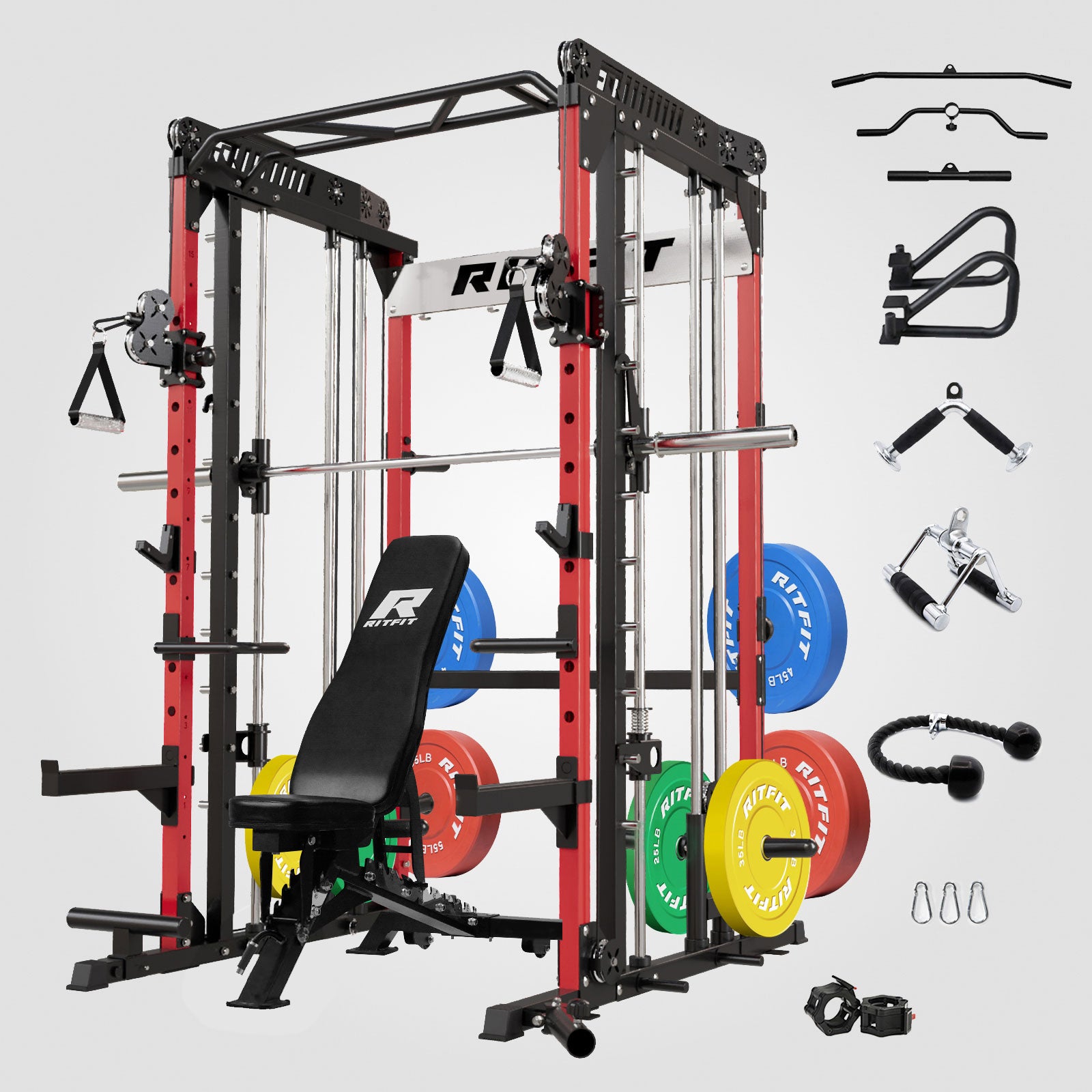
Start with a stable rack or Smith machine, an adjustable bench, dumbbells, barbells, plates, and cable options when space allows. For guided barbell work and cable accessories, explore the RitFit Smith Machine collection and compare it with broader rack package options.
- For pressing and rows: Use an adjustable bench that supports incline, flat, and accessory positions, such as options in the RitFit weight bench collection.
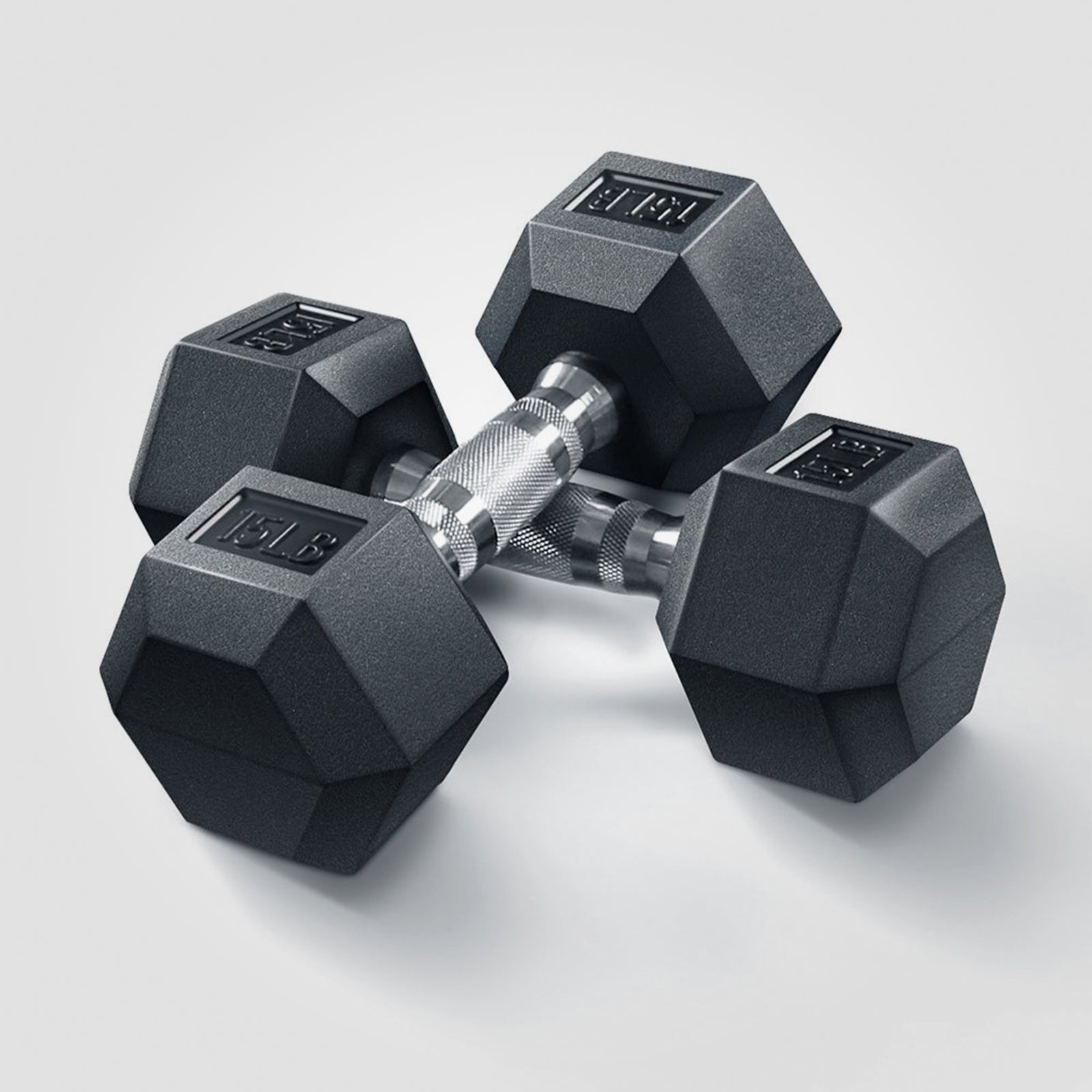
- For unilateral training: Dumbbells help build balance, control, and accessory volume, especially when paired with the RitFit dumbbell collection.
- For progressive overload: Olympic bars and plates are core tools for strength work, and the RitFit barbells and weight plates collection supports scalable loading.
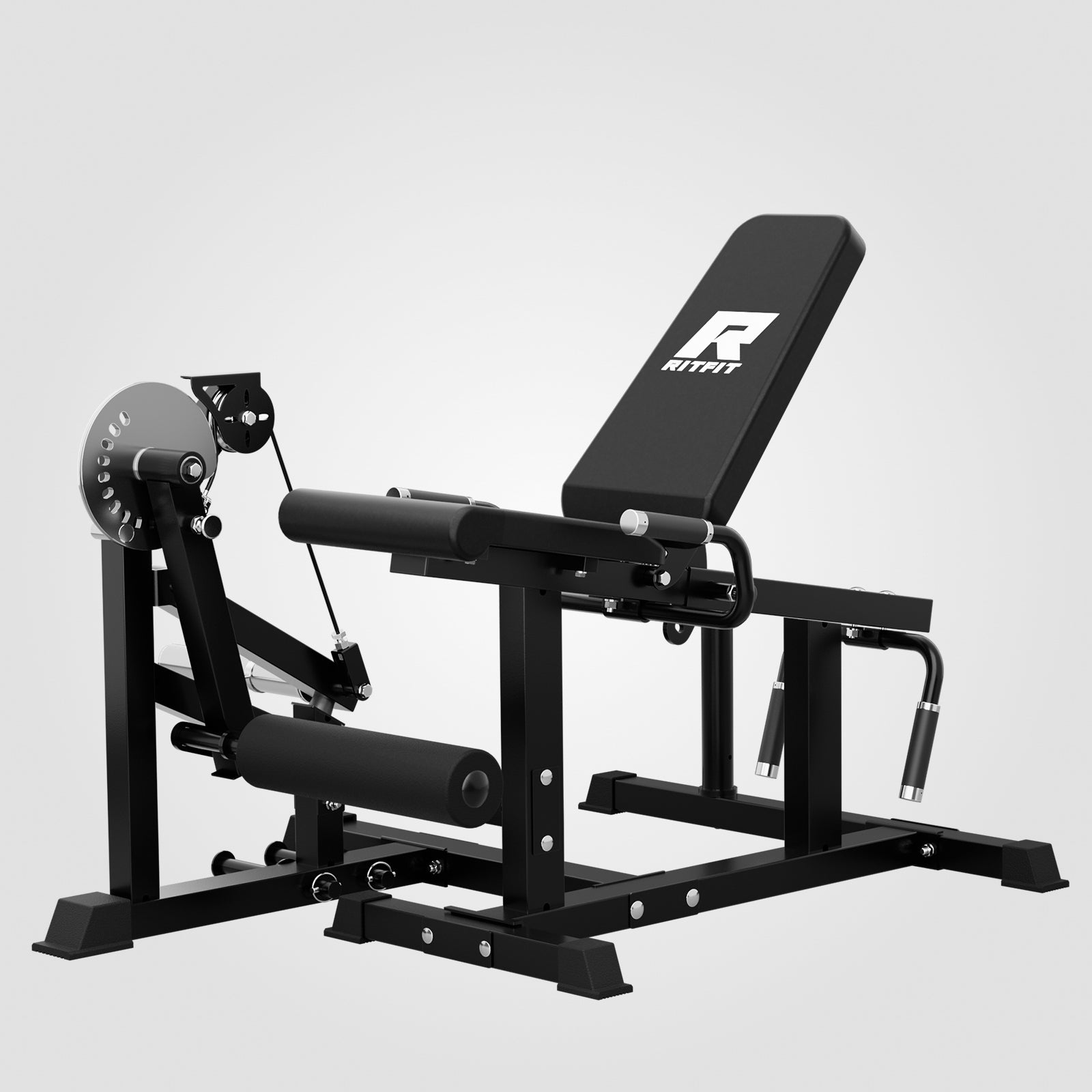
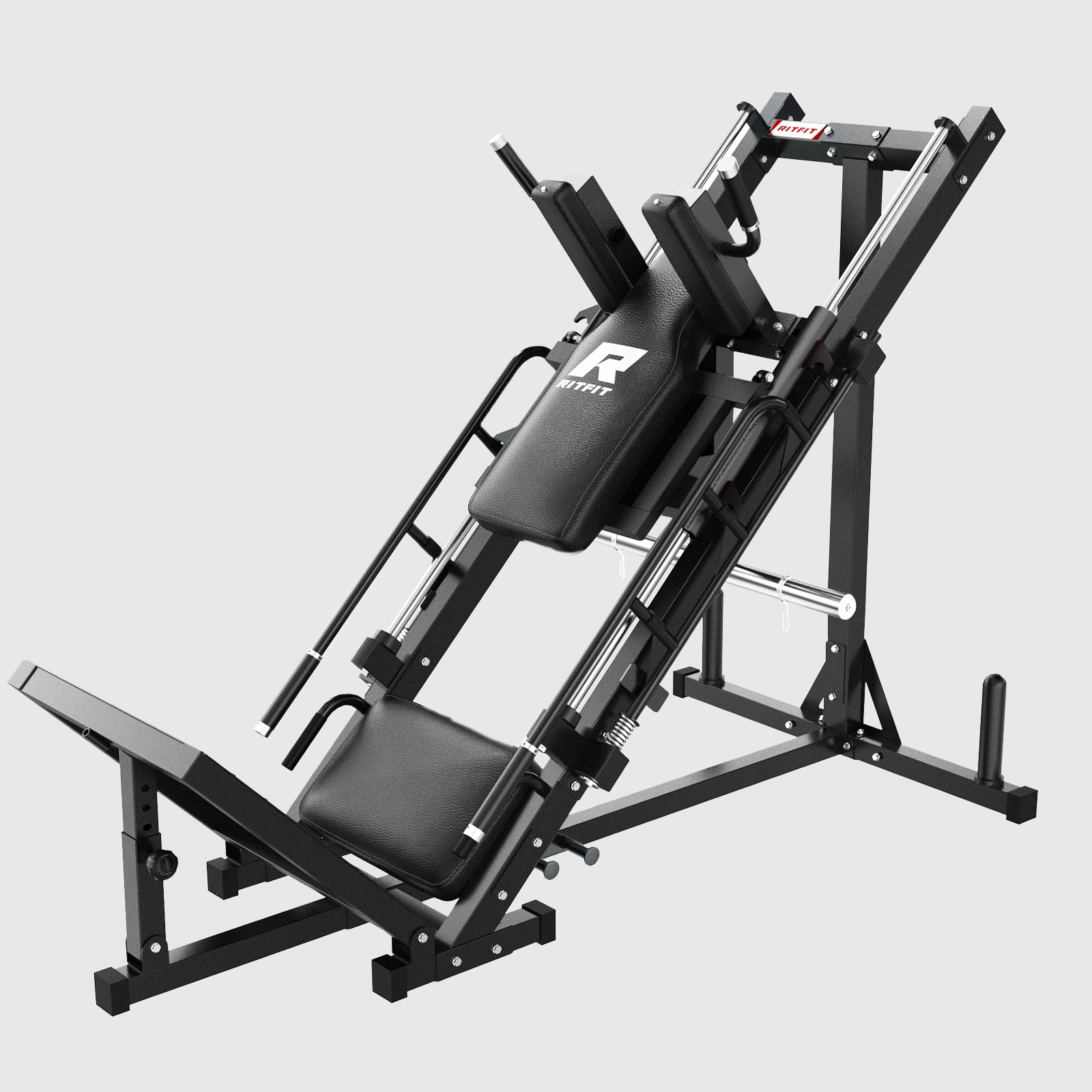
- For machine based training: Lifters who want more isolation work can compare options in the RitFit strength machines collection.
- For bench based work: A dedicated option like the RitFit GATOR Adjustable Weight Bench can support pressing, rows, curls, and accessory movements.
IFBB Pro Card vs Natural Bodybuilding Pro Cards
An IFBB Pro Card is not the same as a natural bodybuilding pro card from a tested federation. Natural organizations and NPC Worldwide natural contests use separate rules, testing standards, clean periods, and eligibility requirements.
Athletes who want drug tested competition should read the specific federation or contest rules before entering. The International Society of Sports Nutrition notes that protein needs and nutrition strategy should be matched to training goals, athlete status, and total diet quality.[5]
Common Mistakes Aspiring IFBB Pros Make
The biggest mistake is thinking that muscle size alone earns a Pro Card. Judges also compare structure, conditioning, symmetry, posing, stage presence, and how each athlete looks beside the lineup that day.
- Choosing the wrong division: An athlete may be impressive but better suited to another category.
- Ignoring posing: Poor presentation can hide strong development and expose weak control.
- Rushing contest prep: Extreme dieting without proper oversight can harm performance, health, and stage look.
- Chasing shows without feedback: Judges feedback and coach review help guide better season planning.
- Underestimating cost: Travel, coaching, food, supplements, tanning, suits, and registration fees add up quickly.
Frequently Asked Questions
What is an IFBB Pro Card?
An IFBB Pro Card is the credential that gives an athlete professional status in the IFBB Pro League. It allows the athlete to activate professional membership, enter IFBB Pro contests, and compete against other professional physique athletes under the league rule system.
How do you get an IFBB Pro Card in the United States?
You usually earn an IFBB Pro Card by competing through the NPC pathway and winning the required placing at an approved pro qualifier. The exact card allocation depends on the contest, division, class structure, and current official rules.
Is an IFBB Pro Card the same as Olympia qualification?
No. A Pro Card gives professional status, while Olympia qualification is a separate achievement. A pro athlete must meet the current Olympia Qualification System through wins, points, previous Olympia placement, or division specific rules.
Can you buy an IFBB Pro Card?
No. An IFBB Pro Card must be earned through a qualifying competition result. Athletes may need to pay membership and renewal fees after earning eligibility, but payment alone does not create professional status.
How long does it take to become an IFBB Pro?
It often takes years to become an IFBB Pro, and many competitors never reach that level. The timeline depends on genetics, training history, division, coaching, posing skill, conditioning, finances, and how quickly the athlete becomes competitive nationally.
Are IFBB Pro League contests drug tested?
Standard IFBB Pro League contests should not be assumed to be natural contests. NPC Worldwide natural contests have separate testing rules, prohibited substance categories, clean periods, and penalties, so athletes must read the specific contest rules before entering.
How much does it cost to chase an IFBB Pro Card?
Chasing an IFBB Pro Card can cost several thousand dollars per season. Common expenses include coaching, posing, food, supplements, travel, registration, tanning, suits or trunks, photography, peak week logistics, and time away from work.
Which home gym equipment helps bodybuilding training?
Serious bodybuilding training benefits from equipment that supports progressive overload and muscle isolation. A practical home setup often includes a rack or Smith machine, adjustable bench, dumbbells, barbells, plates, cable attachments, and enough space to train safely.
Conclusion
An IFBB Pro Card is earned through elite competitive performance, not purchased or casually awarded. For aspiring bodybuilders, the smartest path is to choose the right division, follow official rules, build years of disciplined training, and treat nutrition, posing, recovery, and stage presentation as seriously as lifting.
Disclaimer
This article is for general educational purposes only and is not medical, legal, or contest registration advice. Competitive bodybuilding can involve extreme dieting, dehydration risk, intense training, and major lifestyle stress, so athletes should work with qualified coaches, licensed medical professionals, and official contest organizers before beginning prep or entering a show.
References
- Helms ER Aragon AA Fitschen PJ. Evidence-based recommendations for natural bodybuilding contest preparation: nutrition and supplementation. J Int Soc Sports Nutr. 2014;11:20. doi:10.1186/1550-2783-11-20
- Krzysztofik M Wilk M Wojdała G Gołaś A. Maximizing muscle hypertrophy: a systematic review of advanced resistance training techniques and methods. Int J Environ Res Public Health. 2019;16(24):4897. doi:10.3390/ijerph16244897
- Roberts BM Helms ER Trexler ET Fitschen PJ. Nutritional recommendations for physique athletes. J Hum Kinet. 2020;71:79-108. doi:10.2478/hukin-2019-0096
- Morton RW Murphy KT McKellar SR Schoenfeld BJ Henselmans M Helms E et al. A systematic review, meta-analysis and meta-regression of the effect of protein supplementation on resistance training-induced gains in muscle mass and strength in healthy adults. Br J Sports Med. 2018;52(6):376-384. doi:10.1136/bjsports-2017-097608
- Jäger R Kerksick CM Campbell BI Cribb PJ Wells SD Skwiat TM et al. International Society of Sports Nutrition position stand: protein and exercise. J Int Soc Sports Nutr. 2017;14:20. doi:10.1186/s12970-017-0177-8