A fitness log helps you track workouts, measure progress, and make better training decisions instead of relying on memory. It turns exercise into clear records so you can see patterns in effort, consistency, recovery, and results.
For students, beginners, and home gym users, a simple log can clarify goals and make training easier to adjust over time.
- What Is a Fitness Log?
- What Is the Main Purpose of a Fitness Log?
- Core Purposes of a Fitness Log
- What to Record in a Fitness Log
- Different Types of Fitness Logs and Their Uses
- Simple Fitness Log Example
- How to Start and Maintain a Fitness Log
- Common Mistakes and How to Avoid Them
- Who Should Use a Fitness Log?
Key Takeaways
- A fitness log gives your workouts structure: It records what you did, how hard it felt, and how your body responded.
- Progress becomes easier to measure: You can compare sets, reps, weight, time, distance, and consistency across weeks.
- Goals become more specific: A written log helps turn broad goals into measurable training actions.
- Recovery becomes easier to notice: Tracking soreness, energy, sleep, and fatigue can reveal when training needs adjustment.
- Beginners can keep it simple: The best fitness log is the one you can update consistently.
What Is a Fitness Log?
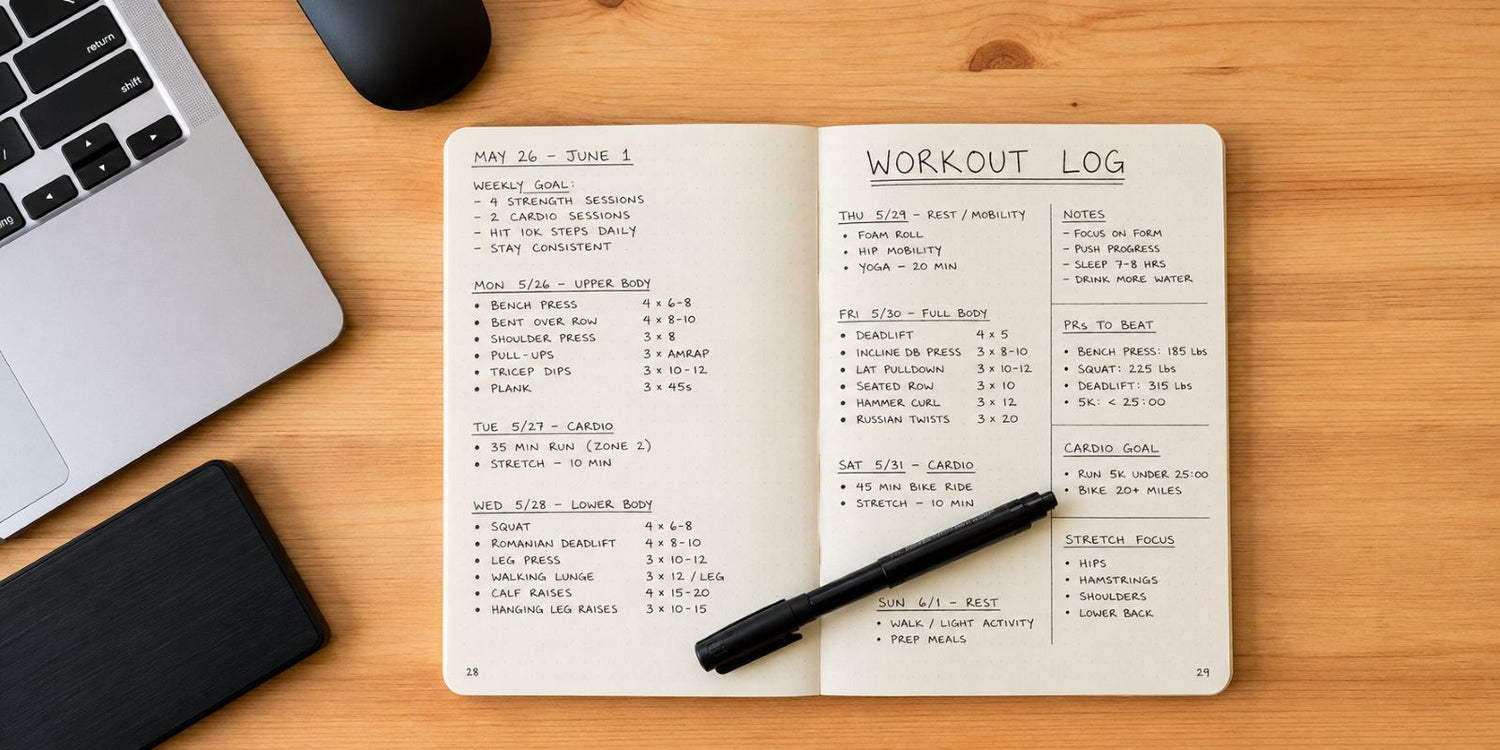
A fitness log is a written or digital record of your workouts, activity, goals, and physical responses. It can be a notebook, spreadsheet, mobile app, wearable tracker, or simple weekly checklist.
Most fitness logs include the exercise name, date, duration, intensity, sets, reps, weight, distance, and how the workout felt.
What Is the Main Purpose of a Fitness Log?
The main purpose of a fitness log is to make your training visible, measurable, and easier to improve. Instead of guessing whether you are getting stronger or more consistent, you can review real workout records.
Research on physical activity interventions suggests that self monitoring can support activity behavior when paired with other behavior change components.[1]
Core Purposes of a Fitness Log
A good fitness log does more than store workout numbers. It helps you understand what is working, what needs adjustment, and what habits are actually repeatable.
Tracking Progress Over Time
A fitness log shows whether your training is improving across days, weeks, and months. You can compare weight lifted, reps completed, walking distance, running pace, workout frequency, or total activity time.
Setting and Clarifying Goals
A fitness log helps turn vague goals into specific actions. Instead of writing “get fit,” you can record a target such as training three days per week, adding five pounds to a lift, or walking 8,000 steps per day.
Increasing Accountability and Consistency
A fitness log makes missed workouts and completed sessions easy to see. Reviews of self monitoring and technology suggest that tracking can improve awareness and support physical activity behavior.[2]
Guiding Workout Planning and Adjustments
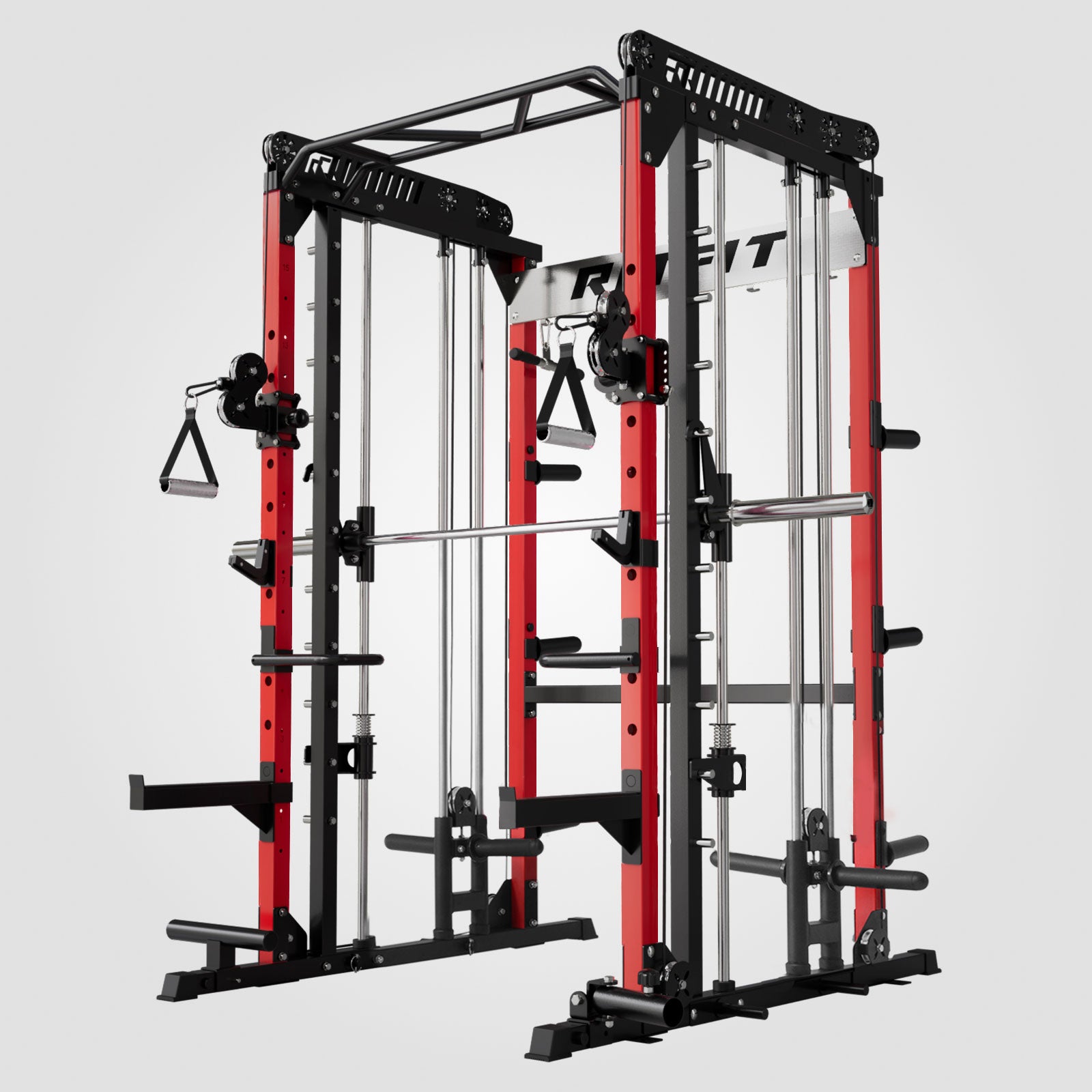
A fitness log helps you decide when to add weight, reduce intensity, change exercises, or repeat a workout. This is especially useful when using home gym equipment such as dumbbells, weight benches, or power racks.
Managing Recovery and Training Load
A fitness log can help you notice sudden jumps in volume, fatigue, soreness, or poor performance. Overtraining guidance commonly includes keeping a training log and monitoring simple recovery markers.[3]
Boosting Motivation and Confidence
A fitness log makes small wins visible. Seeing completed workouts can build confidence, especially when progress feels slow from day to day.
Supporting Communication With Professionals
A fitness log can help coaches, physical education teachers, trainers, or healthcare professionals understand your activity history. Clear records are more useful than memory when discussing goals, barriers, and safe progression.
What to Record in a Fitness Log
A useful fitness log records the details that help you make better decisions. You do not need to track everything, but you should track enough to understand patterns.
- Date and time: Record when the workout happened so you can see weekly consistency.
- Workout type: Note whether the session was strength training, cardio, mobility, sports practice, or recovery work.
- Exercises performed: Write the movement name, such as squat, bench press, row, treadmill walk, or bodyweight circuit.
- Sets, reps, and weight: Track strength work with enough detail to compare future sessions.
- Time, distance, and pace: Record cardio sessions with measurable values that fit your activity.
- Intensity: Use rating of perceived exertion, heart rate, speed, incline, resistance, or training load.
- Equipment and setup: Note bench angle, rack height, dumbbell weight, machine setting, or cable attachment when it affects repeatability.
- Energy and soreness: Record how you felt before and after training to spot recovery patterns.
- Notes: Add brief comments about form, pain, motivation, sleep, or schedule barriers.
For home workouts, equipment notes can be especially helpful. For example, you may record whether you used a GATOR adjustable weight bench, hex rubber dumbbells, or a Smith machine setup.
Different Types of Fitness Logs and Their Uses
The best fitness log depends on your goal, routine, and preferred tracking style. A student, beginner lifter, endurance athlete, and home gym owner may all need different formats.
- Paper workout journal: Best for people who like writing by hand and keeping the process simple.
- Spreadsheet fitness log: Best for tracking numbers, weekly totals, and progress charts.
- Mobile app: Best for quick entries, reminders, workout templates, and automatic summaries.
- Wearable tracker: Best for steps, heart rate, sleep, and daily movement patterns.
- PE fitness log: Best for students who need to record activity type, duration, intensity, and reflection.
- Strength training log: Best for tracking sets, reps, load, rest periods, and equipment setup.
- Recovery log: Best for monitoring soreness, energy, sleep, stress, and readiness to train.
Simple Fitness Log Example
A beginner fitness log should be easy to update in less than two minutes. The goal is consistency, not perfect data.
| Date | Workout | Details | Intensity | Notes |
|---|---|---|---|---|
| Monday | Full body strength | Squat 3 sets of 8, dumbbell row 3 sets of 10, push up 3 sets | Moderate | Good energy, light leg soreness |
| Wednesday | Cardio walk | 30 minutes, steady pace | Easy | Felt recovered after session |
| Friday | Upper body strength | Bench press 3 sets of 8, shoulder press 3 sets of 10, cable row 3 sets | Moderate | Increase weight next week if form stays solid |
Self reported exercise logs can be useful, but they may not always match objective device data, so entries should be recorded promptly and honestly.[4]
How to Start and Maintain a Fitness Log
Start with a simple format that matches your current routine. A log that takes too long to update is harder to maintain.
- Step 1: Choose one format: Use a notebook, spreadsheet, app, or printable template. Pick the one you will actually open after training.
- Step 2: Decide what to track: Start with date, workout type, exercises, duration, intensity, and notes. Add more details only when they help your goal.
- Step 3: Update it right after exercise: Record the workout while the details are fresh. This improves accuracy and reduces guesswork.
- Step 4: Review once per week: Look for patterns in consistency, progress, soreness, and motivation. Use the review to plan the next week.
- Step 5: Adjust gradually: Increase training volume, load, or intensity in small steps. Sudden changes can make your log harder to interpret and your routine harder to repeat.
If your goal is strength training at home, your log can also note which station you used. This may include a multifunctional home gym Smith machine, a bench, dumbbells, or a cable setup from the strength machines collection.
Common Mistakes and How to Avoid Them
The most common fitness log mistake is tracking too much too soon. A simple, consistent log usually beats a detailed log that you stop using after one week.
- Tracking too many metrics: Start with the few details that support your current goal. Add advanced data later if it helps decision making.
- Writing vague entries: Replace “good workout” with specific notes such as exercises, sets, reps, duration, or effort level.
- Ignoring recovery: Record soreness, sleep, fatigue, and unusual discomfort. These notes can help you adjust training before problems grow.
- Only recording successful workouts: Include missed workouts and low energy days. These entries reveal barriers that successful sessions may hide.
- Never reviewing the log: A fitness log is most useful when you review it. Set a weekly check in to update goals and plan the next sessions.
- Using the log for judgment: Treat the log as feedback, not a scorecard. The goal is better choices, not perfection.
Who Should Use a Fitness Log?
Anyone who wants clearer training decisions can use a fitness log. It is especially helpful for beginners, students, home gym users, athletes, and people returning to exercise after time away.
- Beginners: A log makes early progress easier to see and reduces confusion about what to do next.
- PE students: A log helps document activity type, duration, intensity, and personal reflection.
- Home gym users: A log helps track equipment setup, available weights, and repeatable workout stations.
- Strength trainees: A log supports progressive overload by tracking sets, reps, load, and rest time.
- Cardio focused users: A log can track steps, pace, distance, heart rate, and weekly activity time.
- People managing recovery: A log can show patterns in soreness, fatigue, sleep, and readiness.
FAQs
What is the purpose of a fitness log in PE?
A fitness log in PE helps students record physical activity, effort, and progress in a clear format. It also helps teachers understand participation, consistency, and reflection. Common entries include activity type, duration, intensity, personal goals, and notes about how the session felt.
What should be included in a fitness log?
A fitness log should include the date, workout type, exercises, duration, intensity, and notes. Strength workouts may include sets, reps, weight, and rest time. Cardio workouts may include distance, pace, steps, heart rate, and how your body felt before and after training.
How does a fitness log help with workout progress?
A fitness log helps workout progress by showing what changed over time. You can compare training volume, exercise difficulty, workout frequency, and recovery notes. This makes it easier to adjust your plan, repeat successful habits, and avoid guessing whether your routine is working.
Can beginners use a fitness log?
Yes. Beginners can use a fitness log to build consistency and reduce confusion. The log does not need to be complicated. Start with the date, workout, duration, and effort level, then add more details when your goals become more specific.
Is a fitness log the same as a workout journal?
Yes. A fitness log and workout journal are often used to describe the same tool. A fitness log usually focuses on measurable workout data. A workout journal may also include thoughts, motivation, goals, recovery notes, and reflections about training habits.
Should I record how I feel after each workout?
Yes. Recording how you feel after each workout can make your fitness log more useful. Energy, soreness, mood, sleep, and fatigue can explain why performance changes. These notes help you identify when to push, repeat, recover, or adjust your training plan.
How often should I update my fitness log?
You should update your fitness log after every workout or activity session. Recording details right away improves accuracy and saves time. A weekly review is also useful because it helps you spot progress, missed sessions, recovery issues, and planning changes.
Which fitness log format is best?
The best fitness log format is the one you can use consistently. Paper journals are simple, spreadsheets are flexible, apps are convenient, and wearable trackers collect automatic data. Choose based on your goal, routine, and how much detail you want to review.
Conclusion
The purpose of a fitness log is to make training clearer, safer, and easier to improve. By recording workouts, effort, recovery, and goals, you can turn scattered exercise sessions into a more structured fitness plan.
Start small, review your log weekly, and adjust your routine based on what the record shows.
Disclaimer
This article is for general fitness education only and is not medical advice. If you have pain, a medical condition, an injury, or concerns about exercise safety, consult a qualified healthcare professional or certified fitness professional before starting or changing a workout plan.
References
- Vetrovsky T, Borowiec A, Jurik R, et al. Do physical activity interventions combining self monitoring with other components provide an additional benefit compared with self monitoring alone? A systematic review and meta analysis. Br J Sports Med. 2022;56(23):1366-1374. doi:10.1136/bjsports-2021-105198
- Page EJ, Massey AS, Prado Romero PN, Albadawi S. The use of self monitoring and technology to increase physical activity: a review of the literature. Perspect Behav Sci. 2020;43(3):501-514. doi:10.1007/s40614-020-00260-0
- Kreher JB. Diagnosis and prevention of overtraining syndrome: an opinion on education strategies. Open Access J Sports Med. 2016;7:115-122. doi:10.2147/OAJSM.S91657
- Yuen HK, Wang E, Holthaus K, Vogtle LK, Sword DO. Self reported versus objectively assessed exercise adherence. Am J Occup Ther. 2013;67(4):484-489. doi:10.5014/ajot.2013.007575