Dips mainly work the chest, triceps, and front shoulders. Your torso angle, elbow path, and equipment setup decide whether the movement feels more chest focused or triceps focused.
This guide explains the main dips muscles worked, how to adjust your form, which variations to use, and how to train dips safely in a home gym.
Table of Contents
Key Takeaways
- Dips primarily train the chest, triceps, and anterior deltoids: These muscles drive the pressing motion and control the lowering phase.
- Forward lean increases chest emphasis: A slight torso lean shifts more demand toward the pectoralis major.
- Upright posture increases triceps emphasis: Keeping the body taller and elbows closer helps the triceps do more work.
- Shoulder position matters: Excessive depth or shoulder collapse can increase stress on sensitive shoulders.
- Progression should be controlled: Start with assisted dips or partial range reps before moving to weighted or ring dips.
What Muscles Do Dips Work?
Dips work the pectoralis major, triceps brachii, and anterior deltoids as the main movers. They also use the core, scapular stabilizers, forearms, and upper back to keep the body stable through the full range of motion.
The exact emphasis changes with technique. A forward leaning dip usually feels more chest focused, while an upright dip usually feels more triceps focused.
Primary Muscles Worked During Dips
The primary muscles in dips are the muscles that create the pressing force. These are the chest, triceps, and front shoulders.
| Muscle | Role During Dips | How to Emphasize It |
|---|---|---|
| Pectoralis Major | Helps press the body upward and bring the upper arm forward. | Use a slight forward torso lean and controlled depth. |
| Triceps Brachii | Extends the elbows during the upward phase. | Keep the torso more upright and elbows closer to the body. |
| Anterior Deltoids | Assists shoulder flexion and supports pressing power. | Keep shoulders controlled and avoid rolling forward at the bottom. |
Pectoralis Major
The pectoralis major is a major driver of the dip when the torso leans slightly forward. This position increases chest involvement while still requiring strong triceps support.
Triceps Brachii
The triceps brachii straightens the elbows as you push out of the bottom position. An upright body angle and close elbow path usually increase triceps demand.
Anterior Deltoids
The anterior deltoids help stabilize and assist the pressing pattern. They become more important when the movement is performed under control rather than bounced through the bottom.
Supporting Muscles Used in Dips
Supporting muscles keep your body stable while the primary movers press. These muscles are especially important during strict bar dips, ring dips, and weighted dips.
- Rhomboids: These muscles help control the shoulder blades. They support upper back tightness during the lowering and pressing phases.
- Lower Trapezius: The lower traps help stabilize the scapulae. Strong control here can reduce unwanted shoulder shrugging.
- Serratus Anterior: The serratus anterior helps manage scapular movement against the rib cage. It supports shoulder control during bodyweight pressing.
- Rotator Cuff: The rotator cuff helps center and control the shoulder joint. It does not drive the dip, but it matters for shoulder comfort.
- Core Muscles: The rectus abdominis and obliques help prevent swinging. A braced core keeps the movement cleaner and more repeatable.
- Forearms and Grip: The forearms help secure your hand position on bars or handles. Grip fatigue can reduce control before the chest or triceps are fully trained.
Chest Dips vs Tricep Dips
Chest dips and tricep dips use the same movement pattern, but the setup changes the emphasis. The difference comes from torso angle, elbow path, shoulder position, and depth.
| Feature | Chest Focused Dip | Triceps Focused Dip |
|---|---|---|
| Torso Angle | Slight forward lean | More upright posture |
| Elbow Path | Elbows move out slightly | Elbows stay closer to the body |
| Main Feeling | More chest stretch and press | More elbow extension and arm fatigue |
| Best Use | Chest accessory work | Arm and lockout strength |
| Safety Cue | Do not force deep shoulder stretch | Do not let shoulders roll forward |
Research comparing bench, bar, and ring dips found that dip variations differ in kinematics and muscle activation, so the variation you choose changes both training demand and shoulder loading.[1]
How to Do Dips With Proper Form
Proper dip form helps you train the chest and triceps without losing shoulder control. Use stable bars, a controlled range of motion, and a clean press before adding weight.
- Step 1: Set Your Grip: Hold the bars firmly with wrists stacked over your hands. Use a width that feels stable and does not force the shoulders into an uncomfortable position.
- Step 2: Brace Your Core: Tighten your abs and keep your legs quiet. This reduces swinging and helps the upper body do the work.
- Step 3: Lower Under Control: Bend your elbows and lower until your shoulders feel stable. Stop before pain, pinching, or forward shoulder collapse appears.
- Step 4: Press Back Up: Drive through your hands and extend your elbows. Keep the motion smooth instead of bouncing out of the bottom.
- Step 5: Match Form to Goal: Lean slightly forward for more chest focus. Stay more upright for more triceps focus.
Common Dip Mistakes
The most common dip mistakes come from chasing depth or load before the body has control. Fixing these errors makes dips more productive and easier to progress.
- Going Too Deep: Lower only as far as you can control. Extra depth is not better when it causes shoulder pain or instability.
- Shoulders Rolling Forward: Keep your chest open and shoulders controlled. A collapsed bottom position can make the movement feel harsher on the front of the shoulder.
- Bouncing Reps: Use a smooth tempo from top to bottom. Bouncing removes tension from the target muscles and increases joint stress.
- Using Bars That Are Too Wide: Choose a setup that lets your elbows and shoulders move naturally. A very wide grip can make the dip harder to control.
- Adding Weight Too Early: Build clean bodyweight reps before using a dip belt. Strength should come from repeatable form, not forced loading.
- Ignoring Pain Signals: Stop if you feel sharp pain. Choose assisted dips, push ups, or cable pressdowns until pressing feels controlled again.
Best Dip Variations
The best dip variation depends on your strength, shoulder comfort, and equipment access. Most lifters should progress from assisted versions to stable bar dips before attempting rings or heavy weighted dips.
| Variation | Best For | Difficulty |
|---|---|---|
| Band Assisted Dip | Learning the pattern with reduced bodyweight | Beginner |
| Bench Dip | Basic triceps practice with lower load | Beginner |
| Parallel Bar Dip | Chest, triceps, and shoulder strength | Intermediate |
| Weighted Dip | Progressive overload after strong bodyweight reps | Advanced |
| Ring Dip | Advanced stability and control | Advanced |
How to Program Dips
Dips work best when they are programmed around your goal and recovery. More weekly volume can support hypertrophy when technique, load, and recovery are managed well.[2]
| Goal | Sets and Reps | Training Note |
|---|---|---|
| Beginner Strength | 2 to 3 sets of 4 to 8 assisted reps | Use bands or partial range until each rep is controlled. |
| Muscle Growth | 3 to 4 sets of 6 to 12 reps | Use a full controlled range that does not cause pain. |
| Advanced Strength | 3 to 5 sets of 3 to 6 weighted reps | Add load only after strong bodyweight technique is consistent. |
| Finisher Work | 2 to 3 sets near technical fatigue | Stop before your shoulders lose position. |
Progression should be gradual because resistance training adaptations depend on how load, sets, reps, rest, and frequency are managed over time.[3]
Who Should Be Careful With Dips?
People with current shoulder pain, a history of shoulder instability, or sharp pain during pressing should be cautious with dips. Exercise can support shoulder function in many cases, but painful shoulders need individualized range, load, and professional guidance when symptoms persist.[4]
- Current Shoulder Pain: Use assisted dips, partial reps, or alternative pressing movements. Do not force the bottom position.
- Poor Scapular Control: Build control with push ups, cable presses, and shoulder stability drills first. The goal is stable movement before deeper dips.
- Weak Bodyweight Pressing Strength: Start with easier pressing patterns. Dips should not be your first upper body pressing exercise if you cannot control your bodyweight.
- Advanced Loading Too Soon: Avoid weighted dips until clean bodyweight reps are consistent. More load should make a good pattern harder, not hide a poor pattern.
Home Gym Dip Setup
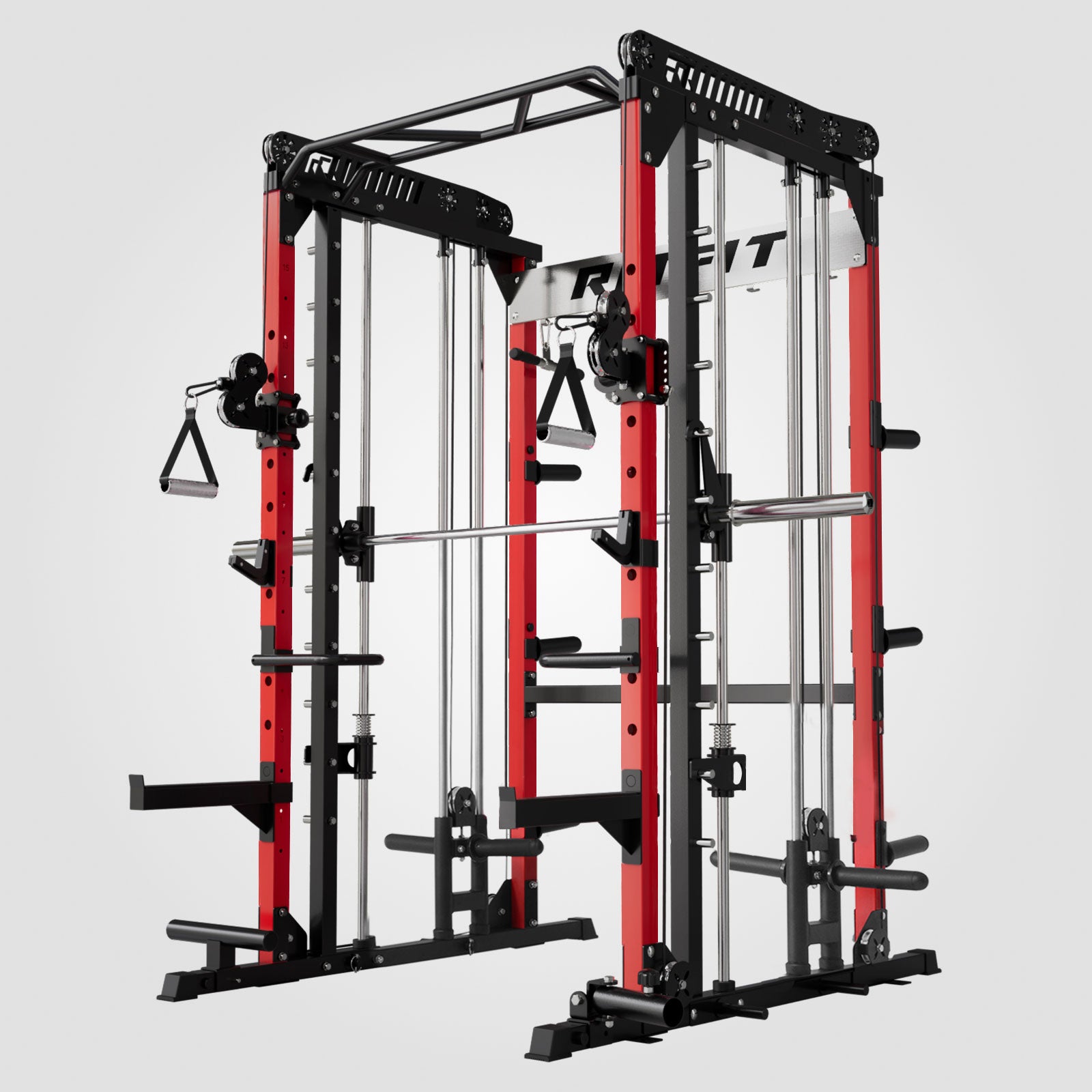
A good home gym dip setup needs stable handles, enough clearance, and a progression option. You can build this around a rack, dip attachment, bands, or a dedicated pressing station.
- Stable Rack Base: A strong rack setup is useful for bodyweight training and barbell work. Explore RitFit racks package options if you want one station for multiple strength movements.
- Attachment Options: Rack mounted accessories can expand a home gym without adding a full new machine. Review RitFit rack attachments when planning dip, pull up, and cable accessory work.
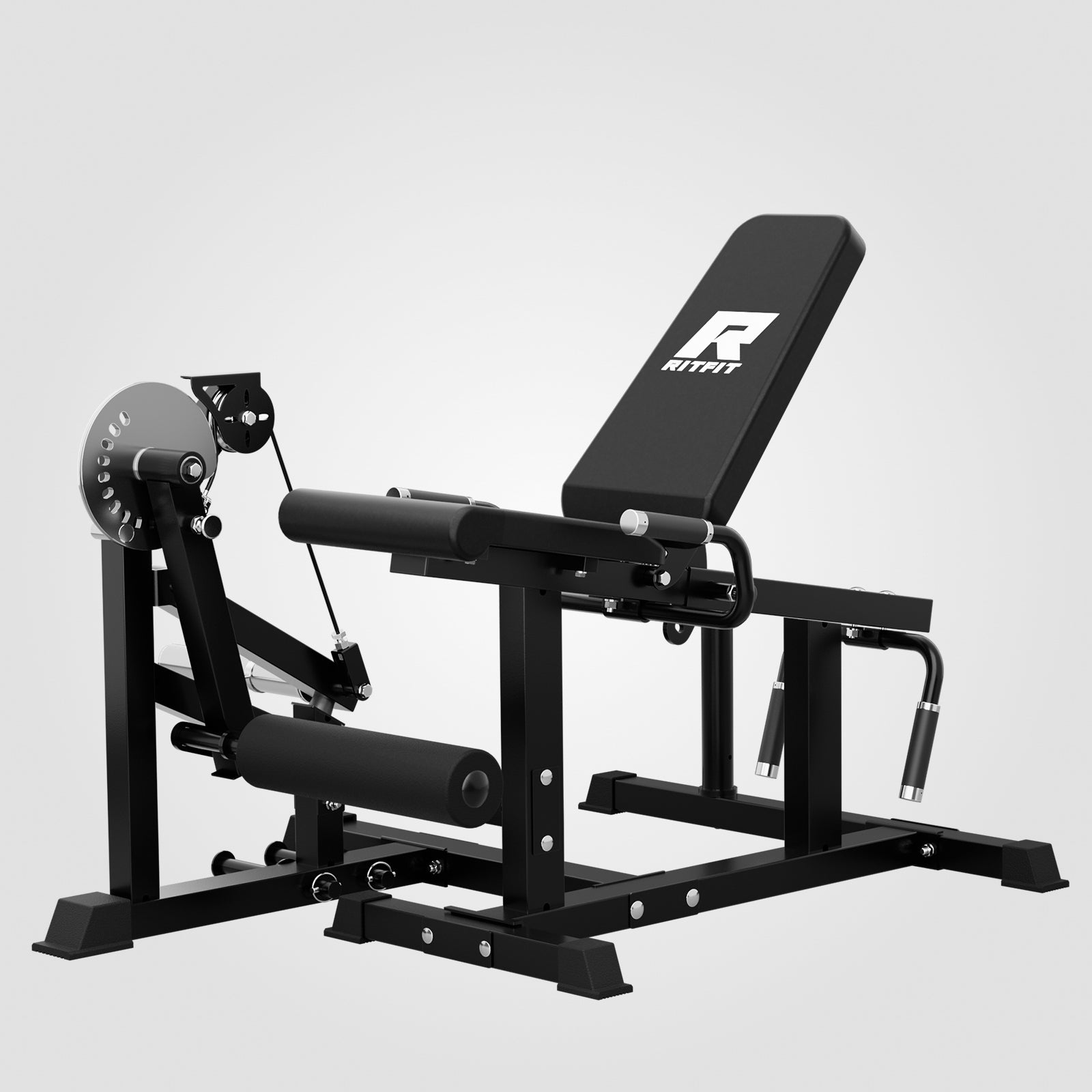
- Bench Based Modifications: A bench can help with beginner triceps variations and upper body accessory work. Compare RitFit workout benches if you need a stable platform for home strength training.
- Smith Machine Training Area: A Smith machine can support pressing, rows, squats, and accessory training in one footprint. Browse the RitFit Smith machine collection if you want a more complete home gym station.
- Cable Accessory Work: Cables are useful for triceps pressdowns, chest presses, face pulls, and shoulder friendly alternatives. The RitFit cable crossover machine can help support upper body accessory programming.
- Power Cage Setup: A power cage can anchor a broader strength training layout. The RitFit P3 Power Cage with smooth cable system is a relevant option for lifters planning a rack centered home gym.
Best Alternatives to Dips
Dip alternatives are useful when shoulders feel irritated or when you do not have stable dip handles. Choose movements that train similar muscles with a range you can control.
- Push Ups: Push ups train the chest, triceps, and shoulders with lower setup demands. Elevate your hands if full floor reps are too difficult.
- Close Grip Bench Press: This movement emphasizes the triceps while still training the chest. Use a grip that keeps wrists and elbows comfortable.
- Cable Triceps Pressdowns: Pressdowns isolate elbow extension with less shoulder movement. They are a good option when dips feel too demanding.
- Machine Chest Press: A chest press provides a stable pressing path. It can help lifters build strength before returning to bodyweight dips.
- Dumbbell Floor Press: The floor limits shoulder extension naturally. This can make pressing feel more controlled for some lifters.
FAQs
What muscles do dips work the most?
Dips work the chest, triceps, and front shoulders the most. The pectoralis major helps press the body upward, the triceps extend the elbows, and the anterior deltoids assist shoulder flexion. Your torso angle decides which primary muscle receives the strongest emphasis.
Do dips work chest or triceps more?
Dips can work either chest or triceps more based on your form. A forward torso lean shifts more demand toward the chest, while a more upright body and closer elbows emphasize the triceps. Both versions still train several upper body muscles together.
How can I make dips target my chest more?
Lean slightly forward, allow your elbows to travel out modestly, and lower only as far as your shoulders feel controlled. This position increases chest involvement without forcing painful depth. Keep your core braced so the lean comes from body position, not shoulder collapse.
How can I make dips target my triceps more?
Keep your torso more upright, keep your elbows closer to your sides, and press through elbow extension. This setup increases triceps emphasis while reducing excessive forward lean. Stop each rep before your shoulders roll forward or your wrists lose a stable position.
Are dips bad for your shoulders?
No. Dips are not automatically bad for your shoulders, but they can aggravate sensitive shoulders when depth, load, or setup is poorly controlled. People with shoulder pain should reduce range, use assistance, or choose alternatives until they can press without sharp pain.
Can beginners do dips safely?
Yes. Beginners can do dips safely when they start with assisted dips, band support, or partial range reps. The goal is to learn control before adding load. Avoid weighted dips until you can complete clean bodyweight reps without pain, bouncing, or shoulder instability.
Which dip variation is best for a home gym?
Parallel bar dips are usually the best home gym variation because they are stable, scalable, and easy to load later. Bench dips can help beginners, but they may require more shoulder extension. Ring dips should be saved for advanced users with strong shoulder control.
Conclusion
Dips are a powerful upper body exercise for building the chest, triceps, and front shoulders. The best results come from matching your form to your goal, controlling depth, and progressing from assisted variations to harder versions only when your shoulders feel stable.
For home gym training, focus on stable equipment, enough clearance, and smart accessory work. This makes dips easier to progress while supporting long term strength development.
Disclaimer
This article is for general educational purposes only and is not medical advice. Stop any exercise that causes sharp pain, numbness, or joint instability. If you have a shoulder injury, surgery history, or ongoing pain, consult a qualified healthcare professional or certified strength coach before adding dips to your program.
References
- McKenzie A, Crowley-McHattan Z, Meir R, Whitting J, Volschenk W. Bench, bar, and ring dips: do kinematics and muscle activity differ? Int J Environ Res Public Health. 2022;19(20):13211. doi:10.3390/ijerph192013211
- Schoenfeld BJ, Contreras B, Krieger J, Grgic J, Delcastillo K, Belliard R, et al. Resistance training volume enhances muscle hypertrophy but not strength in trained men. Med Sci Sports Exerc. 2019;51(1):94-103. doi:10.1249/MSS.0000000000001764
- Currier BS, D'Souza AC, Singh MAF, Lowisz CV, Rawson ES, Schoenfeld BJ, et al. American College of Sports Medicine Position Stand. Resistance training prescription for muscle function, hypertrophy, and physical performance in healthy adults: an overview of reviews. Med Sci Sports Exerc. 2026;58(4):851-872. doi:10.1249/MSS.0000000000003897
- Wu D, Wen Z, Ke H, Zhang J, Zhong S, Teng J, et al. Specific modes of exercise to improve rotator cuff-related shoulder pain: systematic review and meta-analysis. Front Bioeng Biotechnol. 2025;13:1560597. doi:10.3389/fbioe.2025.1560597