The right soccer ball size depends mainly on age, league rules, and playing format. Most young children use Size 3, youth players usually use Size 4, and teens and adults use Size 5.
This guide explains every major soccer ball size, how each size affects skill development, and how to choose the best ball for training, matches, futsal, and home practice.
Key Takeaways
- Size 1: Best for skills training, juggling, footwork, gifts, and souvenirs.
- Size 3: Best for young children, usually under 8 or early beginner players.
- Size 4: Best for youth players, usually ages 8 to 12.
- Size 5: Official adult match size, usually for ages 13 and older.
- Futsal balls: Built for indoor court play, with a smaller size and lower bounce than outdoor match balls.
- Soccer Ball Size Chart by Age
- Why Soccer Ball Size Matters
- Soccer Ball Sizes Explained
- Futsal Ball Sizes
- How to Choose the Right Soccer Ball
- Training Ball vs Match Ball
- Soccer Ball Size and Playing Surface
- How to Inflate and Maintain a Soccer Ball
- Parent Buying Checklist
- Training Tips by Ball Size
- Build a Better Soccer Training Setup at Home
Soccer Ball Size Chart by Age
The fastest way to choose a soccer ball is to match the ball size to the player’s age group. Local clubs and leagues may use slightly different age cutoffs, so always confirm the required size before buying a match ball.
| Soccer Ball Size | Typical Circumference | Typical Weight | Best For | Common Use |
|---|---|---|---|---|
| Size 1 | 18 to 20 in, 46 to 51 cm | Not standardized | All ages | Skills, juggling, footwork, gifts |
| Size 3 | 23 to 24 in, 58.5 to 61 cm | About 300 to 320 g | Young children, usually under 8 | Beginner youth soccer |
| Size 4 | 25 to 26 in, 63.5 to 66 cm | About 350 to 390 g | Youth players, usually ages 8 to 12 | Youth league training and matches |
| Size 5 | 27 to 28 in, 68 to 70 cm | 410 to 450 g | Teens and adults, usually ages 13 and older | Adult, amateur, and professional matches |
For official outdoor soccer, Size 5 is the standard match ball used by older youth players and adults. IFAB Law 2 lists the official match ball as spherical, made of suitable material, 68 to 70 cm in circumference, and 410 to 450 g at the start of the match.
Why Soccer Ball Size Matters
Soccer ball size matters because the wrong ball can make passing, shooting, first touch, and confidence harder than they need to be. Scaled equipment and play environments can support better motor skill acquisition in children, especially when the equipment fits the athlete’s body and task demands.[1]
Skill Development
An age appropriate ball helps young players learn cleaner kicking, trapping, dribbling, and passing mechanics. A ball that is too large can force awkward contact, poor timing, and habits that may be harder to correct later.
Safety
A smaller and lighter ball can reduce unnecessary stress for younger players during kicking and ball control. Heading exposure in youth soccer also varies by age and sex, so coaches should follow local heading rules and use age appropriate instruction.[2]
Confidence and Enjoyment
The right ball makes soccer feel more controllable and fun. When a child can move the ball with success, they are more likely to stay engaged and practice consistently.
Game Flow
Age appropriate balls help youth games look more like real soccer. Players can pass, receive, dribble, and shoot with better rhythm because the equipment fits their strength and coordination level.
Soccer Ball Sizes Explained
Each soccer ball size has a different purpose, and not every size is designed for official match play. The right choice depends on whether the player needs a skills ball, a youth ball, an adult match ball, or an indoor futsal ball.
Size 1 Soccer Ball
A Size 1 soccer ball is mainly used for skills training, juggling, footwork, gifts, and souvenirs. Its small surface demands precise contact, which makes it useful for touch based drills but unsuitable for regular outdoor match play.
Size 3 Soccer Ball
A Size 3 soccer ball is usually the best choice for young children learning the basics of soccer. Its smaller circumference and lighter weight make dribbling, passing, and shooting more manageable for early beginners.
Size 4 Soccer Ball
A Size 4 soccer ball is usually the best choice for youth players between beginner soccer and the adult game. It gives players a realistic training feel without asking them to control the full weight and size of a Size 5 ball too early.
Size 5 Soccer Ball
A Size 5 soccer ball is the standard for older youth, adult, amateur, and professional outdoor soccer. Players usually move to Size 5 when their league rules require it and when they have enough strength to control the heavier ball with proper technique.
Futsal Ball Sizes
Futsal balls are designed for hard indoor courts and fast close control. Adult futsal commonly uses a Size 4 style ball with lower bounce than a standard outdoor soccer ball.
- Adult futsal: Usually uses a Size 4 futsal ball designed for quick passing and close control on indoor courts.
- Youth futsal: May use smaller or age adjusted futsal balls depending on the league and player age.
- Outdoor soccer replacement: Do not use a regular outdoor ball for futsal if your league requires a futsal specific ball.
How to Choose the Right Soccer Ball
Choose the right soccer ball by matching the ball to the player’s age, league rule, surface, and training goal. Parents should check the printed size on the ball and confirm the required size with the coach before buying for organized play.
Choose by Age
Age is the simplest starting point because most youth soccer programs use Size 3, Size 4, and Size 5 progressions. Use Size 3 for young children, Size 4 for youth players, and Size 5 for teens and adults unless your league says otherwise.
Choose by League
League rules matter more than general online charts when the ball will be used in official matches. Some clubs, schools, and regional associations may shift the transition from Size 4 to Size 5 by one or two years.
Choose by Training Goal
Different goals need different balls because ball control, shooting, juggling, and match preparation place different demands on the player. Size 1 is useful for touch, Size 3 and Size 4 help youth development, and Size 5 prepares older players for match conditions.
Choose by Budget
Most families should start with a durable training ball rather than an expensive elite match ball. A mid range training ball usually gives beginners better value because it handles repeated practice, rough surfaces, and frequent inflation checks.
Training Ball vs Match Ball
A training ball is built for durability, while a match ball is built for touch, shape consistency, and flight quality. Most recreational players and youth families should buy a good training ball first, then add a match ball only when competitive play requires it.
| Feature | Training Ball | Match Ball |
|---|---|---|
| Main Purpose | Daily practice and durability | Game performance and consistent feel |
| Typical Cover | PVC or durable synthetic material | PU or premium synthetic material |
| Best Buyer | Beginners, families, teams, coaches | Competitive players and official matches |
| Cost | Usually lower | Usually higher |
Soccer Ball Size and Playing Surface
The correct ball size matters, but the playing surface also affects feel, bounce, and durability. A ball that works well on grass may wear quickly on asphalt or bounce too much on an indoor court.
Natural Grass
Natural grass is the standard surface for most outdoor soccer balls. A Size 5 match ball or a durable training ball works well for older players, while Size 3 and Size 4 balls should match youth age rules.
Artificial Turf
Artificial turf can be more abrasive than natural grass, so durability becomes more important. Choose a training ball with a stronger cover if most sessions happen on turf.
Hard Ground
Concrete and asphalt can damage standard soccer balls quickly. Use a street or hard ground ball if casual play happens on playgrounds, driveways, or rough outdoor courts.
Indoor Courts
Indoor courts usually require futsal or indoor specific balls because regular outdoor balls bounce too much. A lower bounce ball improves passing rhythm and close control in tight spaces.
How to Inflate and Maintain a Soccer Ball
Proper inflation keeps a soccer ball responsive, safe, and consistent. Always check the pressure printed near the valve because the ideal PSI can vary by ball model and manufacturer.
- Check the printed pressure: Use the PSI or bar range printed on the ball instead of guessing by feel.
- Use a needle pump: Moisten the needle before inserting it to reduce valve damage.
- Inflate gradually: Add air slowly and check pressure with a gauge before play.
- Avoid compressed air: High pressure sources can overinflate the ball and damage the bladder.
- Clean after use: Wipe mud, sand, and moisture with a damp cloth after training.
- Store indoors: Keep the ball away from direct sunlight, extreme heat, and freezing conditions.
Parent Buying Checklist
Parents should buy the ball that helps the child play better today, not the ball they will grow into later. A slightly smaller age appropriate ball is usually better than an oversized ball that creates frustration.
- Check the age group: Start with Size 3 for younger children, Size 4 for youth players, and Size 5 for older players.
- Confirm league rules: Ask the coach or club which ball size is required for training and matches.
- Choose the right surface type: Pick outdoor, turf, indoor, or futsal construction based on where the player practices most.
- Prioritize durability: Young beginners usually need a strong training ball more than a premium match ball.
- Buy a pump and gauge: Correct pressure makes the ball safer, more consistent, and easier to control.
Training Tips by Ball Size
Training should match the ball size and the player’s stage of development. Balance training may also support technical skill improvement in adolescent soccer players, especially for movements that require control while standing on one leg.[3]
Size 3 Training Focus
Size 3 training should focus on fun, coordination, and ball familiarity. Use simple dribbling games, short passes, gentle shooting, rolling stops, and small touch challenges.
Size 4 Training Focus
Size 4 training should build cleaner technique and decision making. Players can work on inside foot passing, sole rolls, directional changes, first touch, shooting placement, and light pressure drills.
Size 5 Training Focus
Size 5 training should prepare players for match speed and adult ball weight. Use passing patterns, crossing, finishing, long ball control, aerial control, and small sided games with realistic pressure.
Build a Better Soccer Training Setup at Home
A good home soccer setup starts with the right ball, open space, and repeatable drills. Players can also support speed, balance, and shooting power through age appropriate strength and conditioning.
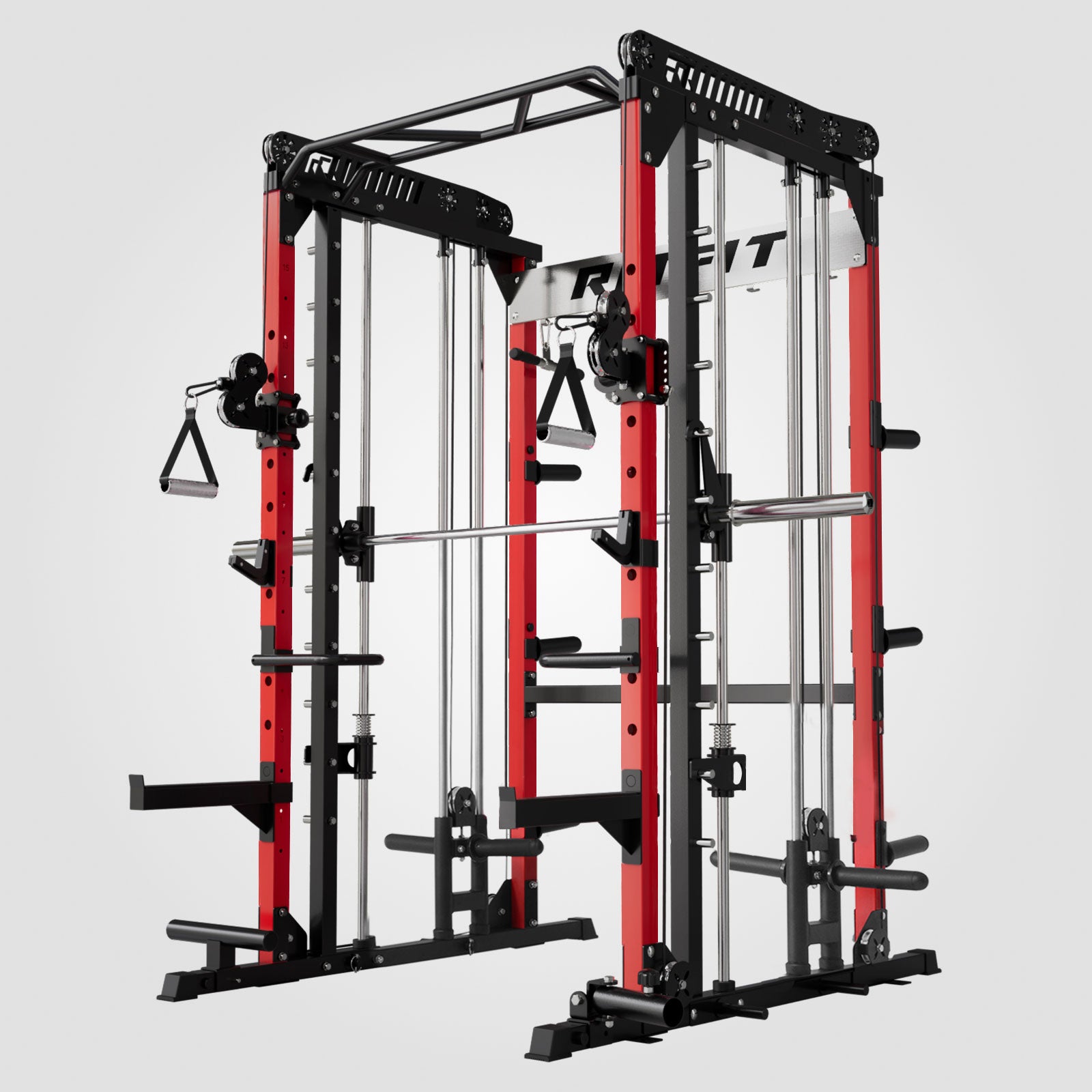
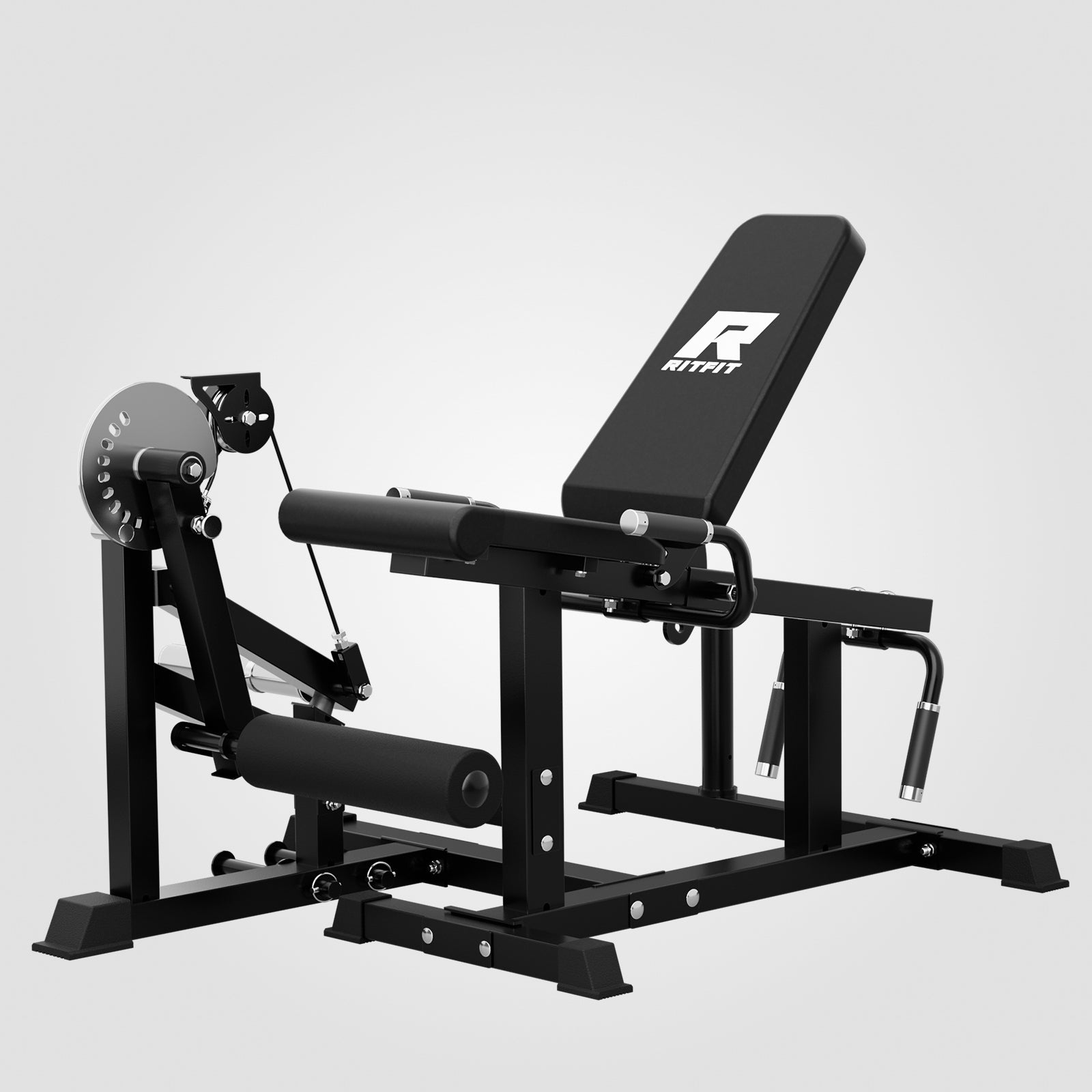
For off field training, explore RitFit strength machines for home soccer conditioning, dumbbells for lower body and core training, and barbells and weight plates for progressive strength training. Youth resistance training can be safe and effective when supervised by qualified professionals and taught with age appropriate instruction.[4]
Home gym accessories can also make training more organized and consistent. Helpful options include adjustable benches for home strength training, plyo boxes for soccer power and coordination drills, and hex rubber dumbbells for home conditioning.
FAQs
What size soccer ball does my child need?
Your child usually needs Size 3 under age 8, Size 4 from ages 8 to 12, and Size 5 from age 13 and older. Always confirm the rule with your child’s league, because local age cutoffs can vary by club, country, and competition.
What size soccer ball do adults use?
Adults use a Size 5 soccer ball for outdoor soccer. Size 5 is the standard match size for older youth players, adult recreational leagues, amateur competitions, and professional soccer, with a typical circumference of 27 to 28 inches.
Can a young player use a Size 5 soccer ball?
No. A young player should not use a Size 5 ball for regular practice unless their league requires it. The larger size and heavier weight can make kicking, passing, and control harder, which may lead to poor habits and lower confidence.
Is a Size 4 soccer ball good for adults?
No. A Size 4 soccer ball is mainly designed for youth players, not adult match play. Adults can use it for touch drills or futsal style practice, but Size 5 gives the most realistic feel for outdoor games and regular team training.
What is the difference between a soccer ball and a futsal ball?
A futsal ball is usually smaller and lower bounce than a standard outdoor soccer ball. It is designed for hard indoor courts, tight spaces, and quick passing, while outdoor soccer balls are built for grass, turf, longer passes, and open field play.
How much air pressure should a soccer ball have?
A soccer ball should be inflated to the pressure printed near its valve. Many Size 5 match balls fall around the official match pressure range, but the safest rule is to follow the manufacturer label and check with a pressure gauge before play.
Which soccer ball size is best for beginners?
The best soccer ball size for beginners depends on age. Young children usually learn best with Size 3, youth players usually need Size 4, and teen or adult beginners should use Size 5 so practice matches normal outdoor game conditions.
When should a child move from Size 4 to Size 5?
A child should move from Size 4 to Size 5 when their league rules require it, usually around age 13. The transition should also match the player’s strength, coordination, and ability to pass, shoot, and control the larger ball comfortably.
Conclusion
Choosing the right soccer ball size is simple when you start with age, league rules, and playing format. Use Size 3 for young children, Size 4 for youth players, Size 5 for teens and adults, and a futsal specific ball for indoor court play.
The right ball helps players build cleaner technique, better confidence, and more enjoyable practice. For complete development, pair ball work with smart movement training, safe strength work, and consistent practice.
Disclaimer
This article is for general educational purposes only and is not medical, coaching, or league compliance advice. Always follow your local league rules, product instructions, and qualified coaching guidance, especially for youth players, heading practice, injury history, or strength training.
References
- Buszard T Reid M Masters RSW Farrow D. Scaling the equipment and play area in children’s sport to improve motor skill acquisition: a systematic review. Sports Med. 2016;46(6):829-843. doi:10.1007/s40279-015-0452-2
- Wahlquist VE Buckley TA Caccese JB Glutting JJ Royer TD Kaminski TW. Quantitative analysis of ball-head impact exposure in youth soccer players. J Sports Sci Med. 2023;22(3):591-596. doi:10.52082/jssm.2023.591
- Mitrousis I Bourdas DI Kounalakis S Bekris E Mitrotasios M Kostopoulos N Ktistakis IE Zacharakis E. The effect of a balance training program on the balance and technical skills of adolescent soccer players. J Sports Sci Med. 2023;22(4):645-657. doi:10.52082/jssm.2023.645
- Faigenbaum AD Myer GD. Resistance training among young athletes: safety, efficacy and injury prevention effects. Br J Sports Med. 2010;44(1):56-63. doi:10.1136/bjsm.2009.068098