Table of Contents
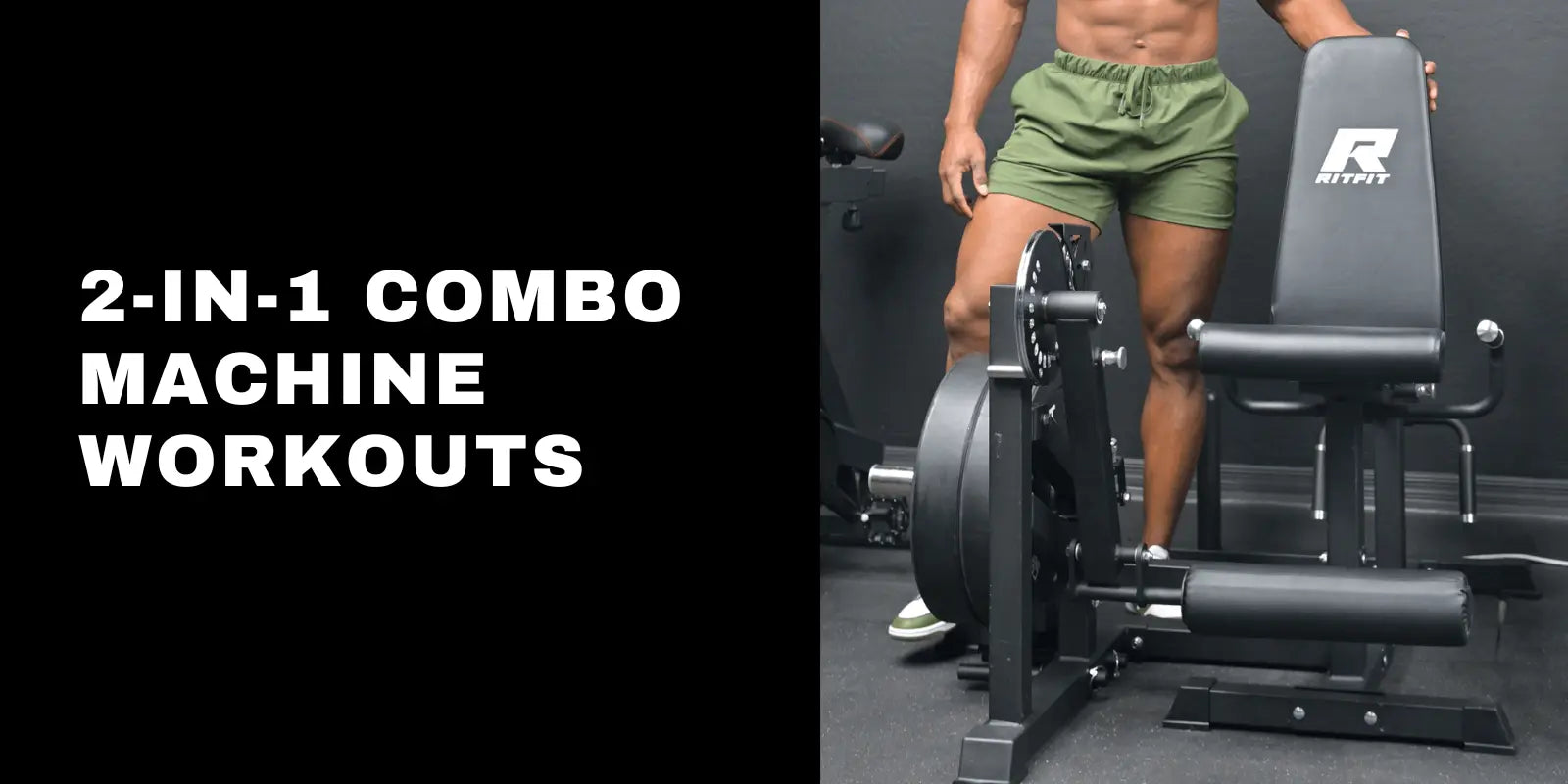
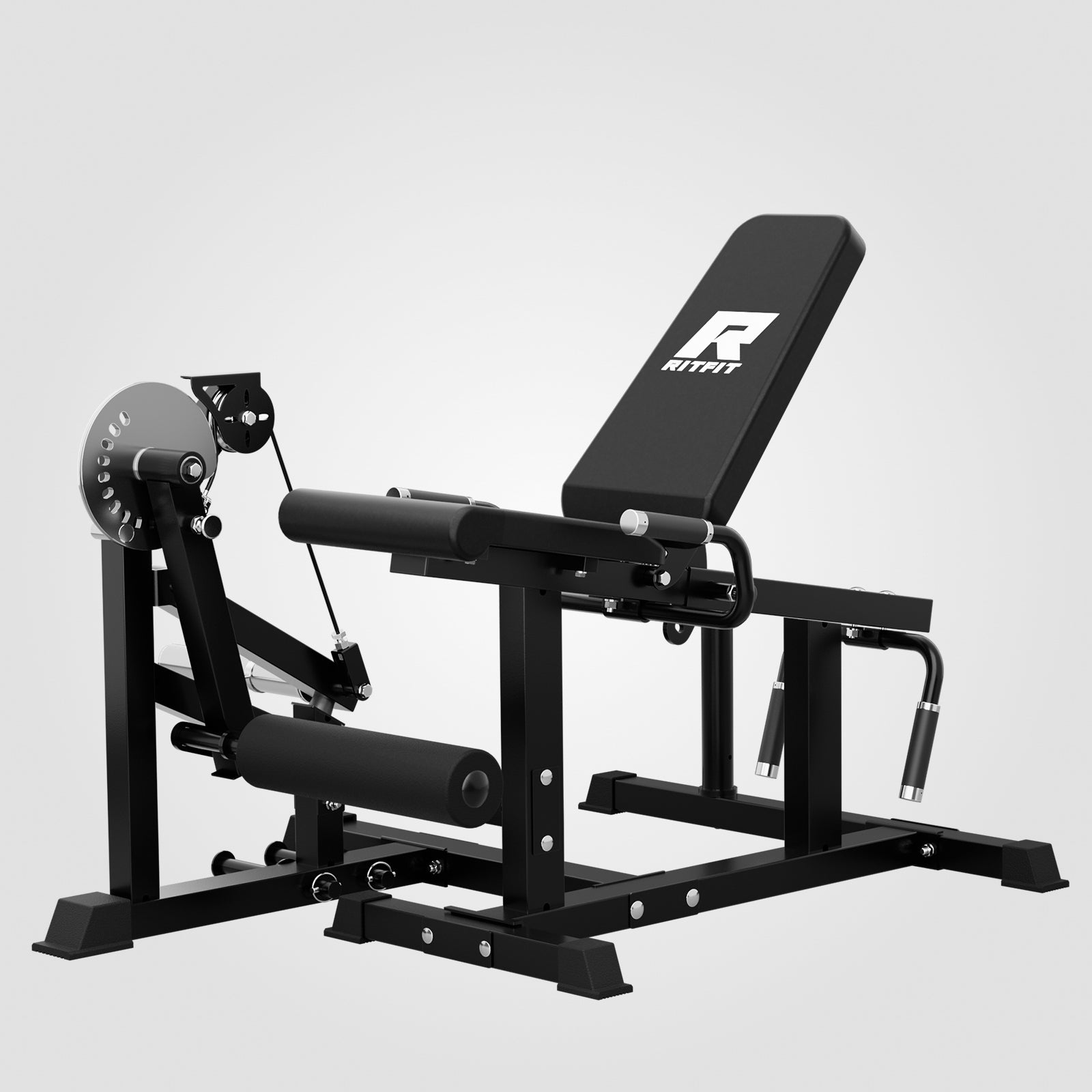
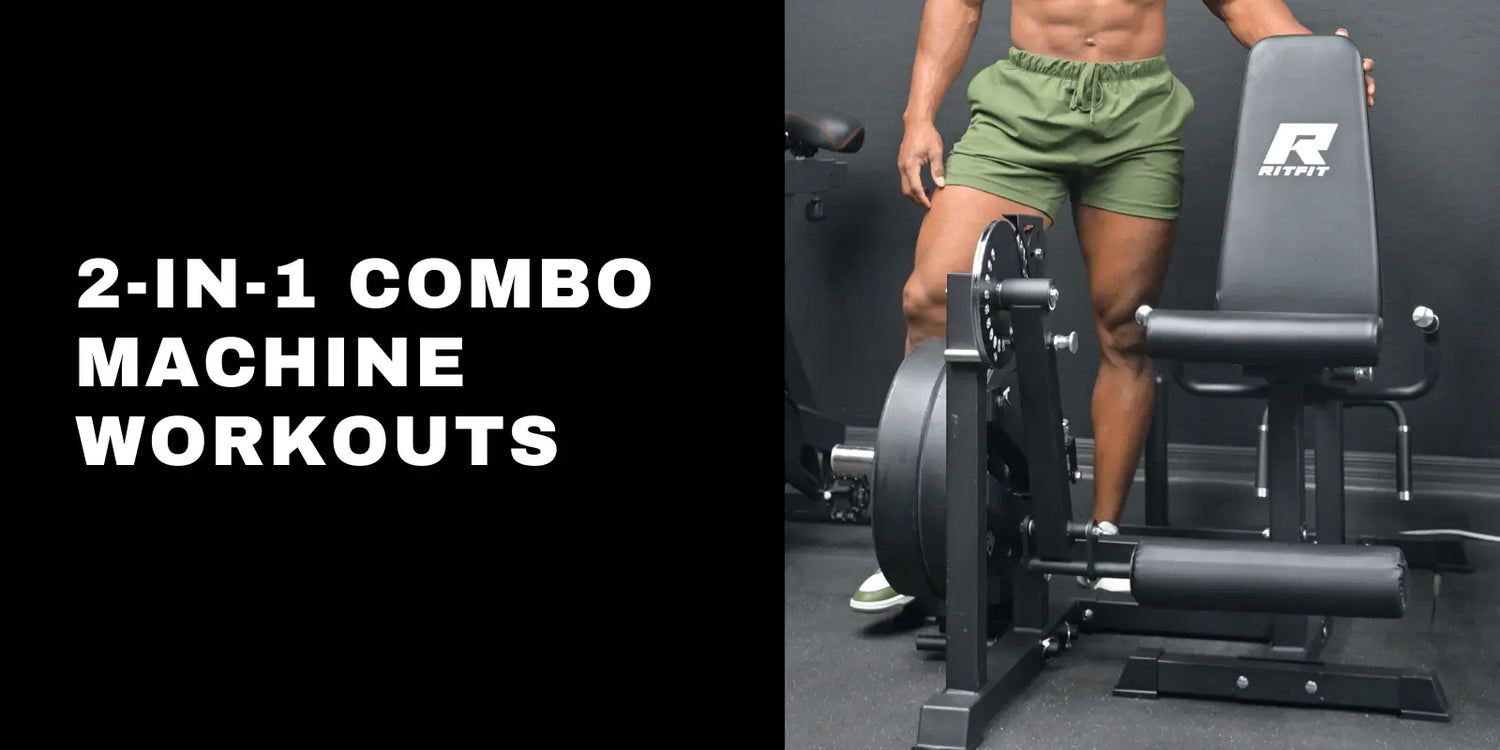
Building a pair of powerful and muscular legs inside a home gym is a challenge that many lifters face. You likely have a rack and a barbell for squats, which are fantastic for overall strength. But if you only do compound movements, some muscles may not get enough work. The 2-in-1 Combo Machine excels in this situation. If you own a piece of equipment like the RitFit PLC01, you are not just saving space. With the RitFit PLC01, you can achieve commercial "gym"-level aesthetics.
Many people view dual-function machines as a compromise. I want you to shift that mindset immediately. This machine is a hypertrophy powerhouse. You can isolate the quadriceps and hamstrings with a level of accuracy that free weights can't match if you know how the leg extension and leg curl work. This guide will walk you through the science behind muscle growth, practical setup on the PLC01, three goal-based training templates, and key safety rules so you can train hard with confidence.
The Science of Size: Why Isolation Matters
We need to learn how muscle growth, or hypertrophy, really works to understand why this machine is so useful. Building muscle requires two main factors: mechanical tension and metabolic stress.
Compound movements like squats and lunges are excellent for mechanical tension because you can load them with heavy weight. However, they are systemic exercises. This means your lower back or cardiovascular system might fatigue before your quads or hamstrings truly hit failure.
Isolation exercises solve this problem. When you perform a leg extension, you are targeting the quadriceps specifically. Research confirms that the leg extension is one of the only movements that loads the rectus femoris (the large muscle down the middle of the thigh) in its fully shortened position, stimulating growth that squats often miss[1]. This exercise is the only movement that loads the rectus femoris (the large muscle down the middle of the thigh) in its fully shortened position. This exercise is how you build that impressive "teardrop" definition just above the knee.
Conversely, the leg curl is essential for the posterior chain. Many people have quad-dominant legs because they only squat. This imbalance can lead to knee issues. Isolating the hamstrings helps develop the "hamstring sweep" that gives your legs a complete three-dimensional look. From a joint health perspective, strengthening these muscles in isolation adds a layer of protection to the knee joint, making your heavy squat sessions safer in the long run.
Master Your Setup: The Foundation of Growth
The biggest mistake I see with home gym owners is improper machine setup. If the machine does not fit your body mechanics, you transfer the tension from your muscles to your joints. This kills your gains and hurts your knees. Since you are using a 2-in-1 unit, learning to adjust it correctly is part of the workout.
A simple self-check you can use every session: if you feel more pressure in the front of the knee joint than in the muscle, or if your knees feel “pulled” in a weird direction, stop and adjust your position before adding more weight.
The Golden Rule: Pivot Point Alignment
The most critical factor in using a leg extension or leg curl machine is the pivot point. This is the rotating bolt or axis that the machine arm swings around.
For both exercises, your knee joint must align perfectly with the machine's pivot point. If your knee is too far forward or too far back, you create shear force on the knee joint. You want the machine to move exactly how your leg moves.
Step-by-Step Adjustment for the RitFit PLC01
Backrest Adjustment:
Sit on the machine. Adjust the back pad so that when your back is firmly against it, your knees line up directly with the red pivot point on the cam. If your knees are past the edge of the seat, move the backrest forward.
Ankle Pad Placement:
- For leg extensions, the pad should rest comfortably on your lower shin, just above the ankle. It should not be on your foot.
- For leg curls, the pad needs to sit on your Achilles tendon area, just below the calves. If it rides up your calf, you lose leverage.
The Thigh Pad
When setting up for leg curls, ensure the thigh holder is tight against your quads just above the knee. This prevents your legs from lifting up during the movement, which is essential for isolating the hamstring.
Seat Height and Hip Position
If your PLC01 setup allows it, adjust the seat so that your hips are neither tucked under nor excessively arched. Aim for a neutral pelvis, with your lower back lightly touching the pad instead of being forced into an extreme curve. This helps you load the thighs and hamstrings without inviting low-back strain.
Range-of-Motion Stops
Use any available range-of-motion limiter or simply choose a comfortable depth where your knees feel stable and controlled. For many lifters, slightly shortening the range in the very bottom of the curl or extension (where the joint is most flexed) can dramatically improve comfort without sacrificing muscle stimulus.
Take one or two light “setup sets” at the beginning of your workout to fine-tune these settings before you go heavy. Once you find a comfortable position, snap a quick photo or write down the pin holes and pad settings so you can repeat it next time.
The Workout: The "Antagonistic Superset" Strategy
The beauty of a 2-in-1 combo machine is the ability to switch between opposing muscle groups. We call this antagonistic training. While your quads rest, your hamstrings work. This method keeps your heart rate elevated and floods the legs with blood, creating massive metabolic stress.
Here is a hypertrophy-focused routine designed to get you in and out of the gym with a massive pump.
The Protocol
Perform the following superset for 3 to 4 rounds. Do not rest between the two exercises. Rest 90 seconds only after completing both the extension and the curl.
- Reps: 12 to 15
- Tempo: Explosive up, 1-second squeeze, 3 seconds down.
- Technique: Grip the handles tightly. Keep your butt glued to the seat. Drive your legs up until they are fully straight. The most important part is the top. Squeeze your quads as hard as you physically can for one second. Do not just move the weight. Contract the muscle.
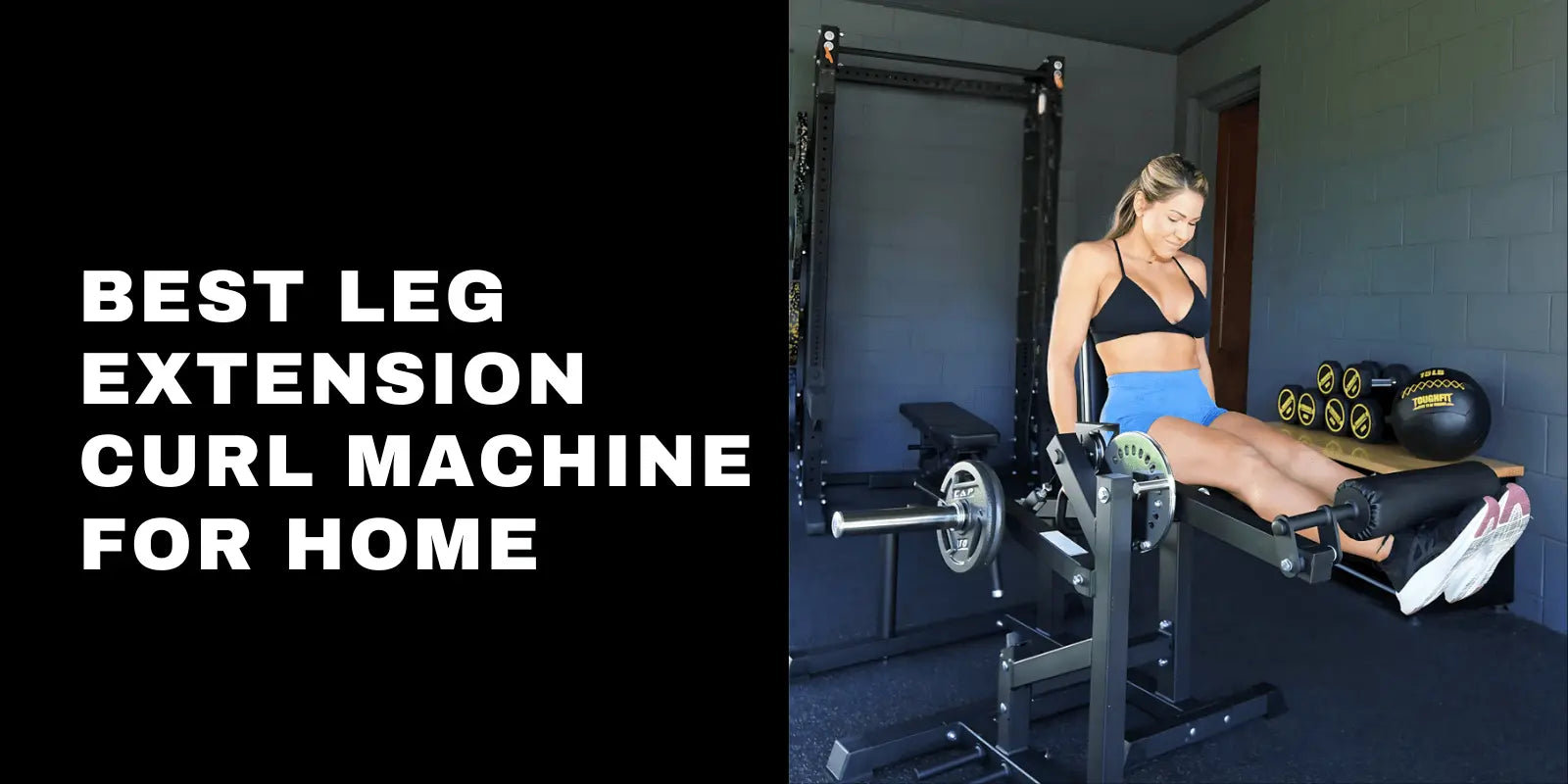
How to Do Leg Extensions
- Step 1: Sit on the machine with your back pressed firmly against the backrest. Ensure the round pad rests comfortably on your lower shins just above the ankles.
- Step 2: Reach down and grip the side handles tightly. This locks your upper body in place to prevent swinging or lifting your glutes.
- Step 3: Exhale and extend your legs explosively upward until your knees are fully straight but not hyper locked.
- Step 4: Hold the peak contraction at the very top for one full second. Focus on squeezing the vastus medialis (the inner quad muscle).
- Step 5: Inhale and lower the weight slowly under control for a count of three seconds. Stop just before the weight stack touches down to maintain constant tension.
- Reps: 10 to 12
- Tempo: 1 second up, 3 seconds down.
- Technique: Lie face down. Grip the handles for stability. Curl your heels toward your glutes. Focus heavily on the lowering phase. The hamstrings are fast-twitch muscles that respond very well to a slow, controlled negative movement.
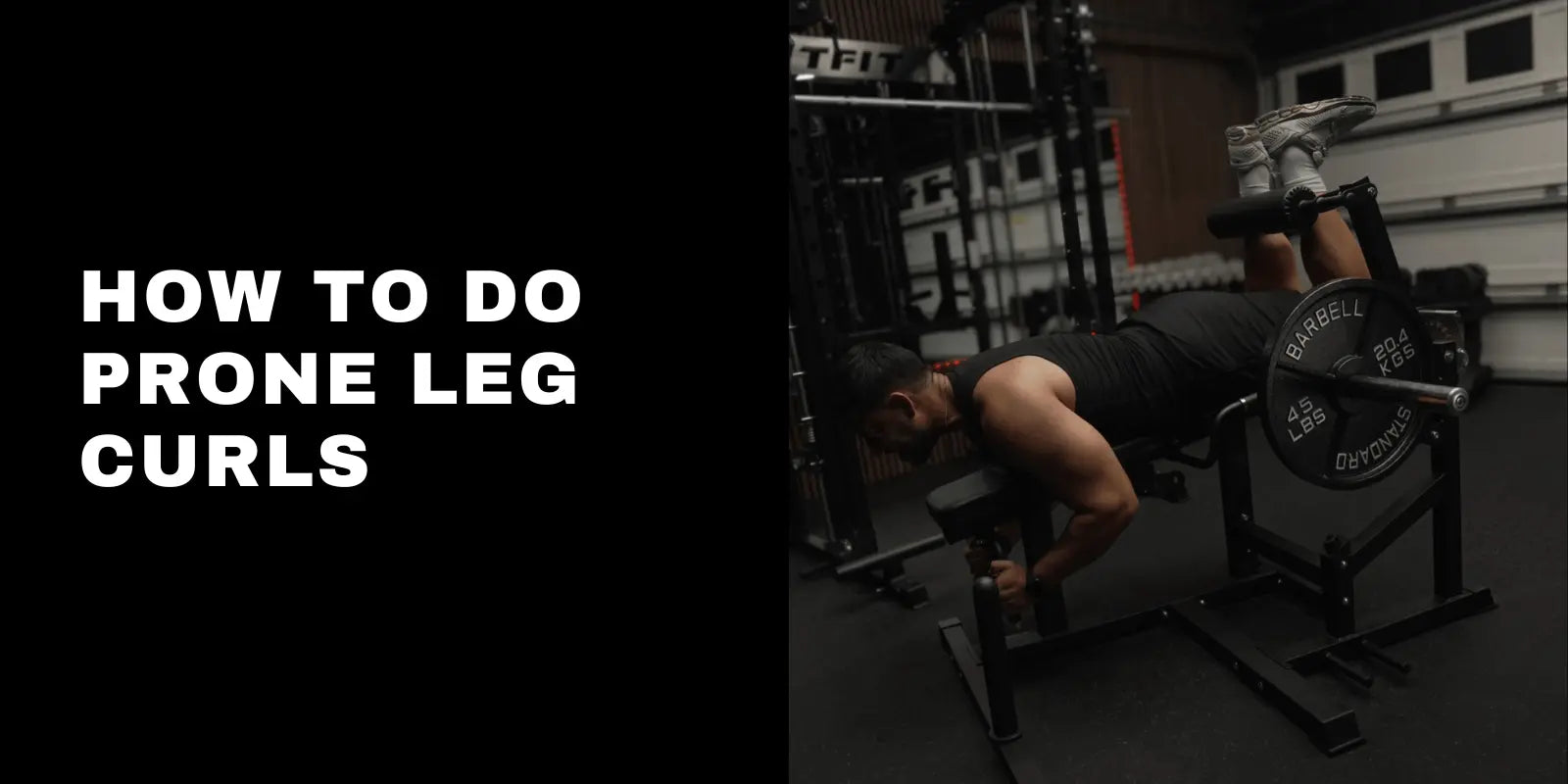
How to Do Prone Leg Curls
- Step 1: Lie face down on the bench. Check that your knees align with the machine pivot point and the ankle pad sits securely on your Achilles tendon.
- Step 2: Grip the handles or the sides of the bench firmly. Actively drive your hips down into the pad to stabilize your lumbar spine and prevent lower back involvement.
- Step 3: Exhale and curl your heels toward your glutes smoothly. Do not use momentum to jerk the weight up.
- Step 4: Squeeze your hamstrings hard at the top of the movement to ensure full engagement.
- Step 5: Inhale and lower the weight very slowly for three seconds. Fight the resistance on the way down to maximize muscle fiber recruitment and avoid snapping the knees into full extension.
Aim to perform this main superset 1 to 2 times per week at the end of your leg day, after compound movements like squats or leg presses.
Beginner / Low-Volume Option
If you are new to machine training, returning from a break, or your legs get very sore easily, start with a simpler template before pushing hard supersets.
Beginner Combo (2 Days per Week)
Day 1 and/or Day 2:
- Leg Extension: 2 to 3 sets of 10 to 12 reps, leaving about 2 to 3 reps “in the tank” each set.
- Prone Leg Curl: 2 to 3 sets of 10 to 12 reps, also leaving 2 to 3 reps in reserve.
- Rest 60 to 90 seconds between sets, do not superset yet.
Progression:
When all sets feel smooth and controlled for two workouts in a row, add a small weight jump (one plate or one pin change) to one of the exercises the following week. Keep the focus on clean reps, not maximal load.
Strength-Focused Option
Once your technique is solid and your knees feel good, you can use the PLC01 to push heavier loads in a controlled way. This is a good complement to heavy squats and deadlifts.
Strength Combo (1 to 2 Days per Week)
- Leg Extension: 3 to 4 sets of 8 to 10 reps
- Prone Leg Curl: 3 to 4 sets of 8 to 10 reps
- Rest 90 to 120 seconds between sets; you may perform them as straight sets or as a slightly slower-paced superset.
- Choose a weight that allows you to complete all reps with good form while leaving about 1 to 2 reps in reserve on the last set.
You do not need true max-effort sets on isolation work. Your goal is to move relatively heavy but controlled loads through the same clean range of motion every week.
Joint-Friendly / Rehab-Friendly Option
If you have mildly sensitive knees or hamstrings but are cleared to train, this lower-stress template emphasizes control, moderate load, and a slightly reduced range of motion while still delivering a strong stimulus.
Joint-Friendly Combo (1 to 2 Days per Week)
- Leg Extension: 2 to 3 sets of 12 to 15 reps, using a light to moderate weight. Stop each set with 3 reps in reserve and avoid the last few degrees of extension if they feel uncomfortable.
- Prone Leg Curl: 2 to 3 sets of 12 to 15 reps, controlled tempo on the way down.
- Stop before any sharp pulling sensation behind the knee or at the hamstring.
- Rest 60 to 90 seconds between sets, do not chase the burn at all costs.
If you notice any sharp, stabbing, or catching sensation in the knee or hamstring, end the set immediately, reduce the range of motion, and consider using even lighter loads. When in doubt, consult a qualified medical or rehab professional before pushing harder.
Execution & Form: Cues for Better Results
To truly maximize hypertrophy, you need to execute every rep with intention. Here are the exact cues that go with these movements.
Leg Extension: "Toes Up"
When you stretch your legs, try to pull your toes back toward your shins (dorsiflexion). This small change helps keep the knee joint from moving and makes the vastus medialis (the inner quad muscle) work harder. Avoid kicking the weight up with momentum. If you have to swing your body to move the load, the weight is too heavy. Drop the pin down one slot and focus on tension.
Leg Curl: "Hips Down"
This is the number one error on prone leg curls. As the weight gets heavy, your body will naturally want to lift your hips off the pad to recruit your lower back. This behavior is dangerous and takes the work off the hamstrings.
Think about driving your hips into the bench throughout the entire movement. Imagine there is a belt strapping your waist to the pad. If you keep your hips locked down, you will feel a deep cramping sensation in the hamstrings. That uncomfortable sensation is precisely what stimulates growth.
Control Your Range and Tempo
On both movements, think “smooth and controlled” rather than “fast and jerky.” Use a deliberate lowering phase of about 2 to 3 seconds, pause briefly at the most challenging point, and then return with a steady, powerful contraction. If you cannot control the last third of the range without swinging, shorten the range slightly and reduce the weight until your form improves.
Feel the Muscle, Not Just the Machine
Use each warm-up set to connect with the target muscle. On extensions, you should feel the front of your thigh doing the work, not your hip flexors or lower back. On curls, you should feel the back of your thighs, not your calves or spine. If tension drifts away from the target muscle, pause, reset your position, and adjust pads or load rather than forcing more sloppy reps.
Safety Considerations
Training to failure is safe on these machines if your form is locked in. However, avoid "ego lifting." The goal of isolation training is not to move the entire stack. The goal is to make a moderate weight feel heavy by eliminating momentum. If you feel any sharp pain in the knee joint, stop immediately and check your pivot point alignment again.
Conclusion
You do not need a warehouse full of equipment to build impressive legs. A 2-in-1 Combo Machine like the RitFit PLC01 is a versatile tool that allows you to target the quads and hamstrings with professional precision. By combining the science of isolation, proper biomechanical setup, and the intensity of antagonistic supersets, you can spark new growth in your lower body.
The next time you step into your home gym for leg day, remember that tension is the goal. Respect the setup instructions, control every inch of the rep, and trust the process. Your legs will grow.
References
- Kassiano W, Costa B, Kunevaliki G, Lisboa F, Prado A, Alves L, Tricoli I, Stavinski N, Francsuel J, Cyrino ES. Comparison of Muscle Hypertrophy and Strength Adaptations Induced by Back Squat and Leg Extension Resistance Exercises. J Strength Cond Res. 2025 Dec 12. doi: 10.1519/JSC.0000000000005338. Epub ahead of print. PMID: 41379528.