Arnold's chest and back workout pairs pressing and pulling in one session to build muscle, training density, and upper body balance. It can create a huge pump and strong hypertrophy stimulus, but it works best when volume, exercise order, and recovery are matched to your level.
Arnold made chest and back supersets famous because they let him attack two large muscle groups with high effort and minimal wasted time. The method is simple: pair a push with a pull, keep your pace disciplined, and use the session to chase hypertrophy, symmetry, and a deep upper body pump.
Quick Answer: The Arnold chest and back workout pairs a chest press with a back pull in supersets to build muscle, save time, and improve upper body balance. It works best when heavy compounds lead the session, rest stays controlled, and volume is scaled to your recovery and equipment.
Key Takeaways
- Train chest and back together for density: Alternating presses and pulls lets you train more quality work in less time. This can improve upper body balance and keep the session focused.
- Start with heavy compound lifts: Bench variations, pull ups, and rows should lead the workout. Isolation work and high fatigue finishers belong later.
- Use supersets with control, not chaos: Short rest periods raise intensity, but rushed form lowers the value of the session. Your rep quality should stay high from the first pairing to the last.
- Adjust volume to your recovery: The classic high volume version is not ideal for every lifter. Most people grow better with moderate volume and consistent progression.
- Build the workout around available equipment: A barbell, pull up station, cable setup, dumbbells, or a Smith machine can all work. Smart substitutions matter more than forcing the exact old school template.
Why Pair Chest and Back in One Workout?
Pairing chest and back in one session works because it alternates opposing muscle groups, which raises training density and keeps the workout efficient. The main idea is antagonist pairing, meaning you alternate chest work and back work instead of finishing one muscle group before starting the other.
- More total work: Supersets let you fit more productive sets into a manageable session. That makes the workout useful for lifters who want bodybuilding volume without spending all day in the gym.
- Better front to back balance: Training the pressing muscles and pulling muscles together can reduce the chest heavy bias common in many programs. This matters for posture, shoulder mechanics, and long term upper body development.
- Strong pump and training focus: Alternating movements keeps blood moving through the torso and keeps the session mentally sharp. Many lifters also find the rhythm easier to sustain than long straight set workouts.
Which Muscles Are You Targeting?
Your chest work targets the pectoralis major, with extra support from the front delts and triceps. Your back work targets the lats, rhomboids, traps, rear delts, and spinal stabilizers that keep pulling mechanics strong and safe.
- Chest focus: Flat pressing emphasizes the mid chest, incline work shifts more attention to the upper chest, and fly variations add stretch based tension. Dips can also help lifters who tolerate them well and want more lower chest involvement.
- Back focus: Pull ups and pulldowns bias vertical pulling for lat width, while rows add thickness through the mid back. Together they give the workout a fuller hypertrophy profile.
- Support muscles: Scapular control from the rear delts and upper back helps pressing mechanics stay clean. Core bracing and rib position also matter more than many people realize.
"Not only is the face pull an excellent movement to grow your upper back muscles, it can also improve poor posture. The rear shoulder muscles play a big role in preventing the bad posture so many people get from time spent sitting at desks jobs and hunched over their electronics."
Jeff Cavaliere, MSPT, CSCS, Physical Therapist and Strength Coach, Athlean-X
What Are the Core Principles?
An Arnold style chest and back workout runs on five rules: heavy compounds early, tight form, steady progression, controlled rest, and a shoulder aware warm up. These keep the paired presses and pulls productive instead of sloppy.
- Use heavy compounds early: Open with your most demanding press and pull when your coordination is fresh. This is where the biggest overload usually happens.
- Keep form tight: A chest and back day loses value fast when rows turn into jerks and presses turn into bouncing reps. Control the lowering phase and own the top position.
- Progress over time: Add load, reps, or execution quality across weeks. The pump is useful, but progression is still the main driver of long term growth.
- Respect rest periods: Short rest is part of the method, but reckless pacing is not. Most lifters do best with little to no rest between paired moves and 60 to 90 seconds after the full superset.
- Warm up for shoulder position: A few warm up sets, scapular control drills, and lighter ramp sets can improve the quality of the whole session. This is especially important before heavy benching and rowing.
What Are the Best Chest and Back Exercises?
The best chest and back choices combine a heavy press, an incline press, and a stretch focused assistance move for the chest, plus one vertical pull and one row for the back. This gives you a practical blend of overload, upper chest emphasis, and hypertrophy friendly tension.
Chest Exercises
The chest staples below cover a mass building press, an upper chest press, and a stretch based finisher.
- Flat barbell bench press: This is the classic mass builder for the chest, front delts, and triceps. It also gives you a clear progression target from cycle to cycle.
- Incline barbell or dumbbell press: This shifts more emphasis toward the upper chest. It is often the most important second press in the workout.
- Dumbbell fly or cable fly: These moves add stretch and adduction without demanding heavy loading. They work best when you move smoothly and avoid overstretching the shoulder.
- Chest dips: Dips can be effective for lower chest tension and a deep contraction. They are optional if your shoulders or sternum do not tolerate them well.
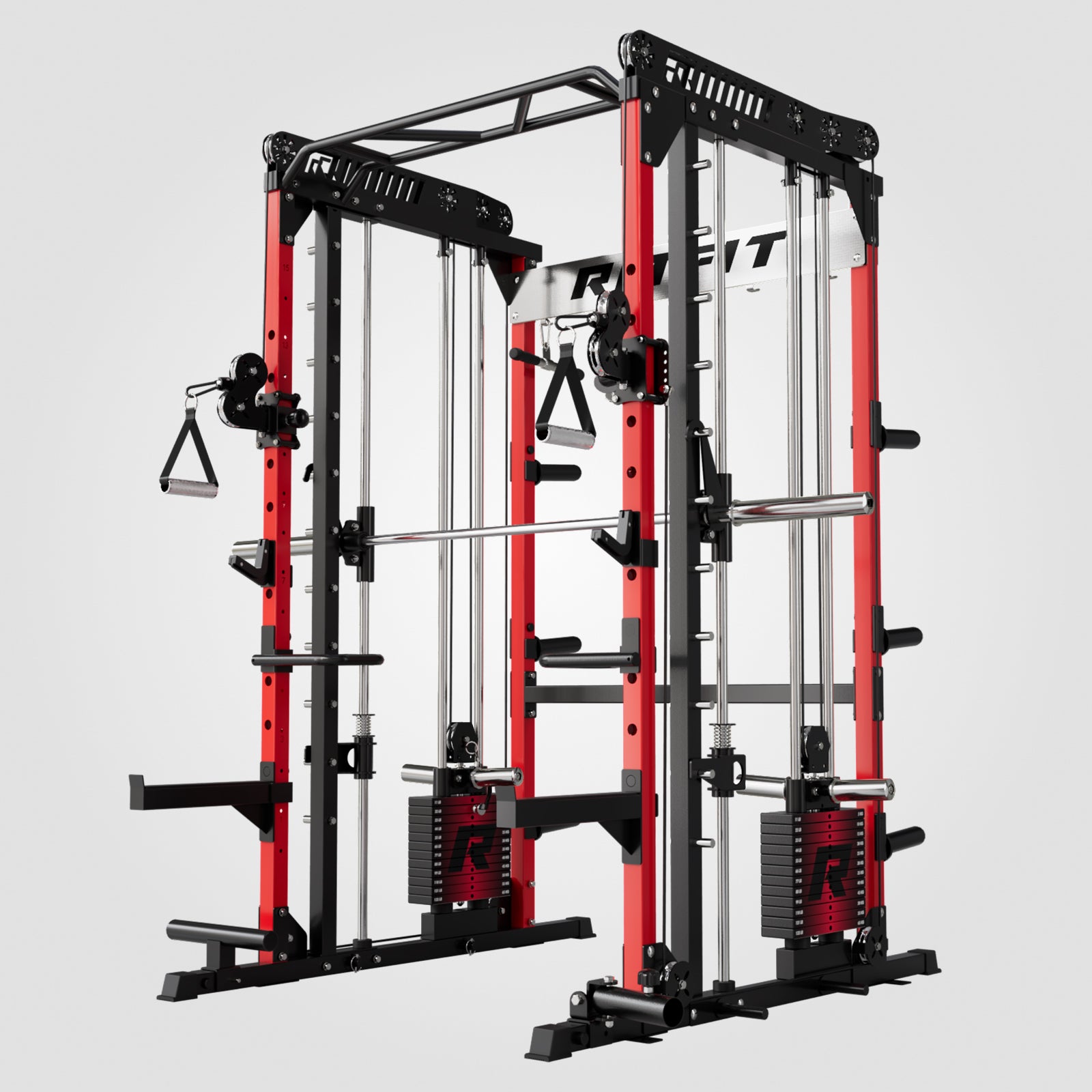
- Machine press or Smith machine press: These are useful when you want more stability and less setup fatigue. They can also work well in a home gym built around a Smith machine with cable crossover system.
Back Exercises
The back staples below pair one vertical pull and one row so you train both width and thickness. A cable or chest supported option can also reduce lower back fatigue as the session gets harder.
For more variety, the 8 best Smith machine back workouts cover pulldown and row patterns that fit a compact rack.
- Wide grip pull up or chin up: These build relative strength and lat involvement with minimal equipment. Use assisted variations if bodyweight sets collapse too early.
- Bent over barbell row: This is a classic thickness builder when trunk position stays stable. It is best for lifters who can keep the torso braced without turning the set into a hip hinge.
- T bar row or chest supported row: These give you strong mid back loading with less technical demand. They are often easier to progress cleanly than barbell rows late in the session.
- Seated cable row: This keeps tension consistent and helps many lifters hold better scapular mechanics. It fits especially well when you have access to a cable crossover machine.
- Lat pulldown: This is a practical substitute for pull ups and a good choice for high rep finishers. A multi grip lat pull down bar can make shoulder friendly grip options easier to find.
For more pressing variation in a compact setup, review our best Smith machine chest workouts for muscle growth. For lat focused pulling, the cable pulldown V taper workout adds width specific sets.
What Does the Classic Arnold Superset Workout Look Like?
The classic Arnold chest and back superset workout pairs a heavy press with a vertical pull, then an incline press with a row, and finishes with tension based assistance work. This version keeps the old school pairing logic but trims excess fatigue so more lifters can use it productively.
- Superset 1: Flat Bench Press + Wide Grip Pull Up: Do 4 rounds of 6 to 10 bench reps and 6 to 10 pull up reps. This pairing gives you a heavy horizontal press and a vertical pull at the start of the session when strength is highest.
- Superset 2: Incline Dumbbell Press + Chest Supported Row: Do 3 to 4 rounds of 8 to 12 reps on both movements. This keeps upper chest emphasis high while giving the mid back a stable row pattern.
- Superset 3: Dumbbell Fly or Cable Fly + Seated Cable Row: Do 3 rounds of 10 to 15 reps on both movements. The goal here is controlled tension, not ego loading.
- Superset 4: Chest Dip or Push Up + Lat Pulldown: Do 2 to 3 rounds of near failure on the chest move and 12 to 15 reps on the pulldown. This is the pump focused finisher and should feel hard without turning form loose.
How Do You Choose Better Substitutions?
The best substitution is the one that keeps the training effect while fitting your equipment, joints, and skill level. Good chest and back days are built on movement patterns, not on one sacred exercise list.
- If pull ups stall early: Use a pulldown or band assisted pull up. You will usually get more total quality back volume this way.
- If barbell rows stress the lower back: Use a chest supported row or cable row. This keeps the target on the back instead of the trunk.
- If dips irritate the shoulders: Use a machine press or stable push up variation. Pain is not a requirement for chest growth.
- If your home gym is limited: Pair a press on an adjustable weight bench with dumbbell rows, bands, or cable work. The structure of the workout matters more than expensive variety.
How Do You Modify the Workout for Different Levels?
The chest and back workout scales cleanly by changing set count, rest, and load for each experience level. Beginners build technique, intermediates add volume, and advanced lifters push intensity with caution.
Beginner Version
Beginners should use 2 to 3 supersets, moderate loads, and at least 90 seconds of rest after each full pairing. Your goal is to learn exercise order, shoulder position, and smooth reps before chasing extreme fatigue.
Intermediate Version
Intermediates should use 3 to 4 pairings with one heavy press, one heavy pull, and one moderate hypertrophy focused superset. This version gives enough volume to grow without copying Golden Era recovery demands.
Advanced Version
Advanced lifters can tolerate more total sets, shorter rest, and occasional intensity work on the last set. Even then, recovery still decides whether the routine builds muscle or just creates junk fatigue.
What Technique Tips Maximize Pump and Safety?
Four cues keep an Arnold chest and back workout safe and productive: set the shoulders, use elbows with purpose, control the lowering phase, and brace through the torso. These apply to both the presses and the pulls.
- Set the shoulders first: Retract and depress the shoulders before pressing or rowing. Stable shoulder position makes chest tension cleaner and back work more repeatable.
- Use elbows with purpose: On presses, keep the elbows in a strong but not flared path. On rows and pulldowns, drive with the elbows instead of curling the weight with the arms.
- Control the lowering phase: Eccentric control improves tension and usually protects position. A rushed descent often ruins the rep before the hard part even begins.
- Brace through the torso: Rib position and abdominal pressure matter on both presses and rows. Better bracing usually means better force transfer and fewer compensations.
Which Intensity Boosters Did Arnold Love?
Intensity methods can help once the base program is already working, but they should stay limited and intentional. Use them mainly on the last set of one exercise, not across the whole workout.
- Drop sets: Reduce load once you hit clean failure and continue for extra reps. This works well on flys, pulldowns, cable rows, and machine presses.
- Rest pause: Take a very short break, then squeeze out a few more clean reps. This is often more controlled than forcing extra reps with bad form.
- Slow negatives: Use a longer lowering phase to increase tension when heavy loading is not ideal. This can be especially useful on flys and pulldowns.
- Forced reps: Use these sparingly and only with a trustworthy spotter. Too much assistance turns the set into noise instead of productive work.
Where Does This Workout Fit in Your Week?
Chest and back day works best when it has enough recovery space around it. The more aggressively you superset, the more carefully you should place shoulders, arms, and lower back work across the week.
- Classic bodybuilding split: Run chest and back on one day, legs on another day, and shoulders plus arms on a separate day. This keeps overlap manageable for most intermediate lifters.
- Upper lower split: Use this workout as your main upper hypertrophy day, then keep the second upper day simpler and less dense. That usually improves weekly recovery.
- Home gym setup: If your training space is compact, use cable rows, pulldowns, Smith pressing, and dumbbells to create a balanced upper body day without long setup time. Our best back workouts at home add more equipment light options.
If you want shorter push focus days, the 30 minute chest and tricep workout pairs well with a dedicated back session. For pull emphasis, the best back and bicep workouts for muscle mass growth give you another strong day in the week.
How Do Nutrition and Recovery Affect Results?
Nutrition and recovery decide whether a hard chest and back session turns into growth or junk fatigue. Calories, carbs around training, sleep, and joint feedback all shape the results you get from the workout.
- Eat enough to support growth: A hard chest and back day is easier to recover from when calories and protein are not chronically low. Muscle gain is slower when recovery resources stay limited.
- Use carbs around training: Carbohydrates can help support output and session quality, especially on dense hypertrophy days. Many lifters also feel stronger with better hydration and adequate sodium.
- Prioritize sleep: Sleep is where the session starts paying you back. Poor sleep usually shows up as weaker pressing, worse pulling quality, and flatter progression.
- Watch joint feedback: A muscle burn is normal, but sharp shoulder, elbow, or sternum pain is not. Adjust grips, angles, and volume before a small problem becomes a long break.
What Are Common Mistakes?
Most chest and back workouts fail from four habits: going too heavy too early, letting one side dominate, skipping exercise logic, and using failure on every set. Avoiding these keeps the session productive.
- Going too heavy too early: Excess load kills range of motion and turns the session into survival. Most lifters grow better from controlled hard reps than from ugly max effort sets.
- Letting one side dominate: Some people attack chest and coast on back, while others row hard and press with poor intent. The point of the session is balanced effort on both sides.
- Skipping exercise logic: Flys before heavy pressing or sloppy rows after total exhaustion usually lowers output. Put the most technical and overload friendly work first.
- Using failure on every set: Constant failure makes recovery harder and often reduces total quality volume. Save true grinders for the right exercises and the right moment.
Sample Four to Eight Week Chest and Back Plan
Run the same general structure long enough to measure progress before changing everything. Four to eight weeks is usually enough to improve performance, refine technique, and see whether the volume is actually working.
- Weeks 1 and 2: Establish exercise order, working loads, and realistic rest periods. Your priority is clean execution and repeatable pacing.
- Weeks 3 and 4: Add reps or small load increases on the main press and main pull. Keep accessory work stable so the progression signal stays clear.
- Weeks 5 and 6: Add one set to the main pairing or one controlled intensity technique to the final accessory set. Increase only one stressor at a time.
- Weeks 7 and 8: Push for your best clean performance within the plan, then assess fatigue honestly. If joints feel beat up or performance stalls, deload instead of forcing more volume.
FAQs About the Arnold Chest and Back Workout
Is the Arnold chest and back workout good for beginners?
Yes.
Beginners can run a scaled version with two to three supersets, moderate loads, and longer rest.
The goal is to master exercise order and shoulder position before chasing extreme fatigue.
Start with the compound presses and pulls, and keep volume low until technique feels smooth.
How many exercises should a chest and back day include?
Most lifters do well with about four to six exercises, usually two to three chest moves and two to three back moves.
That keeps the session dense without excessive fatigue.
Choose one heavy press, one incline press, one vertical pull, and one row as the core.
How long should I rest between chest and back supersets?
Rest about 60 to 90 seconds after each full superset pairing.
Keep the rest between the press and the pull very short, often just long enough to change position.
Shorter rests raise density, but longer rests help you lift heavier and keep form clean.
Can I do the Arnold chest and back workout at home?
Yes.
You can pair a bench press with dumbbell rows, use a pull up bar, or add a cable setup.
Substitutions like machine presses, chest supported rows, and pulldowns keep the same movement patterns.
The structure matters more than the exact equipment list.
Should I train chest and back together for muscle growth?
Yes.
Chest and back are opposing muscle groups, so pairing them in supersets raises training density and can support balanced upper body development.
Many lifters build solid hypertrophy this way.
Match the volume to your recovery and progress loads steadily over time.
How often should I do an Arnold chest and back workout?
Most lifters run it once per week as a dedicated upper body day.
If you prefer a push pull style, you can repeat it twice weekly with lower volume.
Leave enough recovery between sessions, and prioritize sleep and protein to support the workload.
Conclusion
Arnold's chest and back workout still works because paired presses and pulls can build muscle, save time, and improve upper body balance when the plan is scaled intelligently. Use the classic method as a framework, not a rulebook, and focus on clean progression, smart substitutions, and recovery that matches the work.
Start with the four superset structure above, scale sets to your level, and adjust substitutions to your equipment. Pair each chest press with a back pull so both sides of the upper body get balanced attention across the session.
Disclaimer
This article is for general education and is not medical advice. Stop if you feel sharp pain, adjust volume to your training age and recovery, and seek guidance from a qualified coach or clinician if you have shoulder, elbow, or back issues.