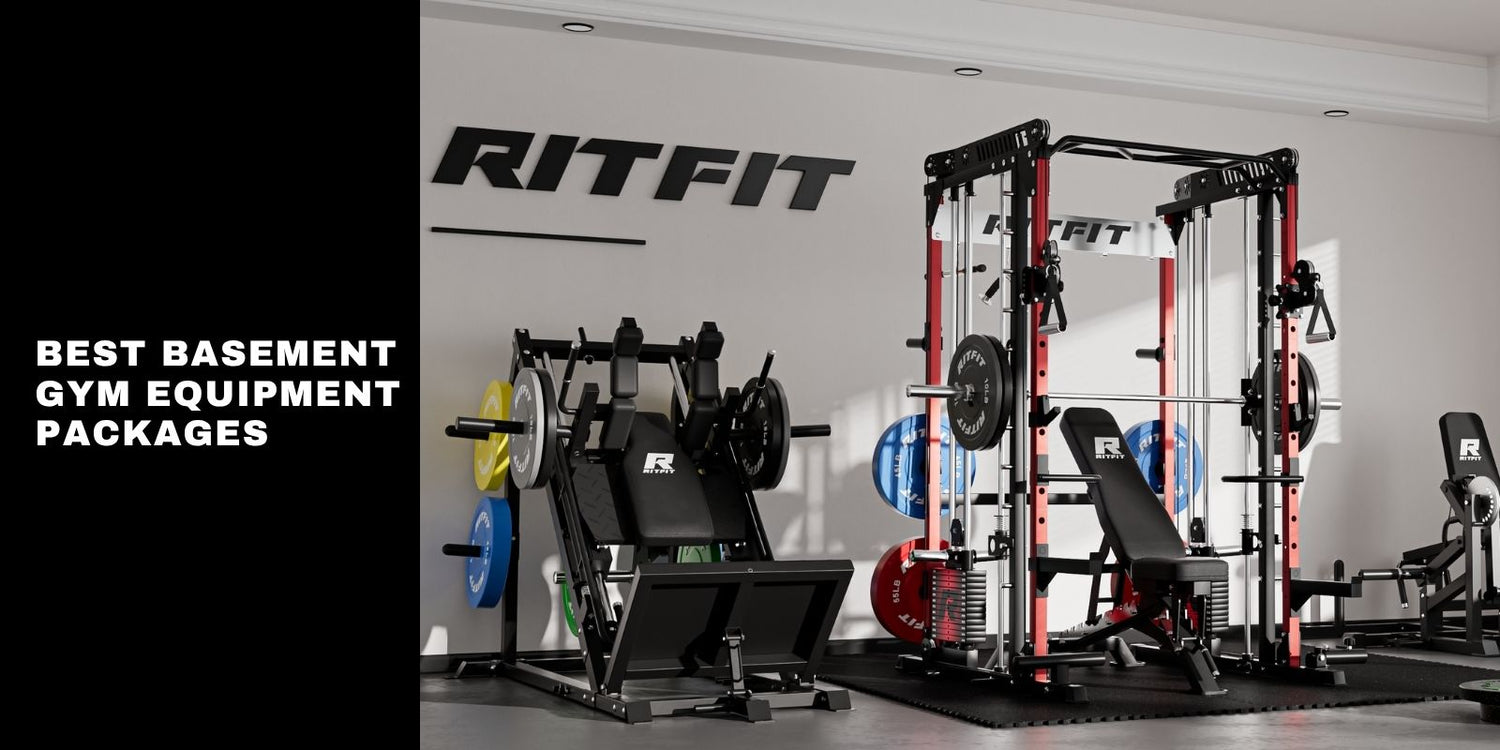
Choosing the best basement gym equipment package starts with your ceiling height, floor space, and training goals. The right package fits a low-ceiling room, protects your family, and supports progressive overload without breaking your budget.
This guide breaks down basement gym equipment packages by space type, the must-have gear inside each bundle, and how to match a package to your home. You will also learn safety, noise, and maintenance basics for a self-coached family gym.
Quick Answer: Basement gym equipment packages bundle a rack, bench, plates, and cables into one compatible setup sized for low ceilings. For most homes a compact foldable rack with an adjustable bench and bumper plates fits tight spaces safely, so start with a starter bundle and upgrade as your strength and family needs grow.
Key Takeaways
- Space: Measure ceiling height before choosing a package, because compact foldable racks and adjustable dumbbells fit low-ceiling basements best.
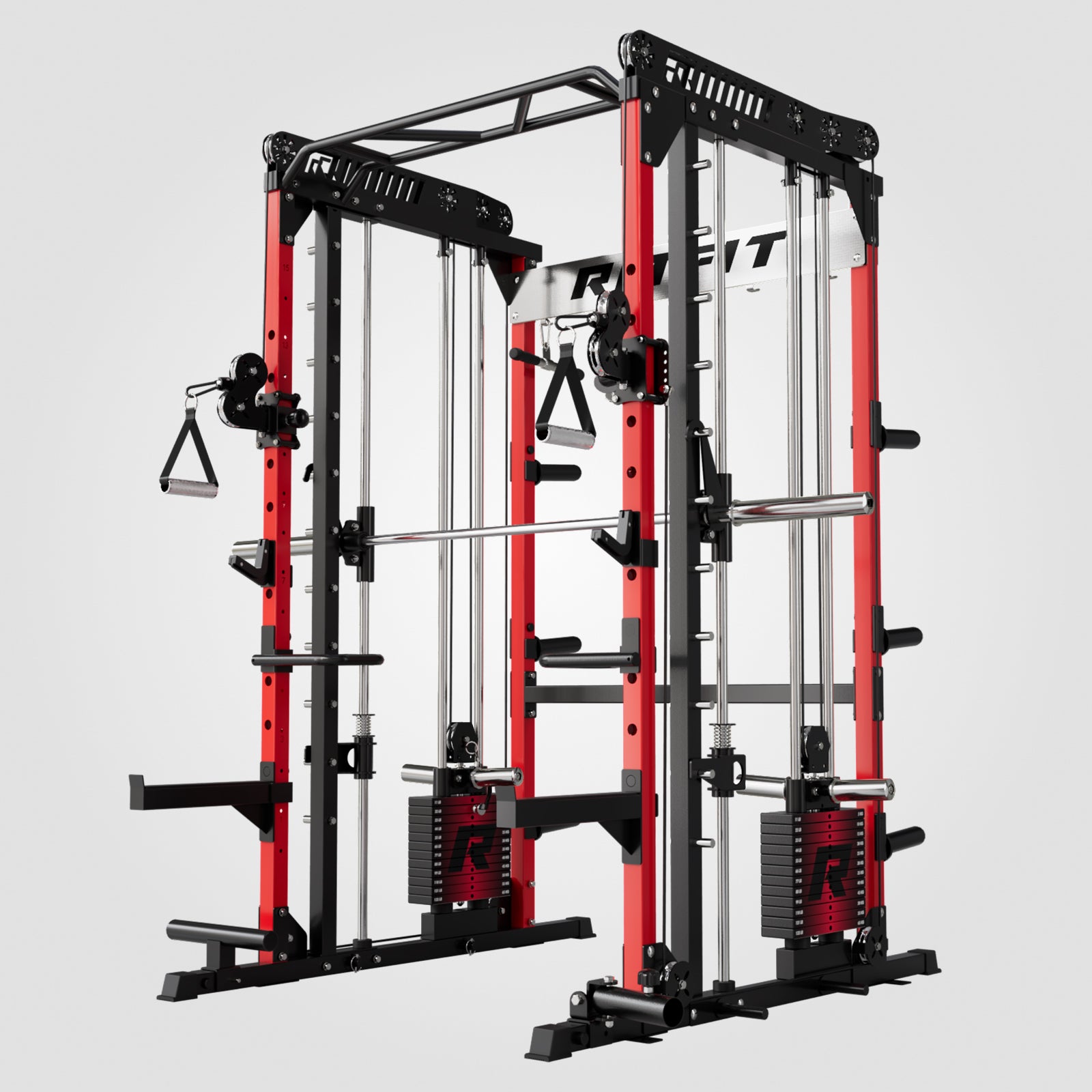
- Synergy: All-in-one modular systems combine a power rack, Smith machine, and cables so every station works together in one footprint.
- Flooring: Dense rubber bumper plates and thick mats protect concrete foundations and cut noise for the rest of the house.
- Safety: Heavy-duty 11-gauge steel frames with reliable safety arms support secure, spot-free heavy lifting for the whole family.
- Progression: Start with free weights and add isolation accessories over time to keep progressive overload consistent without rebuying gear.
How Much Space Does a Basement Gym Need?
Basement gym equipment packages need a clear floor footprint of roughly 10 by 10 feet, plus at least 12 inches of clearance above your head for overhead lifts. Compact racks and foldable stations keep most packages inside that footprint even in tight rooms.
- Basement Dimensions: Measure exact ceiling height to decide between a compact half rack and a full power cage. This measurement determines whether you can perform standing overhead barbell presses safely.
- Environmental Factors: Check moisture levels and flooring types to plan for rubber matting and a basement dehumidifier. Protecting raw concrete from cast iron impact keeps the foundation sound for years.
- Training Objectives: Decide whether your goal is maximal strength or general metabolic conditioning. That choice steers you toward heavy steel racks or versatile functional trainers.
For a family gym, plan a small open zone for stretching and a clear path to the stairs so everyone can move around freely. Keeping one unobstructed lane also protects younger lifters during busy hours.
If a full cage is too tall for your ceiling, browse our Racks Package collection for compact half racks and foldable options that preserve vertical clearance.
What Equipment Do You Need for a Basement Gym?
Four core categories cover a complete basement gym: a sturdy power rack, an adjustable bench, free weights, and a cable system. These tools handle every primary movement pattern while fitting in tight, low-ceiling spaces.
- Racks and Stands: Secure a heavy-duty frame with safety arms to protect yourself during unspotted heavy squats. The RitFit BUFFALO package offers exceptional modularity and stability for low-ceiling environments.
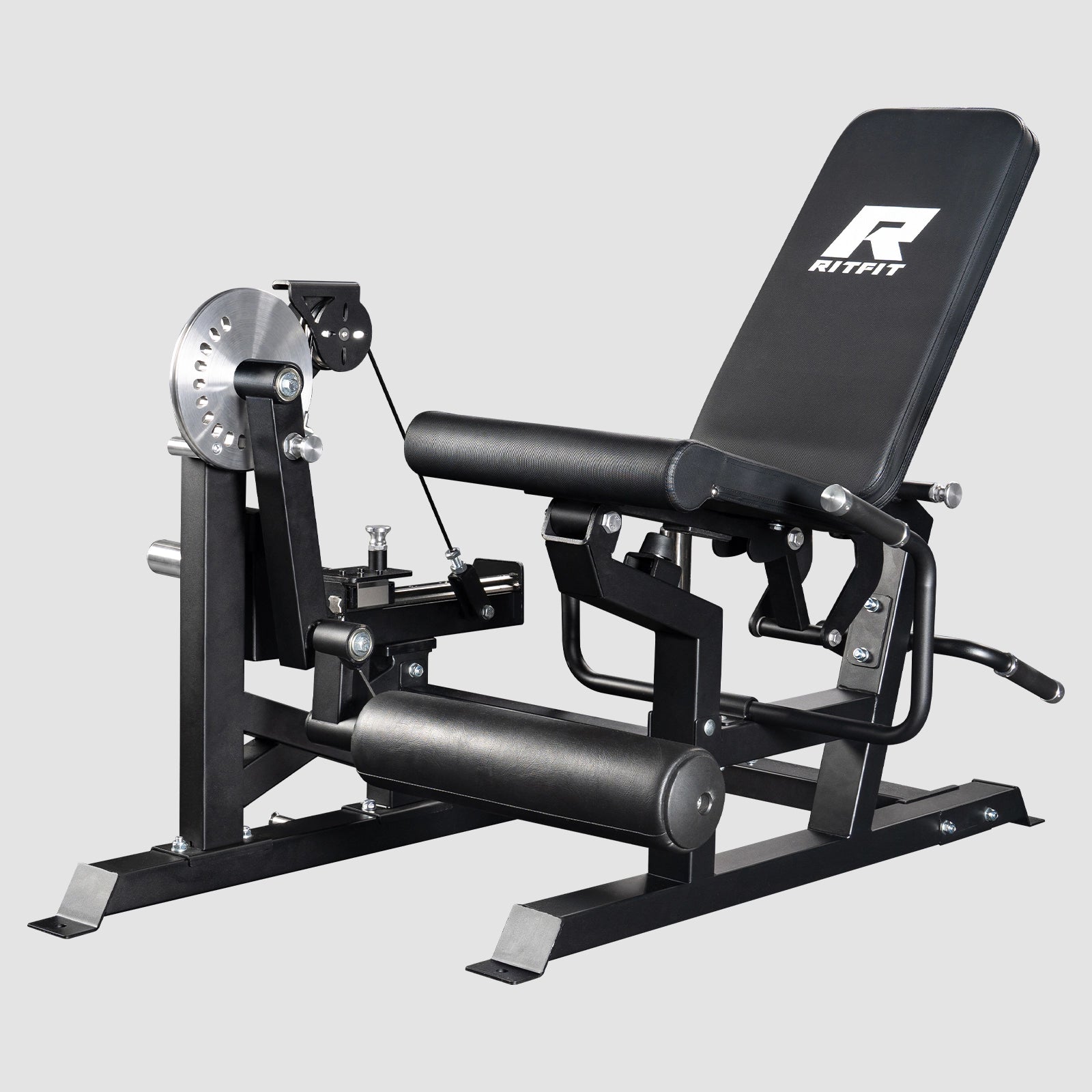
- Benches: Invest in a stable, adjustable bench like the RitFit GATOR 1600LB to unlock precise incline pressing angles. Proper back support is non-negotiable for safe biomechanics during heavy lifts.
- Barbells and Plates: Choose Olympic barbells and rubber bumper plates to reduce noise and protect your flooring. Bumper plates are essential for deadlifts and dynamic movements in residential basements.
- Dumbbells and Kettlebells: Use adjustable dumbbells from a Dumbbells and Rack Package to access a full weight range within a compact footprint. They are ideal for unilateral work and accessory isolation exercise.
- Cable Systems: Add rack-mounted pulleys for smooth, constant tension that drives hypertrophy. These systems use zero extra floor space while expanding your exercise library significantly.
If you are starting from scratch, review our basement gym equipment essentials guide before buying. It walks through each category with the exact specs to measure.
"If your space is limited, a good set of adjustable dumbbells might be your better option. They will allow you to progress to heavier weight as you get stronger."
Jeff Cavaliere, MSPT, CSCS, Physical Therapist and Strength Coach, Creator of ATHLEAN-X, Athlean-X
Which RitFit Basement Gym Equipment Package Should You Choose?
RitFit packages come in starter, intermediate, and advanced tiers, and the right one depends on your experience, ceiling height, and budget. A pre-configured bundle keeps every station compatible and costs less than buying pieces separately.
- Starter Package: This bundle pairs a compact foldable rack with an adjustable bench and basic bumper plates for beginners. It delivers the core compound lifts while keeping your initial budget manageable.
- Intermediate Package: Upgrading to a versatile modular system like the RitFit M2 Series provides secure safety arms and a dedicated 2:1 ratio pulley system. It supports self-coached lifters who need heavier loads and diverse isolation exercises for targeted hypertrophy.
- Advanced Package: The comprehensive RitFit M1 PRO package combines an all-in-one functional trainer, a commercial-grade bench, and weight stacks. This setup replicates a commercial facility and easily serves multi-user households and advanced programming.
Popular bundle options across the lineup include the RitFit Home Gym Package M1 Smith Machine, the RitFit Home Gym Package PSR05 Smith Machine, the RitFit P3 Power Cage 1200lbs Home Gym Package, and the RitFit BPC06 All In One Smith Machine Home Gym Package. Each bundles compatible stations into one complete basement setup.
Best Basement Gym Packages Compared: M1 PRO vs M2
Pick the model that matches your footprint. The M1 PRO weight stack version suits a larger basement with room for an all-in-one station, while the compact M2 modular frame fits tighter, lower-ceiling rooms without giving up cable work.
Compare pulley ratio, weight stack capacity, and folded footprint before you order. Both models share the same core package logic, so the deciding factor is usually your ceiling height and how many people train.
| Package tier | Best for | Key gear included | Ceiling and space fit |
|---|---|---|---|
| Starter | Beginners and families on a first budget | Compact foldable rack, adjustable bench, bumper plates | Tight, low-ceiling rooms |
| Intermediate | Self-coached lifters who want heavier loads | Modular system with safety arms and a 2:1 pulley | Medium basements |
| Advanced | Multi-user households and advanced programming | All-in-one functional trainer, weight stacks, commercial bench | Large basements |
Tier descriptions follow the RitFit package lineup; exact configurations vary by model.
For a clearer budget picture, compare how our best garage gym equipment packages stack up by feature and price per station. Then match the tier to the number of people who will train.
How Do I Match a Package to My Basement Size?
The right package matches your basement size by comparing the equipment footprint to your measured floor space and ceiling height. Low ceilings need flat benches and shorter racks, while large basements can hold a full multi-zone setup.
- Low-Ceiling Basements: Prioritize flat benches, adjustable dumbbells, and shorter upright racks to maximize vertical clearance. Compact gear lets you keep a full range of motion without structural interference.
- Medium Basements: Anchor an intermediate power rack against the strongest wall and leave the center open for deadlifts. This layout balances heavy compound lifting with stretching and mobility space.
- Large Basements: Deploy the advanced package to create distinct zones for heavy lifting, conditioning, and family wellness. A sprawling space allows dedicated weight trees, cable stations, and functional training layouts.
For conditioning stations in a larger room, browse our CrossFit equipment to add kettlebells, sleds, and plyo gear. Whatever the size, leave a clear landing zone in front of every rack.
How Do I Keep a Basement Gym Safe and Quiet?
A safe, quiet basement gym starts with load capacities, a secured rack, and controlled humidity, plus rubber mats and bumper plates. Routine inspections catch loose bolts before they become real problems.
- Engineering Standards: Rely on equipment built to strict engineering limits, such as 1500-pound pressure tests, to ensure structural safety. Verifying load capacities prevents failures during maximal exertion.
- Acoustic Control: Use thick rubber stall mats and bumper plates to dampen impact. Controlled lifting technique further reduces vibration transmitted through the house.
- Moisture Management: Run a dehumidifier constantly and wipe down barbell knurling after use. Preventing rust keeps steel frames and linear bearings working smoothly.
- Financial Planning: Maximize your investment by using HSA or FSA funds to buy qualified fitness equipment from our HSA eligible gym rack selection. Upgrading from a starter package to advanced modules keeps progression sustainable.
FAQs About Basement Gym Equipment Packages
How much does a basement gym equipment package cost?
Packages range from a few hundred dollars for a starter bundle to a few thousand for a complete advanced setup.
The total depends on the rack, bench, and weight stack included.
Buying a bundle usually costs less than purchasing each piece separately.
Can I put a squat rack in a basement with low ceilings?
Yes, as long as you can stand upright under the pull-up bar and lift without hitting the ceiling.
Choose a compact half rack or a foldable rack to save vertical clearance.
Leave at least 12 inches of space above your head for pressing.
What is the best flooring for a basement gym?
Thick rubber stall mats and rubber bumper plates are the best combination for a basement gym.
They protect concrete, absorb dropped barbells, and reduce noise for the rest of the house.
Interlocking rubber tiles also work well for larger dedicated areas.
Are basement gym packages safe for kids and teenagers?
Yes, when the rack has reliable safety arms and everyone follows the setup rules.
Store collars, plates, and attachments out of reach of young children.
Supervise teenagers during first-time lifts and set the safety arms at the correct height for their size.
Do I need a dehumidifier for a basement gym?
Yes, a dehumidifier is strongly recommended for most basement gyms.
Basements stay humid, and moisture causes rust on plates, frames, and cables over time.
Keeping humidity low protects your equipment, prevents mold, and makes the space more comfortable for training year round.
Is a Smith machine or a power rack better for a low ceiling basement gym?
A Smith machine is often the better choice for a low ceiling basement gym because it moves on a guided track and needs less headroom.
A power rack allows free barbell movements but needs more overhead clearance for standing lifts.
Measure your ceiling height and pick the setup that lets you train safely through a full range of motion.
How many people can use one basement gym equipment package?
One basement gym equipment package can serve multiple people when you match the tier to household size.
A starter bundle supports one or two lifters, while an advanced all-in-one system handles several users at once.
Set a shared training schedule and agree on safety rules so everyone trains comfortably.
Conclusion
The best basement gym equipment package turns unused square footage into a safe, distraction-free training space for your whole family. Bundles keep every station compatible and sized for low ceilings at a predictable budget.
Measure your floor, note your ceiling height, and choose the tier that matches your goals. Start with the starter bundle and upgrade as your strength grows.
Compare options on the RitFit Sales page and check the RitFit discount guide before you order.
Disclaimer
Exercise equipment carries inherent risk, and this guide is for general information only, not a substitute for professional advice. Consult a qualified trainer or physician before starting a strength program, and follow the manufacturer instructions for installation, load limits, and safe use.
References
1. U.S. Department of Health and Human Services. Physical Activity Guidelines for Americans, 2nd Edition. Washington, DC: U.S. Department of Health and Human Services; 2018.
2. Centers for Disease Control and Prevention. How Much Physical Activity Do Adults Need? Atlanta, GA: Centers for Disease Control and Prevention; 2022.
3. World Health Organization. Physical Activity. Geneva: World Health Organization; 2024.