The best bench press form starts with a stable setup, retracted shoulder blades, neutral wrists, controlled bar path, and a safe lower chest touchpoint. This guide explains how to bench press with better control, stronger force transfer, and fewer avoidable technique errors.
Key Takeaways
- Use a stable five point setup: Keep your head, upper back, glutes, right foot, and left foot anchored before every rep.
- Stack your wrists over your elbows: A neutral wrist position helps transfer force into the bar instead of stressing the joint.
- Touch the lower chest: Most lifters should lower the bar around the nipple line or slightly below it.
- Press up and slightly back: A slight diagonal bar path usually feels stronger than pressing straight up.
- Train safely at home: Use a spotter, safety arms, or a stable rack setup when lifting heavy or benching alone.
What Is the Best Form for Bench Press?
The best form for bench press is a repeatable technique that keeps your body stable, your shoulders protected, and the bar moving through an efficient path. Your setup should feel tight before the bar leaves the rack, not after the first rep starts.
A strong bench press depends on the chest, front delts, triceps, upper back, forearms, and lower body working together. Research on bench press variations shows that grip width and bench angle can change muscle activity and performance, so your technique should match your goal and anatomy.[1]
Bench Press Muscles Worked
The bench press mainly trains the pectoralis major, anterior deltoids, and triceps brachii. The lats, upper back, forearms, core, glutes, and legs help stabilize the lift and keep the bar path consistent.
- Chest: The pectoralis major drives horizontal pressing and contributes most when the bar path is controlled and the shoulder blades stay stable.
- Front shoulders: The anterior deltoids assist the press, especially when the elbows drift too high or the bench angle increases.
- Triceps: The triceps help extend the elbows and are especially important near lockout.
- Upper back: The lats, traps, and rear shoulder area create the platform that your pressing muscles push from.
- Lower body: The legs help create tension, stability, and force transfer when your feet stay planted.
Proper Bench Press Setup
Proper bench press setup matters because a weak starting position makes every rep harder and less stable. Before lifting, use a sturdy flat bench, a properly racked barbell, secure weight plates, and enough space for safe bar movement.
- Bench position: Lie down so your eyes are under the bar before unracking. This helps you clear the hooks without dragging the bar forward.
- Upper back: Pull your shoulder blades back and down before the bar leaves the rack. This creates a stable base and reduces unnecessary shoulder movement.
- Feet: Plant both feet firmly on the floor. If your feet cannot reach, use a stable platform rather than placing your feet on the bench.
- Glutes: Keep your glutes on the bench throughout the set. Your arch should come mainly from upper back positioning, not from lifting your hips.
- Rack height: Set the hooks so you can unrack the bar without shrugging your shoulders off the bench. A poor rack height can break your tightness before the first rep.
For home training, a stable bench and secure rack setup matter as much as the barbell itself. If you are building a bench press station, start with a reliable adjustable weight bench and pair it with equipment that supports safe unracking and re racking.
How to Bench Press Step by Step
Proper bench press execution means controlling the bar from unrack to lockout with the same setup on every rep. Use lighter weight first so the technique becomes repeatable before you add load.
- Step 1: Set your body: Lie with your eyes under the bar, feet planted, glutes down, and shoulder blades pulled back. Your body should feel tight before your hands take the full load.
- Step 2: Grip the bar: Wrap your thumbs around the bar and keep the bar low in your palm. Your wrists should stay stacked over your forearms instead of bending backward.
- Step 3: Unrack with control: Brace your core and move the bar out of the hooks without losing your shoulder position. Let the bar settle over your shoulders before lowering.
- Step 4: Lower to the lower chest: Bring the bar down under control toward the nipple line or slightly below it. Keep your elbows slightly tucked instead of flaring them straight out.
- Step 5: Press up and slightly back: Drive through your feet and press the bar toward the shoulder line. Finish with locked elbows and a steady bar before starting the next rep.
Best Bench Press Grip Width
The best bench press grip width is usually between shoulder width and about one and a half times shoulder width. This range gives many lifters a balance of chest involvement, triceps contribution, and shoulder comfort.
Standard Grip
A standard grip is the best starting point for most lifters because it balances pressing strength and joint control. Your forearms should look close to vertical when the bar touches your chest.
Wide Grip
A wide grip can shorten the range of motion and increase chest emphasis, but it may also increase shoulder stress for some lifters. Use it cautiously if you feel shoulder discomfort or lose control at the bottom.
Close Grip
A close grip shifts more work toward the triceps and often uses a slightly higher touchpoint. Grip width research shows that narrower and medium grips can increase triceps activity compared with wider gripping in some conditions.[2]
If your main goal is triceps development, read the full close grip bench press guide after mastering your standard bench setup.
Bench Press Bar Path and Touchpoint
The best bench press bar path is usually not straight up and down. The bar commonly lowers slightly forward toward the lower chest, then presses up and slightly back toward the shoulders.
- Start position: Begin with the bar stacked over your shoulders at lockout. This gives you a stable position before the descent starts.
- Lowering path: Lower the bar in a controlled diagonal path toward the lower chest. Avoid drifting toward the neck.
- Touchpoint: Touch the same lower chest spot on every rep. A consistent touchpoint makes your technique easier to repeat.
- Pressing path: Press the bar up and slightly back. This helps align the bar over your shoulders at lockout.
Biomechanical research on wide, medium, and narrow grips shows that grip choice changes joint angles, horizontal forces, and shoulder or elbow demands during heavy bench pressing.[3] This is why the right bar path should be stable and personal, not copied blindly from another lifter.
Elbow Angle and Shoulder Position
Your elbows should stay slightly tucked rather than flared straight out to the sides. A moderate elbow angle helps many lifters keep the bar stable while reducing unnecessary shoulder strain.
- Avoid extreme flare: Elbows near ninety degrees from the torso can make the shoulder position feel exposed. Reduce the load if your elbows flare as the set gets hard.
- Avoid over tucking: Tucking too aggressively can turn the movement into a triceps dominant press and may change the touchpoint too much. Keep the bar path smooth and repeatable.
- Use the bend the bar cue: Imagine bending the bar slightly to engage your upper back. This cue can help keep your elbows and shoulder blades organized.
Wrist Position and Grip Safety
Your wrists should stay neutral and stacked over your elbows during the bench press. Bent back wrists can cause discomfort and make force transfer less efficient.
- Use a full grip: Wrap your thumbs around the bar for better safety. Avoid open grip bench pressing unless you are highly experienced and understand the risk.
- Place the bar low in the palm: The bar should sit closer to the base of your palm, not high in the fingers. This helps keep the wrist stacked over the forearm.
- Squeeze the bar: Grip the bar firmly before each rep. A stronger grip helps create upper body tension.
For a more complete home bench setup, pair your bench with a dependable bar from the barbells and weight plates collection. A stable bar, secure plates, and consistent grip setup make technique practice easier.
Leg Drive for Bench Press
Leg drive helps you stay tight and transfer force from the floor into the bench. It should support the press without lifting your hips off the pad.
- Foot placement: Keep your feet firmly planted and slightly pulled back if your mobility allows. The exact position should let you push without sliding.
- Drive direction: Push the floor away and drive your body back into the bench. The force should support your upper back position.
- Timing: Begin applying leg tension before the bar reaches your chest. Keep that tension through the press.
- Common error: If your glutes leave the bench, reduce the weight and rebuild your setup. Hip lift changes the movement and reduces control.
Common Bench Press Mistakes and Fixes
Most bench press mistakes come from losing tightness, rushing the descent, or using a setup that does not match your body. Fix the pattern first, then increase the weight.
- Elbows flare out: Use lighter weight and lower the bar with your elbows slightly tucked. Think about pulling the bar down with your upper back.
- Bar bounces off the chest: Pause lightly on the chest instead of bouncing. A short pause improves control and keeps the rep honest.
- Wrists bend backward: Place the bar lower in your palm and keep your knuckles facing upward. Use wrist wraps only as support, not as a fix for poor bar placement.
- Feet move during reps: Reset your foot position before unracking. If your shoes slide, adjust the floor surface or stance.
- Shoulders feel unstable: Pull the shoulder blades back and down before every set. If pain continues, stop and get qualified feedback.
- Touchpoint changes every rep: Film from the side and mark where the bar touches. Consistent reps are easier to progress.
Many lifters also struggle to know whether the bench press is hitting the right muscles. For deeper muscle detail, read what muscles does bench press work.
Bench Press Variations and Form Notes
Bench press variations change the target muscles, joint angles, and stability demands. Choose the variation that supports your goal rather than using every version in the same workout.
- Flat barbell bench press: This is the main strength variation for most lifters. It allows progressive loading and clear performance tracking.
- Incline bench press: This version shifts more work toward the upper chest and front shoulders. Research on bench inclinations found that higher angles can increase anterior deltoid activation while changing pectoralis activity.[4]
- Close grip bench press: This version emphasizes the triceps and usually requires a slightly narrower grip. Keep your wrists stacked and avoid letting the elbows drift too far forward.
- Dumbbell bench press: This version allows more natural arm movement and more stabilization. It can help address side to side strength differences.
- Smith machine bench press: This version uses a guided path and may help home gym users practice pressing with more controlled setup demands. It still requires proper bench position, wrist alignment, and shoulder control.
For upper chest training, pair this guide with the incline bench press guide. For equipment comparison, review dumbbell vs barbell bench press.
Bench Press Safety Tips for Home Gyms
The safest way to bench press at home is to use a spotter, correctly set safety arms, or a rack that can catch the bar if you miss a rep. Heavy benching without a backup plan is not worth the risk.
- Use safety arms: Set the arms just below your chest level when you are in your normal arch. Test with an empty bar before loading weight.
- Do not max alone: Avoid one rep max attempts without a trained spotter or a rack safety setup. Save limit attempts for controlled conditions.
- Choose a stable bench: Your bench should not wobble or shift when you create leg drive. A stable pad helps your shoulders stay set.
- Use collars when appropriate: Secure plates for normal training so the load does not slide. Learn safe emergency procedures before training alone.
- Stop for sharp pain: Muscle effort is normal, but sharp joint pain is not. Reduce load, check form, and seek qualified guidance if symptoms persist.
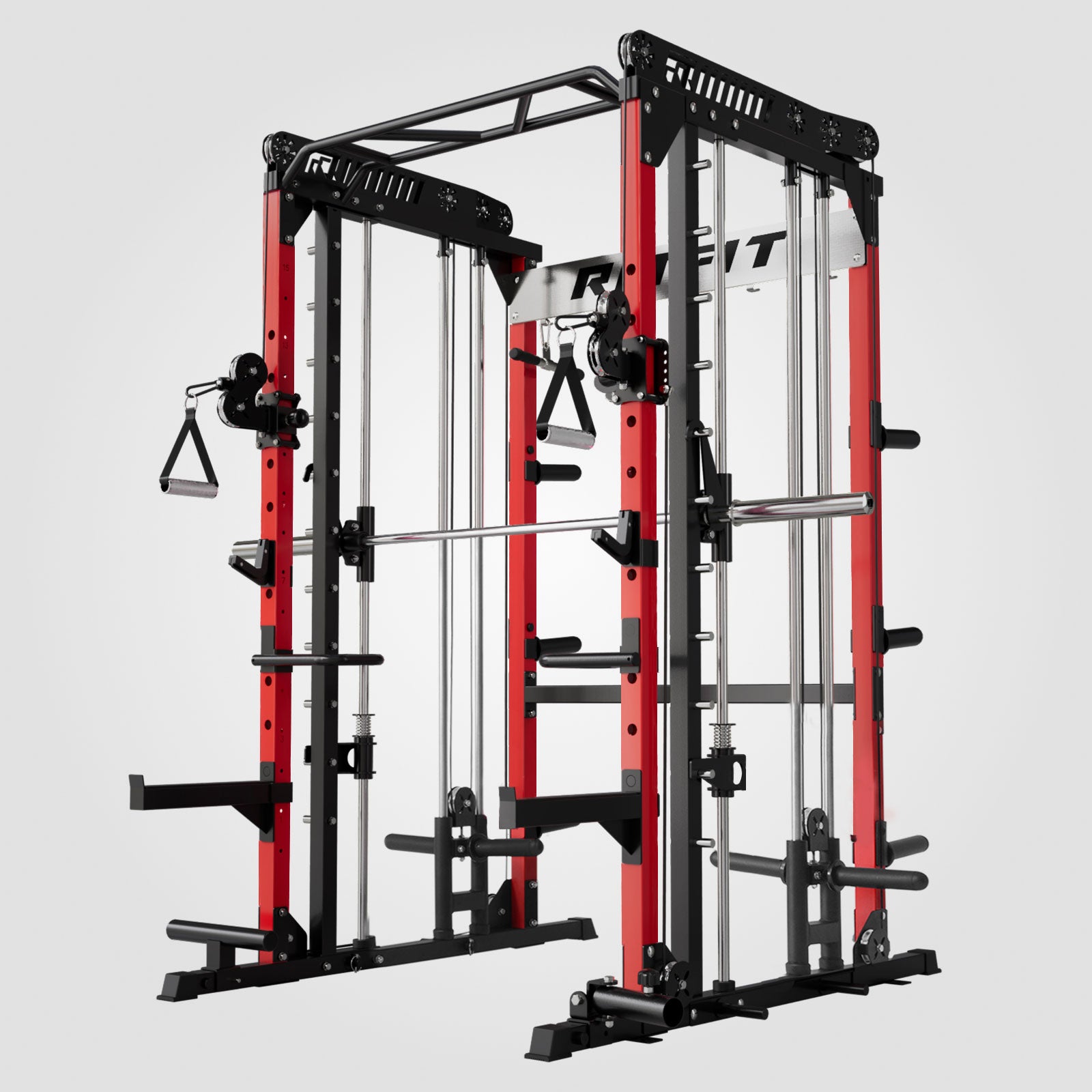
If you bench in a garage, basement, or compact home gym, a Smith machine setup can provide a guided bar path and integrated training station. Explore the RitFit Smith machine collection for home strength training options.
How to Build a Better Home Bench Press Station
A better home bench press station starts with a stable bench, safe bar support, enough floor space, and consistent equipment placement. This matters because poor equipment setup can make good form harder to maintain.
- Start with the bench: Choose a bench that feels stable during setup, leg drive, and re racking. The RitFit GATOR 1600LB Adjustable Weight Bench is the most relevant RitFit product match for a bench press form guide.
- Add safe bar support: Use a rack or Smith machine that lets you set a consistent unrack height. This helps protect your shoulder position before the first rep.
- Use compatible plates: Keep loading balanced on both sides of the bar. Uneven loading can change the bar path and make the rep unstable.
- Leave enough clearance: Make sure the bench, bar, rack, and plates have space for safe movement. Tight rooms can make re racking harder.
For broader programming after your technique improves, use the best bench workout routines guide to build chest, shoulder, and triceps sessions around your equipment.
Bench Press Form Checklist
Use this checklist before every working set. A repeatable checklist helps you catch small mistakes before they turn into missed reps or joint discomfort.
- Eyes under bar: Set your body so the bar can clear the hooks smoothly.
- Feet planted: Keep both feet locked into the floor.
- Shoulders packed: Pull shoulder blades back and down.
- Glutes down: Keep your hips on the bench.
- Full grip: Wrap your thumbs around the bar.
- Neutral wrists: Stack wrists over forearms.
- Controlled descent: Lower without bouncing.
- Consistent touchpoint: Touch the same lower chest position.
- Stable press: Press up and slightly back.
- Safe finish: Lock out and re rack with control.
FAQs
What is the best bench press form?
The best bench press form uses a tight upper back, planted feet, neutral wrists, controlled descent, and a lower chest touchpoint. This setup helps you press from a stable base while keeping your shoulders, elbows, and wrists in a stronger position.
Where should the bar touch during bench press?
The bar should usually touch the lower chest, around the nipple line or slightly below it. Your exact touchpoint depends on grip width, arm length, and shoulder comfort, but it should stay consistent from rep to rep.
How wide should my bench press grip be?
Your bench press grip should usually place your forearms close to vertical when the bar touches your chest. Most lifters do well between shoulder width and about one and a half times shoulder width, with adjustments based on comfort and control.
Should my elbows be tucked during bench press?
Yes. Your elbows should be slightly tucked rather than flared straight out to the sides. A moderate tuck helps many lifters keep the shoulders stable, maintain a better bar path, and press with stronger control through the full rep.
Can I bench press safely without a spotter?
Yes. You can bench press without a spotter if you use properly set safety arms or a rack that can catch the bar. Avoid max attempts alone, test safety height with an empty bar, and keep the load manageable.
Why do my shoulders hurt when bench pressing?
Shoulder pain during bench press often comes from poor shoulder blade position, excessive elbow flare, too much load, or an inconsistent touchpoint. Stop if pain is sharp, lower the weight, check your setup, and seek qualified guidance if discomfort continues.
Is dumbbell bench press better than barbell bench press?
No. Dumbbell bench press is not automatically better, but it offers a different benefit. Dumbbells allow more natural arm movement and more stabilization, while a barbell usually supports heavier loading and easier strength tracking.
How do I keep my wrists straight during bench press?
Keep your wrists straight by placing the bar low in your palm and stacking your knuckles above your forearms. Squeeze the bar hard, avoid holding it high in the fingers, and reduce weight if your wrists collapse backward.
Conclusion
The best bench press form is built from a stable setup, controlled bar path, neutral wrists, consistent touchpoint, and safe equipment choices. Master the technique with lighter loads first, then increase weight only when your reps stay repeatable and pain free.
Disclaimer: This article is for general strength training education only and is not medical advice. Stop bench pressing if you feel sharp pain, numbness, unusual joint discomfort, or loss of control, and consult a qualified professional if symptoms continue or if you have a medical condition affecting resistance training.
References
- Saeterbakken AH Mo DA Scott S Andersen V. The effects of bench press variations in competitive athletes on muscle activity and performance. J Hum Kinet. 2017;57:61-71. doi:10.1515/hukin-2017-0047
- Saeterbakken AH Stien N Pedersen H Solstad TEJ Cumming KT Andersen V. The effect of grip width on muscle strength and electromyographic activity in bench press among novice and resistance trained men. Int J Environ Res Public Health. 2021;18(12):6444. doi:10.3390/ijerph18126444
- Larsen S Gomo O van den Tillaar R. A biomechanical analysis of wide, medium, and narrow grip width effects on kinematics, horizontal kinetics, and muscle activity on the sticking region in recreationally trained males during 1RM bench pressing. Front Sports Act Living. 2021;2:637066. doi:10.3389/fspor.2020.637066
- Rodríguez Ridao D Antequera Vique JA Martín Fuentes I Muyor JM. Effect of five bench inclinations on the electromyographic activity of the pectoralis major, anterior deltoid, and triceps brachii during the bench press exercise. Int J Environ Res Public Health. 2020;17(19):7339. doi:10.3390/ijerph17197339