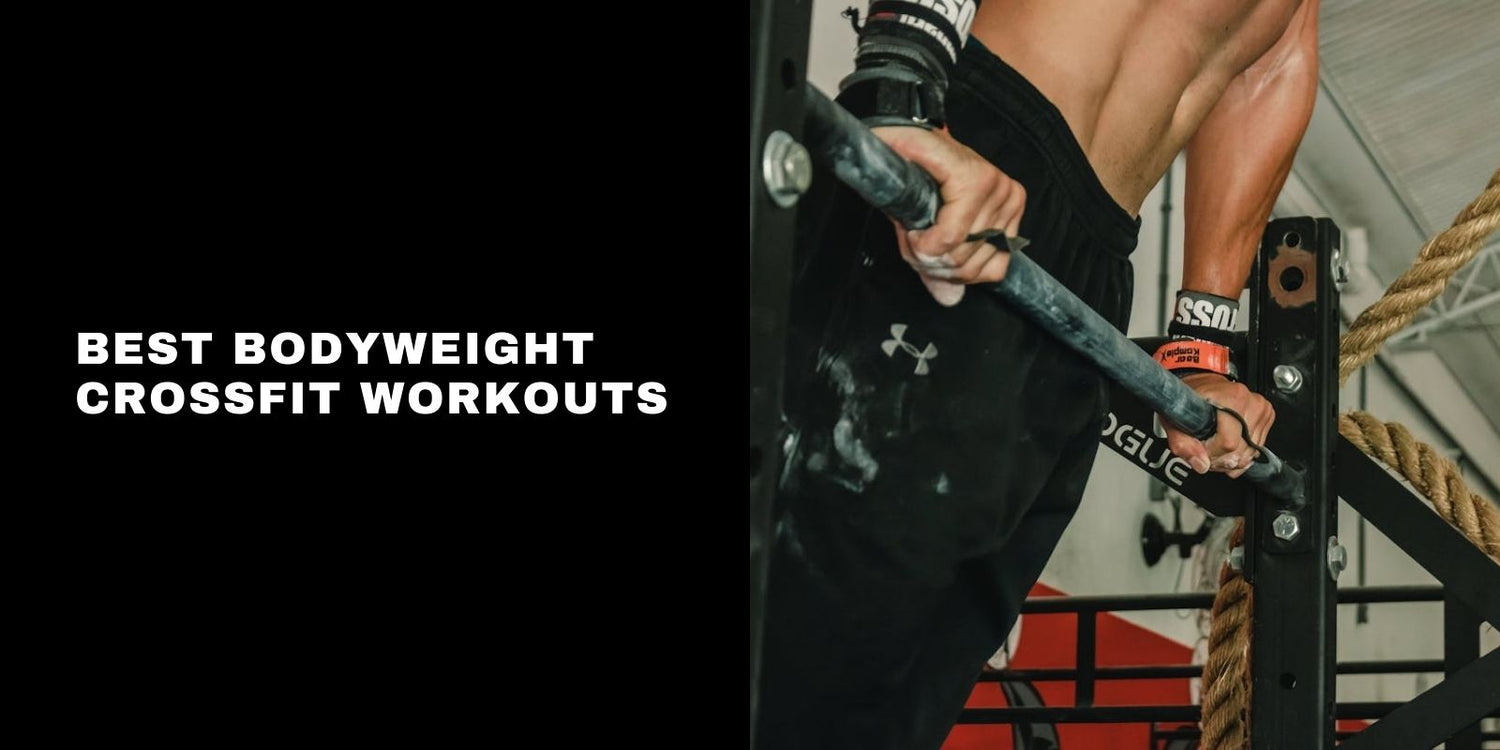
Bodyweight CrossFit workouts give you a fast, structured way to train strength, conditioning, and work capacity without a gym, commute, or equipment. With smart scaling and repeatable workout formats, a 20 to 30 minute bodyweight session can help you build consistency, improve fitness, and stay ready anywhere.
This guide covers the essential movement patterns, proven WOD formats, beginner to advanced workouts, a 4 week plan, safety rules, and progression tips for effective bodyweight training at home.
Quick Answer: The best bodyweight CrossFit workouts are structured WODs built from air squats, push ups, lunges, planks, sit ups, and burpees, organized in measurable formats like AMRAP, EMOM, For Time, and Tabata. Train 3 to 5 sessions per week, scale high impact movements first, and track scores to progress safely at home without equipment.
Key Takeaways
- Effectiveness: At home WODs can improve conditioning and muscular endurance when you use compound bodyweight movements and repeatable workout formats.
- Best formats: The best no equipment WOD formats include AMRAP, EMOM, For Time, Tabata, intervals, and chippers because they make intensity easy to measure.
- Scaling: Beginners should scale push ups, burpees, jumps, and inverted movements before increasing speed or total volume.
- Progression: Progress comes from more quality reps, cleaner movement, shorter rest, harder variations, or better pacing over several weeks.
- Safety: A safe home WOD plan should include warm ups, cooldowns, recovery days, and clear stop rules for pain, dizziness, or form breakdown.
What Is an At Home WOD?
An at home WOD is a structured workout of the day that uses a clear task, time limit, or scoring method. It usually combines functional movements such as squats, lunges, push ups, planks, sit ups, burpees, and short rest periods.
CrossFit Style Training in Simple Terms
CrossFit style training usually means varied functional movements performed with purposeful intensity. Research on high intensity functional training describes it as multi joint movement that can be modified for different fitness levels.[1]
- Functional movement: The workout uses patterns that carry over to daily movement, such as squatting, pushing, hinging, bracing, stepping, and jumping.
- Measurable output: The workout has a score, such as rounds, reps, time, or completed intervals.
- Scalable difficulty: The same WOD can work for beginners and advanced trainees when reps, range of motion, impact, and speed are adjusted.
For equipment based sessions built on the same principles, the home CrossFit workouts guide covers setups that go beyond bodyweight training.
Can You Do WODs Without Equipment?
Yes, you can do WODs without equipment by using bodyweight resistance, time pressure, movement variety, and progressive overload. Your body provides enough resistance to build consistency, conditioning, and muscular endurance when the plan is structured well.
What Makes Bodyweight WODs Effective?
Bodyweight WODs work best when you choose movements you can repeat safely under fatigue. Short high intensity sessions can be time efficient for improving fitness related outcomes when programmed with enough recovery.[2]
- Intensity: Use effort, pace, and rest control instead of random speed.
- Density: Do more quality work in the same time or the same work in less time.
- Progression: Add reps, reduce rest, slow the tempo, or choose a harder variation when form is consistent.
- Repeatability: Keep a few benchmark workouts so you can compare your scores over time.
What Are the Benefits and Limits of At Home WODs?
At home WODs are excellent for consistency, conditioning, muscular endurance, and low barrier training. They are less ideal for maximal strength, heavy pulling volume, or long term muscle gain without eventually adding external resistance.
- Best for: Busy schedules, beginner fitness, travel workouts, cardio conditioning, and habit building.
- Less ideal for: Max strength, heavy posterior chain loading, advanced hypertrophy, and balanced pulling strength.
- Smart expectation: Bodyweight WODs can support fat loss when paired with sustainable nutrition and enough weekly activity, but they do not replace calorie balance.
- Training reality: Reviews comparing high intensity interval training and moderate continuous training suggest both can improve body composition and cardiorespiratory fitness, so the best choice is often the one you can do consistently.[3]
How Do You Set Up an At Home Training Space?
You need a clear, stable, and non slippery space before starting an at home WOD. A 6 by 6 foot area is enough for most bodyweight movements, but jumping, lunging, and burpees need extra clearance.
Space Requirements
Choose a flat area where you can move forward, backward, and side to side without hitting furniture. If your floor is hard or slippery, consider home gym flooring mats for better traction and comfort.
Minimal Gear That Helps
You do not need equipment to begin, but a timer, towel, water bottle, and mat can make workouts easier to repeat. If you later want to add resistance, browse the CrossFit equipment collection for simple first upgrades like bands and dumbbells.
Safety Setup
Clear rugs, pet toys, loose cables, and unstable furniture before you train. Use lower impact versions when your knees, ankles, wrists, or lower back feel irritated.
Which Bodyweight Movements Form the Core of At Home WODs?
The best at home WOD movements are simple, compound, and easy to scale. Choose exercises that train the lower body, upper body, core, and conditioning without requiring complex skill under fatigue.
Lower Body Movements
Lower body movements build leg endurance, hip control, and a strong conditioning base. Start with controlled reps before adding jumps or speed.
- Air squats: Use air squats as the base lower body movement for most beginner WODs. Keep the whole foot grounded and avoid letting the knees collapse inward.
- Reverse lunges: Choose reverse lunges when forward lunges bother your knees or balance. Step back under control and keep the front foot planted.
- Glute bridges: Use glute bridges to train hip extension with low joint impact. They are useful for beginners who need a break from jumping movements.
- Jump squats: Use jump squats only if your landing mechanics are quiet and controlled. Replace them with fast air squats if impact is not a good fit.
Upper Body Movements
Upper body bodyweight work usually emphasizes pushing strength more than pulling strength. Balance the program later with rows, bands, dumbbells, or cable work when possible.
- Incline push ups: Use incline push ups before floor push ups if your chest, shoulders, or trunk collapse near the bottom.
- Standard push ups: Use standard push ups when you can keep a straight line from head to heels. Stop before form breaks down into sagging hips or flared elbows.
- Pike push ups: Use pike push ups for shoulder strength only after basic push ups feel controlled. Keep reps low and avoid forcing range of motion.
- Dips: Use dips cautiously because they can irritate the shoulders. Close grip incline push ups are often a better beginner substitute, and a full dips workout guide breaks down safer progressions.
Core and Midline Movements
Core movements should help you brace, control the trunk, and resist sloppy movement under fatigue. Choose the version that lets your lower back stay comfortable.
- Planks: Use forearm planks when you want a simple bracing drill. Keep ribs down and squeeze the glutes lightly.
- Sit ups: Use sit ups when your back tolerates repeated trunk flexion. Slow the tempo if you start swinging your arms aggressively.
- Dead bugs: Use dead bugs when sit ups bother your lower back. Move slowly and keep the low back from arching away from the floor.
- Hollow holds: Use hollow holds when you can maintain tension without neck strain. Bend the knees if the full position is too difficult.
Conditioning Movements
Conditioning movements raise heart rate quickly, but they should not destroy movement quality. Scale impact first, then increase speed later.
- Step back burpees: Use step back burpees before jumping burpees. They are easier on the wrists, knees, and lower back.
- Mountain climbers: Use mountain climbers for a fast core and cardio option. Keep shoulders stacked over hands and avoid bouncing through the lower back.
- High knees: Use marching high knees for low impact conditioning. Progress to faster high knees only if your landing feels controlled.
- Jumping jacks: Use jumping jacks as a simple warm up or interval option. Replace them with step jacks if impact bothers your joints.
Which Movements Should You Scale First?
Some bodyweight movements create more joint stress or skill demand than others, so scale them before chasing speed. Scaling matters even more when you train at home without a coach watching your reps.
- Burpees: Use step back burpees before jumping burpees if your wrists, knees, or lower back are sensitive.
- Push ups: Use incline push ups before floor push ups if you cannot keep the chest and hips moving together.
- Dips: Use close grip incline push ups instead of chair dips if your shoulders feel pinched.
- Wall walks: Use pike holds or bear crawls before wall walks if you are not comfortable supporting bodyweight overhead.
- Pistol squats: Use box assisted single leg squats before full pistol squats if balance or knee control is limited.
How Do You Design Effective At Home WODs?
Effective at home WODs need a clear goal, a simple format, and a score you can track. Random hard exercise is not the same as smart training.
Classic WOD Formats
Use different WOD formats to control intensity, pacing, and workout length. Pick the format before choosing the exercises.
- AMRAP: Complete as many rounds or reps as possible in a set time. This works well for 8 to 20 minute conditioning sessions.
- EMOM: Perform a task at the start of every minute, then rest for the time left. This is useful for pacing and form control.
- For Time: Complete a set amount of work as efficiently as possible. This format is best when the movements are familiar and safe.
- Tabata: Alternate 20 seconds of work with 10 seconds of rest. Use simple movements because fatigue arrives quickly.
- Chipper: Complete a longer list of exercises one time through. Break big sets early so you do not hit failure too soon.
How Hard Should an At Home WOD Feel?
Most at home WODs should feel challenging but repeatable, not like an all out test every day. A review with historical perspective describes HIIT as a useful training approach for exercise capacity and health, but smart intensity control still matters.[4]
- Too easy: You finish breathing normally and could immediately repeat the workout.
- About right: You breathe hard, slow down slightly, and keep movement quality consistent.
- Too hard: Your form breaks, you feel dizzy, or you need long unplanned rest after every movement.
Weekly Balance
Rotate movement emphasis across the week so you do not overload the same joints repeatedly. A simple structure is conditioning one day, strength control the next day, and recovery or mobility after that.
- After a push heavy WOD: Avoid another high volume push up session the next day.
- After a jump heavy WOD: Use low impact conditioning or mobility the next day.
- After a hard leg WOD: Keep the next session upper body, core, or easy aerobic work.
To program these formats into weekly conditioning blocks, the metcon workouts guide explains the same structures in depth.
What Are the Best Beginner Friendly At Home WODs?
Beginner WODs should use low skill movements, controlled reps, and realistic volume. Your goal is to finish with clean mechanics, not to collapse after the first round.
WOD 1, Simple Total Body AMRAP
Set a timer for 10 minutes and complete steady rounds without sprinting early. Record total rounds and reps so you can retest later.
- 10 air squats: Keep your chest tall and feet planted.
- 8 incline push ups: Use a stable surface and control the bottom position.
- 10 sit ups: Move smoothly and avoid yanking the neck.
- 8 glute bridges: Pause briefly at the top of each rep.
WOD 2, EMOM Foundations
Complete 12 minutes total, rotating through 3 minutes for 4 rounds. Use the remaining time each minute as rest.
- Minute 1: 8 to 10 air squats.
- Minute 2: 8 to 10 modified push ups.
- Minute 3: 20 seconds of plank or hollow hold.
WOD 3, Beginner For Time
Complete 3 rounds for time at a pace that keeps every rep controlled. Stop the timer if form breaks and restart with easier scaling next time.
- 15 reverse lunges: Count total reps across both legs.
- 10 incline push ups: Use a surface that does not move.
- 20 mountain climbers: Count total knee drives.
For another no equipment circuit style, see how to do a military workout with the same repeatable structure.
What Are the Best Intermediate At Home WODs?
Intermediate WODs increase density, volume, and fatigue management. You should already know how to scale push ups, burpees, jumps, and core movements before trying these sessions.
WOD 1, Bodyweight Benchmark For Time
Complete one round as efficiently as possible while keeping reps clean. Break the push ups before failure so the final burpees do not become sloppy.
- 50 air squats: Use sets of 10 to 15 if needed.
- 40 sit ups: Keep the rhythm smooth.
- 30 push ups: Scale to incline push ups if form breaks.
- 20 jump squats: Replace with fast air squats for low impact.
- 10 burpees: Use step back burpees if needed.
WOD 2, 20 Minute AMRAP
Complete as many quality rounds as possible in 20 minutes. Start at a moderate pace and try to keep the final 5 minutes close to the first 5 minutes.
- 10 jump squats: Scale to air squats if impact rises.
- 10 push ups: Scale before the chest or hips sag.
- 10 V ups: Scale to dead bugs or tuck ups.
- 10 alternating lunges per leg: Keep steps controlled.
WOD 3, Strength and Conditioning EMOM
Complete 16 minutes total, alternating odd and even minutes. This workout should feel controlled at first and challenging near the end.
- Odd minutes: 12 to 15 push ups.
- Even minutes: 15 to 20 air squats.
- Progression: Add pike push ups or tempo squats only after you can finish all rounds with consistent form.
What Are the Best Advanced Bodyweight WODs?
Advanced WODs should be used only when you can keep mechanics stable under fatigue. These workouts are not better because they are harder, they are better only when they create the right training stimulus safely.
WOD 1, Hero Style Bodyweight Chipper
Complete the chipper for time while breaking large sets early. Avoid racing the first 100 squats if push ups and burpees usually slow you down.
- 100 air squats: Break into sets of 20 or 25.
- 75 sit ups: Keep a steady breathing rhythm.
- 50 push ups: Use small sets before failure.
- 25 burpees: Step back if your lower back starts to fatigue.
WOD 2, High Skill EMOM
Complete 15 minutes total only if the progressions are already familiar. Replace advanced skills with safer options when you train alone.
- Minute 1: 8 to 10 pike push ups or wall walk progressions.
- Minute 2: 10 to 12 assisted pistol squat progressions.
- Minute 3: 10 to 12 burpees.
WOD 3, Burpee Sprint Intervals
Complete 8 rounds of 20 seconds work and 40 seconds rest. Keep each work interval powerful, but stop if you feel dizzy or lose control of landing mechanics.
- Work: 20 seconds of max quality burpees.
- Rest: 40 seconds of full rest.
- Scale: Use step back burpees to protect wrists, knees, and lower back.
How Does a 4 Week At Home WOD Program Work?
The 4 week plan is designed to build consistency before intensity. Train 3 to 5 days per week, including warm up and cooldown time.
Weekly Layout
Use the same weekly structure for 4 weeks so progress is easy to measure. Change intensity and volume gradually instead of changing every workout at once.
- Monday: Full body AMRAP with squats, push ups, core work, and glute bridges.
- Tuesday: Strength control with slower squats, lunges, push ups, and planks.
- Wednesday: Rest, walking, or mobility.
- Thursday: Intervals with low impact conditioning or burpee scaling.
- Friday: Chipper or For Time workout.
- Weekend: Rest, easy walking, light stretching, or outdoor activity.
4 Week Progression
Progress by improving one variable at a time. This keeps the plan measurable without turning every session into a max effort test.
- Week 1: Complete 3 workouts at a controlled pace and record your score.
- Week 2: Repeat the same workouts and aim for cleaner reps with similar or slightly better scores.
- Week 3: Add 1 to 2 reps per movement or reduce planned rest by 10 to 15 seconds.
- Week 4: Retest one beginner or intermediate WOD and compare your score with Week 1.
How Do You Recover and Prevent Injuries at Home?
Recovery is part of the training plan, not a sign that you are doing less work. Better sleep, hydration, protein intake, and easier training days help you repeat hard sessions more safely.
Warm Up Before Every WOD
Warm up for 5 to 10 minutes before your main workout. Use easy jumping jacks or step jacks, arm circles, hip hinges, slow squats, lunges, and plank shoulder taps.
Cool Down After Every WOD
Cool down for 3 to 5 minutes after training so breathing and heart rate settle gradually. Focus on hips, calves, shoulders, chest, and the muscles you used most.
Common Overuse Areas
Wrists, knees, shoulders, and lower back are the most common areas to monitor during high volume bodyweight WODs. Pain that is sharp, worsening, or repeated is a signal to stop and reassess.
- Wrist discomfort: Use incline push ups, fists, handles, or reduced volume.
- Knee discomfort: Reduce jump volume and use reverse lunges or controlled squats.
- Shoulder discomfort: Scale dips, pike push ups, and wall walk progressions.
- Lower back discomfort: Replace high speed sit ups and burpees with dead bugs, planks, and step back options.
How Do You Track Progress at Home?
Track your WODs so progress becomes visible instead of emotional. Record the date, workout format, movement variations, score, and how the session felt.
What to Record
Use a notes app, spreadsheet, or workout log. Repeat selected workouts every few weeks to see whether your pacing, reps, or movement quality improved.
- Date: Write when you completed the workout.
- Workout: Record the exact movements, reps, and time domain.
- Score: Track rounds, reps, completion time, or completed intervals.
- Scaling: Note incline push ups, step back burpees, or low impact options.
- Feeling: Rate the session from easy to very hard so you can spot fatigue trends.
To compare your scores against classic tests, the CrossFit benchmark workouts guide explains standards, progress, and performance tracking.
When Should You Add Equipment to Your Home WODs?
You do not need equipment to start at home WODs, but simple home gym tools can help when bodyweight training stops feeling challenging. Add equipment when your goal shifts from general conditioning to stronger progressive overload, better pulling balance, or more strength focused training.
The Pulling Movement Gap
Most no equipment WODs train pushing and squatting better than pulling. To balance your upper body, consider adding hex rubber dumbbells, bands, safe row variations, or a home cable crossover machine.
Smart Equipment Progression
Start with the equipment that expands movements you already do consistently. A stable adjustable weight bench can expand push ups, split squats, step ups, dumbbell pressing, and core work.
- Dumbbells: Use home dumbbells when bodyweight squats, lunges, and push ups no longer provide enough challenge.
- Bench: Use the weight benches collection when you want more angles for pressing, step ups, rows, and support work.
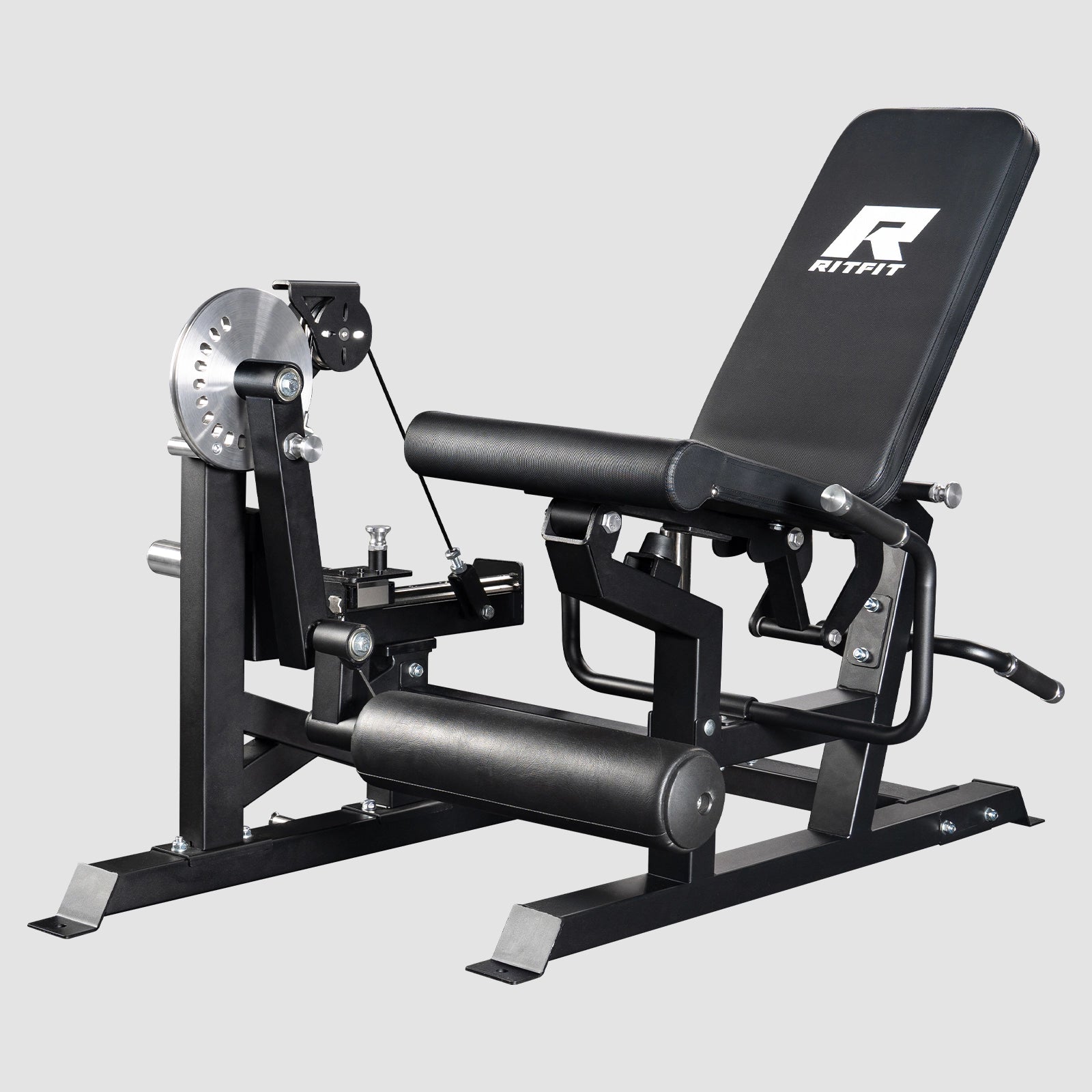
- Strength machines: Use home strength machines when you want more guided loading and lower body training variety.
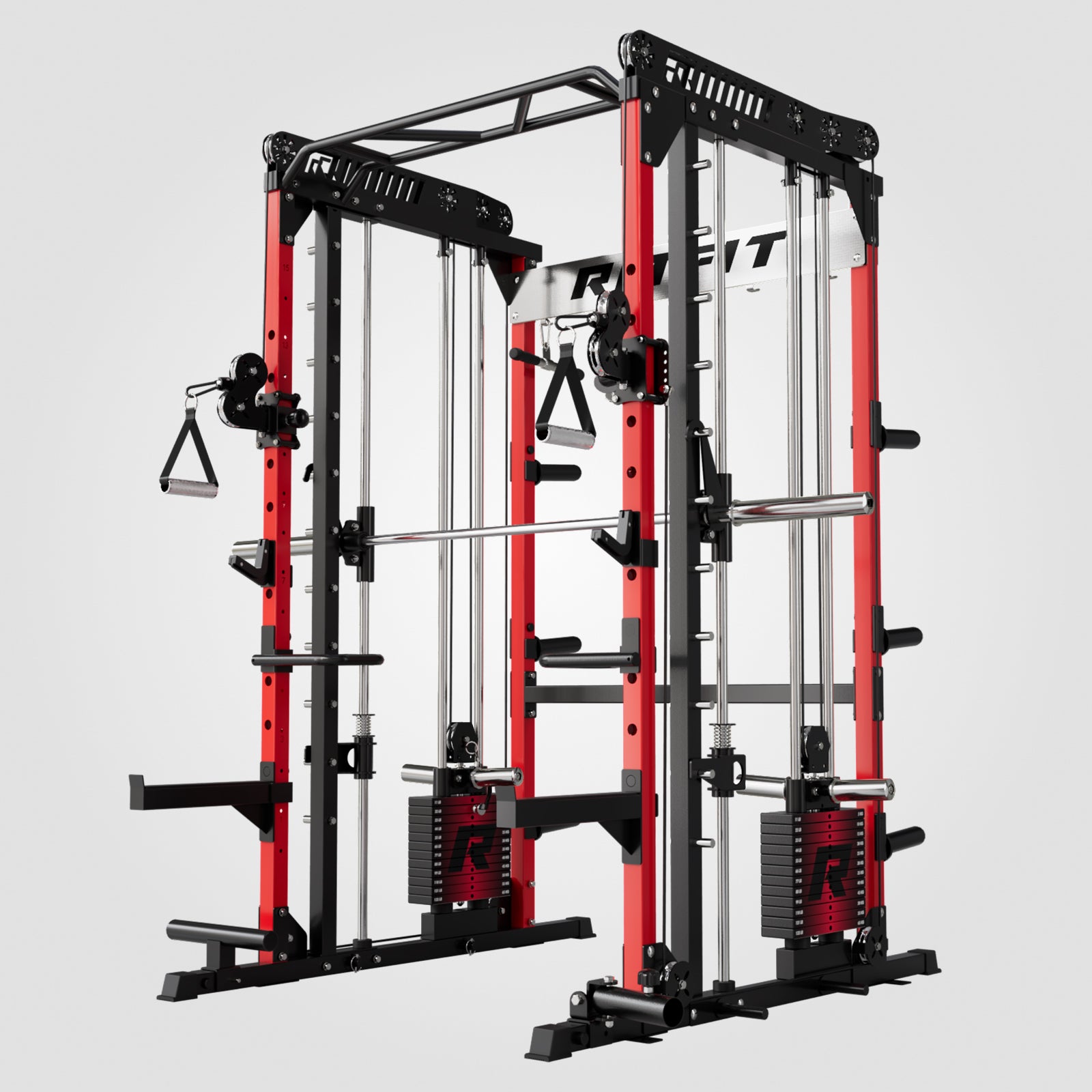
- Smith machine setup: Use the Smith machine home gym collection when you want a more complete strength training station for progressive overload.
Once you add loads, learning what clusters are in CrossFit helps you combine squat and press work into one dense movement.
"Every home gym starts with the rack and bench. All your heavy lifts (and bodyweight moves like pull-ups) take place in the rack. And today's home benches are the backbone of any gym, overloaded with so much functionality that you'll do everything from Nordic curls to hanging sit-ups on them."
Ebenezer Samuel, C.S.C.S., Fitness Director, Men's Health, How Our Fitness Director Overhauled His Garage Gym
FAQs About At Home Bodyweight WODs
What are the best at home WODs for beginners?
The best at home WODs for beginners use simple movements, clear rep targets, and low skill options. Start with air squats, incline push ups, sit ups, glute bridges, marching high knees, and step back burpees before adding jumps, speed, or advanced volume.
Can at home WODs help with weight loss?
Yes. At home WODs can support weight loss when they increase weekly activity, improve consistency, and fit within a sustainable nutrition plan. They are not a shortcut by themselves, so pair them with daily movement, protein focused meals, sleep, and realistic calorie control.
How long should an at home WOD be?
Most at home WODs should last 10 to 25 minutes, not counting warm up and cool down. Beginners can start with 8 to 12 minutes, while experienced trainees may use longer AMRAPs, chippers, or interval sessions when form stays consistent.
Should I do at home WODs every day?
No. Most people should not do hard at home WODs every day because joints, muscles, and the nervous system need recovery. A better starting point is 3 to 5 sessions per week, with walking, mobility, or easy stretching on lighter days.
What if burpees hurt my wrists or knees?
Stop and scale the movement first. Use step back burpees, elevated hands, slower reps, or replace burpees with air squats, marching high knees, or mountain climbers. If pain is sharp, persistent, or returns every session, get qualified guidance before continuing.
How do I make at home WODs harder without equipment?
Make at home WODs harder by adding reps, reducing rest, using slower tempo, choosing harder variations, or repeating the same workout with a better score. Do not increase every variable at once, because faster progress can also increase fatigue and joint stress.
Can I combine at home WODs with strength training?
Yes. At home WODs pair well with strength training when they support conditioning without interfering with heavy lifting recovery. Place harder WODs after lighter lifting days, keep leg intensive intervals away from heavy squat days, and track fatigue across the week.
Which at home WOD movements should beginners scale first?
Beginners should scale burpees, jump squats, high volume push ups, dips, wall walks, and pistol squat progressions first. These movements can be useful, but they demand more joint control, strength, landing skill, or shoulder stability than basic squats, planks, and incline push ups.
Do bodyweight CrossFit workouts build muscle?
Bodyweight CrossFit workouts can build muscle for beginners and early intermediate trainees because push ups, squats, lunges, and core work create enough stimulus when reps, tempo, and difficulty progress over time. Gains slow down once you can handle high volumes, which is when harder variations or added resistance help you keep progressing.
Conclusion
At home WODs work best when they are simple, measurable, and scalable. Choose one beginner workout, record your score, repeat it in a few weeks, and progress only when your movement quality stays consistent.
Over time, short bodyweight sessions can build better conditioning, stronger habits, and a training routine you can keep anywhere. Before you upgrade your home setup, check the RitFit discount guide for current savings on benches, dumbbells, and racks.
Disclaimer
This article is for general fitness education only and is not medical advice. Stop any workout if you feel sharp pain, chest pain, dizziness, unusual shortness of breath, or symptoms that feel unsafe, and consult a qualified professional before starting high intensity training if you have injuries, heart concerns, pregnancy related restrictions, or persistent joint pain.
References
1. Feito Y Heinrich KM Butcher SJ Poston WSC. High intensity functional training HIFT, definition and research implications for improved fitness. Sports Basel. 2018;6(3):76. doi:10.3390/sports6030076
2. Ito S. High intensity interval training for health benefits and care of cardiac diseases, the key to an efficient exercise protocol. World J Cardiol. 2019;11(7):171-188. doi:10.4330/wjc.v11.i7.171
3. Guo Z Li M Cai J Gong W Liu Y Liu Z. Effect of high intensity interval training vs moderate intensity continuous training on fat loss and cardiorespiratory fitness in the young and middle aged, a systematic review and meta analysis. Int J Environ Res Public Health. 2023;20(6):4741. doi:10.3390/ijerph20064741
4. Atakan MM Li Y Koşar ŞN Turnagöl HH Yan X. Evidence based effects of high intensity interval training on exercise capacity and health, a review with historical perspective. Int J Environ Res Public Health. 2021;18(13):7201. doi:10.3390/ijerph18137201