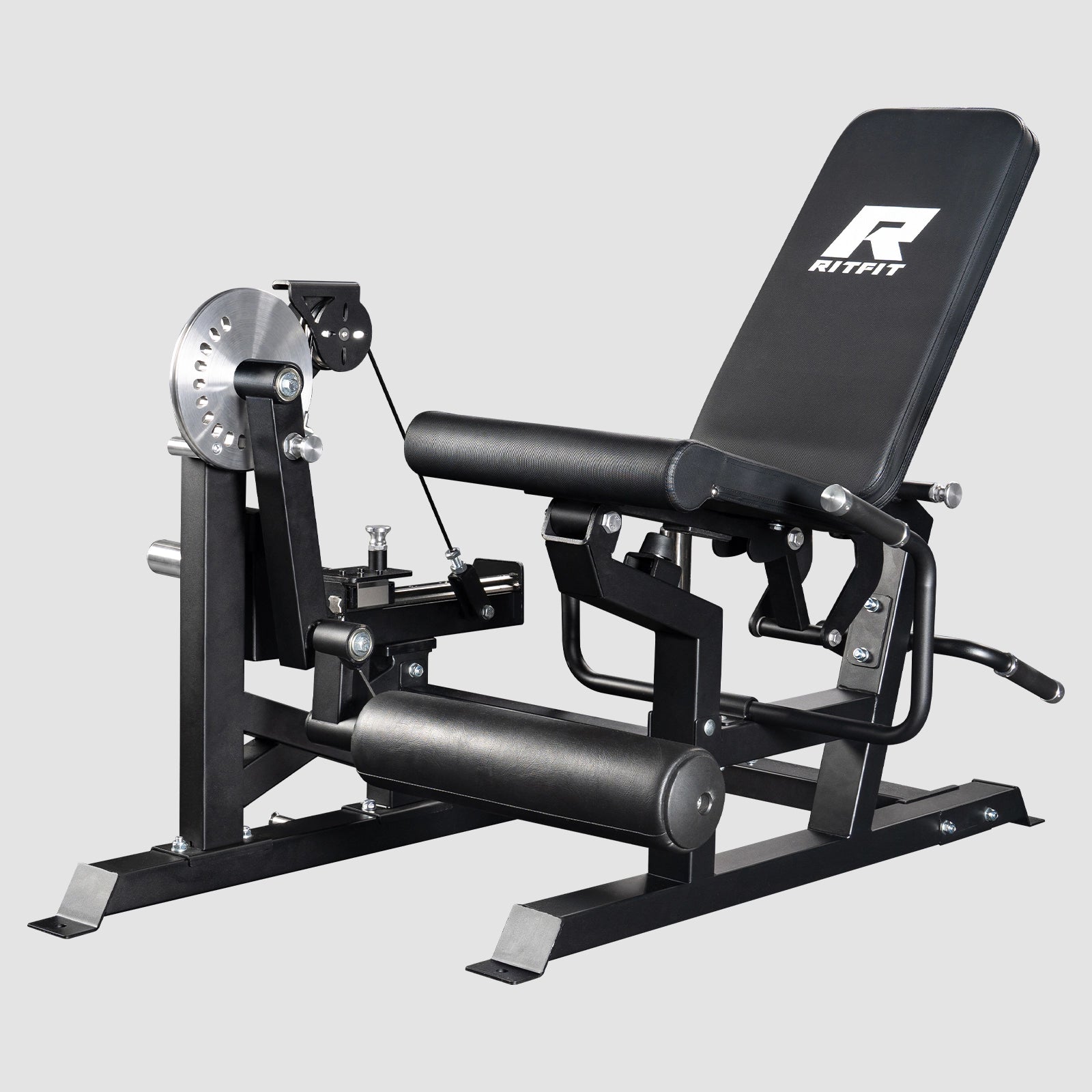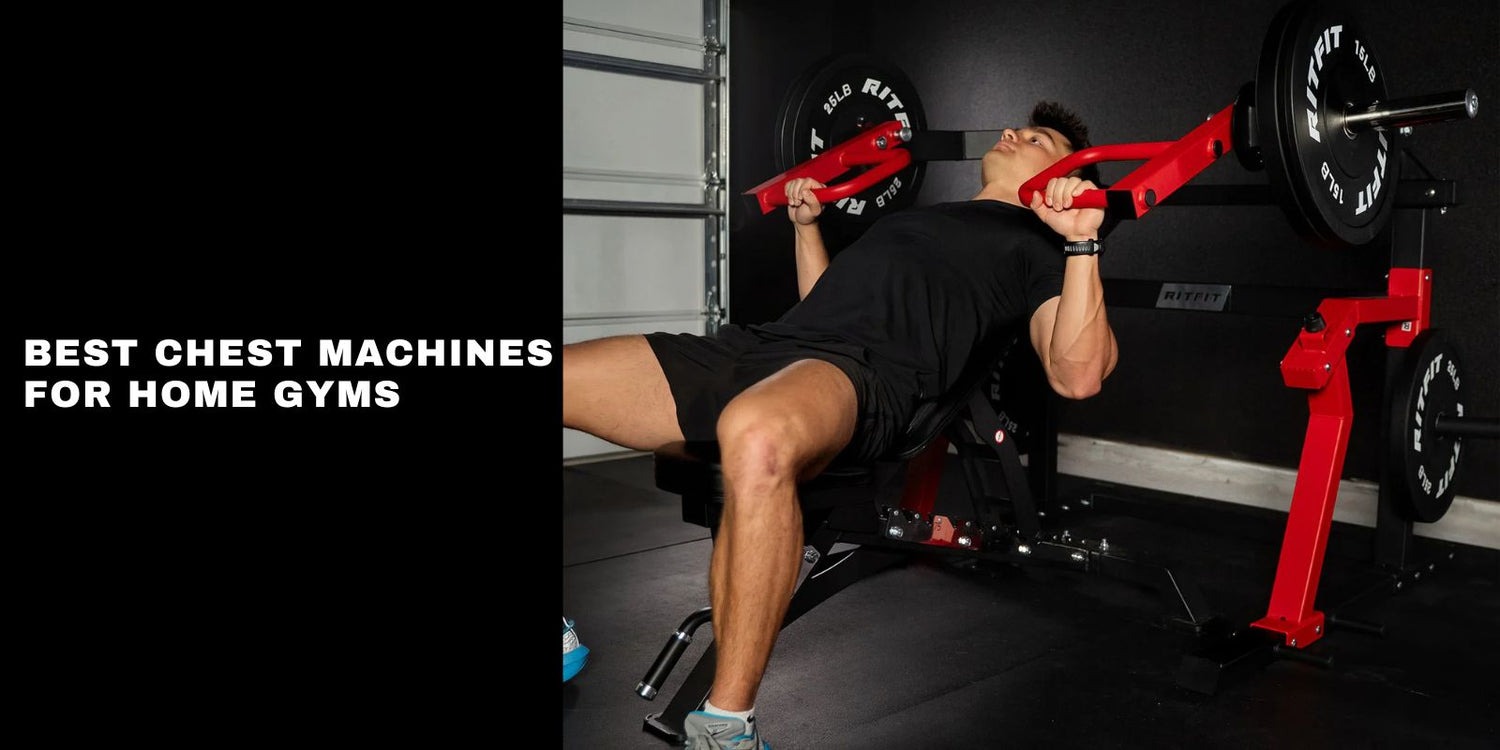
The best chest machine for a home gym is a Smith machine with a cable system, because it combines heavy pressing, cable flys, and safety in one space efficient frame. This guide ranks the best chest machines for home gym owners, from all in one Smith machines to functional trainers and chest press machines.
Each pick is matched to a specific goal, so you can choose by strength, isolation, or simplicity and by the space you have. Training tips and product links are included, but this content is for general education, not medical advice.
Quick Answer: The best chest machine for home gyms is a Smith machine with a cable system, because it supports heavy pressing and cable flys in one frame. Functional trainers suit lifters who want cable isolation, chest press machines suit beginners who want a simple guided press, and an adjustable bench adds angle variety.
Key Takeaways
- Best overall: A Smith machine with a cable system gives most home gym users the best mix of heavy pressing, cable flys, safety, and exercise variety.
- Best for isolation: A functional trainer is ideal for cable flys, crossovers, and angle based chest work.
- Best for beginners: A dedicated chest press machine is simple, stable, and easy to learn.
- Best supporting tool: An adjustable bench is essential because flat, incline, and decline angles change how the chest is trained.
- Best buying strategy: Choose equipment that fits your space, supports progressive overload, and lets you train safely without a spotter.
How Do We Choose the Best Chest Machines for Home Gyms?
The best chest machine should help you train safely, add resistance over time, and target the chest through both pressing and fly movements. For home gyms, the deciding factors are chest activation, angle variety, footprint, setup simplicity, and long term progression.
- Chest training value: The machine should support both pressing strength and chest isolation.
- Angle variety: It should allow flat, incline, decline, high to low, and low to high movement patterns.
- Safety: It should make solo training safer through fixed paths, cable control, safety catches, or machine guided handles.
- Space efficiency: It should replace several pieces of gym equipment without overwhelming a garage, basement, or spare room.
- Progressive overload: It should let you add resistance gradually as your chest, shoulders, and triceps get stronger.
Before buying, frame the room and the budget with the RitFit Home Gym Guide so the machine you pick fits the space you actually have.
What Is the Best Overall Chest Machine for a Home Gym?
The best overall chest machine for a home gym is a Smith machine with a cable system, because it combines heavy pressing with cable isolation in one setup. It works especially well for lifters who train alone and want flat press, incline press, cable flys, and crossovers.
Chest training quality improves when equipment lets you adjust pressing angle and line of pull. Research on bench inclinations found that a 30 degree angle produced high upper pectoralis major activity, while flatter angles favored the middle and lower portions of the chest.[1]
- Best for: Solo lifters, strength focused users, and home gym owners who want one machine for pressing and cables.
- Main advantage: It supports heavy chest pressing while also giving you cable based chest isolation.
- Main limitation: The Smith bar path is guided, so some users may still want dumbbells for free weight variation.
A complete example is the RitFit M1 PRO Smith Machine Weight Stack Home Gym Package, which pairs guided pressing with a cable system in one frame. You can also compare other builds in the RitFit Smith machine collection.
Which Chest Machine Is Best for Cable Isolation?
A functional trainer is best for chest isolation because cable resistance keeps tension through more of the movement than gravity based fly variations. Cable paths also make it easy to target upper, middle, and lower chest emphasis without changing machines.
- Best for: Lifters who want flys, crossovers, single arm chest work, and smoother resistance control.
- Main advantage: Cable paths let you shift tension across chest regions while keeping the load constant.
- Main limitation: It is less efficient for heavy pressing unless combined with a bench and a separate pressing station.
Review the functional trainer with Smith machine guide or compare a dedicated RitFit Cable Crossover Machine.
What Is the Best Chest Press Machine for Beginners?
A dedicated chest press machine is best for beginners because the guided movement is stable and easy to learn. It removes bar balance from the equation so you can focus on pushing through the chest.
- Best for: Beginners, casual home gym users, and anyone who wants a simple machine press.
- Main advantage: It is easy to set up and does not require advanced barbell technique.
- Main limitation: It usually offers fewer exercise options than a Smith machine with cables.
Compare the RitFit Gorilla 2 in 1 Chest and Shoulder Press Machine with the RitFit strength machines collection, or read the dedicated best chest and shoulder press machine guide.
Why Does an Adjustable Bench Matter for Chest Training?
An adjustable bench is essential because flat, incline, and decline positions let you change pressing angle and line of pull. This one piece of gear makes a Smith machine, cables, and dumbbells far more versatile.
- Best for: Angle based pressing and accessory chest work across all experience levels.
- Main advantage: It unlocks upper, middle, and lower chest emphasis from a single piece of equipment.
- Main limitation: It still needs a pressing station or dumbbells to provide the actual load.
Pair your machine with the RitFit GATOR Adjustable Weight Bench and read the best incline for bench press guide for angle recommendations.
Smith Machine vs Functional Trainer vs Chest Press Machine: Which Is Better?
The best choice depends on whether your main goal is strength, isolation, or simplicity. A Smith machine with cables is the most complete option, while a functional trainer and chest press machine each serve more specific training needs.
| Equipment Type | Best For | Main Strength | Main Tradeoff |
|---|---|---|---|
| Smith machine with cables | All around home chest training | Heavy pressing plus cable flys | Guided bar path may feel less natural for some lifters |
| Functional trainer | Chest isolation and cable crossovers | Adjustable pulley angles and smooth tension | Not ideal as the only heavy pressing tool |
| Chest press machine | Beginners and simple machine pressing | Stable guided movement | Less exercise variety than all in one systems |
| Adjustable bench with dumbbells | Supplemental chest work | Natural range of motion and easy angle changes | Requires more stabilization and may need heavier dumbbells over time |
Comparisons are based on how each equipment type serves pressing, isolation, safety, and space in a home gym.
How Do You Do Cable Flys for Better Chest Activation?
Proper cable fly form keeps tension on the chest instead of shifting the work to the shoulders. Use a light to moderate load, a stable stance, and a controlled range before increasing weight.
- Step 1: Set the pulley height. Use high pulleys for lower chest emphasis, mid pulleys for overall chest work, and low pulleys for upper chest emphasis.
- Step 2: Start from a safe position. Bring the handles close to your body first, then step forward and press the handles into position.
- Step 3: Keep a soft elbow bend. Maintain the same elbow angle through the rep so the movement stays a fly instead of turning into a press.
- Step 4: Move in a wide arc. Bring your upper arms across your chest and avoid simply touching the handles together.
- Step 5: Control the return. Let your arms open slowly until you feel a chest stretch without shoulder discomfort.
Both barbell bench press and dumbbell flys can activate the pectoralis major, but bench press movements tend to allow higher total loading while fly movements can be useful for isolation work.[2]
What Are the Best Chest Machine Workouts for Home Gyms?
Use these workouts as general templates, not medical or rehabilitation advice. Start with loads you can control and stop if you feel sharp pain, numbness, or joint instability.
- Beginner workout: Smith machine flat press, 3 sets of 10 to 12 reps. Cable flys, 3 sets of 12 to 15 reps. Push ups, 2 sets near technical fatigue.
- Intermediate workout: Smith machine incline press, 4 sets of 8 to 10 reps. Flat dumbbell press, 3 sets of 8 to 10 reps. High to low cable flys, 3 sets of 10 to 12 reps. Low to high cable flys, 3 sets of 10 to 12 reps.
- Advanced workout: Smith machine flat press, 5 sets of 5 to 8 reps. Incline Smith press, 4 sets of 8 to 10 reps. Cable crossovers, 4 sets of 12 to 15 reps. Single arm cable flys, 3 sets of 12 reps per side.
For more chest focused programming, read the best Smith machine chest workouts for muscle growth and the incline Smith machine press guide.
Which Training Variables Matter Most for Chest Growth?
Chest growth depends on progressive overload, enough weekly training volume, controlled technique, and recovery. A hypertrophy review found that mechanical tension and metabolic stress both play important roles in muscle growth.[3]
- Load: Use weights that challenge the target rep range while allowing clean technique.
- Volume: Add sets gradually rather than jumping into excessive weekly chest work.
- Range of motion: Train through a comfortable stretch and strong contraction without forcing shoulder positions.
- Progression: Increase reps, sets, or load when the current workload becomes repeatable.
Research comparing training loads suggests that different loading zones can build muscle when sets are performed with sufficient effort, while heavier loading is especially important for maximal strength gains.[4]
For free weight variation, browse the best dumbbell sets for home gym.
What Chest Machine Mistakes Should You Avoid?
Most chest machine mistakes come from poor setup, excessive load, or turning chest movements into shoulder and triceps dominant work. A good home gym setup makes training safer, but it still requires controlled form and smart progression.
- Setting the bench too steep: Very steep incline angles can shift more work to the front delts.
- Using too much weight on cable flys: Heavy loads often shorten the range of motion and reduce chest control.
- Starting cable flys in a deep stretch: Press the handles into position first, then begin the fly from a controlled setup.
- Ignoring shoulder comfort: Reduce range, change angle, or stop the set if the shoulder feels irritated.
- Skipping warm up sets: Warm up with lighter presses and easy cable reps before heavy work.
Upper extremity weightlifting injuries can include pectoralis tendon rupture, shoulder pain, and soft tissue strains, so machine safety features should support good technique rather than replace it.[5]
How Do You Build a Home Chest Training Setup?
The best home chest setup gives you one heavy pressing option, one isolation option, and one adjustable bench. That combination covers strength, hypertrophy, and exercise variety without requiring a full commercial gym.
- Starter setup: Adjustable bench, dumbbells, and push up variations.
- Balanced setup: Smith machine, adjustable bench, and cable fly station.
- Machine focused setup: Chest press machine, cable crossover, and bench supported accessory work.
- Space saving setup: All in one Smith machine with cables and a foldable or adjustable bench.
Match the system to your main training goal with the table below.
| Goal | Recommended RitFit Option | Why It Fits |
|---|---|---|
| Best all around chest training | RitFit M1 PRO Smith Machine Weight Stack Home Gym Package | It supports Smith machine pressing and cable based accessory work in one home gym system. |
| Best machine press simplicity | RitFit Gorilla 2 in 1 Chest and Shoulder Press Machine | It gives users a guided press option for chest and shoulder training. |
| Best cable fly focus | RitFit Cable Crossover Machine | It gives users adjustable cable paths for flys, crossovers, and single arm chest work. |
| Best angle support | RitFit GATOR Adjustable Weight Bench | It helps unlock flat, incline, and decline pressing with compatible strength equipment. |
RitFit options are matched to the training goal so buyers can pick a complete system, a machine press, a crossover, or a bench.
What Is the Best Machine for Chest at Home?
The best machine for chest development at home is a Smith machine with a cable system for most users, because it offers the most complete mix of pressing, flys, safety, and space efficiency. Choose a functional trainer if isolation is your priority, choose a chest press machine if simplicity matters most, and add an adjustable bench for better angle variety.
"The Smith machine is great because it's going to take a lot of the pressure out of your shoulders because it's supporting itself and you can do a little bit more weight on here. So it can help you break some barriers too, and also if you don't have a spotter you can utilize the tabs. Put that right here so if you drop it, it'll just bounce and then you won't hurt yourself."
Jeff Cavaliere, MSPT, CSCS, Athlean-X
FAQs About Chest Machines for Home Gyms
What is the best machine for chest growth at home?
The best machine for chest growth at home is usually a Smith machine with a cable system. It supports heavy flat and incline pressing, cable flys, and crossover work, giving home users both progressive overload and chest isolation in one space efficient setup.
Is a Smith machine good for chest workouts?
Yes. A Smith machine is good for chest workouts because it gives a guided pressing path and safety catches for solo training. It works well for flat press, incline press, close grip press, and controlled overload when paired with a stable adjustable bench.
Are cable flys better than dumbbell flys for chest isolation?
Yes. Cable flys are often better for chest isolation because cables keep resistance through more of the movement. Dumbbell flys are still useful, but cable flys make it easier to adjust angle, control tension, and target upper, middle, or lower chest.
Can beginners use a chest press machine at home?
Yes. Beginners can use a chest press machine at home because the guided movement is simple and stable. Start with light resistance, adjust the seat and handle position carefully, and focus on smooth reps before adding more load.
Which RitFit machine is best for chest training?
The best RitFit machine depends on your main training goal. Choose the M1 PRO for an all in one Smith and cable setup, the Gorilla chest and shoulder press for guided pressing, and the Cable Crossover Machine for fly focused isolation work.
Do I need an adjustable bench for a home chest workout?
Yes. An adjustable bench is highly recommended for home chest workouts because it unlocks flat, incline, and decline angles. Those angles help you train different chest regions and make Smith machines, cables, dumbbells, and machine presses more versatile.
How often should I train chest on machines?
Most lifters can train chest on machines two times per week with enough recovery between sessions. Beginners may start with fewer sets, while experienced lifters can add volume gradually if strength, soreness, and shoulder comfort remain stable.
What is better for a home gym, a Smith machine or functional trainer?
A Smith machine is better if you want heavy pressing and safer solo lifting. A functional trainer is better if you want cable flys, crossovers, and isolation work, while an all in one Smith machine with cables gives the best mix for most home gyms.
Conclusion
The best chest machine for a home gym is the one that matches your goal, space, and training experience. For most users, a Smith machine with cables offers the strongest balance of heavy pressing, cable isolation, safety, and long term growth potential.
Start with one pressing option, one isolation option, and an adjustable bench, then add load gradually. If you are comparing systems, check current deals on the RitFit sales page before you buy.
Disclaimer
This article is for general educational purposes only and is not medical advice. If you have shoulder pain, chest pain, recent injury, surgery history, or a medical condition, consult a qualified healthcare professional before starting or changing a resistance training program.
References
1. Rodríguez-Ridao D Antequera-Vique JA Martín-Fuentes I Muyor JM. Effect of Five Bench Inclinations on the Electromyographic Activity of the Pectoralis Major, Anterior Deltoid, and Triceps Brachii during the Bench Press Exercise. Int J Environ Res Public Health. 2020;17(19):7339. doi:10.3390/ijerph17197339
2. Solstad TE Andersen V Shaw M Hoel EM Vonheim A Saeterbakken AH. A Comparison of Muscle Activation between Barbell Bench Press and Dumbbell Flyes in Resistance Trained Males. J Sports Sci Med. 2020;19(4):645-651.
3. Krzysztofik M Wilk M Wojdała G Gołaś A. Maximizing Muscle Hypertrophy: A Systematic Review of Advanced Resistance Training Techniques and Methods. Int J Environ Res Public Health. 2019;16(24):4897. doi:10.3390/ijerph16244897
4. Lopez P Radaelli R Taaffe DR Newton RU Galvão DA Trajano GS Teodoro JL Kraemer WJ Häkkinen K Pinto RS. Resistance Training Load Effects on Muscle Hypertrophy and Strength Gain: Systematic Review and Network Meta Analysis. Med Sci Sports Exerc. 2021;53(6):1206-1216. doi:10.1249/MSS.0000000000002585
5. Golshani K Cinque ME O'Halloran P Softness K Keeling L Macdonell JR. Upper Extremity Weightlifting Injuries: Diagnosis and Management. J Orthop. 2018;15(1):24-27. doi:10.1016/j.jor.2017.11.005