Table of Contents
The best CrossFit barbell for a home gym is a durable multi purpose Olympic bar that can handle strength lifts, Olympic lifts, high rep WODs, and controlled drops. It should combine medium knurling, reliable sleeve rotation, solid steel, bumper plate compatibility, and a finish that fits your training space.
This guide explains how to choose a bar for garage gyms, basement gyms, and compact home gym without overpaying for features you may not need.
Key Takeaways
- Best choice for most home athletes: A multi purpose Olympic bar is the most practical option for mixed WODs, strength work, and technique practice.
- Most important durability factors: Steel quality, sleeve construction, bumper plate use, proper flooring, and controlled drops matter more than one isolated spec.
- Bushing vs bearing: Bushing bars are usually better for general home CrossFit training, while bearing bars suit athletes who prioritize Olympic lifting speed.
- Grip matters: Medium knurling is usually best because it supports heavy lifts without tearing hands during high rep barbell cycling.
- Setup matters as much as the bar: Pair your barbell with bumper plates, collars, floor protection, and enough overhead clearance before training dynamic lifts.
What Makes a CrossFit Barbell Different
A CrossFit barbell must perform across many movement patterns instead of specializing in one lift. It needs enough spin for cleans and snatches, enough stiffness for squats and deadlifts, and enough comfort for high rep cycling.
Diverse Movement Demands
CrossFit style training often combines Olympic lifts, power lifts, presses, rows, thrusters, and conditioning work in the same week. This makes a balanced bar more useful than a highly specialized powerlifting or weightlifting bar for most home gym.
- Snatches and cleans: Require sleeve rotation and a secure grip.
- Deadlifts and squats: Require shaft strength and predictable stiffness.
- Thrusters and presses: Require comfortable knurling and stable plate control.
- High rep WODs: Require a bar that feels secure without shredding the hands.
Training Volume and Repeated Impact
A home CrossFit barbell should be chosen for repeated use, not just one heavy lift. CrossFit injury research shows that shoulders, lower back, and knees are common injury areas, so equipment selection should support control, consistency, and safe scaling.[1]
- Use bumper plates: Rubber bumper plates help absorb impact better than iron plates.
- Use reliable collars: Secure plates reduce shifting during dynamic movements.
- Use proper flooring: Floor protection helps reduce damage to the bar, plates, and room.
- Use smart loading: Build skill and volume before adding heavier loads.
Key Specifications for CrossFit Barbells
The best specs depend on who is using the bar, how often it is dropped, and which lifts dominate your training. Most home athletes should prioritize fit, durability, sleeve rotation, finish, and compatibility with Olympic plates.
Bar Length and Weight
A standard men’s Olympic bar is usually 20 kg, while a standard women’s Olympic bar is usually 15 kg. Beginners can still use either option, but the best choice depends on grip comfort, skill level, and the movements performed most often.
- 20 kg bar: Best for users who want standard men’s Olympic specs and one bar for most strength lifts.
- 15 kg bar: Best for smaller hands, technique work, and athletes who prefer a lighter shaft.
- Training bar: Best for beginners learning snatches, cleans, presses, and barbell cycling.
Shaft Diameter and Grip
Shaft diameter affects how secure the bar feels in your hands. A smaller diameter is easier to grip, while a larger diameter may feel more stable for some heavy strength lifts.
- 28 mm: Often preferred for Olympic lifting feel and moderate whip.
- 28.5 mm: A common multi purpose choice for CrossFit style training.
- 29 mm: Often stiffer and more strength focused.
- 25 mm: Common on women’s Olympic bars and useful for smaller hands.
Tensile Strength
Tensile strength helps describe how much pulling stress the shaft can tolerate before failure. For most home CrossFit athletes, a bar in the 150,000 to 190,000 PSI range is usually practical when paired with bumper plates and proper flooring.
- 150,000 PSI and above: A reasonable starting point for general home training.
- 165,000 to 185,000 PSI: A strong range for many mixed training bars.
- 185,000 PSI and above: Often found on higher end bars, but it does not automatically make a bar better for every WOD.
- Important caution: Sleeve construction, steel treatment, storage, plates, and drop surface all affect long term durability.
Knurl Pattern
Medium knurling is usually the best choice for a home CrossFit barbell. It gives enough grip for pulling and pressing while staying comfortable during high rep sets.
- Too aggressive: Can tear hands during cleans, snatches, and cycling workouts.
- Too passive: Can slip during deadlifts, rows, and sweaty sessions.
- Center knurl: Helpful for some squats, but not required for many CrossFit users.
- Dual knurl marks: Useful for switching between Olympic and power style hand positions.
Whip and Flex
Moderate whip is usually best for CrossFit because it supports Olympic lifts without making heavy strength work feel unstable. A very stiff power bar may feel better for squats and deadlifts, but it can feel less forgiving in fast lifts.
- More whip: Helps experienced lifters time Olympic lifts.
- Less whip: Feels more stable during heavy squats, presses, and deadlifts.
- Moderate whip: Offers the best balance for mixed home WOD training.
Bushing vs Bearing Systems
A bushing bar is usually the better first choice for most home CrossFit athletes. It is durable, cost effective, low maintenance, and smooth enough for general WODs.
Bushing Systems
Bushing systems use simple sleeve rotation that works well for mixed strength and conditioning workouts. They are usually more affordable and less sensitive than bearing systems.
- Best for: General WODs, deadlifts, squats, presses, thrusters, and moderate Olympic lifting.
- Main advantage: Strong durability for repeated home gym use.
- Main limitation: Spin may feel slower than a high quality bearing bar.
Bearing Systems
Bearing systems rotate faster and can feel smoother during snatches, cleans, and jerks. They are best for athletes who prioritize Olympic lifting performance over simple durability and value.
- Best for: Olympic lifting focused athletes and advanced technique work.
- Main advantage: Faster sleeve spin under dynamic turnover.
- Main limitation: Higher cost and potentially more care requirements.
Best Barbell Finish for Home Gyms
The best finish depends on humidity, sweat exposure, storage conditions, and maintenance habits. Garage gyms and basement gyms usually need better corrosion resistance than climate controlled indoor rooms.
Chrome
Chrome is durable and corrosion resistant, but it may feel smoother in sweaty hands. It is a practical finish for lifters who want easy cleaning and a polished look.
Black Oxide
Black oxide can provide a natural grip feel, but it needs more maintenance. It is better for users who clean the bar regularly and store it in a dry space.
Zinc
Zinc offers a balanced mix of corrosion resistance and grip. It is common on multi purpose bars because it works well for many home gym conditions.
Ceramic Coating
Ceramic coating offers strong corrosion resistance and a grippy feel. It often costs more, but it can be useful for athletes training in humid garages.
Stainless Steel
Stainless steel offers premium corrosion resistance and a natural knurl feel. It is usually the most expensive option and may be more than many beginner home gyms require.
CrossFit Barbell vs Powerlifting Bar vs Olympic Bar
A CrossFit barbell is the best all around option when you need one bar for many movements. A powerlifting bar is stiffer for maximal strength work, while a weightlifting bar usually offers faster spin and more whip.
- CrossFit barbell: Best for mixed WODs, garage gyms, beginners, and users who want one main bar.
- Powerlifting bar: Best for heavy squats, bench press, and deadlifts with less concern for Olympic lift turnover.
- Olympic weightlifting bar: Best for lifters who focus heavily on snatch, clean, and jerk technique.
- Specialty bars: Useful later, but not usually the first purchase for a compact home gym.
Resistance training can support strength, power, muscle size, and neuromuscular adaptation when training is programmed progressively.[2] This is why most home athletes benefit more from a reliable main bar than from chasing highly specialized equipment too early.
Essential Home Gym Equipment Beyond the Barbell
A barbell works best when the rest of the setup supports safe loading, dropping, storage, and progression. Build the system around the bar, not just the bar itself.
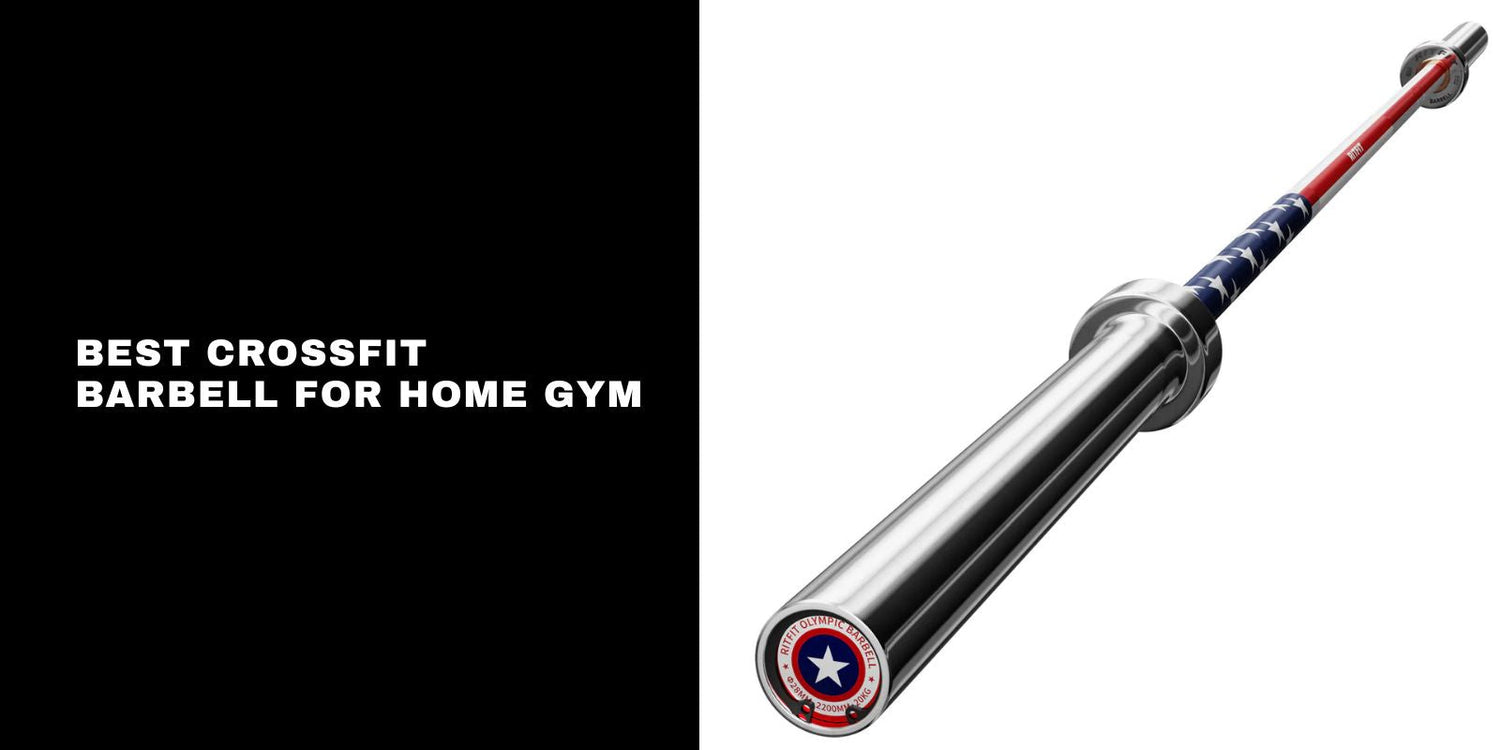
- Olympic barbell: Start with a durable bar such as the RitFit 7ft Olympic barbell for general weightlifting.
- Bumper plates: Use rubber plates such as Olympic rubber bumper plates for home WOD training when dynamic lifts and controlled drops are part of the plan.
- Barbell collars: Secure plates with barbell clamps for dynamic CrossFit movements.
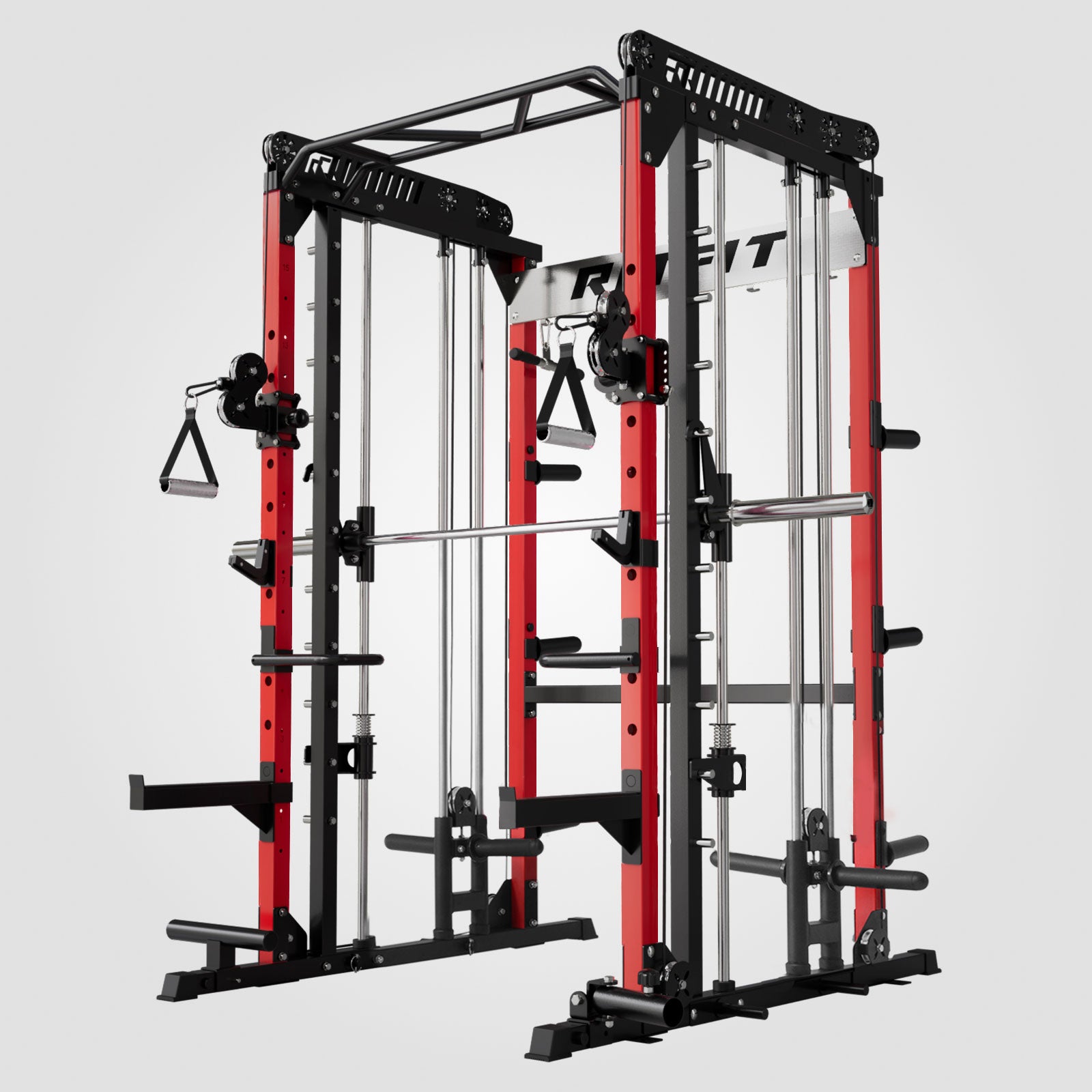
- Power cage: Add a rack such as the RitFit P3 power cage for squats, presses, and pull ups when strength training is a major part of your home gym .
- Flooring: Use the home gym flooring guide to choose surface protection before practicing repeated drops.
- Complete plate system: Browse barbells and weight plates for home gyms if you are building from scratch.
- Accessories: Use the barbell accessories collection for collars, storage, and setup upgrades.
- Programming support: Review CrossFit benchmark workouts and performance standards to match your equipment to your training goals.
How to Choose the Best CrossFit Barbell by Training Goal
The right bar depends on whether your home gym is built for general fitness, Olympic lifting skill, strength work, or beginner progression. Use your main training goal as the filter before comparing finishes or premium features.
For Most Home Athletes
Choose a multi purpose Olympic bar with medium knurling, bushing sleeves, moderate whip, and a corrosion resistant finish. This gives the best mix of value, versatility, comfort, and durability.
For Olympic Lifting Focus
Choose a bar with smoother sleeve rotation and more responsive whip. A bearing bar can be useful here, but only if snatches, cleans, and jerks are central to your training.
For Strength Focus
Choose a slightly stiffer bar with secure knurling and strong shaft durability. You may not need aggressive spin if most of your work is squats, deadlifts, presses, and rows.
For Beginners
Choose comfort, control, and safe setup before chasing advanced specifications. Research on resistance training load suggests different loading approaches can build strength and hypertrophy when effort and progression are managed well.[3]
Safety Notes Before Dropping a Barbell at Home
A barbell should only be dropped in a controlled training area with bumper plates, collars, and suitable flooring. Dropping loaded bars onto concrete, metal plates, uneven flooring, or tight rooms can damage the bar and increase risk.
- Check space first: Give yourself enough floor width and overhead clearance for the bar, plates, and full body movement.
- Use bumper plates: Avoid dropping iron plates from overhead positions.
- Use collars every set: Dynamic movements can shift plates quickly.
- Scale fatigue: Technique often breaks down during high rep WODs, so reduce load when speed and posture decline.
- Inspect the bar: Stop using it if you notice bending, sleeve looseness, grinding rotation, or visible damage.
Systematic reviews of CrossFit style training report injury rates that vary across studies, with shoulders, spine, and knees appearing frequently as affected areas.[4] Good coaching, controlled progression, and safer equipment setup are practical ways to reduce avoidable risk.
Barbell Maintenance for Longevity
Good maintenance keeps the bar feeling consistent and reduces rust, chalk buildup, and sleeve issues. A simple weekly habit is enough for many home gyms.
After Each Session
Wipe chalk, sweat, and moisture from the shaft and sleeves. This is especially important in humid garages and basement gyms.
- Use a dry cloth: Remove sweat before storage.
- Check collars: Make sure they still lock firmly.
- Store unloaded: Do not leave the bar loaded on a rack for long periods.
Weekly or Monthly Care
Brush the knurling and inspect sleeve spin based on how often you train. Heavier WOD volume usually requires more frequent cleaning.
- Brush knurling: Remove chalk that packs into the grip pattern.
- Check sleeves: Rotation should feel smooth and consistent.
- Watch for rust: Address surface rust early before it spreads.
- Roll test carefully: Roll the unloaded bar on a flat surface if you suspect bending.
Common Buying Mistakes to Avoid
The biggest mistake is buying based on one impressive spec instead of the complete training environment. A great bar can still perform poorly if it is used with the wrong plates, poor flooring, or unsafe storage.
- Ignoring the plates: A drop focused bar should be paired with bumper plates, not only iron plates.
- Overbuying spin: General home WOD training rarely requires the fastest bearing system.
- Choosing harsh knurling: Aggressive grip can punish high rep workouts.
- Skipping collars: Plate movement is a real issue during cycling workouts.
- Forgetting climate: Humid rooms need better storage and more consistent wipe downs.
FAQs
What is the best CrossFit barbell for a home box?
The best CrossFit barbell for most home boxes is a multi purpose Olympic bar with medium knurling, reliable sleeve rotation, and enough durability for repeated WOD training. It should match your grip size, training volume, plate setup, and available floor protection before price.
Can you drop a CrossFit barbell at home?
Yes. You can drop a CrossFit barbell at home only when it is loaded with bumper plates and used on proper flooring. Avoid dropping loaded bars on concrete, iron plates, uneven floors, or tight rooms because impact can damage the shaft, sleeves, plates, and floor.
Is a bushing or bearing bar better for CrossFit?
A bushing bar is better for most home CrossFit athletes because it is durable, lower maintenance, and affordable. Bearing bars spin faster for Olympic lifts, but general WOD training usually benefits more from reliable sleeves, medium knurling, and safe drop setup than maximum spin alone.
What PSI should a CrossFit barbell have?
A CrossFit barbell should usually have at least 150000 PSI tensile strength for general home training. Many quality multi purpose bars sit between 165000 and 190000 PSI, but sleeve design, steel quality, bumper plates, flooring, and maintenance also affect long term durability.
Should beginners buy a 20 kg or 15 kg CrossFit barbell?
Beginners should choose the bar weight that lets them train with better control and cleaner technique. A 20 kg bar matches common men’s Olympic specs, while a 15 kg bar can feel easier for smaller hands, technique practice, and higher rep learning sessions.
Do I need bumper plates for CrossFit barbell training?
Yes. Bumper plates are strongly recommended for CrossFit barbell training that includes cleans, snatches, overhead work, and controlled drops. Iron plates can be useful for strength lifts, but they are not the best option for repeated dropping in a home box.
How often should I clean a CrossFit barbell?
You should wipe a CrossFit barbell after every sweaty or chalk heavy session. Brush the knurling and inspect sleeve rotation weekly or monthly depending on use, because chalk, sweat, dust, and humidity can reduce grip quality and increase corrosion over time.
Which barbell finish is best for a garage gym?
The best barbell finish for a garage gym is one that balances grip with corrosion resistance. Zinc, ceramic coating, chrome, and stainless steel can all work, but humid spaces need regular wipe downs, dry storage, and better rust protection than climate controlled rooms.
Conclusion
The best CrossFit barbell for a home gym is a durable multi purpose Olympic bar that fits your grip, training style, space, plates, and budget. For most home athletes, a medium knurl bushing bar paired with bumper plates, collars, and proper flooring is the smartest starting point.
Choose the bar as part of a complete home training system, not as a single isolated purchase.
Disclaimer
This article is for general fitness equipment education only and is not medical, rehabilitation, or professional coaching advice. Always use proper technique, scale workouts to your ability, inspect equipment before use, and consult a qualified coach or healthcare professional if you have pain, injury history, or uncertainty about high intensity barbell training.
References
- Barranco-Ruiz Y Villa-González E Martínez-Amat A Da Silva-Grigoletto ME. Prevalence of Injuries in Exercise Programs Based on Crossfit, Cross Training and High Intensity Functional Training Methodologies: A Systematic Review. J Hum Kinet. 2020;73:251-265. doi:10.2478/hukin-2020-0006
- Hughes DC Ellefsen S Baar K. Adaptations to endurance and strength training. Cold Spring Harb Perspect Med. 2018;8(6):a029769. doi:10.1101/cshperspect.a029769
- Lopez P Radaelli R Taaffe DR Newton RU Galvão DA Trajano GS et al. Resistance Training Load Effects on Muscle Hypertrophy and Strength Gain: Systematic Review and Network Meta analysis. Med Sci Sports Exerc. 2021;53(6):1206-1216. doi:10.1249/MSS.0000000000002585
- da Costa TS Louzada CTN Miyashita GK da Silva PHJ Sungaila HYF Lara PHS et al. CrossFit: injury prevalence and main risk factors. Clinics. 2019;74:e1402. doi:10.6061/clinics/2019/e1402