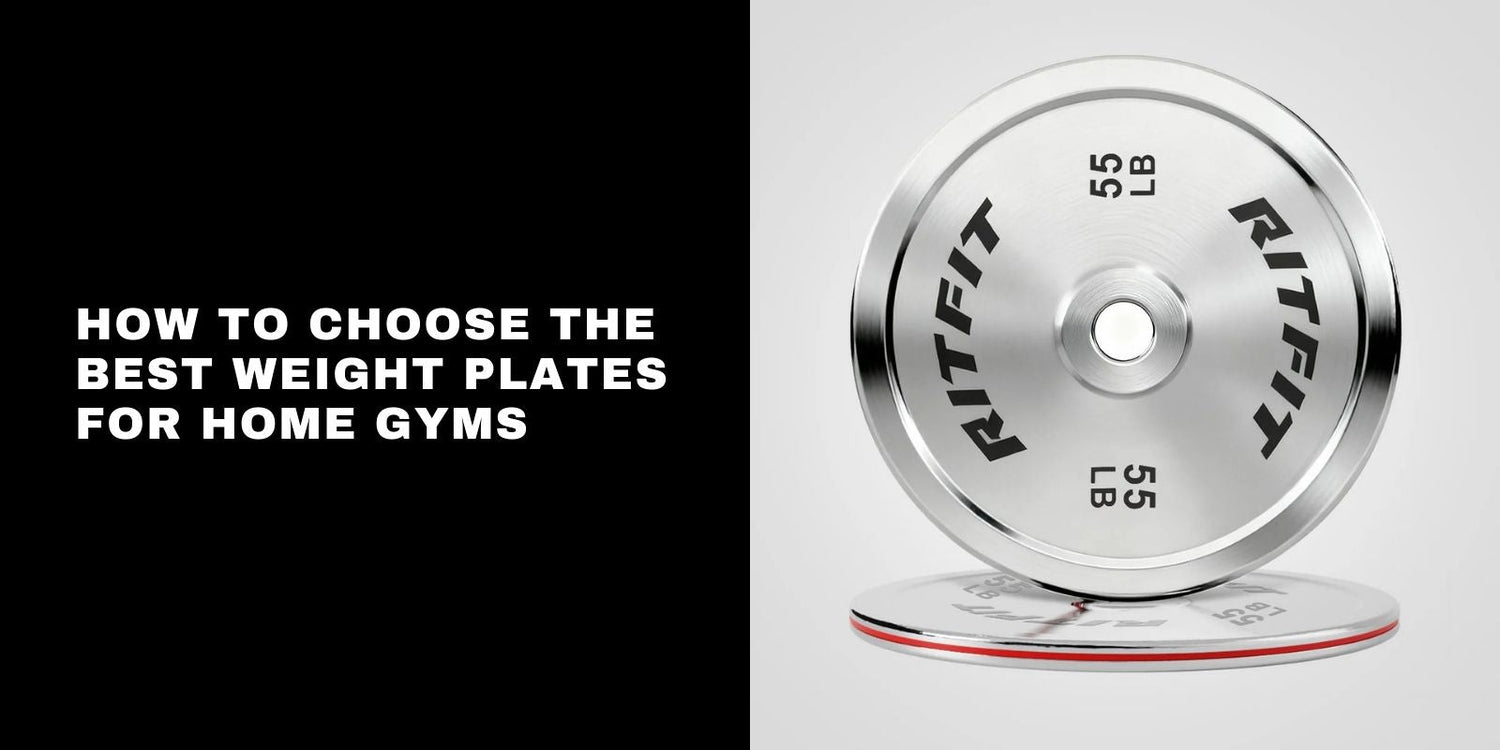
Choosing the best weight plates for home gyms comes down to matching plate material, thickness, bounce, and noise to the way you train and the space you train in. The right set protects your floor, keeps your barbell usable, and keeps your neighbors happy.
This buyer's guide breaks down each plate quality, compares bumper plates vs iron plates, and gives a practical framework for matching plates to your training style, goals, and environment.
Quick Answer: The best weight plates for home gyms are bumper plates when you drop the bar or share walls with neighbors, rubber-coated or polyurethane plates when you want floor protection with a thin profile, and precision steel or cast iron plates when you never drop weights and need maximum loading space. Match the material to your training style first.
Key Takeaways
- Start with your training style: If you ever drop the barbell for Olympic lifts or CrossFit, bumper plates are non-negotiable for floor and safety.
- Match material to durability: Crumb rubber and solid rubber plates absorb the most impact, while precision steel plates are the thinnest and most precise.
- Plan around thickness: Thick crumb bumpers can cap heavy deadlift loading, so mix in thin steel or cast iron plates if you chase big pulls.
- Control the noise: Rubber and coated plates drop quieter than all-metal plates, and crumb rubber is the quietest option for shared walls.
- Match plates to your bar: All standard plates fit 2-inch Olympic sleeves, so buy a bar and set that suit your weight goals.
What Should You Look for in Weight Plates for a Home Gym?
Look for a weight plate set that matches your training style, your floor, and your neighbors, because plate material drives thickness, bounce, and noise. The two broad buying categories are material and everything that follows from it, including thickness, bounce, noise, and handling.
- Material: Precision steel, cast iron, rubber-coated iron, polyurethane-coated iron, solid rubber, crumb rubber, and competition rubber each trade off price, durability, and floor impact.
- Thickness: Thicker plates hold more rubber for impact absorption but eat up barbell sleeve space on heavy deadlifts.
- Bounce: Bumper plates are engineered to rebound and absorb drop impact, while all-metal plates barely bounce at all.
- Noise: Rubber and coated plates are quieter on drops, while steel and cast iron ring on nearly every rep.
- Design and handling: Grip holes, lips, and consistent circumference make plates easier to load, carry, and feel off the floor.
Start your research with the Weight Plates collection and our guide to types of weights for home gyms, then read the home gym guide to plan the whole room around your plates.
Are Bumper Plates Better Than Iron Plates for a Home Gym?
Bumper plates are the better choice when you drop the barbell, because rubber absorbs impact and lowers noise, while iron plates win when you never drop and need the thinnest loading profile. Most home gyms do best with a mix that protects the floor and keeps heavy deadlifts loadable.
| Plate Type | Thickness | Bounce | Noise | Best For |
|---|---|---|---|---|
| Precision steel | Thinnest, about 1 inch | None | Metallic ring on every lift | High-load powerlifting on a protected floor |
| Cast iron | Under 2 inches | None | Loud when dropped | Budget all-metal lifting |
| Rubber-coated iron | Under 2 inches | Low | Muffled but audible on drops | Floor and bar protection without bumper thickness |
| Polyurethane-coated iron | Under 2 inches | Low | Muffled, hard shell rings slightly | Long-lasting coated plates in busy gyms |
| Solid rubber | A little over 3 inches | Predictable | Quiet | Durable bumper training |
| Crumb rubber | Up to 6 inches | Highest | Quietest | Dropping weights in shared spaces |
| Competition rubber | Just under 3 inches | Low and controlled | Compact rubber rings | Replicating meet conditions |
Thickness and bounce ranges follow typical manufacturer specs for 2-inch Olympic plates and are general guidance, not exact measurements for every set.
Shop Bumper Plates for drop-friendly rubber sets, browse Cast Iron Weight Plates for thin budget metal, and compare sets in our best home gym weight plates buying guide. American flag fans can check our best American flag bumper plates roundup.
How Do Thickness and Bounce Affect Your Lifting?
Thickness limits how much weight you can load on a standard 2-inch bar sleeve, and bounce determines how much drop energy reaches your floor. Thin plates solve sleeve space, while bouncy bumper plates solve impact absorption, so you choose based on the lifts you actually do.
Precision steel plates average only about 1 inch thick, which lets you load 10 plates per side and attempt weights well past 900 pounds. Crumb rubber plates run 3 to 6 times thicker, so three thick plates per side can already make a 315-pound deadlift impossible.[3]
Cast iron, rubber-coated iron, and polyurethane-coated iron plates stay under 2 inches thick, competition rubber sits just under 3 inches, and solid rubber runs a little over 3 inches. For squats, presses, and rows, sleeve space is rarely a problem, so thickness only becomes a real constraint on heavy deadlifts, shrugs, and similar loaded pulls.
Plates that do not bounce, including precision steel and cast iron, are best for lifts that never touch down hard, since they create negligible rebound and minimal horizontal kick in tight spaces. Rubber and coated plates are designed to absorb drop energy, and thicker, lower-density crumb rubber bounces more than compact competition rubber.
CrossFit athletes and Olympic weightlifters need bumper plates because exercises like power cleans, snatches, and overhead squats end in regular barbell drops. If you never drop the bar, non-bumper plates are fine, but even one accidental drop can crack tile or scar a wood floor.
Keep sleeve space in mind when you pair plates with a 7 ft Olympic barbell and shop the Barbells Weight Plates collection for bar and plate packages.
How Much Noise Do Weight Plates Make in a Home Gym?
Weight plate noise ranges from the constant metallic ring of steel and cast iron to the near-silent drops of crumb rubber, so the quietest set depends on how often you drop. Rubber and coated plates muffle most sound, while all-metal plates ring on nearly every rep and slam loudly when dropped.
Steel and cast iron plates make a soft metallic sound on most lifts because bar vibration travels to the plates, and they become incredibly loud and sharp when they hit the floor. If the bar never touches down, all-metal plates are not much louder than rubber, but the risk is real on deadlift resets.
Rubber-coated and polyurethane-coated plates muffle a large share of drop noise but still land relatively loud. Competition rubber is louder than thicker solid rubber, and crumb rubber is the quietest option for rooms that share walls, ceilings, or floors with other people.
Design also matters for daily use, since most Olympic plates share a 2-inch center hole and similar circumference for a consistent feel off the floor. Lighter polyurethane and cast iron plates often sit shorter and narrower, and many coated plates add hollow interior portions or an outer lip to make gripping and carrying easier.
Plan your layout with our home gym ideas to keep plates, floor mats, and neighbors in mind before you buy.
How Do You Match Weight Plates to Your Training Style, Goals, and Space?
Match plates to training style first, because any exercise that drops the bar to the floor requires bumper plates, while strictly controlled lifting can use any material. Weigh your goals and your space next, since progressive overload rewards thin plates and shared walls reward quiet ones.
If you plan to run a program built on progressive overload, thick crumb bumpers will quickly fill the bar sleeve as weights climb, so include at least a few thinner plates to keep progressing.[2] Resistance training research shows that most load, set, and frequency combinations build strength, and higher loads deliver the largest strength gains, which favors plates you can keep stacking.[1]
Environment matters as much as style, since crumb rubber plates alone will not save a delicate tile floor, while a floor built with horse stall mats and vibration-reducing foam can tolerate even metal drops. The more walls you share and the closer your neighbors, the more noise-reducing plates you need, and progressive resistance training also supports muscle strength and bone density over time.[4]
For budget-minded lifters, our best free weight set for home gym picks pair plates with a bar to complete your setup.
"The standard bar length is a little over 7 feet, has '2-inch'/50mm diameter sleeves for loading the plates on, and weighs 20kg/44.1lbs. For home gym purposes, a 28.5 or 29mm bar will be the most durable and provide the best service over time. NEVER buy a 32mm bar. They are either junk, or a specialty squat bar that a home gym doesn't need."
Mark Rippetoe, Strength Coach and Author of Starting Strength, Starting Strength
FAQs About Weight Plates for Home Gyms
Are bumper plates better than iron plates?
For most home gyms, yes, because bumper plates absorb drop impact, protect your floor, and cut noise when the bar comes down. Iron plates are thinner and cheaper for lifters who never drop and want maximum loading space, so a mix of both often works best.
Do I need bumper plates for a home gym?
You need bumper plates if you ever drop the bar for Olympic lifts, high pulls, or missed reps, since rubber reduces floor damage and noise. If you mainly squat, bench, and row without drops, iron or steel plates work fine and let you load more weight.
Can I mix bumper plates and iron plates on the same bar?
Yes, mixing is common, especially when you put bumpers on the outside for deadlifts to reduce noise and protect the floor. Match the diameter of plates that share the load so one type does not take all the impact, and avoid repeated drops with mixed stacks.
How thick are weight plates?
Precision steel plates are the thinnest at about 1 inch, cast iron and coated iron stay under 2 inches, competition rubber runs just under 3 inches, and solid rubber is a little over 3 inches. Crumb rubber is thickest at up to 6 inches, which limits how much you can load on the sleeve.
Are crumb rubber bumpers quieter than competition bumpers?
Yes, crumb rubber bumpers are usually the quietest option for shared walls or apartments because they absorb impact and dampen sound well. Competition bumpers feel more controlled and uniform but transmit more vibration into the floor and ring a bit louder.
Why do new rubber plates smell and how do I reduce it?
Most rubber plates release a slight odor when new, and it usually fades within a few weeks of regular use. Air the plates out in a ventilated space, wipe them down, and avoid sealing them in a small room right after unboxing, or check reviews that note mild to no odor before buying.
Conclusion
Choosing the best weight plates for home gyms is about matching material, thickness, bounce, and noise to your training style, goals, and space. Start with how you lift, protect your floor, and keep the loading space you need for progress.
New to building a room? Pick a set that fits your top lifts, then explore RitFit sales and build out from there.
Disclaimer
This guide is for general information and does not replace professional advice for flooring, construction, or training safety. Always inspect equipment, follow manufacturer guidelines, and consult a qualified professional before modifying your training space.
References
1. Currier BS, Mcleod JC, Banfield L, et al. Resistance training prescription for muscle strength and hypertrophy in healthy adults: a systematic review and Bayesian network meta-analysis. Br J Sports Med. 2023;57(18):1211-1220. doi:10.1136/bjsports-2023-106807. PMCID: PMC10579494
2. Plotkin D, Coleman M, Van Every D, et al. Progressive overload without progressing load? The effects of load or repetition progression on muscular adaptations. PeerJ. 2022;10:e14142. doi:10.7717/peerj.14142. PMCID: PMC9528903
3. Schoenfeld BJ, Contreras B, Vigotsky AD, Peterson M. Differential Effects of Heavy Versus Moderate Loads on Measures of Strength and Hypertrophy in Resistance-Trained Men. J Sports Sci Med. 2016;15(4):715-722. PMCID: PMC5131226
4. O'Bryan SJ, Giuliano C, Woessner MN, et al. Progressive Resistance Training for Concomitant Increases in Muscle Strength and Bone Mineral Density in Older Adults: A Systematic Review and Meta-Analysis. Sports Med. 2022;52(8):1939-1960. doi:10.1007/s40279-022-01675-2. PMCID: PMC9325860