Yes, you can gain healthy weight at home if you combine progressive resistance training with a steady calorie surplus. The fastest results usually come from training hard enough to build muscle, eating enough to recover, and tracking progress closely from week to week.
Gaining weight at home is absolutely possible when your goal is lean mass, not random weight gain. The key is to use muscle building workouts, eat enough to support growth, and recover well enough to repeat that process every week.
Key Takeaways
- Healthy weight gain comes from building muscle, not just eating more food.
- Home workouts can work very well when you use progressive overload and train close to muscular fatigue.
- A daily calorie surplus plus enough protein is essential if you want the scale to move.
- Compound movements, recovery, and consistency matter more than fancy equipment.
- If you are not gaining weight, the usual fix is better tracking, more calories, or a stronger training stimulus.
Fundamentals of Healthy Weight Gain
Understanding Weight Gain Basics
Healthy weight gain starts with a calorie surplus, but muscle gain only happens when your body has a reason to build new tissue. Resistance training provides that signal by creating mechanical tension, muscle fatigue, and a recovery demand that encourages muscle protein synthesis.
Muscle vs. Fat Gain
Your goal should be to gain mostly muscle while accepting that a small amount of fat gain is normal during a growth phase. A moderate calorie surplus, good food quality, and a structured home workout plan help shift more of that gain toward strength, size, and better body composition.
Common Myths About Hardgainers
Most hardgainers are not broken genetically, they are usually under eating, under training, or doing both inconsistently. Skinny beginners often need more total calories, more training effort, and more patience than they expect before the scale and mirror begin to change.
Setting Clear Goals and Tracking Progress
Defining Your Goal
Set a goal that is specific enough to guide your plan, such as gaining 5 to 10 pounds, improving upper body size, or adding strength to key movements like push ups, rows, split squats, and Romanian deadlifts. A clear target makes it easier to choose the right training split, food intake, and weekly adjustments.
Realistic Expectations
A realistic pace for healthy weight gain is about 0.5 to 1 pound per week for most people. Faster gain can happen in beginners, but when body weight rises too quickly it often means you are adding more fat than muscle.
Tracking Methods
Track your morning body weight several times per week and use the weekly average instead of reacting to one random weigh in. Also log your reps, sets, food intake, progress photos, and simple body measurements because muscle gain is easier to confirm when performance and appearance improve together.
Key Principles of Home Workouts for Weight Gain
Progressive Overload at Home
Progressive overload means your muscles must do more work over time, even if you do not have a full gym. At home, that can mean more reps, more sets, slower lowering phases, longer pauses, less rest, harder exercise variations, or added load from bands, dumbbells, kettlebells, or a weighted backpack.
- Increase reps: Add repetitions while keeping good form and stopping only when the set becomes challenging.
- Increase sets: Add training volume when your current workload no longer creates enough fatigue or muscle soreness.
- Increase resistance: Use bands, adjustable dumbbells, kettlebells, or a backpack loaded with books, plates, or water jugs.
- Manipulate tempo: Slow the lowering phase to increase time under tension when external load is limited.
- Use unilateral work: Single leg and single arm exercises make lighter loads feel much more demanding.
Training Frequency and Volume
Most people do best with each muscle group trained two to three times per week. A strong starting point is 3 to 4 training days weekly, with 3 to 5 hard working sets per exercise and most sets landing in the 6 to 15 rep range.
Exercise Selection
Choose movements that let you train large muscle groups through a full and controlled range of motion. Push ups, rows, split squats, lunges, hip hinges, presses, and pull ups usually give the best return because they build strength, coordination, and total body muscle at the same time.
Rest and Recovery
Muscle growth happens after training, not during it, so recovery is part of the program rather than an optional extra. Aim for 7 to 9 hours of sleep, avoid crushing the same muscles every day, and give hard trained muscle groups enough time to recover before repeating high effort work.
Essential Equipment for Home Exercise
The Bodyweight Only Approach
Bodyweight training can build muscle if you choose challenging movements and keep progressing them over time. This works especially well for beginners, but as you get stronger you will usually need harder variations or extra resistance to keep gaining size efficiently.
Simple Equipment to Enhance Results
A few compact tools can make home workouts far more effective for weight gain because they expand your exercise options and make progression easier to measure. Adjustable resistance is especially useful when you want to train close to fatigue without doing endless high rep sets.
- Resistance bands: Useful for rows, presses, squats, curls, lateral raises, and home friendly progressive overload.
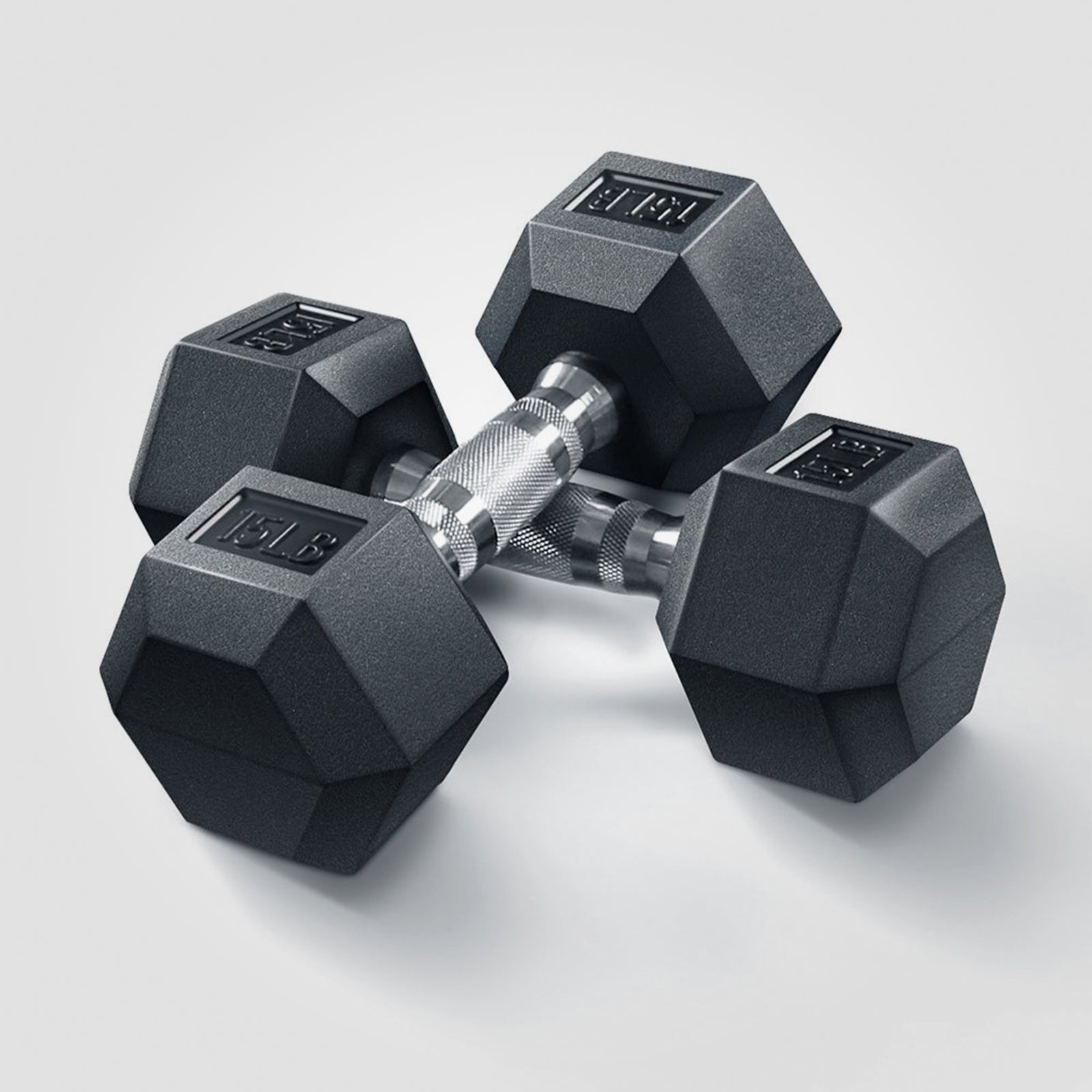
- Adjustable dumbbells: Excellent for pressing, rowing, lunging, squatting, and hinge patterns with clearer loading progression.
- Pull up bar: One of the best low footprint tools for back width, biceps, grip strength, and upper body development.
- Weighted backpack: A simple way to make push ups, squats, split squats, step ups, and calf raises harder.
- Adjustable bench if available: Helpful for presses, rows, hip thrusts, and better upper body exercise variety.
Core Exercise Library for Gaining Weight at Home
Upper Body Exercises
Upper body growth at home depends on balancing horizontal pressing, vertical pressing, horizontal pulling, and vertical pulling patterns. This gives your chest, shoulders, back, and arms enough total stimulus to grow instead of over relying on push ups alone.
- Chest: Standard push ups, deficit push ups, decline push ups, dumbbell floor presses, and chair supported dips if the setup is stable.
- Back: Inverted rows, one arm dumbbell rows, resistance band rows, pull ups, chin ups, and band pulldown variations.
- Shoulders: Pike push ups, dumbbell shoulder presses, lateral raises, rear delt raises, and band face pulls.
- Arms: Close grip push ups, overhead triceps extensions, hammer curls, alternating curls, and concentration curls.
Lower Body Exercises
Lower body training is critical for total weight gain because your legs and glutes represent a large share of your overall muscle mass. When you train them hard, you increase total training demand, improve appetite for many people, and create more opportunity for visible body growth.
- Squat variations: Bodyweight squats, goblet squats, tempo squats, Bulgarian split squats, and heel elevated squats.
- Lunges and step work: Reverse lunges, walking lunges, step ups, and split squats for strong unilateral overload.
- Hip hinge patterns: Romanian deadlifts, single leg Romanian deadlifts, hip thrusts, glute bridges, and band good mornings.
- Calves: Standing calf raises, single leg calf raises, and loaded calf raises using a backpack or dumbbells.
Core Exercises
Core training should improve trunk stiffness, body control, and force transfer instead of only chasing a burn. A stronger core helps you brace better during presses, rows, squats, lunges, and hip hinge movements, which makes the whole program more productive.
- Stabilization: Planks, side planks, and body saw variations.
- Flexion control: Hollow body holds, dead bugs, and controlled leg raises.
- Anti rotation: Pallof presses and offset loaded carries when space allows.
Sample Home Workout Routines to Gain Weight
Beginner Full Body Routine
This routine works well because it trains the whole body often enough to build skill and muscle without overwhelming recovery. Perform it 3 non consecutive days per week and stop most sets with only 1 to 3 hard reps left in reserve.
- Bodyweight or Goblet Squat: 3 sets of 8 to 15 reps
- Push Up or Incline Push Up: 3 sets of 6 to 12 reps
- One Arm Row or Inverted Row: 3 sets of 8 to 12 reps
- Romanian Deadlift or Glute Bridge: 3 sets of 10 to 15 reps
- Pike Push Up or Dumbbell Press: 2 to 3 sets of 8 to 12 reps
- Plank: 3 sets of 30 to 45 seconds
Intermediate Upper Lower Split
A 4 day upper lower split is a strong next step because it gives each muscle group more weekly volume and better exercise variety. Train Upper, Lower, Rest, Upper, Lower, Rest, Rest, and push your main movements hard while keeping your form controlled.
- Upper Day: Pull ups or rows, push ups or dumbbell presses, shoulder presses, lateral raises, curls, and triceps extensions.
- Lower Day: Goblet squats or split squats, Romanian deadlifts, lunges, hip thrusts, and calf raises.
Weekly Progression
Progress every week by earning more total work from the same exercises before changing the entire plan. A simple model is to add 1 rep per set until you hit the top of the range, then add load, slow the tempo, or upgrade to a harder variation and repeat.
Nutrition Strategy to Support Home Workouts
Calorie Surplus for Weight Gain
You need a calorie surplus if you want your body to build new mass. Most people should start by eating about 300 to 500 calories above maintenance, then adjust based on the weekly average of their body weight rather than guessing from appetite alone.
Macronutrients
Protein supports muscle repair, carbohydrates fuel hard training, and dietary fats help with hormones and overall calorie intake. When people fail to gain weight, the problem is often not one magic food but a long term mismatch between intake, activity, and recovery.
- Protein: Aim for roughly 0.7 to 1 gram per pound of body weight per day from meat, eggs, dairy, soy, beans, or protein powder if needed.
- Carbohydrates: Use rice, oats, potatoes, fruit, bread, pasta, and cereal to support training performance and easier calorie intake.
- Fats: Add calorie dense foods like peanut butter, nuts, seeds, olive oil, avocado, and full fat dairy to raise intake without huge meal volume.
Practical Eating Tips for Hardgainers
Hardgainers usually do better with more eating opportunities and more calorie dense meals instead of trying to force giant plates of food. Liquid calories are especially effective because shakes can add meaningful energy without making you feel as full as another large meal.
- Eat 3 meals plus 1 to 2 snacks: This is often easier than relying on two oversized meals.
- Use a shake daily: Blend milk, oats, banana, peanut butter, yogurt, and protein powder for an easy calorie boost.
- Add calories to foods you already eat: Olive oil, cheese, nut butter, granola, dried fruit, and sauces can raise intake fast.
- Do not rely only on clean eating volume: Extremely high fiber meals can make it harder to stay in a surplus.
Recovery, Lifestyle, and Injury Prevention
- Sleep and Muscle Growth: Sleep is one of the biggest drivers of recovery, performance, and long term muscle gain. Poor sleep can reduce training quality, blunt appetite control, and make it harder to sustain the consistent effort that weight gain requires.
- Managing Stress: High stress does not make muscle gain impossible, but it can reduce training quality, digestion, appetite, and recovery. Simple habits like walks, regular meal timing, better sleep routines, and realistic training volume often improve results more than people expect.
- Warm Up, Cool Down, and Mobility: A short warm up helps you move better and train harder from the first work set. Use 5 to 10 minutes of light cardio, dynamic mobility, and one or two lower effort practice sets before your main exercises, then cool down only as much as needed to feel normal again.
- Avoiding Common Injuries: Good form matters, but so does choosing loads and exercise variations that you can control through a full range of motion. Most home training injuries come from unstable setups, rushed progression, sloppy fatigue management, or repeating painful movements instead of modifying them.
Adapting and Personalizing Your Plan
Modifying for Fitness Levels
Every exercise should match your current ability while still feeling challenging enough to drive progress. Beginners can elevate their hands for push ups or reduce range of motion, while advanced trainees can use deficits, pauses, unilateral loading, or added external resistance.
Training Around Space and Equipment
You do not need much room to build muscle, but you do need a repeatable setup that lets you train safely and hard. In tight spaces, prioritize exercises that offer strong stimulus with simple equipment, such as split squats, rows, floor presses, Romanian deadlifts, hip thrusts, and pull ups if you have a bar.
Troubleshooting: When You Are Not Gaining Weight
The Plateaus Checklist
If your body weight has not increased for two straight weeks, assume something in the system needs adjustment instead of hoping it fixes itself. The most common problems are inaccurate calorie tracking, too little protein, weak training intensity, too much daily activity, poor sleep, or inconsistent meal timing.
Plateau Solutions
Fix plateaus by pulling the most obvious lever first. Add 200 to 300 daily calories, tighten food tracking, push your main lifts closer to muscular fatigue, add one extra set to key exercises, or reduce unnecessary activity that is burning away your surplus.
Seeking Expert Guidance
If you have been consistent for several months and still cannot gain weight, it may be time to get outside help. A qualified coach, sports dietitian, or healthcare professional can help identify programming errors, appetite issues, digestive problems, or underlying medical factors.
Conclusion and Next Steps
Recap of Main Principles
You can gain healthy weight at home by training for muscle growth, eating in a controlled calorie surplus, and recovering well enough to repeat that work every week. The formula is simple, but real progress comes from doing the basics consistently and adjusting them when progress slows.
Encouragement to Start
Start with the beginner full body routine, track your food and body weight, and focus on getting a little stronger every week. Small improvements in reps, load, meal consistency, and recovery are exactly what build bigger long term results.
Your First Few Weeks
Commit to at least 4 to 8 weeks before judging the plan. Log your workouts, average your weigh ins, take progress photos, and treat consistency as your main goal because muscle gain at home is less about perfect conditions and more about repeated execution.
Disclaimer: This article is for general education only and is not medical advice. If you have a medical condition, a history of disordered eating, unexplained weight loss, digestive issues, or pain during exercise, speak with a qualified healthcare professional before starting a weight gain or training plan.