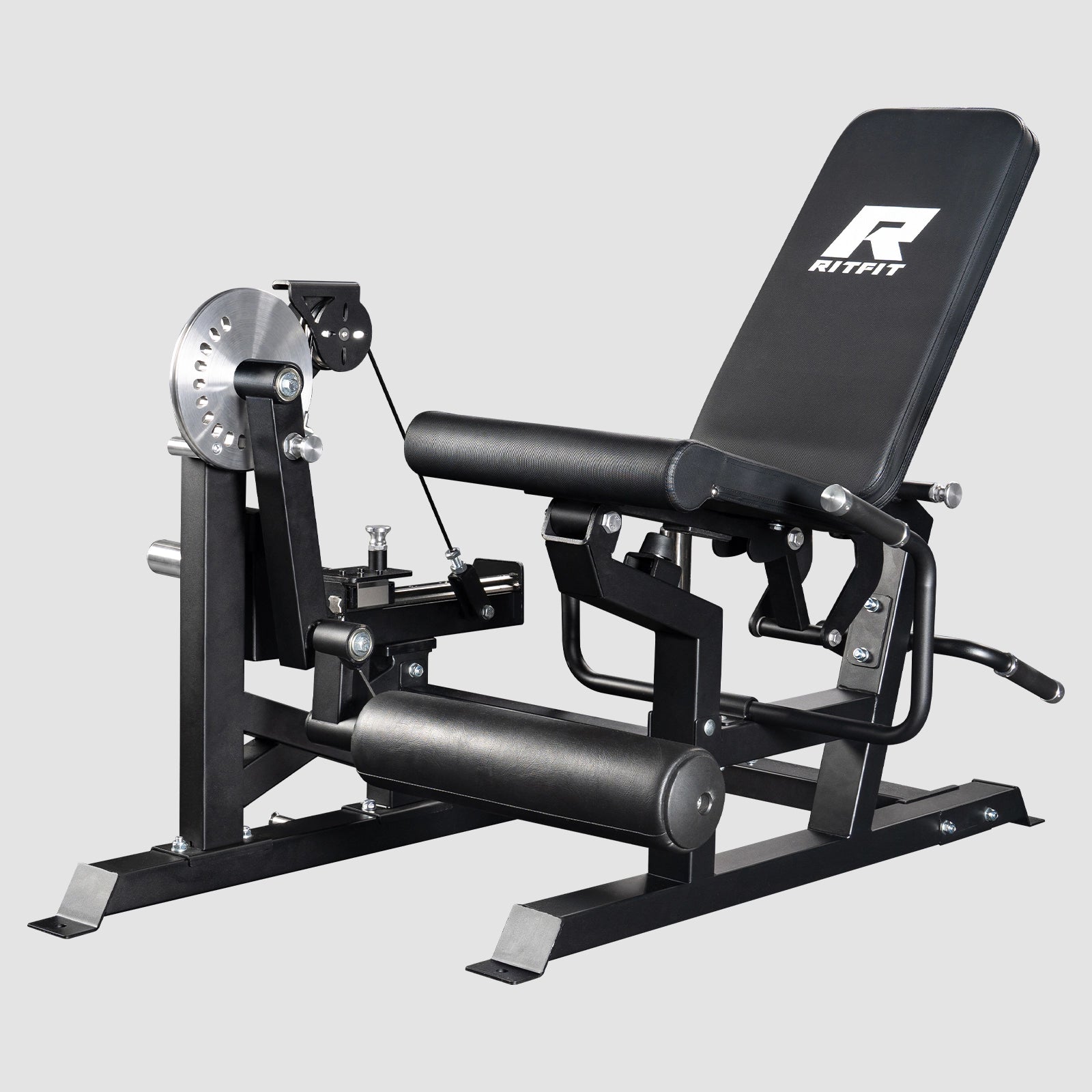
The hip abduction machine is often ignored in the corner of the gym, yet it is one of the most direct ways to build stronger, more stable glutes. It targets the outer hip muscles that big lifts tend to miss.
This guide explains what the machine works, why it matters for your glutes, and exactly how to use it with good form and smart programming.
Table of Contents
Key Takeaways
- Targets the outer glutes: The machine mainly works the gluteus medius and minimus.
- Fills a gap: Direct abduction trains hip muscles that squats only load moderately.
- Form first: Pads sit above the knees, and you drive from the hip, not the back.
- Higher reps work: Use about 12 to 20 reps with controlled tempo for this small muscle.
- Alternatives exist: Side-lying abductions and band walks train the same muscles at home.
What the Hip Abduction Machine Works
The hip abduction machine mainly trains the gluteus medius and gluteus minimus, the muscles on the outer hip. They move your leg away from your body and stabilize the pelvis.
An EMG analysis ranking gluteal exercises found several hip abduction style movements among the strongest activators of the gluteus medius.[1] The machine also engages the tensor fasciae latae and works the gluteus maximus to a lesser degree.
- Gluteus medius: The primary target, key for pelvic stability and hip width.
- Gluteus minimus: A deeper stabilizer that assists abduction.
- Tensor fasciae latae: A smaller outer hip muscle that helps the movement.
If you are comparing options, this guide to the best hip abductor and adductor machine for beginners helps you start right.
Why Train Hip Abduction for Stronger Glutes
Direct abduction work fills a gap that heavy compound lifts leave behind. Squats and deadlifts load the gluteus maximus hard but only moderately train the medius.
A study found that loaded side-lying hip abduction produced significantly greater gluteus medius activation than weightbearing step-up exercises.[2] Strengthening this muscle supports better pelvic control and helps the knee track properly under load.
- Better squat stability: Strong abductors keep the knees from caving inward.
- Balanced glute shape: Outer hip work builds width alongside the maximus.
- Joint support: Stable hips reduce strain on the knees during daily movement.
Pairing it with a Smith machine hip thrust covers both the maximus and the medius in one session.
How to Use the Hip Abduction Machine
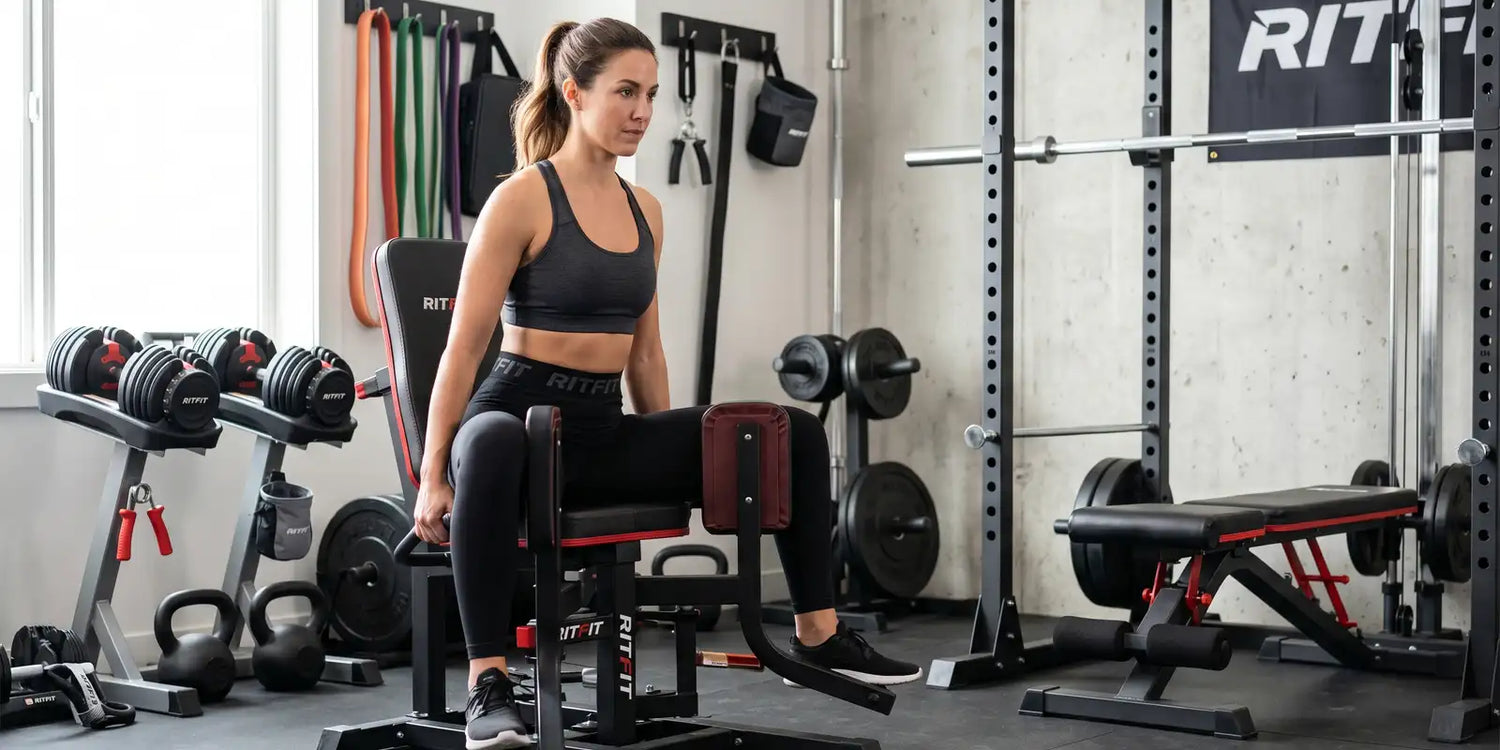
Good form turns this simple machine into a powerful glute builder. The goal is to move from the hip with control, not momentum.
- Set the seat: Sit upright with your back flat against the pad and spine neutral.
- Place the pads: Rest the pads on the outside of your knees, never on the shins.
- Push and pause: Open your knees in a controlled arc, then hold the squeeze briefly.
- Return slowly: Lower under control to keep tension on the outer glutes.
Driving from the hip rather than leaning back keeps the gluteus medius doing the work.
Sets, Reps, and Programming
This is a smaller muscle group, so higher reps and steady tension beat heavy, sloppy loads. Quality contractions matter more than the number on the stack.
- Rep range: Aim for about 12 to 20 reps per set for this isolation move.
- Sets: Two to four working sets per session is plenty for most lifters.
- Tempo: Use a slow 2 to 3 second return to maximize time under tension.
- Progress: Add reps before weight, then increase the load in small steps.
For setup ideas, this overview of the best hip abductor machine for a home gym shows what to look for.
Hip Abduction Machine Alternatives
You do not need a machine to train the outer glutes effectively. Several bodyweight and band moves hit the same muscles.
A study in distance runners found that side-lying hip abduction variations effectively activate the gluteus medius, making them practical alternatives when no machine is available.[3] These options need little space and travel well.
- Side-lying hip abduction: Lift the top leg slowly against gravity for direct medius work.
- Clamshells: Open the knees while keeping feet together to target the outer hip.
- Lateral band walks: Step sideways against a loop band for constant tension.
Cable based work using Smith machine exercises for glutes can add variety to the same muscle groups.
Build Hip Abduction Into Your Routine
The best place for abduction work is after your main compound lifts. Your big muscles stay fresh for squats while the abductors get focused volume.
- Frequency: Train it once or twice per week with a recovery day between.
- Placement: Add it near the end of leg day as an accessory finisher.
- Pairing: Combine machine work with band warm-ups before heavy squats.
A home leg adduction and abduction machine makes this easy to program, and broader leg machines for home training round out lower body work.
FAQs About the Hip Abduction Machine for Glutes
What muscles does the hip abduction machine work
The hip abduction machine primarily targets the gluteus medius and gluteus minimus, the muscles on the outer hip that move your leg away from your body. It also engages the tensor fasciae latae and works the gluteus maximus to a lesser degree, supporting pelvic stability and outer hip strength.
Is the hip abduction machine good for building glutes
Yes, it is a useful isolation tool for the outer glutes, especially the gluteus medius. It complements compound lifts like squats and hip thrusts, which load the gluteus maximus more heavily. Adding direct abduction work helps build hip width, stability, and a more complete glute shape over time.
How many sets and reps should I do on the hip abduction machine
Because this targets a smaller muscle group, higher reps work well. A common approach is two to four sets of around twelve to twenty reps with controlled tempo. Add reps before adding weight, and focus on squeezing the outer hip at the top of each repetition for better engagement.
How do I use the hip abduction machine with correct form
Sit with your back flat against the pad and place the pads on the outside of your knees, not your shins. Push your knees outward in a controlled arc, pause briefly at the top, then return slowly. Drive from the hip rather than leaning or using momentum to move the weight.
Can I train hip abduction without a machine
Yes, side-lying hip abductions, clamshells, and lateral band walks train the same outer hip muscles effectively. These bodyweight and band options activate the gluteus medius well and need little equipment. They make great warm-ups before squats or solid finishers when a machine is unavailable at home.
How often should I train the hip abduction machine
Once or twice per week is enough for most lifters, with at least a day of recovery between sessions. Place it after your main compound lifts on leg day so your bigger muscles are not pre-fatigued. Consistency over weeks matters more than chasing heavy loads on this isolation move.
Conclusion
The hip abduction machine is a simple, effective way to strengthen the gluteus medius and build a more balanced, stable lower body. It complements your big lifts rather than replacing them.
Add two to four sets after your compound work once or twice a week, focus on controlled reps, and progress steadily over time.
Disclaimer
This article is for general educational purposes only and is not medical advice. Consult a qualified healthcare or fitness professional before starting a new training program, especially if you have any hip, knee, or back conditions.
References
1. Boren K, Conrey C, Le Coguic J, et al. Electromyographic analysis of gluteus medius and gluteus maximus during rehabilitation exercises. International Journal of Sports Physical Therapy. 2011;6(3):206-223. https://pmc.ncbi.nlm.nih.gov/articles/PMC3201064/
2. MacAskill MJ, Durant TJ, Wallace DA. Gluteal muscle activity during weightbearing and non-weightbearing exercise. International Journal of Sports Physical Therapy. 2014;9(7):907-914. https://pmc.ncbi.nlm.nih.gov/articles/PMC4275195/
3. McBeth JM, Earl-Boehm JE, Cobb SC, et al. Hip muscle activity during 3 side-lying hip-strengthening exercises in distance runners. Journal of Athletic Training. 2012;47(1):15-23. https://pmc.ncbi.nlm.nih.gov/articles/PMC3418110/