A home gym can make high effort strength training safer and more repeatable when the equipment, setup, and recovery plan are controlled. The goal is not to chase reckless failure, but to use technical failure and selected true failure as precise training tools.
Key Takeaways
- Failure is a tool: Training to failure can be useful, but it is not required for every set or every goal.
- Safety comes first: A rack, Smith machine, safety pins, collars, and proper flooring should be set before hard barbell work.
- Technique defines the stop point: For most compound lifts, technical failure is safer than grinding until the bar cannot move.
- Recovery decides progress: Hard training only builds strength when sleep, nutrition, and rest days support adaptation.
- Home gyms reward consistency: Reliable access to your own equipment helps you repeat setup, track performance, and reduce distractions.
The Laboratory of Iron: What a Home Gym Really Changes
A home gym gives serious lifters more control over environment, equipment access, safety settings, and training focus. Commercial gyms can work well, but they often make heavy solo lifting harder to standardize.
In your own training space, a rack height, bench position, cable setup, and warmup routine can stay consistent from session to session. That consistency turns your home gym into a practical strength laboratory.
What Training to Failure Actually Means
Training to failure means reaching the point where another clean repetition is no longer possible under the planned form standard. For home gym training, the most useful distinction is technical failure versus momentary muscular failure.
- Technical failure: Stop the set when form, bar path, bracing, or control breaks down. This is the preferred stop point for heavy squats, presses, rows, and deadlift variations.
- Momentary muscular failure: Stop when the target muscles cannot complete another repetition despite maximal effort. This is usually safer on controlled cable, machine, or isolation exercises.
- Near failure: Stop with one to three reps still available. Research suggests failure is not always required for strength and hypertrophy gains, so near failure is often the safer default for long term progress.[1]
Why a Home Gym Can Support Safer High Effort Training
A well designed home gym makes high effort training safer by letting you control the setup before every hard set. Instead of rushing around a crowded gym, you can set pin height, bench angle, bar position, and floor space with no time pressure.
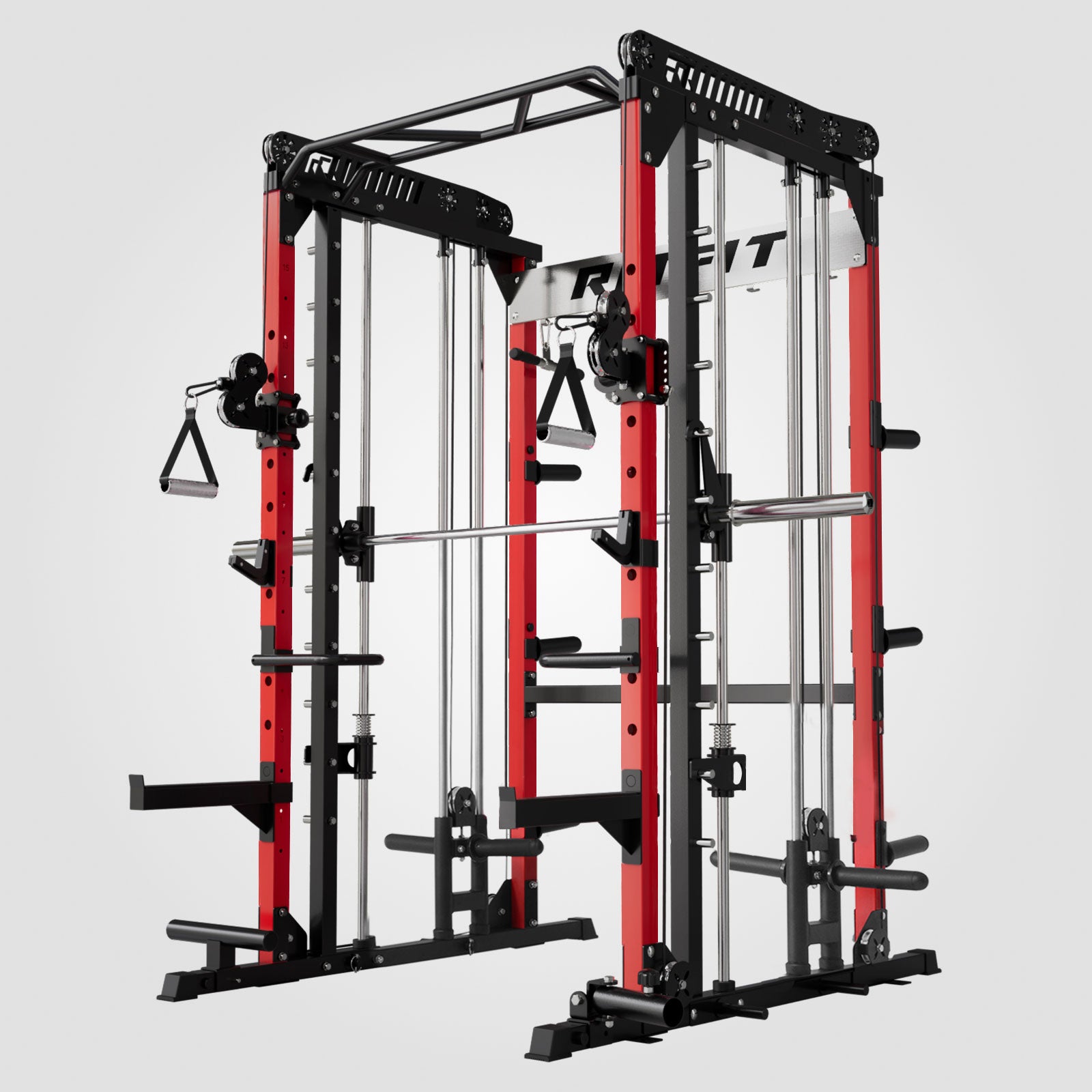
For lifters building a complete strength station, a Smith machine home gym setup can support controlled solo lifting when used with correct form and conservative loading.
Essential Home Gym Equipment for Failure Training
The best equipment for failure training is equipment that controls risk before fatigue begins. Prioritize stable support, predictable setup, and enough space to exit a failed lift safely.
- Power rack or Smith machine: Use a stable rack or Smith machine for solo barbell work. A power cage with smooth cable system can support compound lifts and cable based accessory work in one training area.
- Adjustable bench: Choose a bench that stays stable during pressing, rows, and seated cable work. The RitFit GATOR adjustable weight bench fits the article context because bench stability matters during hard upper body sets.
- Safety pins and collars: Safety pins should be tested before every heavy work set. Collars help keep plates secure when fatigue changes bar control.
- Flooring: Use protective flooring to create traction, reduce equipment movement, and protect the training surface. A dedicated home gym flooring mat setup supports safer lifting zones.
- Cables and attachments: Cable work is useful because many isolation exercises are easier to take close to failure with lower whole body risk. Accessories such as lat pulldown cable machine attachments can expand back, arm, and shoulder training options.
The Three Laws of a Safer Laboratory
High effort training should be governed by rules that protect form, recovery, and progression. These laws replace the old idea that every set must be pushed to uncontrolled failure.
1. The Controlled Cadence Law
Use a controlled lifting tempo that removes momentum and keeps tension on the target muscles. Slower tempos can increase time under tension, but they may also reduce total repetitions and training volume, so use them deliberately rather than automatically.[2]
2. The Technical Failure Law
Stop compound lifts when technique breaks, not when survival becomes the goal. Squat, bench press, and deadlift patterns are commonly associated with lifting injuries, so home training should use safety setup and conservative progression before maximal effort.[3]
3. The Logbook Law
Record load, repetitions, estimated reps in reserve, rest time, and any form breakdown. Progress is easier to manage when each session gives you data instead of a memory of effort.
The 12 Week Home Lab Induction Program
This 12 week plan moves from technique control to selective high effort training. Train two days per week at first, then adjust only if strength, sleep, soreness, and motivation show that recovery is keeping pace.
Phase 1: Weeks 1 to 4, Technique and Safety Setup
Start by building repeatable movement patterns and safe equipment habits. Stop each set with two to three reps in reserve so the body learns the lift without excessive fatigue.
- Frequency: Train twice per week with at least two rest days between sessions.
- Intensity: Stop before form breaks and avoid true failure.
- Main lifts: Use squat pattern, bench press, row, overhead press, hinge pattern, curl, and triceps extension.
- Setup goal: Practice rack height, safety pin height, bench position, and controlled breathing every session.
Phase 2: Weeks 5 to 8, Controlled Near Failure
Move closer to failure only after the setup is consistent. Most compound lifts should stop at zero to two reps in reserve, while selected cable or machine isolation work may reach technical failure.
- Progression: Add small weight increases only when the previous session met the target reps with stable form.
- Compound lifts: Use near failure, not reckless grinding.
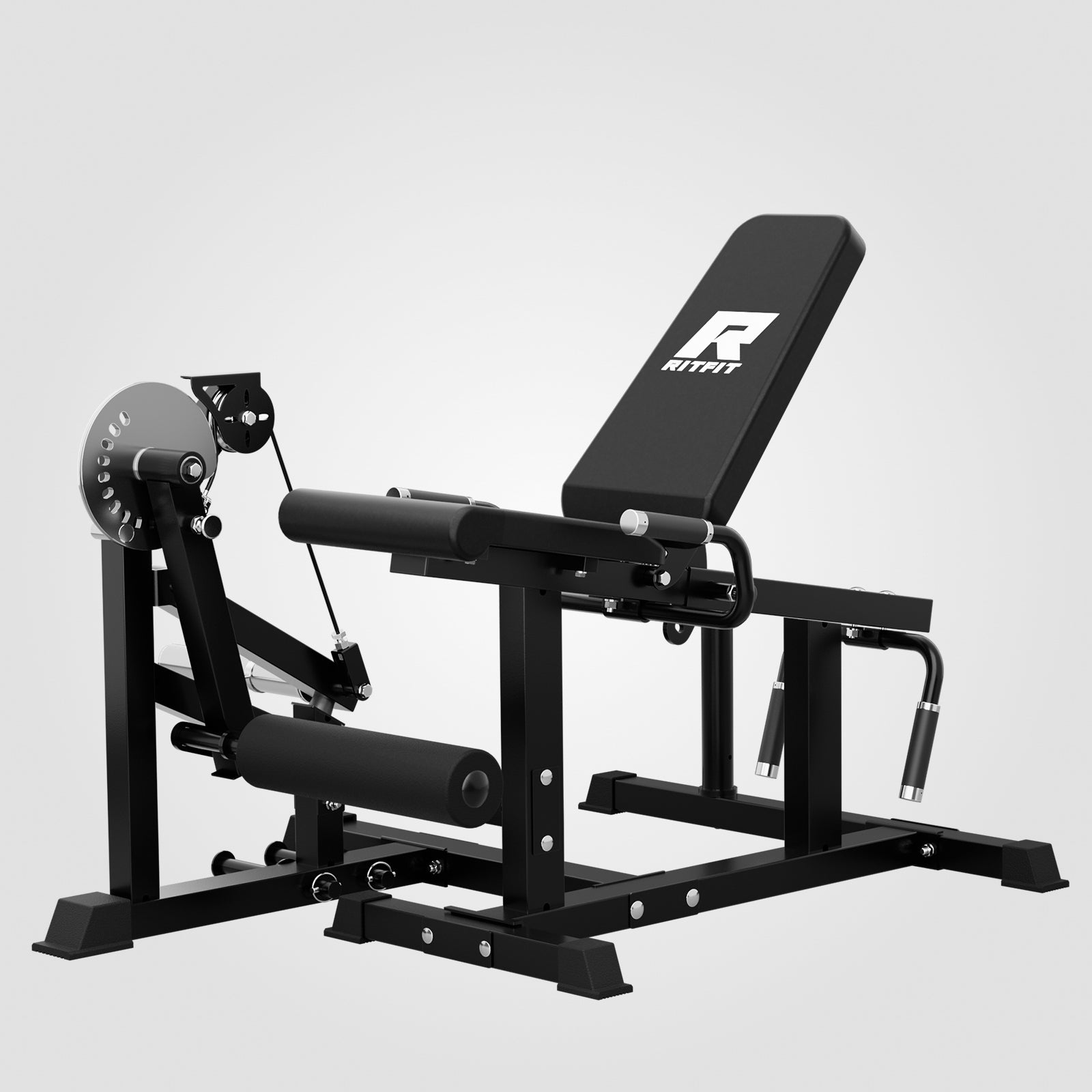
- Isolation lifts: Cable rows, curls, triceps extensions, and leg extensions can be taken closer to true failure when control remains high.
- Equipment fit: A Smith machine with cable crossover and leg press package can serve lifters who want compound, cable, and leg training options in one home gym layout.
Phase 3: Weeks 9 to 12, Selective Intensity Methods
Add intensity methods only to exercises where failure does not create a dangerous exit problem. Use static holds, rest pause, or slow eccentrics mainly on cable, machine, and isolation movements.
- Leg cycle: Use leg extensions before controlled squat pattern work if your knees and technique tolerate it.
- Back cycle: Pair straight arm pulldowns with close grip cable rows for lat focused pre fatigue.
- Chest cycle: Pair cable flyes with a controlled press, but stop pressing when bar path or shoulder position breaks.
- Load support: For barbell work, Olympic bumper plates can help build a more complete home strength setup.
Optimizing the Laboratory Environment
Your home gym environment should reduce friction and increase repeatability. The goal is to make safe setup automatic before intensity rises.
- Air quality: Keep the room ventilated and cool enough to prevent early overheating. A fan and open airflow can make hard sets more tolerable.
- Lighting: Use clear overhead lighting so bar path, depth, and posture are easy to see. Poor visibility makes technical failure harder to identify.
- Training zone: Keep plates, dumbbells, handles, and storage outside the bar path. A clean lifting space reduces trip risks during fatigue.
- Accessory storage: Keep cable handles, collars, and small equipment within reach. The rack attachments collection is relevant when building a more organized training station.
Nutrition and Recovery for High Effort Training
Your home gym stimulates adaptation, but nutrition and recovery decide whether that stimulus becomes progress. Total daily protein, enough calories, sleep, and consistent meal timing matter more than a rigid 30 minute window.
Protein supplementation can support resistance training gains in healthy adults, but research suggests benefits may plateau once total protein intake reaches about 1.6 g per kilogram per day.[4]
- Protein target: Build meals around high quality protein across the day. Most lifters should solve total intake before worrying about exact timing.
- Post workout meal: Eat a protein rich meal near training when convenient. Add carbohydrates when the session is long, demanding, or part of a high volume week.
- Hydration: Drink according to thirst, sweat rate, body size, climate, and session length. People with kidney, heart, or blood pressure conditions should follow clinician guidance.
- Recovery check: If performance drops for multiple sessions, reduce intensity before adding more work. Persistent fatigue is a programming signal, not a character flaw.
Common Home Gym Failure Training Mistakes
Most failure training problems come from poor setup, poor exercise selection, or poor recovery. Fix those first before adding more intensity.
- Setting pins too low: Pins should catch the bar before your body is trapped. Test the empty bar before loading plates.
- Failing on the wrong lifts: True failure is usually safer on cable and isolation work than on heavy squats or deadlifts. Use technical failure for complex barbell lifts.
- Adding intensity too soon: Do not use static holds, forced reps, or rest pause before technique is stable. Advanced methods magnify both stimulus and mistakes.
- Ignoring recovery: A home gym is always available, but that does not mean your nervous system and connective tissue are ready. Schedule rest with the same seriousness as training.
- Skipping warmups: Warmups prepare joints, tissue, and skill before high effort sets. A better warmup often makes the work set safer and more productive.
FAQs
Can you train to failure safely in a home gym?
Yes. You can train to failure safely in a home gym when the lift, load, and safety setup match your skill level. Use safety pins, controlled tempo, conservative progression, and technical failure as your main stop point for compound lifts.
What equipment do you need for home gym failure training?
A safe home gym failure training setup needs a stable rack or Smith machine, an adjustable bench, secure collars, proper flooring, and a clear lifting zone. Cable attachments and bumper plates can add exercise variety, but safety settings matter more than equipment quantity.
Is training to failure necessary for muscle growth?
No. Training to failure is not required for muscle growth, because hard sets close to failure can also build strength and size. Use true failure selectively on controlled movements, while keeping heavy compound lifts focused on stable technique.
How should safety pins be set for solo squats and bench press?
Set safety pins just below the lowest safe point of your movement before loading the bar. Test the empty bar against the pins first, because the correct height should protect you without shortening your normal range of motion.
Should beginners train to failure at home?
No. Beginners should first learn consistent technique, bracing, rack setup, and controlled tempo before using true failure. A better starting point is stopping one to three reps before failure, then progressing only when form stays stable.
How many days per week should you train near failure?
Most lifters can start with two hard strength sessions per week and adjust from performance feedback. Add frequency only when sleep, soreness, motivation, and logged strength numbers show that recovery is keeping up with training stress.
Can a Smith machine help with safer solo lifting?
Yes. A Smith machine can support safer solo lifting by giving a fixed bar path and predictable setup. It does not replace good form, correct safety settings, or conservative loading, especially during squats, presses, and fatigue based sets.
What should you eat after high intensity home gym training?
Eat enough total daily protein first, then place a protein rich meal near your workout when convenient. Protein supplementation can support resistance training adaptations, but total intake, meal consistency, calories, sleep, and recovery habits drive most long term progress.
Conclusion: Build Intensity Around Control
The Laboratory of Iron is not about reckless suffering, it is about controlled effort, repeatable setup, and honest progress tracking. Build the home gym around safety first, then use near failure and selective failure training to make every hard set measurable, productive, and recoverable.
Disclaimer
This article is for general fitness education only and is not medical advice. Consult a qualified healthcare professional or certified coach before beginning high intensity resistance training, especially if you are new to lifting, injured, recovering from illness, pregnant, or managing a medical condition.
References
- Grgic J, Schoenfeld BJ, Orazem J, Sabol F. Effects of resistance training performed to repetition failure or non failure on muscular strength and hypertrophy: a systematic review and meta analysis. J Sport Health Sci. 2022;11(2):202-211. doi:10.1016/j.jshs.2021.01.007
- Wilk M, Golas A, Stastny P, Nawrocka M, Krzysztofik M, Zajac A. Does tempo of resistance exercise impact training volume? J Hum Kinet. 2018;62:241-250.
- Bengtsson V, Berglund L, Aasa U. Narrative review of injuries in powerlifting with special reference to their association to the squat, bench press and deadlift. BMJ Open Sport Exerc Med. 2018;4(1):e000382. doi:10.1136/bmjsem-2018-000382
- Morton RW, Murphy KT, McKellar SR, et al. A systematic review, meta analysis and meta regression of the effect of protein supplementation on resistance training induced gains in muscle mass and strength in healthy adults. Br J Sports Med. 2018;52(6):376-384. doi:10.1136/bjsports-2017-097608