








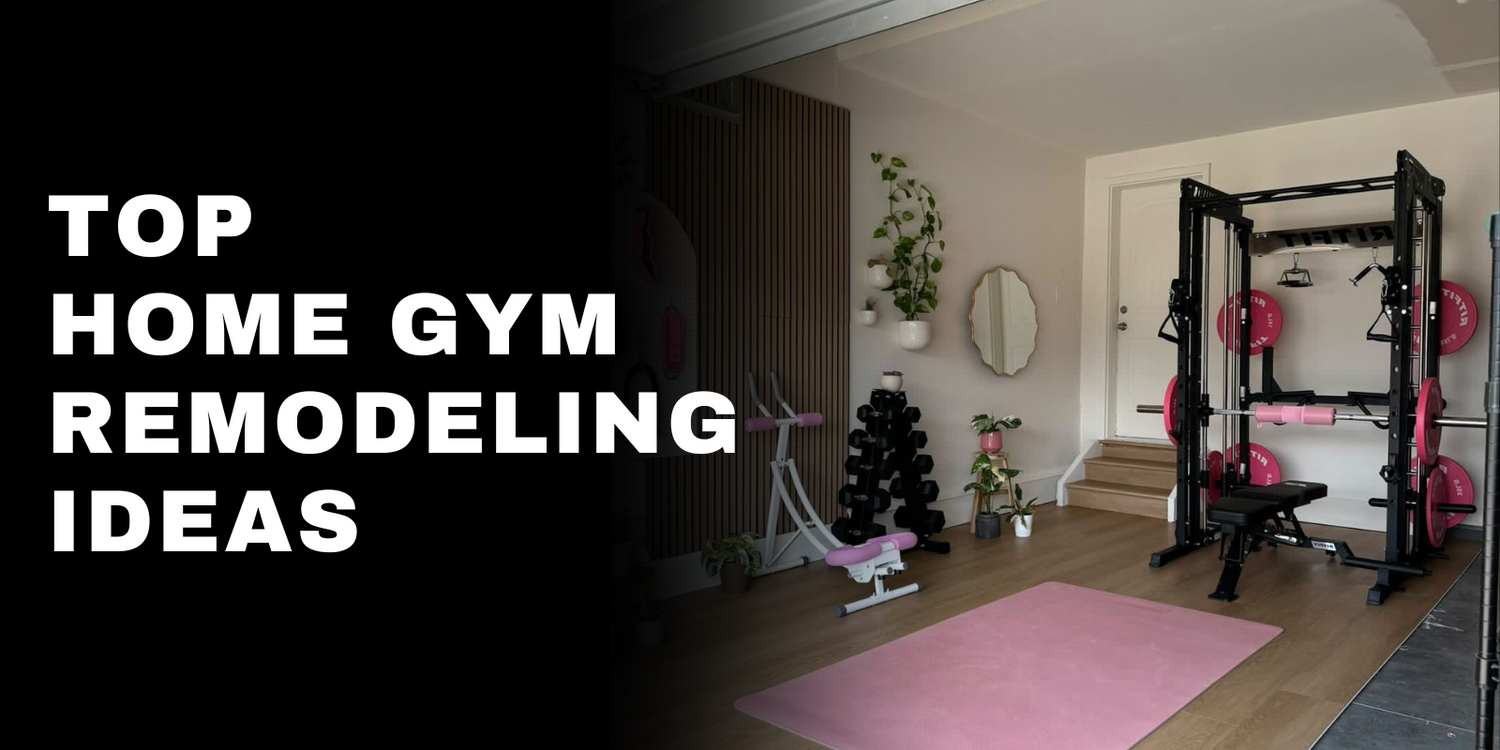
Home gym remodeling is the process of upgrading your workout space so it is safer, more comfortable, and easier to use consistently. The best remodel starts with flooring, airflow, layout, storage, and equipment choices before cosmetic upgrades.
This guide keeps the original structure of permanent and removable upgrades, then adds budget planning, safety notes, and space saving ideas for garage gyms, basements, spare rooms, and compact home workout areas.
Key Takeaways
- Start with safety: Upgrade flooring, lighting, airflow, and clear walkways before adding more equipment.
- Plan before buying: Measure floor space, ceiling height, door clearance, and storage zones before choosing racks or machines.
- Fix clutter early: Better plate, dumbbell, and wall storage can make the same room feel larger.
- Choose upgrades by training style: Strength training, HIIT, mobility work, and general fitness require different flooring and layout choices.
- Balance permanent and removable upgrades: Renters and future movers should prioritize mats, platforms, freestanding storage, and compact equipment.
- What Is Home Gym Remodeling?
- Why Home Gym Remodeling Matters
- How to Plan Your Home Gym Remodel Before Buying Anything
- Structure Focused Home Gym Remodeling Ideas
- Equipment Focused Home Gym Remodeling Ideas
- Budget Friendly Home Gym Remodeling Ideas
- Small Space, Garage, and Basement Remodel Tips
- Home Gym Remodeling Mistakes to Avoid
- Final Home Gym Remodel Checklist
What Is Home Gym Remodeling?
Home gym remodeling means improving the room around your training routine, not simply decorating the space. It includes layout, flooring, ventilation, lighting, storage, noise control, and equipment upgrades that make workouts safer and easier to repeat.
A good remodel should answer one practical question first, what is stopping you from training comfortably right now. For some people, the answer is heat and stale air, while for others it is slippery flooring, scattered plates, low ceiling height, or equipment that no longer matches their goals.
Why Home Gym Remodeling Matters
A better home gym should make resistance training more consistent, because resistance training can support strength, muscle mass, bone density, and health related quality of life.[1] A remodeled space should reduce setup friction so the room feels ready when you are ready to train.
Home based exercise can be hard to maintain when motivation, support, convenience, and environment are weak.[2] That is why smart home gym remodeling focuses on the full training experience, not only on buying more equipment.
How to Plan Your Home Gym Remodel Before Buying Anything
Start your home gym remodel by measuring the space, defining your training style, and deciding which upgrades are permanent. This prevents expensive mistakes and helps you choose equipment that fits the room instead of forcing the room to fit the equipment.
- Measure the real training zone: Record wall to wall dimensions, ceiling height, door swing, outlet placement, and open floor area. Leave room to walk around racks, benches, dumbbells, and loaded barbells.
- Define your main training style: Strength training needs stable flooring, racks, benches, and plates. HIIT, mobility, and conditioning need more open floor space and impact control.
- Separate permanent upgrades from removable upgrades: Permanent upgrades include windows, wiring, insulation, HVAC work, wall mounting, and built in flooring. Removable upgrades include mats, mirrors, fans, freestanding storage, benches, and lifting platforms.
- Plan storage before adding equipment: A crowded gym feels smaller and creates trip hazards. Plate trees, wall hooks, dumbbell racks, and rack mounted storage often solve the problem before a larger remodel is needed.
- Set upgrade priorities: Safety should come first, followed by storage, training versatility, comfort, and visual design. Paint and decor matter, but they should not replace flooring, airflow, or equipment clearance.
Structure Focused Home Gym Remodeling Ideas
Structure focused upgrades improve the room itself, including airflow, flooring, lighting, walls, sound control, and visibility. These are the best first upgrades when your current home gym feels hot, loud, cramped, dark, or uncomfortable.
Ventilation and Airflow
Improve ventilation first if your gym feels hot, humid, stale, or hard to breathe in during workouts. Indoor training spaces can accumulate heat, humidity, odors, and airborne particles when ventilation is poor, so fans, windows, dehumidifiers, air purifiers, or HVAC reviews can make the room more comfortable.[3]
Flooring and Impact Protection
Upgrade flooring when your current surface is slippery, thin, loud, or easy to damage. For strength training, interlocking rubber gym flooring mats can help protect the subfloor and create a more stable base for lifting.
Soundproofing and Vibration Control
Sound control matters if your gym sits above living space, near neighbors, or inside a shared home. Rubber flooring, impact pads, careful deadlift zones, and controlled lowering habits can reduce vibration better than thin decorative mats.
Paint and Wall Finish
Paint can refresh a home gym quickly, but the best paint choice depends on room size, lighting, and cleaning needs. Light colors can make small rooms feel open, while washable finishes help manage chalk marks, sweat, scuffs, and equipment contact.
Lighting and Visibility
Good lighting helps you see your setup, foot position, and bar path clearly. Use bright overhead lighting, avoid harsh glare near mirrors, and add task lighting near racks, benches, cable stations, or storage walls.
Mirrors and Training Feedback
Mirrors can make a home gym feel larger and help you check basic alignment during warmups or lighter sets. They should be installed securely and positioned where they support visibility without distracting from heavy lifts.
Windows and Natural Light
Natural light can make a home gym more inviting, especially in basements, garages, and spare rooms that feel closed off. Window installation is a permanent project, so check moisture control, privacy, structural limits, and local building requirements before cutting into walls.
Equipment Focused Home Gym Remodeling Ideas
Equipment focused upgrades are easier to reverse than structural changes and often deliver the fastest improvement. Start with the equipment that solves your biggest bottleneck, such as clutter, limited exercise variety, or lack of a stable lifting zone.
Lifting Platform
A lifting platform is a smart upgrade if you deadlift, practice Olympic style lifts, or want to protect garage concrete from repeated impact. It can sit above existing flooring, making it useful for lifters who want a dedicated heavy zone without replacing the entire floor.
Plate Storage
Plate storage should come before buying more plates if your gym already feels crowded. Use plate trees, rack storage, or the weight storage solutions collection to keep loading areas clear and reduce floor clutter.
Dumbbell Zone
A compact dumbbell zone is one of the most space efficient ways to expand training variety. A set of rubber hex dumbbells works well for presses, rows, split squats, carries, curls, and accessory work in small rooms.
Adjustable Bench
An adjustable bench adds pressing, rowing, incline, seated, and core training options without taking over the room. A sturdy adjustable weight bench is especially useful when your remodel includes dumbbells, a rack, or a cable station.
Power Rack or Rack Package
A rack is a strong centerpiece for a remodel focused on squats, bench press, pull ups, and barbell strength work. Browse power rack packages if you want one main station that can support safer solo lifting and organized accessory storage.
Smith Machine Station
A Smith machine station can help lifters create a guided barbell training area when they want more structure than free weight lifting alone. The Smith machine collection is most relevant when your remodel goal is a more complete strength training hub.
Cable Training Area
A cable station adds rows, pulldowns, flyes, triceps work, curls, and functional movements without requiring several separate machines. A cable crossover machine works best when the room has enough side clearance and a clear walkway around the handles.
Bumper Plate Setup
Bumper plates are useful when your remodel includes deadlifts, Olympic style practice, or barbell lifts from the floor. Consider color bumper plates if you want clearer weight identification and a more organized lifting zone.
Budget Friendly Home Gym Remodeling Ideas
A home gym remodel does not need to start with a full renovation. Many of the highest impact upgrades are simple, removable, and focused on safety, comfort, and organization.
Under 100 Dollars
Start with wall hooks, a better fan, LED lighting, basic storage bins, cleaning supplies, and small accessories that reduce clutter. These upgrades are simple, but they make the room easier to use every week.
Under 300 Dollars
Choose rubber mats, mirror panels, a dumbbell rack, plate storage, or a stronger fan if your gym already has basic equipment. This range is ideal for fixing the room before expanding your gear collection.
Under 500 Dollars
Consider a lifting platform, adjustable bench, larger storage system, or more durable flooring in the most active training zone. This budget level can meaningfully change how safe and organized the room feels.
Higher Investment Upgrades
Save larger budgets for a rack, Smith machine, cable station, complete flooring replacement, HVAC work, or electrical changes. These upgrades should match your long term training plan and the physical limits of the room.
Small Space, Garage, and Basement Remodel Tips
The best home gym remodeling ideas change based on the room. A garage, basement, spare bedroom, and rental space each need a different balance of flooring, airflow, storage, and equipment size.
Small Room Home Gym
Use vertical storage, foldable or adjustable equipment, and one clear movement lane. Avoid oversized single purpose machines unless they directly support your main training goal.
Garage Gym Remodel
Prioritize temperature control, moisture resistant flooring, plate storage, and protection from dust or damp concrete. Garage gyms often need stronger airflow and better storage than indoor spare rooms.
Basement Gym Remodel
Focus on humidity control, bright lighting, ceiling height, and sound reduction. Before buying a tall rack or cable system, confirm that the full movement path fits under the ceiling.
Rental Friendly Home Gym
Choose removable mats, freestanding mirrors, portable fans, compact racks, and storage that does not require drilling. Avoid permanent wiring, wall anchors, and built in flooring unless your lease clearly allows them.
Home Gym Remodeling Mistakes to Avoid
The most common home gym remodeling mistakes happen when equipment comes before layout. Traditional resistance training is generally one of the safer forms of resistance training when technique, load, and environment are controlled, so your remodel should support safe setup and controlled movement.[4]
- Buying equipment before measuring: Always measure ceiling height, door clearance, bench travel, bar path, and walking space before ordering large equipment.
- Ignoring airflow: A gym that feels hot, humid, or stale becomes harder to use consistently.
- Using thin flooring for heavy lifting: Thin foam is not a substitute for rubber gym flooring or a platform in heavy impact zones.
- Blocking movement lanes: Keep at least one clear path for walking, carrying dumbbells, and setting up benches.
- Skipping storage: Plates, bands, handles, mats, and dumbbells need assigned homes before the room fills up.
- Overdecorating too early: Paint, posters, and media systems are valuable, but they should not come before safety and usability.
- Forgetting future expansion: Leave space for extra plates, attachments, a bench, or a cable upgrade if your training goals are growing.
Final Home Gym Remodel Checklist
Use this checklist before making major purchases or permanent changes. A strong remodel should make the space safer, cleaner, easier to organize, and better aligned with your training goals.
- Flooring: Choose a surface that matches your training style and protects the room.
- Airflow: Add ventilation, fans, humidity control, or professional HVAC support when needed.
- Lighting: Make sure racks, benches, mirrors, and storage areas are easy to see.
- Storage: Give plates, dumbbells, bands, attachments, and bars a dedicated place.
- Training zone: Keep enough open space for movement, loading, spotting, and walking.
- Equipment fit: Confirm ceiling height, footprint, cable travel, and bench clearance before buying.
- Noise control: Use rubber flooring, platforms, and controlled lifting habits in shared spaces.
- Long term plan: Choose upgrades that support your next year of training, not just your current setup.
FAQs
What is the first upgrade for a home gym remodel?
Start with flooring, airflow, lighting, and clear walking space because these upgrades improve safety before you add more equipment. Once the room can handle movement, sweat, impact, and storage, it becomes easier to choose racks, dumbbells, benches, or cable equipment without overcrowding the space.
How much does a basic home gym remodel cost?
A basic home gym remodel can start with a small budget if you focus on mats, lighting, fans, and storage first. Larger upgrades such as full rubber flooring, wall storage, a lifting platform, or a Smith machine can cost more, so prioritize safety and training value before style.
Can I remodel a home gym in a small room?
Yes. A small home gym can work well when you use vertical storage, adjustable equipment, and one clear training lane. Avoid filling the room with single purpose machines unless they match your main goal, because open space is often more valuable than another piece of equipment.
What flooring is best for a home gym remodel?
Rubber gym flooring is usually the best choice for strength training because it protects the floor and creates a more stable training surface. Use thicker mats or a platform for heavier barbell work, and check the subfloor if the room is above ground level.
Do I need ventilation for a home gym remodel?
Yes. Ventilation helps control heat, humidity, odor, and stale air during hard repeated workouts. A fan, window, dehumidifier, air purifier, or HVAC review can improve overall comfort, but permanent HVAC or window changes should be checked by a qualified professional.
Should I buy more equipment or improve storage first?
Improve storage first if your current gym feels crowded, because clutter reduces usable training space and creates trip hazards. Plate trees, wall hooks, dumbbell racks, and rack integrated storage can make the same room feel larger before you invest in heavier equipment.
Which equipment upgrade is best for a remodeled home gym?
The best equipment upgrade is the one that matches your main training style and available space. Many lifters benefit from a power rack, Smith machine, adjustable bench, dumbbells, or cable station because these options support multiple movements without turning the room into a storage problem.
Can renters use home gym remodeling ideas without permanent changes?
Yes. Renters can use removable mats, freestanding racks, portable fans, mirrors with safe mounting solutions, and compact storage without changing the building. Avoid drilling, wiring, or permanent flooring changes unless your lease allows them and the installation can be reversed safely.
Conclusion
A successful home gym remodel does not need to be expensive, but it does need to be intentional. Start with the upgrades that protect your floor, improve airflow, reduce clutter, and make training easier to repeat.
Once the room is safe and organized, add equipment that supports your main training style. A better home gym is not just a better looking room, it is a space that helps you train more consistently.
Disclaimer
This article is for general education and home gym planning only. For electrical work, HVAC changes, structural flooring, wall mounting, windows, load bearing concerns, or injury related questions, consult qualified professionals before making permanent changes or lifting heavy equipment.
References
- Hart PD, Buck DJ. The effect of resistance training on health related quality of life in older adults: systematic review and meta analysis. Health Promot Perspect. 2019;9(1):1-12. doi:10.15171/hpp.2019.01.
- Ricke E, Dijkstra A, Bakker EW. Prognostic factors of adherence to home based exercise therapy in patients with chronic diseases: a systematic review and meta analysis. Front Sports Act Living. 2023;5:1035023. doi:10.3389/fspor.2023.1035023.
- Peixoto C, Pereira MC, Morais S, Slezakova K. Assessment of indoor air quality in health clubs: insights into ultrafine and coarse particles and gaseous pollutants. Front Public Health. 2023;11:1310215. doi:10.3389/fpubh.2023.1310215.
- Serafim TT, de Oliveira ES, Maffulli N, et al. Which resistance training is safest to practice? A systematic review. J Orthop Surg Res. 2023;18(1):296. doi:10.1186/s13018-023-03781-x.





