The lying triceps extension is a triceps isolation exercise that trains elbow extension while keeping the upper arms mostly fixed. It is also known as the skull crusher, and it can be done with dumbbells, an EZ bar, a straight bar, bands, or a cable setup.
This guide explains proper form, muscles worked, safe variations, elbow pain fixes, programming, and home gym equipment options for building stronger triceps with better control.
Key Takeaways
- The lying triceps extension isolates the triceps: The goal is to move mainly at the elbows while keeping the upper arms stable.
- The behind the head path increases stretch: This version may create more long head tension, but it should never cause elbow or shoulder pain.
- Dumbbells are often the most joint friendly option: A neutral grip lets each arm move naturally and helps reduce wrist stress.
- Elbow pain is usually a form or loading problem: Lower the weight, warm up longer, and choose a grip that feels stable.
- A stable bench improves every variation: A flat or adjustable bench helps you keep your torso and shoulders controlled.
Table of Contents
- What Is the Lying Triceps Extension?
- Lying Triceps Extension Muscles Worked
- How to Do the Lying Triceps Extension
- Lying Triceps Extension Form Cues
- Benefits of the Lying Triceps Extension
- Best Lying Triceps Extension Variations
- Skull Crushers vs French Press
- Common Mistakes to Avoid
- Programming the Lying Triceps Extension
- Home Gym Equipment Recommendations
What Is the Lying Triceps Extension?
The lying triceps extension is an isolation movement where you lie on a bench and lower weight by bending only at the elbows. The exercise targets the triceps by reducing the amount of chest and shoulder help used during pressing movements.
The movement is commonly called a skull crusher when the weight travels toward the forehead. It is often called a French press when the weight travels farther behind the head for a deeper triceps stretch.
- Lying triceps extension: The technical name for the exercise pattern.
- Skull crusher: The common name for the forehead path version.
- French press: The common name for the behind the head path version.
- Dumbbell lying triceps extension: A joint friendly variation that lets each arm work independently.
Lying Triceps Extension Muscles Worked
The lying triceps extension mainly works the triceps brachii, the primary muscle group on the back of the upper arm. The triceps is strongly involved in elbow extension, which is why this movement is useful for arm training and pressing strength.[1]
| Muscle | Role in the Exercise | Training Note |
|---|---|---|
| Long head of triceps | Helps extend the elbow and is influenced by shoulder position | Often feels more stretched when the weight moves behind the head |
| Lateral head of triceps | Contributes to strong elbow extension | Often emphasized in controlled skull crusher patterns |
| Medial head of triceps | Supports elbow extension through the full rep | Important for stable and complete lockout control |
| Anconeus | Assists elbow extension | Works as a smaller support muscle near the elbow |
| Forearm stabilizers | Maintain wrist and grip position | Neutral wrists help reduce joint stress |
The long head crosses the shoulder and elbow, so shoulder angle can change how the triceps contributes during elbow extension. Research on triceps head function suggests that each head may play a different role as shoulder position changes, which supports rotating forehead and behind the head variations rather than treating one as universally best.[2]
How to Do the Lying Triceps Extension
Proper lying triceps extension form keeps tension on the triceps while reducing stress on the elbows, wrists, and shoulders. Use light to moderate weight, a stable bench, and a grip that lets your wrists stay stacked over your forearms.
- Step 1: Set your bench and grip: Lie on a flat bench with your feet planted and shoulder blades lightly pulled back. Hold dumbbells, an EZ bar, or a bar with your hands about shoulder width apart.
- Step 2: Start over your chest: Extend your arms above your chest with your wrists aligned over your elbows. Keep your ribs down and avoid arching hard to move the weight.
- Step 3: Bend at the elbows: Lower the weight by bending only at the elbows. Stop when you feel a strong triceps stretch without joint pain.
- Step 4: Extend with control: Drive the weight back up by squeezing your triceps. Finish with smooth elbow extension instead of snapping the joints.
- Step 5: Reset before the next rep: Pause briefly at the top and check that your elbows have not flared wide. Reduce the weight if your upper arms swing or your wrists bend backward.
Lying Triceps Extension Form Cues
The best form cue is simple, keep the upper arms stable and let the elbows do the work. This preserves triceps isolation and prevents the exercise from turning into a short range press.
- Keep elbows narrow: Your elbows should stay roughly shoulder width apart. Wide elbows can shift stress away from the triceps and make the movement feel rougher on the joints.
- Use a controlled lowering phase: Lower the weight slowly enough to own the bottom position. Controlled movement tempo is one useful variable in resistance training planning, especially when the goal is skill, tension, and fatigue management.[3]
- Keep wrists neutral: Your knuckles should not collapse backward under the weight. Switch to dumbbells or an EZ bar if a straight bar irritates your wrists.
- Do not force depth: Lower until you feel a triceps stretch without pain. More range is not better if it causes sharp elbow or shoulder discomfort.
- Squeeze without snapping: Extend the elbows fully under control. Avoid aggressive lockouts that turn the top position into joint stress instead of muscle tension.
Benefits of the Lying Triceps Extension
The lying triceps extension is valuable because it trains the triceps directly with simple equipment. It also works well in home gyms because a bench and dumbbells are enough for an effective setup.
- Direct triceps isolation: The exercise limits chest and shoulder contribution compared with close grip pressing. This helps lifters add focused triceps volume after compound push movements.
- Useful long head stimulus: The behind the head version places the triceps in a stretched position. Stretch related tension is one reason longer muscle length training is often discussed in hypertrophy research, but comfort and control still matter most.[4]
- Better pressing support: Stronger triceps can help with the lockout portion of bench press, overhead press, and push ups. This makes the exercise useful for both arm size and upper body strength.
- Easy home gym setup: You can train the movement with a stable bench and dumbbells. Explore RitFit adjustable weight benches if you want one bench for flat, incline, and seated arm training.
- Imbalance control: Dumbbell variations make each arm work independently. This helps reduce compensation from the stronger side.
Best Lying Triceps Extension Variations
The best variation depends on your equipment, joint comfort, and training goal. Start with the version that feels smoothest, then rotate variations when progress slows or your elbows need a different stress pattern.
| Variation | Best For | Main Benefit | Safety Note |
|---|---|---|---|
| Dumbbell lying triceps extension | Beginners and home gym users | Neutral grip and independent arm control | Keep both elbows from drifting outward |
| EZ bar skull crusher | Intermediate lifters | Comfortable grip and easier loading | Do not chase heavy weight at the cost of form |
| Straight bar lying extension | Experienced lifters with good wrist tolerance | Stable bar path and simple setup | Switch tools if the wrists bend backward |
| Cable lying triceps extension | Constant tension training | Smooth resistance through the rep | Set the bench and pulley before loading |
| Incline lying triceps extension | Long head emphasis and training variety | Changes the shoulder angle and stretch feel | Use lighter weight until the angle feels natural |
| Single arm dumbbell extension | Left and right side balance | More focus on each arm | Use your free hand to stabilize the working arm if needed |
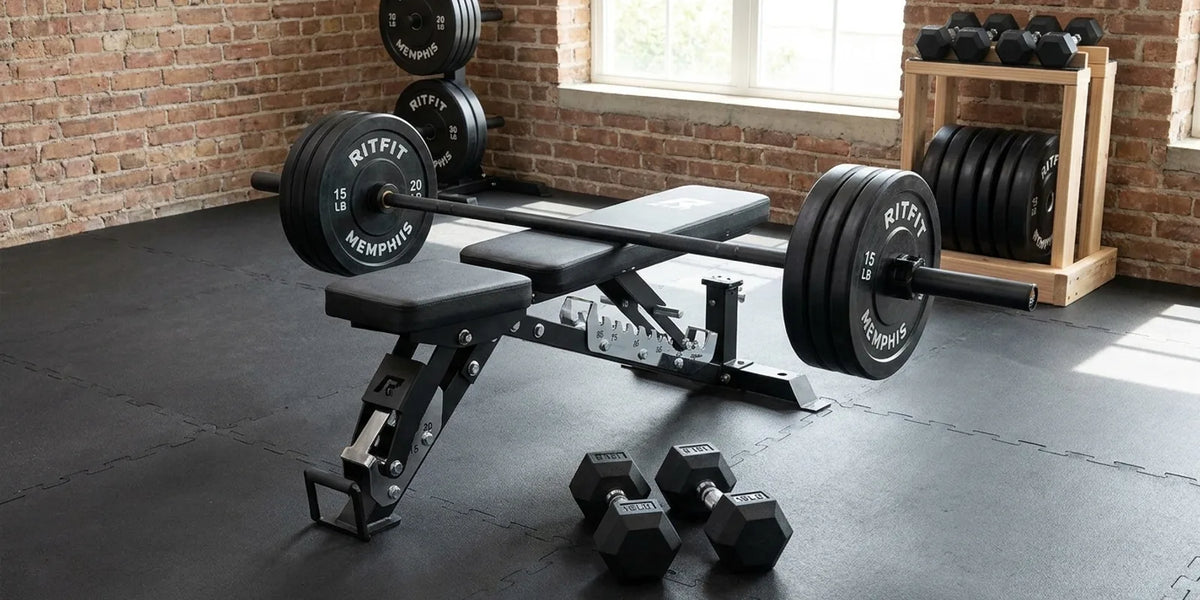
For home training, pair a stable bench with RitFit Hex Rubber Dumbbells or browse the full RitFit dumbbells collection. Dumbbells are often the easiest starting point because they let the wrists and elbows find a more natural path.
Skull Crushers vs French Press
Skull crushers and French presses are closely related, but the bar path is different. Skull crushers usually lower toward the forehead, while French presses lower behind the head for more stretch.
| Exercise Name | Weight Path | Best Use | Who Should Choose It |
|---|---|---|---|
| Skull crusher | Toward the forehead | Controlled triceps isolation | Lifters learning strict elbow extension |
| French press | Behind the head | More triceps stretch | Lifters with healthy elbows and shoulders |
| Dumbbell lying extension | Forehead or slightly behind head | Joint friendly home training | Beginners, home gym users, and wrist sensitive lifters |
Use both patterns if they feel pain free and you can control the weight. If the behind the head version irritates your elbows or shoulders, use a shorter skull crusher path and build tolerance gradually.
Common Mistakes to Avoid
Most lying triceps extension mistakes come from using too much weight or letting the movement turn into a press. Fixing these errors usually improves triceps tension immediately.
| Mistake | Why It Hurts the Exercise | Better Fix |
|---|---|---|
| Elbows flaring outward | Reduces triceps focus and may increase joint stress | Keep elbows near shoulder width |
| Upper arms swinging | Turns the movement into a press | Lower the load and pause at the top |
| Too much weight | Forces momentum and shortens the range | Choose a weight you can control for 8 to 15 reps |
| Wrists bending backward | Adds stress to the wrist joint | Use dumbbells, an EZ bar, or a neutral grip |
| Lowering into pain | Turns stretch into joint irritation | Stop before pain and adjust the angle |
Why Do Skull Crushers Hurt My Elbows?
Skull crushers usually hurt the elbows when the weight is too heavy, the elbows flare too wide, the wrists collapse, or the lifter forces a painful bottom position. The simplest fix is to reduce load, warm up with higher reps, use dumbbells or an EZ bar, and stop the rep before joint pain begins.
| Problem | Likely Cause | Fix |
|---|---|---|
| Sharp elbow pain | Overloaded or irritated tissue | Stop the exercise and choose a pain free alternative |
| Wrist discomfort | Grip angle or collapsed wrist position | Use dumbbells or an EZ bar |
| Shoulder strain | Weight traveling too far behind the head | Shorten the range and use lighter weight |
| No triceps tension | Upper arms moving too much | Keep the elbows fixed and slow the rep down |
Programming the Lying Triceps Extension
Program the lying triceps extension as an accessory exercise after heavier pressing or as part of a focused arm workout. For hypertrophy, research reviews support using a range of loads and repetition zones, as long as volume, effort, and recovery are managed well.[5]
| Goal | Sets | Reps | Rest | Best Variation |
|---|---|---|---|---|
| Muscle growth | 3 to 4 | 8 to 15 | 60 to 90 seconds | Dumbbell, EZ bar, or cable |
| Strength support | 3 to 4 | 6 to 10 | 90 to 120 seconds | EZ bar or controlled barbell version |
| Pump and endurance | 2 to 3 | 15 to 20 | 45 to 60 seconds | Cable, band, or light dumbbells |
| Elbow friendly training | 2 to 3 | 12 to 20 | 60 seconds | Neutral grip dumbbells |
Most lifters should train triceps 2 to 3 times per week if total weekly volume is controlled. Reduce frequency if your elbows feel sore, stiff, or irritated between sessions.
Sample Triceps Workouts
Use lying triceps extensions after your main pressing work or inside a dedicated arm session. Keep the first set conservative, then add load only when every rep stays smooth.
| Workout Type | Exercise Plan | Training Focus |
|---|---|---|
| Arm day | Close grip bench press, EZ bar skull crusher, dumbbell lying extension, rope pushdown | Triceps size and lockout strength |
| Push day | Bench press, overhead press, incline dumbbell press, lying triceps extension, lateral raise | Upper body pressing and arm support |
| Home gym session | Dumbbell lying extension, single arm extension, seated overhead extension, diamond push up | Simple equipment and high control |
| Cable focused session | Lying cable extension, rope pushdown, overhead cable extension, assisted close grip push up | Constant tension and joint friendly volume |
Home Gym Equipment Recommendations
The best home setup for lying triceps extensions is a stable adjustable bench, dumbbells, and optional cable access. A product like the RitFit GATOR 1600LB Adjustable Weight Bench supports flat and incline positions for lying, seated, and overhead triceps variations.
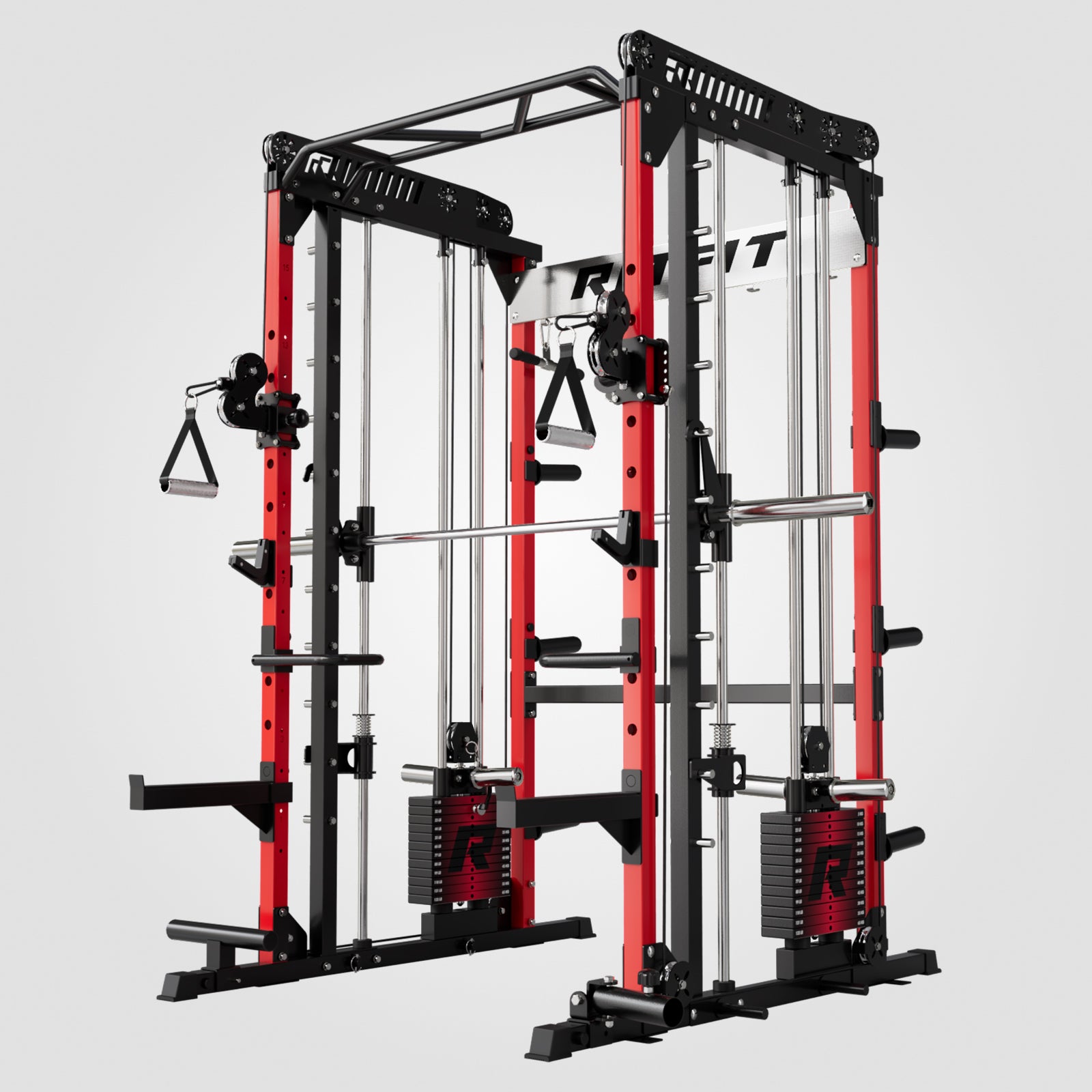
If you want cable based extensions, a RitFit Cable Crossover Machine can provide smoother resistance through the full range. For a larger all in one strength setup, explore the RitFit Smith machine collection or the RitFit M1 Smith Machine with Cable Crossover System.
| Home Gym Need | Best Equipment | Why It Helps |
|---|---|---|
| Basic lying extensions | Adjustable bench and dumbbells | Easy setup and natural wrist position |
| Incline variations | Adjustable weight bench | Changes shoulder angle and triceps stretch |
| Constant tension | Cable machine | Smoother resistance through the full rep |
| Full push day training | Smith machine and cable system | Supports presses, pushdowns, and cable extensions |
Frequently Asked Questions
How do you do lying triceps extensions without elbow pain?
Use lighter weight, keep your elbows near shoulder width, and stop before any sharp pain. Warm up with easy extension movements first, choose dumbbells or an EZ bar if your wrists feel stressed, and avoid forcing the weight too far behind your head.
What muscles do lying triceps extensions work?
Lying triceps extensions mainly work the triceps brachii, including the long head, lateral head, and medial head. The anconeus and forearm stabilizers assist the movement, while the bench position helps reduce chest and shoulder involvement compared with close grip pressing.
Are skull crushers good for beginners?
Yes. Skull crushers can be good for beginners when the load is light and the form is strict. New lifters should start with dumbbells, use a neutral grip, lower slowly, and stop each set before elbows flare or the upper arms start swinging.
Can you do lying triceps extensions with dumbbells?
Yes. Dumbbells are one of the best tools for lying triceps extensions because they let each arm move independently. A neutral grip can feel easier on the wrists and elbows, making dumbbells a smart choice for home gym users and beginners.
Is an EZ bar better than dumbbells for skull crushers?
It depends on your goal and joint comfort. An EZ bar is easier to load and often feels better than a straight bar, while dumbbells give each arm more freedom and help correct side to side strength differences.
Should you lower skull crushers to your forehead or behind your head?
Lower to the forehead for a compact skull crusher, or behind the head for more triceps stretch. Both can work well, but the best choice is the path you can control without elbow pain, shoulder strain, or wrist collapse.
How heavy should skull crushers be?
Use a weight you can control for clean reps without elbow flare or wrist bend. Most lifters should treat skull crushers as a moderate load isolation exercise, not a max strength lift, and progress only when every rep feels smooth.
Do lying triceps extensions build bigger arms?
Yes. Lying triceps extensions can help build bigger arms when they are trained with enough volume, control, and progressive overload. They work best when combined with compound pressing, consistent recovery, and enough total weekly triceps training.
Conclusion
The lying triceps extension is one of the most practical triceps isolation exercises for building arm size, improving pressing support, and training at home. Start with light dumbbells or an EZ bar, keep your upper arms stable, control the lowering phase, and progress only when your elbows feel good.
Disclaimer
This article is for general fitness education only and is not medical advice. If you have elbow, wrist, shoulder, neck, or nerve related pain, consult a qualified healthcare professional before performing lying triceps extensions, skull crushers, or any loaded arm extension exercise.
References
- Landin D Thompson M Jackson M. Functions of the triceps brachii in humans: a review. J Clin Med Res. 2018;10(4):290-293. doi:10.14740/jocmr3340w
- Kholinne E Zulkarnain RF Sun YC Lim S Chun JM Jeon IH. The different role of each head of the triceps brachii muscle in elbow extension. Acta Orthop Traumatol Turc. 2018;52(3):201-205. doi:10.1016/j.aott.2018.02.005
- Wilk M Zajac A Tufano JJ. The influence of movement tempo during resistance training on muscular strength and hypertrophy responses: a review. Sports Med. 2021;51(8):1629-1650. doi:10.1007/s40279-021-01465-2
- Warneke K Lohmann LH Lima CD Hollander K Konrad A Zech A Nakamura M Wirth K Keiner M Behm DG. Physiology of stretch-mediated hypertrophy and strength increases: a narrative review. Sports Med. 2023;53(11):2055-2075. doi:10.1007/s40279-023-01898-x
- Schoenfeld BJ Grgic J Van Every DW Plotkin DL. Loading recommendations for muscle strength, hypertrophy, and local endurance: a re-examination of the repetition continuum. Sports. 2021;9(2):32. doi:10.3390/sports9020032