Table of Contents
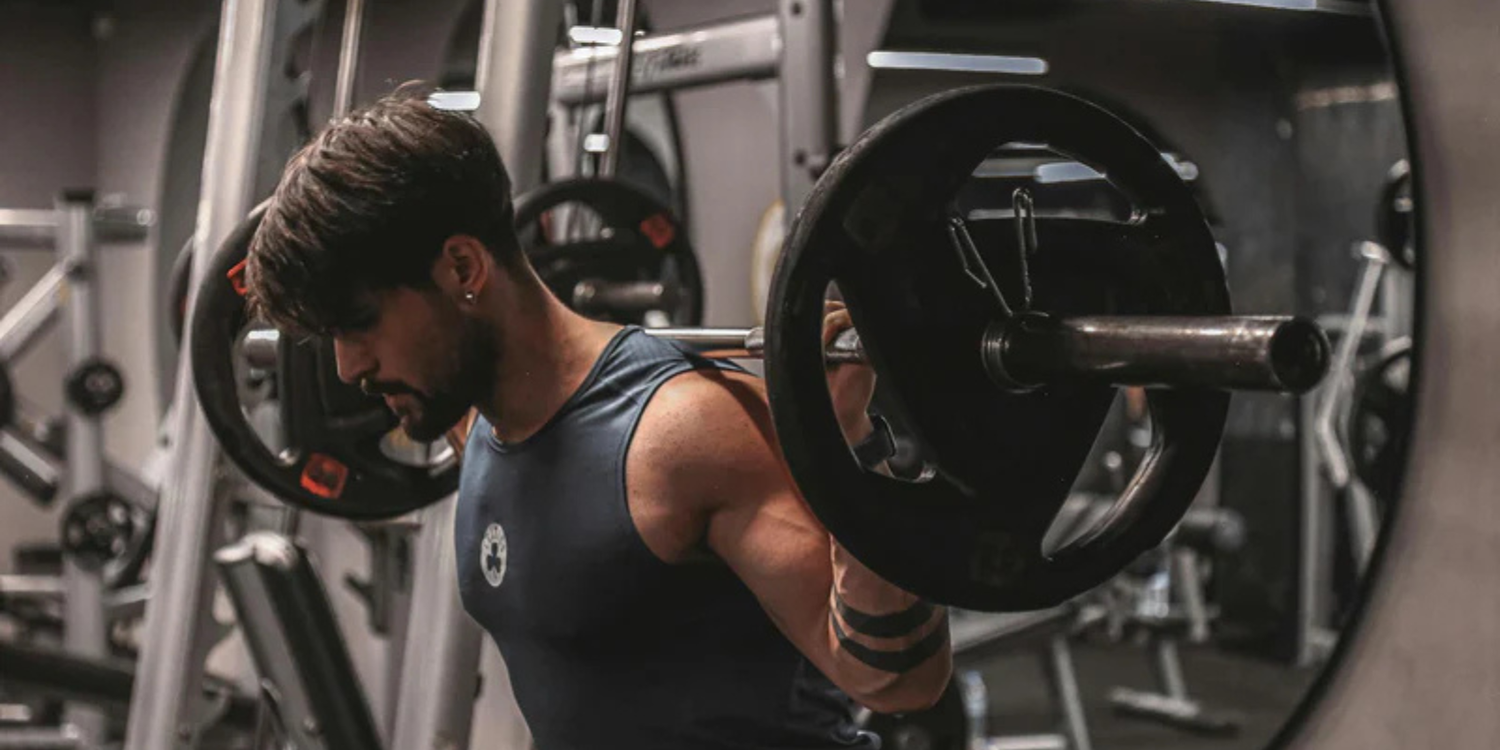
Want bigger quads with more control and less balance demand than a free-weight squat? The Smith machine hack squat is a knee-dominant squat variation that lets you stay upright while driving your quads hard.
It’s especially useful when you train alone, want consistent bar tracking, or need a squat pattern that reduces “wobble” and lets you focus on leg drive.
The Benefits of Smith Machine Hack Squat
The hack squat on the Smith machine is a great leg exercise that often gets overlooked. Compared with a regular Smith back squat, the hack setup usually places your feet slightly forward. A study in the Journal of Strength and Conditioning Research confirms that placing feet forward of the bar line significantly increases quadriceps activation while reducing mechanical load on the lower back[1].
Better Safety and Stability
The fixed bar path keeps the bar on track, which helps you focus on leg drive. With properly set safeties, you can end a rep safely if you fail. This is one reason this variation is popular for heavy quad work and higher rep sets.
Mastering Forms More Easily
Because the bar path is guided, you can practice consistent knee tracking and torso position rep after rep. This is useful for beginners learning squat mechanics or lifters rebuilding confidence after time off.
Progressive Overload Made Easy
Adding weight is straightforward when you do not have to fight for balance. Start light, then build up gradually.
A simple progression rule works well. When you can hit the top of your rep range with clean form, add about 2% to 10% load next time.
Activating the Quad
This variation is designed to emphasize the quads. The more upright torso and deeper knee bend, within comfort, usually increase quad demand.
More Load Capacity
You might be able to lift more than in a free weight squat because the setup reduces balance demands. Use that advantage responsibly. Keep reps smooth, control the bottom, and avoid bouncing.
Helpful During a Return to Training
This exercise can bridge the gap between rehab style training and full strength work because you can control range of motion and bar path. If you are returning from a knee issue, start with a shorter, pain free range and slower tempo. Increase depth and load gradually.
Confidence Booster for Beginners
You get a predictable bar path, easier setup, and clearer stop points using safeties. This lets you focus on learning bracing and leg drive.
How To Do Hack Squats on the Smith Machine
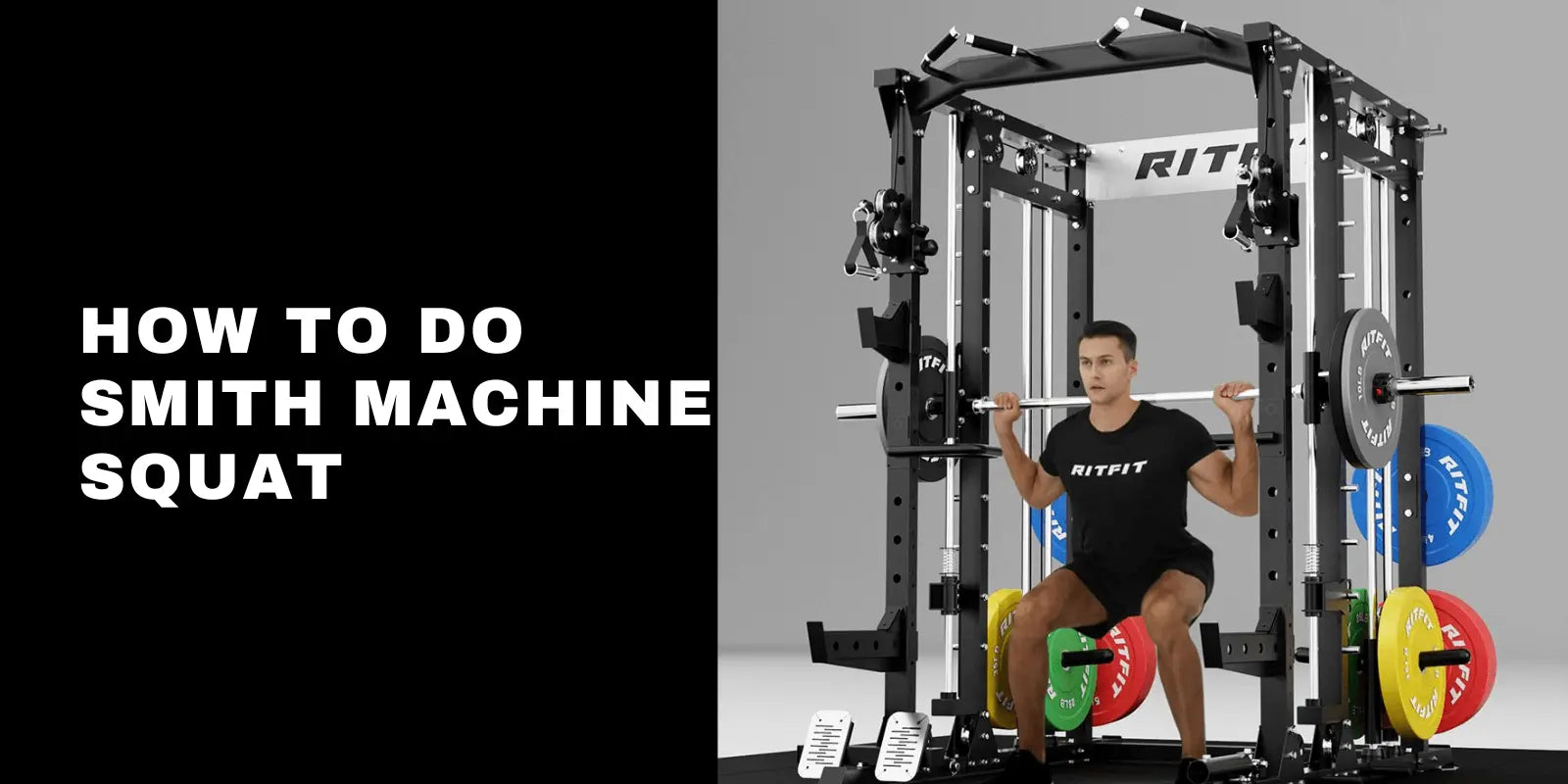
The hack squat on the Smith machine is a safe and effective way to strengthen your glutes and quads. To do the exercise correctly and get the best results without getting hurt, follow these simple steps.
Quick Setup Checklist
- Bar height: set around upper chest to shoulder height so you can unrack without shrugging
- Safeties: set just below your planned bottom position
- Foot position: start shoulder width, toes slightly out, and place feet about 6 to 18 inches forward of the bar line
- Padding: use a bar pad or folded towel if your upper back feels pinched
- Rail type: if your Smith machine is angled, test a couple foot positions so the bar stays over your mid foot through the rep
Step 1: Get the Machine Ready
Step 2: Get Ready to Go
Step 3: The Descent Phase
Step 4: The Ascent Phase
Step 5: Start over and do it again.
Optional: Sets and Reps
For strength, use 4 to 6 sets of 3 to 6 reps with longer rest, keeping technique identical.
Warm up suggestion: do 2 to 3 ramp up sets, moving from empty bar to light, then moderate, before your working sets.
Which Muscles Does the Smith Machine Hack Squat Work?
Muscles to Work On:
Common Mistakes To Avoid
Not putting your feet in the right place
Going Down Too Fast
Ignoring Core Engagement
Valgus knees (knees that cave in)
Too Much Weight
Tips For Smith Machine Hack Squat
Choosing a right weight
Control Your Breathing
Aligning the knees and toes
Engagement of the core
How deep you squat
Move slowly and with control
Checks for Warm-Up and Posture
Final Thoughts
Important disclaimer: This article is for general educational purposes only and is not medical advice. If you have shoulder, neck, back, elbow, or wrist pain, a recent injury or surgery, numbness or tingling, unexplained weakness, or dizziness, consult a qualified clinician before starting. Stop any exercise that causes sharp pain.
References
- Escamilla RF, Fleisig GS, Lowry TM, Barrentine SW, Andrews JR. A three-dimensional biomechanical analysis of the squat during varying stance widths. Med Sci Sports Exerc. 2001;33(6):984-998. doi:10.1097/00005768-200106000-00019
- Straub RK, Powers CM. A Biomechanical Review of the Squat Exercise: Implications for Clinical Practice. Int J Sports Phys Ther. 2024;19(4):490-501. Published 2024 Apr 1. doi:10.26603/001c.94600
FAQs
Can you do hack squats on a Smith machine?
Yes, you can do hack squats on a Smith machine by placing your feet slightly forward and keeping a tall torso to emphasize the quads. Set the bar and safeties first, then squat to a pain free depth with knees tracking over toes.
Q: Is it safe to squat on a Smith machine?
Yes, it can be safe when you set the safety stops correctly and keep controlled, stacked form. It becomes risky when foot placement forces an awkward bar path or you chase depth/load with knee collapse or heel lift, so adjust stance and range if anything feels pinchy.
How far forward should my feet be?
Start about 6 to 18 inches forward, then adjust until you stay upright with heels planted.
What rep range is best for quad growth?
Most lifters do best with 6 to 12 reps per set, keeping tempo controlled and consistent.
How low should I squat on the Smith machine?
Use a pain free depth. Parallel is a strong default, then go deeper only if control stays perfect