Starting a home workout routine and wondering how long it takes to see real results? Most people notice better energy, endurance and strength within 3 to 4 weeks, while visible muscle and weight-loss changes typically appear at 4 to 8 weeks and beyond.
This guide maps a realistic timeline, explains how often to train and how to progress safely, and covers mistakes that slow results.
It suits complete beginners with limited space and no equipment.
Check with a professional before starting any new program.
Quick Answer: A home workout typically takes 3 to 4 weeks to show the first noticeable improvements in energy, endurance and strength, with visible muscle definition and weight loss taking 4 to 8 weeks or longer. Consistency, progressive overload and recovery matter far more than any single workout or piece of equipment.
Key Takeaways
- Early gains: Energy, mood and movement patterns often improve within the first two weeks of home training.
- Strength first: Early strength gains come from neuromuscular adaptation, not new muscle tissue, and appear around week 2 to 3.
- Visible change: Muscle definition and weight loss typically take 4 to 8 weeks of consistent training or longer.
- Consistency wins: Training several times per week matters more than any single workout, machine or program.
- Safe pace: A realistic weight-loss pace is about 0.5 to 2 pounds per week, with first-week scale drops mostly water weight.
How Long Does a Home Workout Take to Show Results?
A home workout typically takes 3 to 4 weeks of consistent training before most beginners notice improvements in energy, endurance and strength. Visible muscle and weight-loss changes take longer, usually 4 to 8 weeks or more, because they depend on consistent training, nutrition and recovery.
- Timeline depends on input: Results track how often you train, how hard you push and how well you recover, not the exact workout you choose.
- Internal changes start early: Your body begins adapting the moment you start, even before changes show in the mirror.
- Home workouts count: A meta-analysis found beneficial effects were not indicated for any measures until after 8 weeks of continuous training, with progressive improvements in cardiorespiratory fitness and metabolic status noted from 12 weeks through 32 weeks [1].
The takeaway is simple: expect a small first month, a visible second month and compounding progress from there. A consistent home routine delivers real results on a predictable timeline, provided you keep showing up.
What Changes in the First Two Weeks of Home Training?
In the first two weeks of home training, most people notice better energy, improved mood and smoother movement patterns rather than visible body changes. Exercise feels easier sooner than the mirror shows change.
- Energy and mood: Regular sessions often lift mood and daily energy within the first week or two.
- Water weight shifts: Quick scale changes in the first week of a new routine often reflect temporary water weight rather than fat loss.
- Form improves: Movement patterns get smoother as your nervous system learns each exercise, which builds the foundation for later gains.
This phase is about habit and consistency, not visible transformation. Trust the process through the first weeks and the early internal improvements will carry you into month two.
For more equipment-free session ideas, try our home CrossFit workouts guide.
When Will You Notice Strength and Endurance Gains?
Most people notice the first real strength and endurance gains around week 2 to 3 of consistent home training. Early strength comes mostly from your nervous system learning to recruit muscles, which is why progress can feel surprisingly quick at first.
- Neuromuscular adaptation: In the first 2 to 3 weeks, most strength gains come from your brain and muscles learning to work together more efficiently, not from new muscle tissue.
- Everyday tasks get easier: Climbing stairs, carrying groceries and standing up from a chair often feel lighter within the first month.
- Endurance builds fast: Cardio improvements such as easier breathing and lower perceived effort often appear within a few weeks of regular sessions.
This early phase is a powerful motivator, because strength you can feel arrives well before changes you can see in the mirror.
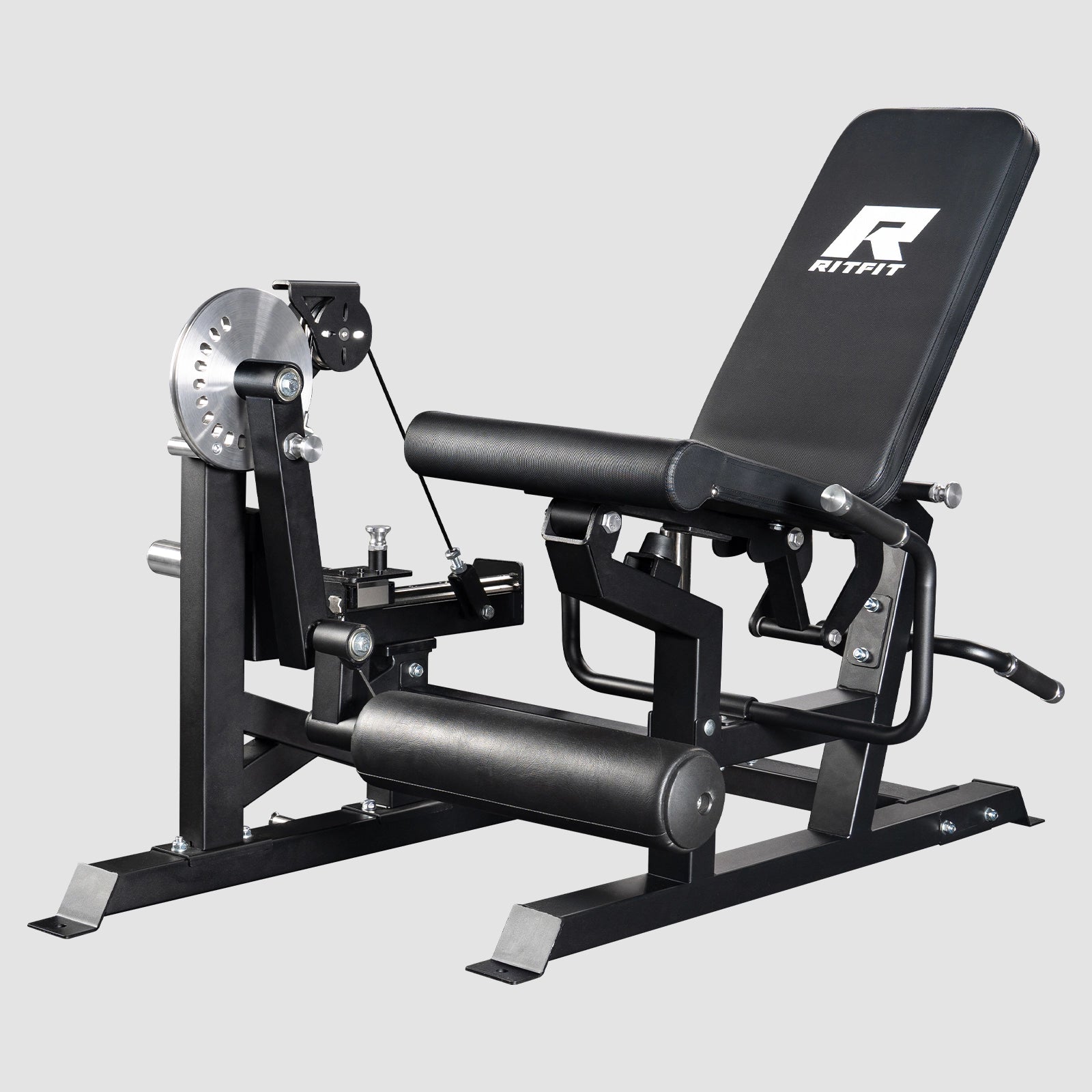
When basic moves feel easy, add targeted work such as these best back workouts at home and hamstring workouts with a home workout bench.
How Long Until You See Muscle and Weight-Loss Changes?
Visible muscle definition and weight loss typically take 4 to 8 weeks of consistent training or longer, because these changes depend on training volume, nutrition and recovery working together. Expect meaningful body composition changes over several months, not a few weeks.
- Muscle size timeline: Visible muscle size changes typically take 4 to 8 weeks of consistent resistance training with adequate protein intake.
- Safe weight-loss pace: A realistic and safe rate of weight loss is about 0.5 to 2 pounds per week.
- First-week scale drops: Quick scale changes in the first week of a new routine often reflect temporary water weight rather than fat loss.
Track progress in weeks, not days. If your energy, strength and measurements move in the right direction across a full month, you are on a healthy path even when the mirror lags behind.
Why Consistency Beats Any Single Workout
Consistency matters more than any single workout, because repeated sessions are what trigger the adaptations that produce results. Building a repeatable home routine supports adherence better than chasing a perfect plan.
- Habit beats motivation: A meta-analysis of habit formation interventions found they can improve physical activity habit strength, supporting the idea that repeatable routines matter more than motivation [2].
- Self-efficacy drives habit: Research shows self-efficacy is a key psychological determinant of whether people form and maintain a physical activity habit [3].
- Frequency over intensity spikes: Training several times per week produces far more noticeable results than sporadic hard sessions.
Protect your routine before you push intensity. A modest plan you repeat reliably beats an ambitious plan you abandon after week two.
"The two largest reasons why people don't get results with their fitness training protocol is number one, adherence, and then number two, some sort of progressive overload."
Andy Galpin, PhD, Professor of Exercise Science and Human Performance, Parker University
For next steps on building a dedicated training space at home, see the home gym guide.
How to Structure a Home Workout Routine for Faster Results
Structure a home routine around full-body sessions three to five days per week, each combining a squat pattern, a push and a pull, and finish with recovery built in. This simple frame delivers strength, endurance and body composition gains without equipment.
- Pick a split: Three to five weekly sessions suit most beginners, with at least one rest day between hard resistance days.
- Use compound moves: Bodyweight squats, push-ups, lunges and planks hit multiple muscles and raise your heart rate efficiently.
- Progress gradually: Increase repetitions, slow the tempo, shorten rest or add light resistance once an exercise feels easy.
- Respect recovery: Higher training volumes increase recovery demands, so start with lower volume, monitor recovery, then increase volume gradually [4].
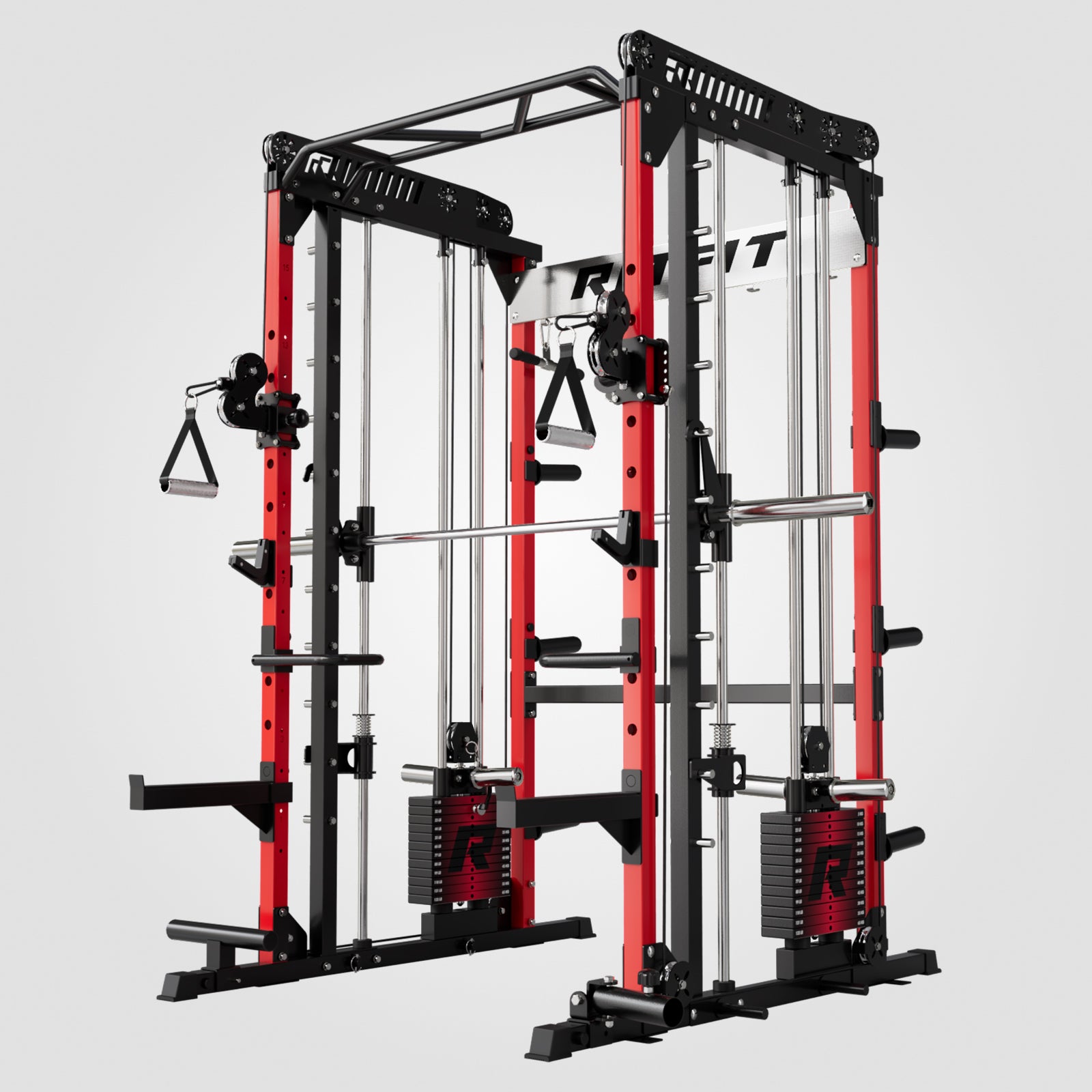
If you are ready to add real resistance, browse the strength equipment collection. For a complete all-in-one room, the M1 multi-functional home gym smith machine or the RitFit Home Gym Package with the M1 Smith Machine bundles everything into one setup.
Common Mistakes That Delay Home Workout Results
The most common reasons home workouts stall are inconsistent attendance, never increasing difficulty and ignoring recovery. Fixing these three habits does more for results than buying new equipment.
- Training sporadically: Missing weeks at a time resets progress and makes every session feel like a restart.
- Never progressing: Doing the same reps forever stops adaptation; add difficulty every week or two.
- Skipping recovery: Training hard every day without rest raises injury risk and slows progress.
- Unrealistic expectations: Expecting visible change in week one leads to quitting before results appear.
- Ignoring form: Poor form under fatigue causes injury and limits the muscles you actually train.
If pain feels sharp, localized or persistent, stop that exercise and seek professional advice. Mild muscle soreness is normal; sharp joint pain is not.
When you are ready for heavier loading, a power rack such as the RitFit P3 Power Cage 1200 lbs home gym package supports progressive training at home.
Realistic Home Workout Results Benchmarks
Benchmarks give you a fair way to measure progress: energy and mood improve within 1 to 2 weeks, strength and endurance around 2 to 3 weeks, visible muscle and weight changes at 4 to 8 weeks, and meaningful body composition change over 8 to 12 weeks and beyond.
| Timeline | What to Expect |
|---|---|
| 1-2 weeks | Energy and mood improve, movement patterns feel smoother, early scale changes are mostly water weight |
| 2-3 weeks | First strength and endurance gains from neuromuscular adaptation |
| 4-8 weeks | Visible muscle definition and weight-loss changes with consistency |
| 8-12+ weeks | Meaningful body composition and cardiorespiratory changes |
Benchmark table reflects general guidance for beginner home training; individual timelines vary with consistency, intensity, nutrition and recovery.
Use these markers to judge whether your plan is working. If you hit the 4 to 8 week point with steady training and see no change, revisit your progression, sleep and nutrition before changing your workout.
FAQs About Home Workout Results
How long does a home workout take to show results?
Most beginners notice better energy, endurance and strength within 3 to 4 weeks of consistent home training.
Visible muscle definition and weight loss typically take 4 to 8 weeks or longer.
Progress depends on how often you train, how hard you push and how well you recover.
Consistency matters more than any single workout.
Can you get results working out at home without equipment?
Yes.
Bodyweight exercises such as squats, push-ups and planks build strength and raise your heart rate when performed with proper form and progression.
Many people notice fitness improvements within the first month.
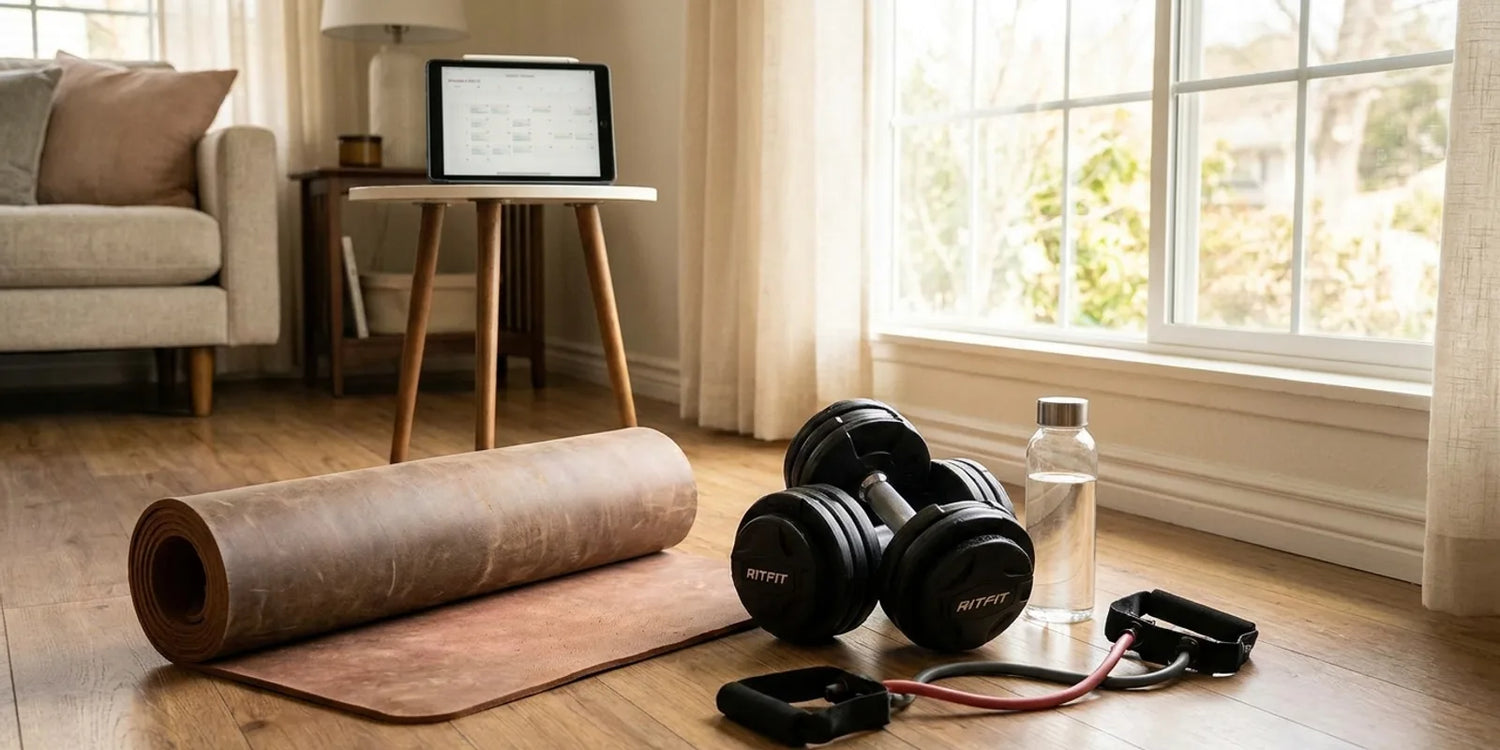
Adding resistance later, such as bands or dumbbells, helps you keep progressing as your body adapts to the workload.
How many days a week should you work out at home to see results?
Most people see consistent results training three to five days per week.
Spread resistance work across your week and leave at least one rest day for recovery.
Beginners often improve quickly on a simple three day schedule.
Training more often without recovery can stall progress and raise injury risk.
Why do I not see results from my home workouts yet?
Results take time, and the first few weeks of a new routine are the hardest to see.
If you are consistent but nothing changes, check whether you are progressing your workload, sleeping enough and eating to support your goal.
Expecting overnight change is the most common reason people give up before results appear.
What changes first during a home workout program?
Your energy, mood and movement patterns usually improve first, often within the first two weeks.
Strength gains in the early weeks come mostly from your nervous system learning to recruit muscles efficiently.
Visible changes in muscle size and body composition take longer, typically four to eight weeks or more of consistent training.
How do you progress a home workout so results keep coming?
Increase the difficulty a little each week once an exercise feels easy.
You can add repetitions, slow the movement down, shorten rest or add light resistance.
Recovery research shows higher training volumes raise recovery demands, so increase volume gradually.
Small, steady progress beats sporadic hard sessions.
Conclusion
Home workouts deliver real results on a predictable timeline: energy and strength improve within the first month, visible change follows by week 4 to 8, and meaningful body composition shifts build over several months. Consistency, progressive overload and recovery drive the outcome far more than any single workout.
Start with a simple three day bodyweight routine, track your weeks, and add difficulty gradually. For a complete guided setup when you are ready to progress, explore the RitFit home gym packages.
Disclaimer
This article is for general information only and is not medical, training or diet advice for any specific individual. Consult a qualified healthcare or fitness professional before starting a new exercise program, especially if you have an injury or a medical condition.
References
1. Clark JE. The impact of duration on effectiveness of exercise, the implication for periodization of training and goal setting for individuals who are overfat, a meta-analysis. Biol Sport. 2016;33(4):309-333. doi:10.5604/20831862.1212974. PMCID: PMC5143767
2. Ma H, Wang A, Pei R, Piao M. Effects of habit formation interventions on physical activity habit strength: meta-analysis and meta-regression. Int J Behav Nutr Phys Act. 2023;20(1):109. PMCID: PMC10498635
3. Stojanovic M, Fries S, Grund A. Self-Efficacy in Habit Building: How General and Habit-Specific Self-Efficacy Influence Behavioral Automatization and Motivational Interference. Front Psychol. 2021;12:643753. PMCID: PMC8137900
4. Sousa C, Zourdos MC, Storey AG, Helms ER. The Importance of Recovery in Resistance Training Microcycle Construction. J Hum Kinet. 2024;91(Spec Issue):205-223. PMCID: PMC11057610