A tactical physique workout combines basic strength movements with conditioning, but the label does not make a routine an occupational readiness test. This guide gives you a practical template you can scale to your space, equipment, and training experience.
Use the plan as general fitness programming, not a guarantee of tactical performance. Start with movements you can control, adjust effort to your current ability, and stop if you experience sharp or unusual pain.
Quick Answer: A tactical physique workout is a scalable strength and conditioning session built around a squat, hinge, push, pull, carry, and aerobic or interval work, with exercise choices matched to your experience and equipment.
Key Takeaways
- Train patterns: Build sessions around lower-body, upper-body, carry, and conditioning work.
- Scale the work: Choose controlled variations and resistance that suit your current skill.
- Separate the evidence: Tactical-population studies describe specific occupational groups, not a universal civilian plan.
- Progress gradually: Change one training variable at a time and keep a record of what you complete.
- Prioritize safety: Stop or modify a movement when pain or technique breakdown appears.
What Does a Tactical Physique Workout Train?
A tactical physique workout is a general strength and conditioning template, not a validated test of job readiness. Tactical training research concerns particular service populations and occupational demands, so its findings should not be treated as proof that one routine prepares every reader for duty.[1]
- Squat and hinge: Train lower-body strength with a squat variation and a hip hinge you can perform with control.
- Push and pull: Pair an upper-body press with a row or pulldown to cover opposing movement patterns.
- Carry and condition: Add a loaded carry or low-impact conditioning option that matches your available space.
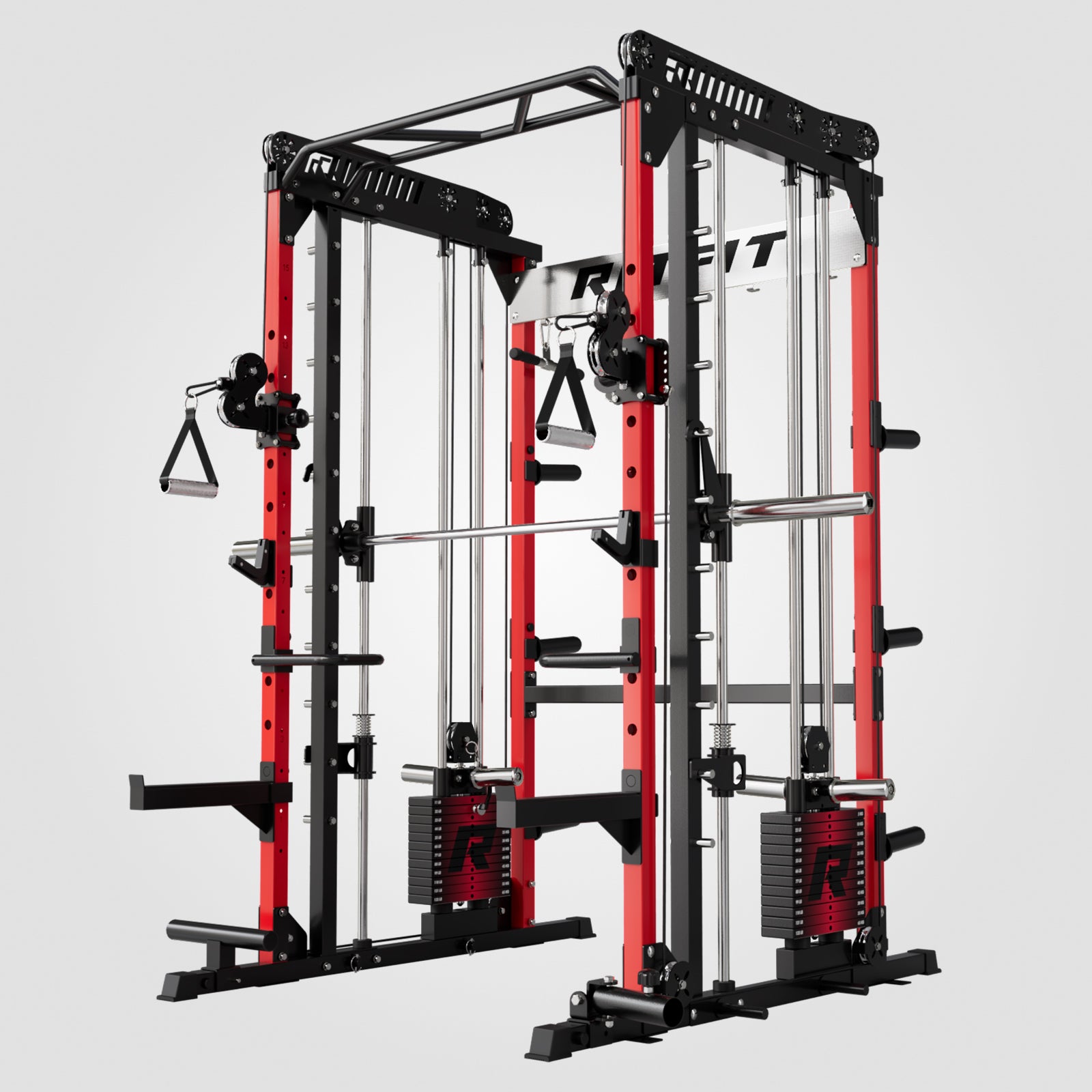
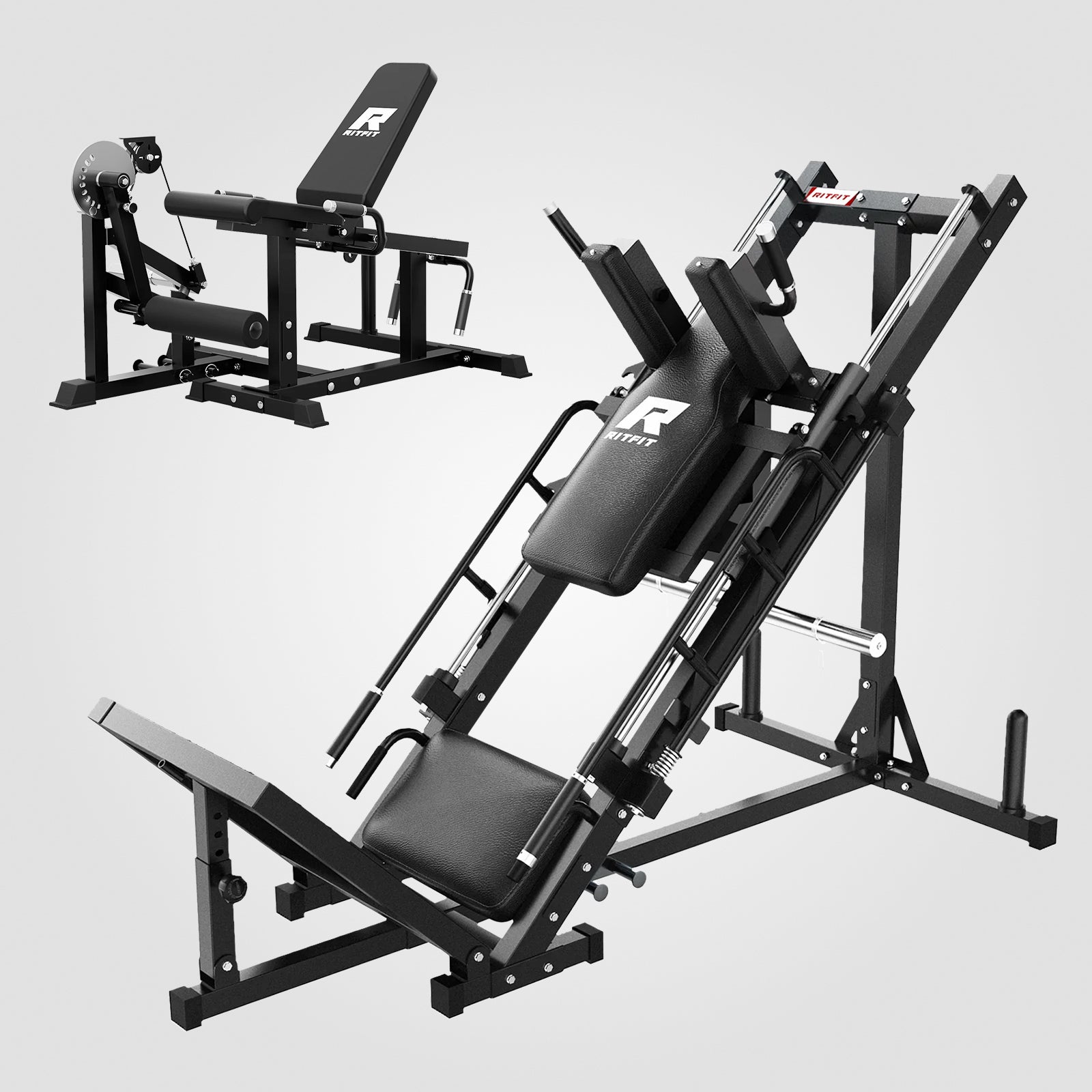
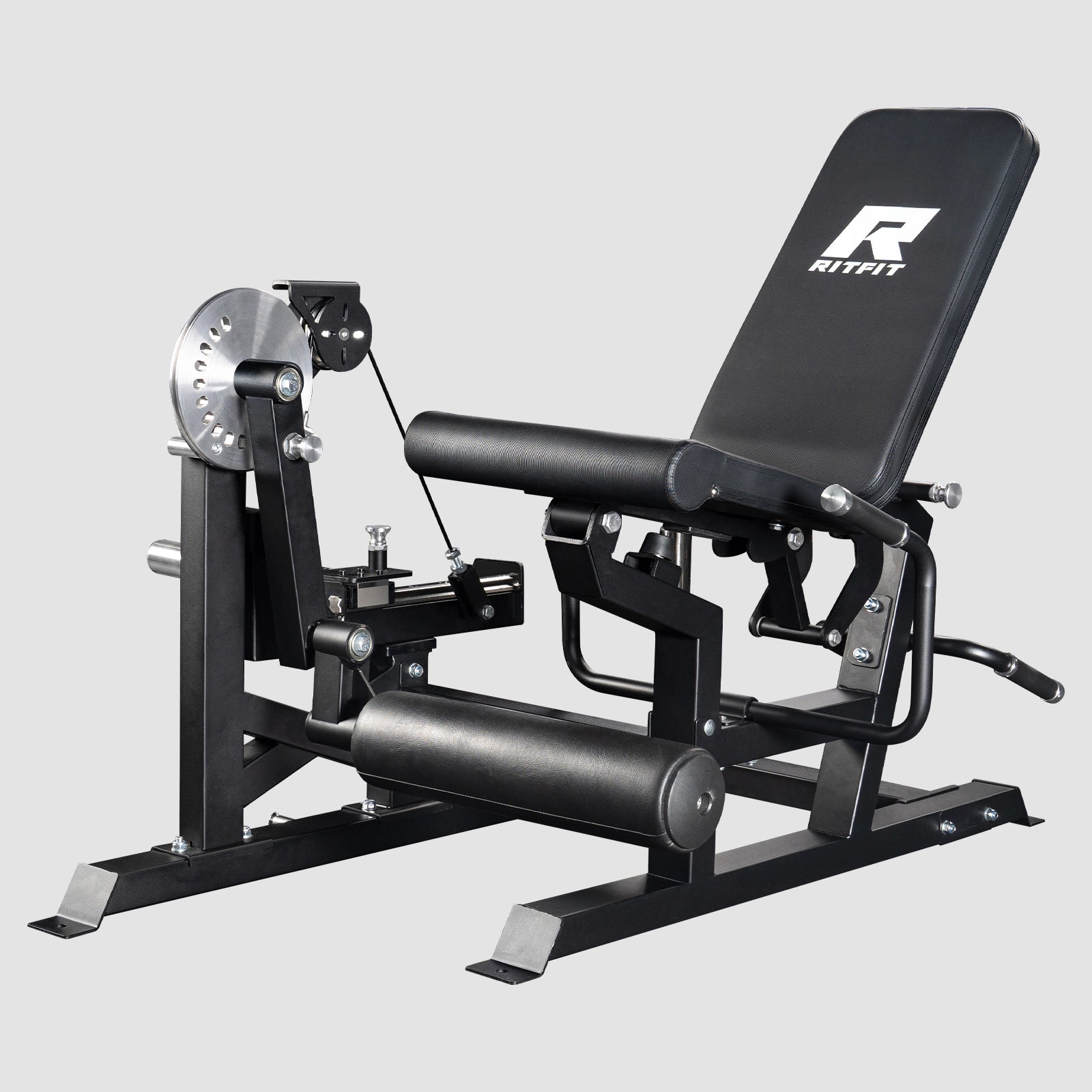
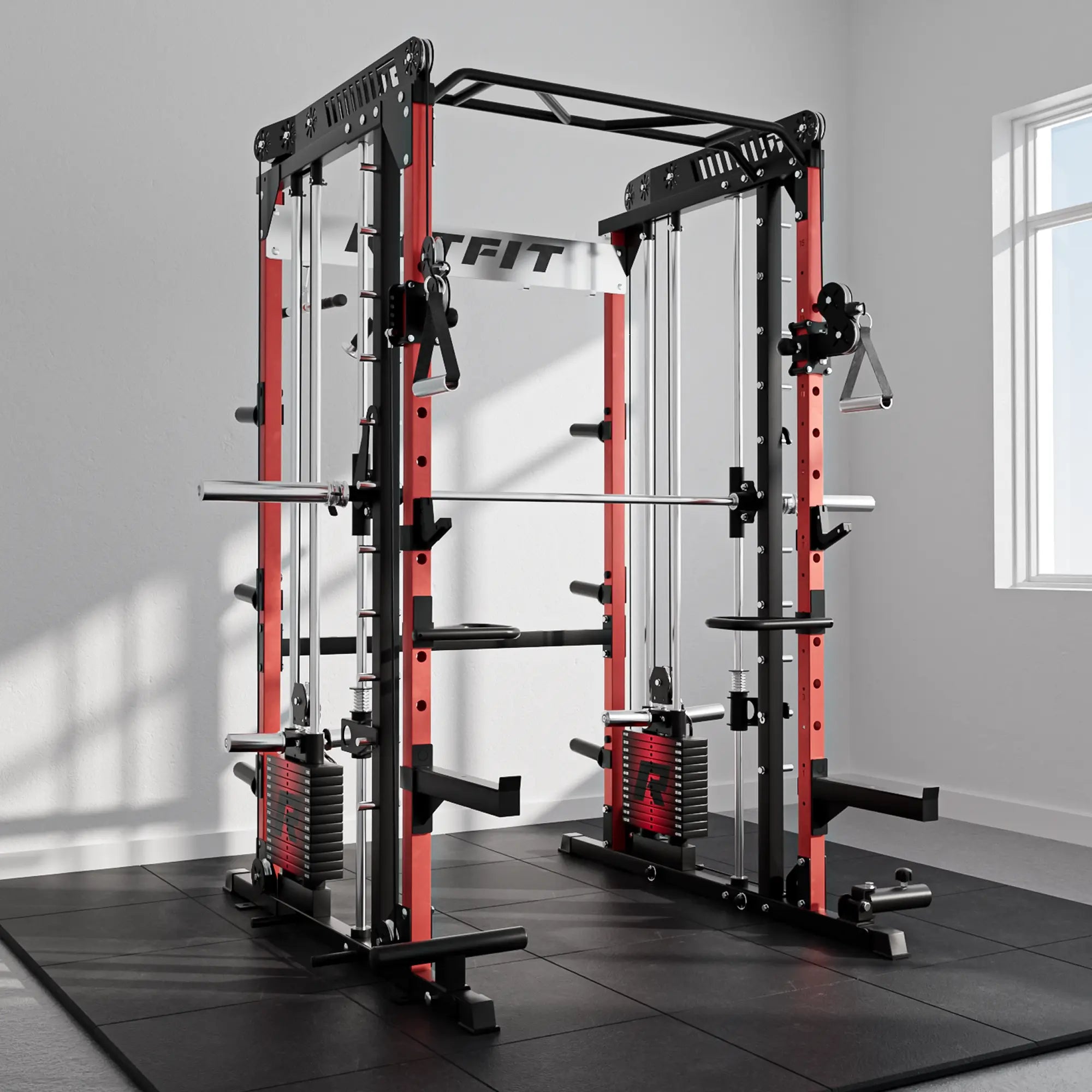
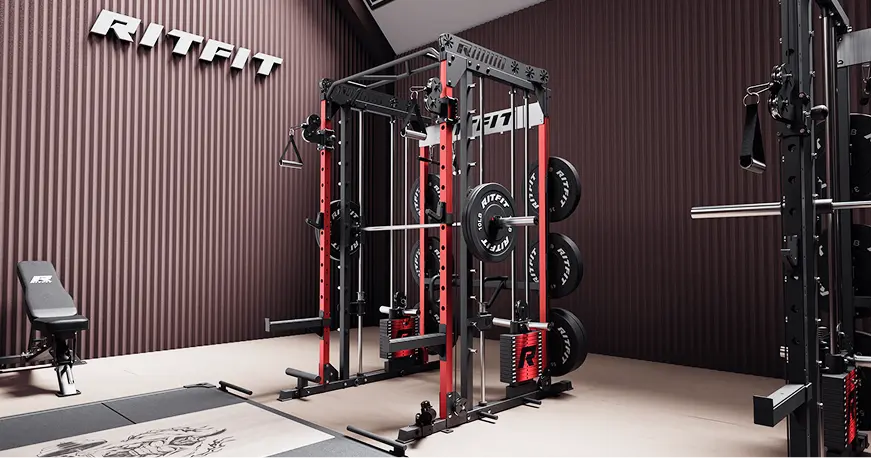
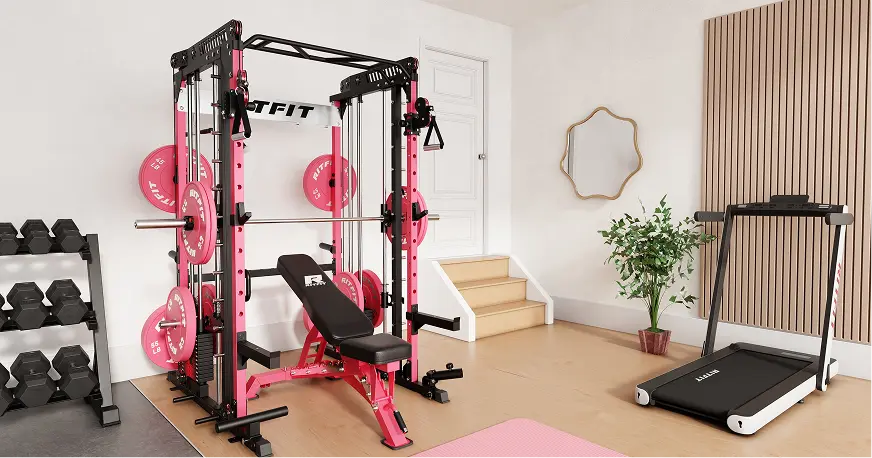
For a home setup, browse strength training equipment or home strength machines as optional tools, not prerequisites.
A Balanced Strength and Conditioning Session
A balanced session includes a warm-up, controlled resistance exercises, and a conditioning choice that does not compromise safe movement. A firefighter pilot study examined an occupationally specific training program and simulated fire-ground outcomes; those participants and tasks are not equivalent to a civilian home workout.[2]
- Warm up: Rehearse the session's movement patterns with easy, unweighted variations.
- Strength block: Select one squat or split-squat, one hinge, one push, and one pull. Use a load that lets you maintain steady technique.
- Conditioning block: Choose brisk walking, cycling, step-ups, or a carry circuit. Keep the pace controlled enough to move safely.
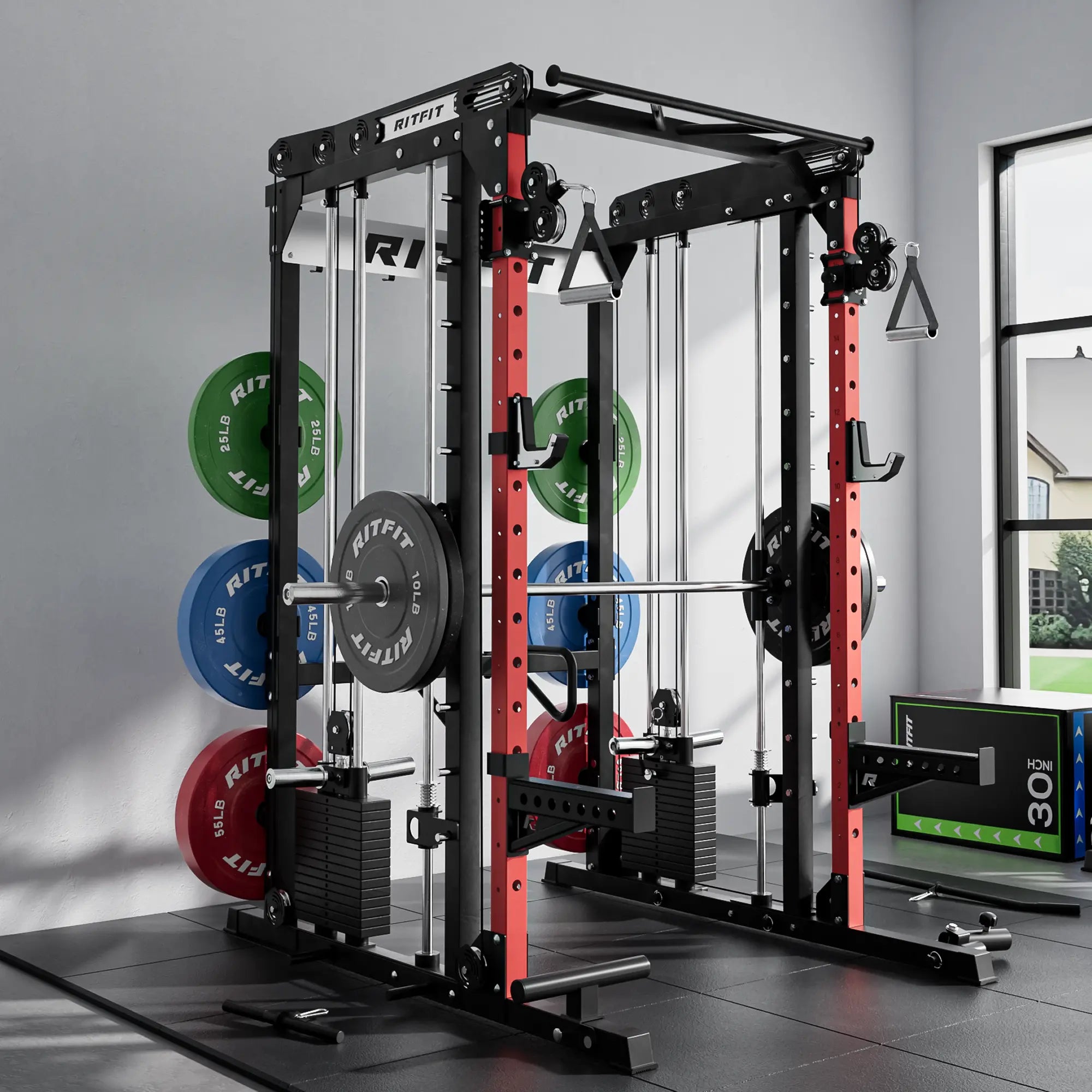
Use the box jump workout ideas only if jumping is already appropriate for your ability and environment. The official RitFit Smith machine workout video demonstrates equipment-based exercise options.
How to Schedule Strength and Conditioning
Schedule strength and conditioning around your recovery, other activity, and the goal you care about most. A cadet program described in the literature was designed for underdeveloped tactical athletes at a senior military college, so it is an example from a specific population rather than a civilian schedule to copy.[3]
CDC guidance recommends adults accumulate 150 minutes of moderate-intensity activity weekly, or 75 minutes of vigorous activity or an equivalent combination, alongside muscle-strengthening activity on at least 2 days. These are public-health targets, not a tactical performance prescription.
Begin with a manageable number of sessions and leave enough recovery between demanding efforts. Related size and strength workout tips can help you think about how a strength session fits into a broader routine.
How to Choose Loads and Progress
Choose resistance that allows controlled repetitions and stop a set before technique deteriorates. A systematic review of healthy adults compared different resistance-training prescriptions, but group-level rankings do not determine the right load for an individual or validate this particular workout.[4]
- Start conservatively: Use a variation and load you can control through a comfortable range of motion.
- Track the session: Record the movement, resistance, completed repetitions, and how the work felt.
- Progress one feature: When the current work remains controlled, make a modest change to resistance, repetitions, or conditioning pace rather than increasing everything at once.
For limited space, push-up progressions and adjustable resistance may offer practical alternatives.
"If your space is limited, a good set of adjustable dumbbells might be your better option. They will allow you to progress to heavier weight as you get stronger."Jeff Cavaliere, MSPT, CSCS, Athlean-X, Ultimate Total Body Dumbbell Workout
Movement Substitutions for Home and Gym Training
Substitute the movement pattern when you lack a particular machine or the setup is unsuitable. A squat can become a sit-to-stand, a barbell hinge can become a dumbbell hinge, and a cable row can become a supported dumbbell row if you can perform it comfortably.
- No bench: Use a standing press or a floor-based push variation.
- No weights: Use a bodyweight squat, incline push-up, or controlled step-up.
- Limited room: Replace running intervals with brisk walking or another low-impact option that fits your surroundings.
A multifunctional strength training station is one equipment option, while an adjustable utility bench may support certain presses and rows. Neither is required for the template.
Common Mistakes and When to Stop
The most useful correction is to keep the session repeatable rather than turning every exercise into a maximal test. Avoid copying occupational drills without the required coaching, equipment, and context.
- Too much intensity: Reduce the load or pace if you cannot maintain controlled movement.
- Too many changes: Keep the session simple enough to learn and track.
- Pain or unusual symptoms: Stop the movement and do not push through sharp, worsening, or unfamiliar pain.
Review safer home strength training before making repeated high-effort work a regular feature.
FAQs About Tactical Physique Strength Conditioning Workouts
How often can I do a tactical physique workout?
A weekly schedule depends on your training background, recovery, and other activity. Start with manageable sessions, leave room between demanding full body workouts, and adjust when soreness or fatigue affects technique. Public health guidance describes general activity targets, while a personal program should reflect your current capacity.
What equipment do I need for a tactical physique workout?
No single equipment setup is required. A gym can use a barbell, dumbbells, or cable station, while a home session can use bodyweight movements and loaded carries with available equipment. Choose stable options you can control through a comfortable range, and substitute a movement when the setup is unsuitable.
Can beginners use tactical strength training?
Yes, beginners can use the movement patterns with simpler variations and conservative resistance. Learn each movement before adding difficulty, keep repetitions controlled, and stop a set when technique changes. The label does not require military experience, advanced conditioning, or maximal lifting.
How should I progress a strength and conditioning workout?
Progress one manageable feature at a time, such as a small load increase, an extra controlled repetition, or smoother work intervals. Keep a simple training log and repeat a session until the movements feel consistent. Reduce difficulty when recovery or technique deteriorates rather than forcing a target.
What should I do if an exercise causes pain?
Stop the painful movement and do not push through sharp, worsening, or unusual symptoms. Choose a comfortable alternative only if it remains symptom free, and seek guidance from a qualified health professional when pain persists or concerns you. This workout is general education and is not injury treatment.
Conclusion
A tactical physique workout can be a practical way to organize basic strength and conditioning, provided you treat it as general fitness rather than a promise of occupational readiness. Choose movements you can control, progress gradually, and adjust the plan to your recovery and environment.
Start with a simple session and build consistency before adding complexity. Explore the RitFit guide if you are also comparing equipment options.
Disclaimer
This article is for general educational purposes and is not medical advice or an individualized training plan. Consult a qualified health professional before beginning exercise if you have a health concern, and stop exercising if you experience pain, dizziness, or other unusual symptoms.
References
1. Rasteiro A, Santos V, Massuça LM. Physical Training Programs for Tactical Populations: Brief Systematic Review. Healthcare (Basel). 2023;11(7). doi:10.3390/healthcare11070967. PMCID: PMC10094380
2. Hollerbach BS, Jahnke SA, Poston WSC, Harms CA, Heinrich KM. Examining a novel firefighter exercise training program on simulated fire ground test performance, cardiorespiratory endurance, and strength: a pilot investigation. J Occup Med Toxicol. 2019;14:12. doi:10.1186/s12995-019-0232-2. PMCID: PMC6480838
3. Thornton MT, Welch AS, Caulfield S, Pojednic RM. The Cadet Athlete Physical Training Intervention (CAPTI): A 16-week Periodized Program to Remediate Underdeveloped Tactical Athletes at a Senior Military College. Int J Exerc Sci. 2024;17(4):1083-1091. doi:10.70252/SSZU9761. PMCID: PMC11385287
4. Currier BS, McLeod JC, Banfield L, et al. Resistance training prescription for muscle strength and hypertrophy in healthy adults: a systematic review and Bayesian network meta-analysis. Br J Sports Med. 2023;57(18):1211-1220. doi:10.1136/bjsports-2022-106807. PMCID: PMC10579494
5. Jeff Cavaliere. Ultimate Total Body Dumbbell Workout. ATHLEAN-X. Source.
6. Centers for Disease Control and Prevention. Adult Activity: An Overview. Source.