








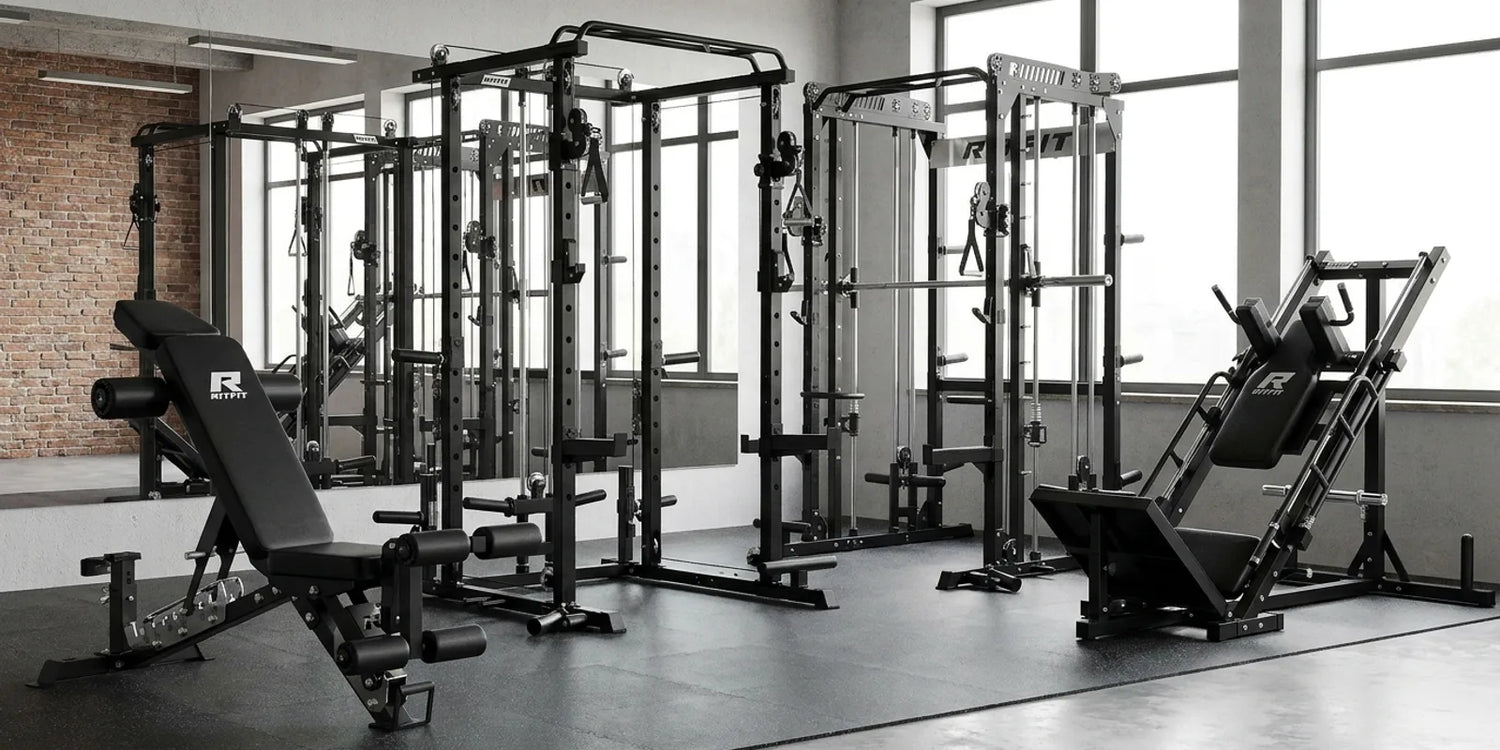
The best home gym equipment brand for your home gym is the one that matches your training goals, room size, budget, warranty expectations, and long term upgrade plan. This guide compares major USA home gym equipment brands and explains where RitFit fits for buyers who want a practical, complete, and space conscious home gym setup.
You will learn what a fitness equipment manufacturer really means, how to compare the top US brands, the key specs to check before you buy, and a step by step path to choosing the right home gym brand.
Quick Answer: The best home gym equipment brand for you is the one whose build quality, load rating, warranty, compatibility, and space fit match your training goals and room size. For most home gym buyers, a brand that offers complete and compatible packages such as RitFit provides the easiest path, while premium, commercial, and budget brands serve different needs.
Key Takeaways
- Best brand depends on use case: Commercial gyms, garage gyms, beginner setups, and premium strength rooms need different equipment ecosystems.
- Made in USA is not the same as USA based: Always check whether a brand manufactures, assembles, designs, or simply sells in the United States.
- Compatibility matters: A rack, bench, barbell, plates, cable system, and attachments should work together without guesswork.
- Warranty and support matter as much as steel: Reliable service, replacement parts, assembly help, and clear policies protect your investment.
- RitFit is strongest for complete home gym value: Practical packages, space conscious strength equipment, and a simpler path to building a home gym.
What Fitness Equipment Manufacturer Really Means
A fitness equipment manufacturer is a company that designs, produces, assembles, distributes, or sells gym equipment under its own brand. What matters most is whether that brand provides safe, clearly specified, and supported equipment that fits your goals.
Manufacturer, Brand, and Supplier Are Not Always the Same
A fitness equipment manufacturer may design, produce, assemble, distribute, or sell equipment under its own brand. For home gym buyers, the practical question is not only where the steel is made, but whether the brand provides safe equipment, clear specifications, dependable support, and compatible upgrade options.
Why the Difference Matters
A USA based brand can still use a global supply chain, while a Made in USA product should carry clearer domestic manufacturing claims.
If domestic origin matters to you, look for product level origin statements rather than assuming every item from a US market brand is made in the United States. Reading the RitFit home gym guide is a good first step to understand what to expect from a complete home gym brand.
Which Home Gym Equipment Brands Should You Compare in the USA Market?
The best home gym equipment brands in the USA each serve a different buying lane, so the right choice depends on your goals, budget, and room size. The table below compares five brands that US home gym buyers commonly evaluate, and you should verify current specifications, warranty terms, shipping details, and country of origin on each brand page before purchase.
| Brand | Best Fit | Product Focus | What to Check |
|---|---|---|---|
| RitFit | Beginners, home gym builders, and space conscious lifters | Complete home gym packages and practical strength training systems | Package contents, load ratings, and attachment compatibility |
| Rogue Fitness | Serious strength athletes and premium garage gyms | Strength and conditioning equipment with strong brand reputation | Price, shipping cost, and country of origin for specific items |
| REP Fitness | Modular racks, benches, and garage gym systems | Broad home gym product ecosystem | Tubing size and attachment compatibility across pieces |
| Life Fitness | Commercial facilities and premium home fitness spaces | Large commercial equipment portfolio | Dimensions and whether the equipment fits a residential space |
| Titan Fitness | Budget conscious home gym buyers | Wide range of strength equipment at accessible prices | Dimensions, finish, and attachment compatibility |
Brand positioning shown is general and based on public product lines. Always verify current product specifications, warranty terms, shipping details, and country of origin directly on each brand page before purchase.
What Should You Check Before Choosing a Home Gym Brand?
Choose a home gym brand by checking build quality, load rating, compatibility, warranty, support, space fit, and training goal match before you buy. These factors determine whether the equipment is safe, durable, and useful in your actual room.
Build Quality and Load Rating
Start with frame construction, stated weight capacity, weld quality, hardware, stability, and real use case. Resistance training can improve muscular strength in older adults, which makes stable equipment and progressive loading important for long term training quality.[1]
- Frame design: Look for stable uprights, strong crossmembers, and enough base support for the movements you plan to perform.
- Load rating: Check whether the rating applies to the whole unit, a specific attachment, a bench, or a bar holder.
- Safety points: Prioritize spotter arms, safety catches, lockout points, and clear setup instructions for solo lifting.
Product Ecosystem and Compatibility
The best home gym brand should help you build a connected system instead of a random pile of parts. If you want one central setup, compare RitFit Smith machines, home gym rack packages, and compatible attachments before buying.
- Rack compatibility: Confirm tubing size, hole spacing, attachment fit, and pulley add ons before ordering.
- Bench fit: Make sure the bench height, back pad width, and incline range work with your rack or Smith machine.
- Weight compatibility: Match barbells, plates, collars, and storage around the same sleeve size and training style.
Warranty, Returns, and Customer Support
A trustworthy fitness equipment brand should make warranty coverage, return rules, replacement parts, shipping timelines, and customer service channels easy to find. Progressive resistance training can support physical function, but only if the equipment remains usable and safe over time.[2]
- Warranty clarity: Check what is covered, what is excluded, and whether coverage differs between frames, upholstery, cables, and moving parts.
- Replacement parts: Favor brands that support cables, pulleys, pads, pins, bolts, and attachment components.
- Support access: Look for clear contact pages, assembly support, manuals, and responsive service before you need help.
Space Planning and Home Use
Home gym equipment must fit your ceiling height, walking clearance, lifting path, flooring, and storage plan. Before choosing a brand, review home gym flooring basics and measure the room with the equipment fully loaded, not just empty.
- Ceiling clearance: Measure pull up bars, cable attachments, overhead presses, and plate loading space.
- Training clearance: Leave room for barbell sleeves, bench movement, spotter arms, and plate changes.
- Storage: Plan where plates, dumbbells, bars, handles, and small accessories will live after each session.
Training Goal Fit
Your brand choice should follow your training goal, not the other way around. Resistance exercise is also discussed in cardiovascular health guidance, so buyers with medical conditions should ask a qualified professional before starting or changing a strength program.[3]
- Strength focus: Prioritize racks, barbells, plates, safety arms, and a stable adjustable bench.
- Full body home gym: Consider Smith machine systems, cable stations, benches, dumbbells, and leg training options.
- Beginner training: Choose equipment that simplifies setup and reduces the chance of unsafe solo lifting.
Where RitFit Fits in the Home Gym Market
RitFit fits in the home gym market as a complete package brand that serves beginners, garage gym owners, and space conscious lifters. Its product ecosystem includes Smith machines, rack packages, benches, dumbbells, plates, and strength machines in one lineup.
RitFit Is Best for Complete Home Gym Builders
RitFit is strongest for buyers who want a practical home gym setup without sourcing every part from different brands. Its product ecosystem includes Smith machines, power rack packages, benches, dumbbells, weight plates, and strength machines that support common garage, basement, and spare room layouts.
For users building around one main station, the all in one home gym equipment guide can help compare whether a Smith machine, rack package, or multi station setup is the better fit. If you want ideas for turning a room into a training space, the RitFit home gym ideas page covers practical layouts.
Best RitFit Categories to Compare
Start with the equipment category that anchors your training style, then add supporting pieces around it. For most home gyms, the main decision is whether to build around a rack, a Smith machine, a dumbbell zone, or a complete package.
- Smith machine systems: Choose RitFit Smith machines such as the M1 Smith machine with cable crossover system when you want guided bar training, cable work, and solo training support in one station.
- Rack packages: Choose RitFit rack packages such as the P3 power cage 1200 lbs home gym package when free weight squats, bench press, pull ups, and cable add ons matter most.
- Adjustable benches: Compare RitFit adjustable weight benches if you need flat, incline, and decline support for pressing, rows, shoulders, and core work.
- Dumbbells: Use RitFit dumbbells for compact strength training, accessory work, unilateral exercises, and beginner friendly progression.
- Bars and plates: Build loading options with RitFit barbells and weight plates when your program requires progressive overload.
- Beginner guidance: Read the home gym equipment guide for beginners before buying your first setup.
How to Choose the Right Fitness Equipment Brand
Choose the right fitness equipment brand by defining your training goal, measuring your room, comparing the full ecosystem, reading the policies, and starting with a system you can expand.
Step 1: Define Your Main Training Goal
Choose your brand based on the workouts you actually plan to do. Strength focused users may need a rack and barbell first, while general fitness users may prefer dumbbells, a bench, and an all in one machine.
Step 2: Measure Your Room Before Comparing Brands
Measure ceiling height, floor width, lifting clearance, door access, and storage zones before shopping. A great brand is still the wrong choice if the equipment does not fit your actual home.
Step 3: Compare the Full Ecosystem
Look beyond the first machine and check whether the brand offers compatible benches, weights, attachments, replacement parts, and upgrade paths. A recent meta analysis on type 2 diabetes resistance training noted that limited equipment and imprecise loading may weaken home based training results, which makes load progression and equipment access important considerations.[4]
Step 4: Read Policies Before Reading Promotions
Check shipping, warranty, returns, assembly instructions, contact options, and replacement part availability before you buy. A discount is not a good deal if the brand cannot support the product after delivery.
Step 5: Start With a System You Can Expand
Buy the core station first, then add attachments, storage, and specialty machines as your training becomes more specific. This approach keeps the gym usable from day one while preventing wasted space and mismatched equipment.
What Advanced Buying Strategies Should You Consider?
Match your equipment brand to your training situation by choosing strong racks for heavy lifting, compact systems for small rooms, and adjustable equipment for shared or family gyms.
For Heavy Lifters
Choose brands with strong rack systems, clear load ratings, stable safeties, barbell compatibility, and enough room for plate storage. Heavy lifters should avoid buying only by price because stability and upgrade capacity matter more as strength improves.
For Small Spaces
Choose compact systems that combine multiple stations without blocking the room. A Smith machine with cable functions, an adjustable bench, and wall or vertical storage can replace several separate stations.
For Families or Shared Home Gyms
Choose adjustable equipment that works for different body sizes and training levels. Benches, pulley heights, handle options, and easy weight changes make the setup more usable for multiple people.
If your space is limited, a good set of adjustable dumbbells might be your better option. They will allow you to progress to heavier weight as you get stronger.
How Do You Maintain Home Gym Equipment for Long Term Ownership?
Good fitness equipment ownership includes inspection, cleaning, tightening, lubrication where required, and early replacement of worn parts. Brand support matters because cables, pulleys, upholstery, bolts, and safety parts may need attention after repeated use.
- Inspect regularly: Check bolts, pins, welds, cables, pulleys, pads, and moving joints before hard sessions.
- Keep equipment clean: Wipe sweat, dust, chalk, and garage debris from contact surfaces and moving parts.
- Follow manuals: Use the manufacturer instructions for assembly, lubrication, load limits, and safety checks.
- Plan replacements: Keep records of cable wear, pad damage, missing hardware, and parts that affect safe use.
FAQs About Home Gym Equipment Brands
What are the top fitness equipment manufacturers in the USA for home gyms?
The top choice depends on budget, space, training style, and support needs. Many US buyers compare Rogue, REP, Life Fitness, Titan Fitness, and RitFit because they represent different lanes, premium strength gear, modular rack ecosystems, commercial equipment, value equipment, and complete home gym packages.
Is RitFit a good fitness equipment brand for a home gym?
Yes. RitFit is a strong fit for home gym buyers who want practical strength equipment, compatible packages, and space conscious setups. It is especially relevant for beginners, garage gym owners, and value focused lifters who prefer one ecosystem for racks, Smith machines, benches, weights, and strength machines.
What should I check before choosing a fitness equipment manufacturer?
Check frame construction, weight capacity, warranty coverage, customer service, replacement parts, attachment compatibility, and real user reviews first. A reliable manufacturer should make it easy to understand product dimensions, safety limits, assembly needs, shipping policies, return rules, and long term upgrade options before purchase.
Are commercial fitness equipment brands better than home gym brands?
Not always. Commercial brands are built for high traffic facilities, but they can be oversized, expensive, and harder to fit into a garage or basement. Home gym brands often offer better space efficiency, simpler packages, easier shipping, and more practical attachment options for individual lifters.
How do I know if fitness equipment is actually Made in USA?
Look for clear manufacturer statements, product origin details, and separate wording for Made in USA, assembled in USA, and US based brand. If a page only says designed in the USA or ships from the USA, do not assume the entire product is manufactured domestically.
Which fitness equipment brand is best for beginners?
The best beginner brand is the one that reduces setup confusion and supports safe progression. For many first time home gym buyers, a clear package with a rack or Smith machine, bench, weights, cables, safety points, and compatible attachments is easier than buying separate items from many brands.
How much should I spend on a reliable home gym setup?
Most buyers should set the budget around their training goals, room size, and required equipment categories rather than chasing the lowest price. A basic strength setup may need a rack, bench, barbell, plates, or dumbbells, while an all in one system usually costs more but replaces several stations.
Does brand reputation matter when buying home gym equipment online?
Yes. Brand reputation matters because fitness equipment affects safety, long term use, and customer support after delivery. Look for detailed product pages, clear policies, spare parts availability, responsive service, and buyer feedback that discusses shipping, assembly, stability, and real training experience.
Can I build a complete home gym with equipment from one brand?
Yes. Choosing one brand for the core setup makes rack, bench, barbell, plate, and cable compatibility easier to manage and reduces the guesswork of mixing parts from different systems. A single ecosystem also simplifies warranty claims, spare part sourcing, and future upgrades because every piece shares the same specs and support process.
Conclusion
The top fitness equipment manufacturer for your home gym is not always the biggest or most expensive brand. Choose the brand that gives you safe construction, clear specifications, reliable support, compatible equipment, and a setup that fits your room and training goals.
RitFit is a strong option for buyers who want a complete, value focused home gym path with Smith machines, rack packages, benches, dumbbells, plates, and strength machines in one ecosystem. Start your setup by exploring the RitFit home gym equipment collections, then check the RitFit discount guide for current offers before you order.
Disclaimer
This article is for general fitness equipment education and buying guidance only and is not medical, physical therapy, engineering, or safety certification advice. Always follow manufacturer instructions, verify current product specifications before purchase, and consult a qualified professional if you have health conditions, injury history, installation concerns, or uncertainty about safe training technique.
References
1. Peterson MD, Rhea MR, Sen A, Gordon PM. Resistance exercise for muscular strength in older adults: a meta-analysis. Ageing Res Rev. 2010;9(3):226-237. doi:10.1016/j.arr.2010.03.004.
2. Liu CJ, Latham NK. Progressive resistance strength training for improving physical function in older adults. Cochrane Database Syst Rev. 2009;(3):CD002759. doi:10.1002/14651858.CD002759.pub2.
3. Paluch AE, Boyer WR, Franklin BA, et al. Resistance exercise training in individuals with and without cardiovascular disease: 2023 update: a scientific statement from the American Heart Association. Circulation. 2024;149(3):e217-e231. doi:10.1161/CIR.0000000000001189.
4. Bärg M, Idiart-Borda Polotto V, Geiger S, Held S, Brinkmann C. Effects of home- and gym-based resistance training on glycemic control in patients with type 2 diabetes mellitus: a systematic review and meta-analysis. Diabetol Metab Syndr. 2025;17(1):228. doi:10.1186/s13098-025-01793-7.





