A home gym can help you train closer to failure because you control the rack setup, safety points, tempo, and distractions.
It is not the only place to train hard, but a well arranged home gym can make high effort strength work more repeatable for solo lifters.
Key Takeaways
- Train close to failure, not recklessly past control: Most lifters should stop at technical failure, where form begins to break.
- Set the rack before the set gets hard: Safety pins, safety arms, collars, and clear flooring matter more when you train alone.
- Use failure selectively: Cable and isolation movements are usually better choices for true high effort work than heavy barbell lifts.
- Progression still matters most: Track load, reps, form quality, rest time, and recovery instead of chasing exhaustion every session.
- Your home gym is a system: The best setup combines safe equipment, repeatable technique, recovery planning, and realistic programming.
What Training to Failure Really Means
Training to failure means continuing a set until you cannot complete another good rep with the target form. For most home lifters, the safer target is technical failure, not a desperate rep that changes posture, speed, or control.
Modern resistance training evidence supports progressive training and shows strength, hypertrophy, power, and function can improve through variables such as load, range of motion, weekly volume, and frequency.[1]
- Technical failure: The set ends when your form changes enough that the next rep is no longer worth the risk.
- Momentary muscular failure: The target muscle cannot complete another rep even with strong effort and stable technique.
- Reps in reserve: This estimates how many clean reps you had left before failure, such as one or two reps in reserve.
- Near failure: This means training close enough to stimulate progress without turning every set into a recovery problem.
Why a Home Gym Can Change the Psychology of Hard Training
A commercial gym can work well for many lifters, but crowds, waiting, social pressure, and inconsistent equipment can make high effort training harder to repeat.
A home gym removes many of those variables. The rack height stays the same, the bench position stays familiar, and the training log can become a true record of effort instead of a guess.
- Privacy improves focus: You can slow the rep down, breathe, brace, and grind without feeling rushed.
- Repeatable setup improves tracking: The same bench angle, rack position, and cable height make your logbook more meaningful.
- Safety setup reduces hesitation: Correctly placed safety pins let you attempt hard sets without relying on a random spotter.
- Equipment access improves consistency: There is no waiting for the rack, the cable station, or the adjustable bench.
The Safety Setup Before You Push Hard
Before you train close to failure, set up the room as if the last rep will be missed. Traditional strength training appears safer than some higher risk resistance training styles, but injuries still depend on skill, load, setup, fatigue, and exercise choice.[3]
- Set safety pins at the correct height: Test the empty bar first so the bar stops above your chest, neck, or hips during a failed rep.
- Use collars on loaded bars: Plates should not slide when fatigue changes your bar path.
- Keep the floor clear: Remove loose handles, plates, bands, and bottles from the lifting zone.
- Train on stable flooring: Dense, flat flooring helps reduce shifting under racks, benches, and feet.
- Keep a phone nearby: Solo lifters should be able to call for help without leaving the training area.
For a safer training space, start with stable home gym flooring mats, then build the lifting area around the rack, bench, and storage path.
The Three Laws of the Home Gym Strength Lab
Law 1: Own the Rep Before You Chase Failure
Use a controlled lowering phase, a stable pause when needed, and a powerful but clean lifting phase before increasing load or effort.
Law 2: Let Form End the Set
The set should stop when technique changes, not when pride tells you to force one more rep.
Law 3: Make the Logbook the Judge
If load, reps, control, or recovery are not improving across weeks, the program needs adjustment rather than more punishment.
Best Exercises to Take Close to Failure at Home
Not every exercise deserves the same level of intensity. Proximity to failure can influence hypertrophy, but the practical value depends on fatigue cost, exercise selection, and how well the lifter can keep technique consistent.[2]
| Exercise Type | Best Use | Failure Safety Rating |
|---|---|---|
| Cable rows, pulldowns, curls, pressdowns | High effort sets with controlled form | Better choice |
| Smith machine presses, split squats, Romanian deadlifts | Near failure with correctly set safeties | Moderate choice |
| Barbell bench press, back squat, overhead press | Stop before form breakdown when training alone | Use caution |
| Deadlifts and low rep max attempts | Technique practice and planned strength work | Avoid true failure alone |
If your setup includes a cable station, lat pulldown and cable machine attachments can make high effort pulling and arm work easier to control.
How to Build the Right Home Gym Infrastructure
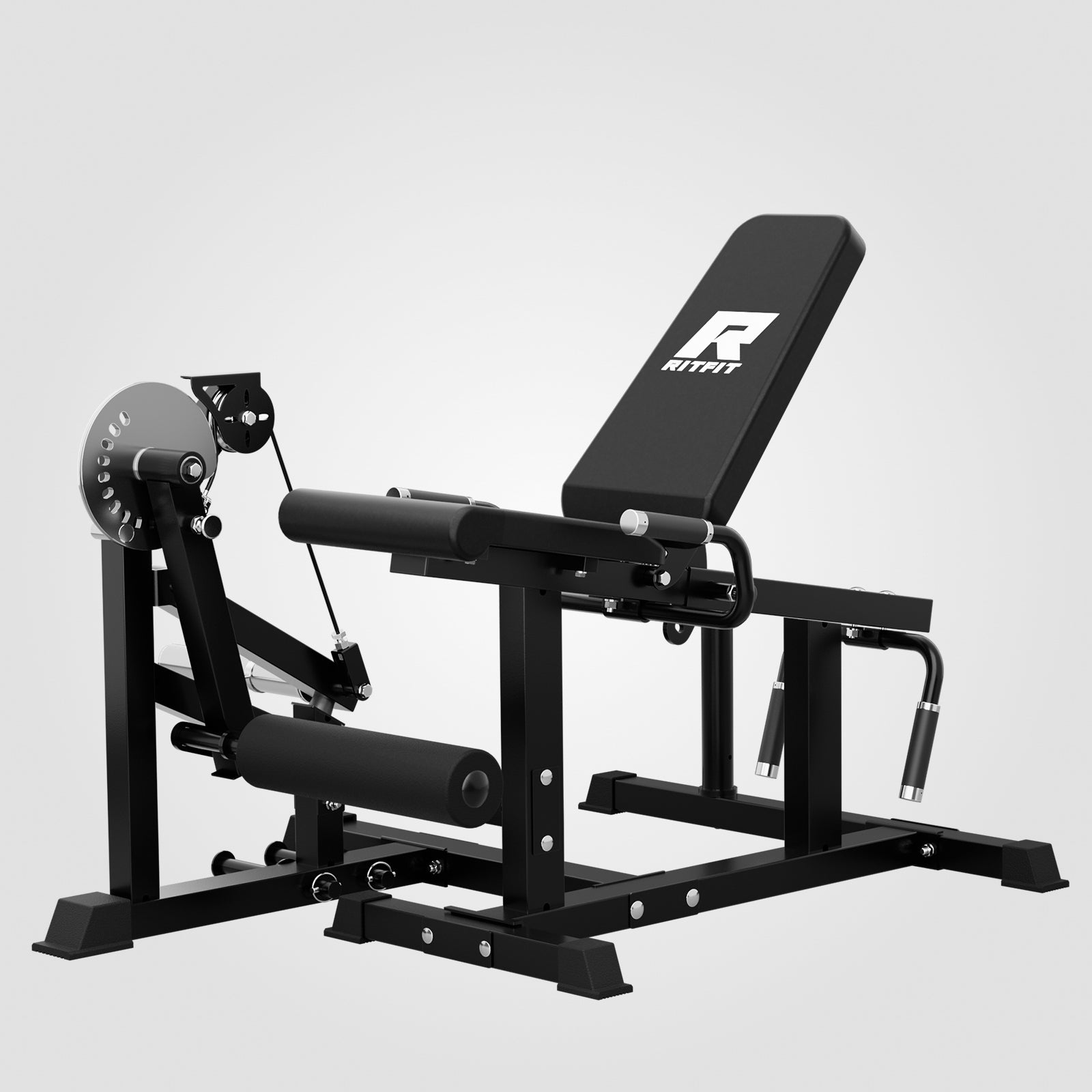
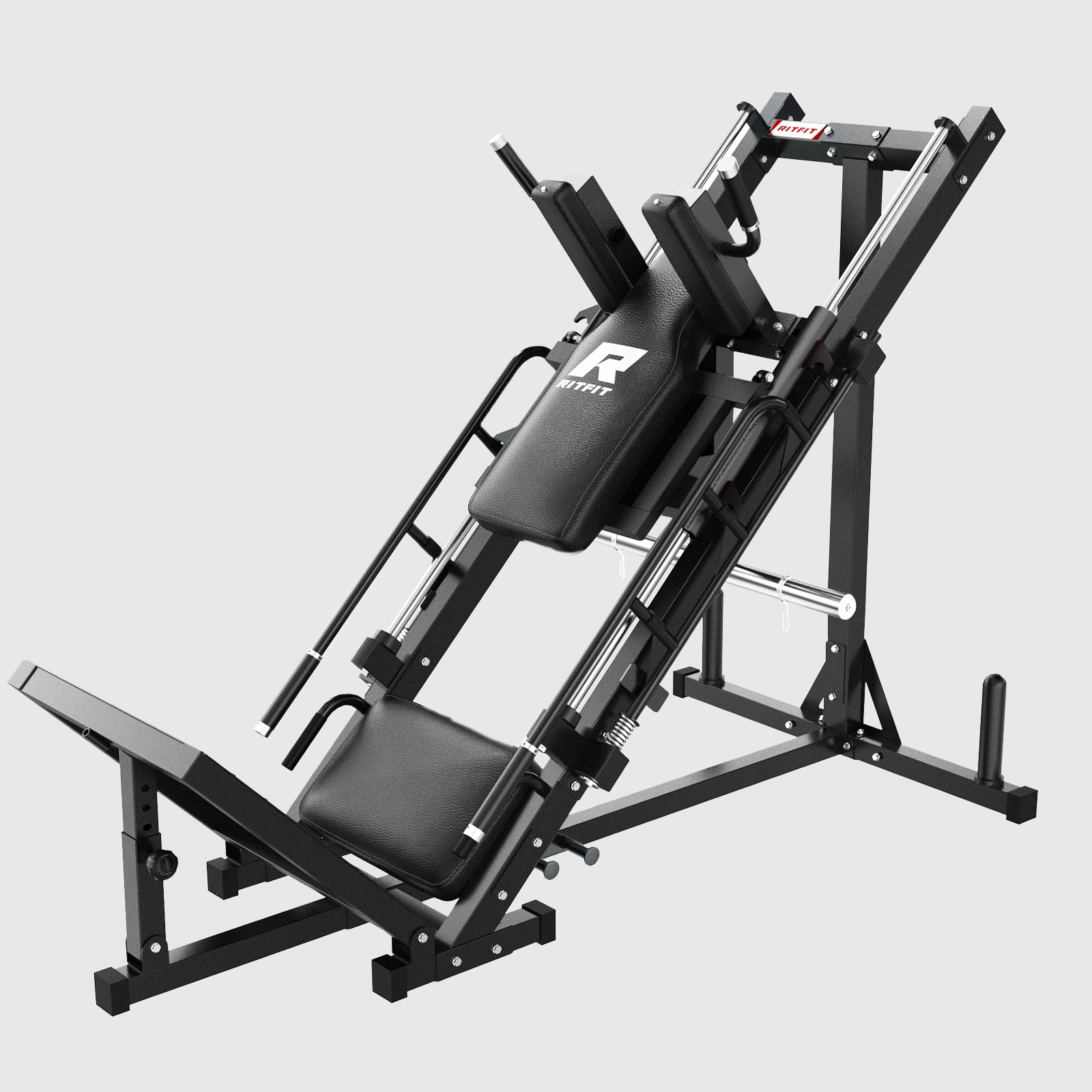
The goal is not to buy the most equipment. The goal is to build a training station that lets you lift, fail safely, reset quickly, and track progress without changing the environment every workout.
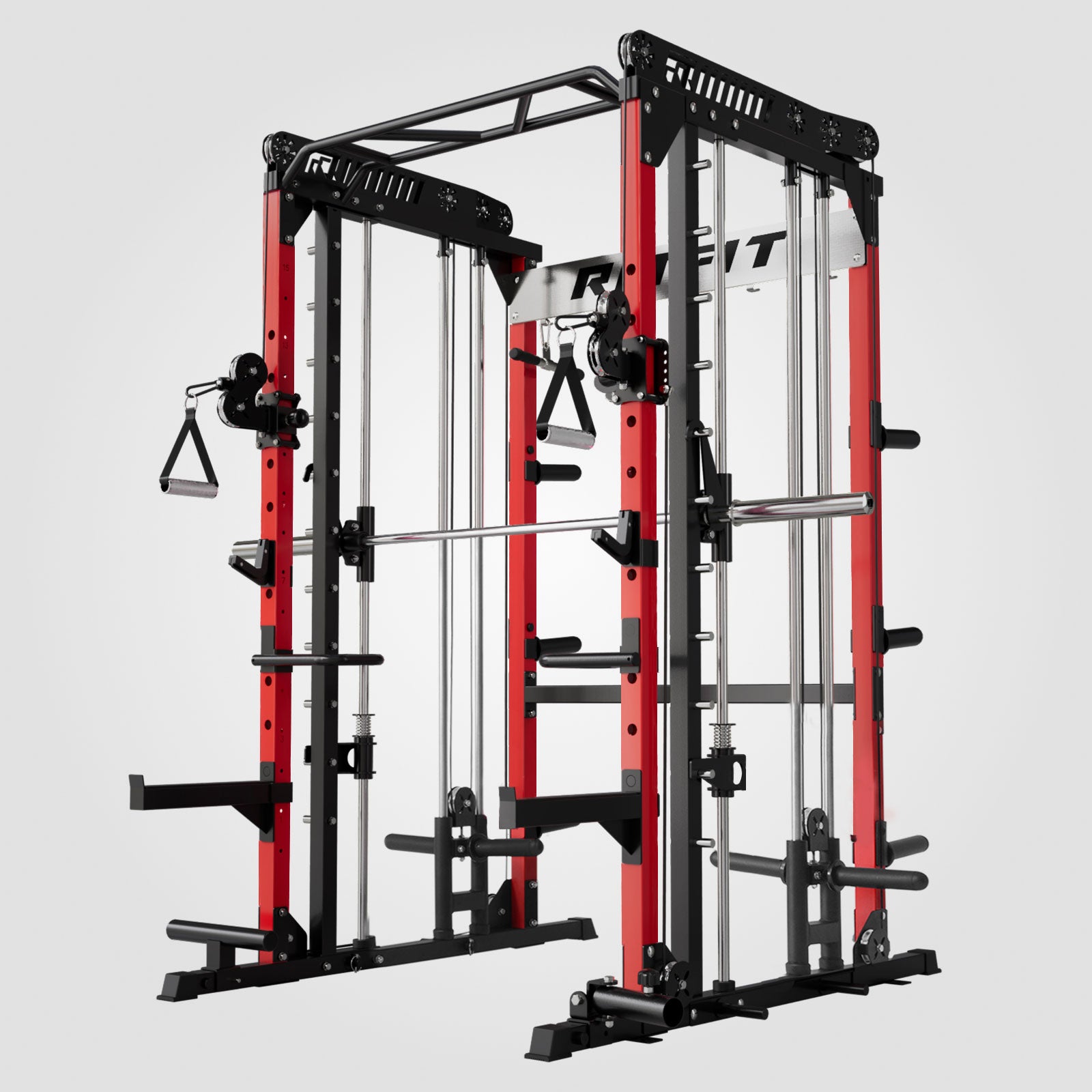
- Rack or Smith machine: Choose a stable lifting station with adjustable safety points for presses, squats, and rows.
- Adjustable bench: A strong adjustable weight bench supports flat, incline, seated, and supported pulling work.
- Weight plates: Olympic rubber bumper plates help build a consistent loading system for barbell and machine training.
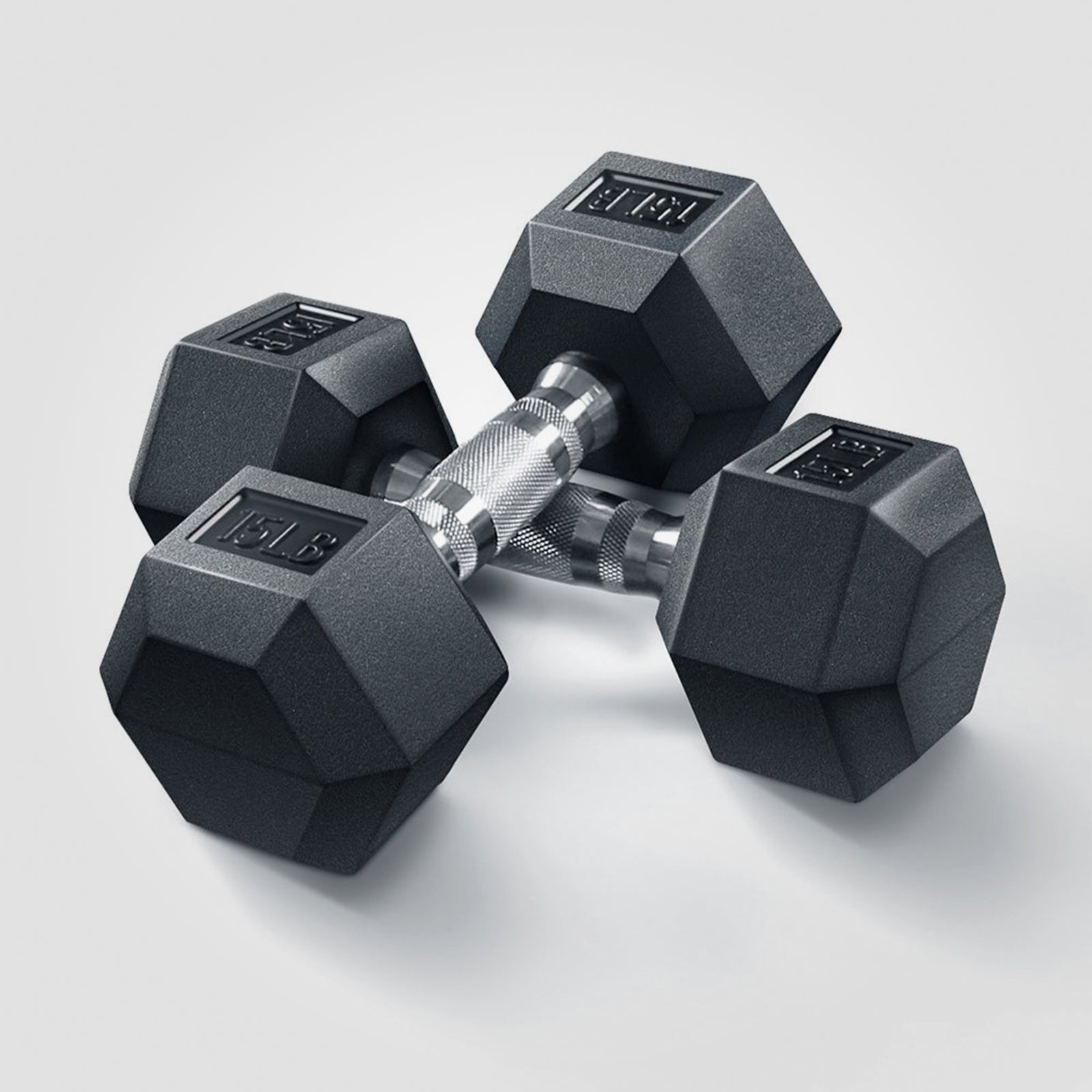
- Dumbbells: rubber hex dumbbells are useful for accessory work that can be pushed closer to technical failure.
- Cable station: Cables make it easier to train the back, arms, shoulders, and chest with stable resistance.
- Flooring and open space: Leave enough room to walk out, rerack, unload plates, and exit a failed lift safely.
For lifters who want one compact training station for guided bar work, cable movements, and rack based strength training, a RitFit M1 PRO Smith Machine home gym package can centralize the main strength training zone.
You can also compare broader options in the RitFit Smith machine collection if your priority is guided bar training, cable work, or a more complete home gym package.
The 12 Week Home Gym Strength Lab Plan
This plan keeps the original high intensity spirit, but it replaces reckless all out failure with planned effort, progression, and recovery checks. Train two or three days per week depending on your schedule and recovery.
| Phase | Weeks | Main Goal | Effort Target |
|---|---|---|---|
| Phase 1 | Weeks 1 to 4 | Build technique, setup, and logging discipline | Stop with two or three reps in reserve |
| Phase 2 | Weeks 5 to 8 | Train close to failure on selected movements | Stop with zero to two reps in reserve |
| Phase 3 | Weeks 9 to 12 | Add intensity methods only where safe | Use technical failure on safer cable or accessory lifts |
- Workout A: Squat pattern, horizontal press, row, hamstring hinge, arm isolation, core control.
- Workout B: Hip dominant lift, vertical pull, incline press, split squat, lateral raise, trunk stability.
- Optional Workout C: Light technique work, cable accessories, mobility, and low fatigue volume.
How to Progress Without Turning Every Set Into a War
Progressive overload means increasing training stress over time while keeping the body able to adapt. It does not mean adding weight every session or turning every working set into a fight for survival.
- Progress reps first: Add one clean rep before adding more load.
- Progress load second: Add small weight jumps after you reach the top of the rep range.
- Progress range of motion: Use deeper, cleaner reps only when joint position and control remain stable.
- Progress density carefully: Shorter rest periods can increase fatigue, but they can also reduce strength output.
- Deload before performance crashes: Reduce load or sets for one week when joints, sleep, motivation, or logbook numbers decline.
In trained individuals, resistance training to failure and non failure training can both improve strength and muscle architecture, which means failure is a tool rather than a requirement for every set.[5]
Recovery Rules for High Effort Home Training
Hard training works only when recovery can support adaptation. If your home gym makes it easier to train intensely, it also makes it easier to overdo intensity too often.
- Track performance: If warm up sets feel heavier for two sessions in a row, reduce intensity.
- Watch joint feedback: Muscle fatigue is expected, but sharp pain is a stop signal.
- Protect sleep: Poor sleep can make the same workout feel harder and reduce training quality.
- Use rest days deliberately: Rest is part of the program, not a failure of discipline.
- Keep the room trainable: Good airflow, practical lighting, clear walkways, and stable flooring improve repeatability.
Nutrition and Hydration for Strength Progress
Nutrition should support the full training week, not just the shake after one workout. Current sports nutrition guidance supports daily protein intake of about 1.4 to 2.0 grams per kilogram of body weight for most exercising individuals, with protein timing placed around training as a useful but secondary tool.[4]
- Protein: Aim for consistent daily intake spread across meals rather than relying on one large serving.
- Carbohydrates: Use carbs to support hard lower body sessions, high volume training, and recovery.
- Hydration: Drink based on body size, sweat rate, temperature, and session length.
- Post workout nutrition: Eat a protein rich meal or shake within a practical window after training.
- Body weight changes: Adjust calories based on whether your goal is muscle gain, fat loss, or maintenance.
Common Mistakes That Make Failure Training Riskier
Most home gym problems do not come from effort alone. They come from pushing hard without a clear stop rule, poor rack setup, or a program that ignores recovery.
- Chasing failure on every lift: Save true technical failure for safer exercises and planned phases.
- Skipping safety pin tests: Test the empty bar path before loading the bar.
- Using ego loads: If the first rep already looks unstable, the set is too heavy for failure work.
- Ignoring exercise order: Put the most technical compound lifts early, then use cables and accessories for higher effort work.
- Confusing soreness with progress: Soreness can happen, but repeated performance improvement is the better signal.
FAQs
Can you train to failure safely at home?
Yes. You can train close to failure safely at home when the exercise, setup, and load match your skill level. Use safety pins, stable flooring, clear space, and technical failure as the stopping point. Heavy barbell lifts should usually stop before form breaks, especially when training alone.
Should beginners train to failure in a home gym?
No. Beginners should build technique, range of motion, and repeatable control before chasing failure. Start with two or three reps in reserve on most sets, then increase effort gradually. Early progress comes from learning the lifts, logging workouts, and recovering well between sessions.
Which exercises are best for training close to failure at home?
Cable rows, lat pulldowns, curls, triceps pressdowns, lateral raises, and controlled machine movements are usually better choices. These exercises reduce the risk of being trapped under a bar. Heavy squats, bench presses, and overhead presses need more caution and properly tested safety points.
How often should you train close to failure in a home gym?
Most lifters do best with one to three hard strength sessions per week, depending on volume, sleep, stress, and training age. Close to failure work should be used selectively. If performance drops, joints feel irritated, or motivation falls, reduce effort before adding more work.
What safety equipment do you need for solo strength training?
Use a stable rack or Smith machine, correctly set safety pins, strong collars, clear flooring, and a bench that matches the lift. Keep a phone nearby and test the empty bar path first. The safest setup lets a failed rep stop above your body without panic.
Does a Smith machine make training to failure safer?
A Smith machine can make some exercises more controlled because the bar path is guided and the hooks are easy to reach. It does not remove all risk. Set the safeties correctly, use loads you can control, and stop the set when technique changes.
What should you do if recovery drops after high intensity workouts?
Reduce intensity first, then reduce volume if fatigue continues. Warning signs include weaker warm up sets, poor sleep, joint irritation, and repeated soreness that limits daily movement. A short deload, more food, and an extra rest day often restore progress faster than another hard session.
Conclusion
Your home gym can become a true strength lab when it helps you train hard, measure progress, and fail safely. The goal is not to prove toughness on every set, but to create a repeatable system where effort, safety, recovery, and progression work together.
Disclaimer
This article is for general fitness education only and is not medical advice. Consult a qualified healthcare professional or certified fitness professional before beginning intense strength training, especially if you are new to lifting, returning from injury, managing a medical condition, or training alone with heavy loads.
References
- Currier BS, D'Souza AC, Fiatarone Singh MA, et al. American College of Sports Medicine Position Stand. Resistance Training Prescription for Muscle Function, Hypertrophy, and Physical Performance in Healthy Adults: An Overview of Reviews. Med Sci Sports Exerc. 2026;58(4):851-872. doi:10.1249/MSS.0000000000003897.
- Refalo MC, Helms ER, Trexler ET, Hamilton DL, Fyfe JJ. Influence of Resistance Training Proximity-to-Failure on Skeletal Muscle Hypertrophy: A Systematic Review with Meta-analysis. Sports Med. 2023;53(3):649-665. doi:10.1007/s40279-022-01784-y.
- Serafim TT, de Oliveira ES, Maffulli N, Migliorini F, Okubo R. Which resistance training is safest to practice? A systematic review. J Orthop Surg Res. 2023;18:296. doi:10.1186/s13018-023-03781-x.
- Jäger R, Kerksick CM, Campbell BI, et al. International Society of Sports Nutrition Position Stand: protein and exercise. J Int Soc Sports Nutr. 2017;14:20. doi:10.1186/s12970-017-0177-8.
- Santanielo N, Nóbrega SR, Scarpelli MC, et al. Effect of resistance training to muscle failure vs non-failure on strength, hypertrophy and muscle architecture in trained individuals. Biol Sport. 2020;37(4):333-341. doi:10.5114/biolsport.2020.96317.