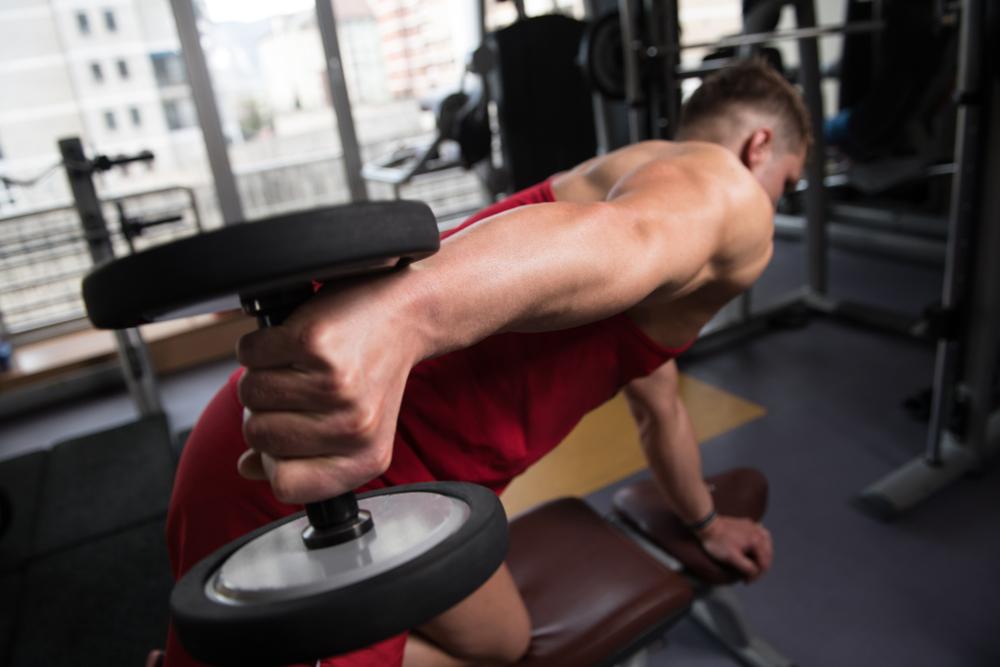
Table of Contents
Strong arms are important for almost every upper body movement, and your triceps are often the heavy lifters behind every press, push, and lockout.
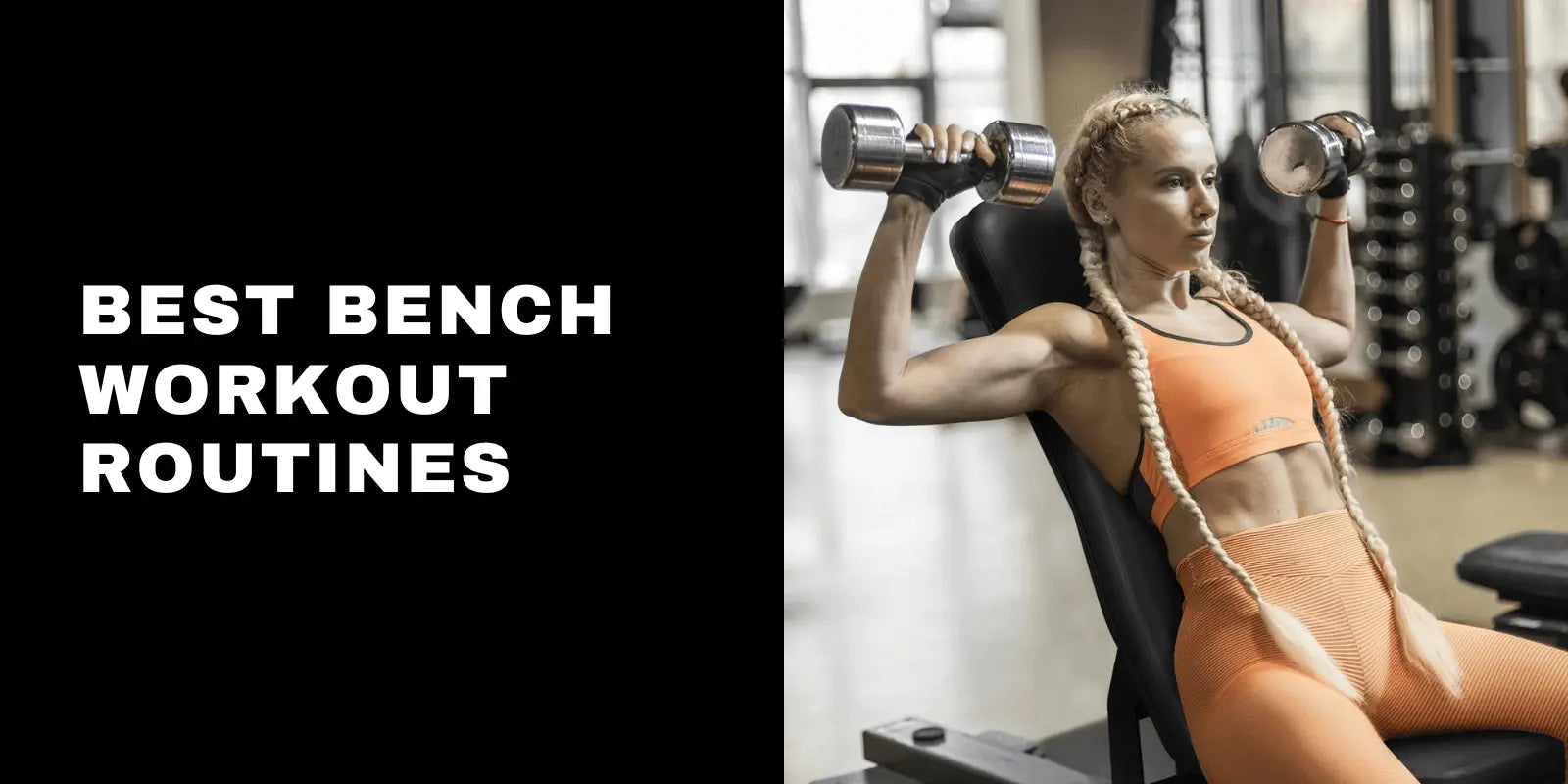
When you learn a few simple weight bench exercises at home, you can build stronger triceps without needing a full commercial gym.
All you really need is a sturdy weight bench, a pair of dumbbells, and a smart plan that keeps your shoulders and elbows feeling healthy while your arms get stronger and more defined.
In this guide, we’ll walk through 4 effective tricep bench workouts you can do at home, complete with step-by-step instructions, safety tips, and a plug-and-play workout you can start this week.
Why Training Your Triceps Matters
- Extending your elbows in every press and push (bench press, push-ups, overhead press).
- Stabilizing your shoulders at the top of presses and lockouts.
- Supporting daily tasks like pushing doors, lifting boxes, or carrying kids and groceries.
Warm-Up and Safety Tips Before You Start
Try this quick 5-minute warm-up:
- 1–2 minutes of light cardio (marching in place, brisk walking, or easy jump rope).
- 10–15 arm circles forward and backward.
- 10–15 band pull-aparts or scap squeezes to activate the upper back.
- 10–15 gentle elbow extensions with no weight to lubricate the joint.
Safety guidelines:
- Start lighter than you think. Focus on smooth, pain-free reps before adding weight.
- Keep your shoulders down and back on the bench; avoid shrugging toward your ears.
- If you feel sharp pain in the elbow or shoulder, stop that movement and switch to a lighter version or a different exercise.
Best 4 Effective Tricep Bench Workouts to Build Stronger Arms
Tricep Kickback
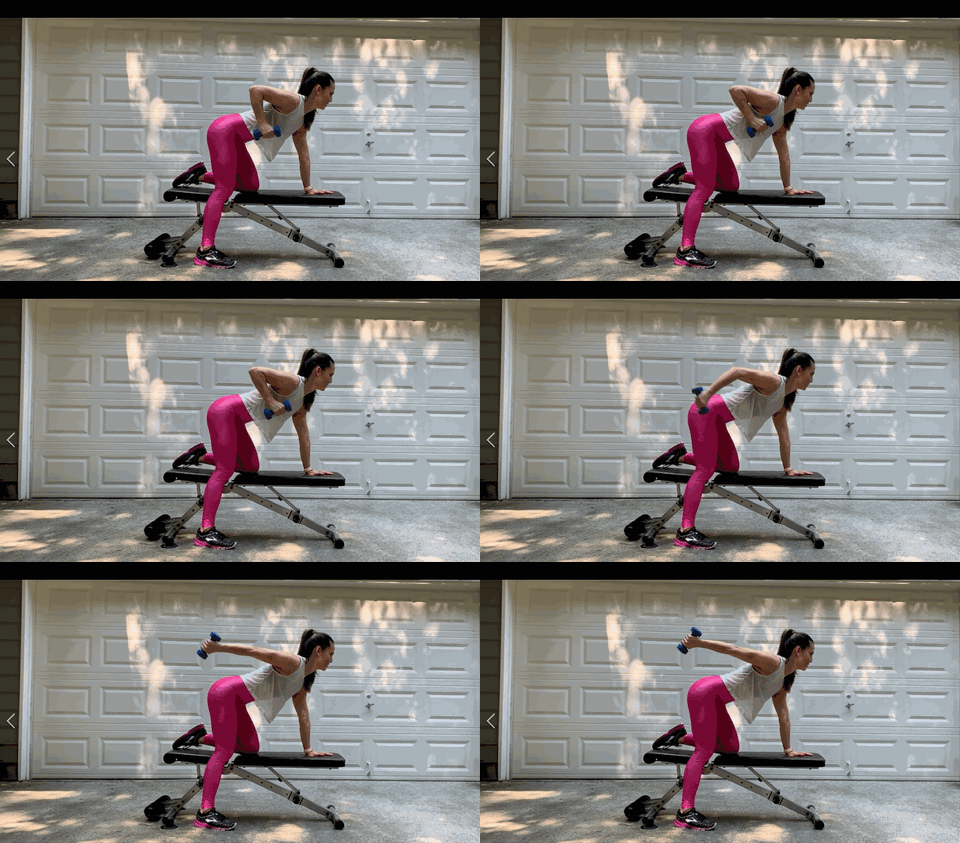
Tricep kickbacks are a classic isolation exercise that let you hammer the triceps without much help from other muscles. When done correctly, they create intense tension at the top of each rep and are perfect for higher-rep “pump” work at home.
Muscles Worked:
Primary: Triceps (especially the long and lateral heads)
Secondary: Rear delts, upper back stabilizers, core
How to Do Dumbbell Tricep Kickbacks on a Bench
- Set up with one knee and the same-side hand on the bench, other foot firmly on the floor.
- Hold a dumbbell in the free hand with your palm facing your torso, hinge at the hips, and keep your back flat.
- Pull your upper arm close to your torso so your elbow is bent at about 90°, and your upper arm is parallel to the floor.
- Without swinging your shoulder, extend your elbow and “kick” the dumbbell back until your arm is straight and your triceps are fully squeezed.
- Pause briefly, then slowly bend the elbow to return to the starting position. Complete all reps on one side, then switch.
Coaching Tips:
- Keep your upper arm locked in place—only the forearm should move.
- Avoid using momentum; think “slow squeeze” at the top.
- Pick a weight you can control for 10–15 smooth reps without swinging.
Recommended Sets & Reps:
3 sets of 10–15 reps per arm, resting 45–60 seconds between sets.
Skull Crusher
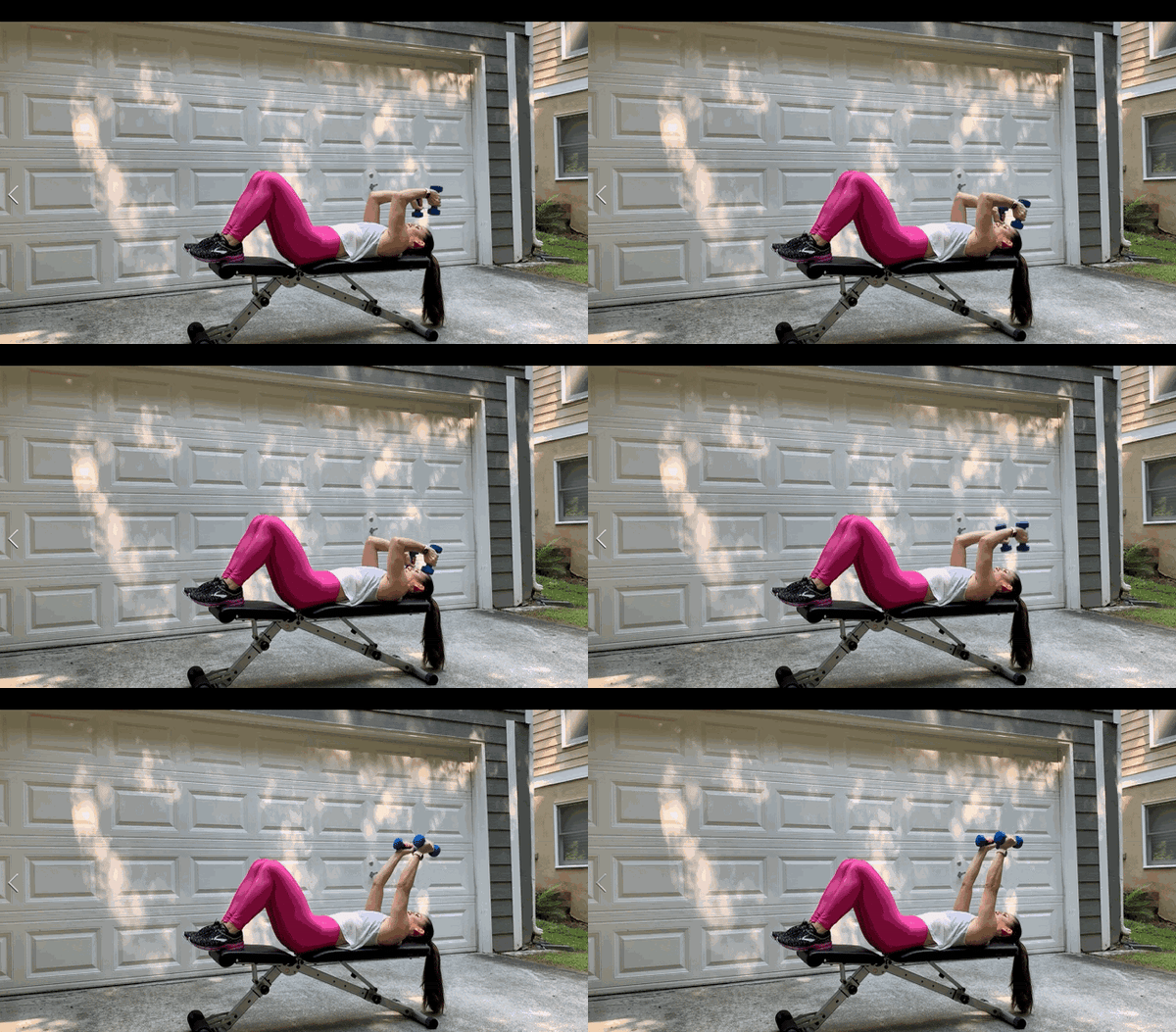
Skull crushers use a deep range of motion and constant tension to target all three heads of the triceps. With a bench and a pair of dumbbells at home, you can do them safely and adjust each arm independently to fix imbalances.
Muscles Worked:
Primary: Triceps (long, medial, and lateral heads)
Secondary: Forearms, stabilizing muscles around the shoulder
How to Do Dumbbell Skull Crushers
- Lie flat on your weight bench with your feet planted firmly on the floor, holding a dumbbell in each hand.
- Press the dumbbells straight up over your shoulders with your palms facing each other.
- Keeping your upper arms vertical and elbows pointing toward the ceiling, bend only at the elbows to lower the dumbbells toward your temples or just behind your head.
- Stop when you feel a strong stretch in the triceps but before your shoulders lose stability.
- Drive the dumbbells back up by extending your elbows until your arms are straight and your triceps are fully contracted.
Coaching Tips:
- Do not let your elbows flare excessively—keep them roughly shoulder-width apart.
- If dumbbells feel unstable, you can use one heavier dumbbell held with both hands or a barbell if you have one.
- Move slowly through the lowering phase (2–3 seconds) to protect the elbows.
- For maximum growth: Allowing the elbows to drift slightly past your head (increasing shoulder flexion) places the triceps long head under greater stretch. Recent research confirms that training muscle groups at longer lengths, specifically in the overhead or flexed position, promotes greater hypertrophy than training in shortened positions[1].
Recommended Sets & Reps:
3–4 sets of 8–12 controlled reps, resting 60–90 seconds between sets.
Bench Dip
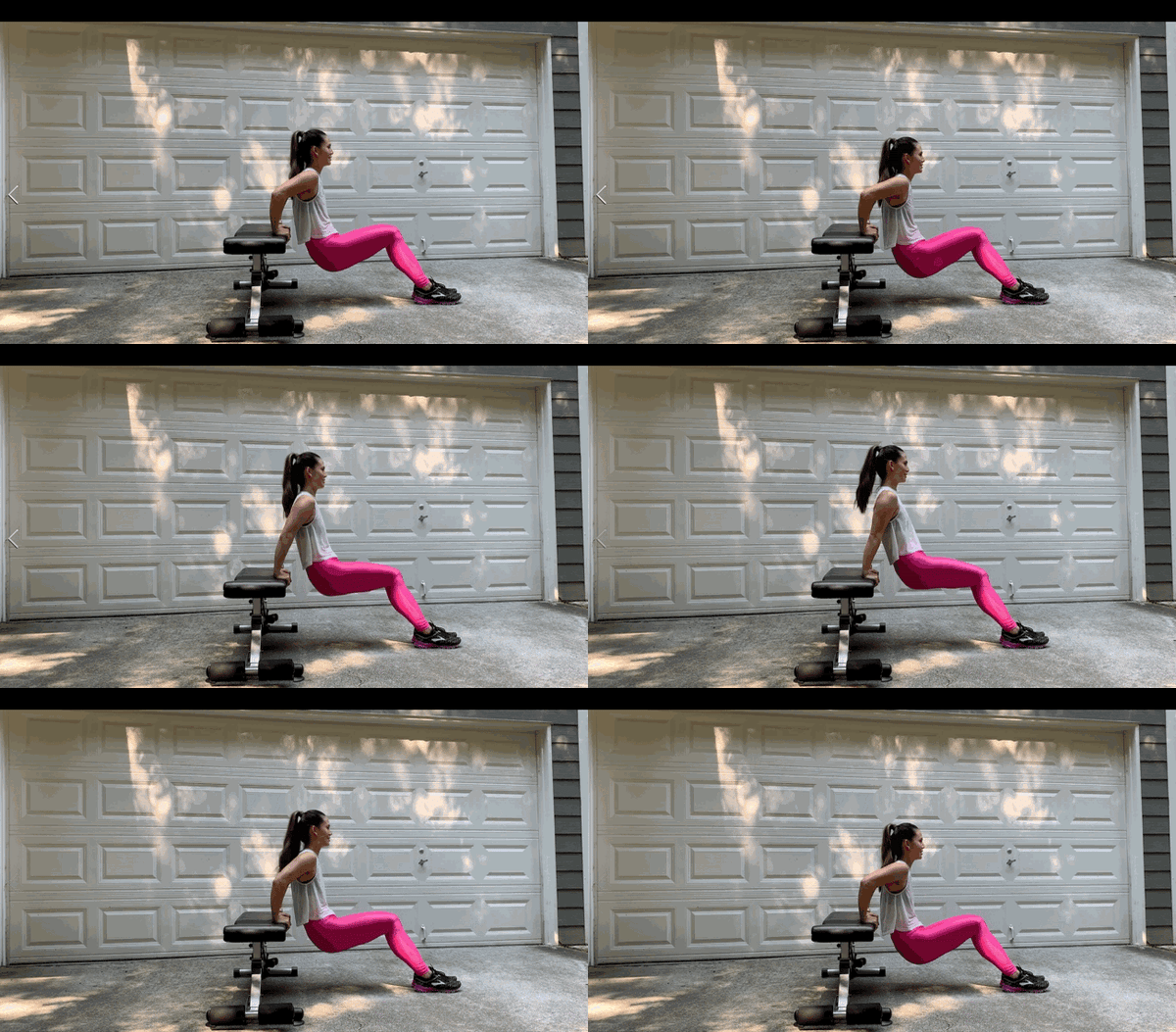
Bench dips are a bodyweight tricep exercise you can do almost anywhere you have a sturdy bench or box. They challenge your triceps with your own bodyweight and can be scaled easier or harder depending on your foot position.
Muscles Worked:
Primary: Triceps
Secondary: Chest, front delts, upper back stabilizers
How to Do Bench Dips
- Sit on the edge of the bench and place your hands next to your hips, fingers pointing forward, gripping the bench.
- Walk your feet out and slide your hips off the front of the bench so your arms are supporting your weight.
- For an easier version, keep your knees bent and feet flat on the floor. For a harder version, straighten your legs or elevate your heels on another bench or box.
- Bend your elbows to lower your body straight down, keeping your back close to the bench and your chest lifted.
- Stop when your upper arms are about parallel to the floor (or before any shoulder discomfort), then press through your hands to extend your elbows and return to the top.
Coaching Tips:
- Avoid letting your shoulders roll forward or shrug toward your ears.
- Keep your torso upright rather than leaning far forward—this places more work on the triceps.
- Go only as low as your shoulders comfortably allow; joint health comes before depth.
- Caution: Do not descend lower than 90 degrees of elbow flexion. Going too deep can cause excessive anterior glide of the humeral head, placing significant stress on the anterior shoulder capsule and increasing impingement risk[2].
Recommended Sets & Reps:
3 sets of 8–15 reps, resting 60 seconds between sets. Stop each set with 1–2 reps “left in the tank” to protect your shoulders.
Chest Press
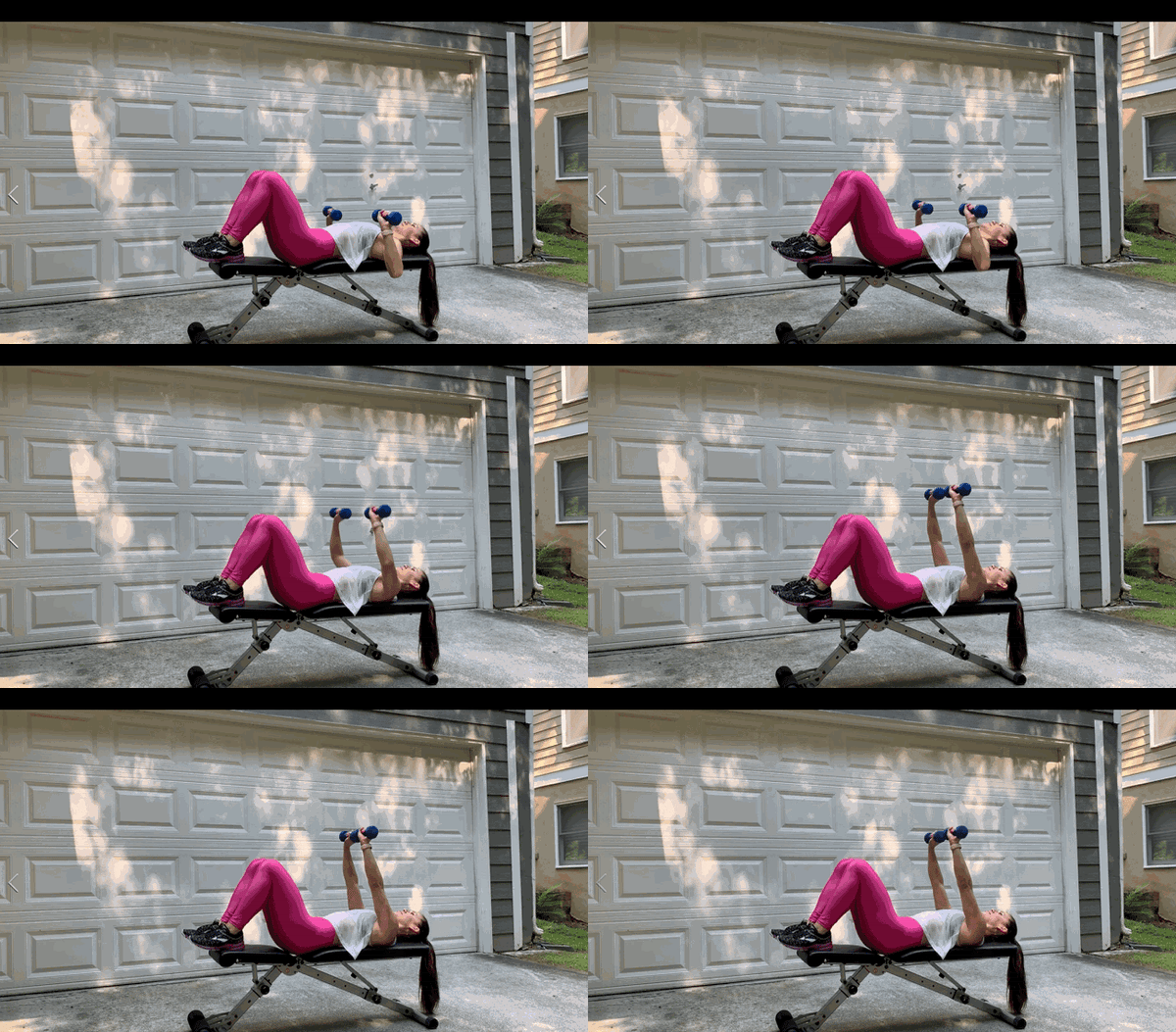
The traditional chest press is known as a chest builder, but by narrowing your grip and keeping your elbows tucked, you turn it into a powerful tricep mass builder. This close-grip variation is perfect for the weight bench in your home gym.
Muscles Worked:
Primary: Triceps
Secondary: Chest, front delts
How to Do a Close-Grip Dumbbell Chest Press
- Lie on your bench with your feet flat on the floor, holding a dumbbell in each hand.
- Press the dumbbells up so they are directly over your chest with your palms facing each other and the bells close together.
- Keep your elbows tucked close to your sides as you slowly lower the dumbbells toward your lower chest or upper abs.
- Pause briefly when your elbows are just below the level of the bench and your triceps feel stretched.
- Press the dumbbells back up, focusing on driving through the triceps until your arms are fully extended and locked out.
Coaching Tips:
- If you use a barbell, use a grip just inside shoulder width—not ultra-narrow—to protect your wrists.
- Keep your wrists straight and stacked over your elbows for better power and less strain.
- Think “push the weight away with your triceps,” not just your chest.
- Mechanism of Action: Studies confirm that narrowing the grip significantly increases triceps activation while decreasing stress on the sternoclavicular joint compared to wide-grip pressing, making this an efficient compound movement for arm size[3].
Recommended Sets & Reps:
3–4 sets of 6–10 reps with challenging but controlled loads, resting 90 seconds between sets.
Sample At-Home Tricep Bench Workout
Use this simple routine 1–2 times per week as part of your upper-body or push day. Adjust the weight so you can perform all reps with good form.
Option A – Straight Sets
- Close-Grip Chest Press – 4 sets × 8–10 reps
- Skull Crusher – 3 sets × 10–12 reps
- Bench Dip – 3 sets × 8–15 reps
- Tricep Kickback – 3 sets × 12–15 reps
Rest 60–90 seconds between sets. If you’re newer to training, start with 2 sets of each exercise and build up over time.
Option B – Tricep Bench Circuit (Time-Saver)
Perform each exercise back-to-back with minimal rest, then rest 90 seconds between rounds:
- Close-Grip Chest Press – 10 reps
- Skull Crusher – 10 reps
- Bench Dip – 10–12 reps
- Tricep Kickback – 12–15 reps per arm
Complete 2–3 rounds. This is perfect when you want a fast tricep finisher at the end of your workout.
Choosing the Right Bench and Dumbbells for Home
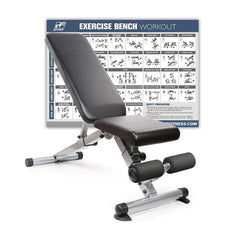
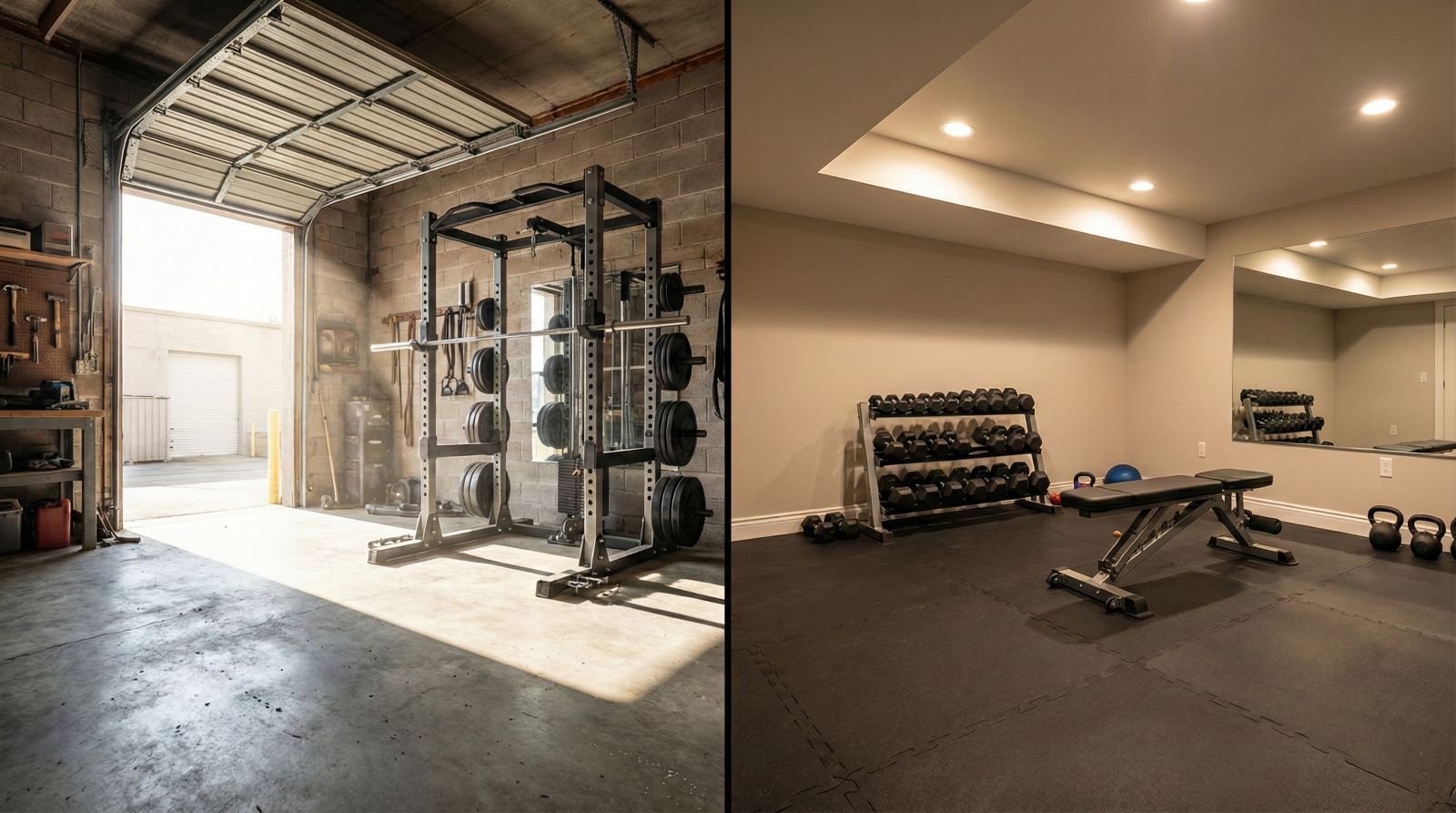
To get the most out of these weight bench exercises at home, your setup doesn’t have to be fancy, but it should be safe and versatile.
Look for a weight bench that:
- Feels rock-solid when you sit, lie, or push into it (no wobbling).
- Has a comfortable, supportive pad for your back and hips.
- Ideally offers adjustable positions (flat, incline, sometimes decline) so you can expand your exercise library.
- Fits your space—foldable or compact benches are great for small apartments or garages.
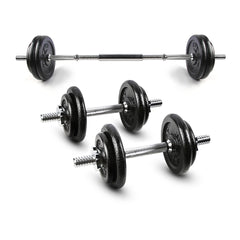
For dumbbells, you can use:
- Fixed dumbbell pairs if you already have a small rack.
- Adjustable dumbbells if you want multiple weight options without taking up much space.
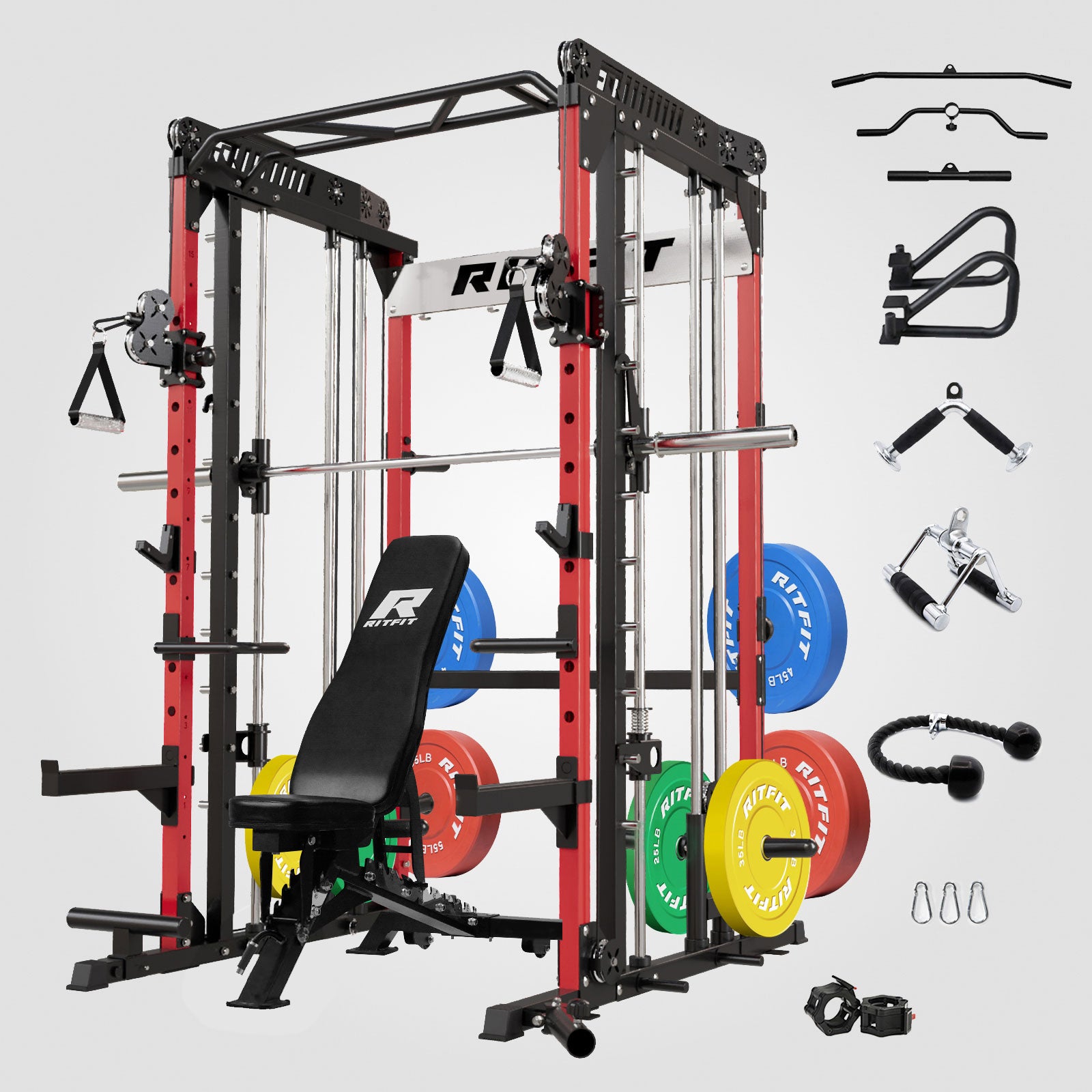
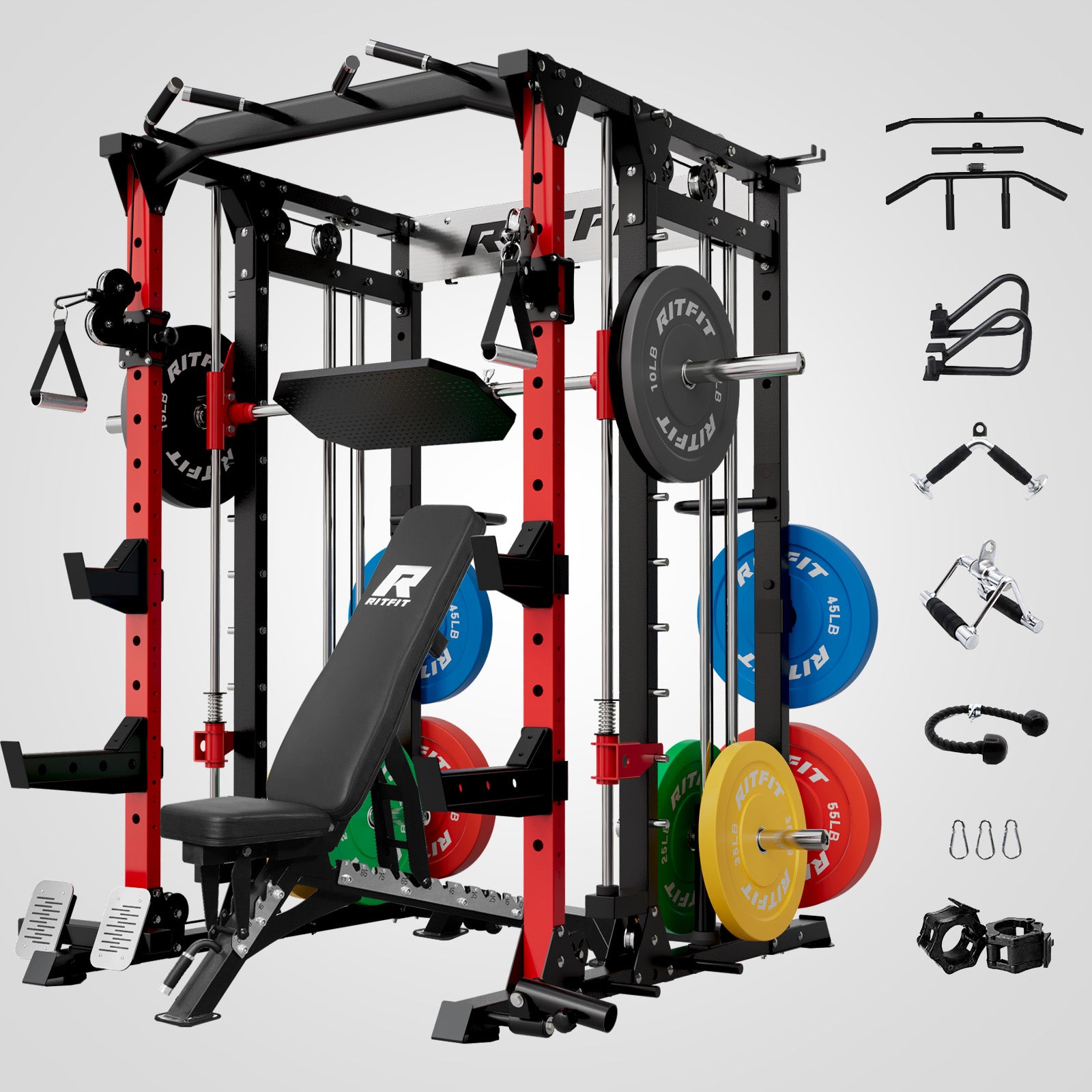
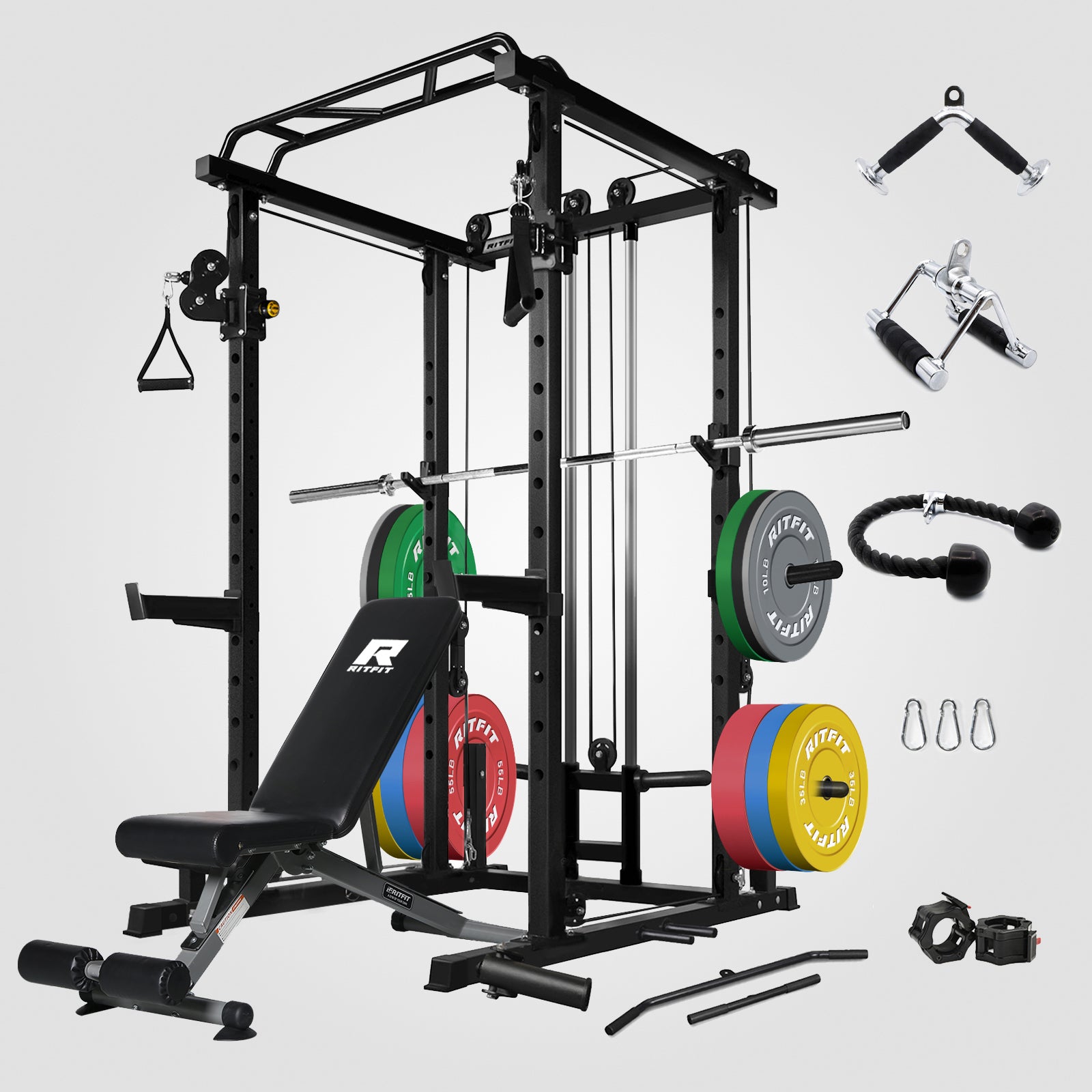
If you’re building or upgrading a home gym, a solid RitFit weight bench plus a set of RitFit dumbbells gives you everything you need for all four tricep exercises and much more.
Final Thoughts
References
- Maeo S, Wu Y, Huang M, et al. Triceps brachii hypertrophy is substantially greater after elbow extension training performed in the overhead versus neutral arm position. Eur J Sport Sci. 2023;23(7):1240-1250. doi:10.1080/17461391.2022.2100279
- Horowitz EH, Aibinder WR. Shoulder Impingement Syndrome. Phys Med Rehabil Clin N Am. 2023;34(2):311-334. doi:10.1016/j.pmr.2022.12.001
- Saeterbakken AH, Stien N, Pedersen H, Solstad TEJ, Cumming KT, Andersen V. The Effect of Grip Width on Muscle Strength and Electromyographic Activity in Bench Press among Novice- and Resistance-Trained Men. Int J Environ Res Public Health. 2021;18(12):6444. Published 2021 Jun 14. doi:10.3390/ijerph18126444
FAQ: Tricep Bench Exercises at Home
Q1: Can I build big triceps with just a bench and dumbbells at home?
Q2: How many times per week should I train triceps?
Q3: What if my elbows hurt during skull crushers or dips?
Q4: Should I do triceps before or after chest/shoulder training?
Q5: How long should a tricep bench workout take at home?
RitFit Bench and Dumbbells