A HIIT workout alternates short bursts of hard effort with brief recovery, and it has become one of the most time-efficient ways to train. Many people search for it as "hitt," but the correct term is HIIT, short for High-Intensity Interval Training.
This guide explains what HIIT is, how the work and rest structure works, a simple beginner routine you can try today, and how it compares to steady-state cardio so you can start safely.
Quick Answer: A HIIT workout, short for High-Intensity Interval Training, alternates short bursts of near-maximal effort with brief recovery periods. It can deliver cardiovascular and body-composition benefits comparable to longer steady-state cardio in less time, making it one of the most time-efficient ways to train at home.
Key Takeaways
- What HIIT means: High-Intensity Interval Training alternates short, hard effort with brief rest, often spelled "hitt" by mistake.
- Why it works: Brief, vigorous intervals can drive fitness adaptations comparable to longer steady cardio with far less time.
- Time efficiency: HIIT can match moderate cardio for body composition and VO2max while taking less time per session.
- Beginner friendly: You can start with bodyweight moves at home using a gentle 20 seconds work, 40 seconds rest ratio.
- Start smart: Two to three sessions a week, with rest days, lets beginners build fitness while limiting injury and burnout risk.
What Is a HIIT Workout?
A HIIT workout is a training style built from brief, intermittent bursts of vigorous activity separated by periods of rest or low-intensity exercise. HIIT stands for High-Intensity Interval Training, and it can be applied to running, cycling, bodyweight moves, or weighted exercises.[1]
- The structure: You push hard during a short work interval, then recover, then repeat for several rounds.
- The intensity: Work bouts typically sit in the vigorous range, often around 80 to 95 percent of maximal heart rate.
- The spelling: Searchers often type "hitt," but the accepted term is HIIT, and you can do it at home or in a gym.
If you want a ready-made starting point, our roundup of the best HIIT workouts for beginners pairs well with this overview.
How Does HIIT Actually Work?
HIIT works by forcing your body to perform near its limit during short intervals, then allowing partial recovery before the next effort. This repeated stress and recovery pattern challenges both your cardiovascular system and your muscles in a compressed amount of time.
What do intervals, intensity, and effort mean?
An interval is one round of hard work followed by rest, and the effort during the work phase is what makes HIIT effective rather than the exact timing you choose.
Why can short bursts be enough?
Because the work is so demanding, even a few quality intervals create a strong training stimulus, which is why a full HIIT session can be brief while still being challenging.
"If you're doing 30 on, 30 off, and you're just kind of going like 80, 85% through that 30 seconds of work, then you're not going to see the same results. So the one key is, if you're trying to get tons of benefits, cardiovascular benefits, especially from a very, very short amount of work, that amount of work has to be like, you got to get it done."
Andy Galpin, PhD, Professor of Exercise Science and Human Performance, Parker University
Why Can Short Bursts Match Longer Cardio?
Short, intense intervals can match longer cardio because high effort triggers many of the same cardiovascular and metabolic adaptations as sustained moderate exercise. A meta-analysis comparing HIIT and moderate-intensity continuous training in adults with overweight and obesity found similar improvements in body composition and VO2max, while HIIT took about 9.7 fewer minutes per session.[2]
- The time barrier: Lack of time is one of the most commonly cited reasons people skip exercise, and HIIT directly addresses it.
- The trade-off: You exchange a longer, easier session for a shorter, harder one that demands genuine effort.
If saving time appeals to you, browse the best HIIT workouts for cardio for more structured options.
How Is HIIT Different From Steady-State Cardio?
HIIT differs from steady-state cardio in intensity and structure, since HIIT alternates hard bursts with recovery while steady-state cardio holds one moderate pace throughout. An umbrella review of 16 systematic reviews covering 79 randomized trials and 2474 participants found interval training produced greater reductions in total body fat percent than moderate-intensity continuous training, with a weighted mean difference of 0.77 percent.[3]
| Feature | HIIT | Steady-State Cardio |
|---|---|---|
| Intensity | Hard bursts near maximal effort | Steady moderate pace |
| Session length | Often 10 to 25 minutes | Often 30 to 60 minutes |
| Recovery demand | Higher, needs rest days | Lower, easier to repeat |
| Best for | Time-pressed training | Easy base fitness |
Comparison reflects typical training structure and the evidence summarized in the references below.
Many people use both, applying HIIT a couple of times weekly and steady-state work on other days. A related format worth knowing is what a Tabata workout is, a popular HIIT variant.
What Does a Simple Beginner HIIT Workout Look Like?
A simple beginner HIIT workout uses bodyweight moves in short work intervals with longer rest, so you build fitness without overwhelming your recovery. A gentle starting structure is 20 seconds of work followed by 40 seconds of rest, repeated for a few rounds.
Can you do a bodyweight starter circuit with no equipment?
Yes, you can run a full circuit at home using high knees, bodyweight squats, mountain climbers, and a brief plank hold, resting between each move.
How do you add equipment like dumbbells or kettlebells?
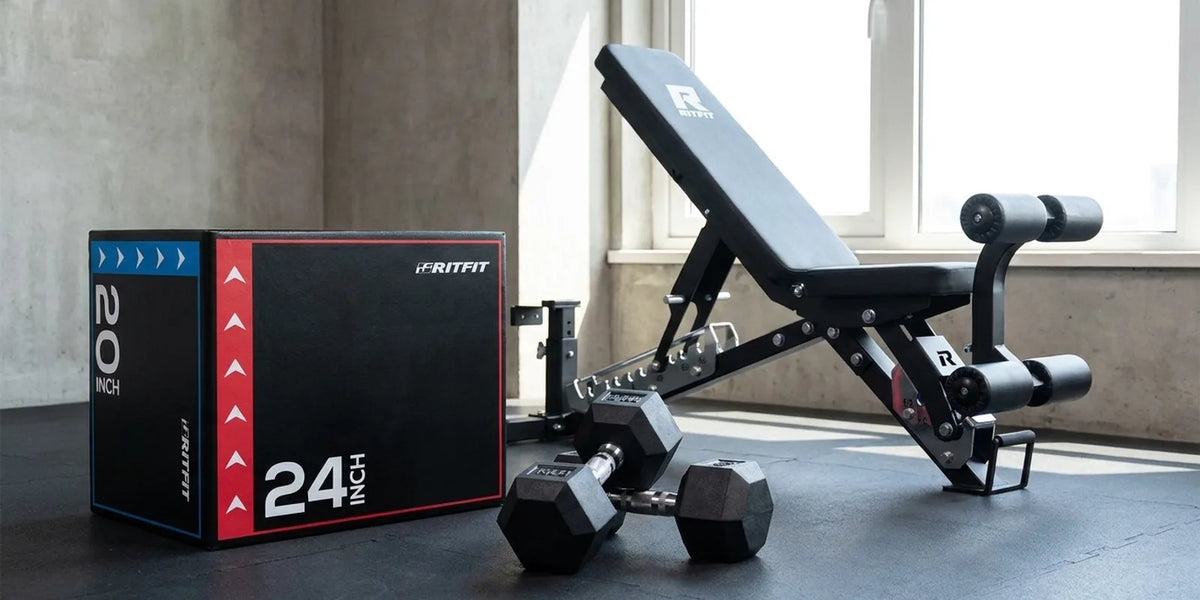
Once bodyweight intervals feel manageable, add load with light adjustable dumbbells or a kettlebell to increase the challenge of moves like squats and presses.
- Loading tips: Start light so your form holds up through the entire work interval, then progress gradually.
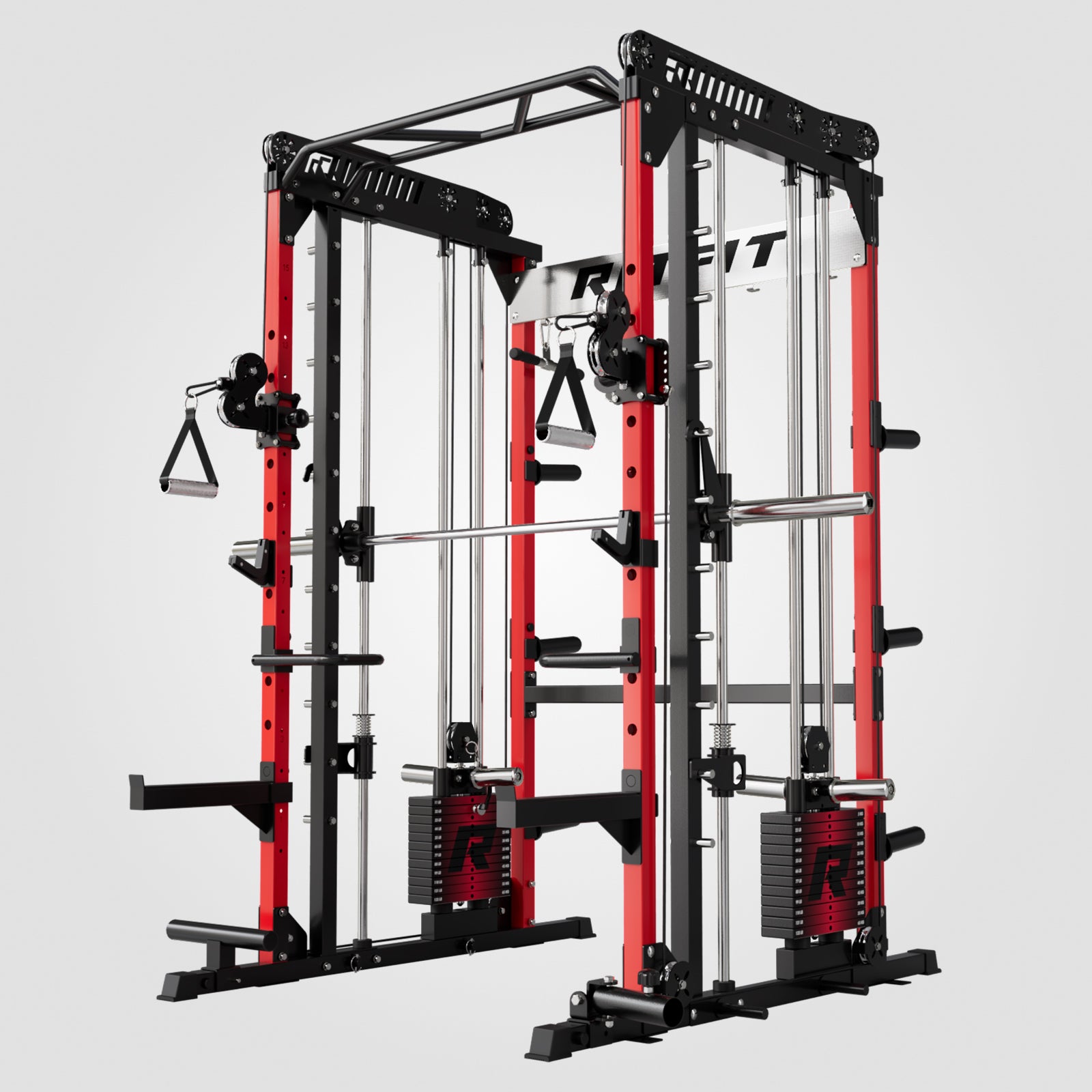
- Storage: Keeping gear tidy with a dumbbell rack stand makes home sessions easier to start.
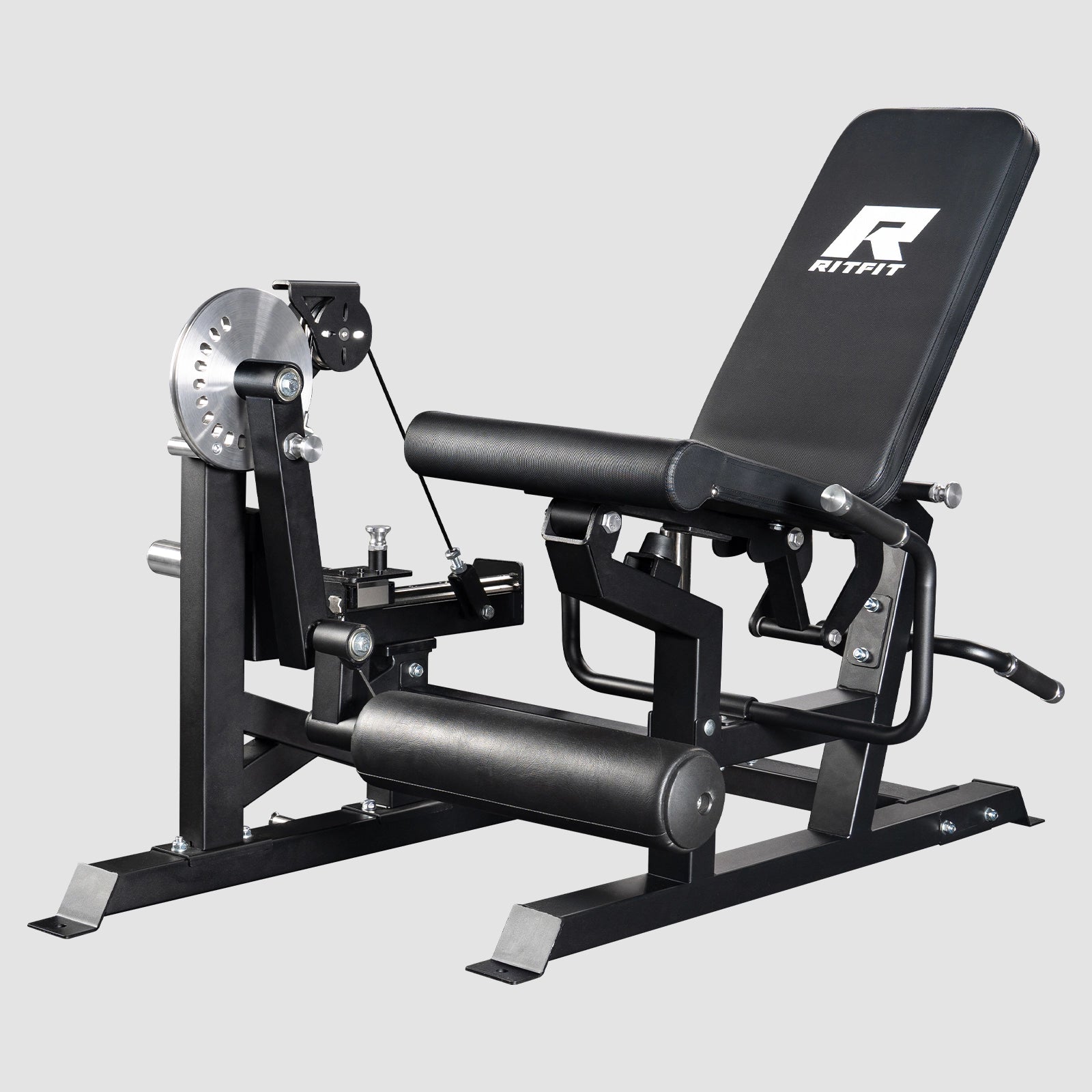
- More options: For machine-based intervals, see our HIIT routines for cardio equipment.
If you are still setting up your space, our guide to minimum home gym equipment covers the basics.
How Do You Start HIIT Safely?
You start HIIT safely by training two to three times per week, keeping early sessions short, and building intensity gradually as your fitness improves. Because true HIIT is demanding, spacing sessions and prioritizing recovery matters as much as the workout itself.
How often should beginners train?
Beginners do well with two to three HIIT sessions weekly, separated by rest days or light activity to allow full recovery between hard efforts.
How do you progress the work to rest ratio?
Progress by shortening rest or adding rounds over several weeks, moving from a 20 seconds work, 40 seconds rest ratio toward more demanding patterns.
When should you back off or stop?
Stop a session if you feel sharp pain, dizziness, or chest discomfort, and treat persistent fatigue or soreness as a signal to add a rest day.
For loading choices as you progress, compare the best dumbbell sets for a home gym.
What Are the Most Common HIIT Mistakes?
The most common HIIT mistakes are training too often, not pushing hard enough during work intervals, and skipping warm-ups. Each one quietly limits results or raises injury risk for new trainees.
- Too much, too soon: Daily high-intensity work hinders recovery, so cap sessions and respect rest days.
- Coasting through intervals: Half effort during work bouts undercuts the cardiovascular benefit that makes HIIT efficient.
- No warm-up: Jumping into max effort cold raises strain risk, so prepare your body first.
New to building a space for this? Start with our home gym equipment guide for beginners, or explore our metcon workouts guide for related conditioning formats.
FAQs About HIIT Workouts
What does HIIT stand for?
HIIT stands for High-Intensity Interval Training.
It is a workout style that alternates short bursts of hard, near-maximal effort with brief recovery periods.
Many people mistype it as hitt, but the correct spelling is HIIT.
The format can be applied to running, cycling, bodyweight moves, or weighted exercises, making it flexible for home or gym training.
How long should a beginner HIIT workout be?
A beginner HIIT workout can be as short as ten to twenty minutes, including a warm-up and cool-down.
Because the work intervals are intense, the total session stays brief.
Start with a gentle work-to-rest ratio, such as twenty seconds of effort followed by forty seconds of rest, and add rounds gradually as your fitness improves.
Is HIIT better than steady-state cardio?
Neither is simply better, since they serve different goals.
Research suggests HIIT can deliver similar body-composition and cardiovascular gains as steady-state cardio in less time, which helps if you are short on time.
Steady-state cardio is easier to sustain and recover from.
Many people combine both, using HIIT a couple of times weekly and steady-state on other days.
How often should I do HIIT per week?
Most beginners do well with two to three HIIT sessions per week, spaced out with rest or lighter activity in between.
Because true HIIT is demanding, daily high-intensity work can hinder recovery and raise injury risk.
Listen to your body, prioritize sleep and nutrition, and treat persistent fatigue as a signal to take an extra rest day.
Do I need equipment to do a HIIT workout?
No, you can do an effective HIIT workout with just your body weight using moves like high knees, squats, mountain climbers, and burpees.
Equipment such as adjustable dumbbells, kettlebells, or a cardio machine can add variety and resistance once you progress.
The key factor is genuine high effort during the work intervals, not the gear you use.
Can I do HIIT with a heart rate monitor?
Yes, a heart rate monitor helps you confirm you are working hard enough during intervals, since the benefit depends on genuine effort.
Aim for roughly 80 to 95 percent of your maximal heart rate during work bouts.
This is more useful than chasing a fixed pace, especially when you are new to the format.
What is a good HIIT to steady-state ratio for the week?
A practical weekly split is two to three HIIT sessions and one or two steady-state sessions, with rest days in between.
This lets you get the time-saving benefits of intervals without overloading recovery.
Adjust the mix based on your goals and how your body responds, and reduce volume if fatigue builds.
How long should a HIIT warm-up last?
A HIIT warm-up should last five to ten minutes and gradually raise your heart rate.
Include light cardio, dynamic leg swings, arm circles, and a few easy reps of the moves you will perform.
A proper warm-up reduces strain risk, which matters more when work intervals demand near-maximal effort.
Conclusion
HIIT is a flexible, time-efficient way to train that pairs short bursts of hard effort with brief recovery. Beginners can start at home with bodyweight intervals, then add equipment as they progress.
Begin with two to three short sessions a week, focus on genuine effort during work intervals, and respect rest days as your fitness builds. When you are ready to stock your space, compare equipment at RitFit sales.
Disclaimer
This article is for general educational purposes only and does not replace personalized medical or fitness advice. Consult a qualified healthcare or fitness professional before starting HIIT, especially if you have any health concerns or existing conditions.
References
1. Gibala MJ, Little JP, Macdonald MJ, Hawley JA. Physiological adaptations to low-volume, high-intensity interval training in health and disease. J Physiol. 2012;590(5):1077-84. doi:10.1113/jphysiol.2011.224725. PMCID: PMC3381816
2. Su L, Fu J, Sun S, et al. Effects of HIIT and MICT on cardiovascular risk factors in adults with overweight and/or obesity: A meta-analysis. PLoS One. 2019;14(1):e0210644. doi:10.1371/journal.pone.0210644. PMCID: PMC6349321
3. Poon ET, Li HY, Little JP, Wong SH, Ho RS. Efficacy of Interval Training in Improving Body Composition and Adiposity in Apparently Healthy Adults: An Umbrella Review with Meta-Analysis. Sports Med. 2024;54(11):2817-2840. doi:10.1007/s40279-024-02070-9. PMCID: PMC11560999