Table of Contents
- Defining Interactive Fitness
- Types of Interactive Fitness Equipment
- Virtual Reality Fitness
- AI Powered Personal Training
- Gamification in Fitness
- Connected Fitness Apps
- Benefits of Interactive Fitness
- Interactive Fitness for Home Gyms
- Choosing Interactive Fitness Equipment
- The Future of Interactive Fitness
- Getting Started with Interactive Fitness
Interactive fitness is connected training that combines equipment, apps, coaching, and real time feedback into one workout experience. It matters because it can make home exercise more structured, measurable, and engaging, especially for people who need better guidance and consistency.[1]
Key Takeaways
- Interactive fitness is a training ecosystem: It blends hardware, software, feedback, and coaching instead of relying on equipment alone.
- It is not just for cardio: Connected strength training, guided programming, and smart tracking now matter as much as classes and screens.
- Subscription value varies: Some users love ongoing coaching, while others prefer durable equipment plus one simple app.
- Home gym users benefit most from hybrid setups: A practical strength base plus digital guidance often beats an expensive closed platform.
- Better engagement is the real advantage: Interactive fitness works best when it improves adherence, clarity, and progression over time.
Defining Interactive Fitness
Interactive fitness is exercise that responds to the user through tracking, coaching, content, or progress feedback. Unlike passive workouts, it creates a two way system where the training environment reacts to effort, choices, and performance.
Core Components of Interactive Fitness
Most interactive fitness systems mix coaching, measurement, and motivation into one workflow. The best platforms do not just entertain, they reduce guesswork and make action easier.
- Real time feedback: Metrics such as pace, reps, load, heart rate, cadence, or session completion help users adjust faster.
- Guided coaching: Instruction can come from live classes, on demand sessions, structured plans, or app based prompts.
- Progress tracking: Training history, PR logs, streaks, and adherence data make progress visible.
- Motivation systems: Challenges, reminders, community features, and rewards keep users more engaged.
- Personalization: Good platforms adapt workouts to goals, schedule, skill level, and available equipment.
Types of Interactive Fitness Equipment
Smart Cardio Machines
Connected bikes, treadmills, and rowers remain the most recognizable category because they pair movement with screens, classes, and live performance feedback. They work especially well for users who want guided cardio, visual immersion, and a lower barrier to starting sessions.
Smart Strength Systems
Smart strength can mean digital resistance, camera guided form feedback, or app based programming layered onto standard home gym equipment. For readers comparing broader options, see best all in one home gym equipment and the ultimate guide to finding the best home weight machine.
Fitness Mirrors and Display Led Platforms
Display based systems package classes, coaching, and form visibility into one sleek home unit. They are most appealing to users who value guided variety, minimal footprint, and an uncluttered room setup.
Virtual Reality Fitness
Why VR Fitness Feels Different
VR fitness turns workouts into immersive tasks, games, and reactive environments that can feel more engaging than conventional sessions. Research on virtual reality exercise and exergaming supports the idea that enjoyment and participation can improve when movement feels more playful and absorbing.[2][3]
VR Fitness Benefits
VR is strongest when boredom is the main barrier to exercise. It makes more sense for users who want cardio in small spaces, fast immersion, and a less repetitive workout experience.
- Immersion: Attention shifts from discomfort toward task completion and movement cues.
- Enjoyment: Sessions often feel less monotonous than standard steady state cardio.
- Convenience: Users can train in tight spaces without needing large cardio machines.
- Variety: Different environments and mechanics reduce routine fatigue.
AI Powered Personal Training
Where AI Adds Real Value
AI is most useful when it improves personalization, session planning, and feedback rather than replacing all human coaching. Machine learning based fitness systems are becoming better at matching recommendations to user data, which makes AI more relevant for progress tracking, programming support, and practical decision making at home.[5]
AI Coaching Features
Users should judge AI features by usefulness, not by marketing language. The best features simplify execution and improve consistency instead of adding unnecessary complexity.
- Workout adaptation: Sessions can change based on completed work, time available, or stated goals.
- Movement feedback: Some platforms offer rep counting, pose analysis, or form prompts.
- Progress suggestions: Apps may recommend load changes, volume changes, or next steps.
- Planning support: Equipment based workout generation is especially valuable for home gym users.
Gamification in Fitness
What Keeps Users Engaged
Gamification applies points, levels, challenges, and achievement loops to exercise so training feels more rewarding. This matters because many users do not need more information, they need a better reason to show up consistently.
Gamification Elements
Effective gamification is simple, visible, and tied to action. Poor gamification adds noise, but good gamification makes consistency easier to repeat.
- Points and badges: Small wins give users quick feedback after each session.
- Leaderboards: Competition can improve commitment for users motivated by comparison.
- Challenges: Time bound goals create urgency and reduce drift.
- Streaks: Consecutive completion builds identity and routine.
- Milestones: Visible progress markers make long term goals feel more reachable.
Connected Fitness Apps
What Good Apps Actually Do
Apps are often the real backbone of interactive fitness because they connect planning, logging, accountability, and content delivery in one place. Fitness app usage intensity has also been associated with exercise adherence, which helps explain why tracking and structured prompts matter so much for consistency.[4]
Popular App Functions
Not every user needs a complex platform. Many people get the best results from one clear app that fits their available equipment and training style.
- Program delivery: Users can follow guided sessions or prebuilt routines.
- Workout logging: Sets, reps, load, rest, and PR history stay organized.
- Content access: Video libraries and technique demos reduce confusion.
- Habit support: Reminders, calendars, and streak tracking improve adherence.
- Ecosystem sync: Better apps work with wearables, screens, and home gym workflows.
Benefits of Interactive Fitness
Enhanced Motivation
Interactive fitness can make workouts easier to start because the session already has structure, prompts, and visible progress. That is often more important than advanced technology itself, especially for users who struggle with consistency.
Better Guidance and Safety
Guided content and feedback can reduce setup mistakes, poor exercise selection, and random programming. This is especially helpful for beginners training alone who need clearer movement cues and session direction.
Community Without the Commute
Leaderboards, classes, and shared challenges create a sense of participation without requiring a commercial gym visit. That can be valuable for private users, remote workers, and home gym owners who still want accountability.
More Personalized Programming
Interactive systems can match workouts more closely to available time, skill level, and equipment than generic routines found at random online. This makes training more realistic and easier to sustain week after week.
Interactive Fitness for Home Gyms
How to Make Interactive Fitness Work at Home
Interactive fitness works best in a home gym when digital tools sit on top of durable, versatile equipment instead of replacing it. Readers building that hybrid setup can explore 7 reasons to add an all in one Smith machine, how to use a Smith machine at home, and Smith machine benefits for home gym.
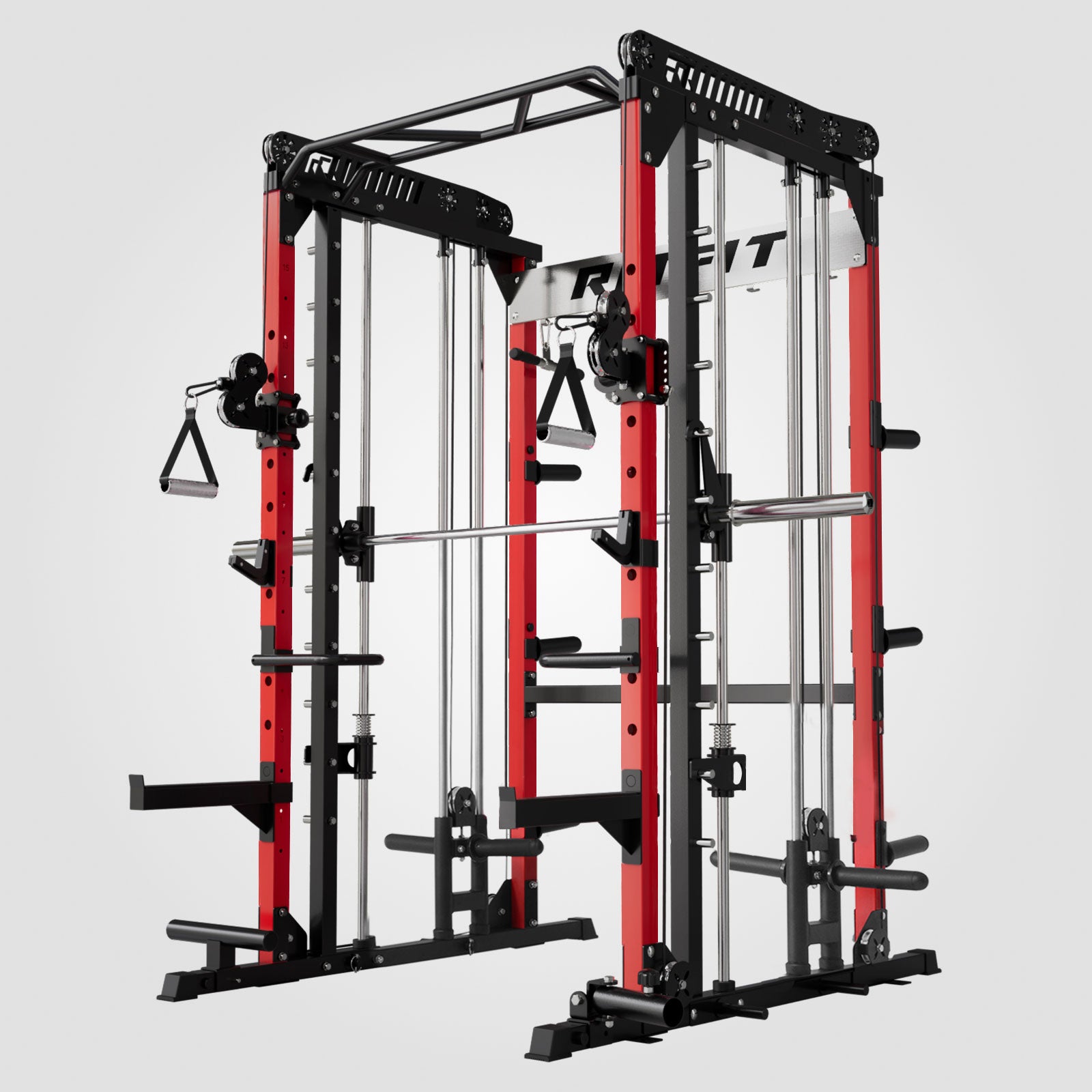
A connected strength setup does not need to be fully digital to feel interactive. A versatile base like the RitFit M1 Smith Machine home gym package, paired with a solid bench and one reliable tracking app, often creates a more sustainable system than buying multiple closed subscriptions at once.
Home Integration Considerations
Most buying mistakes happen because users chase features before solving basics. Space, workflow, device compatibility, and ongoing fees matter more than novelty.
- Space planning: Measure not only footprint, but also movement room and screen visibility.
- Equipment match: Choose apps that fit the tools you already own or plan to buy.
- Subscription logic: Pay for coaching features you will actually use every week.
- Strength foundation: Many home users still need a bench, rack or Smith machine, and basic free weights.
- Session flow: Logging, timers, and exercise switching should feel easy during training.
Choosing Interactive Fitness Equipment
Selection Criteria
The right choice depends less on hype and more on what keeps you training for the next twelve months. Users should buy for behavior fit, not feature count.
- Primary goal: Decide whether you want cardio support, strength progression, or general variety.
- Skill level: Beginners usually need simplicity and clarity more than advanced metrics.
- Budget: Count hardware, app fees, accessories, and replacement costs together.
- Space: Choose systems that fit your room and training style without friction.
- Expandability: A flexible home setup usually ages better than a locked ecosystem.
- Support gear: Readers refining their setup may also want to compare the best adjustable weight bench under 500 for stronger strength training support.
The Future of Interactive Fitness
What Will Likely Matter Most
The future of interactive fitness will probably be less about flashy hardware and more about smarter integration between equipment, coaching, and personal data. Users will care most about whether a system saves time, improves adherence, and adapts well to real home training constraints.
Emerging Trends
Some trends are already clear even if the category is still evolving. The strongest direction is better personalization with less friction.
- Smarter equipment matching: Apps will get better at building routines from the exact tools users own.
- More useful feedback: Form prompts, rep tracking, and session analysis should become more practical.
- Hybrid training systems: Durable hardware plus digital guidance will likely keep growing.
- Better cross platform flow: Users will expect their data to move smoothly across devices and sessions.
Getting Started with Interactive Fitness
A Simple First Setup
The easiest way to start is to solve one real training problem first, not buy an entire ecosystem on day one. Most people do well with a clear strength or cardio base, one tracking app, and a routine they can repeat consistently.
- Identify your main goal: Pick strength, cardio, fat loss, or general consistency before choosing tools.
- Choose your base equipment: Start with the machine or setup you will use most often.
- Add one digital layer: Use one app for logging, guidance, or programming support.
- Track key metrics: Focus on completion, load, reps, time, and weekly consistency.
- Upgrade slowly: Add screens, subscriptions, or sensors only after the base routine works.
FAQs
What is interactive fitness and how does it work?
Interactive fitness is a training experience that combines exercise equipment, apps, tracking, and responsive coaching. It works by turning workouts into a connected system, so your program, feedback, progress data, and motivation tools stay linked across sessions instead of feeling separate.
Is interactive fitness worth it for a home gym?
Yes. Interactive fitness can be worth it for a home gym when you need more structure, feedback, and accountability. It tends to deliver the most value for people who struggle with consistency, prefer guided workouts, or want digital tracking layered onto a practical strength setup.
Can interactive fitness help with strength training, not just cardio?
Yes. Interactive fitness can support strength training when it includes guided programming, progress tracking, movement feedback, and equipment matched workouts. It is not limited to bikes or treadmills, because connected strength systems and app based coaching can also improve session quality.
Do you need a subscription for interactive fitness equipment?
No. You do not always need a subscription, but many interactive platforms lock their best coaching and class features behind one. Before buying, compare what still works without the membership, including tracking, resistance control, saved workouts, and long term usability.
How much does interactive fitness cost over time?
Interactive fitness usually costs more over time than basic equipment because the true price includes hardware, app fees, accessories, and internet access. A cheaper setup with durable equipment and one strong app can often deliver better long term value than an expensive closed system.
Which interactive fitness setup is best for beginners?
The best interactive fitness setup for beginners is usually the simplest one they will actually use consistently. A practical home gym foundation, one reliable training app, clear progress tracking, and beginner friendly guided sessions usually beat an overly complex setup with too many features.
How can you build an interactive fitness home gym without overspending?
You can build an interactive fitness home gym without overspending by starting with versatile equipment, then adding one digital coaching layer that solves your biggest problem. Most people do better with a smart strength foundation, a bench, and a tracking app than with multiple subscriptions.
Will interactive fitness replace traditional home gym equipment?
No. Interactive fitness will not fully replace traditional home gym equipment for most users. The strongest setup usually combines durable equipment with connected guidance, because technology improves feedback and adherence, while classic strength tools still offer flexibility, longevity, and lower long term cost.
Conclusion
Interactive fitness is best understood as connected training, not just smart hardware. When equipment, coaching, tracking, and motivation work together, workouts become easier to start, easier to repeat, and easier to improve over time.
For most home gym users, the strongest answer is a hybrid model. Build a durable training base first, then add the digital tools that improve adherence, clarity, and progression.
Disclaimer: This article is for general educational purposes only and does not replace medical, rehabilitation, or individualized coaching advice. Technology features, subscription models, and platform capabilities can change, so always verify current details before purchasing or relying on any connected fitness system.
References
- Fuente-Vidal A, Guerra-Balic M, Roda-Noguera O, Jerez-Roig J, Montané J. Adherence to eHealth-delivered exercise in adults with no specific health conditions: a scoping review on a conceptual challenge. Int J Environ Res Public Health. 2022;19(16):10214. doi:10.3390/ijerph191610214
- Sween J, Wallington S, Sheppard V, Taylor T, Adams-Campbell LL. The role of exergaming in improving physical activity: a review. J Phys Act Health. 2014;11(4):864-870. doi:10.1123/JPAH.2011-0425
- Qian J, McDonough DJ, Gao Z. The effectiveness of virtual reality exercise on individual's physiological, psychological and rehabilitative outcomes: a systematic review. Int J Environ Res Public Health. 2020;17(11):4133. doi:10.3390/ijerph17114133
- Zhang T, Zhao J, Yu L. The effect of fitness apps usage intensity on exercise adherence among Chinese college students: testing a moderated mediation model. Psychol Res Behav Manag. 2023;16:1485-1494. doi:10.2147/PRBM.S408276
- Chen J, Wang Y. Personalized fitness recommendations using machine learning for optimized national health strategy. Sci Rep. 2025;15(1):41652. doi:10.1038/s41598-025-25566-4