Table of Contents
Why Are Dumbbells So Expensive?
Dumbbells are expensive because they are heavy, material intensive, costly to ship, and built to survive years of repeated lifting. A good pair is not just a small weight, it is a long term strength training tool that must balance durability, grip comfort, weight accuracy, safety, and delivered cost.
Many lifters browsing dumbbells for sale are surprised when a full home gym set reaches a high total. The real question is not only why dumbbells cost so much, but how to tell whether the price is fair.
Key Takeaways
- Shipping is a major cost driver: Dumbbells are dense, heavy products, so freight, packaging, and damage protection affect the final price.
- Material quality matters: Cast iron, rubber, polyurethane, vinyl, and neoprene all have different costs, durability levels, and user benefits.
- Delivered price is more useful than sticker price: A cheaper dumbbell can become more expensive once shipping, returns, and missing storage are added.
- Adjustable dumbbells can save space and money: They often replace several fixed pairs, making them practical for apartments, offices, and small home gyms.
- Good dumbbells can support years of training: Free weight training is a proven way to build strength, improve muscle function, and support long term fitness when used properly.[1]
Featured Dumbbells from RitFit
The best dumbbell choice depends on your space, training style, and budget. RitFit offers fixed dumbbells, adjustable options, rack bundles, and lighter coated weights for different home gym needs.

Rubber Coated Hex Dumbbells Set with A Frame Rack Stand
Best for lifters who want a cleaner fixed dumbbell setup with organized storage.
1 Sec Fast Adjustable Dumbbell Single
Best for compact spaces where one adjustable unit can replace several fixed pairs.

RitFit Rubber Hex Dumbbell Set 10 to 60 lbs
Best for home gym owners who want stable, durable, everyday strength training weights.

Adjustable Dumbbell and Barbell 38 to 82 lbs Non Slip Set
Best for users who want a flexible free weight option for mixed dumbbell and barbell style training.

RitFit Adjustable Dumbbells 40 to 100 lbs with Connector Options
Best for progressive strength training when you need heavier weight options without a full rack.

Rubber Hex Dumbbell Package Deal From Beginner to Advanced
Best for building a focused set instead of buying one pair at a time.
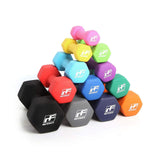
RitFit Hex Neoprene Dumbbells 10, 12, 15, 20 lbs Pair
Best for light resistance training, beginner workouts, warmups, and toning routines.
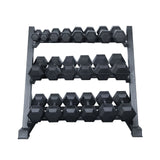
550 lbs 10 Pairs Rubber Coated Hex Dumbbells and Rack Set
Best for serious home gyms that need a wider fixed dumbbell range.
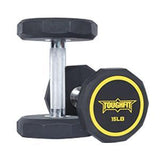
ToughFit Decagon PEV Dumbbells
Best for users who prefer a non rolling dumbbell shape with a more structured profile.
Shipping Cost
Shipping is one of the biggest hidden reasons dumbbells are expensive. A pair of 50 pound dumbbells weighs about 100 pounds before packaging, which means brands must pay for heavy freight, stronger boxes, and careful handling.
When comparing prices, look at the delivered cost instead of the product price alone. A lower sticker price can become less attractive if shipping, oversized handling, or return freight adds a large final charge.
Material Cost
Material choice affects dumbbell price because each construction type has a different mix of metal, filler, coating, tooling, and finish quality. The more durable and home friendly the dumbbell is, the more likely it is to cost more per pound.
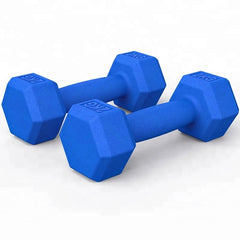
Plastic or Vinyl Coated Dumbbells
Plastic or vinyl coated dumbbells are usually the lowest cost option and are most common in lighter training ranges. They can work for beginners, warmups, and light resistance routines, but they are not the strongest choice for heavy progressive strength training.
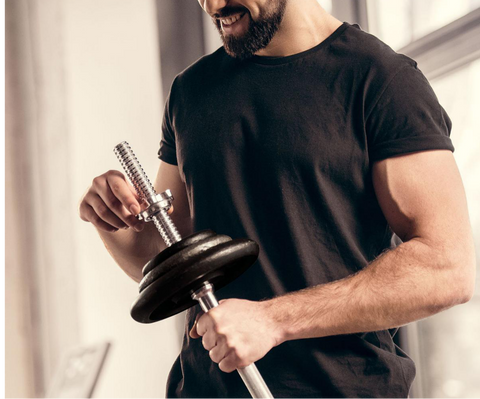
Cast Iron Dumbbells
Cast iron dumbbells are durable, simple, and often more affordable than premium coated options. They can last for years when stored properly, but bare metal may be louder, less floor friendly, and more prone to cosmetic wear in humid spaces.
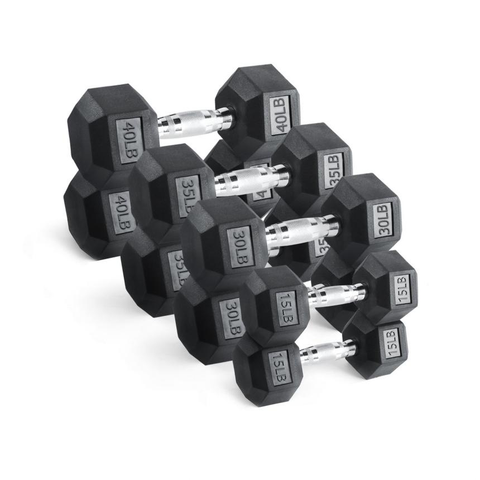
Rubber or Polyurethane Coated Hex Dumbbells
For many home gyms, rubber hex dumbbells offer the best balance of grip comfort, floor protection, storage stability, and durability. The coating, molding, handle finish, and quality control add cost, but they also make the dumbbells more practical for daily use.
Quality and Safety
Quality dumbbells cost more because they need secure heads, reliable handles, consistent weight, and coatings that can handle repeated contact with floors and racks. Poorly made dumbbells can loosen, crack, rust, or become uncomfortable under heavier loads.
Reliable free weights are especially important because dumbbell training depends on control, stability, and repeatable movement quality. Research comparing free weights and machine based strength training supports the idea that both can build strength effectively, but free weights still require good technique and dependable equipment.[2]
Long Term Purchase Value
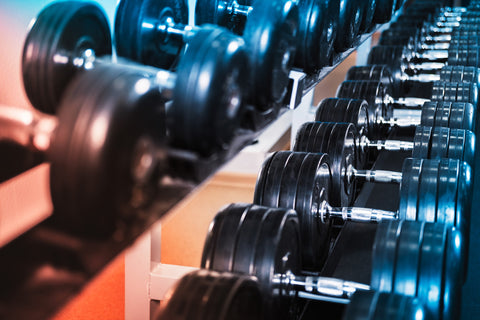
Dumbbells are often priced like durable equipment because high quality pairs are not replaced every few months. Once a lifter buys a useful range, the same set may support years of presses, rows, curls, lunges, carries, and accessory work.
This long replacement cycle matters for brands and buyers. A dumbbell set has to cover manufacturing, storage, shipping, support, and warranty risk even though many customers may buy only once.

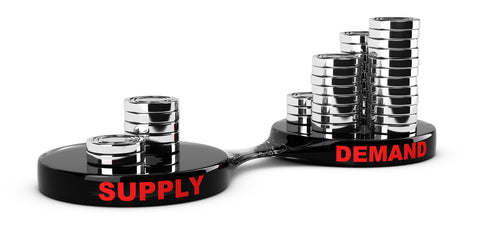
High Demand
Dumbbells stay in high demand because they are compact, versatile, and easy to use in apartments, garages, basements, and spare rooms. They are often one of the first pieces of equipment people buy when building a home gym.
Demand can keep prices firm when metal, rubber, labor, warehouse space, and freight are all under pressure. A well planned dumbbell setup also supports efficient training, since research on time efficient resistance training notes that dumbbells can be used effectively for strength and hypertrophy focused programs.[3]
How to Know If a Dumbbell Price Is Fair
A fair dumbbell price is best judged by total delivered value, not by the product price alone. Compare the weight range, coating, handle construction, storage option, shipping policy, and warranty before deciding whether a set is expensive or reasonable.
- Compare price per pound: Divide the total cost by the total weight included. This helps you compare fixed pairs, larger sets, and packages more fairly.
- Check delivered cost: Look at shipping, oversized handling, and return policies. Heavy dumbbells can look cheap before freight is added.
- Look for included storage: A set with an A Frame dumbbell rack stand may offer better real home gym value than loose pairs.
- Match coating to your space: Rubber and polyurethane coated weights usually make more sense for home floors than bare metal.
- Review the handle: A secure, comfortable, textured handle can make rows, presses, and curls feel more controlled.
- Avoid unclear materials: Extremely cheap listings with vague materials, missing dimensions, or no warranty can create safety and durability concerns.
How to Save Money on Dumbbells
You can save money on dumbbells by buying the range you actually need, comparing bundles, and choosing adjustable options when space is limited. The goal is to build a useful strength setup without paying for weights that sit unused.
- Start with a focused range: Most beginners do not need every pair from 5 to 100 pounds. A smaller range can cover curls, presses, rows, squats, lunges, and warmups.
- Consider adjustable dumbbells: RitFit adjustable dumbbells can replace several fixed pairs and reduce storage needs in a small home gym.
- Buy bundles when useful: A rubber coated hex dumbbell set with rack can simplify storage and sometimes improve value compared with separate purchases.
- Use barbells for very heavy lifts: For heavy lower body work, a barbell and weight plate setup may be more cost efficient than buying very heavy dumbbell pairs.
- Inspect used dumbbells carefully: Check loose heads, cracked coating, sharp edges, severe rust, and unclear weight markings before buying secondhand.
Are Dumbbells Worth the Cost?
For most home gym owners, dumbbells are worth the cost because they train many movement patterns with one compact equipment category. They support presses, rows, squats, lunges, hinges, carries, curls, raises, and core work.
Dumbbells also make progressive overload easier because you can add weight, add repetitions, improve range of motion, or increase training volume over time. Research on load and repetition progression shows that multiple progression strategies can support muscular adaptation when training is planned consistently.[4]
If you want a training plan that uses dumbbells as the main tool, RitFit also has guides on building muscle with just dumbbells and choosing the best dumbbell sets for a home gym.
Where to Buy Dumbbells at a Reasonable Price
The best place to buy dumbbells is the channel that gives you the clearest total cost, product details, shipping policy, and support. Big box stores, online marketplaces, and brand direct websites each have different advantages.
- Big box and local sporting goods stores: These stores let you see and lift dumbbells in person. The tradeoff is that stock can be limited and heavy transport is usually your responsibility.
- Online marketplaces: Marketplaces offer many choices and frequent discounts. Review materials, seller reputation, return policy, and shipping cost carefully before buying heavy weights.
- Brand direct websites: Buying direct from a fitness equipment brand can make it easier to compare dumbbell types, bundles, storage, and warranty information. RitFit states that dumbbells ship free within the contiguous United States, with exclusions including Alaska, Hawaii, United States Virgin Islands, Puerto Rico, Guam, and military or air force bases, so review the latest policy before checkout.
FAQs
Why are dumbbells so expensive compared with other gym equipment?
Dumbbells are expensive because they combine heavy raw materials, dense shipping weight, protective coatings, machining, packaging, storage, and quality control. Unlike smaller fitness accessories, every pound adds cost before the product reaches your home, especially when freight and damage protection are included.
How much should dumbbells cost per pound?
A fair dumbbell price depends on weight, coating, handle quality, shipping, and whether a rack is included. Many shoppers compare price per pound, but delivered cost matters more than sticker price because heavy freight can change the real value quickly.
Are adjustable dumbbells cheaper than fixed dumbbells?
Yes. Adjustable dumbbells can be cheaper than buying many fixed dumbbell pairs, especially for small home gyms. They usually cost more up front than one pair, but they replace multiple weights and reduce the need for a large rack or extra storage space.
Are rubber hex dumbbells worth the extra cost?
Yes. Rubber hex dumbbells are often worth the extra cost for home gyms because they protect floors better, reduce rolling, and feel more stable in storage. The coating and handle construction add cost, but they also improve comfort and long term durability.
How can I save money when buying dumbbells?
You can save money by starting with the weights you use most, choosing bundles, comparing delivered price, and adding heavier pairs later. Adjustable dumbbells are also useful when space is limited, while barbell and plate setups can handle very heavy lifts more economically.
Should I buy used dumbbells for a home gym?
Yes. Used dumbbells can be a good deal if the heads are secure, the handles are not damaged, and the coating is not badly cracked. Avoid pairs with loose heads, deep rust, sharp edges, or unclear weight markings because safety matters more than a small discount.
How many dumbbells do I need for a home gym?
You need enough dumbbell weight to train your main movements with good form and gradual progression. Many beginners can start with a focused range, such as light pairs for arms and shoulders plus moderate pairs for rows, presses, lunges, and squats.
Where can I buy dumbbells at a reasonable price?
Brand direct websites, fitness equipment retailers, and local sporting goods stores can all offer reasonable dumbbell prices. For heavy products, compare the delivered cost, warranty, return policy, and bundle value, not just the product price shown before shipping.
Final Thoughts
Dumbbells are expensive because they are heavy to make, costly to ship, and designed to last through years of repeated training. Choose by delivered value, not just sticker price, and build your set around the weights, coating, storage, and training style that match your home gym.
Disclaimer: This article is for general fitness equipment education and buying guidance only. Always inspect equipment before use, follow product instructions, train with proper form, and consult a qualified professional if you have medical concerns, injury history, or uncertainty about starting a strength training program.
References
- McLeod JC, Currier BS, Lowisz CV, Phillips SM. The influence of resistance exercise training prescription variables on skeletal muscle mass, strength, and physical function in healthy adults: an umbrella review. J Sport Health Sci. 2024;13(1):47-60. doi:10.1016/j.jshs.2023.06.005
- Haugen ME, Vårvik FT, Larsen S, Haugen AS, van den Tillaar R, Bjørnsen T. Effect of free weight vs machine based strength training on maximal strength, hypertrophy and jump performance: a systematic review and meta analysis. BMC Sports Sci Med Rehabil. 2023;15(1):103. doi:10.1186/s13102-023-00713-4
- Iversen VM, Norum M, Schoenfeld BJ, Fimland MS. No time to lift? Designing time efficient training programs for strength and hypertrophy: a narrative review. Sports Med. 2021;51(10):2079-2095. doi:10.1007/s40279-021-01490-1
- Plotkin D, Coleman M, Van Every D, Maldonado J, Oberlin D, Israetel M, Feather J, Alto A, Vigotsky AD, Schoenfeld BJ. Progressive overload without progressing load? The effects of load or repetition progression on muscular adaptations. PeerJ. 2022;10:e14142. doi:10.7717/peerj.14142
- Vitale JA, Bonato M, Borghi S, Messina C, Albano D, Corbetta S, Sconfienza LM, Banfi G. Home based resistance training for older subjects during the COVID 19 outbreak in Italy: preliminary results of a six months RCT. Int J Environ Res Public Health. 2020;17(24):9533. doi:10.3390/ijerph17249533