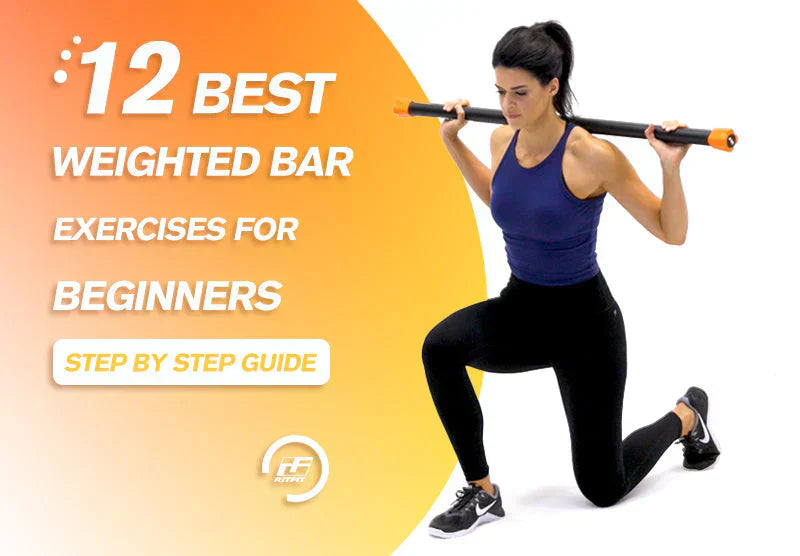
Weighted bar exercises offer an accessible, highly effective entryway into strength training, functional conditioning, and motor skill development without requiring bulky gym racks or heavy iron plates. Whether you call it a body bar, weighted workout bar, or aerobic bar, this versatile tool provides uniform resistance across every plane of motion.
For home gym beginners, mastering foundational movement patterns with a fixed-load bar builds joint stability, reinforces neutral spine mechanics, and develops balanced muscular strength. This complete guide breaks down the 12 best weighted bar exercises, safe progression guidelines, and turnkey weekly routines to jumpstart your home fitness journey.
Quick Answer: Weighted bar exercises build full-body muscular endurance, core stability, and lifting confidence using a single padded, fixed-weight bar (typically 5-30 lb). By training the six fundamental movement patterns, squat, hinge, lunge, push, pull, and carry, beginners safely develop foundational strength, improve posture, and master lifting form before progressing to heavier barbells.
Key Takeaways
- Fixed Resistance Simplicity: Weighted body bars provide consistent, balanced resistance across the entire shaft, eliminating plate shifting and collar adjustments for beginner lifters.
- Form and Posture Mastery: Light fixed-load bars allow beginners to engrain pristine hip hinge, squat, and overhead mechanics before loading heavy free weights.
- Full-Body Functional Integration: A single workout bar targets the posterior chain, quadriceps, upper back, shoulders, arms, and core through coordinated multi-joint movements.
- Safe Unilateral and Bilateral Work: Weighted bars seamlessly transition between bilateral squats and unilateral lunges to correct side-to-side strength imbalances.
- Progressive Volume Scaling: Beginners should build training volume by increasing repetitions and sets before advancing to heavier training bars or Olympic barbells.
What Is a Weighted Bar and How Does It Differ from Barbells?
A weighted bar, frequently referred to as a body bar, aerobic bar, or weighted fitness bar, is a single-piece steel or composite bar encased in durable foam or textured rubber.
Unlike standard gym equipment that requires loading separate weight plates onto sleeves, a weighted bar has an evenly distributed internal mass.
This design makes it remarkably user-friendly, quiet, and safe for home living spaces.

When setting up a home workout space, understanding the differences between training tools ensures you invest in the right gear at each stage of your fitness journey:
- Weighted Body Bar: Fixed weight (usually 5 to 30 lb), foam-cushioned grip, compact 4-foot length. Best for high-rep endurance, group fitness circuits, mobility drills, and beginner form practice. Explore our comprehensive collection of RitFit bars and plates to compare all bar varieties.
- Technique & Training Barbell: Lightweight aluminum or steel bar (10 to 15 lb) with rotating Olympic sleeves. Designed to learn standard barbell mechanics with bumper plates without overloading joints.
- Standard Olympic Barbell: Full-size 7-foot, 20 kg (44 lb) or 15 kg (33 lb) steel bar capable of holding hundreds of pounds. When you are ready for heavy progressive overload, the RitFit 7FT Olympic Barbell Bar or the specialized RitFit Patriotic Star Olympic Bar 20kg delivers elite-grade performance.
Scientific research confirms that structured resistance training is the single most potent stimulus for improving skeletal muscle mass, muscular endurance, and neuromuscular coordination across all age demographics.[1] Starting with a weighted bar creates the neurological foundation required for lifelong lifting success.
How Much Does a Weighted Bar Weigh and How Do You Choose?
Weighted body bars generally range from 3 lb up to 36 lb, commonly color-coded by weight increments (such as 5 lb, 10 lb, 15 lb, 20 lb, and 25 lb). Choosing the appropriate starting weight depends on your current fitness baseline, movement experience, and the target muscle group being trained.

Follow these practical guidelines to select your ideal bar:
- Upper Body Isolation & Deltoid Movements (5-10 lb): Exercises involving smaller muscle groups, such as bicep curls, upright rows, and strict military presses, demand lighter loads to avoid shoulder shrugging and lower back arching. If you need ergonomic arm training, check out the best exercises with EZ curl bars.
- Lower Body & Compound Movements (12-25 lb): Large muscle groups like the quadriceps, glutes, and hamstrings handle greater resistance. Back squats, Romanian deadlifts, and hip thrusts can start with 12 to 20 lb. Learn specialized glute-focused movements in our guide on lower body body bar exercises to build glutes.
- The 8-12 Repetition Rule: Select a bar weight that permits completing 10 to 12 pristine repetitions where the final 2 reps feel challenging yet maintain immaculate spinal alignment and smooth tempo.
- Complementary Free Weights: Pairing your bar workout with versatile RitFit dumbbells allows micro-adjustments for unilateral upper body work. Adding sturdy RitFit weight benches unlocks flat and incline bench pressing variations.
How Should Beginners Warm Up Before Weighted Bar Exercises?
A systematic dynamic warm-up elevates core body temperature, lubricates synovial joint capsules, and activates key motor units before you initiate loaded resistance movements. Sports medicine research highlights that specific dynamic preparation matching the exercise movement pattern significantly reduces acute injury risk and enhances movement efficiency.[2]
Spend 5 to 7 minutes executing this full-body warm-up sequence before your weighted bar routine:
- Light Aerobic Pulse Raiser (90 seconds): March in place, high knees, or light jumping jacks to elevate heart rate and systemic circulation.
- Shoulder Pass-Throughs & Arm Circles (10 reps each direction): Hold a light PVC pipe or towel with a wide grip, circling from hips to lower back to open shoulder capsule mobility.
- Standing Hip Circles & Torso Rotations (10 reps per side): Loosen lumbar and pelvic musculature while keeping feet planted flat.
- Unloaded Bodyweight Squats (2 sets of 10 reps): Sit deep into your hips, chest high, knees tracking over the second toe to prime lower body mobility. Check out our primer on how to squat with a bar for beginners.
- Inchworm to Plank (5 reps): Hinge at the hips, walk hands forward into a tall plank, squeeze glutes and core, then walk hands back to stand.
What Are the 12 Best Weighted Bar Exercises for Beginners?
Below are the 12 most effective, beginner-friendly weighted bar movements organized by kinetic chain function: posterior chain, lower body, upper body pulling, and upper body pushing. Perform each exercise with strict adherence to the step-by-step form cues.

1. Weighted Bar Deadlift
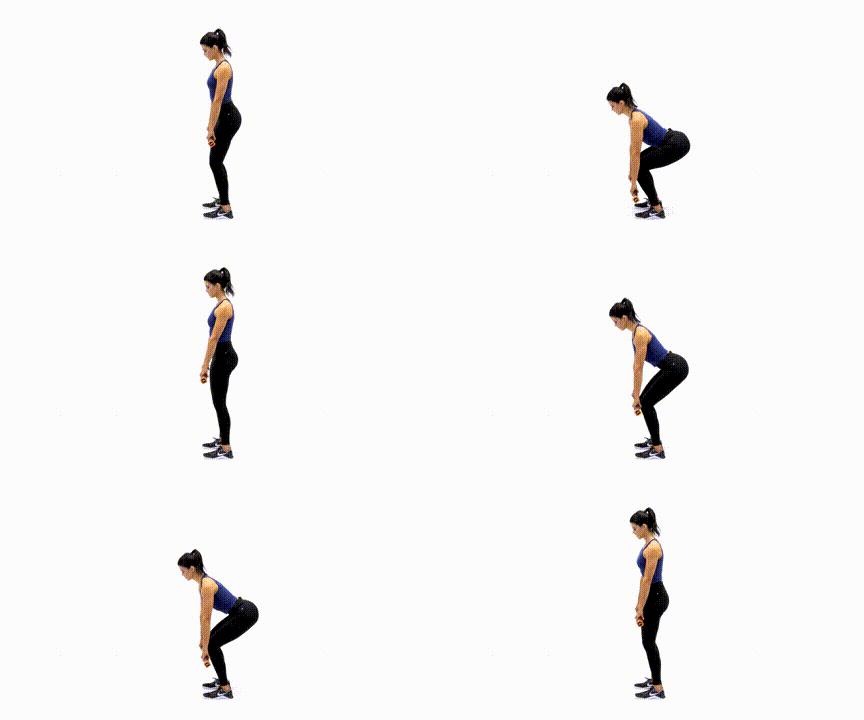
The conventional deadlift teaches the quintessential hip hinge pattern, building formidable strength through the glutes, hamstrings, spinal erectors, and upper back.
- Target Muscles: Gluteus maximus, hamstrings, erector spinae, latissimus dorsi, and core musculature.
- Step-by-Step Execution: Stand with feet hip-width apart, gripping the bar just outside your thighs. Push your hips back as if touching an imaginary wall behind you, lowering the bar smoothly down your shins while keeping your back flat. Drive your heels into the floor and extend your hips forward to lock out standing tall.
- Breathing & Form Cue: Inhale and brace your core at the top; exhale forcefully as you drive hips forward to complete the rep. Keep the bar tracing within one inch of your shins throughout.
- Common Error to Avoid: Rounding the lumbar spine or allowing the bar to drift away from the legs.
2. Romanian Deadlift (RDL)
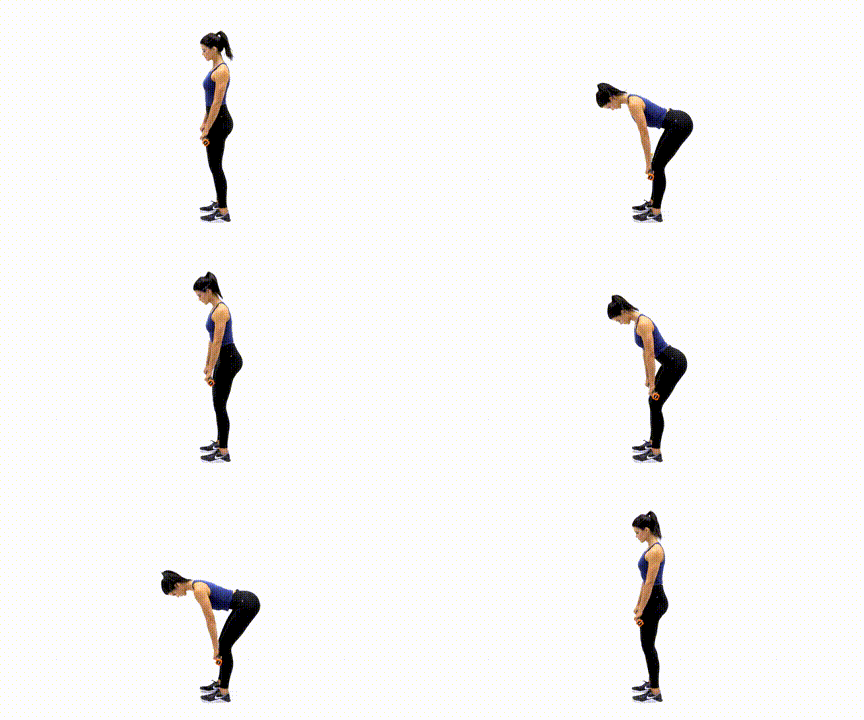
The Romanian Deadlift isolates the posterior chain under eccentric tension with minimal knee flexion, enhancing hamstring flexibility and pelvic control.
- Target Muscles: Hamstrings (semitendinosus, biceps femoris), glutes, and lower back stabilizers.
- Step-by-Step Execution: Hold the bar at hip level with an overhand grip. Maintain a soft 15-degree bend in your knees. Hinge solely at the hips, sliding the bar down your thighs until you feel a deep, controlled stretch in your hamstrings (typically just below kneecap level). Contract glutes to return upright.
- Breathing & Form Cue: Inhale on the 3-second descent; exhale as you snap hips forward. Think "hips back, chest proud."
- Common Error to Avoid: Bending knees into a squat or rounding shoulders forward to reach the floor.
3. Weighted Bar Forward Lunge
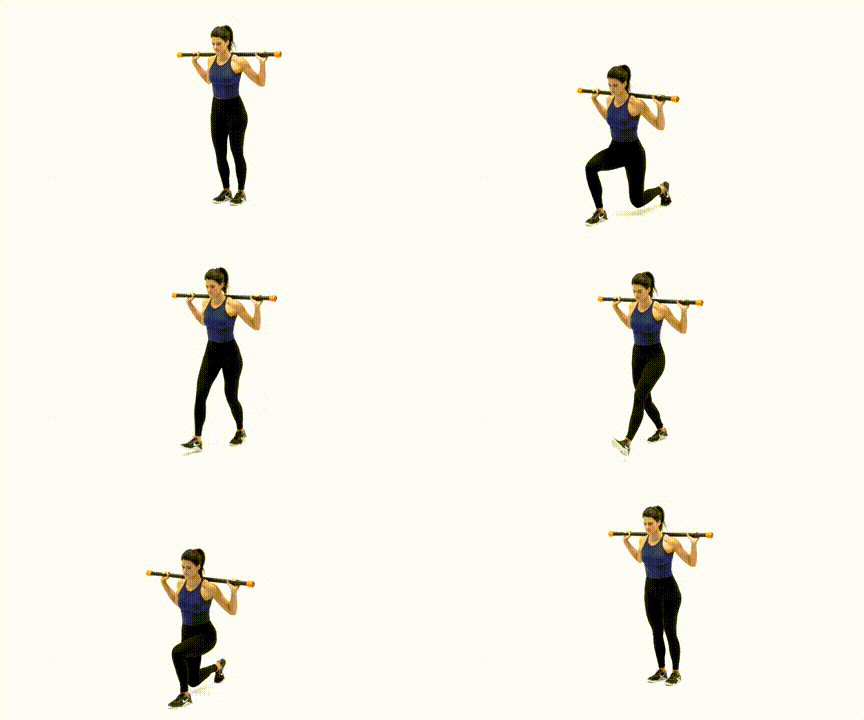
Unilateral training corrects side-to-side muscular imbalances and enhances dynamic balance. Systematic meta-analyses confirm that unilateral lower-body training produces robust athletic transfer and functional joint stability equal to bilateral loading.[3]
- Target Muscles: Quadriceps, gluteus medius/maximus, hamstrings, and calves.
- Step-by-Step Execution: Rest the cushioned bar across your upper trapezius muscles. Step forward approximately two to three feet with your right leg. Lower your hips until both knees form 90-degree angles, with the rear knee hovering one inch off the ground. Push firmly through the front heel to return to standing.
- Breathing & Form Cue: Inhale as you drop into the lunge; exhale as you power back to starting position.
- Common Error to Avoid: Letting the front knee cave inward (valgus collapse) or overextending the lumbar spine.
4. Weighted Bar Glute Bridge
The weighted glute bridge provides direct hip extension overload without spinal axial compression, making it exceptionally joint-friendly for beginners experiencing lower back sensitivity.
- Target Muscles: Gluteus maximus, hamstrings, transverse abdominis, and pelvic floor.
- Step-by-Step Execution: Lie supine on an exercise mat with knees bent at 90 degrees and feet flat on the floor hip-width apart. Rest the padded weighted bar across your hip crease, holding it securely with both hands. Drive through your heels to bridge your hips toward the ceiling until knees, hips, and shoulders form a straight line. Squeeze glutes hard at the top for 2 seconds.
- Breathing & Form Cue: Exhale at the top contraction; inhale as you lower hips with control.
- Common Error to Avoid: Over-arching the lower back past neutral hip extension.
5. Weighted Bar Good Morning
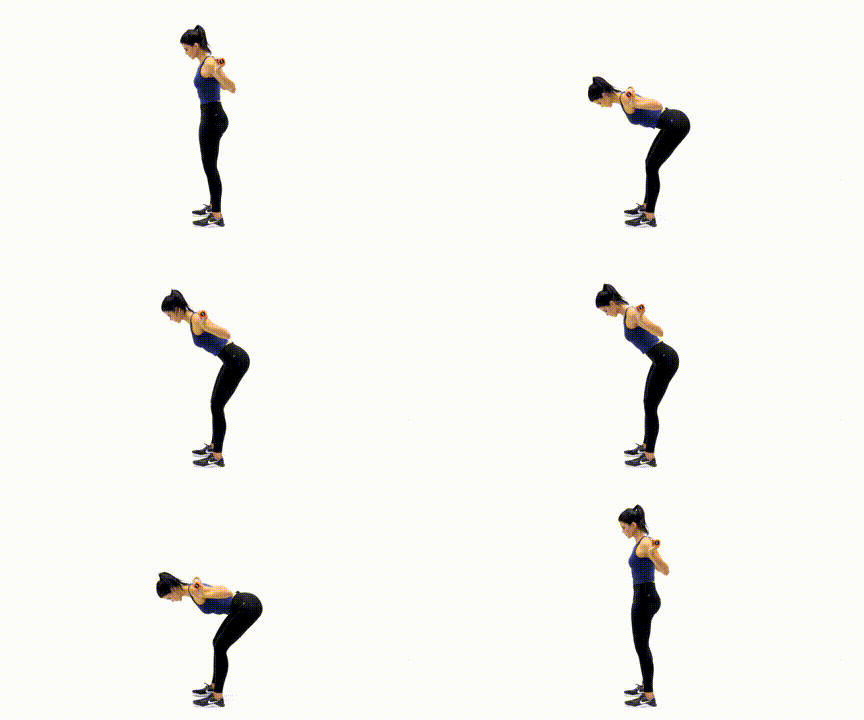
The good morning places the resistance higher on the kinetic lever arm, challenging isometric spinal erector endurance and hip hinge control with modest external weight.
- Target Muscles: Spinal erectors, gluteal complex, and hamstring tendons.
- Step-by-Step Execution: Position the bar comfortably on your upper traps. Soften your knees slightly. With your chest lifted and shoulder blades retracted, push your hips back and hinge forward until your torso reaches a 45-to-60 degree angle relative to the floor. Reverse the movement by contracting your glutes.
- Breathing & Form Cue: Inhale as you hinge downward; exhale as you extend upright.
- Common Error to Avoid: Excessive knee bending or allowing the cervical and thoracic spine to slump forward.
6. Weighted Bar High Pull
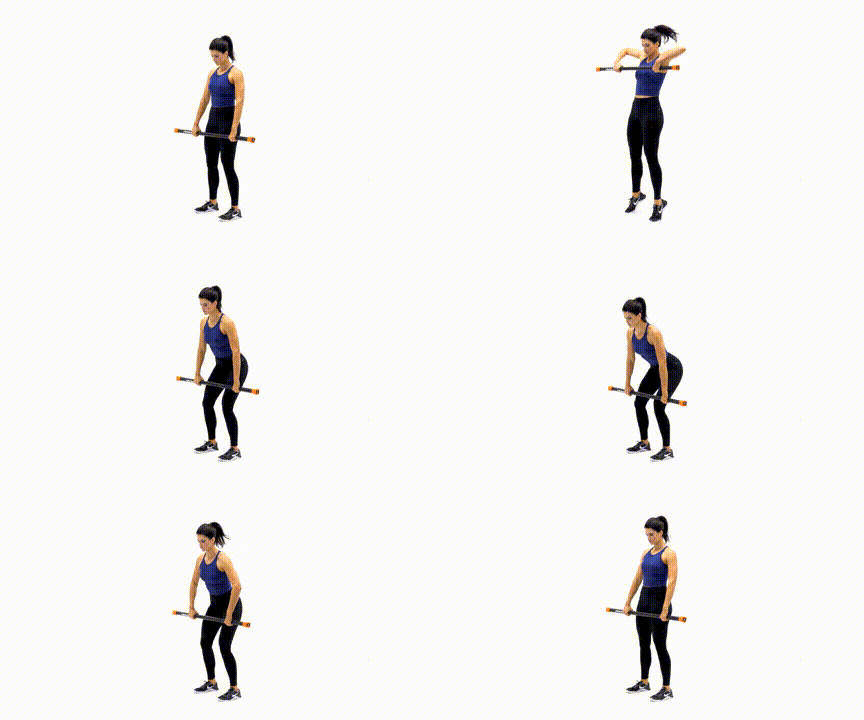
The high pull bridges the gap between raw strength and athletic power, teaching triple extension through the ankles, knees, and hips in conjunction with upper back pulling.
- Target Muscles: Upper trapezius, lateral deltoids, rhomboids, glutes, and calves.
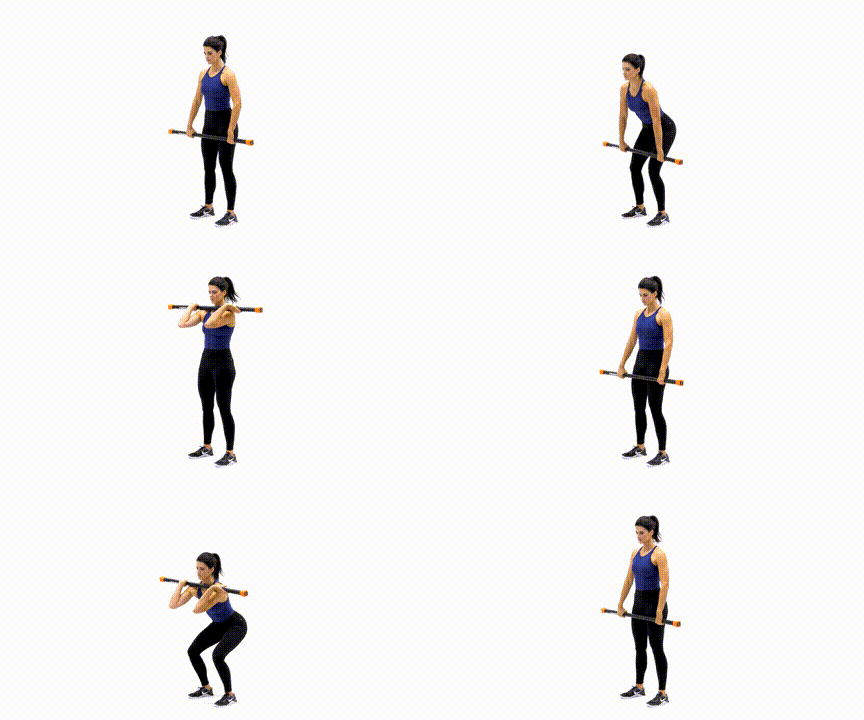
- Step-by-Step Execution: Stand with feet shoulder-width apart, bar resting against thighs. Hinge into a quarter squat, then explosively extend hips and knees while guiding the bar upward along your torso. Allow elbows to flare high and wide until the bar reaches mid-chest height. Lower under control.
- Breathing & Form Cue: Inhale during the dip; exhale explosively on the upward pull.
- Common Error to Avoid: Pulling purely with arm strength without engaging the lower-body hip snap.
7. Weighted Bar Bicep Curl
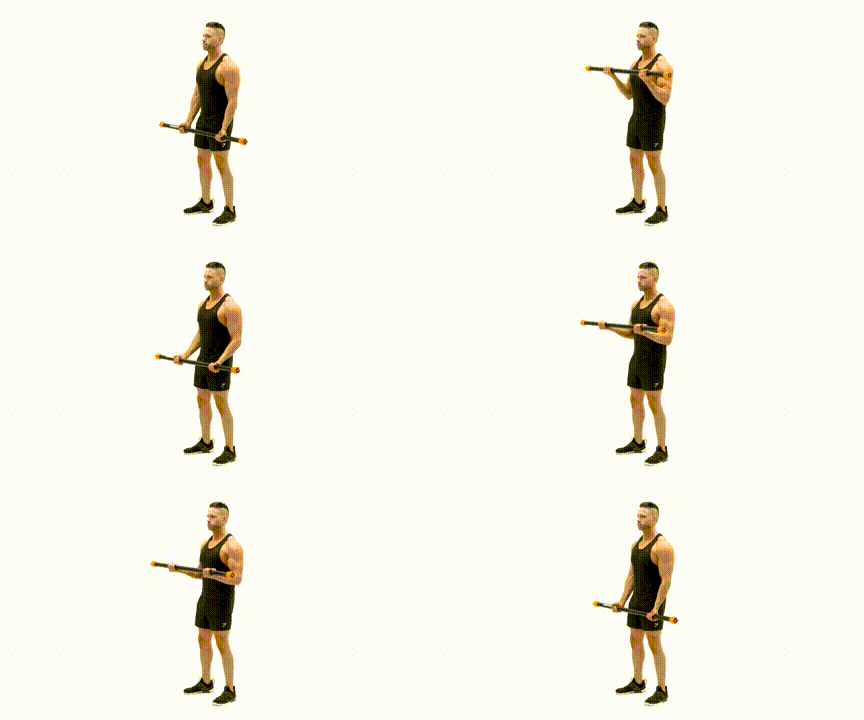
A classic isolation movement for elbow flexors, the straight bar curl forces bilateral coordination and strict forearm supination throughout the active range.
- Target Muscles: Biceps brachii, brachialis, and forearm flexors.
- Step-by-Step Execution: Grip the bar with an underhand (supinated) grip at shoulder width, elbows tucked close to your ribs. Without swinging your hips, curl the bar in an arc toward your chest. Pause for a second at peak contraction, then lower slowly over a 3-second count.
- Breathing & Form Cue: Exhale as you curl upward; inhale as you resist gravity on the descent.
- Common Error to Avoid: Rocking the torso backward or letting elbows drift forward away from the ribcage.
8. Strict Military Press (Overhead Press)
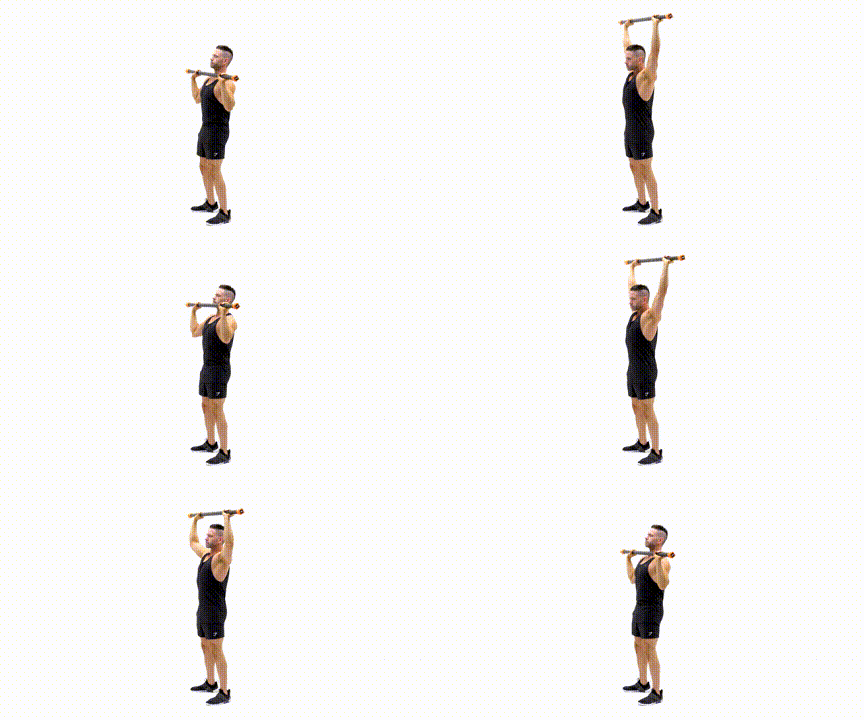
The overhead military press is the gold standard for vertical pushing strength, demanding robust scapular upward rotation and locked-in core bracing.
- Target Muscles: Anterior deltoids, lateral deltoids, triceps brachii, clavicular pectoralis, and serratus anterior.
- Step-by-Step Execution: Hold the bar at collarbone height in a front rack position, hands slightly wider than shoulders. Squeeze glutes and brace your abs. Press the bar straight upward overhead, clearing your chin, until arms are fully locked out with biceps aligned beside your ears. Lower with control.
- Breathing & Form Cue: Exhale forcefully on the press; inhale as you lower the bar back to the collarbone.
- Common Error to Avoid: Hyperextending the lower back to compensate for tight thoracic mobility.
9. Weighted Bar Push Press
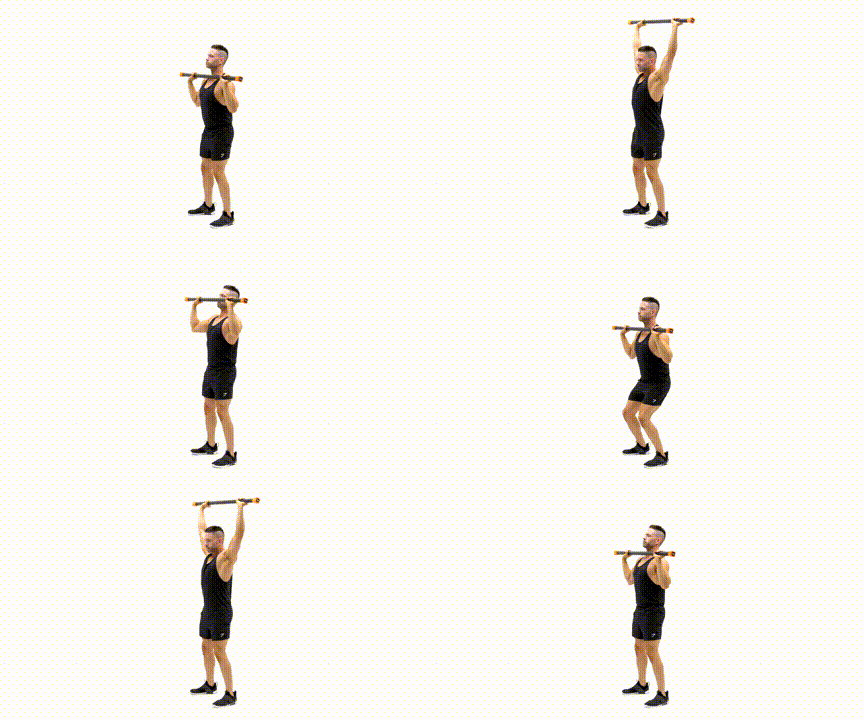
By incorporating a shallow leg dip, the push press allows beginners to safely handle slightly heavier bars overhead while developing kinetic-chain power transfer.
- Target Muscles: Shoulders, triceps, quadriceps, glutes, and core stabilizers.
- Step-by-Step Execution: Rest the bar at collarbone level. Perform a quick, shallow knee dip (2-3 inches) while keeping your torso upright. Violently reverse the dip by extending your legs and transferring that upward momentum straight into an overhead press. Lock out overhead and lower under control.
- Breathing & Form Cue: Inhale during the short dip; exhale explosively as you drive upward.
- Common Error to Avoid: Dipping into a full squat rather than a quick elastic dip-and-drive.
10. Weighted Bar Back Squat
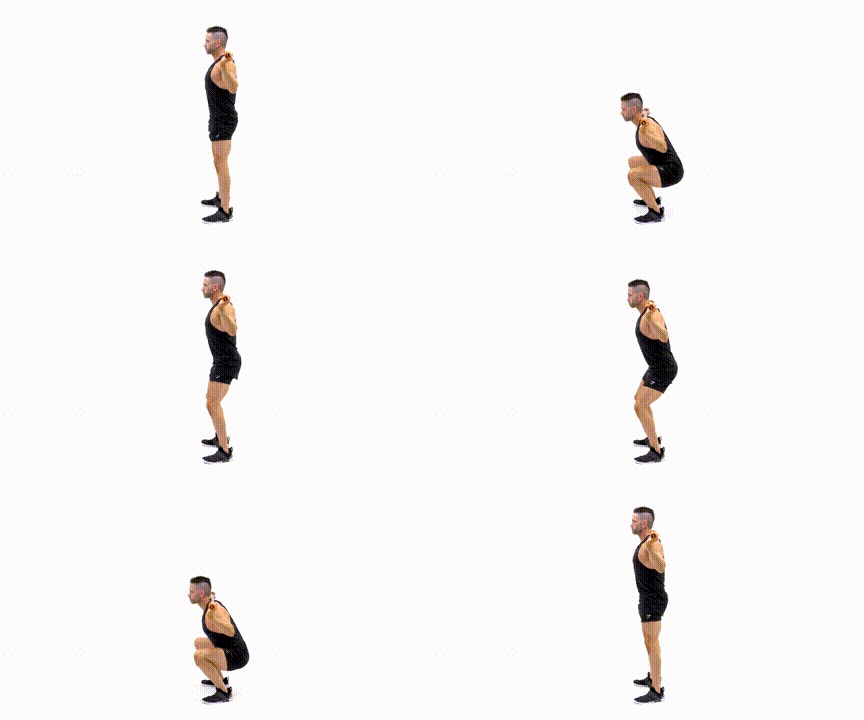
The back squat is the premier lower-body compound movement, developing foundational quad and glute strength while conditioning ankle and hip mobility.
- Target Muscles: Quadriceps (rectus femoris, vastus lateralis/medialis), gluteus maximus, adductors, and calves.
- Step-by-Step Execution: Position the bar across the fleshy shelf of your upper traps. Stand with feet slightly wider than shoulder-width, toes angled outward 15-30 degrees. Sit your hips back and down between your heels until your thighs are parallel to the floor. Drive through midfoot and heels to stand upright.
- Breathing & Form Cue: Inhale deep into your belly on the descent; exhale past the sticking point as you rise.
- Common Error to Avoid: Letting knees collapse inward or allowing heels to peel off the floor.
11. Weighted Bar Upright Row
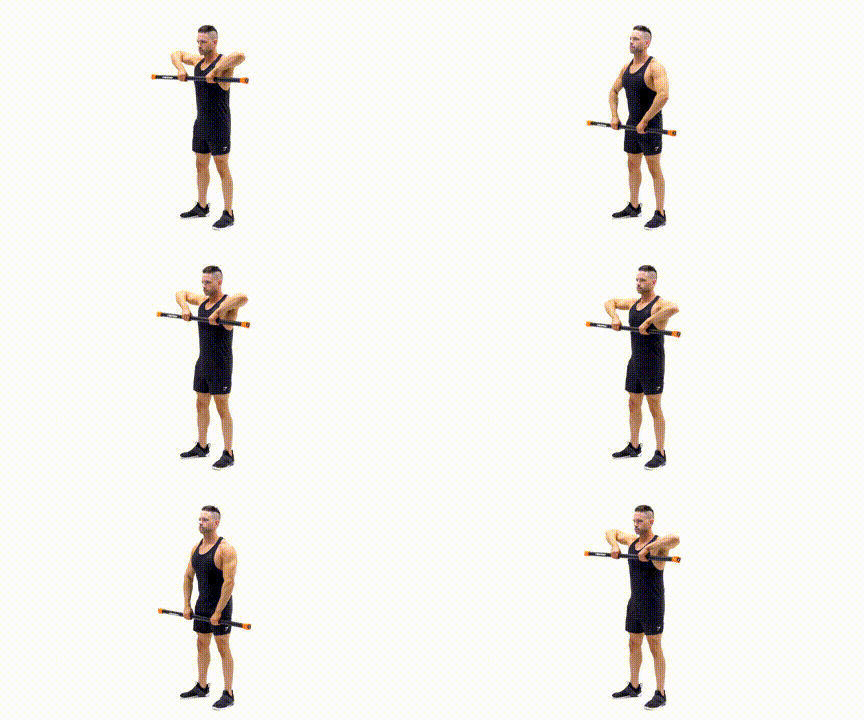
When performed with appropriate width and controlled height, the upright row stimulates the lateral deltoids and upper back stabilizers.
- Target Muscles: Lateral deltoids, upper trapezius, and brachioradialis.
- Step-by-Step Execution: Hold the bar with an overhand grip slightly narrower than shoulder-width in front of thighs. Lead with your elbows, pulling the bar vertically along your torso until it reaches mid-chest level (nipple line). Keep elbows higher than wrists at all times. Lower slowly.
- Breathing & Form Cue: Exhale on the pull; inhale on the descent.
- Common Error to Avoid: Pulling the bar too high toward the chin, which can cause shoulder impingement.
12. Weighted Bar Bent-Over Row
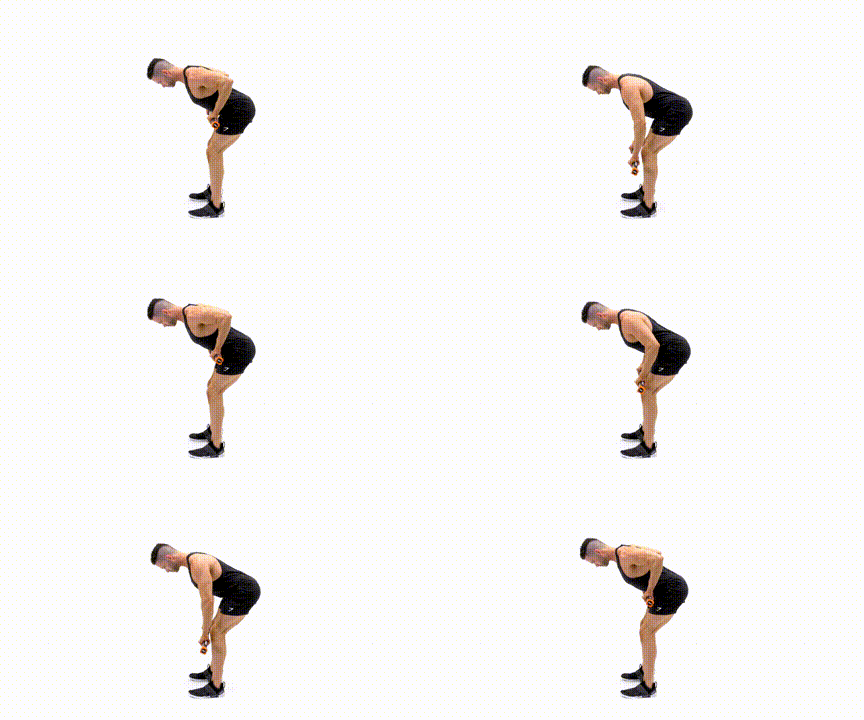
The bent-over row develops horizontal pulling power, reinforcing posture, pulling scapulae back, and counteracting the slouching posture caused by prolonged sitting.
- Target Muscles: Latissimus dorsi, middle trapezius, rhomboids, posterior deltoids, and biceps.
- Step-by-Step Execution: Hinge at your hips until your torso is angled at approximately 45 degrees, keeping your back straight and knees slightly bent. Let the bar hang at arm's length. Pull the bar toward your navel, driving elbows backward and squeezing your shoulder blades together. Lower with control.
- Breathing & Form Cue: Exhale as you pull into your belly; inhale as you extend arms fully.
- Common Error to Avoid: Jerking the torso up and down to create momentum.
How Do Beginner Weighted Bar Exercises Compare at a Glance?
Use this convenient reference table to plan your workouts, balance muscle group loading, and gauge ideal volume per exercise.
| Exercise Name | Primary Movement | Target Muscle Group | Recommended Sets & Reps | Key Form Focus |
|---|---|---|---|---|
| 1. Deadlift | Hip Hinge | Glutes, Hamstrings, Back | 3 sets × 8-12 reps | Keep bar tracing close to shins |
| 2. Romanian Deadlift | Hip Hinge (Eccentric) | Hamstrings, Glutes | 3 sets × 10-12 reps | Push hips back with soft knees |
| 3. Forward Lunge | Unilateral Knee Flexion | Quadriceps, Glutes | 3 sets × 8-10 reps/leg | 90-degree bend in both knees |
| 4. Glute Bridge | Hip Extension | Glutes, Core | 3 sets × 12-15 reps | 2-second squeeze at the apex |
| 5. Good Morning | Hip Hinge | Hamstrings, Spinal Erectors | 2-3 sets × 10 reps | Light weight, strict flat spine |
| 6. High Pull | Explosive Pull | Traps, Shoulders, Glutes | 3 sets × 8-10 reps | Elbows high and wide |
| 7. Bicep Curl | Elbow Flexion | Biceps, Forearms | 3 sets × 10-12 reps | Lock elbows against ribcage |
| 8. Military Press | Vertical Push | Deltoids, Triceps | 3 sets × 8-10 reps | Full overhead lockout without arch |
| 9. Push Press | Power Vertical Push | Full Body, Shoulders | 3 sets × 8 reps | Shallow elastic knee dip |
| 10. Back Squat | Knee/Hip Flexion | Quadriceps, Glutes | 3 sets × 10-12 reps | Thighs parallel, chest elevated |
| 11. Upright Row | Vertical Pull | Lateral Delts, Traps | 3 sets × 10-12 reps | Stop pull at mid-chest level |
| 12. Bent-Over Row | Horizontal Pull | Lats, Rhomboids, Upper Back | 3 sets × 10-12 reps | Hinge 45 degrees, pull to navel |
What Are the Best Beginner Home Workout Routines with a Weighted Bar?
To produce consistent muscular adaptations and steady strength progression, your training must follow structured periodization rather than random daily exercise selection.[4] Choose one of the two ready-to-use routines below based on your schedule.
Option 1: The 3-Day Full-Body Strength Split
Perform these sessions on non-consecutive days (such as Monday, Wednesday, Friday), leaving at least 48 hours for muscular recovery between bouts.
-
Workout A (Monday, Squat & Press Focus):
- Weighted Bar Back Squat: 3 sets × 10 reps (60s rest)
- Military Press: 3 sets × 8-10 reps (60s rest)
- Romanian Deadlift: 3 sets × 10 reps (60s rest)
- Bicep Curls: 2 sets × 12 reps (45s rest)
-
Workout B (Wednesday, Hinge & Pull Focus):
- Weighted Bar Deadlift: 3 sets × 8-10 reps (75s rest)
- Bent-Over Row: 3 sets × 10-12 reps (60s rest)
- Weighted Bar Forward Lunge: 3 sets × 8 reps per leg (60s rest)
- High Pull: 2 sets × 10 reps (45s rest)
-
Workout C (Friday, Dynamic & Core Integration):
- Weighted Bar Push Press: 3 sets × 8 reps (75s rest)
- Weighted Bar Glute Bridge: 3 sets × 12-15 reps (60s rest)
- Upright Row: 3 sets × 10 reps (60s rest)
- Good Morning: 2 sets × 10 reps (45s rest)
Option 2: The 15-Minute Full-Body Express Circuit
Ideal for busy days when time is constrained. Perform 40 seconds of work followed by 20 seconds of rest per station. Complete 3 total rounds with 1 minute of rest between rounds:
- Station 1: Weighted Bar Back Squat (40s work / 20s rest)
- Station 2: Bent-Over Row (40s work / 20s rest)
- Station 3: Push Press (40s work / 20s rest)
- Station 4: Romanian Deadlift to Upright Row combo (40s work / 20s rest)
- Station 5: Glute Bridge (40s work / 20s rest)
How Should You Cool Down and Recover After a Weighted Bar Workout?
Concluding your session with gentle static stretching restores baseline resting heart rate, eases parasympathetic nervous system recovery, and preserves joint range of motion.
- Low-Intensity Walking (90 seconds): Stroll around your training room to bring pulse rate below 100 bpm.
- Kneeling Hip Flexor Stretch (30 seconds per side): Kneel on your left knee, right foot forward. Tuck pelvis under and lean gently into the right hip to lengthen anterior hip musculature.
- Standing Hamstring Sweep (30 seconds per side): Extend one heel forward, hinge at hips with flat back, and sweep arms down toward toes.
- Doorway Chest & Anterior Shoulder Stretch (30 seconds): Place forearms on a doorway frame at 90 degrees and step through gently to stretch pectorals.
- Child's Pose (45 seconds): Kneel wide on your mat, sit hips back onto heels, and reach arms far forward while taking deep diaphragmatic breaths.
Frequently Asked Questions About Weighted Bar Workouts
Weighted bar training answers address the most critical questions beginners face when starting home workouts, including proper weight selection, hypertrophy potential, joint safety, and optimal weekly workout frequency.
What weight should beginners use for weighted bar exercises?
Beginners should select a weighted bar weighing between 5 and 15 pounds depending on the target exercise. Smaller muscle groups like shoulders and biceps require lighter 5 to 9 lb bars, while compound lower-body lifts like squats and deadlifts can comfortably handle 12 to 20 lb bars with proper posture.
Can weighted bar exercises effectively build muscle at home?
Yes. Weighted bar workouts stimulate muscle hypertrophy and endurance through mechanical tension and high training density. By performing multi-joint compound exercises, such as squats, hinges, rows, and overhead presses, beginners develop substantial lean tissue and functional tone without bulky commercial gym machines.
Are weighted body bars safer than standard Olympic barbells for beginners?
Yes. Weighted body bars are generally safer for novices because their fixed, padded construction eliminates loose weight plates, collar slippage, and heavy starting weights. However, beginners must still maintain a neutral spine, warm up thoroughly, and execute every repetition with controlled tempo.
How many times per week should beginners do weighted bar workouts?
Beginners achieve optimal training adaptations by scheduling weighted bar workouts 2 to 3 non-consecutive days per week. Allowing at least 48 hours of recovery between sessions promotes muscle protein synthesis, restores nervous system readiness, and prevents cumulative fatigue from degrading lifting mechanics during compound sets.
What is the difference between a weighted workout bar and an EZ curl bar?
A weighted workout bar has a straight shaft with fixed internal weight and foam padding, ideal for full-body circuits and aerobics. An EZ curl bar features undulating angled grips and loadable plate sleeves designed specifically to minimize wrist stress during curls and triceps extensions.
Can weighted bar workouts support weight loss and fat burning?
Yes. Performing weighted bar movements in circuit or interval formats elevates metabolic rate and excess post-exercise oxygen consumption (EPOC). Combined with a balanced nutritional plan, full-body resistance training preserves metabolic lean muscle mass while accelerating daily systemic calorie expenditure and fat loss.
Conclusion
Weighted bar training represents one of the most practical, space-efficient, and versatile fitness investments for home gym beginners. By consistently practicing the 12 foundational movements detailed in this guide, prioritizing technique over heavy loading, you build enduring strength, joint resilience, and functional mobility.
As your training capacity expands, upgrading your home space with specialized training equipment will keep your progression uninterrupted. Check out our exclusive RitFit discount guide to unlock special savings on bars, plates, and home gym packages.
Disclaimer
This article is intended strictly for educational and informational purposes and does not constitute formal medical or physical therapy advice. Always consult a licensed physician or certified fitness professional before beginning any new exercise regimen, especially if you have pre-existing spinal, joint, or cardiovascular conditions.
References
Key peer-reviewed scientific studies and meta-analyses supporting the resistance training and warm-up recommendations in this guide include:
- McLeod JC, Currier BS, Lowisz CV, Phillips SM. The influence of resistance exercise training prescription variables on skeletal muscle mass, strength, and physical function in healthy adults: an umbrella review. J Sport Health Sci. 2024;13(1):47-60. doi:10.1016/j.jshs.2023.06.005. PMCID: PMC10839178
- Afonso J, Brito J, Abade E, Rendeiro Pinho G, Baptista I, Figueiredo P, Nakamura FY. Revisiting the whys and hows of the warm up: are we asking the right questions? Sports Med. 2024;54(1):23-30. doi:10.1007/s40279-023-01908-y. PMCID: PMC10764720
- Zhang W, Chen X, Xu K, Xie H, Li D, Ding S, Sun J. Effect of unilateral training and bilateral training on physical performance: a meta analysis. Front Physiol. 2023;14:1128250. doi:10.3389/fphys.2023.1128250. PMCID: PMC10285208
- Benito PJ, Cupeiro R, Ramos Campo DJ, Alcaraz PE, Rubio Arias JA. A systematic review with meta analysis of the effect of resistance training on whole body muscle growth in healthy adult males. Int J Environ Res Public Health. 2020;17(4):1285. doi:10.3390/ijerph17041285. PMCID: PMC7068597