









A well-equipped home gym lets you train on your own schedule, but adding commercial machines gets expensive fast. Beyond the 5 unique benefits of a home gym, these simple home gym hacks help you get more training variety from the equipment you already own.[1]
In this guide, you will find five budget-friendly upgrades that maximize floor space and protect your gear. Each modification takes minutes to set up, costs very little money, and pairs seamlessly with any solid home gym setup.
Quick Answer: Home gym hacks are practical, low-cost modifications that maximize workout versatility and organization without requiring expensive commercial machines. Essential DIY upgrades include a tennis ball landmine, heavy-duty magnetic storage hooks, a homemade cable pulley station, a rack-mounted phone magnet, and protective foam piping insulation for safety spotters.
Key Takeaways
- Tennis Ball Landmine: Cutting two slits in an ordinary tennis ball creates a durable barbell pivot that protects walls and floors during rotational exercises.
- Magnetic Storage Hooks: Heavy-duty magnetic hooks attach directly to steel rack uprights to keep resistance bands, weight collars, and belts organized.
- DIY Cable Pulley: A simple setup with coated aircraft cable, a swivel pulley, and carabiners provides smooth resistance for lat pulldowns and tricep pushdowns.
- Rack Phone Magnet: Magnetic phone mounts keep recording devices and training timers off the gym floor and safe from dropped weight plates.
- Foam Pipe Insulation: Slotted vinyl foam sleeves slide over rack safety bars to prevent metal contact that chips finishes and wears barbell knurling.
How Do You Make a Landmine with a Tennis Ball?
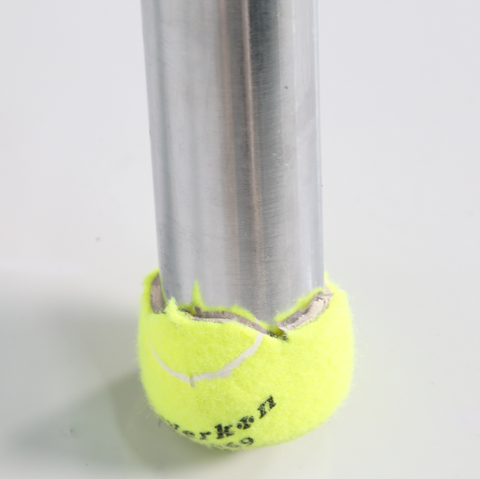
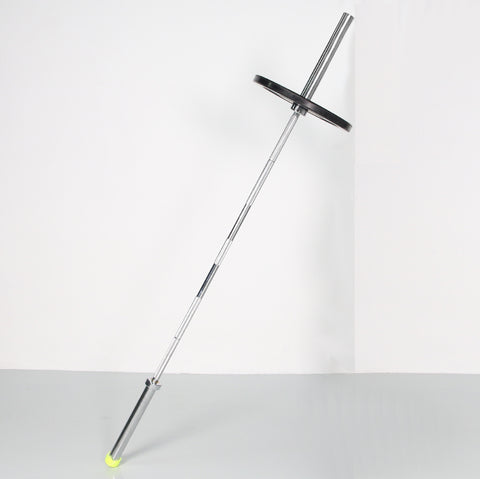
You can turn a standard tennis ball into a functional barbell landmine pivot in about five minutes. This DIY cushion allows you to perform T-bar rows, landmine presses, rotational twists, and squats without damaging baseboards or drywall.
Commercial landmine attachments require dedicated rack floor space or specific frame holes. By slipping an inexpensive slit tennis ball over the sleeve of an Olympic barbell, you create a universal pivot point that securely wedges into any room corner.
Use a sharp utility knife to cut one horizontal slit and one vertical slit across the ball to create an X-shaped opening. Press the ball firmly onto the end collar of your barbell until it sits flush against the steel sleeve.
The rubber ball grips the wall corner while allowing the opposite end of your barbell to move in full rotational arcs.[2] To explore dedicated lifting gear for your setup, check our guide on the best crossfit barbell for home gym.
"I designed this program so it can be run with minimal equipment. Because of the exercise substitutions included, you can easily run it with very basic equipment. I ran it the first time through in a garage gym with a power rack, barbell and some dumbbells."
Jeff Nippard, Science-Based Natural Bodybuilder and Powerlifter, The Powerbuilding System
How Do Magnetic Hooks Keep a Home Gym Tidy?
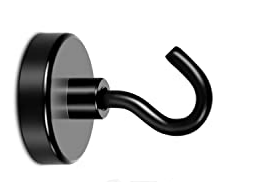
Heavy-duty magnetic hooks transform the exterior steel of your power rack into instant vertical accessory storage. These compact hooks support up to 100 pounds of hanging weight while keeping floors clear of clutter.
As a garage gym expands, loose accessories like resistance bands, dip chains, and barbell collars quickly scatter across lifting mats. Placing magnetic hooks along uprights creates organized hanging zones without drilling into studs or drywall.
Industrial neodymium magnets adhere firmly to 2x2 or 3x3 steel tubing and can be repositioned instantly. You can discover more clever space-saving layouts by reviewing our curated list of home gym ideas.
How Do You Build a DIY Pulley System?
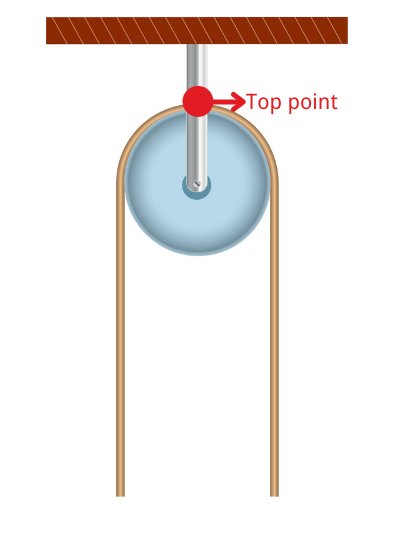
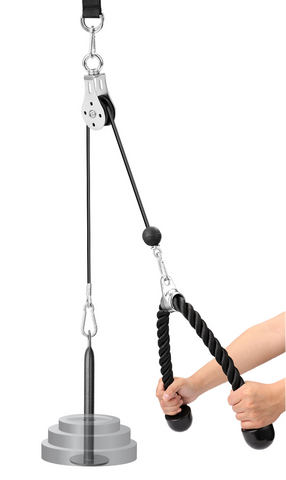
You can construct a smooth cable training station using a silent pulley, coated aircraft wire, and locking carabiners.[3] This setup lets you perform lat pulldowns, tricep pushdowns, cable face pulls, and bicep curls without buying a standalone cable tower.
Dedicated commercial cable machines occupy substantial floor space and require considerable financial investment. If you prefer an all-in-one manufactured solution, the RitFit Gazelle 3-in-1 Leg Press Hack Squat Machine combines multi-angle lower-body strength into a single footprint.
To assemble a reliable home cable system, gather standard hardware components from your local store or online supplier.
- Coated Steel Aircraft Cable: Flexible 1/4-inch nylon-jacketed wire rope prevents fraying and glides smoothly.
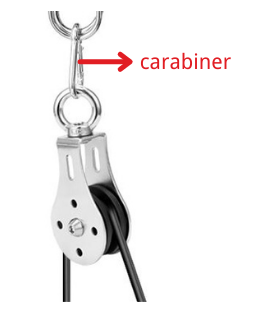
- Swivel Silent Pulley: Heavy-duty 360-degree rotating wheel eliminates cable twisting during angled reps.
- Locking Carabiners: High-tensile steel snap hooks secure both ends of your cable assembly safely.
- Weight Loading Pin: Vertical steel post holds standard or Olympic weight plates securely.
- Cable Attachments: Straight bars, tricep ropes, or D-handles connect directly via carabiners.
Follow these progressive steps to assemble your home pulley system:
- Measure Cable Length: Thread the wire through your top pulley wheel anchored to the rack top crossmember down to your working height.
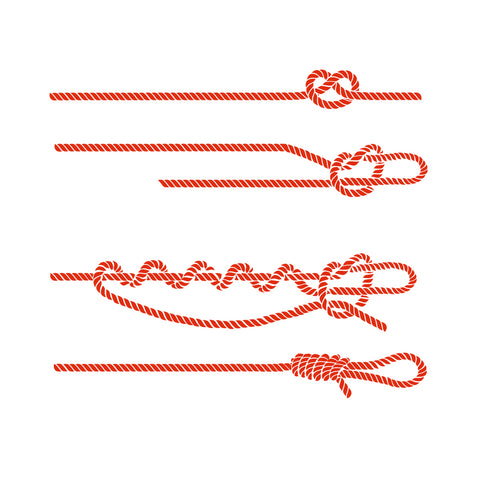
- Form Loop Terminations: Secure wire rope thimbles and duplex cable clamps on both ends of the trimmed wire.
- Mount Overhead Pulley: Strap the pulley bracket to your rack top bar or overhead ceiling joist using heavy climbing webbing.
- Attach Weight Loading Pin: Clip the lower carabiner directly into your plate loading post loaded with cast iron plates.
- Connect Handle Attachment: Clip your desired tricep rope or straight bar onto the user-facing carabiner.
For more compound strength variations on a compact budget, review our breakdown of the best leg press hack squat combo for home gym.

How Do Phone Magnets Free Your Hands?
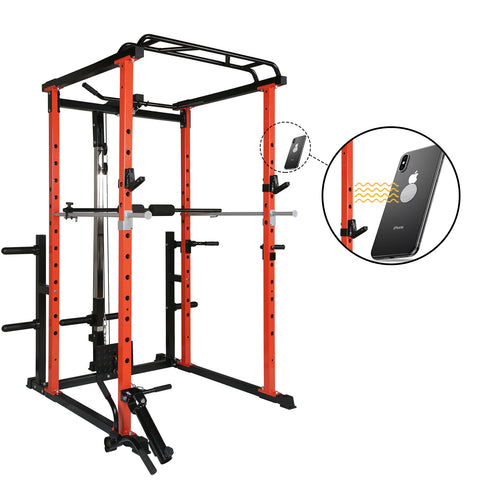
A magnetic phone mount positions your smartphone at eye level on steel power rack uprights during training sessions. This keeps your device elevated away from floor hazards and makes recording lifting form effortless.
Most lifters rely on their phones for training logs, interval rest timers, and movement analysis. Leaving a smartphone on rubber gym flooring risks catastrophic damage from rolling dumbbells or stray weight plates.
A compact magnetic holder adheres instantly to any tubular steel surface and swivels to any recording angle. For tips on structuring an optimal workout layout around your equipment, consult our best home gym size guide.
How Do You Protect Rack Safeties with Piping Insulation?
Wrapping your rack safety spotter arms with foam pipe insulation prevents harsh metal-on-metal collision during heavy lifts. This low-cost barrier safeguards barbell knurling and stops rack powder coat from chipping.
Heavy barbell exercises like pin presses and rack pulls place severe abrasive pressure on steel contact points. Direct steel collisions flatten aggressive knurling textures and leave raw steel vulnerable to humidity corrosion.
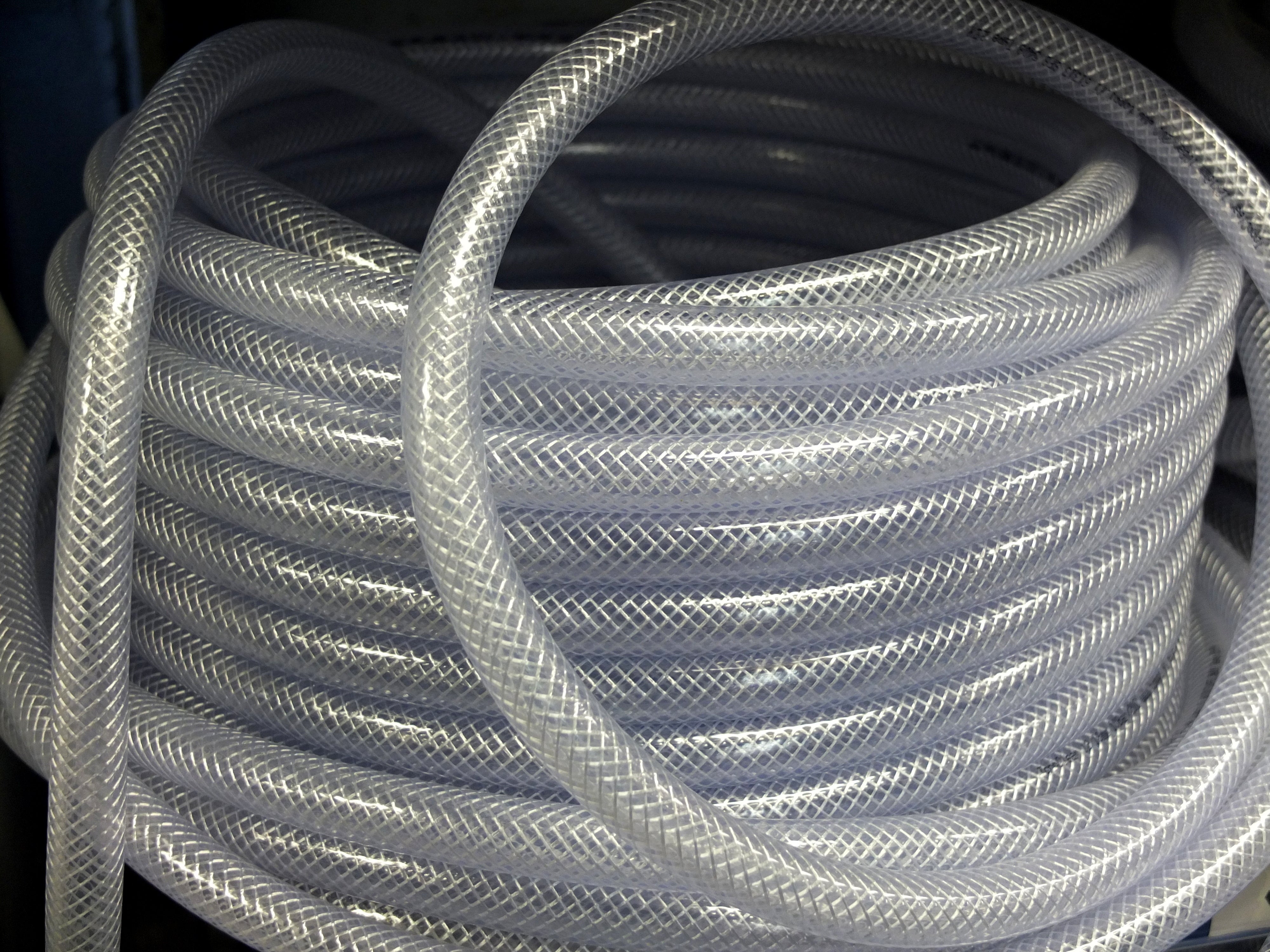
Closed-cell polyethylene or vinyl pipe insulation comes pre-slit and cuts easily to length with basic kitchen shears. Simply slip the cylindrical foam sleeve directly over your pin-pipe or flip-down safety bars for durable damping.
Explore comprehensive hardware maintenance strategies in our guide to home gym building 3 pointers to keep all your gear in pristine condition.
FAQs About Home Gym Hacks
What is the most cost-effective DIY hack for a home gym?
Turning an ordinary tennis ball into a corner landmine attachment is the most cost-effective DIY hack for strength training. Cutting two slits in the ball allows a standard barbell sleeve to pivot smoothly against room corners without scratching drywall, marring floors, or scuffing baseboards.
How do you make a landmine attachment with a tennis ball?
Use a utility knife to cut an X-shaped slit directly into one side of a standard tennis ball. Slide the pressurized hollow ball over the metal sleeve of your barbell, then wedge that cushioned bar end securely into any corner of your workout room.
Are heavy-duty magnetic hooks strong enough to hold gym accessories?
Industrial neodymium magnetic hooks can easily support between 50 and 100 pounds of vertical load on solid steel frames. They provide instant hanging storage for heavy lifting chains, resistance bands, barbell collars, and dip belts without requiring you to drill holes into your walls.
Is a DIY cable pulley system safe for heavy resistance training?
A homemade cable pulley system is safe when built with nylon-coated aircraft cable, commercial swivel pulleys, and rated steel carabiners. Always verify that all cable clamps and knots are tightened before loading heavy weight plates onto the loading pin for upper body training.
How does foam piping insulation protect gym equipment from damage?
Pre-slit vinyl foam pipe insulation wraps around steel rack safety spotter arms to cushion metal-on-metal impacts during heavy lifts. This protective buffer prevents barbell knurling from flattening out and stops powder-coated rack finishes from chipping during rack pulls or dropped lifts.
What basic equipment should you buy before adding DIY gym hacks?
Start your home training facility with a sturdy power rack, an Olympic barbell, cast iron weight plates, and an adjustable bench. Once those foundational strength pieces are installed, inexpensive DIY additions can expand your exercise variety and optimize floor space.
Conclusion
These five home gym hacks prove that smart adjustments can deliver incredible training versatility on a modest budget. Implementing a tennis ball landmine, magnetic hooks, DIY pulleys, phone mounts, and safety padding protects both your equipment and your bank account.
Begin by assembling the hack that solves your most immediate training bottleneck. For additional equipment enhancements, explore our full catalog of gym gear and accessories in the RitFit Accessories Collection.
Disclaimer
DIY equipment and homemade attachments carry inherent physical risk during heavy resistance exercise. Always inspect cables, knots, carabiners, and improvised landmines prior to each workout, and adhere strictly to manufacturer load ratings for commercial gear.
References
1. De Maio M, Bratta C, Iannaccone A, et al. Home-Based Physical Activity as a Healthy Aging Booster before and during COVID-19 Outbreak. Int J Environ Res Public Health. 2022;19(7):4317. doi:10.3390/ijerph19074317 PMCID: PMC8998434
2. Lopez P, Radaelli R, Taaffe DR, et al. Resistance Training Load Effects on Muscle Hypertrophy and Strength Gain: Systematic Review and Network Meta-analysis. Med Sci Sports Exerc. 2021;53(6):1206-1216. doi:10.1249/MSS.0000000000002585 PMCID: PMC8126497
3. Ellestad SH, Sheaffer JE, Weber CA, Novak NC, Holmstrup ME. A Comparison of Muscle Recruitment Across Three Straight-Legged, Hinge-Pattern Resistance Training Exercises. Int J Exerc Sci. 2023;16(4):12-22. PMCID: PMC10124728





