A clean home gym protects your equipment, improves traction, reduces odor, and makes every workout safer. This guide shows you how to clean benches, barbells, racks, mats, cable machines, cardio gear, and storage areas without turning routine care into a full weekend project.
You will learn which supplies to keep on hand, how often to clean each surface, and which materials need special care. Short daily habits plus a few deeper sessions keep your home gym fresh, safe, and ready for every training day.
Quick Answer: Clean a home gym by wiping high-touch surfaces after every workout, vacuuming and mopping the floor on training days, and scheduling a deeper clean monthly or quarterly. Match the cleaner to each material, dry every damp surface, and inspect equipment while you clean to prevent rust, odor, and wear.
Key Takeaways
- Clean after every workout: Wipe sweat heavy contact points while moisture is fresh. Short sessions prevent odor, grime, and rust better than rare deep cleaning.
- Match the cleaner to the material: Metal, rubber, vinyl, powder coated steel, and electronics need different care. A safe cleaner for one surface may damage another.
- Dry every damp surface: Moisture left on barbells, plates, guide rods, pads, and flooring seams can cause rust, odor, and material breakdown.
- Use cleaning time to inspect equipment: Look for loose bolts, frayed cables, worn pads, curling mats, belt drift, and unusual machine noise before the next workout.
- Control airflow and humidity: Fans, open windows, and dehumidifiers help reduce stale air, condensation, and long term equipment wear in garages and basements.
What Cleaning Supplies Do You Need for a Home Gym?
You need a short list of safe supplies to clean a home gym quickly, including microfiber cloths, a mild cleaner, a vacuum, and a mop. Keeping these in one labeled bin makes a five minute post-workout reset simple.
- Microfiber cloths: Use soft cloths for metal, plastic, vinyl, screens, and powder coated frames. They lift sweat and dust without scratching most finished surfaces.
- Labeled spray bottles: Keep one bottle for routine cleaner and another for disinfectant if you use both. Clear labels help prevent chemical mix ups.
- EPA registered disinfectant or wipes: Use these on compatible hard nonporous touch points such as handles, pull up bars, knobs, and screen surrounds. Follow label contact time and surface compatibility instructions.
- Mild soap or gentle all purpose cleaner: Use this for routine sweat, chalk, and dust removal on most nonelectronic surfaces. This is often the safest starting point for everyday cleaning.
- Vacuum with attachments: Use a crevice tool for corners, plate storage areas, pulley zones, rack feet, and under machines. Removing dry debris first makes mopping more effective.
- Mop and bucket: Use a neutral cleaner and minimal water on rubber flooring, sealed concrete, vinyl, or other gym safe flooring. Let the surface dry before lifting.
- Soft bristle brush: Use a soft nylon brush or old toothbrush for barbell knurling, logo grooves, adjustment tracks, and tight hardware joints. Avoid metal brushes on protective finishes.
- Trash bags and gloves: Keep extra bags nearby for wipes, paper towels, packaging, and used rags. Gloves can help if you are sensitive to dust, chalk, or cleaning products.
How Often Should You Clean Home Gym Equipment?
You should clean high-touch surfaces after every workout, tidy the floor each training day, and deep clean monthly or quarterly. This rhythm keeps sweat, chalk, dust, and moisture from building up and makes inspection easier.
| Frequency | What to Clean | Why It Matters |
|---|---|---|
| After every workout | Handles, pads, bars, seats, mats, grips, and sweat heavy touch points | Prevents odor, surface grime, and moisture buildup |
| Every training day | Floor debris, chalk, trash, loose accessories, and damp spots | Improves traction and keeps dust off equipment |
| Weekly | Racks, benches, mats, cables, pulleys, visible hardware, and storage zones | Catches loose bolts, moisture, rust, and early wear |
| Monthly or quarterly | Floors, full frames, mirrors, walls, vents, fans, accessories, and soft goods | Controls hidden dust, odor, and long term equipment wear |
| Every 3 to 6 months | Bolts, belts, guide rods, pulleys, cables, moving parts, and manual based service points | Supports safer use and helps prevent avoidable equipment damage |
Adjust this schedule up or down based on how often you train and how humid your training space is.
What Should You Clean Immediately After Each Workout?
You should wipe every surface your hands, back, or body touched immediately after each workout while sweat and chalk are still fresh. Most sessions need only a focused two to five minute reset.
- Wipe contact surfaces: Clean handles, seats, bench pads, dumbbell handles, barbell shafts, pull up bars, collars, and adjustment points. Spray the cloth instead of spraying directly when liquid could reach screens, bearings, sleeves, or cable openings.
- Focus on sweat heavy zones: Prioritize benches, hip thrust pads, ab mats, yoga mats, grips, and machine handles. Skin contact surfaces in athletic environments can change quickly because they repeatedly contact hands, sweat, and exposed skin.[1]
- Air out the room: Open a window or run a fan for 10 to 15 minutes when possible. Ventilation matters because indoor exercise spaces can accumulate particles, gases, heat, and humidity during use.[2]
- Do a 60 second reset: Re rack plates, return dumbbells, hang bands, and move accessories back to storage. A clear floor reduces tripping risk and makes the next workout easier to start.
"Dumbbells collect sweat, skin oils, and bacteria, and regular cleaning helps prevent germs, odors, and long-term material damage."
Jah Washington, CPT, Men's Health
What Daily Cleaning Tasks Keep a Home Gym Tidy?
Daily cleaning keeps your gym from feeling dusty, cramped, and neglected, and it makes deeper cleanings faster later. Add these short tasks to your normal training routine.
- Clean the floor: Sweep or vacuum chalk, hair, dust, and grit before mopping. Use a neutral cleaner on rubber floors and avoid soaking seams, edges, or the base of equipment.
- Use the right flooring: Durable rubber home gym flooring mats can make cleanup easier by protecting the floor beneath your training area. Clean the mats with minimal water and dry them fully before heavy lifting.
- Tidy storage: Return dumbbells, stack plates, store collars, and coil bands or ropes. Organized storage protects equipment finishes and keeps walkways clear.
- Empty the trash: Remove used wipes, paper towels, wrappers, and damp items before odor builds. Small enclosed gyms can smell stale quickly when waste sits overnight.
- Do a visual scan: Look for sweat puddles, chalk piles, damp corners, and condensation on cold metal. Wiping these areas early reduces slip risk and surface rust.
How Do You Deep Clean a Home Gym Monthly and Quarterly?
Deep cleaning once a month to once a quarter removes dust, residue, and hidden moisture that daily wipe downs miss. Schedule it when you have about an hour and can move lighter equipment.
- Deep clean the floor: Move lighter equipment, roll back smaller mats, vacuum thoroughly, and mop the full space. Let the floor dry completely before training.
- Clean walls, mirrors, and doors: Wipe chalk dust, fingerprints, and sweat mist from mirrors, nearby walls, and doors. Cleaner reflective surfaces make the room feel brighter and more open.
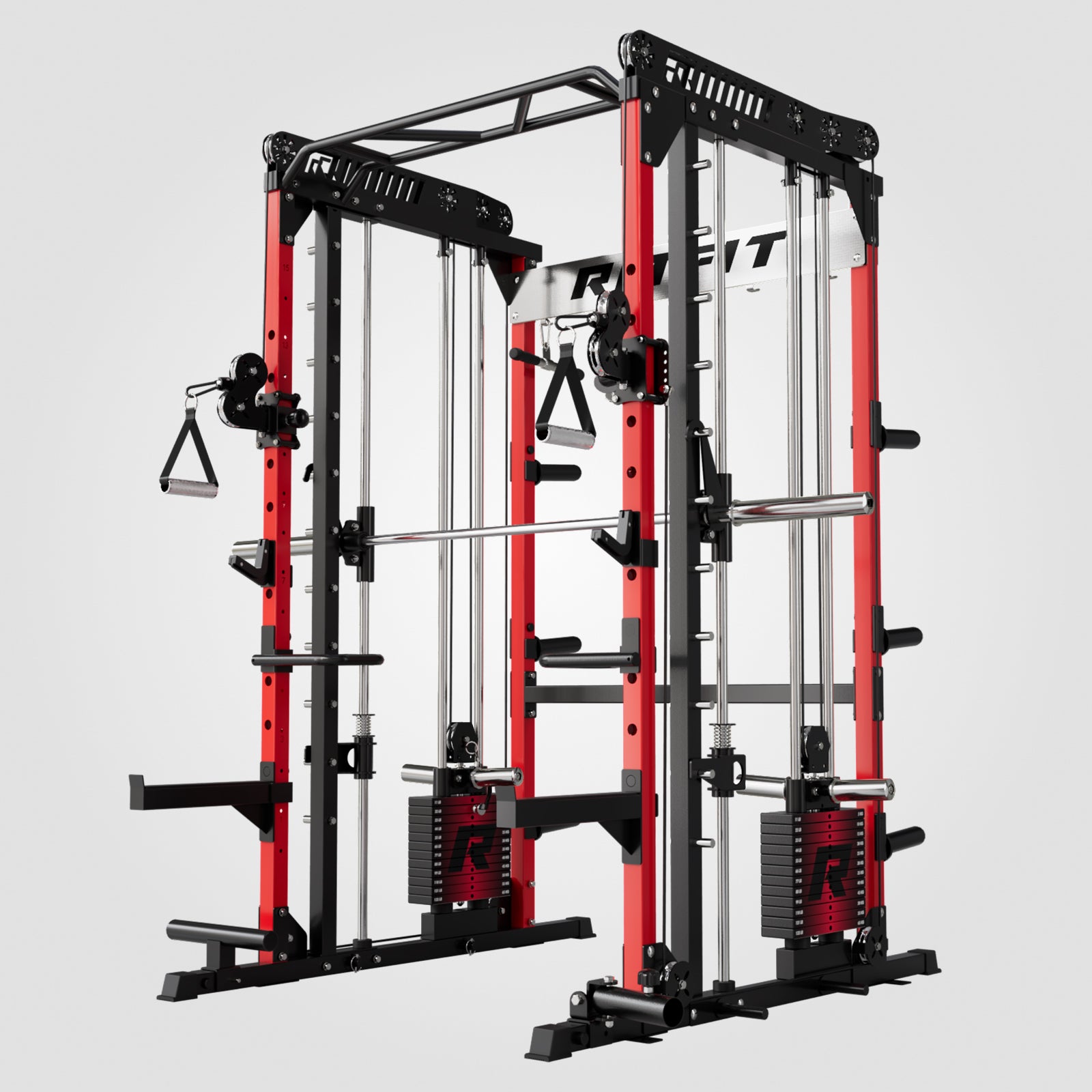
- Wipe full equipment frames: Clean the front, sides, back, crossmembers, plate pegs, and lower contact points on racks, benches, Smith machines, and cable towers. Dust and moisture often collect where users rarely look.
- Wash accessories and soft goods: Clean resistance bands, straps, wrist wraps, lifting belts, gloves, and floor mats according to their care instructions. Retire cracked bands, torn straps, and badly worn accessories.
- Check ventilation equipment: Dust fan blades, vents, heater grilles, dehumidifier intakes, and air purifier filters. Better airflow helps with odor control, humidity management, and equipment preservation.
How Do You Care for a Garage Gym or Basement Gym?
Garage gyms and basement gyms need extra moisture control because outdoor debris, poor airflow, and temperature swings increase rust, odor, and surface wear. Keep floors dry, run airflow after training, and inspect metal equipment more often during wet or cold seasons.
- Garage gyms: Sweep road grit, leaves, dust, and tracked in dirt before they scratch flooring or equipment finishes. Dry rainwater or melted snow before it reaches rack feet, floor seams, or plate storage areas.
- Basement gyms: Watch for damp corners, musty smells, and condensation on metal. A dehumidifier can help if the room often feels humid after training.
- Shared family gyms: Disinfect high touch handles and adjustment points more often when several people use the same equipment. Prompts and easier access to cleaning materials can increase post use cleaning behavior in shared gym settings.[3]
- Chalk heavy spaces: Vacuum chalk dust before wiping or mopping. Wet chalk can smear, settle into seams, and leave residue on flooring and frames.
What Is the Best Way to Clean Different Gym Materials?
Different materials need different care because one cleaner cannot safely handle every gym surface. When a label, product page, or manual conflicts with a general tip, follow the manufacturer guidance for that item.
| Material or Equipment | Best Routine Method | Avoid |
|---|---|---|
| Barbells and weight plates | Brush chalk from knurling and logos, wipe with a lightly damp microfiber cloth, then dry fully | Soaking sleeves, harsh chemicals, and storing damp metal |
| Rubber and urethane equipment | Use mild soap and water on a cloth, then dry before stacking | Strong solvents, oily residue, and trapped moisture between plates |
| Powder coated racks and frames | Dust first, then wipe with a soft cloth and mild cleaner | Abrasive pads, steel wool, and aggressive scrubbing |
| Upholstery and pads | Use a gentle cleaner safe for vinyl or synthetic leather | Strong bleach, harsh solvents, and soaking seams |
| Cables, pulleys, and guide rods | Wipe exposed surfaces with a lightly damp cloth, then dry completely | Flooding pulley housings, cable entry points, or guide rod tracks |
| Rubber flooring and mats | Vacuum first, mop with neutral cleaner and minimal water, then air dry | Too much water, slick residue, and harsh solvents |
| Screens and electronics | Use a soft cloth and approved electronics cleaner when allowed by the manual | Direct spray, wet ports, and liquid around control panels |
Use this guide as a starting point and always confirm compatibility with each product manual or label.
If your setup includes free weights, wipe and dry rubber hex dumbbells and Olympic bumper plates before stacking them. This helps reduce moisture transfer between coated surfaces.
For bench work, clean the pad of an adjustable weight bench after sweat heavy sessions and dry it before storage. Vinyl or synthetic leather pads can wear faster when sweat and harsh chemicals sit on the surface.
What Cleaning Mistakes Should You Avoid?
The biggest cleaning mistakes are over wetting equipment, using the wrong chemical, and leaving slick residue behind. Safe cleaning should protect both the user and the equipment.
- Do not soak metal, pads, or flooring seams: Excess moisture can cause rust, swelling, odor, or adhesive failure. Damp cleaning followed by drying is usually enough.
- Do not use one cleaner everywhere: A cleaner that works on sealed metal may be too harsh for rubber, upholstery, or screens. Surface compatibility matters more than speed.
- Do not mix cleaning chemicals: Combining products can damage materials and create harmful fumes. Use one product at a time and follow the label.
- Do not ignore residue: A surface can look clean but still feel slick if cleaner is left behind. Wipe excess product from handles, bars, and floor areas before training.
- Do not treat noise as only a cleaning issue: Squeaking, grinding, belt drift, or cable slip may signal wear or misalignment. Stop and inspect the equipment instead of masking the problem with more spray.
What Maintenance Checks Keep Home Gym Equipment Safe?
Cleaning and maintenance work best together because clean equipment is easier to inspect. Use the same session to look for wear, looseness, corrosion, and performance changes.
- Inspect cables and pulleys: Look for fraying, kinks, flattened spots, cracked coating, and grinding pulleys. Stop using that cable path if anything looks damaged.
- Check bolts and anchor points: Walk your rack and machines from top to bottom and confirm visible hardware is snug. Tighten obvious looseness without over tightening threads or deforming washers.
- Inspect cardio machines: Listen for unusual treadmill, bike, or elliptical noises during normal use. Belt drift, knocking, grinding, or slipping usually means it is time to check the manual or contact service.
- Check barbells and dumbbells: Inspect shafts, sleeves, end caps, handles, and coatings for rust, bends, looseness, or chipping. A bar that no longer spins smoothly needs attention before heavy training.
- Lubricate only when required: Use the lubricant type and schedule listed by the manufacturer for treadmills, guide rods, or approved parts. Keep lubricant away from pads, grips, and floors.
- Keep a record: Log deep cleaning dates, belt checks, cable inspections, and hardware checks on your phone or whiteboard. This helps if more than one person uses the gym.
If your training space includes cable work, keep cable machine attachments clean and dry after high grip sessions. For larger setups, review the Smith machine home gym collection and strength machines with maintenance access in mind.
What Should You Never Use on Home Gym Equipment?
Stronger chemicals are not always safer because harsh cleaners can damage pads, rubber, coatings, screens, and metal finishes. Disinfection can be useful on compatible hard surfaces, but routine cleaning usually starts with mild cleaner, careful wiping, and complete drying.[4]
- Strong bleach: Avoid strong bleach on pads, rubber, painted frames, and flooring unless the manufacturer confirms compatibility. Bleach can discolor or weaken some materials.
- Acidic cleaners: Avoid acidic home mixtures on metal, rubber, stone, and unknown finishes. They may dull, dry, or damage surfaces.
- Heavy degreasers: Avoid aggressive degreasers on benches, cables, grips, and coated frames. They may strip protective finishes or leave slippery residue.
- Direct spray on electronics: Never spray liquid directly into screens, ports, buttons, or consoles. Use a cloth and keep moisture away from openings.
How Do You Keep a Home Gym Smelling Fresh?
The best odor control plan is to remove sweat, trash, damp fabric, and trapped moisture quickly. Fitness center research has examined bacteria and fungi in exercise rooms and on sports equipment surfaces, which supports the value of sanitation, airflow, and consistent cleaning routines.[5]
- Dry the room after training: Run a fan or dehumidifier after humid sessions. Air movement helps reduce condensation and stale smell.
- Remove damp fabrics: Do not leave towels, gloves, wraps, or shirts in the gym overnight. Soft goods hold odor faster than metal equipment.
- Clean mats regularly: Wipe yoga mats, ab mats, hip thrust pads, and stretching areas after sweat heavy use. These surfaces often collect skin contact and moisture.
- Keep trash moving: Empty used wipes and wrappers before they sit in a small room. Odor spreads faster in enclosed training spaces.
FAQs About Home Gym Cleaning
How often should you clean a home gym?
Clean high touch surfaces after every workout, tidy the floor each training day, and deep clean monthly or quarterly. This rhythm keeps sweat, chalk, dust, and moisture from building up while making equipment inspection easier and safer.
What is the best cleaner for home gym equipment?
The best routine cleaner is usually mild dish soap diluted in water on a cloth, followed by a dry wipe. Use stronger disinfectants only on compatible hard nonporous touch points, and always follow the cleaner label and equipment manual.
Can you use disinfecting wipes on gym equipment?
Yes. Disinfecting wipes can be useful on hard nonporous touch points like handles, adjustment knobs, and pull up bars. Check surface compatibility first, follow the required wet contact time, and wipe away leftover residue before training again.
How do you clean rubber home gym flooring?
Vacuum rubber gym flooring first, then mop with a neutral cleaner and minimal water. Avoid soaking seams, edges, and equipment bases, then let the floor dry fully before lifting so the surface does not become slick.
How do you prevent rust on barbells and weight plates?
Wipe sweat and moisture from metal after training, especially on barbell shafts, sleeves, plates, guide rods, and rack contact points. Improve airflow with a fan or dehumidifier, and avoid storing bare steel equipment in damp corners.
How do you stop a garage gym from smelling bad?
Remove sweat, trash, damp towels, and floor debris quickly, then run airflow after workouts. Garage gyms also need extra moisture control because rain, road grit, and temperature swings can make odor and rust worse.
Should you clean cable machines differently from free weights?
Yes. Cable machines need lighter moisture control because liquid can enter pulley housings, cable openings, and guide rod areas. Wipe cable sheaths and exposed rods with a lightly damp cloth, dry fully, and lubricate only as the manual recommends.
What home gym equipment needs the least maintenance?
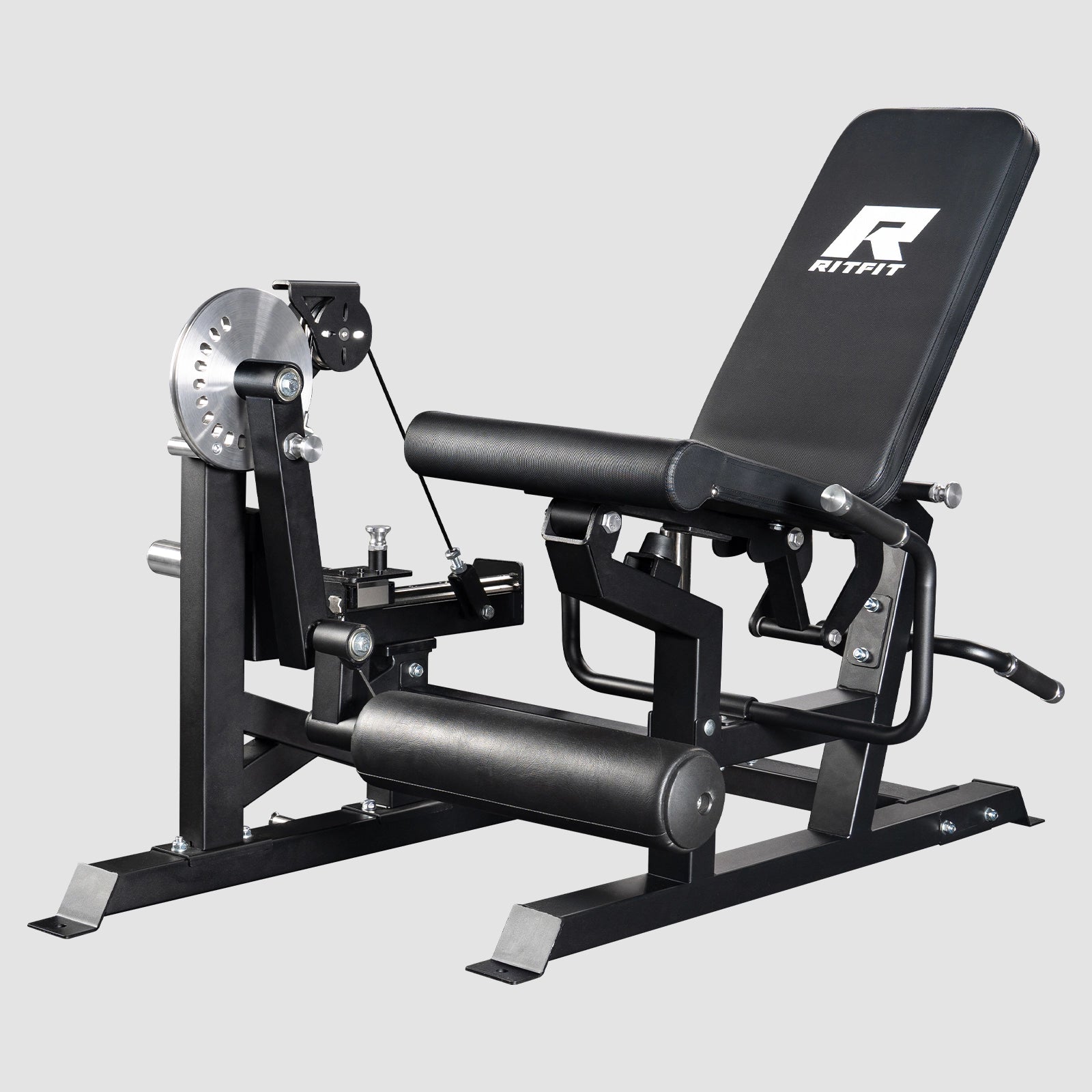
Simple strength equipment usually needs the least maintenance, including power racks, pull up bars, barbells, dumbbells, and weight plates. These items still need wiping, dry storage, and inspection for rust, loose parts, worn coatings, or surface damage.
Conclusion
A clean home gym lasts longer, smells better, and feels safer every time you train. Pair quick post workout wipe downs with regular floor care, periodic deep cleaning, humidity control, and basic equipment checks to protect both your space and your progress.
Check the RitFit discount guide before you stock up on cleaning supplies or upgrade your home gym setup.
Disclaimer
Disclaimer: This guide provides general home gym cleaning and maintenance information only and does not replace your equipment manual, cleaner label, or manufacturer guidance. Always follow the manufacturer care instructions for your specific equipment, flooring, electronics, and accessories, and stop using damaged equipment until it has been inspected, repaired, or replaced.
References
1. Mukherjee N, Dowd SE, Wise A, Kedia S, Vohra V, Banerjee P. Diversity of bacterial communities of fitness center surfaces in a U.S. metropolitan area. Int J Environ Res Public Health. 2014;11(12):12544-61. doi:10.3390/ijerph111212544. PMCID: PMC4276630
2. Peixoto C, Pereira MDC, Morais S, Slezakova K. Assessment of indoor air quality in health clubs: insights into (ultra)fine and coarse particles and gaseous pollutants. Front Public Health. 2023;11:1310215. doi:10.3389/fpubh.2023.1310215. PMCID: PMC10715262
3. Elba I, Ivy JW. Increasing the Post-Use Cleaning of Gym Equipment Using Prompts and Increased Access to Cleaning Materials. Behav Anal Pract. 2018;11(4):390-394. doi:10.1007/s40617-018-0217-0. PMCID: PMC6269393
4. Gentil P, de Lira CAB, Souza D, et al. Resistance Training Safety during and after the SARS-Cov-2 Outbreak: Practical Recommendations. Biomed Res Int. 2020;2020:3292916. doi:10.1155/2020/3292916. PMCID: PMC7532374
5. Boonrattanakij N, Yomchinda S, Lin FJ, Bellotindos LM, Lu MC. Investigation and disinfection of bacteria and fungi in sports fitness center. Environ Sci Pollut Res Int. 2021;28(37):52576-52586. doi:10.1007/s11356-021-14323-5. PMCID: PMC8137265