Table of Contents
Is the Bench Press Bar 45 Pounds
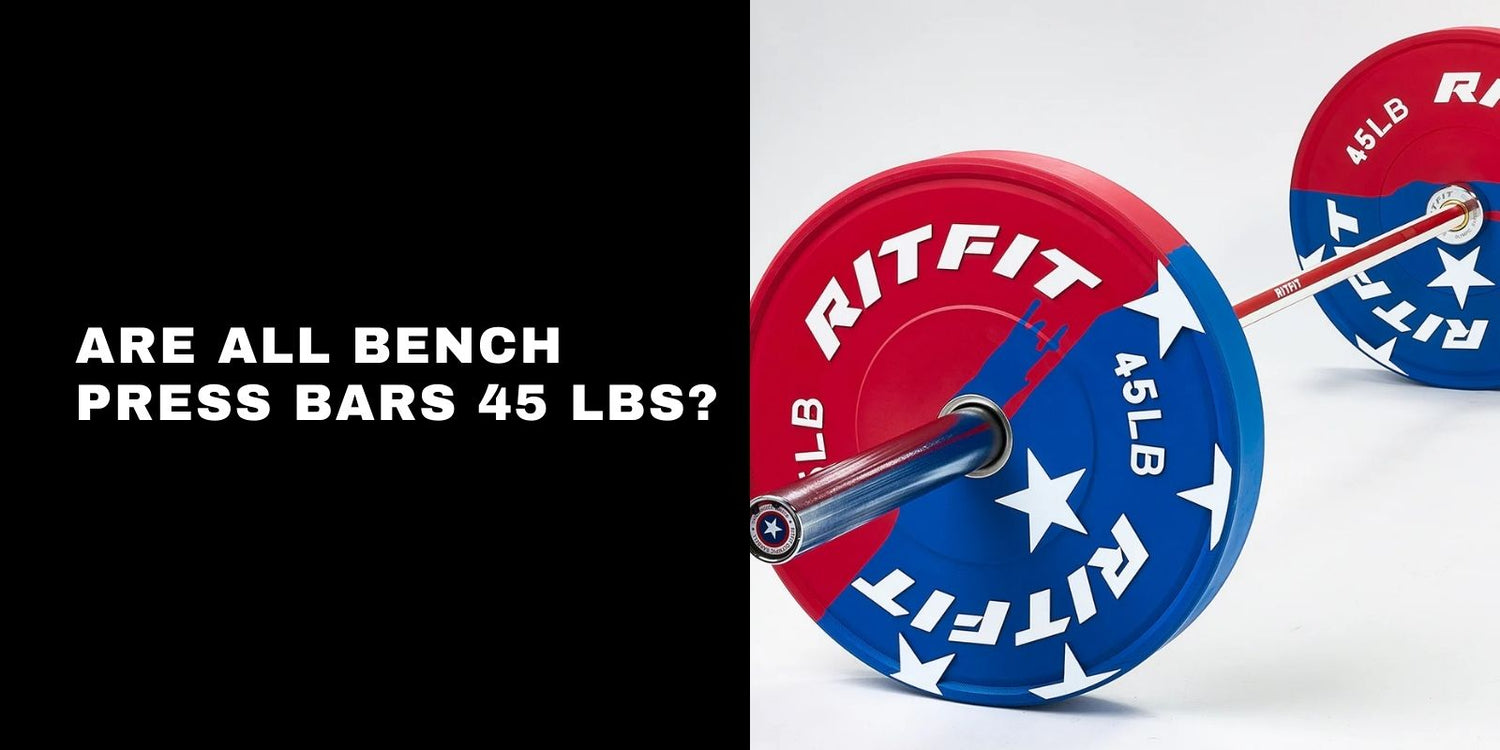
If you have ever walked up to a bench press station, loaded plates, and started lifting, you likely assumed the bar in your hands weighed 45 pounds. In strength training, the barbell is the primary tool for the bench press, and the common belief is simple: the bar is 45.
Here is the real answer. Most standard bench stations use a 45 lb or 20 kg bar, but many gyms also have lighter or heavier bars, including women’s bars, technique bars, fixed weight bars, and specialty bars.
For beginners who are not sure whether to count the bar or for experienced lifters tracking progress closely, knowing the real bar weight matters. While 45 pounds is common, it is not a universal law.
Key Takeaways
- Most bench press stations use a 45 lb or 20 kg bar, but not all bars are 45.
- Women’s Olympic bars are commonly 15 kg, about 33 lb, and feel noticeably lighter.
- Technique and training bars can range from about 11 lb to 33 lb depending on the model.
- Fixed weight barbells show the total weight of the entire unit, not just the shaft.
- If you care about progress tracking and safety, verify the bar weight before you log your lift.
Standard Barbell Weight
The 45 pound rule comes from the standard Olympic barbell. In most commercial gyms and many competitive settings, this is the default bar. The specifications are fairly consistent.
- Weight About 45 lb, 20 kg
- Length About 7 ft, 2.2 m
- Diameter Grip section usually 28 to 29 mm
Because this bar is so common, it became the baseline. When someone asks how much you bench, most people assume the total includes a 45 pound bar. The issue is that not every bar you touch matches those specs, especially in mixed equipment gyms.
Different Types of Barbells Used for Bench Press
Not all bars are the same. Depending on where you train, you may see several variations.
Olympic Barbell
This is the standard full size bar with rotating sleeves and typical knurling. The metric standard is 20 kg, which is 44.1 lb, but it is commonly logged as 45 lb in the United States.
Power Bar or Powerlifting Barbell
Power bars are designed for heavy loading in bench, squat, and deadlift. They are usually stiff and often have more aggressive knurling for grip. Most are still 20 kg or 45 lb, but the feel can be harsher on the hands.
Women’s Olympic Barbell
Women’s bars are usually 15 kg, about 33 lb, and often have a thinner shaft around 25 mm. They may also be slightly shorter than a standard men’s bar. If you grab one expecting 45 lb, you can end up lifting about 12 lb less than you think.
Technique and Training Barbells
These bars are made for learning form, rehab, or beginners who are not ready for a full size bar. Common weights range from 5 to 15 kg, about 11 to 33 lb. Many are aluminum and feel noticeably lighter than steel bars.
Fixed Weight Barbells
These are the shorter bars with permanent heads, sometimes straight and sometimes EZ. The stamped number is the total weight of the entire unit, not the shaft alone.
Specialty Bench Barbells
Some gyms carry Swiss or multi grip bars and cambered bars. These do not follow a universal weight standard. One Swiss bar might be 35 lb while a cambered bar could be 50 lb or more depending on the manufacturer.
Are All Bench Bars 45 Pounds
No, not all bench bars are 45 pounds.
While the 45 lb or 20 kg bar is the most common at standard bench stations, you may also see the following.
- Standard or power bars 45 lb, 20 kg
- Women’s bars 33 lb, 15 kg
- Technique bars 11 to 33 lb, 5 to 15 kg
- Home standard bars often 15 to 20 lb for 1 inch non Olympic bars
Barbell Weight Cheat Sheet
| Bar type | Common total weight | Common length | Quick way to spot it |
|---|---|---|---|
| Men’s Olympic bar | 20 kg, often logged as 45 lb | 2.2 m | Full length, thicker shaft |
| Power bar | 20 kg, often logged as 45 lb | 2.2 m | Stiff feel, sharper knurling |
| Women’s Olympic bar | 15 kg, about 33 lb | 2.01 m | Slightly shorter, thinner shaft |
| Technique bar | 5 to 15 kg | Varies | Often aluminum, very light |
| Fixed weight bar | Stamped weight is total | Shorter | Heads permanently attached |
| Swiss or multi grip bar | Varies | Varies | Multiple neutral grip handles |
| Cambered bar | Varies | Varies | Noticeable curve in the bar |
Tip for tracking. If you log training, write the bar type next to the lift, for example Bench Press 185 lb men’s bar or Swiss Bar Bench 135 lb.
How to Tell How Much the Bar Weighs
If you are not sure, do not guess. Use practical checks so your tracking stays accurate and your loading stays safe.
Look for Markings
Check the end cap on the sleeve. Many manufacturers print the weight, such as 20KG or 45LB. Some bars also use colored bands or stickers near the collar. In many gyms, blue often indicates 20 kg and yellow often indicates 15 kg, but confirm with markings when possible.
Weigh the Bar
If there are no markings, a scale is the most accurate method, especially for home gyms.
- Step on a bathroom scale and note your weight.
- Pick up the empty bar and step on again.
- Subtract your body weight from the total to find bar weight.
Check the Length
A standard men’s bar is about 7 feet long. If the bar is noticeably shorter, it is often lighter. Length is not a perfect indicator, but it is a strong cue to double check.
Ask Gym Staff
Staff and trainers usually know the inventory. Asking if a bar is a standard 45 pound bar can prevent tracking mistakes, especially with unmarked specialty bars.
Why Knowing Bar Weight Matters
A 10 to 12 pound difference does not seem huge, but over months of training it can create real confusion and real risk.
Accurate Progress Tracking
Progressive overload requires consistent loading. If you log 135 lb on a day you unknowingly used a 33 lb bar, your true load was lower than you think. The next time you use a true 45 lb bar, your performance may drop even though your training did not actually regress.
Safety and Technique
For beginners and smaller lifters, misjudging bar weight can be a safety issue. Grabbing a heavier specialty bar can make a set unexpectedly hard. Using a lighter technique bar can be a smart way to learn the bench pattern before moving up.
Perception of Weight
A full length bar can feel different because the mass is distributed across a longer implement. Do not rely on feel to guess weight. Use markings and simple checks.
Common Gym Scenarios
- Commercial gym Most bench stations use a 45 lb bar, but bars move around. Check end caps if the gym has many racks and platforms.
- Hotel gym Shorter bars and fixed weight bars are common. Do not assume they are 45 lb.
- Home gym A 1 inch standard bar is often much lighter than an Olympic bar, frequently around 15 to 20 lb.
Practical Tips for Lifters
- Verify in new environments When you travel or switch gyms, check the end caps before you load plates.
- Log the bar type Write men’s bar, women’s bar, Swiss bar, or cambered bar in your training notes.
- When in doubt, assume heavier for loading If you are unsure whether a bar is heavier than expected, load conservatively and work up.
- Count the bar The bar is part of the load moved, so include it in your total.
Frequently Asked Questions
Is an Olympic bar the same as a bench press bar
In most commercial gyms, yes. The Olympic bar is the standard barbell used for bench press.
Can I bench with a women’s or technique barbell
Yes. If a standard 45 lb bar is too heavy, a 15 kg women’s bar or a lighter technique bar is a smart way to build strength safely and refine technique.
How do I convert between pounds and kilograms
A 20 kg bar is about 44.1 lb, but it is often treated as 45 lb in casual logging. A 15 kg bar is about 33 lb.
Conclusion
So, are all bench bars 45 pounds? No. The 45 pound or 20 kg Olympic bar is the most common, but women’s bars, technique bars, fixed weight bars, and specialty bars are widely used. Whether you are new to lifting or tracking performance carefully, take a moment to identify the bar before you log the set. Do not guess. Know your numbers.