A comprehensive fitness and nutrition program for couples pairs a shared training schedule with a two-person meal plan, so both partners make progress without living separate lives. This guide covers the pillars that make a couples program work, a weekly training and nutrition blueprint, and the home equipment that pulls double duty.
You will learn how to train together at different fitness levels, set realistic protein targets, and build a routine you can actually stick to. Follow the sample week and adjust the numbers to your own goals.
Quick Answer: The best comprehensive fitness and nutrition program for couples combines three shared training sessions a week with a protein-first meal plan, and it works because both partners train at their own load while holding each other accountable. Keep the schedule simple, because consistency, not perfection, drives results.
Key Takeaways
- Shared schedule: A couples program works best when both partners train in the same session at their own weight and intensity.
- Adherence first: The program you both enjoy and repeat beats the perfect plan you quit after two weeks.
- Protein-first meals: Aim for roughly 0.7 to 0.9 grams of protein per pound of body weight, split across three meals.
- Small home setup: One adjustable dumbbell set, a bench, and a multi-functional station cover a full program for two.
- Support compounds: Researchers found that group exercisers reported more social support and higher physical activity than solo exercisers.
Why Do Couples Fitness and Nutrition Programs Work Better Than Training Solo?
A couples fitness and nutrition program works better than training alone because a shared goal and an accountability partner keep both people showing up. When two people train and eat on the same plan, the routine feels like normal life instead of a separate chore.
A cross-sectional study of community-dwelling adults found that those who exercised in a group showed better physical and cognitive function than those who exercised alone.[1] Researchers also found that group exercise membership was associated with more social support, a stronger exercise identity, and higher amounts of physical activity among adult exercisers.[2]
Another study linked peer support to better exercise adherence, with the effect running through gains in self-efficacy and self-regulation.[3]
- Built-in accountability: Your partner notices when you skip, and you notice theirs, which makes excuses harder to accept.
- Shared grocery list: One meal plan for two means less cooking, less waste, and fewer arguments about dinner.
- Double the motivation: Competing gently or tracking each other keeps intensity honest on days when one of you feels flat.
- Stronger identity: Group exercisers in one study reported a stronger exercise identity, which supports long-term consistency.
What Are the Five Pillars of a Comprehensive Couples Program?
A comprehensive couples program rests on five pillars: shared goals, a simple weekly schedule, progressive overload, a flexible nutrition plan, and an accountability routine. Each pillar supports the others, and removing one usually makes the program fall apart.
- Shared goals: Agree on outcomes you both care about, such as more energy, stronger lifts, or better sleep.
- Simple schedule: Plan the same three training days and protect them like meetings you cannot cancel.
- Progressive overload: Add weight or reps each week so your body keeps adapting instead of stalling.
- Flexible nutrition: Use one framework with individual calorie targets so meals stay simple without forcing identical plates.
- Accountability: A weekly check-in and a visible log make consistency the default choice.
How Do You Build a Couples Training Plan With Progressive Overload?
Build a couples training plan around three full-body sessions a week, with each partner picking their own weight, rep target, and rest. This format lets a stronger partner lift heavy while the other works at their level in the same room at the same time.
- Full-body workouts: Three sessions a week of compound movements hit every major muscle group with no extra gym trips.
- Partner circuits: Alternate stations or timed rounds so one partner rests while the other works.
- Weight selection: Choose a load that lets you finish the last two reps with good form, then add 5 lb only when both sessions feel smooth.
- Progress check: If you complete every set with two reps in reserve, increase the load next week.
- Rest days: Take at least one full rest day between training sessions and let sleep do the recovery work.
Use the How to Use the FITT Principle to Build a Personal Fitness Program guide to fine-tune frequency, intensity, and time for both partners.
"The two largest reasons why people don't get results with their fitness training protocol is number one, adherence, and then number two, some sort of progressive overload."
Andy Galpin, PhD, Professor of Exercise Science and Human Performance, Parker University, Dr. Andy Galpin: Optimize Your Training Program for Fitness and Longevity (Huberman Lab)
What Does a Couples Nutrition Plan Include?
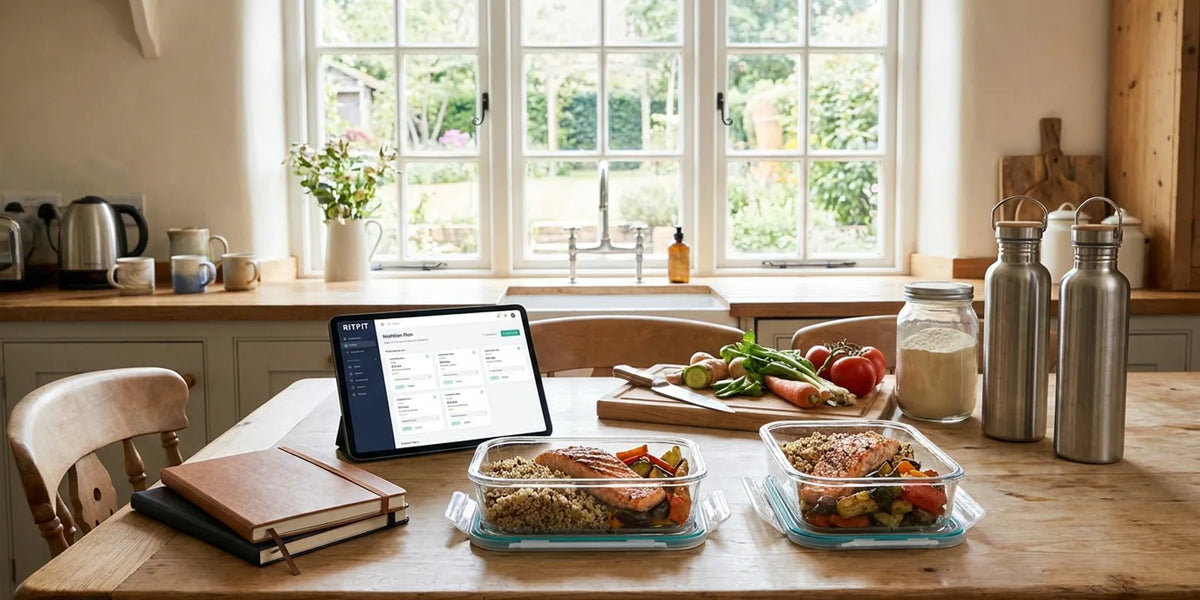
A couples nutrition plan uses one meal framework with individual calorie and protein targets, so you shop and cook together while each partner eats for their own body. Start with protein, then adjust portions to each person's goal, activity level, and training load.
- Protein target: Aim for roughly 0.7 to 0.9 grams of protein per pound of body weight daily for both partners.
- Spread across meals: Include a protein source at breakfast, lunch, and dinner so each meal supports recovery.
- Shared prep: Batch-cook proteins and prep vegetables once or twice a week to make healthy dinners automatic.
- Individual portions: Use the same dishes with different serving sizes, then adjust by hunger and progress.
- Flexibility: Allow a weekly treat meal so the plan stays sustainable instead of feeling restrictive.
If you are adding muscle, understand how a modest calorie surplus works by reading What Is Bulking in Fitness. Use What Is BMI in Fitness to put body-composition questions in context.
What Home Gym Equipment Works Best for Two People?
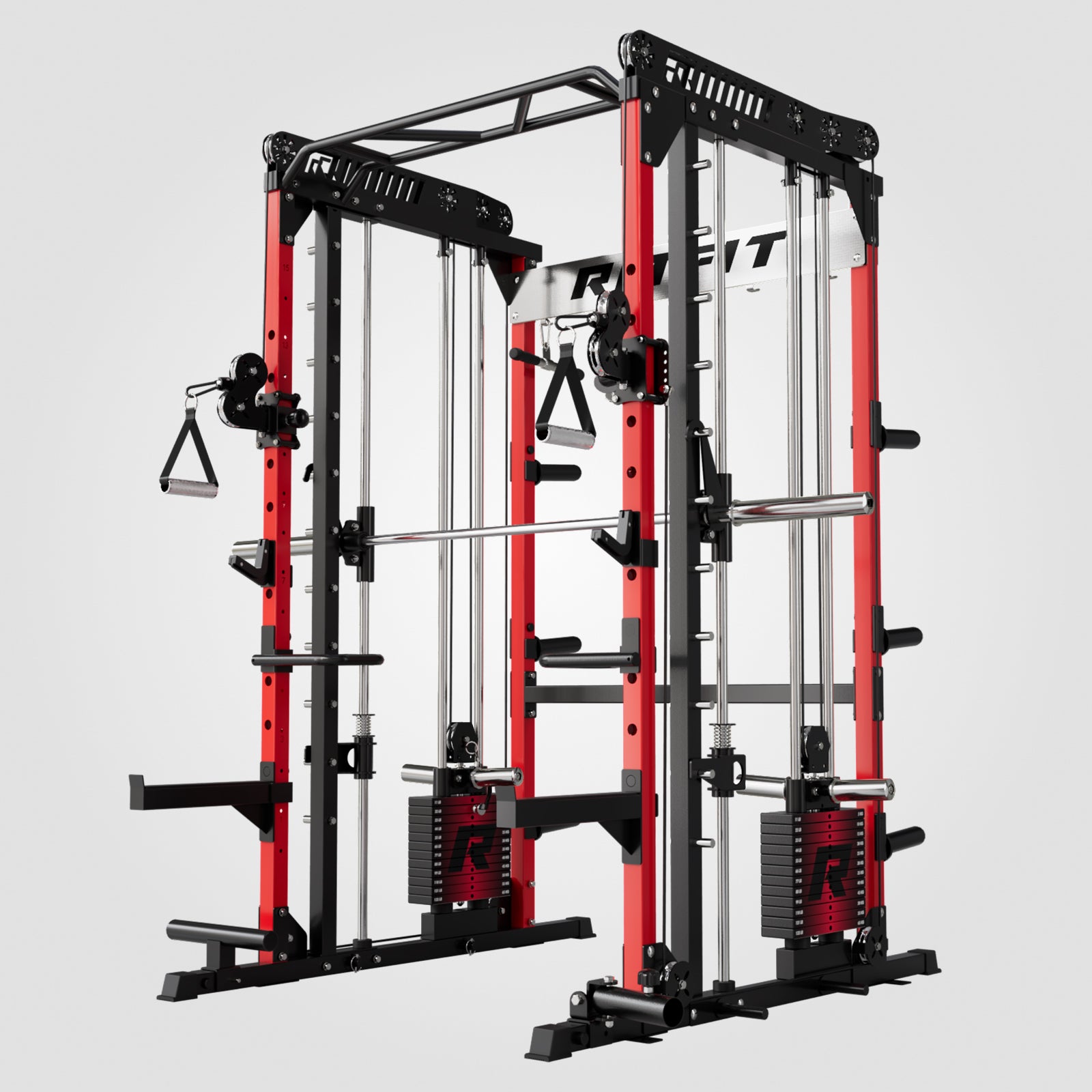
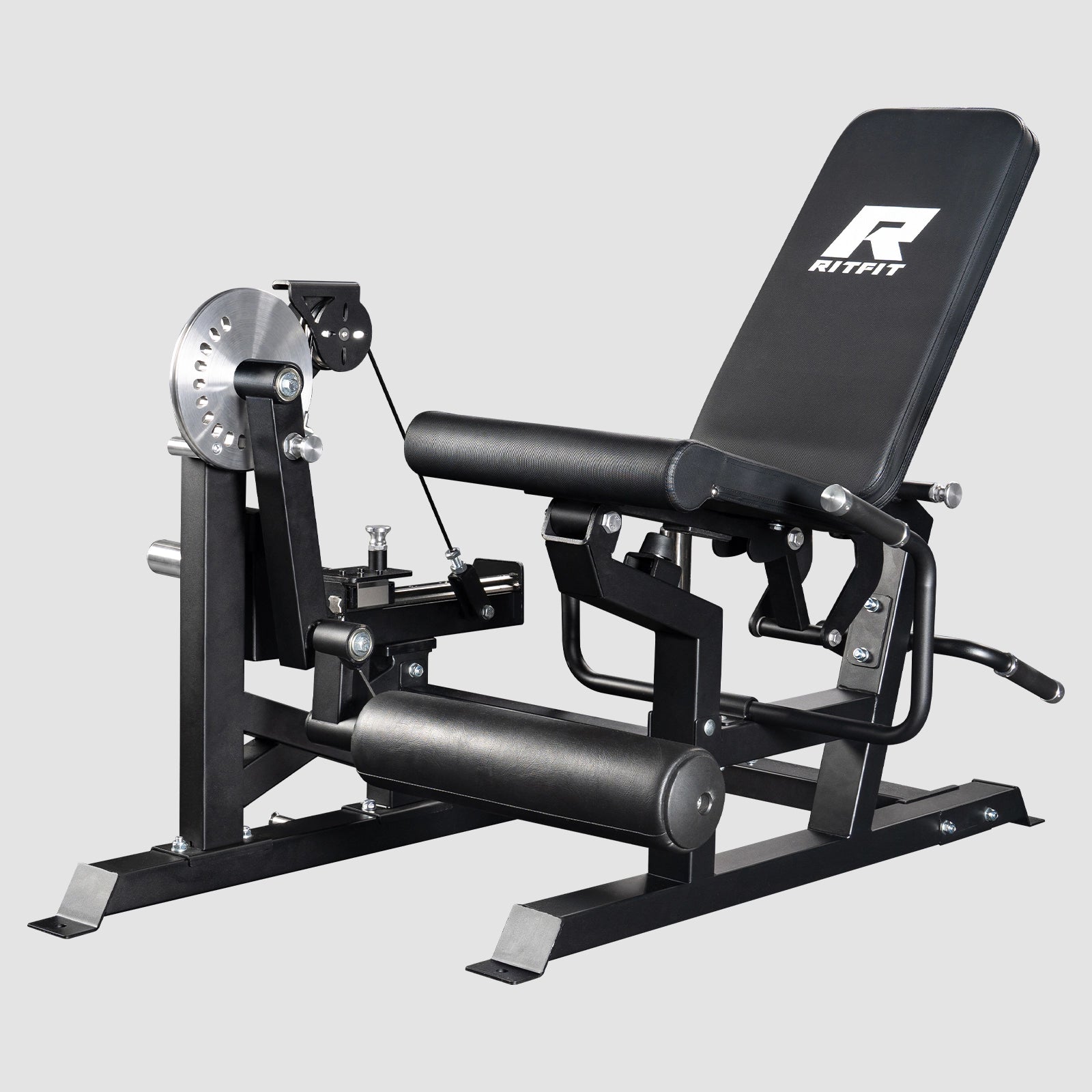
The best home gym equipment for two people is gear that both partners can use at different loads in a compact space, starting with one adjustable dumbbell set, a bench, and a few plates. A single versatile station can replace a room full of machines and still cover a full-body program.
One adjustable dumbbells set gives each partner custom weights without filling the room with pairs. A barbells and weight plates package covers presses, squats, and rows.
- Adjustable dumbbells: One set scales from light to heavy, so two partners never fight over the same pair.
- Adjustable bench: A flat-to-incline bench supports presses, rows, and core work for both heights.
- Multi-functional station: A multi-functional home gym smith machine combines a squat rack, cable column, and smith machine in one footprint.
- Minimum kit: A bench, one dumbbell set, and a mat is enough for a solid three-day program.
What Does a Realistic Couples Fitness and Nutrition Week Look Like?
A realistic couples fitness and nutrition week includes three training sessions, one active recovery day, and a shared meal-prep block, with both partners training at their own intensity. This sample schedule keeps the routine simple enough to repeat every single week.
- Monday: Full-body strength session with squats, presses, and rows, then a shared protein-rich dinner.
- Tuesday: Active recovery with a 30 minute walk or yoga, no gym required.
- Wednesday: Full-body strength session with hinges, pulls, and core work.
- Thursday: Rest day or an optional solo session for the partner with extra goals.
- Friday: Full-body strength session with a partner circuit and a conditioning finisher.
- Saturday: Meal prep for the week, then a fun activity together.
- Sunday: Full rest, planning the next week, and a non-negotiable check-in on progress.
When results stall, learn to spot the warning signs in What Is a Fitness Plateau before you change the whole plan.
What Common Mistakes Should Couples Avoid in a Fitness Program?
The most common couples program mistake is copying the same weights and plan onto both partners, which sets one person up to fail and the other to stagnate. The second mistake is scheduling too much too fast until the program becomes a chore.
- Matching loads: Never force one partner to lift the other's weight; intensity is individual even when the workout is shared.
- Skipping warm-ups: A five minute dynamic warm-up protects both partners from avoidable injuries.
- Doubling sessions: Adding workouts to compensate for low adherence creates fatigue and burnout.
- Restrictive diets: Extreme calorie cuts rebound quickly and strain the relationship around food.
- Pain signal: Stop any movement that causes sharp pain and choose a replacement exercise instead of pushing through.
- Letting life derail the plan: Keep a backup slot for each session so a busy week never erases your progress.
FAQs About Couples Fitness and Nutrition Programs
How many days a week should couples train together?
Most couples do well with three shared sessions a week plus one or two solo sessions if their goals differ.
Three days leaves room for recovery, keeps the schedule realistic, and gives both partners enough stimulus to progress.
Rest days are non-negotiable for progress.
How can partners with different fitness levels work out together?
Pair them in partner circuits, supersets, and timed rounds so each partner picks their own weight, rep target, or rest.
The fitter partner adds load or shortens rest, the other scales down.
Both train in the same session while staying at an appropriate intensity for their own level.
How much protein should each partner aim for in a couples nutrition plan?
A practical starting target is roughly 0.7 to 0.9 grams of protein per pound of body weight daily for both partners. Split it across three or four meals and include a source at breakfast, lunch, and dinner. Adjust the numbers by hunger, progress, and training load, and expect targets to shift as the program gets harder.
Do couples need expensive equipment for a fitness program?
No. One versatile station such as a multi-functional home gym, a bench, and one set of adjustable dumbbells covers a full-body program for two people in a compact space. Start with what you own, then add pieces only when a specific goal needs them.
How long before a couples program shows results?
With consistent training and a reasonable nutrition plan, most couples notice better energy and strength within four to six weeks, with visible body-composition changes taking roughly eight to twelve weeks. Consistency matters far more than any single workout or meal.
Should couples follow the same meal plan?
Use the same framework but different numbers.
Both partners can eat from the same prepared meals and shopping list, while calories and portion sizes follow each person's body weight, goals, and training load.
Sharing prep keeps it simple; individual targets keep it effective.
Conclusion
The best comprehensive fitness and nutrition program for couples is the one you run together every week: three full-body sessions, a protein-first meal plan with individual targets, and an accountability rhythm that makes showing up easy. Start with the sample schedule and adjust loads and portions to each partner.
Build your setup around one adjustable dumbbell set and a versatile station, then add equipment only when a goal needs it. Explore the RitFit sales page to plan your two-person home gym around a budget.
Disclaimer
This article is for general information only and does not replace medical or professional nutrition advice. Consult a qualified healthcare provider before starting a new training or diet program, especially if you have a medical condition.
References
1. Fujii Y, Seol J, Joho K, et al. Associations between exercising in a group and physical and cognitive functions in community-dwelling older adults: a cross-sectional study using data from the Kasama Study. J Phys Ther Sci. 2021;33(1):15-21. doi:10.1589/jpts.33.15. PMCID: PMC7829564
2. Golaszewski NM, LaCroix AZ, Hooker SP, Bartholomew JB. Group exercise membership is associated with forms of social support, exercise identity, and amount of physical activity. Int J Sport Exerc Psychol. 2022;20(2):630-643. doi:10.1080/1612197x.2021.1891121. PMCID: PMC9053316
3. Zou Y, Liu S, Guo S, Zhao Q, Cai Y. Peer Support and Exercise Adherence in Adolescents: The Chain-Mediated Effects of Self-Efficacy and Self-Regulation. Children (Basel). 2023;10(2). doi:10.3390/children10020401. PMCID: PMC9955246