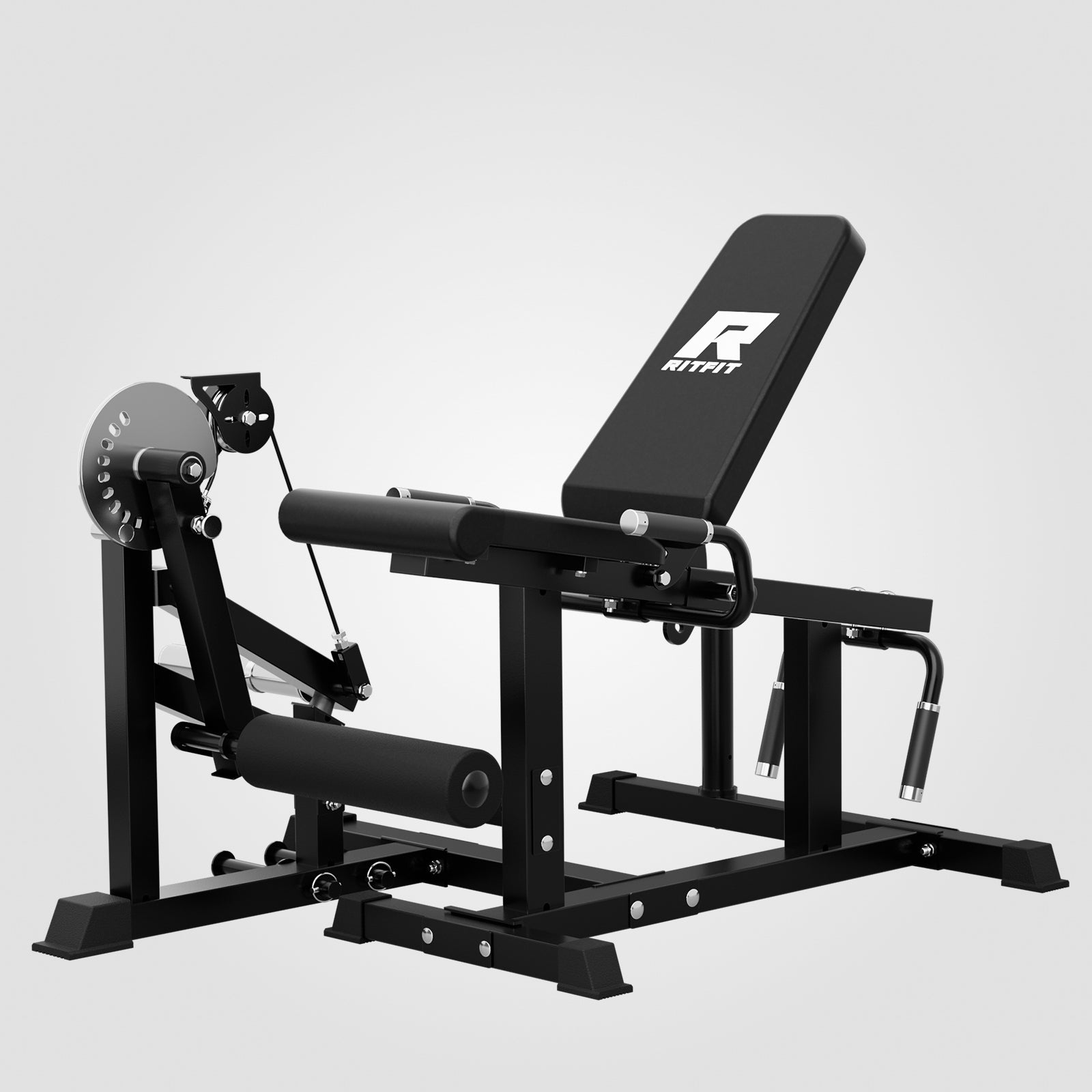
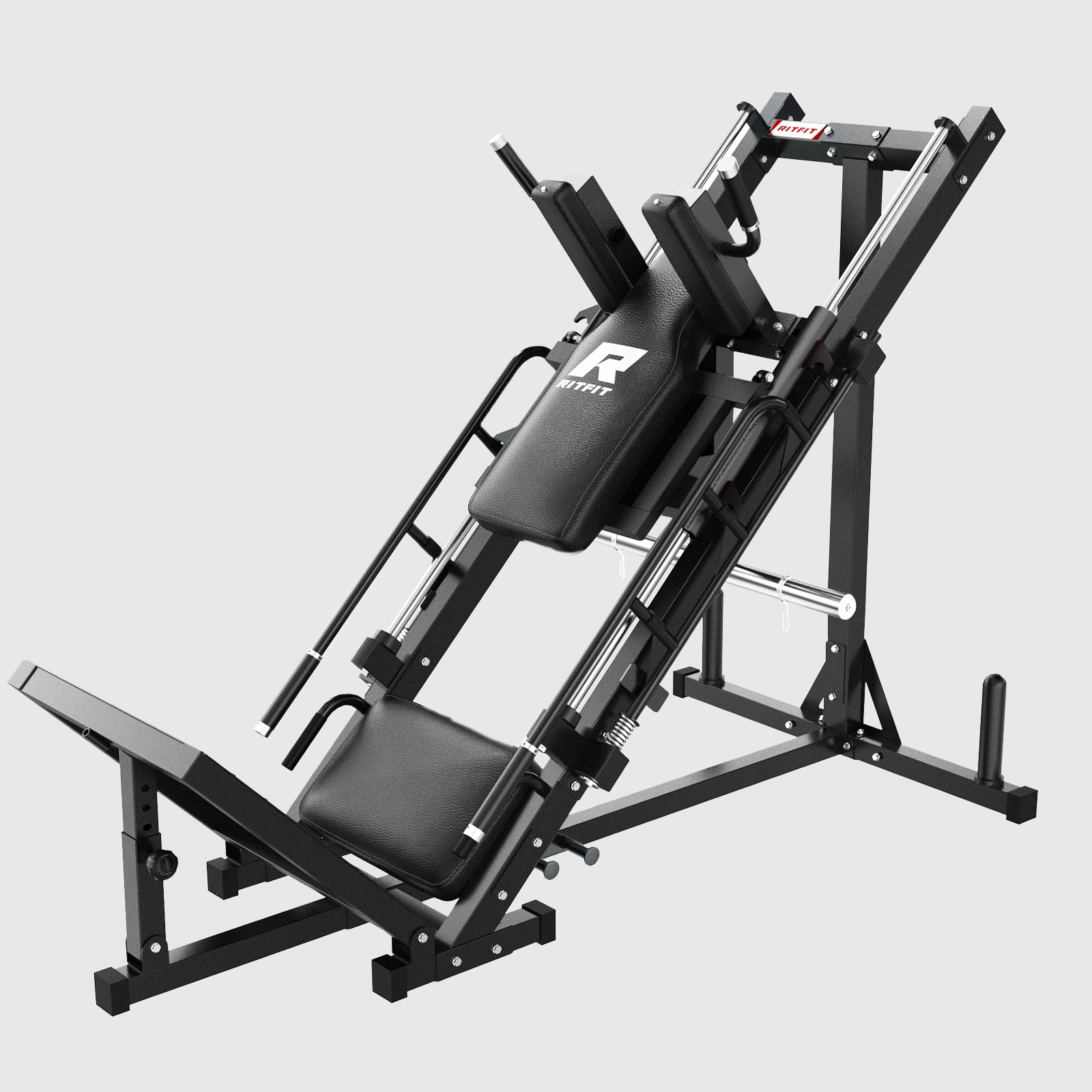
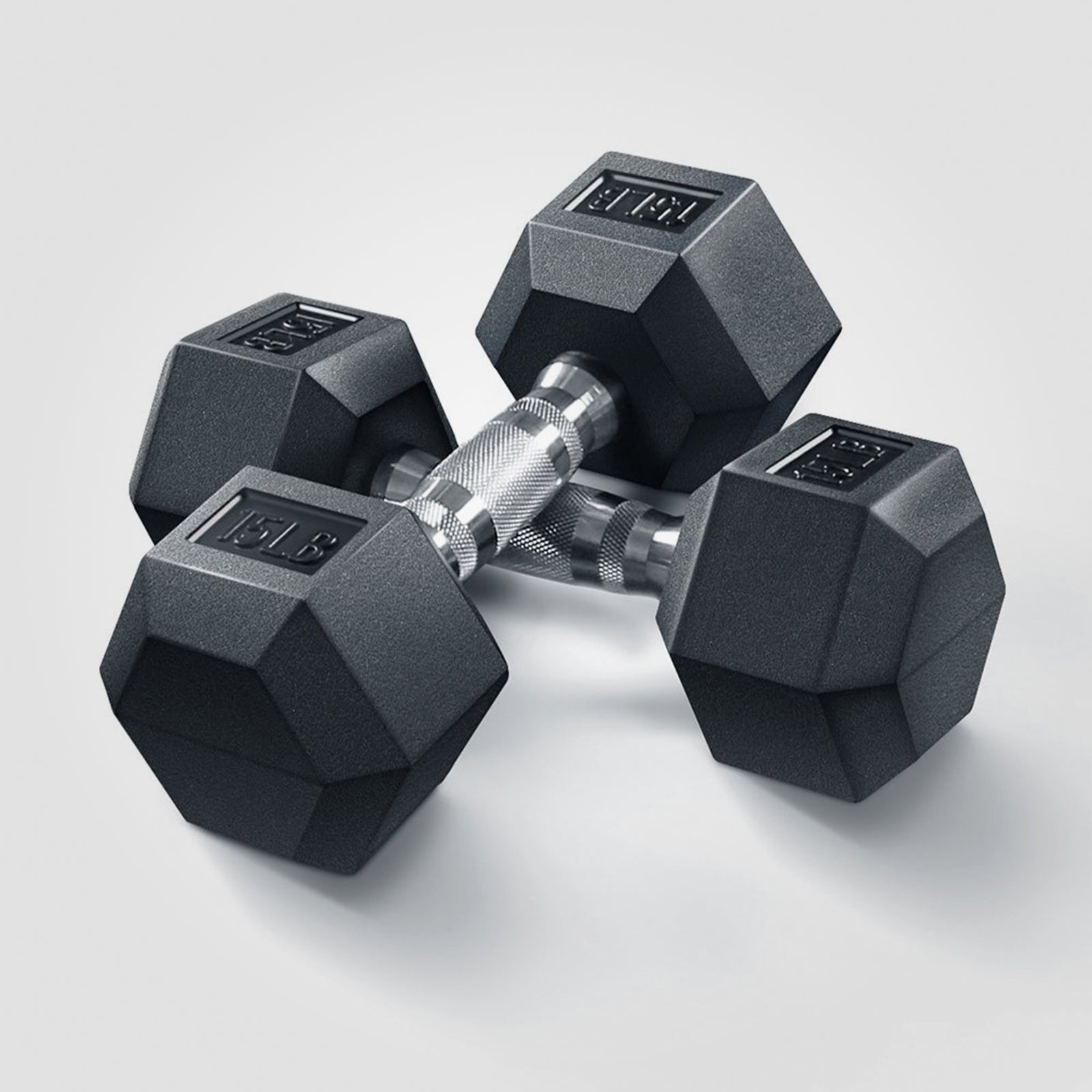
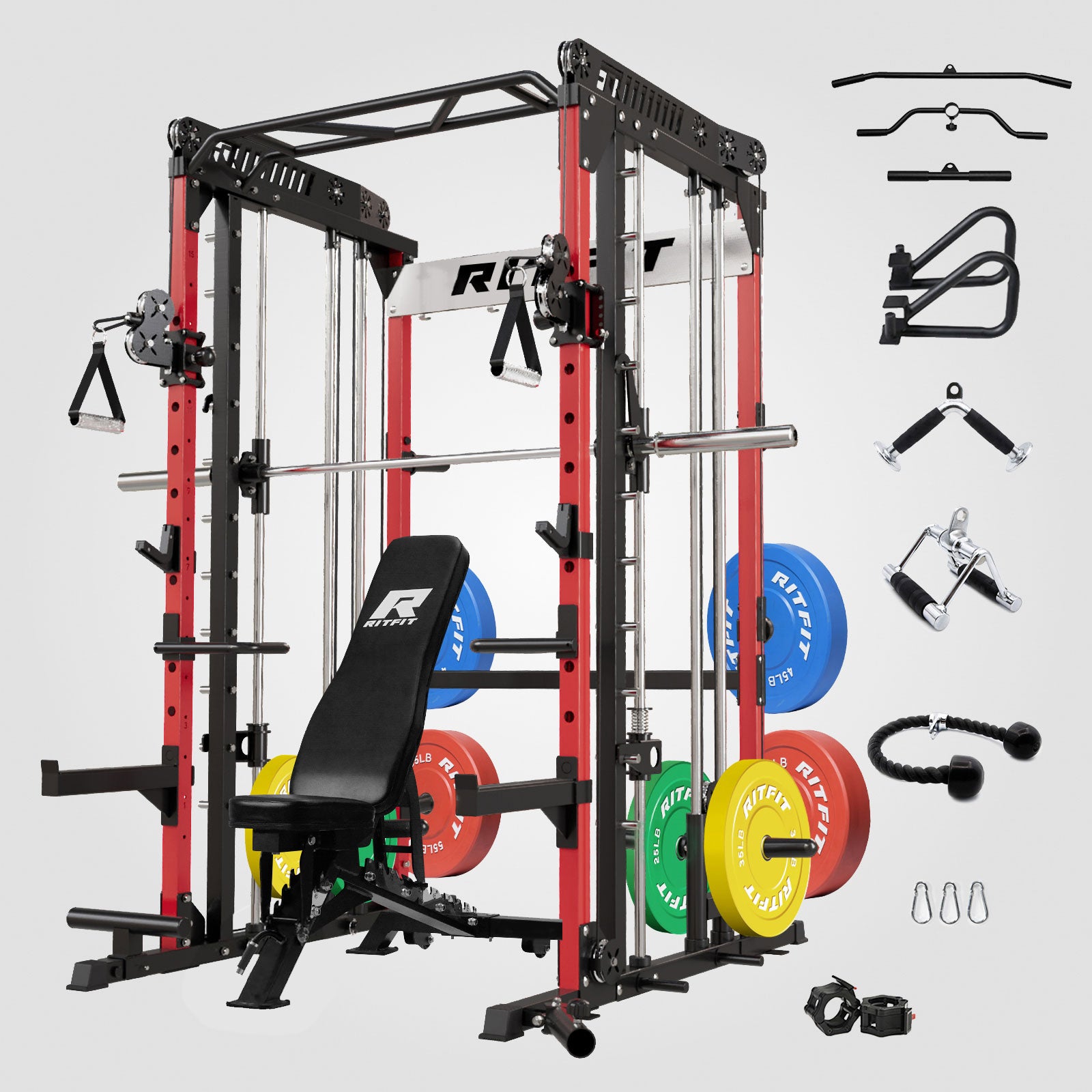
The best size for a home gym is usually 10 x 10 ft because it gives most people enough room for strength training, storage, and safe movement. Smaller spaces can still work well if you choose compact equipment, while 12 x 12 ft or larger is better for an all in one machine, cardio equipment, and dedicated training zones.
Key Takeaways
- Best overall size: A 10 x 10 ft room is the best starting point for most home gyms.
- Smallest practical setup: A 6 x 8 ft space can support dumbbells, bands, a mat, and a compact bench.
- Best full setup: A 12 x 12 ft room gives more flexibility for a Smith machine, cardio, storage, and floor training.
- Most overlooked factor: Clearance matters as much as square footage because bars, benches, doors, and plate storage all need working space.
- Best planning rule: Choose your training goal first, then match the equipment to the room instead of filling every wall.
Quick Answer: What Is the Best Size for a Home Gym?
A 10 x 10 ft room is the best home gym size for most people because it can support one main strength station, an adjustable bench, storage, and open floor space. If you want a Smith machine, cardio equipment, or a leg press, a 12 x 12 ft room or larger will feel much more comfortable.
| Home Gym Size | Best For | Recommended Equipment |
|---|---|---|
| 6 x 6 ft | Minimum movement space | Yoga mat, resistance bands, small dumbbells |
| 6 x 8 ft | Compact strength setup | Adjustable dumbbells, foldable bench, wall storage |
| 8 x 10 ft | Beginner home gym | Bench, dumbbells, small rack, floor training area |
| 10 x 10 ft | Most home gym owners | Rack or Smith machine, adjustable bench, plates, storage |
| 12 x 12 ft or larger | Complete home gym | All in one trainer, cardio, dumbbells, leg machine, storage |
Understanding Home Gym Space Requirements
Home gym size should be planned around usable training space, not just room dimensions. A room may measure 100 square feet, but doors, shelves, storage, low ceilings, and tight corners can reduce the space you can safely train in.
Minimum Home Gym Space
The minimum functional home gym space is about 6 x 6 ft, but it works best for bodyweight training, stretching, bands, and light dumbbell work. It is not ideal for barbell training, large machines, or dynamic movements.
- Best fit: Push ups, squats, lunges, mobility drills, yoga, and resistance band training.
- Main limitation: You will have limited room for bench movement, plate loading, and exercise variety.
- Best equipment choice: A mat, bands, and compact dumbbells keep the room usable without blocking the floor.
Compact Home Gym Space
A 6 x 8 ft to 8 x 8 ft room can become a useful compact gym if the equipment is selected carefully. This size works best when every item has more than one purpose.
- Best fit: Adjustable dumbbells, resistance bands, a compact bench, kettlebells, and wall hooks.
- Smart upgrade: Start with a bench and dumbbells before adding larger stations.
- Helpful RitFit link: Compare beginner friendly options in the best home gym equipment guide for beginners.
Standard Home Gym Space
A 10 x 10 ft room is the most practical home gym size for a serious but realistic strength setup. It can fit one main station, a bench, plates, accessories, and enough floor space for warm ups if the layout stays disciplined.
- Best fit: Power rack, Smith machine, adjustable bench, Olympic barbell, plates, and compact storage.
- Important warning: Do not assume a 10 x 10 room can comfortably hold a full dumbbell rack, large cable crossover, treadmill, and rack at the same time.
- Helpful RitFit link: If you want one primary strength station, review the RitFit Smith machine collection.
Large Home Gym Space
A 12 x 12 ft room or larger gives you the flexibility to separate strength training, floor work, storage, and one cardio area. This size is better for lifters who want a more complete setup without constantly moving equipment.
- Best fit: All in one machine, adjustable bench, dumbbell storage, one cardio machine, and a dedicated stretching area.
- Best planning method: Place the largest machine first, then build storage and accessory zones around it.
- Helpful RitFit link: Compare versatile training stations in the best all in one home gym equipment guide.
Why Home Gym Size Matters for Results and Safety
The right home gym size helps you train consistently because your space feels usable, safe, and easy to enter. Resistance training can improve muscle mass, strength, and physical function, so a well planned room should make those workouts easier to perform regularly.[1]
A good layout also lowers friction. If your bench is blocked, plates are hard to reach, or the floor is crowded, the room may technically hold equipment but still fail as a training space.
Space Planning by Training Type
Your best home gym size depends on how you train. A bodybuilder, powerlifter, beginner, and cardio focused user may all need different layouts even if the room has the same square footage.
Strength Training and Powerlifting
Plan at least 8 x 8 ft for basic rack based strength training, and use 10 x 12 ft if you want more comfortable bar loading and spotting space. A 7 ft Olympic bar needs more room than the rack footprint itself.
- Priority equipment: Rack or Smith machine, Olympic bar, plates, adjustable bench, and plate storage.
- Clearance focus: Keep side access open for loading plates and keep the front area clear for bench movement.
- Best buyer path: Choose the main rack first, then choose accessories only after measuring remaining space.
Bodybuilding and Muscle Building
Plan at least 8 x 10 ft for basic muscle building, and aim for 12 x 12 ft if you want both machines and free weights. Older adults can also gain strength and quality of life benefits from resistance training when programs are planned appropriately.[2]
- Priority equipment: Adjustable bench, dumbbells, cables, Smith machine, and targeted strength machines.
- Clearance focus: Leave space around the bench for incline, flat, seated, and row variations.
- Helpful RitFit link: Build a bench based setup with the RitFit GATOR adjustable weight bench.
Functional Training
Functional training needs more open floor space than most people expect because swings, lunges, carries, jumps, and floor drills all require room to move. A 10 x 10 ft room is the practical minimum, while 12 x 15 ft feels better for mixed movement training.
- Priority equipment: Kettlebells, plyo box, bands, medicine balls, dumbbells, and mat space.
- Clearance focus: Keep one open movement lane instead of filling every wall with equipment.
- Best layout rule: Store small tools vertically so the floor remains available for training.
Cardio Training
A cardio focused gym can work in 6 x 8 ft if you use one compact machine, but 8 x 12 ft is better for comfort. Treadmills and rowers need more length than bikes, so measure both the machine footprint and the safe entry area.
- Priority equipment: Bike, rower, compact treadmill, or elliptical.
- Clearance focus: Leave safe step on and step off space around the machine.
- Best setup: Pair one cardio machine with a small strength zone instead of buying multiple large cardio stations.
Yoga, Pilates, and Mobility
Plan at least 8 x 8 ft for comfortable floor based training. This gives enough room for a mat, arm reach, leg extension, and transitions without hitting equipment.
- Priority equipment: Mat, bands, yoga blocks, light dumbbells, and small storage basket.
- Clearance focus: Keep the floor flat, clear, and free from loose plates or handles.
- Best room choice: Spare bedrooms and quiet basement corners work especially well for this style of training.
Equipment Footprint vs Training Clearance
Equipment footprint is the space a machine occupies, while training clearance is the space you need to use it safely. Most layout mistakes happen when people measure only the equipment footprint and forget the working zone.
Free Weight Equipment
Free weights need extra space because the user, bench, plates, and bar path all move during training. This is especially important for squats, bench press, deadlifts, rows, and overhead lifts.
| Equipment | Typical Footprint | Planning Clearance | Best Room Size |
|---|---|---|---|
| Adjustable bench | About 4 to 5 ft long | 2 to 3 ft around key sides | 6 x 8 ft or larger |
| Dumbbell rack | About 3 to 5 ft wide | 2 to 3 ft access space | 8 x 10 ft or larger |
| Power rack | About 4 ft wide and 4 ft deep | Bar loading and front access space | 8 x 8 ft or larger |
| Olympic barbell | About 7 ft long | Side loading room beyond the bar | 10 x 10 ft or larger |
| Plate storage | Varies by rack or tree | Clear hand access to each side | 8 x 10 ft or larger |
Machine Equipment
Machines often look compact on paper but need working room for entry, adjustment, exercise range, cable travel, and loading. Exercise selection and setup quality matter because poor planning and inappropriate movement choices can contribute to injury risk in fitness environments.[3]
| Equipment | Typical Use Case | Planning Tip |
|---|---|---|
| Smith machine | Strength training, guided bar path, cable work | Keep bench movement and plate loading areas clear |
| All in one trainer | Full body strength training in one station | Place it on the longest wall when possible |
| Leg press | Lower body training with fixed machine path | Confirm total length and loading access before purchase |
| Cable station | Rows, pulldowns, curls, presses, flys | Leave room for standing, kneeling, and stepping back |
Storage Equipment
Storage is part of the workout space because plates, attachments, bars, handles, and bands need safe access. A room with great machines but poor storage will feel smaller every time you train.
- Best dumbbell storage: Use a tiered rack or A frame rack to keep pairs off the floor.
- Best plate storage: Use vertical storage or rack mounted storage when floor space is limited.
- Helpful RitFit link: Keep dumbbells organized with this hex dumbbell rack guide.
Best Home Gym Size by Room Type
The best home gym layout depends heavily on where the gym is located. A garage, basement, spare bedroom, and apartment all have different limits for noise, ceiling height, ventilation, and storage.
Garage Gym
A one car garage can support a strong home gym if you place the largest station first and protect parking or storage needs. A 10 x 20 ft garage gives enough room for a main strength station, storage, and one open training lane.
- Best equipment: Smith machine, rack, plates, adjustable bench, dumbbells, and wall storage.
- Key planning issue: Garage doors, slopes, outlets, and seasonal temperature changes can affect equipment placement.
- Helpful RitFit link: Plan your setup with the best home gym equipment under 2000 guide.
Basement Gym
A basement gym is excellent for privacy and temperature control, but ceiling height must be checked before choosing tall racks or overhead attachments. Measure pipes, beams, lights, and flooring thickness before buying equipment.
- Best equipment: Low profile rack, compact Smith machine, adjustable bench, dumbbells, and controlled storage.
- Key planning issue: Humidity, low ceilings, and limited natural light should be addressed before setup.
- Helpful RitFit link: Explore basement planning ideas in the best basement gym workout equipment package guide.
Spare Bedroom Gym
A spare bedroom usually works best as a compact strength and mobility gym. Choose quiet equipment, floor protection, and storage that does not block the door or closet.
- Best equipment: Adjustable dumbbells, adjustable bench, mat, bands, and small storage rack.
- Key planning issue: Avoid overloading the room with equipment that limits walking space.
- Best setup: Use one wall for storage and keep the center open for training.
Apartment Gym
An apartment gym should prioritize low noise, compact storage, and equipment that can be moved easily. Avoid heavy drops, loud cardio machines, and large stations unless the floor and lease rules allow them.
- Best equipment: Adjustable dumbbells, bands, yoga mat, compact bench, and low noise cardio.
- Key planning issue: Noise transfer, floor protection, and neighbor impact matter as much as space.
- Best setup: Use rubber mats and train during reasonable hours if sound is a concern.
How to Measure Your Home Gym Space Before Buying Equipment
Measure the room before you shop because product dimensions alone do not show how the gym will feel during real workouts. Biomechanics research highlights how movement efficiency, posture, stability, and joint loading all matter during exercise, so the room must allow clean movement rather than forced positions.[4]
- Step 1: Measure wall to wall length and width, then mark doors, windows, outlets, shelves, and storage zones.
- Step 2: Measure ceiling height at the lowest point, including beams, garage tracks, lights, and finished flooring.
- Step 3: Choose the largest training station first, then draw its footprint and working clearance on the floor.
- Step 4: Add storage zones for plates, bars, handles, mats, collars, bands, and cleaning tools.
- Step 5: Leave one clear walkway so you can enter, load, adjust, and exit the gym safely.
How to Maximize a Small Home Gym
A small home gym works best when every piece of equipment earns its place. The goal is not to own the most equipment, but to preserve enough clear space for safe and repeatable workouts.
Choose Multi Purpose Equipment
Multi purpose equipment gives you more exercise variety without taking over the room. An adjustable bench, dumbbells, cable station, or Smith machine can replace several single purpose pieces when selected carefully.
- Best for 6 x 8 ft: Adjustable dumbbells, foldable bench, bands, and wall storage.
- Best for 10 x 10 ft: One rack or Smith machine, one bench, plates, and compact accessory storage.
- Best for 12 x 12 ft: All in one trainer, bench, dumbbell area, one cardio unit, and a floor training zone.
Use Vertical Storage
Vertical storage keeps the floor clear and makes the room feel larger. Wall hooks, plate trees, bar holders, and dumbbell racks prevent accessories from spreading across the training zone.
- Wall hooks: Store bands, collars, handles, jump ropes, and straps.
- Rack storage: Keep plates close to the main strength station.
- Corner storage: Use corners for mats, foam rollers, kettlebells, or cleaning tools.
Protect the Floor
Flooring protects your home, reduces noise, and makes the room feel like a real training space. Use thicker rubber flooring in heavy lifting zones and lighter mats in mobility or accessory zones.
- General training: Rubber tiles or mats are usually enough for dumbbells and machines.
- Heavy lifting: Use thicker flooring and avoid dropping weights on unprotected surfaces.
- Helpful RitFit link: Review flooring options in how to choose the best home gym flooring.
Sample Home Gym Layouts by Size
These sample layouts show how to match equipment to room size without overcrowding the floor. Use them as planning starting points, then confirm exact product dimensions before buying.
6 x 8 ft Compact Layout
A 6 x 8 ft gym is best for compact strength and mobility training. Keep one wall for storage and leave the center open for movement.
- Wall zone: Adjustable dumbbells, bands, wall hooks, and small rack.
- Floor zone: Mat space for stretching, core work, and bodyweight exercises.
- Bench zone: Use a foldable or compact adjustable bench that can move against the wall after training.
10 x 10 ft Standard Layout
A 10 x 10 ft gym can support serious home strength training if you build around one main station. Place the rack or Smith machine first, then add the bench, plates, and storage.
- Main wall: Rack or Smith machine with enough front access.
- Side wall: Plate storage, bar storage, and cable attachments.
- Open zone: Keep one area clear for warm ups, dumbbell work, and bench repositioning.
12 x 12 ft Complete Layout
A 12 x 12 ft room gives you enough space for a more complete home gym setup. The best layout separates strength, storage, and floor training so each zone remains easy to use.
- Strength zone: All in one trainer, Smith machine, or rack with bench.
- Storage zone: Dumbbell rack, plate storage, handles, bands, and bars.
- Conditioning zone: One cardio machine or open floor area for circuits.
Common Home Gym Size Mistakes to Avoid
Most home gym mistakes come from buying equipment before measuring real working space. A clean layout with fewer pieces is usually better than a crowded room that limits safe training.
- Buying too much too soon: Start with essential equipment, then add machines after you know what you use.
- Ignoring ceiling height: Check overhead clearance before buying tall racks, pull up bars, or cable stations.
- Forgetting bar loading space: A rack may fit, but the bar and plates still need side access.
- Skipping flooring: Bare concrete, tile, or hardwood may increase noise and floor damage risk.
- Blocking the walkway: Keep a clear path for loading, adjustments, and emergency access.
- Choosing single purpose machines first: Buy versatile equipment before adding large specialty pieces.
What Equipment Should You Buy First?
The best first purchase is the equipment you will use most often in your available space. For most people, that means a bench, dumbbells, floor protection, and one main strength station before specialty machines.
| Room Size | First Priority | Second Priority | Avoid Early |
|---|---|---|---|
| Under 50 sq ft | Mat and adjustable dumbbells | Bands and wall storage | Large machines |
| 50 to 100 sq ft | Bench and dumbbells | Compact rack or storage | Multiple cardio units |
| 100 to 150 sq ft | Rack or Smith machine | Bench, plates, dumbbells | Oversized cable crossover |
| Over 150 sq ft | All in one trainer | Cardio, dumbbells, leg machine | Duplicate stations |
FAQs
What is the best home gym size for most people?
A 10 x 10 ft room is the best home gym size for most people. It gives enough space for a main strength station, an adjustable bench, plate storage, and basic floor training without making the room feel crowded. It also keeps equipment choices realistic.
Is a 6 x 8 ft space big enough for a home gym?
Yes. A 6 x 8 ft space is big enough for a compact home gym with dumbbells, resistance bands, a mat, and a foldable or adjustable bench. It is not ideal for a full rack, large cardio machine, or wide barbell loading.
How much room do I need around a power rack?
You need the rack footprint plus safe walkways and bar loading space around the sides. In most rooms, plan for a training zone closer to 8 x 8 ft or larger, and verify the exact rack width, bar length, and plate storage before buying.
Can I put a Smith machine in a 10 x 10 home gym?
Yes. A Smith machine can fit in a 10 x 10 home gym if you choose a compact layout and avoid overcrowding the room. Leave space for bench movement, cable exercises, plate loading, and safe access to the front and sides.
What ceiling height do I need for a home gym?
Most home gyms work best with at least 8 ft of ceiling height. If you plan to do pull ups, overhead pressing, cable movements, or use a tall rack, measure the lowest ceiling point and compare it with the equipment height.
Which equipment should I buy first for a small home gym?
Start with equipment that covers the most exercises in the least space. Adjustable dumbbells, resistance bands, a quality bench, floor protection, and wall storage usually give beginners more value than buying a large single purpose machine too early for daily training.
Should I choose cardio equipment or strength equipment first?
Choose strength equipment first if your goal is muscle, strength, or body recomposition. Choose cardio equipment first if your main goal is endurance, calorie burn, or low impact conditioning, but remember that one strength station plus walking can cover many beginners.
How do I plan a garage gym layout?
Start by measuring the usable wall space, door swing, parking needs, outlets, and ceiling height. Then place the largest training station first, keep plates near the rack, leave a clear walkway, and use wall storage for small accessories to keep the floor open.
Conclusion
The best home gym size is the smallest space that lets you train safely, consistently, and without fighting your layout. For most people, 10 x 10 ft is the sweet spot, 6 x 8 ft works for compact training, and 12 x 12 ft or larger is better for full strength setups.
Start with your training goal, measure your clearance, choose versatile equipment, and build gradually. A simple, organized gym you enjoy using will always beat an overcrowded room full of equipment you avoid.
Disclaimer
This guide is for general home gym planning and fitness education only. Always confirm exact product dimensions, ceiling clearance, floor load limits, assembly requirements, and safety instructions before purchasing or using equipment. Consult a qualified fitness professional, medical professional, contractor, or building specialist when your training needs, health status, room structure, or equipment setup requires personalized guidance.
References
- Mcleod JC, Currier BS, Lowisz CV, Phillips SM. The influence of resistance exercise training prescription variables on skeletal muscle mass, strength, and physical function in healthy adults: an umbrella review. J Sport Health Sci. 2024;13(1):47-60. doi:10.1016/j.jshs.2023.06.005. PMID:37385345. PMCID:PMC10818109.
- Hart PD, Buck DJ. The effect of resistance training on health-related quality of life in older adults: systematic review and meta-analysis. Health Promot Perspect. 2019;9(1):1-12. doi:10.15171/hpp.2019.01. PMID:30788262. PMCID:PMC6377696.
- Bonilla DA, Cardozo LA, Vélez-Gutiérrez JM, Arévalo-Rodríguez A, Vargas-Molina S, Stout JR, et al. Exercise selection and common injuries in fitness centers: a systematic integrative review and practical recommendations. Int J Environ Res Public Health. 2022;19(19):12710. doi:10.3390/ijerph191912710. PMID:36232010. PMCID:PMC9565175.
- Forte P, Teixeira JE. Exercise biomechanics for health: evaluating lifelong activities for well-being. Healthcare. 2023;11(6):900. doi:10.3390/healthcare11060900. PMID:36981557. PMCID:PMC10048551.