Table of Contents
- What “natural” really means (and what it doesn’t)
- Quick Start: the simplest plan that builds a natural physique
- A 12-week program template for a natural physique
- Safety SOP: train hard without getting hurt.
- Nutrition for a natural physique that looks good and performs
- Recovery is where natural physiques are built.
- The most common mistakes that stall natural progress
Important disclaimer: This article is for general educational purposes only and is not medical advice. If you have shoulder, neck, back, elbow, or wrist pain, a recent injury or surgery, numbness or tingling, unexplained weakness, or dizziness, consult a qualified clinician before starting. Stop any exercise that causes sharp pain.
There’s a specific kind of confidence that comes from building your body the slow way through consistent training, smart nutrition, and patience. A natural physique isn’t just a look. It’s proof that your habits work, your recovery is on point, and your performance is trending up year after year.
If you want a body that looks athletic in normal lighting, moves well, performs in the gym, and still feels good a decade from now, this guide is for you. We’ll keep the core message simple: the best natural physique is built with fundamentals, not gimmicks.
Who this guide is for
This is built for beginners through intermediate lifters who want:
- Visible muscle and a leaner waist
- Reliable strength progress on the big movement patterns
- A sustainable routine that supports health, performance, and confidence
What “natural” really means (and what it doesn’t)
A natural physique is the result of training, nutrition, and recovery without performance-enhancing drugs. Research comparing natural vs. enhanced athletes shows that pharmacological assistance significantly alters the body’s "natural limit" for muscle protein synthesis and recovery, meaning natural lifters must be more disciplined with their programming and expectations.
It also means you should judge physiques with context:
- Photos are often taken with ideal lighting, angles, a pump, and sometimes dehydration.
- People look softer when relaxed, after meals, or during higher-calorie phases.
- Abs visibility is influenced by fat distribution, posture, and how you carry fat, not just “discipline.”
A realistic natural physique looks athletic, strong, and proportional most of the time, not stage-ready every day.
Set expectations that actually help you win.
If you want to stay motivated for years, you need targets you can control. Here’s what matters most.
Genetics influence the “shape,” and habits control the “result.”
Genetics affects:
- Muscle belly length and insertions (how full a muscle can look)
- Where you store fat
- Limb length (which changes leverage on lifts)
- How quickly you recover
Habits influence:
- How much muscle you build over time
- How lean you can stay while performing well
- How consistent you are month to month
Training age changes everything.
A beginner can transform quickly because almost any structured plan works. An intermediate needs better programming and recovery to keep progressing. Advanced naturals progress slowly, and that’s normal.
Your goal isn’t a 12-week miracle. It’s stacking good training weeks until your “baseline body” becomes athletic.
What defines a realistic natural physique?
A strong natural physique usually has:
- Broad shoulders and upper back development (a visible V-taper)
- A chest that looks trained, not just “puffy”
- Arms that match the torso (not lagging behind)
- Legs that look like they belong to the same person as the upper body
- A waist that stays relatively tight without constant dieting
- Movement quality: stable joints, good posture, clean reps
It’s not about being huge. It’s about looking capable because you are.
The pillars of the best natural physiques
Naturals who look great year-round tend to do the same things repeatedly.
1.They train compounds but don’t worship them.
Heavy compound lifts build the base. Smart assistance work builds balance, symmetry, and joint health.
2.They progress with patience.
They don’t max out every week. They add reps, improve technique, and then add load.
3.They respect recovery like it’s part of training.
Sleep, stress management, and deloads are not “soft.” They’re how you keep building.
4.They stay lean enough to look athletic, not shredded all the time.
A sustainable leanness level is easier to maintain, supports hormones and performance, and keeps training enjoyable.
5.They build a body that lasts.
They keep shoulders, hips, and spine healthy with good form, sensible volume, and mobility work that actually matters.
Training principles that work especially well for naturals
Progressive overload (the natural’s best friend)
You grow when your body has a reason to adapt. The simplest progression method is “double progression”:
-
Keep the weight the same and add reps until you hit the top of a rep range.
-
Then increase the load slightly and repeat.
Example: 3 sets of 6–10 reps
-
Week 1: 8, 7, 6
-
Week 2: 9, 8, 7
-
Week 3: 10, 9, 8
-
Week 4: add weight, start again around 7–8 reps
Train close to failure, not into failure.
Most hypertrophy work should land around:
-
RIR 1–3 (Reps In Reserve: how many clean reps you could still do)
This gives you enough stimulus without frying recovery.
Enough weekly hard sets to grow (but not so many you stall)
A practical target:
-
Big muscle groups (chest, back, quads, hamstrings/glutes): 10–16 hard sets per week
-
Smaller groups (biceps, triceps, delts, calves): 6–12 hard sets per week
Start on the low end. Add volume only if you’re recovering well and progressing.
Prioritize movement quality.
A physique built on pain is not a win. Use full control, stable positions, and consistent depth/range you can own.
Deloads keep naturals progressing.
Every 4–8 weeks (or whenever performance and motivation dip), deload for 5–7 days:
-
Reduce volume by ~30–50% and keep loads moderate
You’ll come back stronger.
Quick Start: the simplest plan that builds a natural physique
If you want results without overthinking, do this:
-
Lift 3–4 days per week
-
Hit each muscle 2 times per week (directly or indirectly)
-
Track your lifts and beat last week by a small amount.
-
Eat enough protein daily
-
Sleep 7–9 hours most nights
-
Stay consistent for 12 weeks before “changing everything.”
Now let’s turn that into a program you can run.
A 12-week program template for a natural physique
Choose one option based on your schedule. Both work.
Option A: 3-day full-body (best for busy schedules)
Train on non-consecutive days (example: Mon/Wed/Fri).
Warm up before every session:
-
5–8 minutes of easy cardio or brisk walking
-
2 ramp-up sets for your first two lifts
-
1–2 mobility drills that match the day (hips/ankles for squats, shoulders/thoracic for pressing)
Day 1 (Squat emphasis)
-
Squat variation (back squat, front squat, or goblet squat): 3–4 sets of 5–8
-
Bench press or dumbbell press: 3–4 sets of 6–10
-
Row variation (barbell, cable, or chest-supported): 3–4 sets of 6–12
-
Hamstring hinge (Romanian deadlift or hip hinge machine): 2–3 sets of 6–10
-
Lateral raises: 2–3 sets of 12–20
-
Optional arms (curl + triceps extension): 2 sets each of 10–15
Day 2 (Hinge emphasis)
-
Deadlift variation (trap bar, conventional, or Romanian if back-sensitive): 3 sets of 3–6
-
Overhead press or incline press: 3–4 sets of 6–10
-
Pull-up or lat pulldown: 3–4 sets of 6–12
-
Split squat or lunge: 2–3 sets of 8–12 per leg
-
Calves or core (pick one): 3 sets of 10–15 (calves) OR 3 sets of 8–12 (ab work)
Day 3 (Hypertrophy balance)
-
Leg press or squat variation (lighter): 3–4 sets of 8–12
-
Bench or incline (alternate from Day 1): 3–4 sets of 8–12
-
Row variation (alternate from Day 1): 3–4 sets of 8–12
-
Hip thrust or glute bridge: 2–3 sets of 8–12
-
Rear delts (face pulls/reverse fly): 2–3 sets of 12–20
-
Arms (curl + triceps): 2–3 sets each of 10–15
Progression rule:
-
Compounds: stay at RIR 1–3, add reps weekly, then add load
-
Isolation: Chase a pump with clean form, add reps first, then load.
Option B: 4-day upper/lower (best for faster hypertrophy)
Example schedule: Mon (Upper) / Tue (Lower) / Thu (Upper) / Fri (Lower)
Upper A
-
Bench press or dumbbell press: 4 sets of 5–8
-
Row (chest-supported or cable): 4 sets of 6–10
-
Incline press: 3 sets of 8–12
-
Pull-up/lat pulldown: 3 sets of 8–12
-
Lateral raises: 3 sets of 12–20
-
Triceps + biceps: 2–3 sets each of 10–15
Lower A
-
Squat variation: 4 sets of 5–8
-
Romanian deadlift: 3 sets of 6–10
-
Leg press or split squat: 3 sets of 8–12
-
Calves: 3 sets of 10–15
-
Core: 2–3 sets
Upper B
-
Overhead press or incline press: 4 sets of 6–10
-
Pull-up/lat pulldown: 4 sets of 6–12
-
Close-grip bench or dips (joint-friendly): 3 sets of 6–10
-
Row variation: 3 sets of 8–12
-
Rear delts: 3 sets of 12–20
-
Arms: 2–3 sets each
Lower B
-
Deadlift variation (or lighter hinge if fatigue is high): 3 sets of 3–6
-
Front squat or hack squat: 3 sets of 6–10
-
Hamstring curl: 3 sets of 10–15
-
Walking lunge: 2 sets of 10–12 per leg
-
Calves or core: 3 sets
Deload:
-
Week 5 or Week 9 if performance stalls, sleep drops, or aches climb.
Conditioning (optional but recommended):
-
2 sessions/week, 20–30 minutes in Zone 2 (easy pace you can talk through)
Safety SOP: train hard without getting hurt.
Before training
-
Rate readiness (sleep, stress, soreness) from 1 to 5. If you’re at 1–2, reduce volume.
-
Warm up joints you’ll load: shoulders for pressing, hips/ankles for squatting.
During sets
-
Stop a set if form breaks hard (rounding, shifting, joint pain).
-
Keep 1–3 reps in reserve on most working sets.
-
Use controlled eccentrics (lowering phase) and stable positions.
Pain rules.
-
Muscle burn and effort are normal.
-
Sharp pain, pinching, numbness, or pain that changes your movement is not normal; stop and regress the exercise.
After training
-
If a joint feels worse 24–48 hours later, reduce load and range next session, and prioritize technique.
Nutrition for a natural physique that looks good and performs
Protein: the non-negotiable
A practical daily range:
-
0.7–1.0 grams of protein per pound of body weight (1.6–2.2 g/kg)
A landmark meta-analysis confirms that 1.6g/kg of protein is the threshold where the majority of muscle-building benefits are realized, with diminishing returns beyond that point.
If you’re dieting, stay toward the higher end. Spread protein across 3–5 meals.
Calories: choose your phase
You can’t gain muscle and lose fat aggressively at the same time (especially after the beginner stage). Pick the priority.
Lean gain phase:
-
Small surplus (roughly +150 to +300 calories/day)
-
Goal: gain about 0.25–0.5% of body weight per week
Fat loss phase:
-
Moderate deficit (roughly -300 to -500 calories/day)
-
Goal: lose about 0.5–1.0% of body weight per week
Avoid extremes. Naturals progress best when training performance stays high.
Carbs and fats: performance and health
-
Carbs support training intensity and recovery. If your workouts feel flat, increase carbs.
-
Dietary fats support hormones and satiety. Don’t crash them.
Simple nutrition rules that work
-
Build each meal around protein
-
Eat mostly whole foods
-
Keep “fun foods” in the plan, not as a binge/restrict cycle.
-
Hydrate consistently (especially if you sweat a lot).
Recovery is where natural physiques are built.
Sleep (the closest thing to a legal performance enhancer)
Aim for 7–9 hours. Sleep is the primary time for hormonal regulation; research shows that just one week of sleep restriction can significantly lower testosterone levels and increase muscle-wasting cortisol.
Stress management
High stress raises fatigue. If life is chaotic, reduce training volume slightly rather than quitting entirely.
Mobility that matters
You don’t need fancy routines. You need the range of motion to lift well:
-
Shoulders: pain-free overhead and pressing range
-
Hips/ankles: stable squat depth you can control
-
Thoracic spine: good posture and upper-back engagement
What a natural physique looks like “in numbers” (use these correctly)
Numbers can be motivating, but they’re not universal rules. Leverage, body weight, and training history change what’s realistic. Treat these as long-term reference points, not entry requirements.
Strength benchmarks (for many trained naturals)
-
Bench press: roughly 1.0–1.5× bodyweight
-
Squat: roughly 1.5–2.0× bodyweight
-
Deadlift: roughly 2.0–2.5× bodyweight
If you’re below these, that’s fine. If you’re above them, you still need balanced hypertrophy and joint health.
Body composition targets (context matters)
A common “athletic” range many men can maintain:
-
Around 10–15% body fat (estimates vary by method)
You might have visible abs above 15% or struggle to show abs at 12%, depending on fat distribution and ab development. Don’t let a number replace reality.
How to track progress without getting obsessed
Pick a few metrics and stick to them.
Weekly:
-
Bodyweight trend (use a weekly average, not single-day numbers)
-
Workout performance (top sets, reps, RIR)
Monthly:
-
Waist measurement (at the navel, same conditions)
-
Progress photos (same lighting, same distance, relaxed posture)
-
Key lift check-in (not maxing, just seeing improvement)
Also track:
-
Energy, sleep, libido, mood
If those collapse, your plan needs adjustment.
The most common mistakes that stall natural progress
-
Changing programs every two weeks
-
Training to failure constantly, then wondering why recovery dies
-
Eating “kind of high protein” but never actually hitting targets
-
Cutting too aggressively while trying to set PRs
-
Skipping legs or neglecting the upper back (kills proportions)
-
Ignoring nagging joint pain until it becomes a real injury
-
Comparing your day-to-day look to someone else’s highlight photo
Celebrating different natural physiques
There isn’t one “correct” natural body. Some men look dense and powerful. Others look lean and wiry. Both can be strong, athletic, and impressive.
A healthy goal is a physique that fits your life:
-
You can train consistently.
-
You can eat normally without constant restriction.
-
You can perform well and feel good.
That’s the kind of natural physique that lasts.
Final Thoughts
Most people see noticeable change in 3–6 months, major change in 1–2 years, and “earned” physique maturity over several years. For a detailed breakdown of what to expect year-by-year, check out our guide on realistic natural growth timelines.
FAQ
How long does it take to build a great natural physique?
Most people see noticeable change in 3–6 months, major change in 1–2 years, and “earned” physique maturity over several years.
Should I bulk or cut first?
If you’re very lean and small, lean-gain. If you’re carrying more fat and feel sluggish, do a moderate cut while keeping strength training hard.
Do I need supplements?
Not required. If you use any, keep it basic: protein powder (convenience), creatine monohydrate (if tolerated), and caffeine (optional).
Can I stay shredded year-round naturally?
Some can, but most shouldn’t. Staying extremely lean often costs performance, mood, sleep, and consistency.
What’s the best rep range for naturals?
A mix works best. Use heavier sets (3–8 reps) for strength skill and moderate/high reps (8–20) for hypertrophy and joint-friendly volume.
How do I know if I’m overtraining?
Warning signs include persistent soreness, declining performance, sleep disruption, irritability, and loss of motivation. Reduce volume, add a deload, and improve sleep/nutrition.
Can I build a natural physique with home gym equipment?
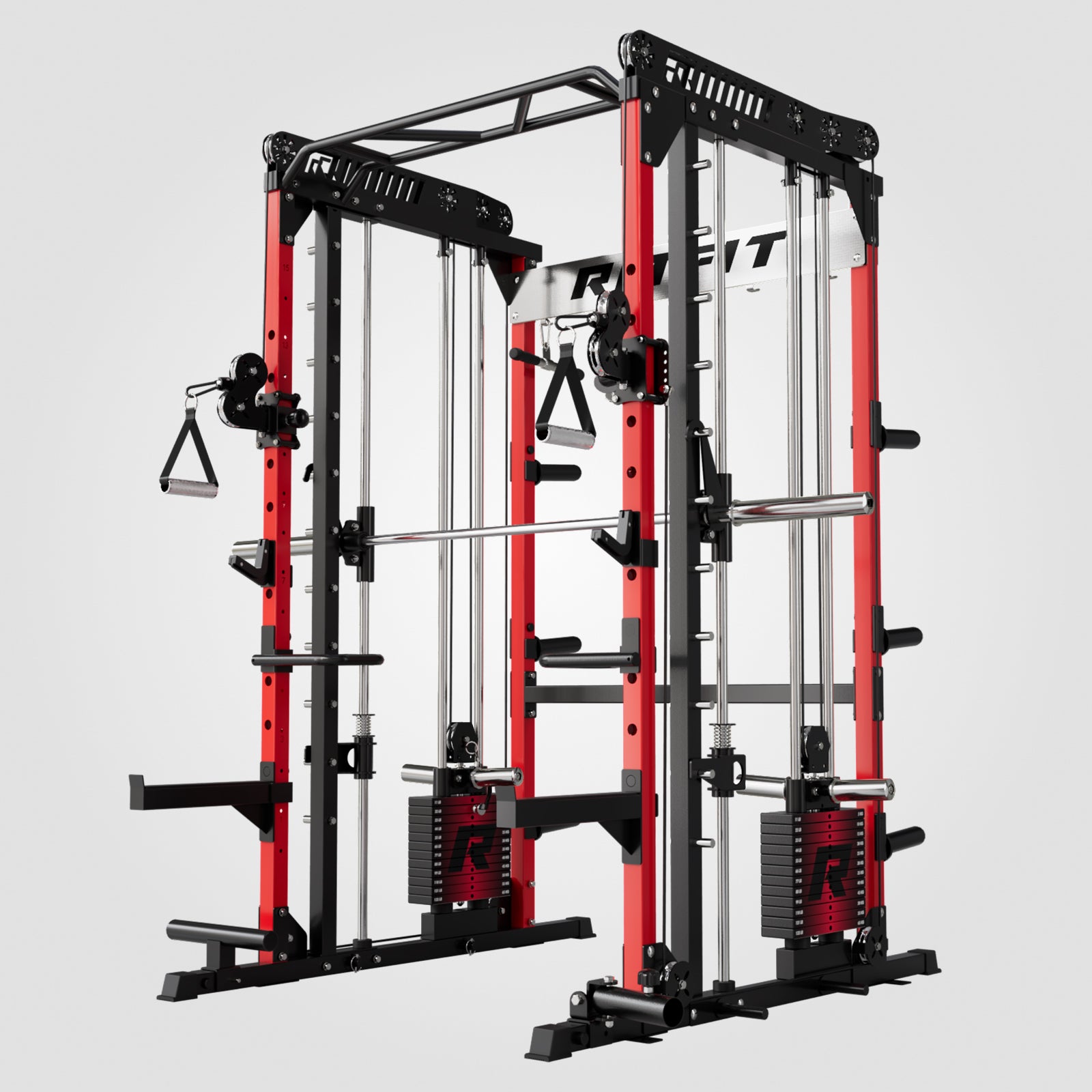
Yes. Consistency and progression matter more than fancy tools. A stable setup for squats/hinges/presses/pulls plus adjustable resistance covers most needs.
References
- Bhasin S, Storer TW, Berman N, et al. The effects of supraphysiologic doses of testosterone on muscle size and strength in normal men. N Engl J Med. 1996;335(1):1-7. doi:10.1056/NEJM199607043350101
- Nunes EA, Colenso-Semple L, McKellar SR, et al. Systematic review and meta-analysis of protein intake to support muscle mass and function in healthy adults. J Cachexia Sarcopenia Muscle. 2022;13(2):795-810. doi:10.1002/jcsm.12922
- Leproult R, Van Cauter E. Effect of 1 week of sleep restriction on testosterone levels in young healthy men. JAMA. 2011;305(21):2173-2174. doi:10.1001/jama.2011.710