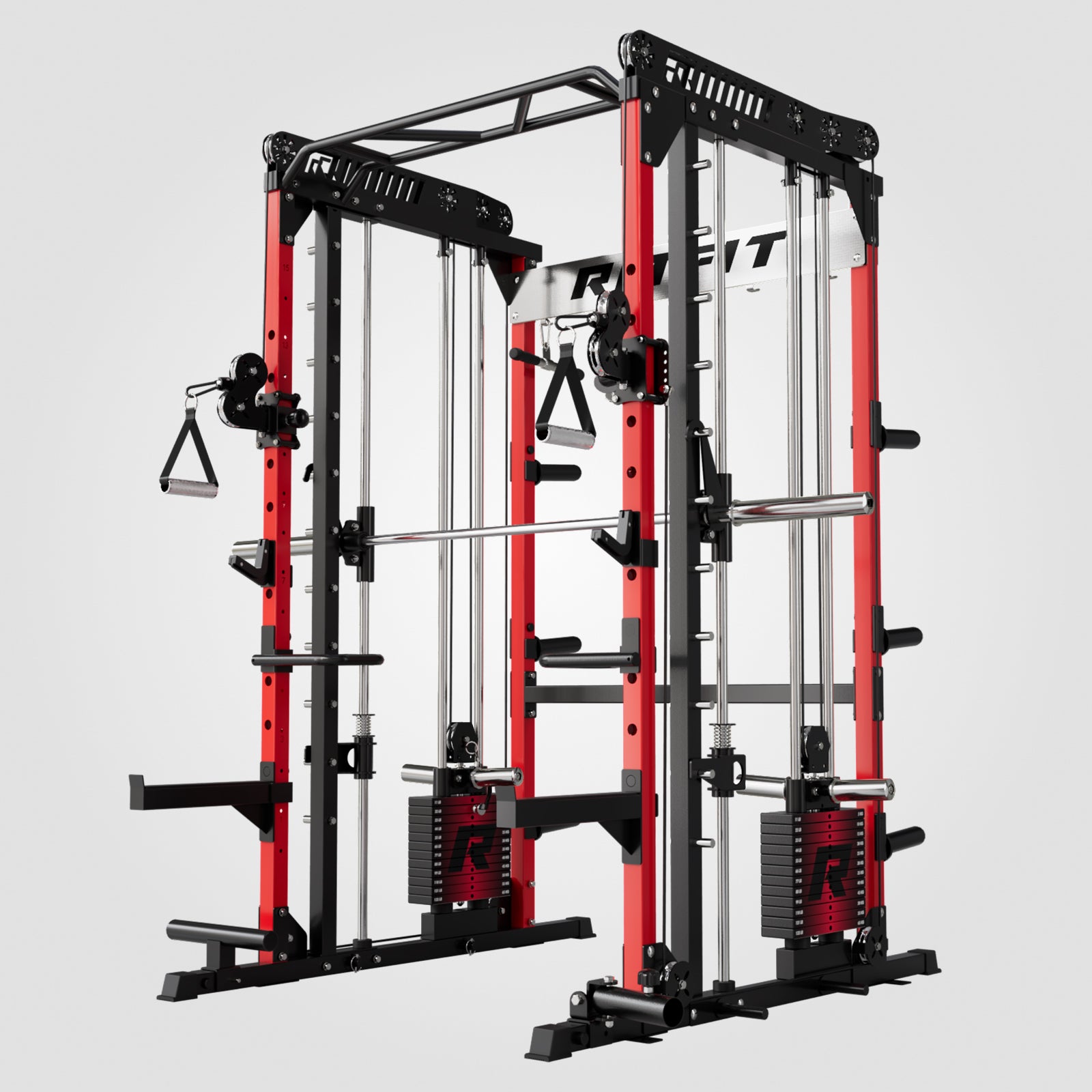
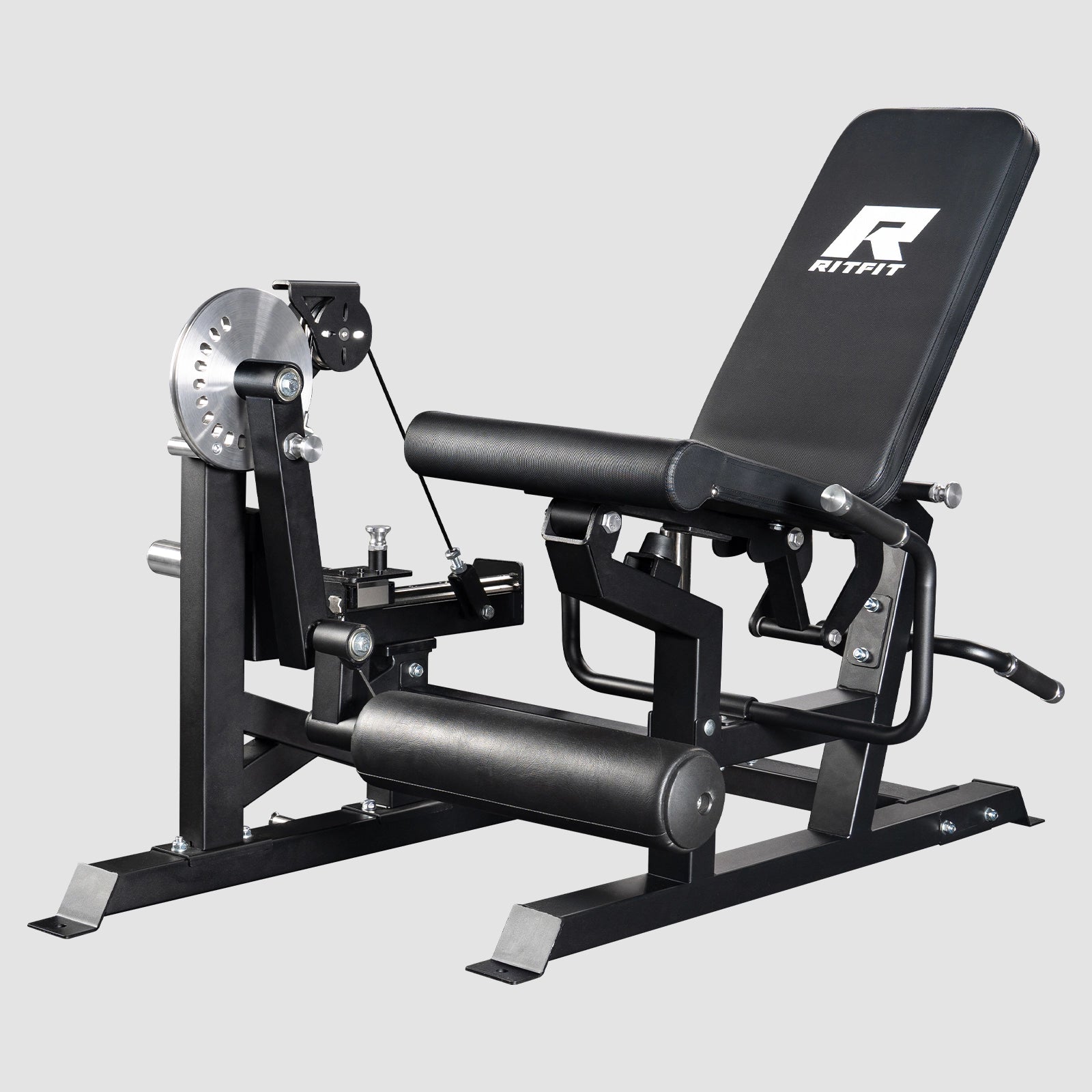
Home gym safety depends on more than careful lifting. Correct assembly, routine maintenance, and clear warranty support keep power racks, Smith machines, and functional trainers stable, smooth, and reliable for every training session.
This comprehensive guide covers the essential steps for assembling new equipment, the maintenance habits that prevent breakdowns, and the warranty process that protects your purchase. Follow your product manual and official safety labels, and contact the manufacturer before making repairs or modifications.
Quick Answer: Home gym safety depends on correct assembly, routine maintenance, and clear warranty support. Start with the manufacturer manual, recheck frame hardware after early use, inspect cables and pulleys regularly, and contact official support before any repair. These habits keep equipment stable and reduce the risk of injury during training.
Key Takeaways
- Correct assembly matters: Proper setup supports frame stability, smooth cable travel, and safer training while preventing premature mechanical wear.
- Use official instructions: Start with the manufacturer manual instead of guesswork to avoid structural mistakes and ensure proper bolt torque.
- Inspect moving parts often: Cables, pulleys, guide rods, and hardware need regular checks to detect fraying or friction early.
- Do not improvise repairs: Unapproved modifications create safety hazards and void warranties; rely on official manufacturer parts and guidance.
- Know your coverage: Reviewing warranty terms helps you properly document equipment issues and access covered replacement parts quickly.
Why Does Correct Assembly Matter for Home Gym Safety?
Correct assembly matters for home gym safety because a properly built frame stays stable under load and keeps moving parts aligned. When bolts, guide rods, and pulleys are installed in the right order, equipment moves smoothly and resists wobble during heavy training.
- Use the official manual: Start with the manufacturer instructions instead of generic videos or memory. RitFit's step by step product manuals help you install each component in the correct sequence.
- Check frame hardware carefully: Confirm that bolts, washers, stabilizers, and crossmembers are fully installed before training. Recheck hardware after the first few sessions because parts can settle during early use.
- Test alignment before heavy loading: Run guide rods, pulleys, and cables through light movement first. Smooth travel usually signals proper alignment, while rubbing, catching, or uneven resistance signals a setup issue.
The same careful approach applies when you plan your space. Review our home gym guide and home gym ideas pages to position large equipment safely before you begin assembly.
How Often Should You Maintain Home Gym Equipment?
Most home gym equipment needs a quick visual check before every session and a deeper inspection every four to six weeks, depending on how often you train. Cables, pulleys, guide rods, and frame bolts are the parts that wear first and need the most attention.
| Maintenance Task | Frequency | Focus |
|---|---|---|
| Check locks and pins | Before every workout | Safe height and secure engagement |
| Wipe down pads and handles | After each session | Clean contact surfaces |
| Recheck frame bolts | Every 4 to 6 weeks | Tighten any loose hardware |
| Inspect cables and pulleys | Every 4 to 6 weeks | Fraying, kinks, or visible wear |
| Lubricate guide rods | As the manual recommends | Smooth vertical travel with silicone spray |
These intervals are general manufacturer guidance. Always follow the schedule in your specific product manual for your exact machine.
What Should You Check Before Every Workout?
Before every workout, check that all safety pins and locks are set at the correct height, that frame bolts feel snug, and that cables and pulleys move without catching. A two minute visual scan catches loose hardware and worn parts before they cause problems under load.
- Set safety pins and J hooks: Confirm they engage fully at the correct height before you load any weight. A pin that sits too low or too high changes your safe range of motion.
- Feel for loose bolts: Run a hand over frame joints and check adjustable contact points. Small movement in the frame usually means a bolt needs tightening.
- Listen for unusual sounds: Grinding, sticking, or sudden resistance changes should never be ignored. For safe troubleshooting, contact the RitFit Customer Support team before continuing to train.
Worn pulleys are a common source of friction and noise. Our guide to aluminum pulleys for home gyms explains what to look for and how setup affects cable travel.
How Does a Warranty Protect Your Home Gym Equipment?
A home gym warranty protects your purchase by covering certain repairs and replacement parts within a defined period, so a covered issue does not become an unexpected expense. Warranty terms vary by brand, so read the policy before a problem appears.
- Review coverage early: Read the warranty terms before a problem happens. RitFit's official warranty policy helps you understand where to start if a covered issue appears.
- Keep your records organized: Save your order information, product name, and photos if a problem develops. Clear documentation can make support conversations faster and more accurate.
- Use official guidance for technical questions: Large strength machines are not ideal for trial and error repairs. Manufacturer support is the best source for model specific troubleshooting and next steps.
Regular cleaning also protects the parts your warranty covers. Follow our home gym cleaning and maintenance guide to keep frames and cables in good condition.
Which Equipment Choices Make a Safer Home Gym?
The safest home gym equipment matches your available space, training level, and lifting goals, because a good fit reduces strain and setup mistakes. A machine sized correctly for the room leaves clearance for movement and keeps the frame stable on the floor.
- Match equipment to your space: Measure your room before buying and check the footprint of each machine. Our home gym size guide helps you plan clearance for movement and loading.
- Choose a machine that fits your level: A multi-functional unit like the M1 PRO Smith machine combines a Smith machine, cable station, and other functions in one compact frame. Fewer separate units mean fewer setup and maintenance points.
- Select accessories you can control: Adjustable and compact equipment lets you progress at your own pace without overloading the frame. Choose gear that fits your current strength so your setup stays stable as you improve.
Space saving choices support safe training because they keep your workout zone uncluttered and easy to move around in.
"If your space is limited, a good set of adjustable dumbbells might be your better option. They will allow you to progress to heavier weight as you get stronger."
Jeff Cavaliere, MSPT, CSCS, Athlean-X
FAQs About Home Gym Safety and Equipment Care
How should I assemble new home gym equipment safely?
Start with the manufacturer manual and follow every step in order.
Lay out all hardware, confirm each bolt and washer is present, and tighten the frame fully before training.
Recheck all bolts after the first few sessions, because new frames can settle and shift during early use.
How often should I inspect my home gym equipment?
Do a quick visual check of locks, pins, and frame bolts before every workout, and complete a deeper inspection every four to six weeks. Focus on cables, pulleys, guide rods, and adjustable contact areas, because these parts show the earliest signs of wear.
What maintenance does a power rack or Smith machine need?
A power rack or Smith machine needs regular bolt checks, cleaned guide rods, and periodic cable and pulley inspection.
Wipe down contact surfaces after training and lubricate guide rods only as the manual recommends.
Address any rust, fraying, or sticking part promptly.
Can I repair my home gym equipment myself?
Only follow official service instructions for routine care such as tightening bolts or cleaning.
For repairs, cable replacement, or modification, contact the manufacturer first.
Unapproved fixes can create new safety risks and may void your warranty.
What should I do if a part feels loose or damaged?
Stop using the equipment immediately and inspect the affected area against the manual.
Do not train on a machine that wobbles, sticks, or makes grinding sounds.
Contact customer support with photos and your order details for safe guidance on next steps.
What does a home gym equipment warranty usually cover?
Most warranties cover frame defects, faulty components, and replacement parts within a defined period, with terms that vary by brand.
Labor and wear items are often excluded.
Read the policy before a problem appears so you know what to document and where to ask for help.
How do I keep warranty records organized?
Save your order confirmation, product name, model number, and the purchase date in one place.
Take clear photos of the equipment and any affected part if a problem appears.
Complete records help support teams respond faster and more accurately.
Is it safe to modify my home gym equipment?
Modifications are safe only when they follow official instructions or approved parts.
Drilling frames, replacing hardware with unrated parts, or changing cable routing can weaken the structure.
Contact the manufacturer before making any change not covered in the manual.
Conclusion
Home gym safety comes from correct assembly, routine maintenance, and clear warranty support. When you follow the manufacturer manual, inspect moving parts on a schedule, and use official support for repairs, your power rack and Smith machine stay stable and reliable for years.
Start with a pre workout check and recheck the frame hardware after your first few sessions. Browse our equipment options to find a machine that fits your room and your goals.
Disclaimer
This article offers general setup, maintenance, and warranty guidance for home gym equipment.
It is not medical advice, and it does not replace your product manual or official service instructions.
Always follow your safety labels, stop using equipment if any part feels loose or damaged, and contact the manufacturer for repair or replacement.