Choosing the best barbell for home gym training comes down to matching shaft diameter, steel and coating, knurling, sleeve rotation, and load capacity to your training style, space, and budget, not to the most expensive spec sheet on the shelf.
This guide walks through every barbell attribute that matters for a home gym, from men's and women's bar dimensions to steel type, coating, knurl, sleeve spin, and load ratings, so you can confidently buy a bar that fits your lifting and lasts for years.
Quick Answer: The best barbell for home gym training pairs a 28 to 29 mm shaft with a corrosion-resistant coating, controlled sleeve spin, and a load capacity above 550 pounds for most lifters. Pick a 25 mm bar with faster spin only if you focus on Olympic lifts, and skip specialty bars you will never use.
Key Takeaways
- Specs that matter most: Shaft diameter, coating, and sleeve rotation drive daily feel and longevity, while load capacity and straightness matter for heavy training.
- Steel grade: Stainless resists corrosion with low maintenance, alloy balances cost and durability, and carbon steel is cheapest but least durable.
- Coating choice: Stainless and hard chrome handle humidity well, while zinc and phosphate suit drier training spaces.
- Sleeve spin: Bushings give controlled spin ideal for squat, bench, and deadlift; bearings spin faster for Olympic lifts.
- Load rating: Bars rated 550 pounds and up handle normal home training, and higher ratings also signal better bend resistance.
Men's Barbells vs. Women's Barbells: Which Bar Fits You?
Men's barbells weigh 45 pounds/20 kilograms, measure about 86.5 inches, and use a 28 mm shaft, while women's bars are 35 pounds/15 kilograms, about 79 inches, with a 25 mm shaft, so pick the bar that fits your body and training style rather than the label.
These variations are not random and have nothing to do with "gendering" but are directly related to biomechanics and accounting for anthropometry, the measurement of the human individual (McArdle et al.
2015).
5 fewer inches of total length, women's bars are lighter than men's bars in order to remain proportionate to relative body masses and weights.
Women also tend to have smaller hands, which justifies more narrow barbell shafts, plus shorter wingspans and narrower shoulders, which justify shorter barbells.
- Weight: Non-specialty Olympic barbells always weigh either 45 pounds/20 kilograms or 35 pounds/15 kilograms. The heavier bars are colloquially referred to as "men's bars" and are exclusively used by male lifters in formal competitions, while the lighter ones are "women's bars" and are used by women in competition.
- Length: Aside from specialty bars and "shorty" bars, Olympic barbells are either ~86.5 inches/2200 millimeters (men's bars) or ~79 inches/2010 millimeters (women's bars).
- Shaft Diameter: There is a bit more variance in shaft thickness, but the vast majority of men's barbells are 28 millimeters in diameter while most women's bars are 25 millimeters. Bars designed for powerlifting are generally a little bit thicker, with 29 millimeters common, to reduce movement in the hands, especially when deadlifting and bench pressing.
Ultimately, it is perfectly acceptable for men to lift with women's bars and for women to work with men's bars. However, female lifters should consider the Pink Leopard Olympic Training Barbell and the Pink Training Barbell as they are ideally proportioned for their specific needs. Browse the full barbell collection to compare your options side by side.

What Steel Is Best for a Home Gym Barbell?
Barbell steel comes in three tiers, stainless, alloy, and carbon, and the grade you choose determines durability, bending resistance, and price under regular training stress.
The type and quality of a barbell's steel determine how well it performs under regular stress, how long it can reasonably last, how much weight it can handle, and how resistant it is to bending and breaking (Callister & Rethwisch, 2020). The three broad categories of barbell steel are:
- Stainless Steel: Premium steel alloy infused with additional chromium, a chemical element used to enhance steel hardness, corrosion resistance, and overall strength. Stainless steel barbells require minimal maintenance and require no additional coating, although they are often the most expensive options.
- Alloy Steel: Common, mid-tier steel that is found in general purpose bars as well as moderately priced sport-specific barbells such as powerlifting and Olympic weightlifting bars.
- Carbon Steel: Cheaper to produce and comprised of fewer alloying elements, carbon steel barbells are generally the least expensive options, but they are also the least durable and the most sensitive to regular and intense training.
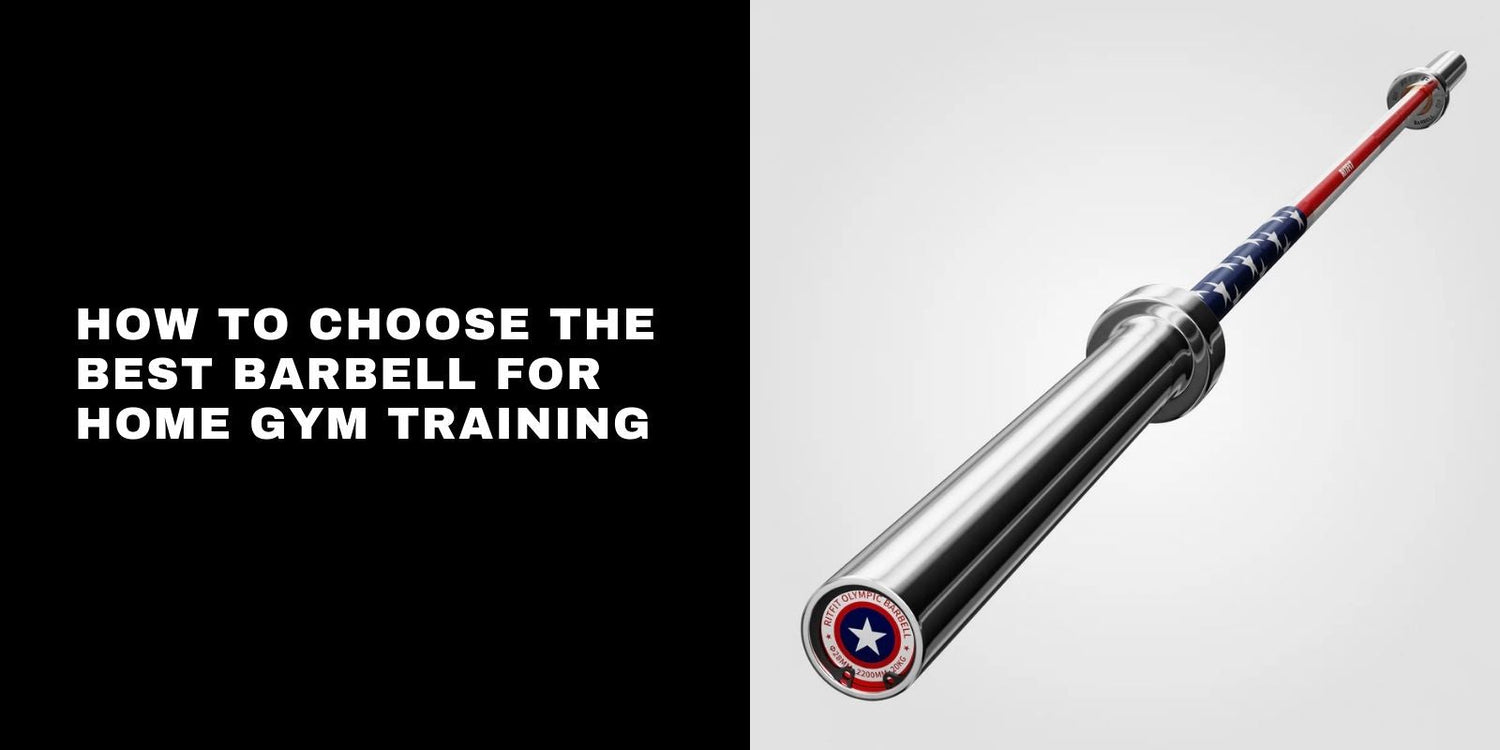
The Base Olympic Bar, the Patriotic Star Olympic Bar, the Pink Leopard Olympic Training Bar, and the Pink Training Barbell are all constructed of 40Cr (solid, mid-tier) alloy steel, a composition that provides an ideal balance of functionality, durability, and affordability for a home gym setup.

Which Shaft Coating and Finish Should You Choose?
Coating shapes how a bar feels in the hands, how resilient it is against general erosion, and the maintenance it requires, so stainless and hard chrome handle humidity best while zinc and phosphate suit drier spaces.
For most lifters, the finish has a bigger impact on day-to-day training than the core steel material does. There are countless coating options, with many falling into "hybrid" categories, but they can be cleanly organized into 6 distinct categories:
- Stainless Steel: Previously discussed in the steel section, stainless steel barbells have no additional coating. This premium steel performs sufficiently without coating.
- Bare Steel: Like stainless steel bars, bare steel barbells do not have any coating or protective finish. Unlike stainless, bare steel bars are constructed of raw steel that easily corrodes and degrades without frequent maintenance and upkeep.
- Hard Chrome: A common and inexpensive yet resilient coating regularly applied to alloy steel barbells. Hard chrome is thick and more resilient to erosion than most other coatings, but it is usually slicker and provides less feedback than more subtle coating options.
- Zinc: Light and dark options, zinc-coated barbells are oftentimes the least expensive choices. They are initially very smooth, but their grip becomes uneven as the coating wears off, and they are generally less resilient and less durable than other coating options.
- Phosphate/Oxide: A chemical surface treatment as opposed to a traditional coating, phosphate-treated barbells provide the most natural knurl feel of any coated option. Oxide surface treatment provides minimal corrosion protection and significant maintenance is necessary.
- Hybrid: Any number of variations where multiple surface treatments are combined, usually involving a cosmetic top layer over a corrosion-resistant base coating. Multiple coatings improve durability and generally diminish grip feeling and feedback.
The base Olympic Barbell's zinc coating provides moderate corrosion resistance and a smooth feel that is ideal for home gym training. The Patriotic Star Olympic Barbell's hard chrome-based hybrid finish combines durability, wear resistance, and a responsive grip feel. The Pink Leopard Olympic Training Barbell and Pink Training Barbell both employ multiple coats to improve longevity and reduce maintenance needs. If a rack is next on your list, the P3 Power Cage Home Gym Package pairs well with a coated Olympic bar.


What Kind of Knurling Do You Need?
Knurling controls grip, and the three main patterns, passive, medium, and aggressive, trade comfort against slippage depending on your training style and rep ranges.
The main barbell shaft area is almost entirely covered in a rougher, more distinctive material than the perfectly smooth sleeves. This is barbell knurling, and it is designed to promote a better grip on the bar and better handling in general. Knurling patterns are numerous, but fall into three main categories:
- Passive Knurling: The smoothest and least irritating on the hands, passive knurling is the easiest to handle for long periods of time and is ideal for barbell cycling. It can sometimes feel too comfortable, and its lack of rougher texture makes it the easiest to slip from the hands.
- Aggressive Knurling: The roughest and most irritating on the hands, aggressive knurling allows for maximum grip and minimal slippage, but it quickly becomes uncomfortable and difficult to hold. It is best for low-rep sets.
- Medium Knurling: Rougher than passive knurling but not overly aggressive, medium knurling is easier to gain an initial grip on but is less comfortable over longer periods than passive knurling. It is also easier to cycle than aggressive knurling, but does not allow for as "rock solid" of a grip. It offers the best balance between passive and aggressive knurling.


What Are Center Knurl and Knurl Rings For?
A center knurl helps the bar sit firmly on your upper back for back squats, while single or double knurl rings mark maximum hand placement for bench press and snatch respectively.
The center knurl and knurl rings are semi-optional components that are included on specific barbells for specific purposes.
- Center Knurl: Most barbells are completely smooth in the very middle of their shafts, since the bar is rarely, if ever, grasped in this area. Barbells specifically designed for powerlifting are equipped with a center knurl where a small area in the very center has the same knurl pattern as the main shaft. This knurl creates additional grip and helps the bar remain firmly in place on the upper back and shoulders during back squats. A center knurl is not necessary for optimized back squatting; only serious, competitive powerlifters truly need one.
- Knurl Rings: Barbells are equipped with either one or two knurl rings on the outer portions of the shaft. The single ring, or the interior ring on a double-knurl ring bar, indicates the maximum width placement the hand can grip the bar in sanctioned bench press competitions (International Powerlifting Federation, 2023). In informal training settings, it serves as an easy reference point for hand placement. The outer knurl ring on double-knurl ring bars is solely used as a reference point when positioning the hands for the snatch exercise, which requires wide hand placement.


Bushings or Bearings: How Much Spin Does Your Bar Need?
Bushings give smooth, controlled sleeve rotation ideal for general strength training and powerlifting, while bearings spin faster for Olympic lifts like the clean and snatch.
Barbell sleeves are designed to rotate, and they do so with the support of bushings, bearings, or some combination of the two. Barbell spin is not always desirable; the training style is pivotal to determining how much is necessary.
- Bushings: Simple, solid rings usually constructed of bronze that promote smooth, controlled, and predictable sleeve rotation. Bushings don't spin as much as bearings, but for general strength training and powerlifting movements, where stability is paramount, minimal spin is preferable.
- Bearings: Bearings use multiple small rolling elements to allow the sleeve to rotate very freely and quickly. This is important for lifters performing movements like the clean and snatch where a fast, smooth bar turnover is necessary. Fast-spinning sleeves also reduce pressure on the wrists, but generally require more maintenance than barbells equipped with only bushings. Additionally, significant spin is not necessary for most exercises and, in some cases, can be a hindrance. As such, barbells equipped with bearings are not appropriate for most lifters.


What Load Capacity Do You Really Need?
Load capacity ranges from 300 pounds for entry-level bars to 1,150 pounds and up for premium bars, and higher ratings also signal better bend resistance under repeated heavy loading.
Most lifters will never come close to testing the limits of their barbell's max load capacity.
However, higher numbers in this category are associated with better overall durability, particularly for bars that experience high-frequency use.
Arguably as important, barbells with higher load capacities also have higher "bend resistance" capacities.
A lot of lifters don't worry about breaking a barbell with a 500-pound load capacity only to be surprised and upset when their bar incurs permanent bending after loading 350 pounds.
- 300-550-pound load capacity: Entry-level and "budget barbells" that are often constructed of lower-grade steel and are especially prone to bending at higher loads or after repeated drops.
- 550-850-pound load capacity: Recreational and "light training barbells" that are constructed of moderate-grade steel and are generally resilient at normal training weights and limited drops.
- 850-1150-pound load capacity: "All-purpose barbells" that are constructed of higher-quality steel and rarely bend, even after extensive heavy training and regular drops.
- 1150-pound and higher load capacity: "Premium barbells" that are constructed of the highest-grade steel and with more than sufficient durability for 99 percent of lifters.
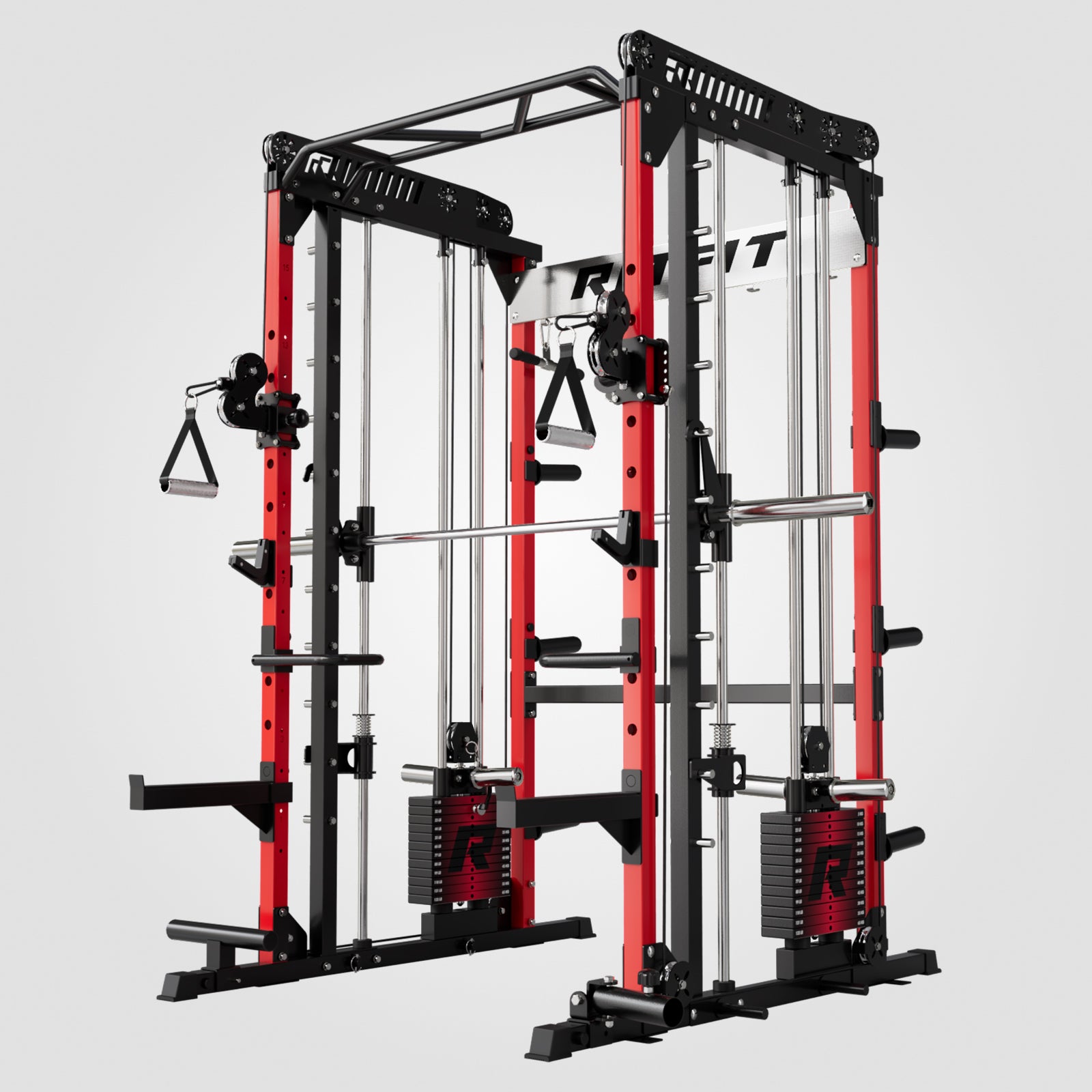
For a complete strength setup, many lifters pair their bar with a M1 Multi Functional Home Gym Smith Machine or an Adjustable Foldable Utility Bench.
How Much Tensile Strength Matters for a Barbell?
Tensile strength, abbreviated as PSI, is a useful quick filter for steel quality, but higher PSI alone does not guarantee a bar resists bending or breaking under load.
A barbell's tensile strength rating is oftentimes loosely correlated to its load capacity, and it specifically describes the strength of a bar's steel.
However, stronger steel alone doesn't make a bar more resistant to bending or breaking.
Tensile strength is useful as a quick indicator of whether a bar's steel is strong enough to be seriously considered for personal use (ASM International, 2015).
Bars on the lower end, generally under 150k PSI, may not have a high enough capacity for withstanding any kind of consistent, intense use.
For more moderate and less intense training styles, lower PSI bars are acceptable.
How to Choose the Best Barbell for Your Home Gym
Choose your barbell by matching training style, gym environment, and long-term goals rather than chasing the biggest spec sheet, and only buy the features you will actually use.
Now that we've covered the most relevant barbell characteristics, let's consider your personal preferences, priorities, and environmental factors that will greatly influence the best barbell for you.
- Training Style: The most important consideration when purchasing a home gym barbell is your preferred training style. If "functional fitness" workouts with a lot of Olympic weightlifting movements and regular barbell drops are the norm, an alloy steel bar equipped with bearings is a good starting point. If you stick to a "general training" routine, a more basic carbon steel bar works just fine.
- Gym Environment: Humidity and exposure to the elements can greatly affect a barbell's longevity. If your training area is more exposed, it's worth considering more corrosive-resistant coatings and steel types such as stainless steel or hard chrome. If humidity is not a problem in your training area, zinc and phosphate options are also on the table.
- Long-term Durability and Functionality Concerns: Well-constructed barbells can last an impressively long amount of time, while those of lower quality must often be replaced early and often. If your training plans extend far into the future and you foresee personal muscle and strength gains, select a higher-quality barbell with a load capacity that will support your long-term gains.
- Only Buy What You Need: Dual knurl rings aren't helpful if you never perform barbell snatches, and a 200,000 PSI rating isn't necessary for "normal" barbell loading. In some cases, multiple sets of needle bearings can be detrimental to properly executing certain lifts. Ultimately, just because a barbell's spec sheet looks impressive doesn't mean that it's the best choice for your specific needs.
1lbs.
5 or 29mm bar will be the most durable and provide the best service over time.
NEVER buy a 32mm bar.
"
Mark Rippetoe, Strength Coach and Author of Starting Strength, Starting Strength
The Two Most Important Barbell Qualities for Home Gym Lifting
For most home gym lifters, a zinc-coated or hybrid bar with a decent load capacity and controlled sleeve spin is the practical choice that will last and feel comfortable.
After reviewing this guide, trying to pick out the perfect barbell for your home gym workouts may lead to some analysis paralysis. If you find yourself getting caught up in the different categories and attributes, rest assured that a good, durable barbell doesn't need to tick every box, nor does it need to be too expensive. For most lifters, a zinc-coated bar with basic needle bearings or a hybrid-coated bar with a decent load capacity will last long and be comfortable to lift with. Those are the two most important qualities of any barbell for home gym lifting. For more inspiration, browse home gym ideas or compare bars in our best barbell for bench press guide.
FAQs About Choosing a Home Gym Barbell
What barbell specs actually matter most for a home gym?
Focus on shaft diameter, coating, and sleeve rotation first; those impact daily feel and longevity most.
Then check load capacity/straightness reputation and bar length for your space.
Tensile strength (PSI) is helpful, but it's not the whole "won't bend" story.
Is higher PSI always better, and does it prevent bending?
No, PSI alone won't guarantee a bar stays straight.
Tensile strength reflects how strong the steel is in tension, while bending relates more to yield strength and overall design/build quality.
Use PSI as a quick filter, then rely on proven load ratings and reviews.
Zinc vs. hard chrome vs. stainless: which finish should I buy?
Choose stainless for the best "bare steel feel" with low maintenance; choose chrome for durability; choose zinc for budget corrosion protection. Lifters commonly note coatings can slightly mute knurl sharpness and change grip feel over time, so match the finish to your humidity and grip preference.
Do I need bushings or bearings for a home gym barbell?
Most home gym lifters do great with bushings; pick bearings if you do lots of cleans/snatches and want faster spin.
Bearings can feel smoother for Olympic lifts but add cost and potential maintenance.
If you mostly squat/bench/deadlift, controlled bushing spin is usually ideal.
Men's vs women's bars: which should I choose (and does diameter matter)?
Pick the bar that fits your hands, shoulders, and training style, not your gender.
Many lifters prefer 25 mm for smaller hands and faster Olympic lifts, while 28-29 mm can feel steadier for heavy bench/deadlift work.
Also consider overall length if your space is tight.
How long should a good home gym barbell last?
A well-constructed barbell with a higher load capacity and corrosion-resistant coating can last for decades with basic maintenance. Budget carbon steel bars tend to bend and wear sooner under heavy or frequent training, so investing in a mid-tier alloy steel bar usually pays off over time.
Can I use the same barbell for every lift in my home gym?
Yes, for most home gym lifters one general-purpose Olympic bar handles squats, bench press, deadlifts, and rows perfectly well. Only add a specialty bar, such as one with a center knurl or extra spin, if you train a specific style like competitive powerlifting or Olympic lifting.
Conclusion
Choosing the best barbell for home gym training means matching shaft diameter, steel, coating, knurling, sleeve spin, and load capacity to your training style and space. Start with a mid-tier alloy steel bar, a corrosion-resistant finish, and at least 550 pounds of load capacity for years of heavy use.
Compare the full range of RitFit barbells and bundles on our RitFit sales page to find the best value for your setup, and measure your rack and plate sleeves before you order.
Disclaimer
This article is for general informational purposes only and is not professional training, medical, or safety advice. Always inspect your barbell for damage before use, follow the manufacturer's load ratings, and consult a qualified coach or healthcare provider before beginning a new strength training program.
References
1. ASM International. (2015). ASM handbook, volume 1: Properties and selection: Irons, steels, and high-performance alloys. ASM International.
2. Callister, W. D. & Rethwisch, D. G. (2020). Materials science and engineering: An introduction (10th ed.). Wiley.
3. International Powerlifting Federation. (2023). IPF technical rules book. www.powerlifting.sport/rules
4. McArdle, W. D. Katch, F. I. & Katch, V. L. (2015). Exercise physiology: Nutrition, energy, and human performance (8th ed.). Lippincott Williams & Wilkins.