Table of Contents
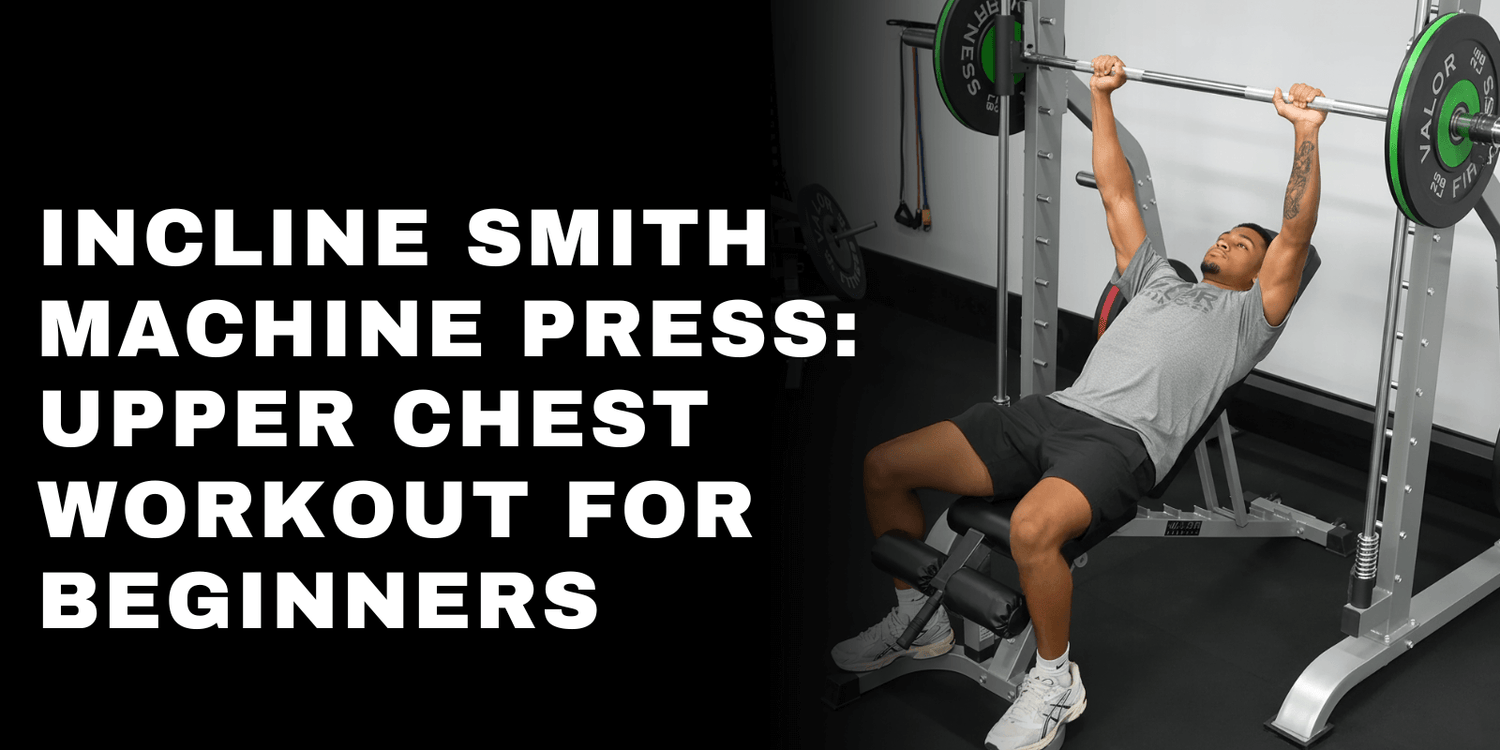
If you want to learn how to do incline bench press on a Smith machine correctly, set the bench to a low incline, line the bar up with your upper chest, and press through a controlled path. This variation can bias the upper chest while giving many home gym lifters more stability than a free bar incline press.
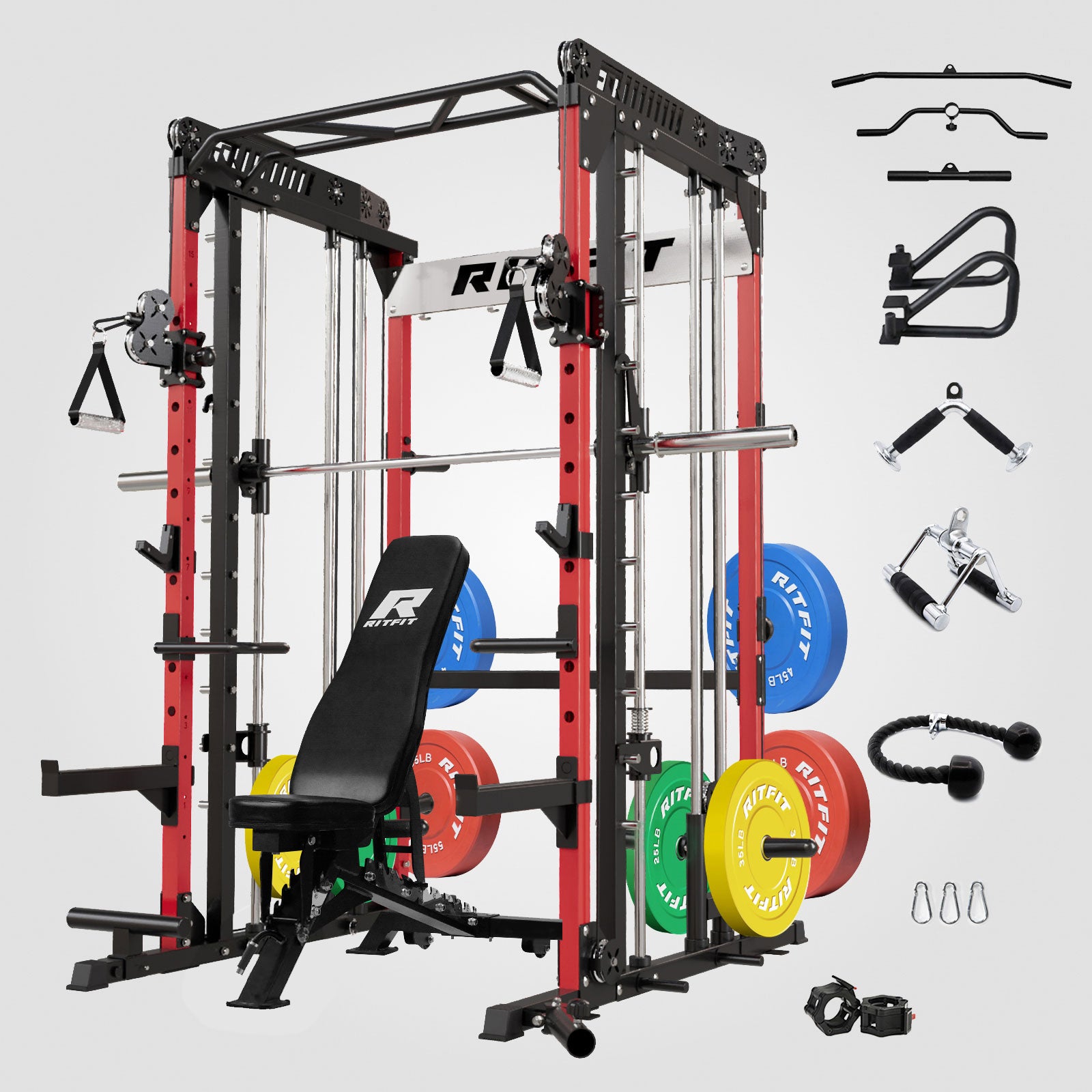
You can perform this movement with a Smith machine collection setup and an adjustable weight bench collection setup. The goal is simple, better upper chest stimulus, cleaner form, and safer solo pressing at home.
Key Takeaways
- A low incline usually works better than a steep incline for upper chest bias.
- Bench position matters as much as bench angle, because the bar should lower to the upper chest, not the neck.
- A grip slightly wider than shoulder width is the safest practical starting point for most lifters.
- Controlled reps beat rushed reps, especially on a fixed path machine.
- Progressive overload works best when setup stays consistent from week to week.
The Benefits of the Incline Smith Machine Press
The incline Smith machine press is useful because it gives you a repeatable upper chest pressing pattern with less balance demand than a free bar incline press. If you want more upper body pressing options after this movement, explore these best Smith machine chest workouts for muscle growth.
Stable and Repeatable
The fixed track makes each rep easier to repeat, which helps many lifters improve setup consistency and bar control. That is especially helpful when training alone or learning a new pressing pattern.
Better Upper Chest Bias
A bench angle around 30 degrees tends to increase upper pectoral activation better than flatter or much steeper positions.[1] That makes a low incline more useful than a high incline when upper chest is the priority.
Useful for Solo Progression
The built in hooks make it easier to end a hard set without a spotter. That makes the lift practical for home gym users who still want to push effort safely.
Good for Skill Building
Incline pressing can still produce meaningful neuromuscular adaptations when trained consistently in untrained lifters.[2] The Smith machine simply makes it easier for many beginners to organize the movement well enough to train it hard.
If you are still deciding whether this setup fits your training level, read is a Smith machine good for beginners. It helps frame when stability is an advantage and when free weights may be the better next step.
Muscles Worked by the Incline Smith Machine Press
The incline Smith machine press mainly trains the upper chest, front delts, and triceps. It also relies on upper back tension and scapular control to keep the pressing position stable.
Upper Pectorals
The clavicular head of the pectoralis major is the main target when the bench angle stays low and the bar path stays over the upper chest. This is the section most lifters want when they say they want more upper chest fullness.
Anterior Deltoids
Your front delts assist strongly during incline pressing, especially when the bench gets steeper. That is why angles that are too high often feel more like shoulder pressing than chest pressing.
Triceps Brachii
Your triceps extend the elbows and help finish each rep. Stronger lockout usually depends on good triceps contribution, not just chest drive.
Upper Back and Serratus Support
Your upper back and serratus help hold your shoulder blades in a stronger pressing position. They are not the prime movers, but they help you stay tight enough to press well.
How To Do the Incline Smith Machine Press
Proper form matters because a small change in bench angle, touch point, or elbow path can decide whether this feels like an upper chest lift or a shoulder dominant press. If you need the flat version first, start with this Smith machine bench press guide.
Step 1: Set the Bench at a Low Incline
Set the bench to about 25 to 35 degrees, because that range usually keeps more work on the upper chest than a steeper setup. If you are unsure, start lower rather than higher and adjust only if the movement feels too flat.
Step 2: Line the Bench Up Under the Bar
Slide the bench so the bar lowers toward the upper chest instead of the throat or lower chest. A simple check is to unrack lightly and confirm the descent line lands around the upper pec and lower collarbone area.
Step 3: Take a Slightly Wider Than Shoulder Width Grip
Use a grip just outside shoulder width so your wrists stack more naturally and your elbows can track in a strong path. Very narrow grips reduce loading potential and change upper body contribution patterns in ways that are not ideal for most lifters using this exercise for chest work.[3]
Step 4: Lower the Bar With Control
Pull your shoulder blades back and down, keep your feet planted, and lower the bar to the upper chest with your elbows at about 45 degrees from your torso. The lowering phase should feel deliberate, not like the bar is dropping into the bottom.
Step 5: Press Up and Re Rack Cleanly
Drive the bar upward without losing your back tightness or lifting your hips off the bench. At the end of the set, rotate the bar back into the hooks while staying stable and in control.
Incline Smith Machine Press Beginner Workout
A beginner plan should focus on repeatable form first and load second. You do not need a complicated chest day to make this movement effective.
Warm Up
Start with a few minutes of light movement, then do one to two lighter sets on the machine before your work sets. The goal is to groove the bar path and feel the upper back stay tight before heavier reps begin.
Working Sets
Use 3 working sets of 8 to 12 reps with a load you can control cleanly. Moderate loads and moderate rep ranges remain a practical default for hypertrophy focused resistance training.[4]
Tempo
Lower the bar in about two to three seconds, pause briefly near the bottom, and press up under control. A steady tempo makes it easier to keep tension on the upper chest instead of bouncing through the rep.
Weekly Progression
Add a small amount of weight or one extra rep when all sets feel clean and repeatable. Progress is usually better when you keep the same bench angle and setup rather than changing variables every week.
Common Mistakes to Avoid
Most problems with this exercise come from setup mistakes, not effort. Fixing these errors usually improves chest feel faster than simply adding more load.
Bench Angle Too Steep
A steep incline shifts too much work to the front delts. If your shoulders dominate every rep, lower the bench angle before changing anything else.
Bar Lowering Too High
If the bar drifts toward the neck, shoulder stress often rises and the press feels awkward. Aim for the upper chest, not the throat line.
Elbows Flaring Too Wide
Over flaring usually makes the rep harder to control and less comfortable for the shoulders. A moderate elbow angle is usually easier to repeat and easier to load over time.
Half Reps
Cutting depth short often reduces the stretch and shortens the useful range of the movement. Lower the bar as far as you can with control and without losing position.
Loose Upper Back
If your shoulders roll forward or your chest collapses, the press becomes less stable and less targeted. Set your upper back before you unrack, then keep it there.
Rushing the Descent
A fast drop into the bottom turns the rep into momentum management instead of controlled pressing. Slow the lowering phase enough to keep the bar path clean.
Incline Smith Machine Press Tips
Small setup cues usually matter more than dramatic technique changes. If this lift does not feel right yet, improve the details before replacing the exercise.
Start Lower Than You Think
Many lifters get a better upper chest stimulus from a lower incline than they expect. If you want a simple angle reference, read best incline for your bench press and compare that guidance to your current setup.
Use the Upper Chest as Your Touch Point
A higher touch point usually fits this exercise better than a flat bench style touch point. You should feel the chest working without the bar drifting toward the throat.
Brace Before Every Rep
Plant your feet, tighten your upper back, and keep your ribcage organized before you move the bar. Better bracing makes the path feel cleaner and the chest feel easier to target.
Progress Setup Before Load
If the lift feels inconsistent, fix the bench position and grip first. More weight rarely solves a setup problem.
Use the Right Equipment
A solid bench and a stable machine make this exercise easier to trust and easier to repeat. If you want a full setup built for home pressing, a multifunctional Smith machine paired with a quality adjustable bench is the simplest path.
FAQs
How to do incline bench press on a Smith machine correctly?
Start by setting the bench to a low incline, usually around 25 to 35 degrees, then line the bar up with your upper chest. Keep your feet planted, shoulder blades pulled back, and lower the bar with control before pressing straight up without losing tension.
What angle is best for incline bench press on a Smith machine?
A low incline is usually best for upper chest emphasis, and 25 to 35 degrees is the most practical range for most lifters. Going much steeper often shifts more work to the front delts, which can make the movement feel less like a chest press.
Can incline bench press on a Smith machine build upper chest effectively?
Yes. The incline Smith machine press can build the upper chest effectively when the bench angle, touch point, and bar path are set correctly. The fixed path also helps many home gym lifters keep tension on the clavicular head of the chest instead of wasting effort on balance.
Why do I feel my shoulders more than my chest on incline bench press on a Smith machine?
You usually feel more shoulders when the bench is too steep, the elbows flare too wide, or the bar lowers too high toward the neck. Bringing the incline down slightly and lowering to the upper chest often helps shift tension back where you want it.
Where should the bar touch during incline bench press on a Smith machine?
The bar should usually lower to the upper chest, around the line between the upper pecs and lower collarbone area. If it comes down too high, shoulder stress often increases, and if it lands too low, the press can lose its intended upper chest bias.
Is incline bench press on a Smith machine good for beginners?
Yes. It is a beginner friendly option because the fixed bar path reduces balance demands and makes setup more repeatable. It still requires good technique, but many home gym lifters find it easier to learn pressing mechanics and train safely when alone.
Final Thoughts
The incline bench press on a Smith machine works best when the bench angle is low, the touch point stays on the upper chest, and every rep stays controlled. Master the setup first, then add load gradually, and this movement can become one of your most reliable upper chest builders at home.
Disclaimer: This guide is for general educational use and does not replace personal coaching or medical advice. Stop the exercise if you feel sharp pain, numbness, or joint discomfort, and adjust load, bench angle, or exercise selection to match your training history and equipment.
References
- Rodríguez-Ridao D Antequera-Vique JA Martín-Fuentes I Muyor JM. Effect of Five Bench Inclinations on the Electromyographic Activity of the Pectoralis Major, Anterior Deltoid, and Triceps Brachii during the Bench Press Exercise. Int J Environ Res Public Health. 2020;17(19):7339. doi:10.3390/ijerph17197339
- Chaves SFN Rocha-Júnior VA Encarnação IGA Martins-Costa HC Freitas EDS Coelho DB Franco FSC Loenneke JP Bottaro M Ferreira-Júnior JB. Effects of Horizontal and Incline Bench Press on Neuromuscular Adaptations in Untrained Young Men. Int J Exerc Sci. 2020;13(6):859-872. doi:10.70252/FDNB1158
- Saeterbakken AH Stien N Pedersen H Solstad TEJ Cumming KT Andersen V. The Effect of Grip Width on Muscle Strength and Electromyographic Activity in Bench Press among Novice- and Resistance-Trained Men. Int J Environ Res Public Health. 2021;18(12):6444. doi:10.3390/ijerph18126444
- Schoenfeld BJ Grgic J Van Every DW Plotkin DL. Loading Recommendations for Muscle Strength, Hypertrophy, and Local Endurance: A Re-Examination of the Repetition Continuum. Sports. 2021;9(2):32. doi:10.3390/sports9020032