
You do a wide grip bench press by lying on a flat weight bench, taking your hands wider than your shoulders, and pressing the bar from your lower chest to lockout.
You will see how wide grip compares with close and standard grip, what a bench needs to provide, and the mistakes to avoid. Use a range that feels comfortable and consult a professional about shoulder concerns.
Quick Answer: The wide grip bench press is done on a flat weight bench with your hands outside shoulder width, your shoulder blades set, and the bar lowered to your lower chest and pressed to lockout. Widen the grip gradually and keep the range that feels comfortable.
Key Takeaways
- Grip Width: A wide grip means your hands sit noticeably outside shoulder width, found by feel and by the ring marks on the bar rather than by a fixed measurement.
- What Changes: As the grip widens, triceps activity drops and biceps activity rises, while chest muscle activity in the studies stayed similar across narrow, medium and wide grips.
- Shoulder Load: A wide grip creates greater horizontal shoulder moments than a narrow grip, so the right width is the widest one that stays comfortable rep after rep.
- Bench Choice: A flat, locked and stable bench with a firm pad supports repeatable wide grip pressing, and a solid capacity rating keeps heavy sets inside the bench limits.
- Progress: Groove the bar path with a light load first and add weight only when every rep looks the same, and stop the set if you feel sharp pain.
Set Your Grip Width on the Bar
A wide grip means placing your hands noticeably wider than shoulder width on the bar. Most lifters use the ring marks on an Olympic bar as a reference and then adjust by feel, keeping the forearms vertical at the bottom and the shoulders comfortable.
- Start from the rings: Place your index or pinky fingers near the outer ring marks, then move both hands evenly until the bottom position feels balanced.
- Keep the grip even: Match both hands to the same ring distance so the bar stays level when you press.
- Set the shoulders first: Pinch the shoulder blades together and down, lift the chest, and plant both feet before taking the bar out.
- Let comfort set the limit: The best wide grip is the widest one that still feels strong and smooth through the full range of motion.
Where Should the Bar Touch Your Chest
Lower the bar to the lower chest near the bottom of the sternum, and keep the forearms vertical under the bar at that point. A wider grip shortens the range of motion, so the touch point stays the same while the bar travels a shorter path.
Work these cues with an empty bar first, because grip width is the one setup change that shifts how the whole lift feels.
Unrack, Lower, and Press the Bar
The lift runs as one smooth sequence: brace, unrack, lower the bar under control to your lower chest, and press it back up to lockout. Keep the bar path slightly curved, moving from the lower chest back toward the shoulders as you press.
- Step 1, brace: Breathe into the belly, tighten the trunk, and keep the shoulder blades set against the pad.
- Step 2, unrack: Straighten the arms to clear the hooks, then move the bar until it sits over the shoulder joints.
- Step 3, lower: Bend the elbows on a controlled path, keep them angled rather than flared straight out, and touch the lower chest softly.
- Step 4, press: Push the bar up and slightly back toward the shoulders, lock the elbows, and reset the breath for the next rep.
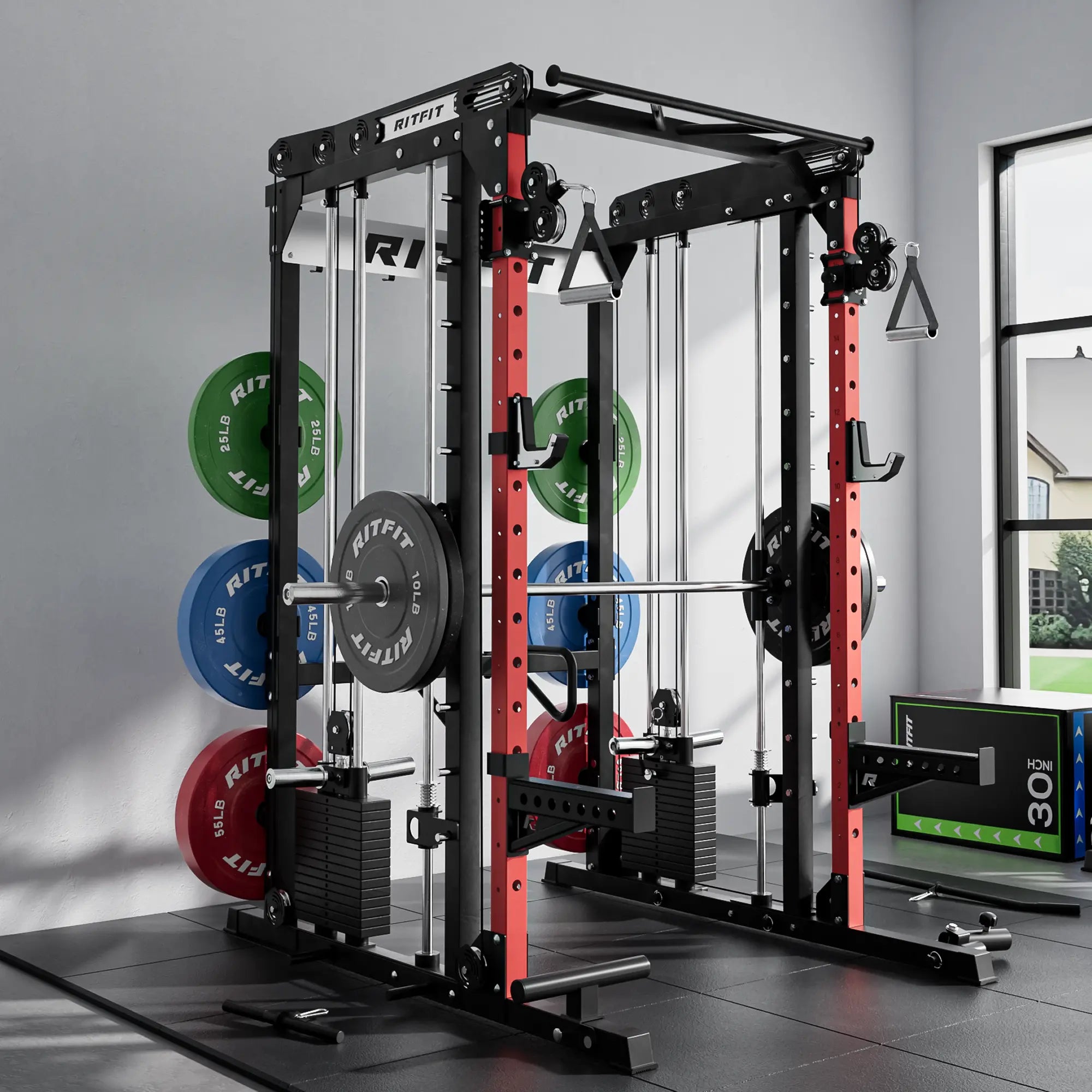
Load the bar evenly with plates you can control, such as the AuraSpin grip plates, and keep collars on every set. If you are still building the setup, the barbells and weight plates collection covers the bars and plates used in this lift.
Compare Wide Grip With Close and Standard Grip
A wide grip shortens the pressing range and shifts work away from the triceps compared with medium and narrow grips. The trade-offs show up in muscle contribution, range of motion, and how the shoulders handle the load.
In a study of 12 national and international bench press athletes, 6-RM loads were 5.8-11.1% greater with medium and wide grips than with a narrow grip, and biceps brachii activity was 25.9-30.5% lower with the narrow grip [1].
A second study in 28 novice and resistance-trained men found that biceps brachii activity rose and triceps brachii activity fell as the grip widened, while activity in the other measured muscles, including the pectoralis major, stayed similar across narrow, medium and wide grips [2]. Both groups in that study lifted lower 6-RM loads with a narrow grip than with the wider options.
Many lifters pick a wide grip because the stretch across the chest feels bigger, and the shorter range of motion lets the bar feel lighter. The measured picture is more modest, so treat the wide grip as the chest focused variation you enjoy rather than a magic chest builder.
| Grip | Hand Position | What Changes | Fits Best When |
|---|---|---|---|
| Wide grip | Hands outside shoulder width | Shortest range of motion, less triceps activity, greater horizontal shoulder moment | You want a chest focused press and your shoulders stay comfortable |
| Standard grip | Hands around shoulder width | Balanced triceps, chest and shoulder contribution | You want the everyday baseline for most training blocks |
| Close grip | Hands inside shoulder width | More triceps activity, longer pressing range | You want triceps emphasis or a narrower hand position |
Grip effects summarized from the studies cited in this section, and individual responses vary.
For the triceps focused version, follow our close-grip bench press guide. If you train on a Smith machine instead of free weights, see the close-grip bench press on a Smith machine walkthrough.
These differences come down to leverage, and leverage changes as the hands move along the bar.
"The size of the external flexor moment you have to overcome to lift a weight depends on two things: the load itself and the length of the moment arm. This is why lifting heavier weights is harder than lifting lighter weights."
Greg Nuckols, MA, Strength Researcher and Coach, holder of multiple powerlifting world records, Stronger By Science, How to Bench
Keep Your Shoulders in a Comfortable Range
A wide grip places more horizontal demand on the shoulder joints than a narrow grip, so comfort is the boundary that decides your width. Stay inside a range that feels comfortable, and treat shoulder discomfort as a signal to narrow the hands rather than push through it.
A biomechanical study of 14 recreationally trained males found that the wide grip produced lateral forces of 13.1-15.7% of the vertical force during the sticking region and greater horizontal shoulder moments than the narrow grip [3]. The same study measured greater triceps medialis activity with medium and narrow grips than with a wide grip.
- Warm up first: Build up with lighter sets before working sets so the shoulders settle into the wider hand position.
- Keep the elbows angled: Elbows angled instead of flared straight out keep the bar path compact and the joints stacked.
- Stop for sharp pain: End the set if you feel sharp or pinching pain, and consult a qualified professional about persistent shoulder issues.
- Stay flexible with width: On days when the shoulders feel stiff, moving the hands inward keeps the session productive.
Choose a Weight Bench That Handles the Work
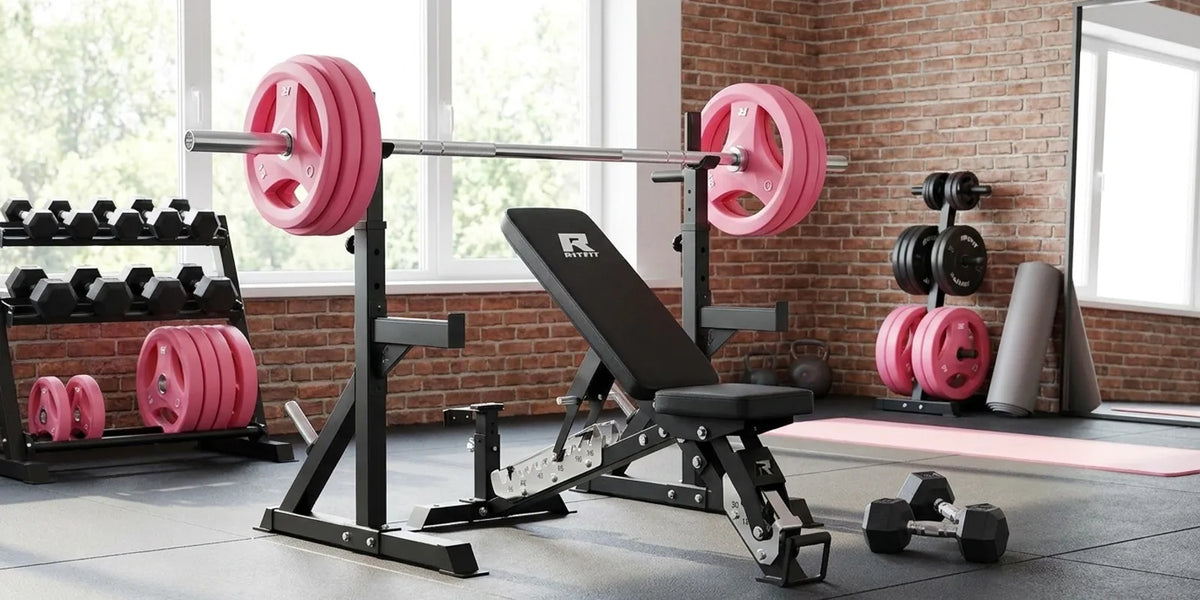
A weight bench for wide grip pressing needs a flat locked position, a firm pad that supports the head and shoulders, and a height that lets both feet plant firmly. Stability matters more than features, because the bench is the surface every rep is measured against.
The RitFit Gator adjustable weight bench is one bench that meets those criteria, and the spec questions below are the ones readers ask before buying. The numbers come straight from the official product page.
How Much Weight Can the RitFit Gator Bench Hold?
The official product page lists a total load capacity of 1600 lb, and that figure includes your bodyweight together with the loaded bar. The frame uses 50 by 70 millimeter reinforced steel tubing rated at 14-gauge.
"The gator bench is SOLID! Very sturdy and heavy. You will feel very safe on this bench with any heavy workouts. The wheels make it easy to scoot around the gym when needed. This is money well spent and much better than the basic ritfit bench. Good quality product for the price!"
Christopher O. Verified Buyer, RitFit GATOR 1600LB Adjustable Weight Bench
How Large Is the RitFit Gator Bench Pad?
The back pad measures 25.9 inches long and 11.8 inches wide, the seat pad reaches the same 11.8 inch width, and the pad is 2.7 inches thick. That width supports the shoulders without forcing the elbows outward during a wide grip press.
How Tall Does the RitFit Gator Bench Sit?
RitFit lists a height range of 14.6 to 24.2 inches at the front and 14.6 to 51.3 inches at the rear, with a stated fit for users from 4 ft 8 in to 6 ft 6 in. Pick a height where both feet plant flat, because a stable base keeps the arch and the bar path consistent.
That capacity keeps you plus a loaded bar inside the rating during heavy sets, and 21 adjustment combinations make it easy to return to the same flat setup every session. RitFit lists a 3-year warranty on the frame and 1-year coverage on moving parts, and the bench is priced at $399.99 at the time of writing.
Shoppers who want a lighter, lower capacity bench can compare the RitFit 1300LB adjustable weight bench, and the benches collection shows every flat and adjustable option.
"Built with 14-gauge steel, the RitFit Gator Adjustable Weight Bench offers a robust weight capacity of 1,600 pounds. With 10 back pad angles, three seat pad positions, three decline settings, and a five-way adjustable head rest, you have ample options to support your strength and muscle building goals."
Stephen Sheehan, CPT, CNC, Certified Personal Trainer and Nutritionist, Garage Gym Reviews, RitFit Gator Adjustable Weight Bench Review (2026) | Garage Gym Reviews
Load the Bar and Progress the Right Way
Start wide grip work with a load you can press for clean, controlled reps, and add weight only when the bar path stays repeatable. Most lifters keep one or two good reps in reserve while the wider hand position settles in.
- Choose the starting load: An empty bar or a light load teaches the groove, and small jumps keep the setup honest.
- Set the rep range: About 2 to 4 sets of 6 to 10 reps suits both strength and size work, with 2 to 3 minutes of rest between heavy sets.
- Add weight gradually: Move up when every rep looks the same and the bar touches the same spot on the chest.
- Keep a weekly rhythm: One to two wide grip sessions per week fit most programs, spaced away from other heavy pressing days.
When the sets get heavier, the free weights and plates give you room to grow, and the weight lifting accessories collection covers collars, mats and support gear for the session.
Fix These Common Mistakes in the Wide-Grip Bench Press
Most wide grip problems come from the setup rather than from strength, and each one has a simple correction. Fix the setup first and the reps get more productive right away.
- Grip too wide too fast: Jumping straight to the widest position loads the shoulders before the groove exists, so widen the hands gradually.
- Flared elbows: Elbows straight out to the sides shorten the comfortable range, so keep them angled under the bar.
- Bouncing the bar: A bounce off the chest hides weak positions and changes the touch point, so lower the bar under control.
- Hips lifting off the bench: Driving the hips up turns the press into a bridge, so keep the upper back and hips on the pad.
- Uneven lockout: One arm finishing early tilts the bar, so press both sides evenly and lock out over the shoulder joints.
- Adding load too early: Extra weight before the bar path is repeatable just rehearses the errors, so earn the increases first.
When two sessions in a row look identical from the side, the groove is ready for progression.
FAQs About the Wide-Grip Bench Press
How wide should your grip be for a wide grip bench press?
Take your hands noticeably wider than shoulder width and use the ring marks on the bar as a reference point, then adjust until your forearms stay vertical at the bottom and your shoulders feel comfortable. The right width is the widest position you can press smoothly without discomfort.
Is a wide grip bench press better for building the chest?
Many lifters feel a bigger stretch across the chest with a wide grip, and the range of motion is shorter. In lab studies though, chest muscle activity stayed similar across narrow, medium and wide grips while triceps and biceps contributions changed, so choose the width you can press best.
Is a wide grip bench press bad for your shoulders?
A wide grip places more horizontal demand on the shoulder joint than a narrow grip, so it can feel less comfortable for some lifters. Stay inside a range that feels comfortable, keep your shoulder blades set, stop the set if you feel sharp pain, and consult a professional about existing shoulder issues.
What is the difference between a wide grip and a close grip bench press?
A wide grip takes the hands outside shoulder width, shortens the range of motion, and reduces triceps activity relative to medium and narrow grips. A close grip keeps the hands inside shoulder width, shifts more work to the triceps, and some lifters find the closer hand position more comfortable on the shoulders.
How much weight should you use when learning the wide grip bench press?
Start with an empty bar or a light load and practice until the bar path and grip width feel repeatable across several workouts. Add small increments only when every rep is smooth and controlled, and keep one or two clean reps in reserve while the new grip groove settles.
Can you do a wide grip bench press on an adjustable weight bench?
Yes. Set the bench to flat, lock the adjustment ladder securely, and check that the pad supports your head and shoulders through the full range of motion. A stable flat bench with a firm pad gives you the same setup every session, which makes grip changes easier to judge.
How much weight can the RitFit Gator adjustable weight bench hold?
The official product page lists a total load capacity of 1600 lb for the RitFit GATOR bench, and that figure includes your bodyweight together with the loaded bar. The frame uses 50 by 70 millimeter reinforced steel tubing, which is the structure behind that rating.
What are the most common wide grip bench press mistakes?
The common mistakes are taking a grip wider than you can control, letting the elbows flare straight out, bouncing the bar off the chest, lifting the hips off the bench, and adding load before the bar path is repeatable. Fix the setup first and add weight only when every rep looks the same.
Conclusion
The wide grip bench press rewards a patient setup, with hands outside shoulder width, shoulders set, and a bar path you can repeat. Let comfort set the width, and let clean reps set the pace of progression.
If you are building a home gym around this lift, check the current RitFit discount guide before you shop, and keep the bench, bar and plates matched to the loads you plan to press.
Disclaimer
This article is general training information and is not medical advice, diagnosis or treatment. Train within a range that feels comfortable, and consult a qualified professional before starting a new program or if you have shoulder concerns.
References
1. Saeterbakken AH, Mo DA, Scott S, Andersen V. The Effects of Bench Press Variations in Competitive Athletes on Muscle Activity and Performance. J Hum Kinet. 2017;57:61-71. doi:10.1515/hukin-2017-0047. PMCID: PMC5504579
2. Saeterbakken AH, Stien N, Pedersen H, Solstad TEJ, Cumming KT, Andersen V. The Effect of Grip Width on Muscle Strength and Electromyographic Activity in Bench Press among Novice- and Resistance-Trained Men. Int J Environ Res Public Health. 2021;18(12). doi:10.3390/ijerph18126444. PMCID: PMC8296276
3. Larsen S, Gomo O, van den Tillaar R. A Biomechanical Analysis of Wide, Medium, and Narrow Grip Width Effects on Kinematics, Horizontal Kinetics, and Muscle Activity on the Sticking Region in Recreationally Trained Males During 1-RM Bench Pressing. Front Sports Act Living. 2020;2:637066. doi:10.3389/fspor.2020.637066. PMCID: PMC7862765