








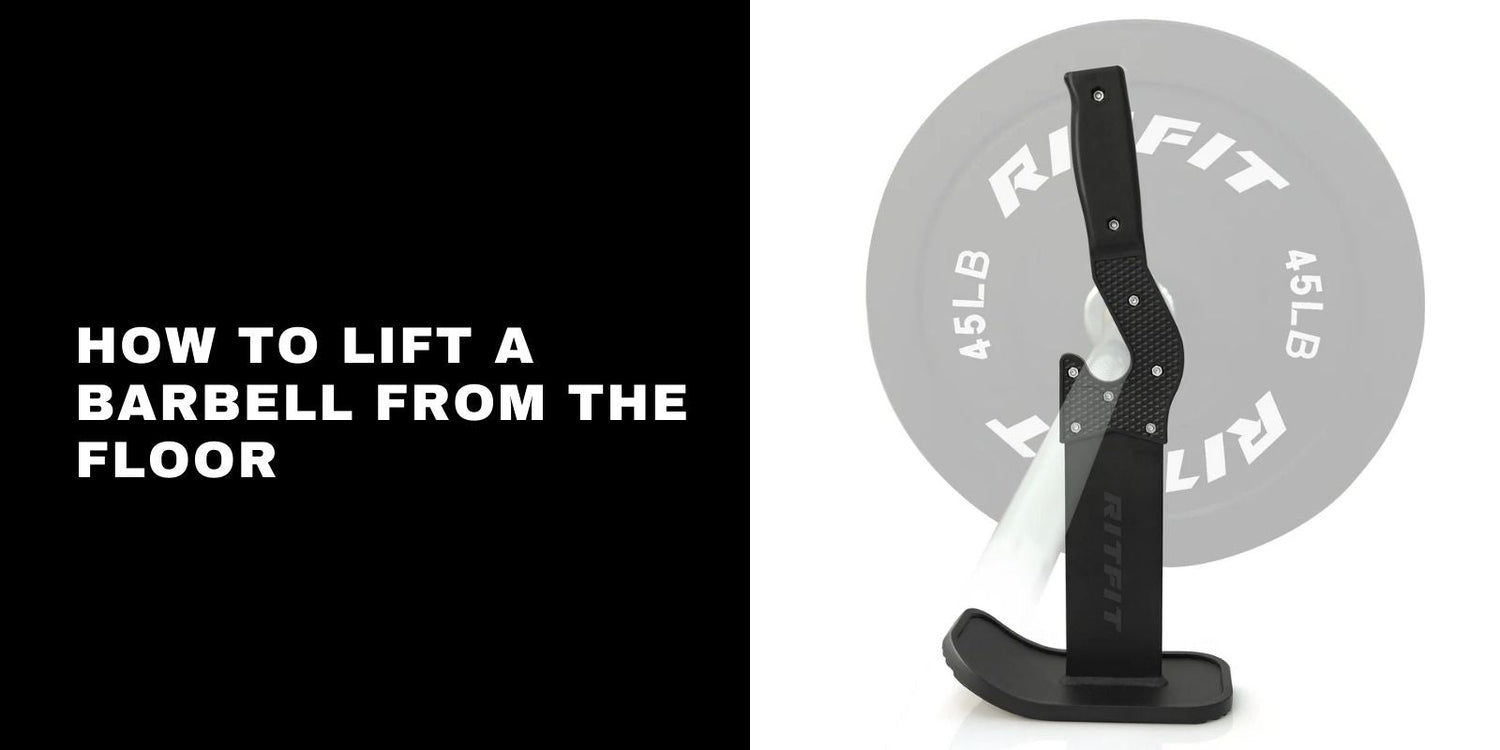
Learning how to use a deadlift jack removes the hardest part of training from the floor, because the tool levers one end of a barbell up so the plates slide on without a fight. Getting plates onto a bar that already rests on the ground is the step most lifters dread.
This guide covers what a deadlift jack is, who needs one, the exact loading sequence, and how it compares with the small plate trick and the rubber wedge. It is written for home gym owners and solo lifters.
Quick Answer: To use a deadlift jack, slide the cup under the barbell beside the collar and pull the handle back until the bar lifts off the floor. Slide your plates onto the floating sleeves, then guide the handle down gently instead of letting the bar crash.
Key Takeaways
- A deadlift jack is a small lever tool that lifts one end of a loaded barbell so you can slide plates on and off without fighting floor friction.
- If you train alone, load heavy, or have a sensitive lower back, a mini jack is one of the simplest upgrades for safer, faster plate changes.
- A jack does not make your deadlift stronger, but it can reduce awkward bending and twisting while loading, which is where many people get tweaked.
- If you only lift light weights, about one plate per side or less, you can usually skip the jack and use a small plate or wedge trick instead.
- Always control the handle on the way down. Do not let the bar crash to the floor.
The Struggle is Real: Why Changing Plates is So Hard
Loading a deadlift bar is hard because the bar starts on the floor, so the first heavy plate settles into the mat and friction fights every plate added after it. Bending over to hold a loaded sleeve with one hand while pushing a plate with the other twists the body into a position most lifters feel right away.
But the deadlift is different. The deadlift starts from the ground. This means the bar and the weights are resting on the floor. When you put that first big plate on, it is not too bad. You can lift one end of the bar and slide it on. But once that first plate is on, the game changes. The heavy plate settles into the rubber floor mat. Friction takes over.
Now, if you want to add more weight, you have a problem. You have to lift the end of the bar up with one hand to get the weight off the floor while using your other hand to slide a new 45-pound plate onto the sleeve. This is incredibly awkward. You are bent over, twisted to the side, and trying to balance a heavy steel bar while shoving a heavy rubber wheel.
Many gym-goers call this the gym floor wrestling match. You might try to roll the plate onto a small five-pound weight to prop it up. You might try to yank the bar up and wiggle the plate on. Often, the plate gets stuck halfway. Or worse, the bar rolls away from you just as you are pushing, and you have to chase it across the platform.
This hassle does more than just annoy you. It breaks your focus. Instead of thinking about your form or getting hyped up for your big lift, you are annoyed and tired from fighting with your equipment. This is where the deadlift jack comes in to save the day.
That floor start is also why deadlift setup differs from a rack lift, and the deadlift setup and technique guide walks through the full pulling sequence from a floor start.
What is a deadlift jack?
A deadlift jack is a lever tool that lifts one end of a loaded barbell off the floor so the plates slide on and off without friction. It replaces the one handed lift that makes manual loading so awkward.
How It Works
- The Cup: This is a curved hook that grabs the handle of your barbell.
- The Handle: This is a long arm that you pull or push.
- The Feet: These are the base that sits on the floor.
Once the bar is up, the weights are no longer touching the ground. There is no more friction. You can slide heavy plates on and off as smoothly as if the bar were in a rack. When you are done, you just tilt the handle forward, and the bar gently settles back onto the floor.
Different Types of Jacks
- The Full Jack: This is a big tool that lifts the entire barbell at once. It has two hooks and wheels. It is great for big gyms or competitions, but it is very large, heavy, and expensive.
- The Mini Jack: This is what most people buy. It is small, light, and lifts only one side of the bar at a time. You jack up the left side, change the weight, put it down, and then go do the right side. It fits easily in a gym bag and does not take up much space.
Bar and plate sizes decide how well a jack fits, so the barbell and weight plate collection and the 7 ft Olympic barbell guide explain the sleeve diameters and bar lengths a lever jack has to clear.
"The standard bar length is a little over 7 feet, has '2-inch'/50mm diameter sleeves for loading the plates on, and weighs 20kg/44.1lbs. For home gym purposes, a 28.5 or 29mm bar will be the most durable and provide the best service over time. NEVER buy a 32mm bar. They are either junk, or a specialty squat bar that a home gym does not need."
Mark Rippetoe, Strength Coach and Author of Starting Strength, How to Build a Home Gym
The Benefits: Why You Should Use One
A deadlift jack saves energy, time, and equipment because it removes the wrestling match that floor loading creates. Lifters who change plates ten or twenty times in one session spend far less energy on setup and more on the actual pull.
1. It Saves Your Energy for the Lift
Every time you bend over and wrestle a plate onto the bar, you burn a little bit of energy. You fatigue your grip. You tire out your lower back. If you are doing a heavy workout with lots of sets, you might change the plates ten or twenty times. That adds up. By using a jack, you make the loading process almost effortless. You save your strength for the actual exercise, which means you can lift more weight or do more reps.
2. It Saves Time
With a jack, changing a plate takes seconds. You hook, lift, slide, and drop. It is fast and smooth. This keeps your heart rate up and helps you finish your workout faster so you can get on with your day.
3. It Protects Your Equipment
- The Bar: The rough texture on the bar (called knurling) is important for your grip. If you use a metal hook or drag the bar on a rack, you can smooth out that texture. Good jacks, like the RitFit model, have a plastic lining inside the cup. This plastic cushions the bar so metal never touches metal. It keeps your bar looking new and grippy.
- The Floor: Dragging heavy iron plates across a wooden platform or rubber mat can scratch and gouge the floor. Lifting the bar up prevents this damage.
4. It Keeps You in the Zone
| Feature | Without Jack | With Deadlift Jack |
| Effort to Load | High, wrestling and dragging | Very low, sliding |
| Back Position | Twisted and bent | Upright and stable |
| Speed | Slow and frustrating | Fast and smooth |
| Risk of Pinching | High | Low |
| Focus | Distracted by hassle | Locked in on the lift |
Comparison of manual floor loading and loading with a lever style deadlift jack.
Lifting the bar also keeps plates away from the platform edge, and the bumper plate versus iron plate comparison and the weight plate collection show what that protection is preserving.
The Big Question: Do I Need a Deadlift Jack?
A deadlift jack is close to essential if you train alone, load three plates or more per side, or protect a sensitive lower back. Lifters who stay around one plate per side or less can usually manage with the small plate trick instead.
Who NEEDS a Deadlift Jack?
Who Does NOT Need One?
If you are still choosing plates to load, the home gym weight plate buying guide matches plate sets to the way you load and train.
Do Deadlift Jacks Help Prevent Injuries?
Deadlift jacks help prevent the loading injuries that happen between sets, mostly by removing the bent over twist that strains the lower back. The jack holds the bar steady so both hands stay free and fingers stay clear of the plates.
Many people think they get hurt lifting the heavy weight. But surprisingly, a lot of gym injuries happen between the sets. They happen when you are loading the bar, racking the weights, or picking up dumbbells.
The Problem with "The Twist"
This puts your body in a very bad position. You are bent over, twisted, and applying force unevenly. Your lower back hates this. It puts weird pressure on your spine and muscles. Because you are not bracing your core like you do for a real lift, your back is vulnerable. It is very easy to tweak a muscle or strain something just by doing this awkward twist.
How a Jack Fixes It
- Better Posture: To use the jack, you stand behind it. You line it up, grab the handle, and simply pull back. You can keep your back straight and use your legs and body weight to do the work. There is no twisting.
- No Heavy Holding: You do not have to hold the heavy bar up with one hand. The jack holds the weight. You are free to use both hands to slide the plate on. This is much more balanced and puts less strain on your body.
- No Pinching: When you are struggling to hold the bar up, your fingers are often dangerously close to the smashing point between plates. If your grip slips, the bar drops on your fingers or your toes. The jack holds the bar steady as a rock, so your fingers and toes are safe.
Real-World Example: The RitFit Deadlift Jack
The RitFit Deadlift Jack is a 17 inch mini jack rated to 660 pounds with a PVC lining that protects the bar knurling. Those three features, size, capacity, and bar protection, are the ones that decide whether a mini jack is worth owning.
- Size: It is small, about 17 inches long. This means you can throw it in a gym bag or hang it on a wall hook. It does not take up floor space like the big commercial jacks.
- Capacity: Even though it is small, it can hold up to 660 pounds. Since you lift one side at a time, this means it could handle a bar weighing over 1300 pounds. You will never break it.
- Protection: It has a PVC plastic lining inside the hook. This is a huge plus. Some cheap jacks are just bare metal. Bare metal will scratch the finish off your expensive barbell. The plastic acts like a pillow for the bar.
- Grip: It has a non-slip handle. This matters because by the time you are deadlifting, your hands are probably sweaty. You do not want your hand to slip off the lever and have the bar crash down.

Alternatives: What Else Can You Use?
A small plate under the inner plate, a rubber deadlift wedge, and a training partner can all lift a bar off the floor when no jack is available. Each option works, but none matches the mechanical leverage of a long handled jack.
1. The "Small Plate" Trick
- Pros: It is free. Every gym has small plates.
- Cons: It can be annoying. You have to aim perfectly to roll the heavy bar onto the tiny target. If you overshoot, it rolls off the other side. It works, but it is fiddly.
2. The Deadlift Wedge
- Pros: Very cheap and fits in your pocket.
- Cons: You still have to push the heavy bar up the ramp. It does not give you the mechanical leverage that a long handle does.
3. The Buddy System
- Pros: Free and builds friendship.
- Cons: Requires a friend. And your friend might get tired or drop the bar on you.
Comparison Table
| Method | Cost | Ease of Use | Portability | Safety |
| Mini Jack (for example RitFit) | Medium | High | High | High |
| Full Jack | High | Very High | Low | Very High |
| Rubber Wedge | Low | Medium | Very High | Medium |
| Small Plate Trick | Free | Low | Not applicable | Low |
| Manual Lifting | Free | Very Low | Not applicable | Low |
Comparison of common floor loading methods for a loaded barbell.
The home gym hacks guide and the bumper plate collection cover a few more loading shortcuts and the plates they suit.
How to Use a Deadlift Jack Properly
Using a deadlift jack properly means positioning the cup beside the collar, pulling the handle until the bar lifts, loading the plates, and then guiding the handle down instead of dropping it. Six short steps cover the whole sequence for one side of the bar.
Step 1: Set Up
Step 2: Position the Jack
Step 3: Hook and Pull
Step 4: Load Your Plates
Step 5: The Release
Step 6: Switch Sides
Choose a bar whose sleeves fit your plates, and the affordable Olympic barbell guide lists the lengths and sleeve sizes that work for home setups.
"Collars are designed to keep the plates from sliding off of the barbell sleeves. That is all they are for. If the plates are not sliding off, you do not need collars."
Mark Rippetoe, Strength Coach and Author of Starting Strength, Collars on the Bar
FAQs
What is a deadlift jack?
A deadlift jack is a specialized lever tool designed to lift a loaded barbell off the ground. It simplifies the loading and unloading process by elevating the weights so they slide on effortlessly without friction. This tool comes in various sizes including full jacks for stability or mini jacks for portability.
What are the benefits of using a deadlift jack?
Using a jack significantly reduces the physical effort required to change weights which saves your energy for the actual lift. It protects your lower back from awkward twisting motions and prevents gym floor friction from slowing you down. This tool also preserves your barbell knurling by preventing ground dragging.
Do I need a deadlift jack?
While not strictly mandatory a jack is highly recommended for anyone lifting over three plates or training alone. Home gym owners find it essential because it replaces the need for a spotter to help change weights. If you value speed and back health during heavy sessions it is a worthy investment.
Do deadlift jacks help prevent injuries?
Yes a deadlift jack helps prevent injuries by eliminating the dangerous bent over position required to load plates manually. It removes the need to lift and twist simultaneously which is a common cause of lower back strain between sets. This ensures your back remains fresh and stable for your heavy sets.
How to lift a barbell from the floor?
The most efficient way is using a deadlift jack to lever the bar up and eliminate friction. If you lack a jack you can roll the innermost plate onto a small five pound weight to create clearance. This simple trick lifts the bar high enough to slide other plates on easily.
Conclusion
The deadlift is one of the best exercises you can do for your body, but the setup should not be a workout in itself.
If you deadlift often, train alone, or load heavy, a mini deadlift jack is one of the most practical, low cost tools you can add to your home gym because it improves speed, consistency, and loading safety.
Disclaimer
This guide covers general equipment use and training safety for healthy lifters, and it is not medical or rehabilitation advice. Anyone with a back injury, a heart condition, or a current pain issue should consult a qualified physician or physical therapist before loading a barbell.





