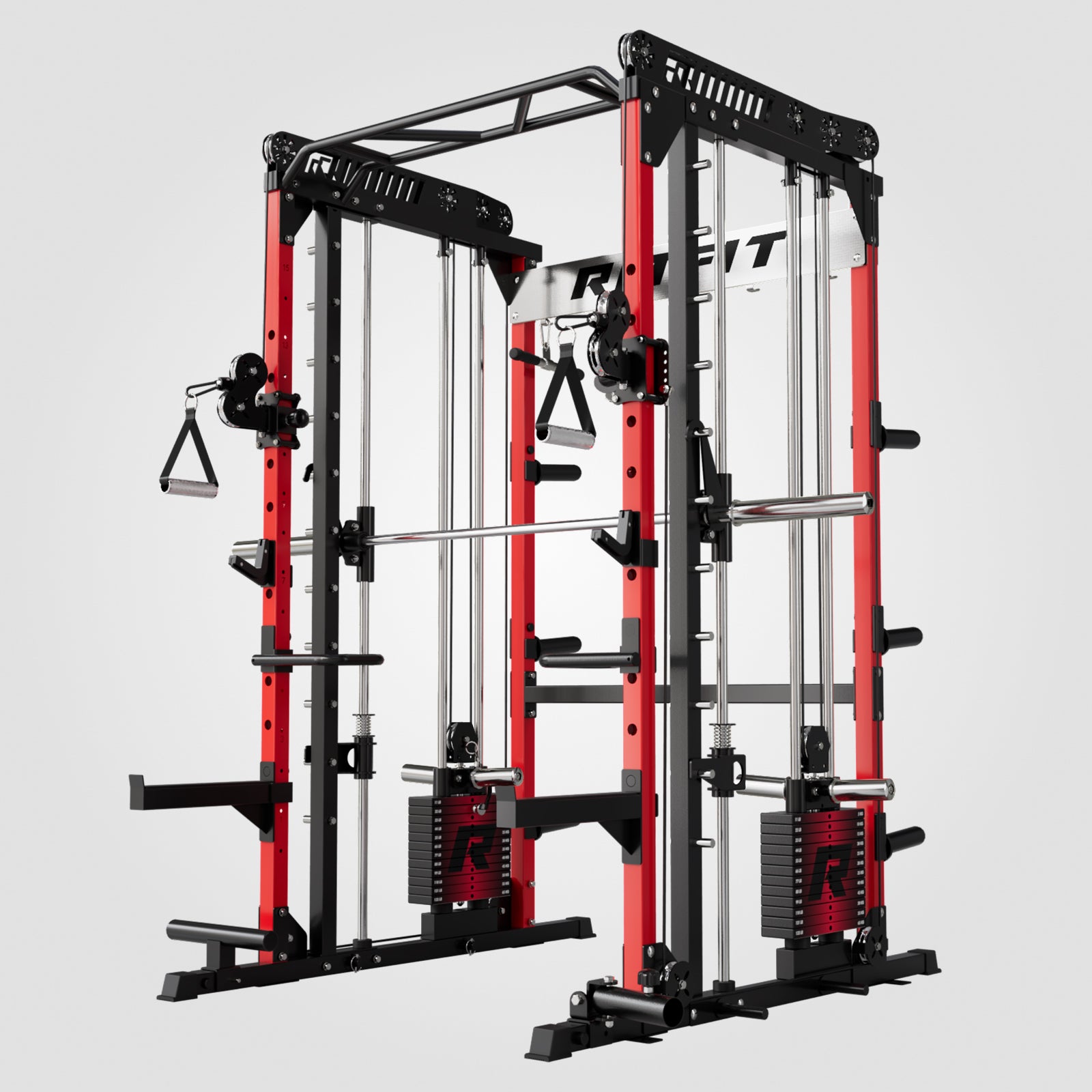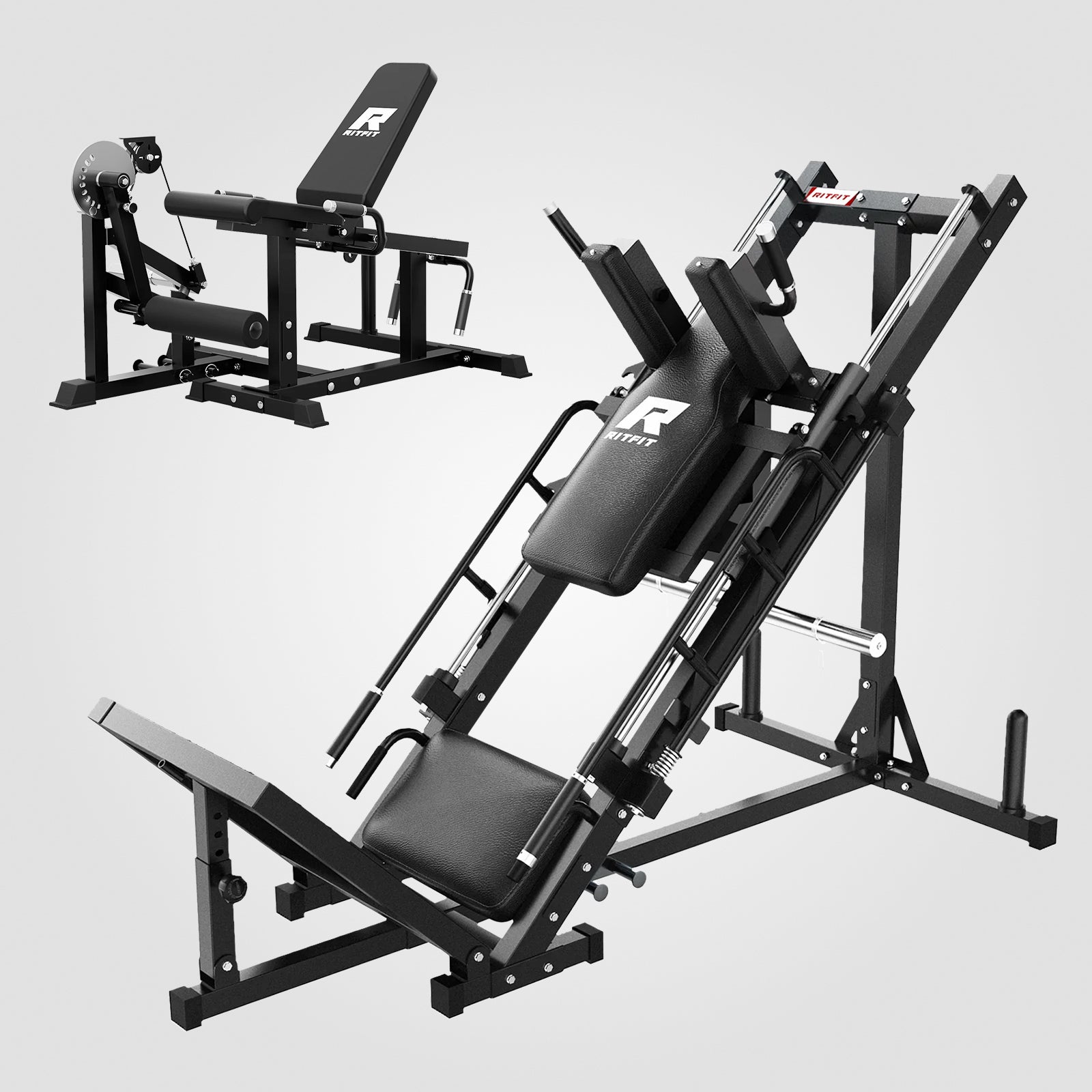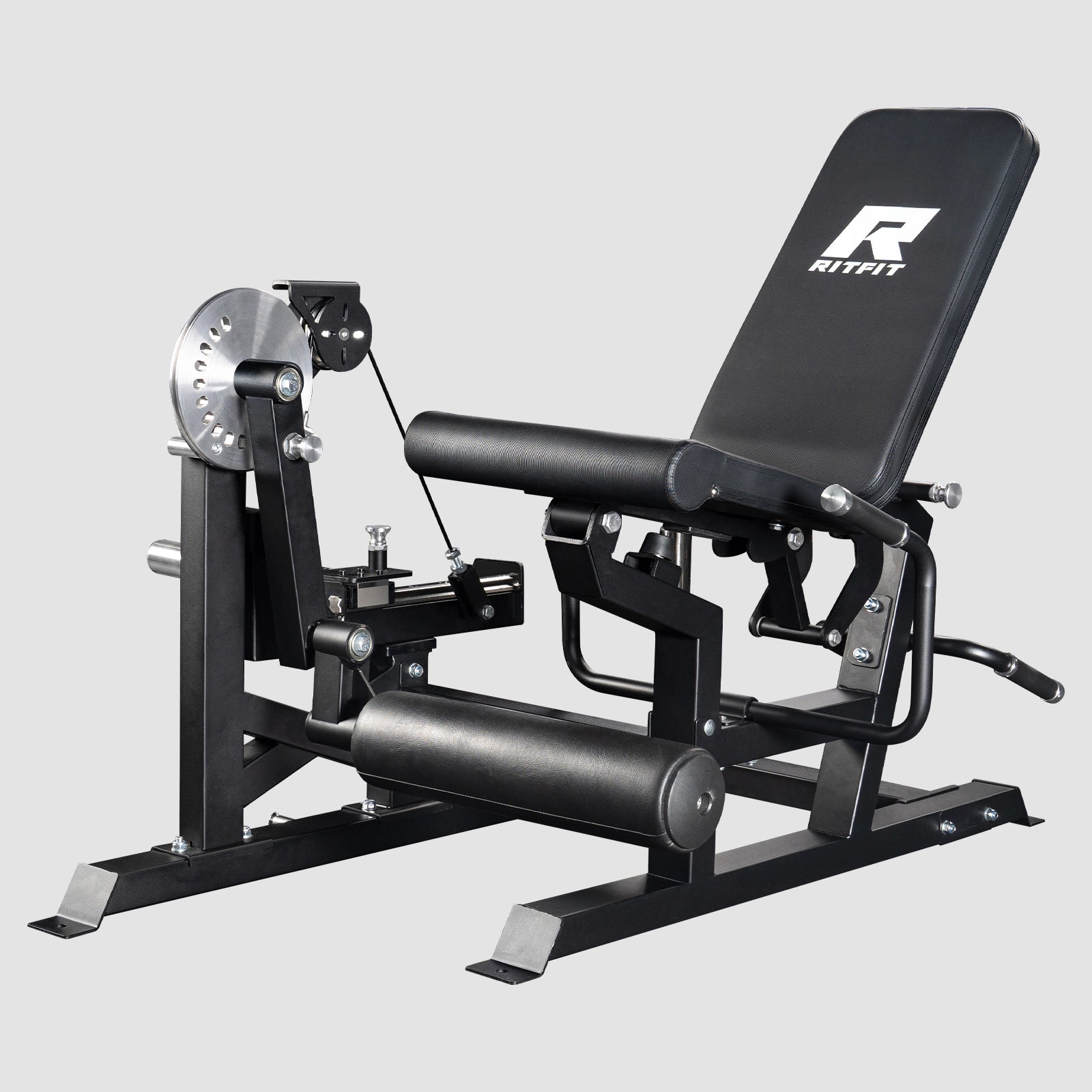
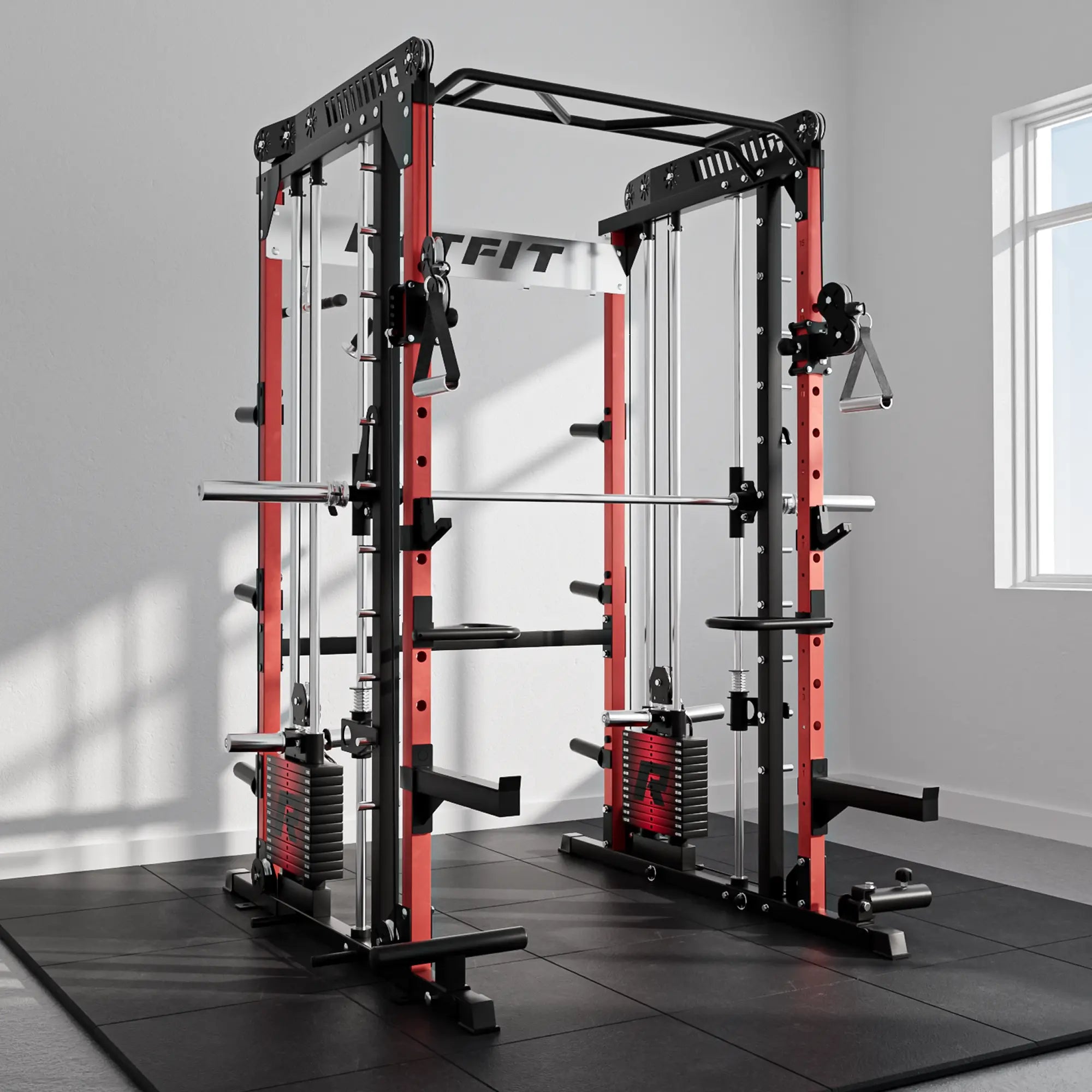

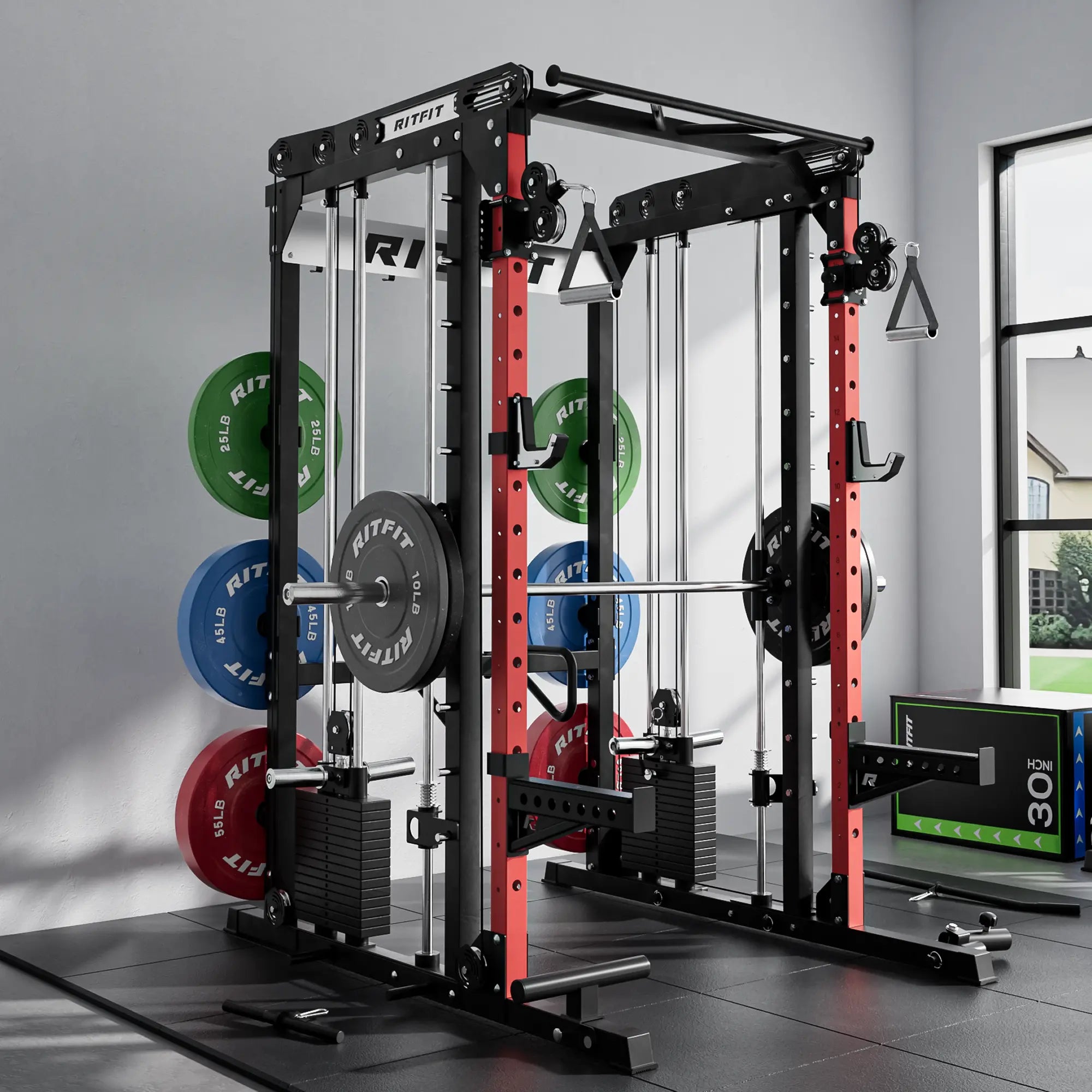
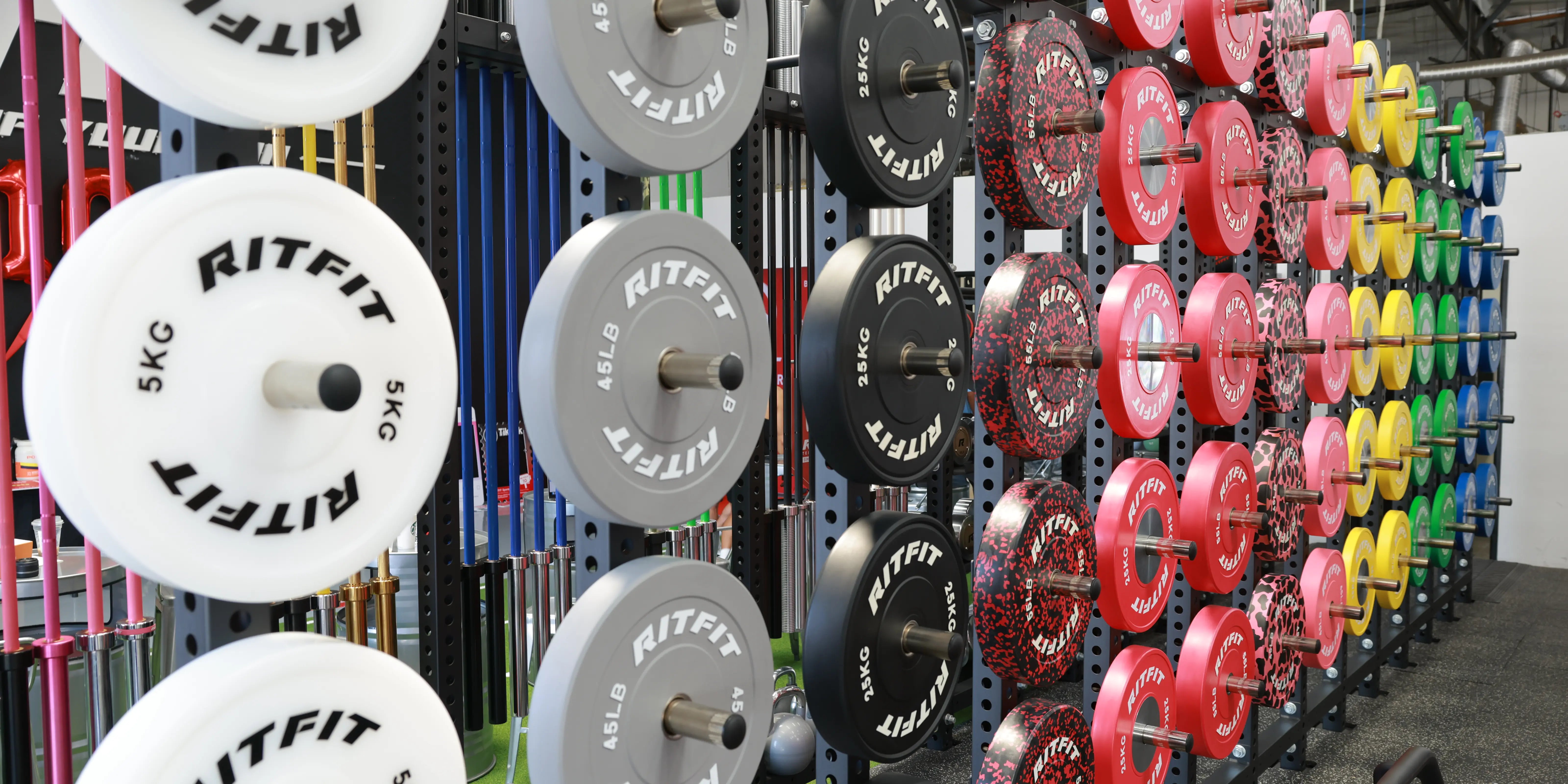


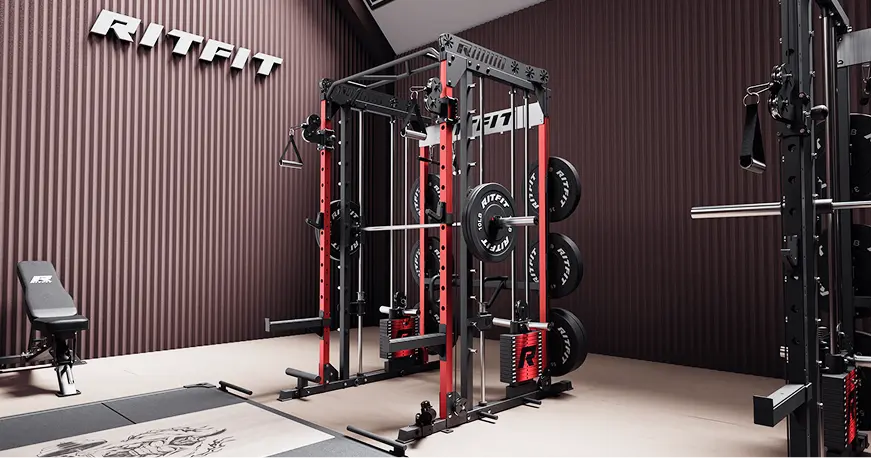
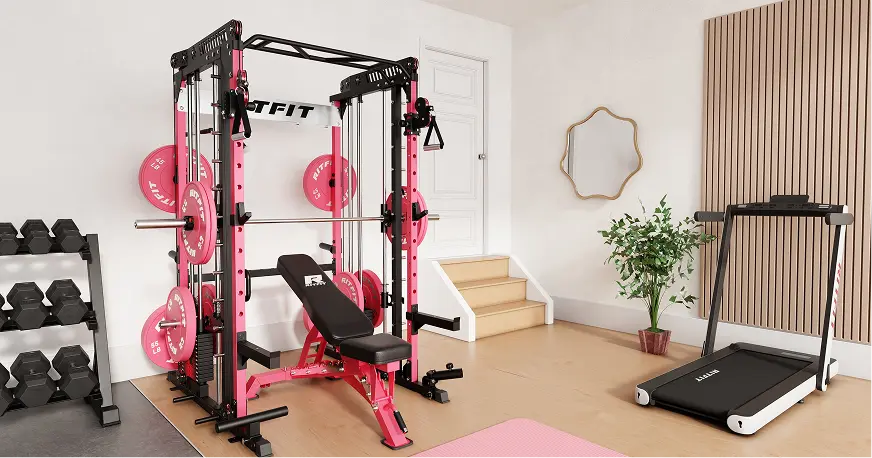
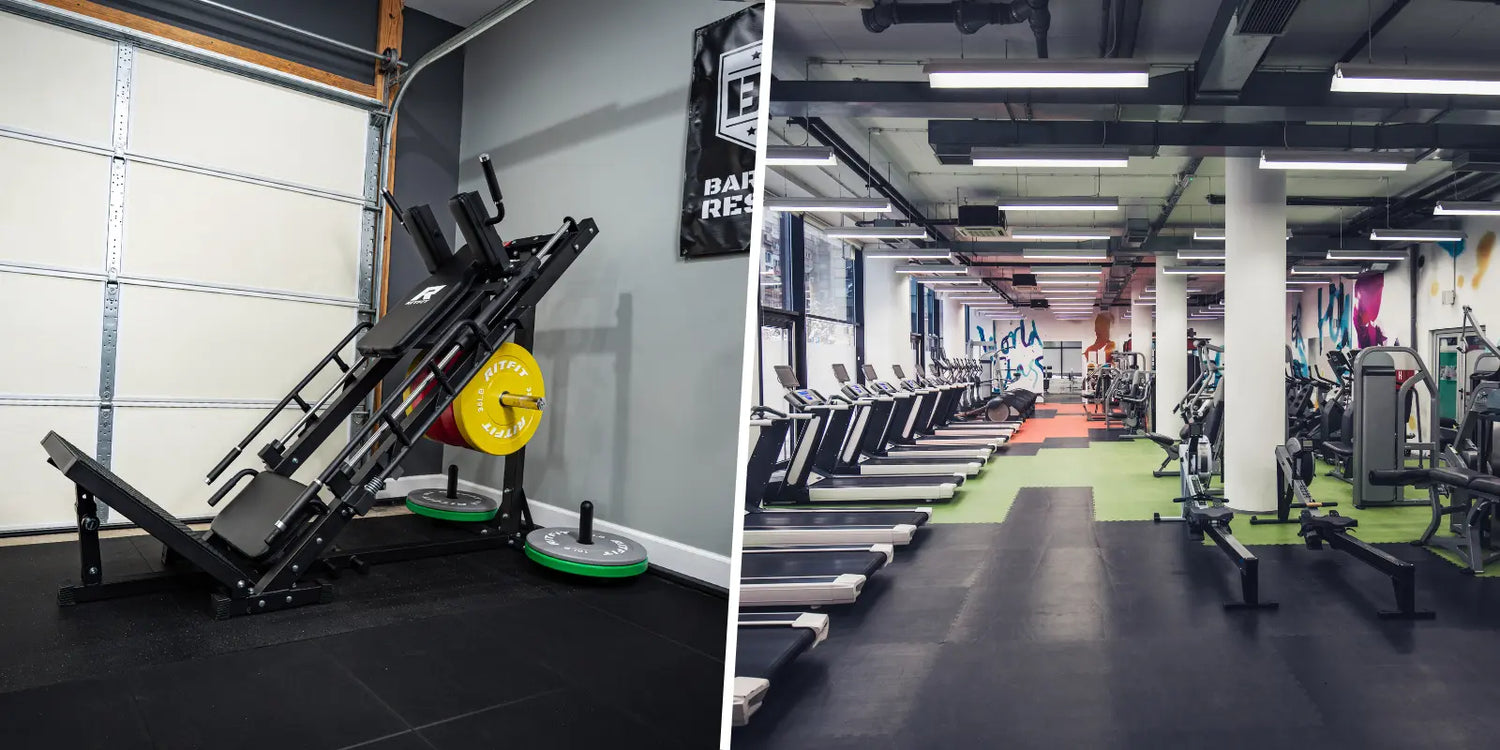
Buying home gym equipment can be worth it when it fits your training, your space, and the money you would otherwise spend on a gym. A membership can be the better choice when you value classes, coaching, specialized machines, or a place to train outside your home.
The useful comparison is not simply a one-time purchase against a monthly fee. Consider the full cost, the time each option requires, and whether you will actually use the equipment or membership.
Quick Answer: Home gym equipment is worth buying when you can afford the setup, have a suitable space, and expect to use it enough to justify its cost. A gym membership may offer better value if you need its facilities or prefer training around other people. Compare both using your own costs and habits.
Key Takeaways
- Cost: Compare your complete setup cost with membership fees and other costs you would actually avoid.
- Break even: Divide the home setup cost by the monthly savings, then revisit the calculation when your plans change.
- Training: Choose the setting that supports your preferred exercises and helps you follow a realistic schedule.
- Space: Measure the room and allow clearance for the equipment, your movements, and storage before buying.
- Flexibility: A small home setup and a membership can work together, but both costs belong in the comparison.
Overview: Home Gym vs. Gym Membership
A home gym trades an upfront purchase and dedicated space for control over your training environment. A gym membership provides access to a shared facility for recurring fees, subject to its terms and availability.
| Factor | Home gym | Gym membership |
|---|---|---|
| Cost | Equipment and setup upfront, plus upkeep and additions | Membership and any extra fees while you remain enrolled |
| Access | Train at home when your space is available | Travel to the facility and work within its hours |
| Equipment | Choose what fits your goals, budget, and room | Use the equipment and services your facility provides |
| Experience | More control over privacy and surroundings | Potential access to staff, classes, and other members |
Facility offerings and contract terms vary. Check your own options before comparing them.
Cost Comparison: Upfront vs. Ongoing
The cheaper option depends on what you buy, what your membership actually costs, and how long you use each option. Include the costs you will still have after switching, rather than treating every membership charge as automatic savings.
Initial Costs
A home setup may include equipment, delivery, flooring, assembly, and any room changes you choose to make. For a membership, check enrollment charges and any initial payment required by the contract.
Ongoing Costs
Equipment maintenance, replacement parts, and later upgrades can add to home costs. Memberships may involve recurring dues, annual charges, classes or services billed separately, and travel expenses.
Break Even Calculation
Estimate your home setup cost, subtract any costs you would pay under either option, and divide the remaining upfront cost by your expected monthly savings. Monthly savings equal the membership and travel costs you would stop paying, minus the additional monthly cost of training at home.
- Positive monthly savings: The result estimates how many months it may take for savings to cover the upfront cost.
- Zero or negative savings: There is no cost break even under those assumptions. A home gym may still be worthwhile for convenience or privacy.
- Hybrid plan: Include the membership you keep. Count resale proceeds only if and when you can reasonably estimate them, and do not treat financing interest as free.
Break even is a planning estimate, not a guarantee. Recalculate if your membership, equipment plans, usage, or costs change.
Convenience and Time Investment
A home gym can remove the trip to a facility, while a membership separates your workout from home responsibilities. The better choice depends on your commute, household routine, and the hours you can reliably train.
Accessibility and Schedule
At home, consider whether others share the room and when noise is acceptable. At a facility, check opening hours, holiday schedules, and whether the equipment you use is available when you normally visit.
Time Efficiency
Compare the full door-to-door gym trip with the time needed to set up, train, and put equipment away at home. A shorter trip is useful only if the resulting routine is one you will follow.
Workout Quality and Equipment Variety
Both a home gym and a membership can support a useful training routine when the available equipment matches your goals. List your essential exercises before choosing a facility or purchasing equipment.
Equipment Range
A membership may provide machines, free weights, and amenities that would be impractical to duplicate at home. A home setup can start with versatile equipment and expand as your training needs become clearer.
For a versatile starting point, explore adjustable dumbbells and weight benches. Choose the weight range and dimensions that match your own plan.
For ideas on using a bench, see this full body bench workout guide.
Training Options and Progression
Check whether you can perform your preferred squat, push, pull, hinge, and conditioning movements in the space you choose. Consider how you will make exercises more challenging over time without buying equipment you do not yet need.
Guidance and Coaching
Some facilities offer instruction or coaching, sometimes for an extra charge. If you train at home and want feedback, consider qualified coaching and confirm how it fits your budget.
Motivation, Discipline, and Experience
The setting that keeps you engaged is a personal choice. Privacy and easy access can make home training appealing, while a class, training partner, or dedicated facility may give another person a stronger reason to show up.
Environment and Social Factors
Think about whether you enjoy being around other people, prefer a quiet room, or need a boundary between work, home, and exercise. Visit a facility at your usual training time before signing a contract if the atmosphere matters to you.
Accountability and Habit Formation
Put workouts on your calendar and choose a routine that fits your actual week. A training partner, coach, or simple workout log can provide accountability in either setting.
Space, Noise, and Lifestyle Constraints
A home gym needs a workable space for both the equipment and the movements you intend to perform. A membership avoids dedicating that room at home but requires travel and access to the facility.
Space Requirements
Measure floor area, ceiling height, doorways, and the space needed to load, adjust, and move around equipment. Check the manufacturer's dimensions and clearance instructions before ordering, and consider how equipment will be stored.
Noise, Neighbors, and Household Factors
Consider floor protection, vibration, shared walls, household traffic, and any lease or building restrictions. Keep equipment and loose weights away from children and pets, and use storage suited to your setup.
“If your space is limited, a good set of adjustable dumbbells might be your better option. They will allow you to progress to heavier weight as you get stronger.”
Jeff Cavaliere, MSPT, CSCS, Physical Therapist and Strength Coach, ATHLEAN-X, Ultimate Total Body Dumbbell Workout
Compare equipment storage options with the space available in your room. A dumbbell rack is one option when its dimensions and capacity suit your weights.
Aesthetics and Home Value
Choose a setup you are comfortable seeing and living with, especially in a shared room. Avoid assuming a gym installation will increase your home's value, since the effect depends on the property and buyer.
Hygiene, Safety, and Comfort
Comfort and safe use depend on the condition of the space and the way equipment is used. Inspect the equipment, follow its instructions, and choose loads and exercises appropriate for your experience.
Cleanliness and Germ Exposure
At home, set a cleaning routine for surfaces and equipment. At a facility, check its cleaning supplies and practices, and clean shared equipment before and after use according to its posted rules.
Safety and Injury Risk
Use equipment within its stated limits and set any available safety supports according to the manufacturer's instructions. When an exercise calls for a spotter, arrange one or choose an appropriate alternative.
Comfort and Privacy
Consider temperature, ventilation, lighting, and privacy in either location. A garage or basement may need adjustments before it is a comfortable place to train.
Who Should Choose a Home Gym?
A home gym may suit you if you have a suitable room, a manageable upfront budget, and a routine you can perform with equipment you own. It can be especially appealing when travel or facility hours make membership harder to use.
Start with equipment for exercises you already plan to do. Confirm your available space and whether other household members can use the setup before committing to a larger purchase.
Who Should Choose a Gym Membership?
A gym membership may suit you if you value a broader choice of equipment, shared facilities, classes, or an environment away from home. It may also be more practical when your available room or upfront budget is limited.
Before joining, check the actual facilities, contract length, cancellation rules, and all mandatory charges. Make sure the location and opening hours work for the days you expect to train.
The Hybrid Approach: The Best of Both Worlds
A hybrid approach combines a small home setup with access to a gym for equipment or services you do not have at home. It can fit an unpredictable schedule, provided the combined cost is acceptable.
For example, keep a few versatile items at home for shorter sessions and use the facility for the exercises or classes that matter most to you. Review whether you use the membership enough to justify keeping it.
Decision Checklist: Home Gym vs. Gym Membership
Choose between a home gym and a membership by comparing the routine you can actually follow and its full cost. Use this checklist before you buy or sign.
- Schedule: When will you train, and is your chosen space or facility available then?
- Workout: Which exercises and services do you need now, and how will you progress?
- Space: Do the equipment, required clearance, noise, and storage fit your home?
- Budget: What are the upfront and recurring costs, including fees, delivery, upkeep, and travel?
- Commitment: What are the cancellation terms, and would a smaller starting setup or hybrid plan give you flexibility?
FAQs
Is a home gym cheaper than a gym membership long term?
It can be, but the outcome depends on your setup cost, ongoing expenses, membership charges, and how long you use each option. Calculate your own monthly savings before estimating a break even point.
Will I lose motivation if I choose a home gym versus a gym membership?
Not necessarily.
Some people prefer the convenience and privacy of home, while others value the social setting or structure of a facility.
Choose the environment that fits your habits and plan regular workouts.
What equipment do I need for a home gym versus a gym membership?
Choose home equipment around the exercises you plan to do, your available space, and your budget. A facility may already have the equipment you need, so check its selection before joining.
Can I combine a home gym and a gym membership?
Yes.
You can train at home when it suits your schedule and visit a facility for equipment, classes, or coaching.
Include both costs when deciding whether the combination is worthwhile.
Conclusion
Home gym equipment is worth buying when the setup supports your goals, fits your space, and makes sense for your budget. A membership or a hybrid plan may be more useful if you prefer shared facilities or need services you cannot easily replicate at home.
Write down your essential exercises, compare your actual costs, and choose the option you can use consistently. Start with what you need now and reassess as your routine changes.
For next steps, explore the home gym planning guide, home gym ideas, and beginner equipment guide.