
Isolation training is resistance training that emphasizes one target muscle through a single-joint movement, such as a biceps curl or knee extension. The term describes the focus of an exercise, not a way to switch every other muscle off.
Learn how isolation exercises differ from compound lifts, what a small group of studies can and cannot tell you, and how to decide whether focused accessory work belongs in your home workout.
Quick Answer: Isolation training uses movements that mainly emphasize one muscle or joint action, usually through a single joint. It can add focused work to a program, while compound exercises train several joints and muscle groups together; neither category is automatically best, and neither fully isolates a muscle.
Key Takeaways
- Meaning: Isolation training emphasizes a target muscle, usually with a movement centered on one joint.
- Not literal: Supporting and stabilizing muscles can still contribute during a so-called isolation exercise.
- Different tools: Compound lifts are time-efficient for training several muscle groups, while single-joint work can focus effort on one area.
- Evidence has limits: Small studies in specific groups do not prove that one exercise category is universally superior.
- Use with purpose: Add focused work when it addresses a clear goal and fits the time and recovery available to you.
What Is Isolation Training?
Isolation training is a way of emphasizing one target muscle with an exercise that mainly moves one joint. A biceps curl centers on elbow flexion, while a knee extension centers on knee extension.
"Isolation" is a convenient training label, not a literal description of how the body works. Other muscles can assist, stabilize, or contribute force, and the amount depends on the exercise setup and your technique.
Other muscles can assist or stabilize during a focused movement, so the term describes emphasis rather than exclusive muscle action. The exercise choice narrows the task without making the target muscle work alone.
How Do Isolation and Compound Exercises Differ?
Isolation exercises mainly emphasize one joint action, while compound exercises coordinate movement across multiple joints. A curl is a common single-joint example; a row uses the shoulder and elbow together.
The distinction can help you choose an exercise, but it does not tell you by itself how effective a movement will be. Load, range of motion, effort, technique, training volume, and your goal all shape the work a muscle receives.
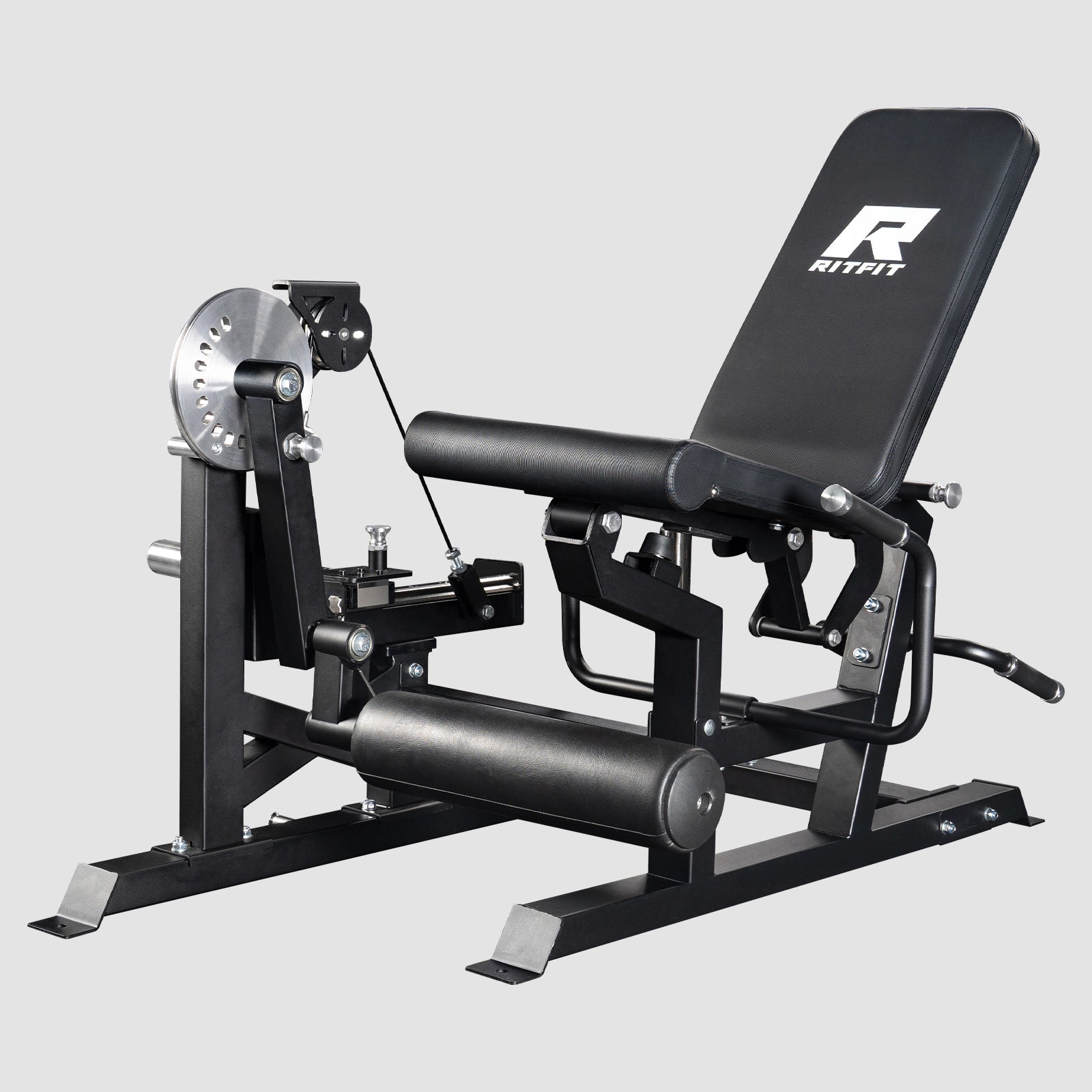
- Isolation emphasis: Use a leg extension when you want a movement centered on knee extension, or a lateral raise when you want to emphasize shoulder abduction.
- Compound emphasis: Use a squat, press, or row when you want several joints and muscle groups to contribute in one exercise.
- Programming trade-off: Multi-joint lifts can cover more muscle groups in less time, while a single-joint movement may make it easier to add work focused on one area.
“However, single joint movements do allow for better targeting of individual muscles and thus can be an important part of a hypertrophy-oriented routine.”
Brad Schoenfeld, PhD, CSCS, CSPS, FNSCA, “The Hypertrophy Specialist,” T NATION
This supports using focused work as one option within a broader plan, rather than treating it as a replacement for every compound lift.
For a wider view of exercise organization, see a circuit-style workout and what a rep means in strength training.
What Does Research Say About Single-Joint Training?
Research does not establish one exercise category as best for every person or outcome. The available comparisons are tied to specific participants, exercises, and training protocols, so their findings should be read within those limits.
One study of 29 untrained young men used twice-weekly training for 10 weeks using either lat pulldowns or biceps curls. Researchers found no significant between-group difference in measured elbow-flexor strength or muscle thickness, a result that applies to this sample and setup rather than every program.[1]
A 2026 study followed 17 untrained adults for 12 weeks and compared leg press with knee extension. Overall quadriceps growth was comparable, while growth differed across some measured muscles, including the rectus femoris, gluteus maximus, and adductor magnus.[2]
These results show why exercise labels alone cannot predict every adaptation. A single-joint movement may emphasize a particular muscle, while a multi-joint movement may distribute effort across several muscles; the best fit depends on what you want to train and how the full program is arranged.
For context, the studies described here do not settle questions about every training age, exercise variation, muscle group, or long-term routine. They offer useful comparisons, not a universal ranking.
When Is Isolation Work Useful in a Program?
Isolation work can be useful when you have a clear reason to emphasize one muscle or joint action. It may help you add focused training after compound lifts, practice a movement with fewer moving joints, or keep a session varied when your equipment and schedule allow.
It is an option, not a required phase of every workout. If your available time is limited, compound exercises can train several areas together; add single-joint work when the extra focus is worth the time and recovery it uses.
- Targeted volume: A curl can add direct elbow-flexor work after rows or pulldowns.
- Exercise preference: A movement you can perform consistently and with controlled technique may be easier to keep in your routine.
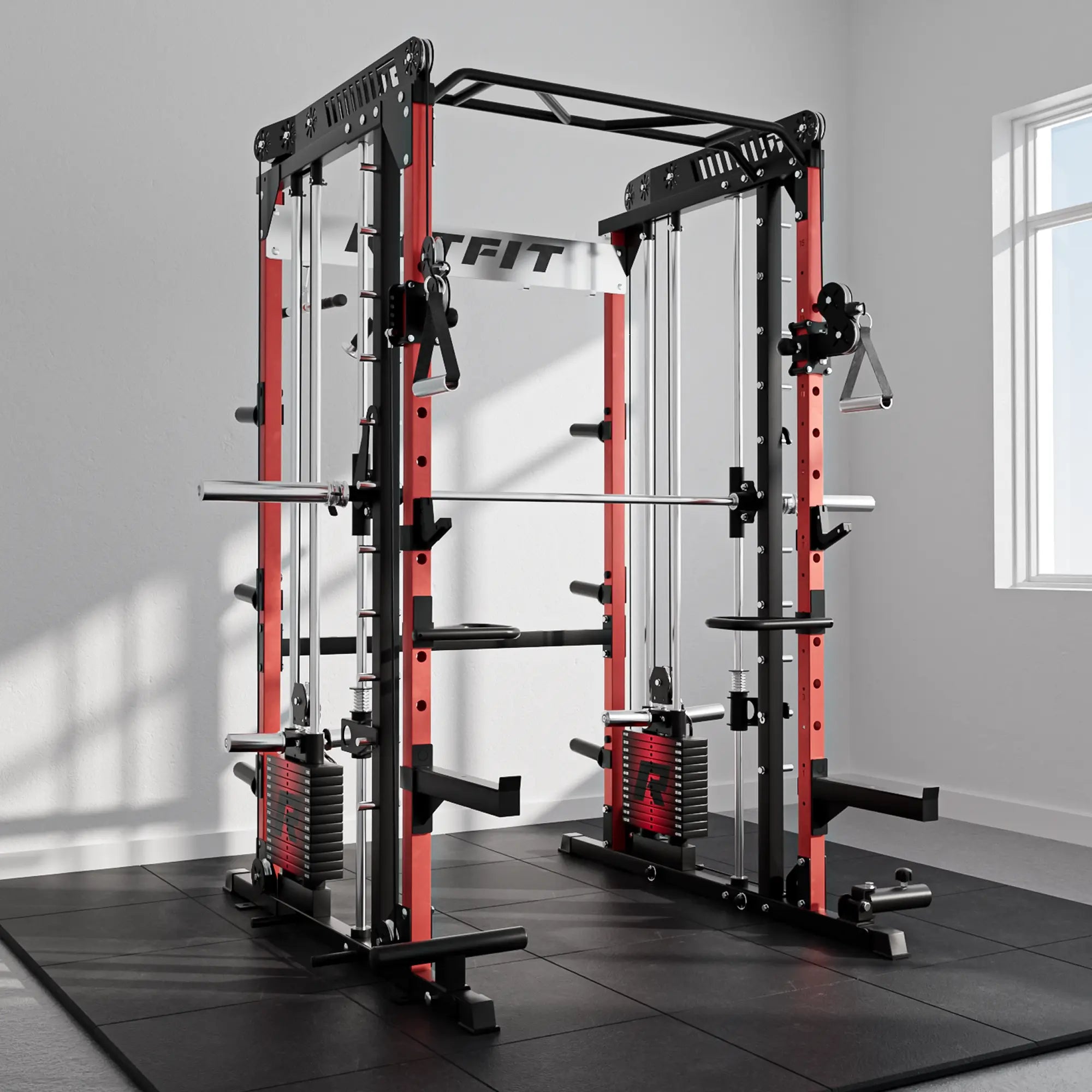
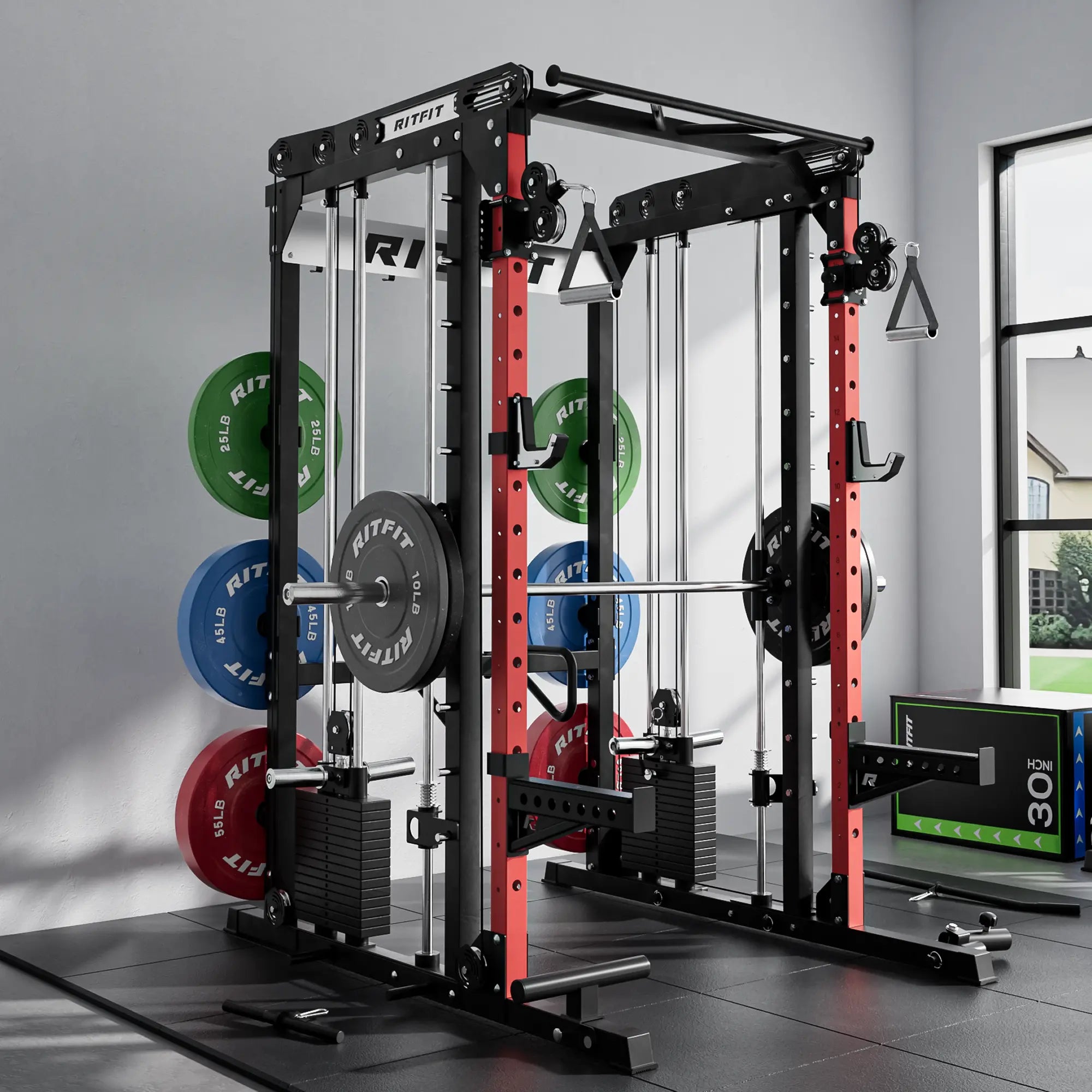
- Equipment flexibility: A cable station can support different movement patterns, but the exercise still needs to match your goal and be performed appropriately.
A 2022 narrative review of pre-exhaustion examined varied study designs and found no support for the idea that placing an isolation exercise before a compound lift is superior for long-term strength, hypertrophy, or body composition.[3] Exercise order can still reflect the priority of your session, but pre-fatiguing a muscle is not a proven shortcut.
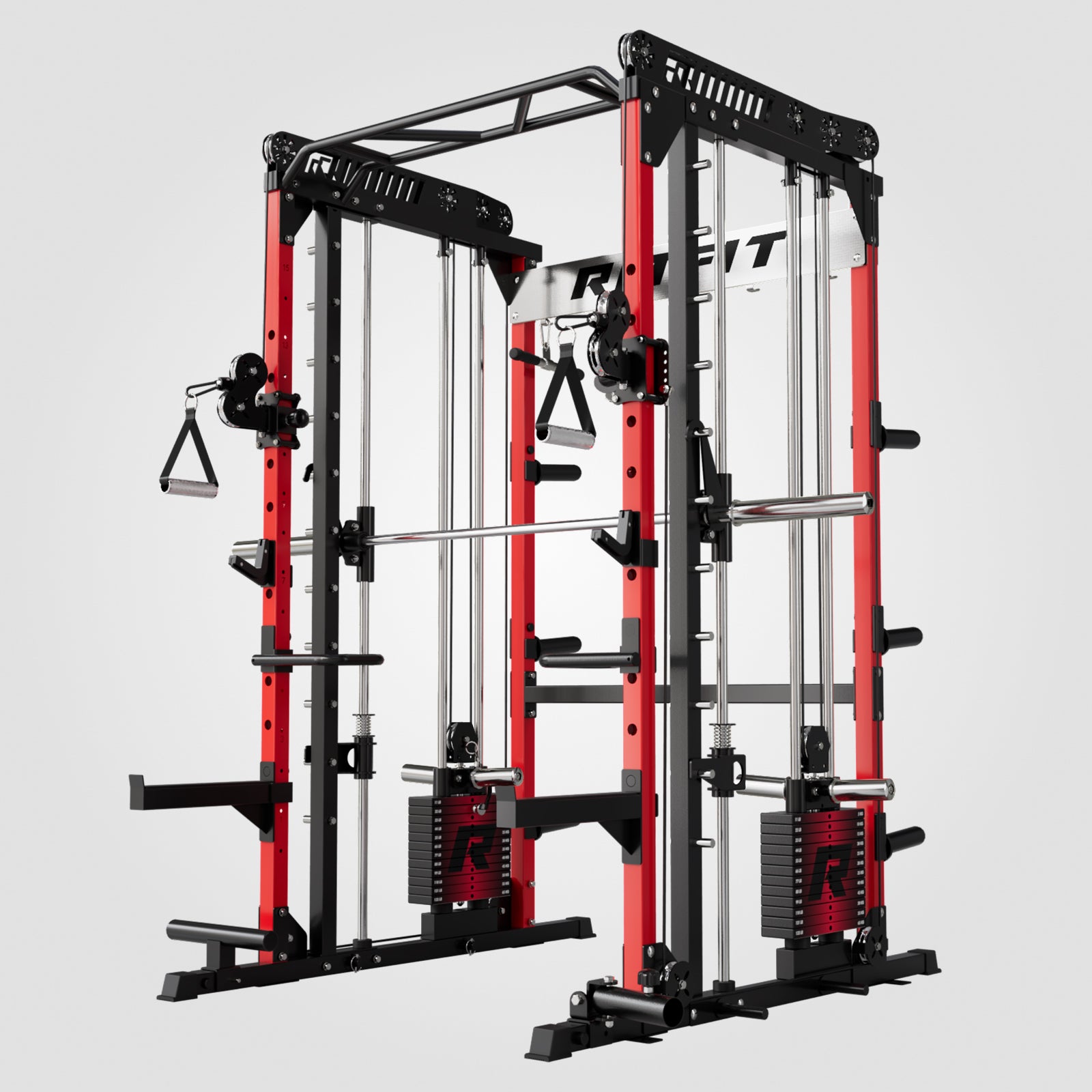
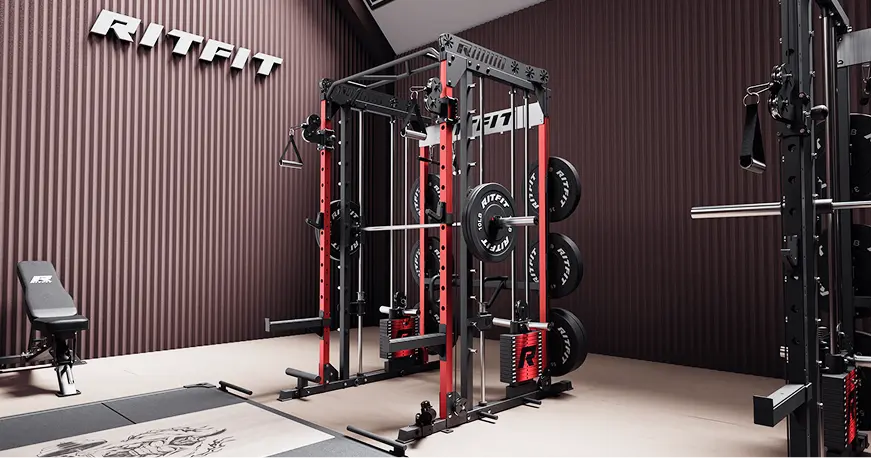
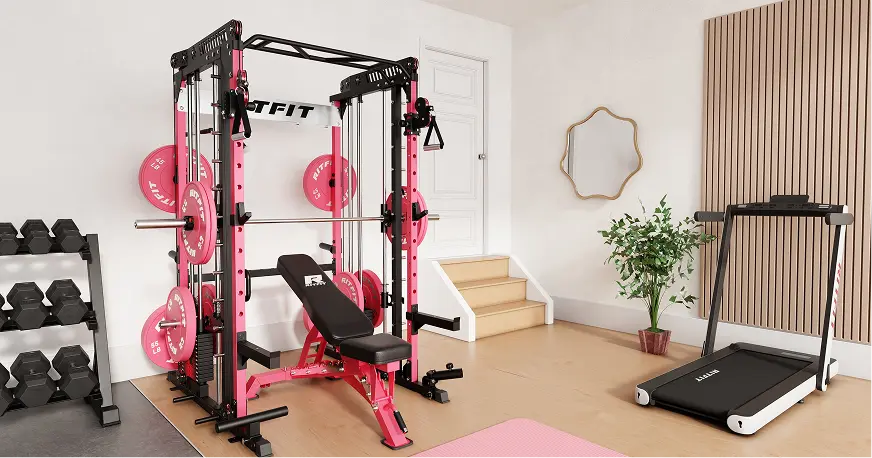
This official cable-machine video shows a multi-function training setup, not isolation technique or evidence for a training outcome. You can also browse functional training equipment or read a leg-training plan for related workout context.
How Can You Add Isolation Exercises to a Workout?
You can add isolation work by first deciding what your main lifts already train and then choosing a focused movement only if it fills a real gap. Keep the exercise simple enough to perform with control and fit it into the time you have.
- Start with the goal: Name the muscle or joint action you want to emphasize, such as elbow flexion or knee extension.
- Choose a fitting movement: Match the exercise to the target and equipment available, then use a comfortable range of motion.
- Place it with intent: Put technically demanding or priority lifts earlier when freshness matters, and use accessory work later when it supports the session.
- Progress gradually: Track the load, repetitions, or control you can maintain, and make small adjustments rather than forcing a jump.
- Review the response: If technique changes substantially or discomfort becomes sharp or worse, stop that movement and reassess it.
Beginners do not need a long list of isolation exercises to build a useful routine. Learn basic movement patterns first, then add a focused exercise when it serves a specific purpose and does not crowd out the rest of your plan.
If you are learning training vocabulary, see how training close to failure fits into a workout and a home strength plan for BJJ.
Common Mistakes With Isolation Training
The most common mistake is treating "isolation" as proof that a movement trains only one muscle or guarantees a better result. The label describes emphasis, while your actual training response depends on the movement and the wider program.
- Replacing every compound lift: Focused exercises can complement multi-joint work, but the choice should match your goals and available time.
- Chasing fatigue as the goal: A burning sensation or pump does not by itself show that an exercise is more effective.
- Using pre-exhaustion as a rule: The current review evidence does not establish it as superior for long-term outcomes.
- Ignoring technique: Reduce the load or adjust the movement if you cannot control the range you intend to use.
For a broader resistance-training overview, see this guide to resistance training in a specific population. Its population focus is distinct from the general exercise definitions in this article.
FAQs About Isolation Training
What is an isolation exercise?
An isolation exercise is a movement that mainly emphasizes one target muscle or joint action, such as a biceps curl. Other muscles still help stabilize or move the body, so isolation describes the exercise focus rather than switching every other muscle off.
Are isolation exercises better than compound exercises?
No. Isolation and compound exercises serve different purposes, and neither category is automatically better for every goal. Compound lifts train several joints and muscle groups together, while single-joint work can add focused volume. Choose based on your program, experience, available time, and the muscles you want to train.
Can isolation training build muscle?
Yes. A single-joint exercise can contribute to muscle growth when it provides a suitable challenge and fits into a consistent resistance-training plan. Research comparisons are specific to their participants and protocols, so they do not prove that every exercise or program produces the same result for every lifter.
Should isolation exercises come before or after compound lifts?
For many general strength workouts, place demanding compound lifts first so you can perform them while relatively fresh, then add isolation exercises if they serve a clear purpose. Exercise order can change with the priority of a session, but pre-exhaustion has not been shown to be universally superior for long-term outcomes.
How many isolation exercises should a beginner do?
There is no single number that fits every beginner. Start by learning a few basic multi-joint patterns, then add one or two focused movements only when they address a clear goal and can be recovered from. Keep technique controlled, progress gradually, and adjust if a movement causes sharp or worsening discomfort.
Conclusion
Isolation training emphasizes a target muscle through a movement that mainly uses one joint, but no loaded exercise makes that muscle work entirely alone. Use single-joint work when its focused role supports your goals, and keep the limits of each study in mind when comparing exercise types.
Choose one clear training priority for your next session, then build the rest of the workout around it. For store information, see the RitFit discount guide.
Disclaimer
This article is for general educational purposes and is not individualized medical or training advice. Use controlled technique, and consult a qualified professional about persistent pain, health concerns, or exercise modifications.
References
[1] Gentil P, Soares S, Bottaro M. Single vs. Multi-Joint Resistance Exercises: Effects on Muscle Strength and Hypertrophy. Asian J Sports Med. 2015;6(2):e24057. doi:10.5812/asjsm.24057. PMCID: PMC4592763
[2] Kinoshita M, Maeo S, Kobayashi Y, et al. Hypertrophic Effects of Single- versus Multi-Joint Exercise: A Direct Comparison between Knee Extension and Leg Press. Med Sci Sports Exerc. 2026;58(7):1566-1580. doi:10.1249/MSS.0000000000003957. PMCID: PMC13215645
[3] Trindade TB, Alves RC, de Castro BM, et al. Pre-exhaustion Training, a Narrative Review of the Acute Responses and Chronic Adaptations. Int J Exerc Sci. 2022;15(3):507-525. doi:10.70252/CEVS9112. PMCID: PMC9022698