Table of Contents
- What Muscles Do Bench Leg Workouts Target?
- Why Are Leg Day Exercises Important?
- Warm Up for Bench Leg Workouts
- How to Do Leg Workouts at Home With a Bench
- How to Make Bench Leg Workouts Harder
- How Often Should You Train Legs at Home?
- Sample Leg Day Workout With a Bench
- Cool Down for Knee and Hip Health
Leg workouts at home with a bench can help you train your quads, glutes, hamstrings, calves, and hip stabilizers without a full gym setup. With a sturdy weight bench, your bodyweight, and optional dumbbells, you can build strength, balance, and lower body muscle in a small home gym space.
A bench based leg workout is useful because it helps you train one leg at a time, control your range of motion, and challenge your lower body without large machines. If you are building a compact home gym, start with a stable weight bench and add resistance only after your form is consistent.
For lifters who want a dedicated bench option for home strength training, the RitFit GATOR Adjustable Weight Bench is the most relevant bench product to pair with this style of workout. A strong bench also supports upper body training, core work, and full body routines beyond leg day.
Key Takeaways
- A weight bench can turn simple bodyweight moves into effective lower body strength exercises.
- Step ups, Bulgarian split squats, and single leg squats are the most useful bench leg exercises for home training.
- Beginners should start with controlled bodyweight reps before adding dumbbells.
- Bench jumps should be replaced with step overs if the bench is narrow, padded, adjustable, or unstable.
- Training legs one to two times per week is enough for most beginners when total weekly sets are managed well.
What Muscles Do Bench Leg Workouts Target?
Bench leg workouts target the quads, glutes, hamstrings, calves, adductors, abductors, and hip stabilizers. These muscles support walking, climbing stairs, squatting, lifting, balance, and athletic movement.
- Quadriceps: These muscles straighten the knee during step ups, split squats, and squat to bench movements.
- Glutes: The glutes extend the hips and help control the pelvis during single leg work.
- Hamstrings: The hamstrings assist hip extension and help stabilize the knee during lowering phases.
- Calves: The calves help control ankle movement during step ups, jumps, and step overs.
- Hip stabilizers: The abductors and adductors help keep the knee aligned and improve balance.
Research on common strength and hypertrophy exercises suggests that step up variations can produce high gluteus maximus activation, which makes them a valuable choice for home lower body training.[1] For more lower body ideas, you can also review RitFit's guide to building leg muscle.
Why Are Leg Day Exercises Important?
Leg day matters because your lower body contains large muscle groups that support strength, movement quality, and daily function. A well planned leg workout can improve balance, joint control, and full body training performance.
Lower body exercises are usually compound movements, so they train multiple joints and muscles at the same time. Resistance training research suggests that total weekly training volume is an important factor for hypertrophy, so consistent leg training matters more than occasional hard sessions.[2]
- Better strength carryover: Strong legs support squats, deadlifts, presses, carries, and athletic movements.
- Improved balance: Single leg bench exercises force the hips and core to stabilize the body.
- More efficient workouts: Compound leg exercises train several muscle groups in less time.
- Better home gym value: A bench can support both lower body and upper body training in one compact station.
Warm Up for Bench Leg Workouts
A warm up prepares your hips, knees, ankles, and nervous system before harder lower body sets. Spend about five minutes moving smoothly before you start loading the workout.
- Bodyweight squats: Perform 30 to 45 seconds to warm the knees, hips, and ankles.
- Reverse lunges: Alternate legs for 30 to 45 seconds and keep your steps controlled.
- Glute bridges: Use the floor or bench to wake up the glutes before single leg work.
- High knee marches: March in place for 30 to 45 seconds to raise body temperature.
- Ankle circles and calf raises: Move slowly to improve ankle readiness before step ups.
Do not force a painful range of motion during the warm up. If your knees, hips, or ankles feel irritated, reduce depth and move slower.
How to Do Leg Workouts at Home With a Bench
You can train legs at home with a bench by using step ups, split squats, squat to bench variations, and controlled step overs. Add dumbbells only when bodyweight reps feel stable and repeatable.
A bench gives you height, support, and target depth, which makes it useful for beginners and intermediate lifters. You can also explore more weight bench exercises at home if you want to expand beyond leg training.
Step Up
Muscles worked: Glutes, quads, hamstrings, calves, and core stabilizers.
How to Do It
- Stand facing the bench with your feet about hip width apart.
- Place your full right foot on the bench and keep the heel planted.
- Press through the working heel and stand tall at the top.
- Step down under control and repeat on the same side or alternate legs.
Form Tips
- Control the trailing foot: Do not bounce hard off the floor with the back leg.
- Keep the knee aligned: Track the working knee in the same direction as the toes.
- Choose the right height: Use a lower bench if your hips shift or your knee feels uncomfortable.
Sets and reps: Perform 3 sets of 8 to 12 reps per leg, with 60 to 90 seconds of rest.

Single Leg Squat to Bench
Muscles worked: Quadriceps, glutes, hamstrings, core, and hip stabilizers.
How to Do It
- Stand in front of the bench with your back facing it.
- Shift your weight onto one leg and lift the other foot slightly off the floor.
- Sit your hips back and lower until your glutes lightly touch the bench.
- Drive through the working heel and stand back up with control.
Form Tips
- Use the bench as a target: Do not fully relax at the bottom.
- Start supported: Keep the non working heel lightly on the floor if balance is difficult.
- Move slowly: A controlled lowering phase builds strength and protects form.
Sets and reps: Perform 2 to 3 sets of 6 to 8 reps per leg, focusing on clean movement.

Low Impact Bench Step Over
Muscles worked: Quads, glutes, calves, hamstrings, abductors, and adductors.
How to Do It
- Stand beside the bench with your feet under your hips.
- Step one foot onto or over the bench while keeping your torso controlled.
- Bring the second foot across and land softly on the other side.
- Repeat in the opposite direction while keeping your steps light and steady.
Form Tips
- Choose stability first: Do not jump on a narrow, soft, or unstable adjustable bench.
- Use quiet feet: Soft landings reduce unnecessary joint stress.
- Progress carefully: Advanced lifters can use faster step overs, but control should come first.
Sets and reps: Perform 3 sets of 10 to 15 total reps, with 45 to 60 seconds of rest.

Bulgarian Split Squat
Muscles worked: Quads, glutes, hamstrings, adductors, and hip stabilizers.
How to Do It
- Stand about two to three feet in front of the bench with your back facing it.
- Place the top of one foot or the ball of one foot on the bench behind you.
- Brace your core and lower your hips straight down under control.
- Press through the front heel and return to the starting position.
Form Tips
- Adjust your stance: Move the front foot until your knee tracks comfortably over the toes.
- Start with bodyweight: Add dumbbells only after your balance is consistent.
- Protect the knee: Reduce depth if you feel sharp pain or pinching.
Sets and reps: Perform 3 sets of 8 to 10 reps per leg, with 60 to 90 seconds of rest.

How to Make Bench Leg Workouts Harder
Make bench leg workouts harder by increasing difficulty one variable at a time. This helps you progress without turning every set into uncontrolled fatigue.
- Add reps first: Increase each set by one or two reps before adding load.
- Slow the lowering phase: Use a three second descent on step ups and split squats.
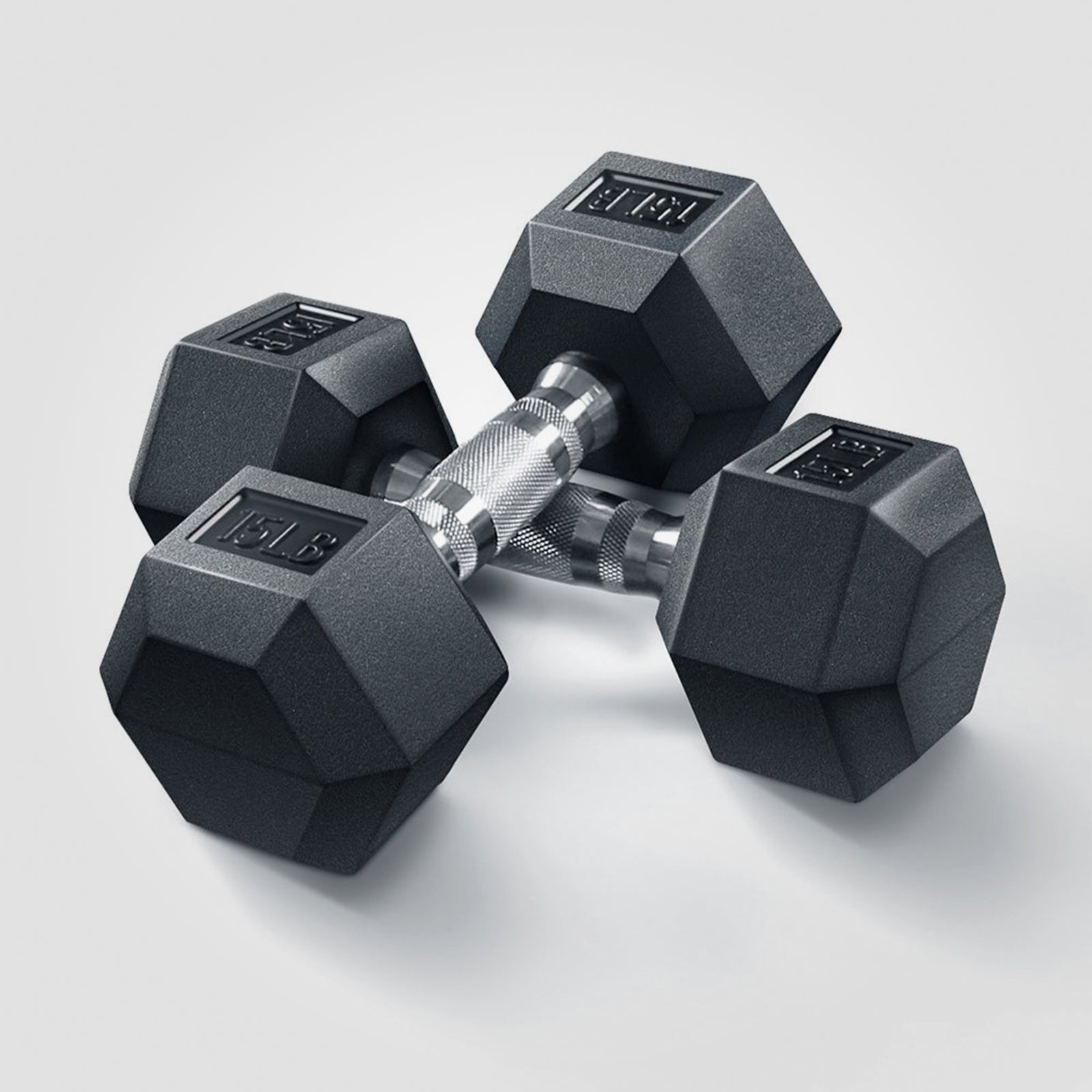
- Add dumbbells: Hold dumbbells at your sides once bodyweight reps feel stable.
- Add one extra set: Increase volume only if soreness and recovery are manageable.
- Rotate similar movements: Use step ups, split squats, and lunges across different weeks to keep training engaging.
Exercise variation can improve training motivation while still producing similar muscle adaptations when programming is controlled.[3] For more home resistance options, see this dumbbell leg workout.
How Often Should You Train Legs at Home?
Most beginners can train legs one to two times per week with a bench. Intermediate lifters often do well with two weekly leg sessions if recovery, sleep, and total training volume are managed.
Research comparing two versus three weekly resistance training sessions found similar muscular adaptations when programming was structured appropriately.[4] This means consistency, effort, and weekly volume often matter more than forcing a specific number of leg days.
- Beginners: Start with 1 to 2 leg days per week and about 8 to 12 hard lower body sets.
- Intermediate lifters: Use 2 leg days per week and about 12 to 16 hard lower body sets.
- Recovery rule: Reduce volume if soreness affects walking, sleep, or your next workout.
Sample Leg Day Workout With a Bench
This sample bench leg workout trains the full lower body in about 25 to 40 minutes. Use bodyweight first, then add dumbbells when all reps are smooth.
- Warm up: 5 minutes of squats, reverse lunges, glute bridges, marches, and ankle mobility.
- Step up: 3 sets of 8 to 12 reps per leg.
- Bulgarian split squat: 3 sets of 8 to 10 reps per leg.
- Single leg squat to bench: 2 to 3 sets of 6 to 8 reps per leg.
- Low impact bench step over: 3 sets of 10 to 15 total reps.
- Cool down: 3 to 5 minutes of light stretching.
If you want a more complete bench training plan, read RitFit's best bench workout routines guide. You can also pair this lower body session with full body workouts using a home workout bench.
Cool Down for Knee and Hip Health
A short cool down helps your muscles relax after bench leg exercises. Keep each stretch gentle and avoid pushing into sharp pain.
- Standing quad stretch: Hold for 20 to 30 seconds per side.
- Bench supported hamstring stretch: Hold for 20 to 30 seconds per side.
- Figure four glute stretch: Hold for 20 to 30 seconds per side.
- Calf stretch: Hold against a wall or bench for 20 to 30 seconds per side.
Stretching should feel mild, not painful. If hamstrings are a limiting factor, use this guide to hamstring workouts with a home workout bench.
FAQs About Leg Workouts at Home With a Bench
Can I build leg muscle with only a bench at home?
Yes. You can build leg muscle with a bench if you train close to fatigue, use controlled reps, and progress over time. Step ups, Bulgarian split squats, and single leg squats create enough lower body challenge for many beginners and intermediate lifters.
What are the best bench leg exercises for beginners?
The best beginner bench leg exercises are step ups, supported single leg squats, glute bridges, and low impact step overs. These movements teach balance, knee control, and hip stability before you add dumbbells or more advanced single leg variations.
How high should a bench be for step ups?
A good bench height lets your working foot stay fully planted while your knee and hip feel comfortable. If your knee caves inward, your hip shifts, or you need to push hard from the floor, choose a lower surface.
Are bench leg workouts safe for bad knees?
Yes. Bench leg workouts can be knee friendly when you use controlled range of motion and proper alignment. Keep your knee tracking with your toes, avoid sharp pain, lower the bench height, and consult a qualified professional if pain continues.
Should I use dumbbells for leg workouts with a bench?
Yes. Dumbbells are useful after you can complete bodyweight reps with stable form. Start light, hold the weights at your sides, and increase load only when your balance, knee position, and lowering control remain consistent.
How many sets should I do for a bench leg workout?
Most beginners can start with 8 to 12 hard lower body sets per week. For this workout, three sets of step ups, split squats, and step overs plus two sets of single leg squats is a practical starting point.
Can a bench replace leg machines for home workouts?
Yes. A bench can replace many basic leg machine patterns for general home strength training. It will not copy every machine exactly, but single leg exercises can train the quads, glutes, hamstrings, calves, and stabilizers very effectively.
What should I do if bench split squats hurt my knees?
Reduce the depth, shorten or lengthen your stance, and keep your front knee aligned with your toes. If pain continues, switch to step ups or supported squats and get guidance from a qualified professional before loading the movement.
Conclusion
Leg workouts at home with a bench are simple, space efficient, and effective when you focus on stable form, controlled reps, and gradual progression. Use step ups, split squats, single leg squats, and low impact step overs for 6 to 8 weeks, then adjust reps, sets, or dumbbell load as you get stronger.
Disclaimer: This article is for general fitness education only and is not medical advice. Stop any exercise that causes sharp pain, dizziness, or joint discomfort, and consult a qualified health or fitness professional if you have injuries, chronic pain, balance concerns, or medical conditions.
References
- Neto WK, Soares EG, Vieira TL, Aguiar R, Chola TA, Sampaio VL, Gama EF. Gluteus maximus activation during common strength and hypertrophy exercises: a systematic review. J Sports Sci Med. 2020;19(1):195-203.
- Baz-Valle E, Balsalobre-Fernandez C, Alix-Fages C, Santos-Concejero J. A systematic review of the effects of different resistance training volumes on muscle hypertrophy. J Hum Kinet. 2022;81:199-210. doi:10.2478/hukin-2022-0017
- Baz-Valle E, Schoenfeld BJ, Torres-Unda J, Santos-Concejero J, Balsalobre-Fernandez C. The effects of exercise variation in muscle thickness, maximal strength and motivation in resistance trained men. PLoS One. 2019;14(12):e0226989. doi:10.1371/journal.pone.0226989
- Lasevicius T, Schoenfeld BJ, Grgic J, Laurentino G, Tavares LD, Tricoli V. Similar muscular adaptations in resistance training performed two versus three days per week. J Hum Kinet. 2019;68:135-143. doi:10.2478/hukin-2019-0062
- Schoenfeld BJ, Grgic J, Van Every DW, Plotkin DL. Loading recommendations for muscle strength, hypertrophy, and local endurance: a re-examination of the repetition continuum. Sports. 2021;9(2):32. doi:10.3390/sports9020032