
Premium vs budget home gym equipment is a spending decision, not a popularity contest. Pay for features you will use, verify the details, and leave enough budget for a complete setup.
Quick Answer: Pay extra only for a feature, fit, or support term that solves a real problem. A complete, simple setup usually beats an expensive machine that leaves no room for essentials.
My take: Pay for features you actually use. Ignore the garage-photo effect.
Key Takeaways
- A premium feature is worth paying for only when it solves a problem in your training or space.
- Compare component limits, dimensions, assembly, accessories, and support, not the price label.
- A budget setup should still cover the exercises you plan to do and leave room for essentials.
- Two RitFit configurations are comparison options, not claims of independent hands-on testing.
- Check current product pages and warranty terms before you order.
What Good Budget Equipment Should, and Should Not, Be
Good value is not the lowest number on a price tag. It is equipment that supports the exercises you intend to do, fits your space, and has specifications you can verify.
Check each relevant component limit rather than assuming a frame rating applies to hooks, safeties, or cable systems. Measure room for movement and loading weights.
For barbell training, use compatible safeties according to the manufacturer's instructions. A published load rating alone does not guarantee safety; assembly, setup, inspection, and use matter too.
Use our home gym guide for planning basics, and compare a minimum home gym setup before adding extras.
When I Would Pay More
Pay more when a specific feature or term earns a clear place in your routine. Otherwise, the extra money is better spent completing the setup.
- A feature solves a real problem. An adjustment system or cable setup can justify higher cost if it supports exercises you will actually use.
- The equipment fits a specific space. The right dimensions matter more than a lower price on something that does not fit. See home gym ideas for layout prompts.
- Several people will use it. Easier adjustments or compatible accessories may be valuable in a shared training space.
- The terms are better for your situation. Compare warranty coverage, exclusions, parts availability, and support.
- You know exactly why you want it. Enjoyment and aesthetics are valid reasons when they fit your budget.
When I Would Keep the Extra Money
Keep the extra money when a premium feature would force you to skip something necessary for training.
If you are still learning what you enjoy, buy around a short list of movements rather than a long list of attachments. A rack that leaves no room in the budget for a compatible bar or plates is not a complete decision.
A simple buying order helps: list exercises, measure the room, price the usable setup, and check limits and instructions. Our beginner home gym guide and functional training equipment collection can help with that comparison. If you are weighing membership costs, read home gym equipment vs. gym membership.
Two RitFit Options Worth Considering
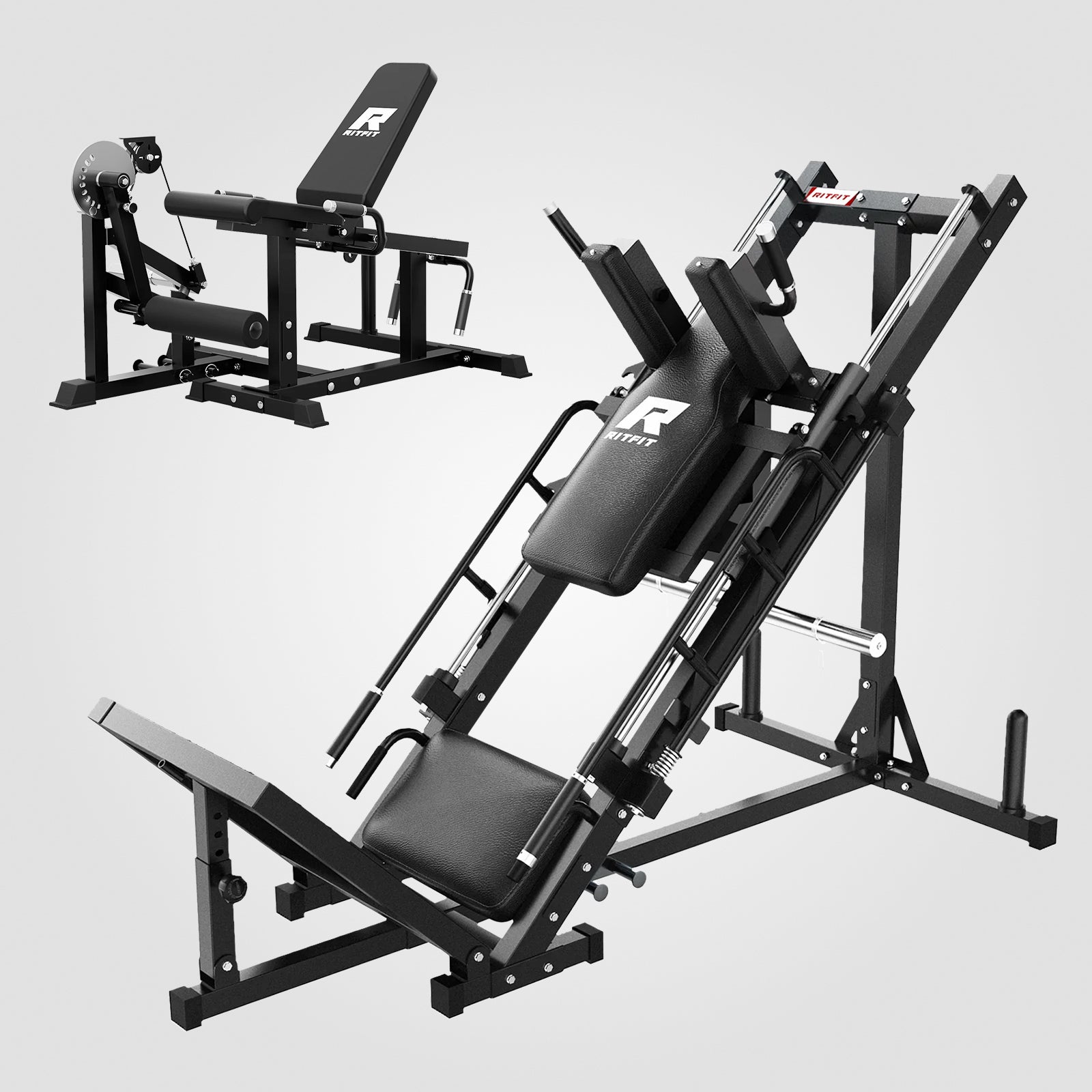
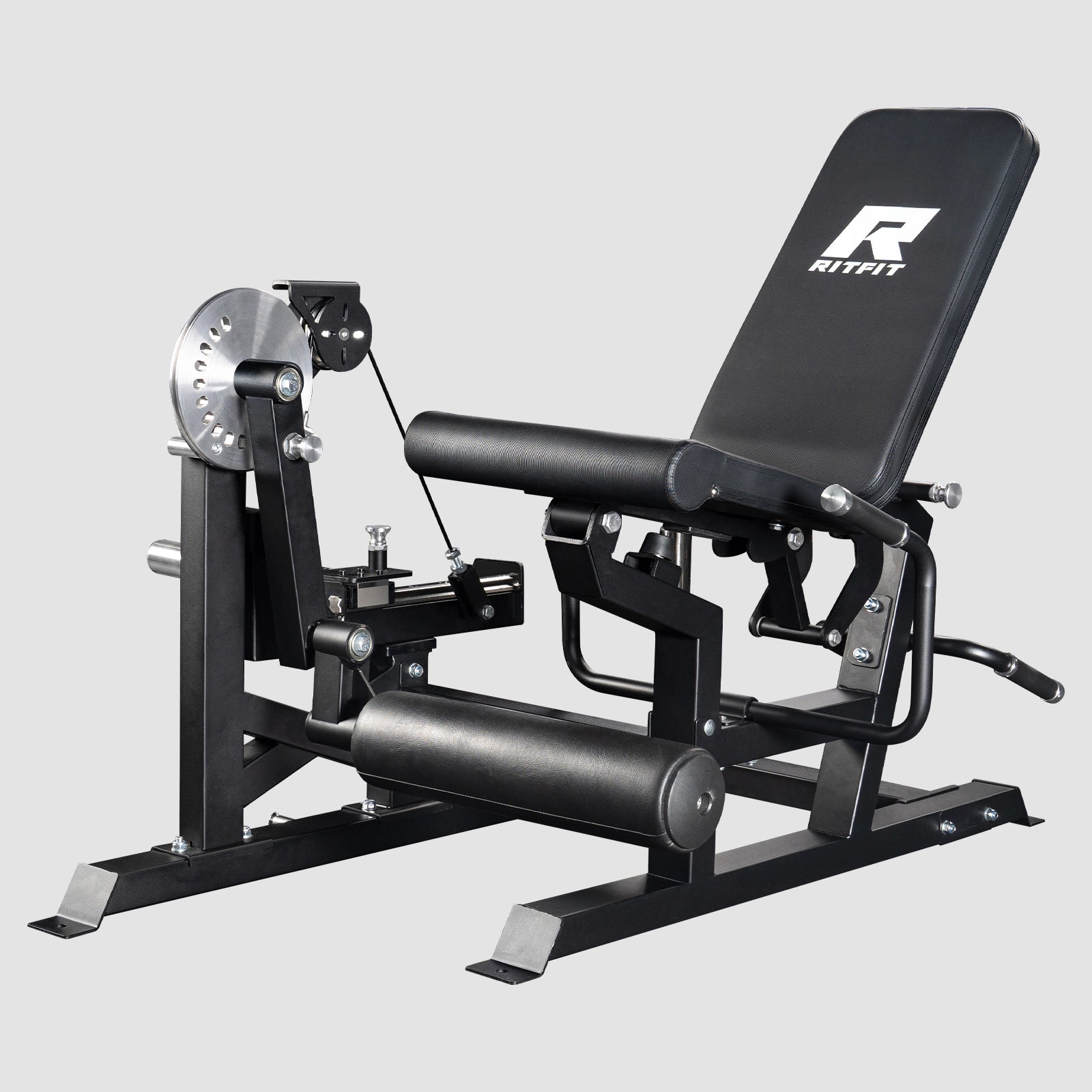
RitFit makes the equipment discussed here, so this is a brand recommendation, not an independent comparison or a claim of hands-on testing. Check the current product page and exact configuration before buying.
RitFit P3 Home Gym Package
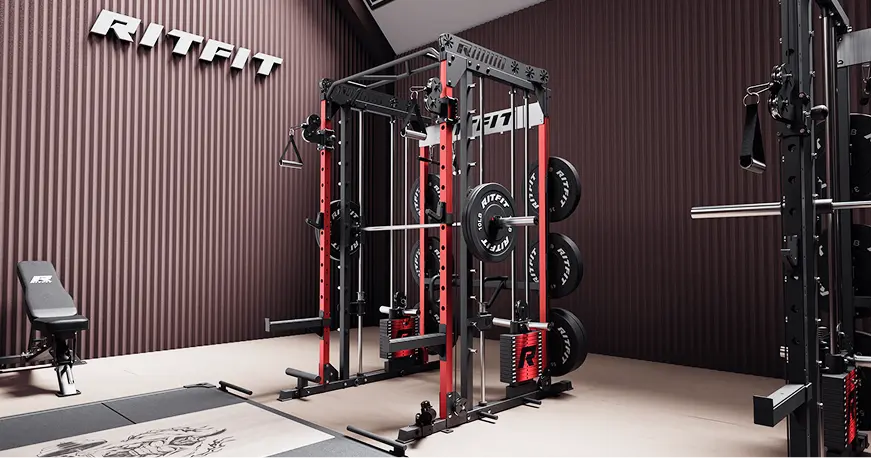
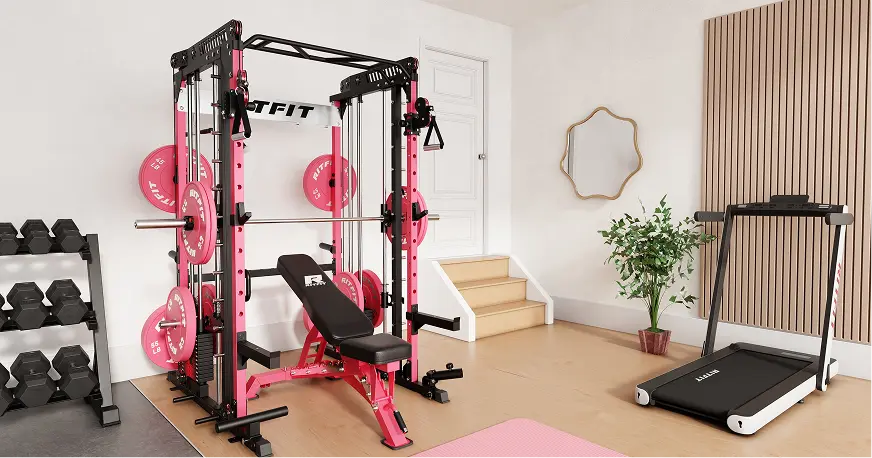
For a barbell-centered setup, the RitFit P3 Home Gym Package is a useful comparison point. Its official product title includes a 1200lbs rating, and the package page lists cage, bench, barbell, and accessory options.
Check exact package contents and the separate ratings for the components you intend to use.
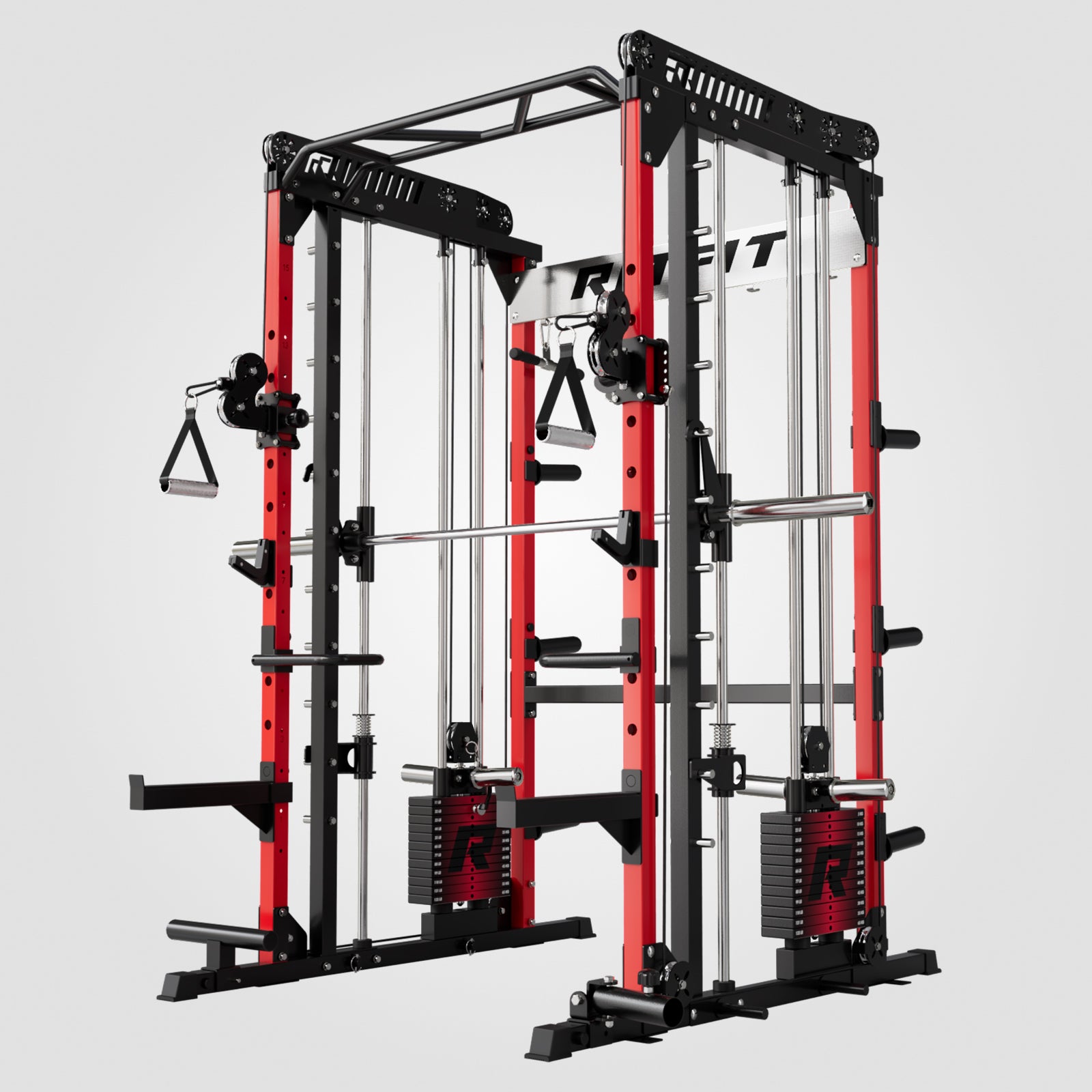
RitFit M1 PRO Smith Machine
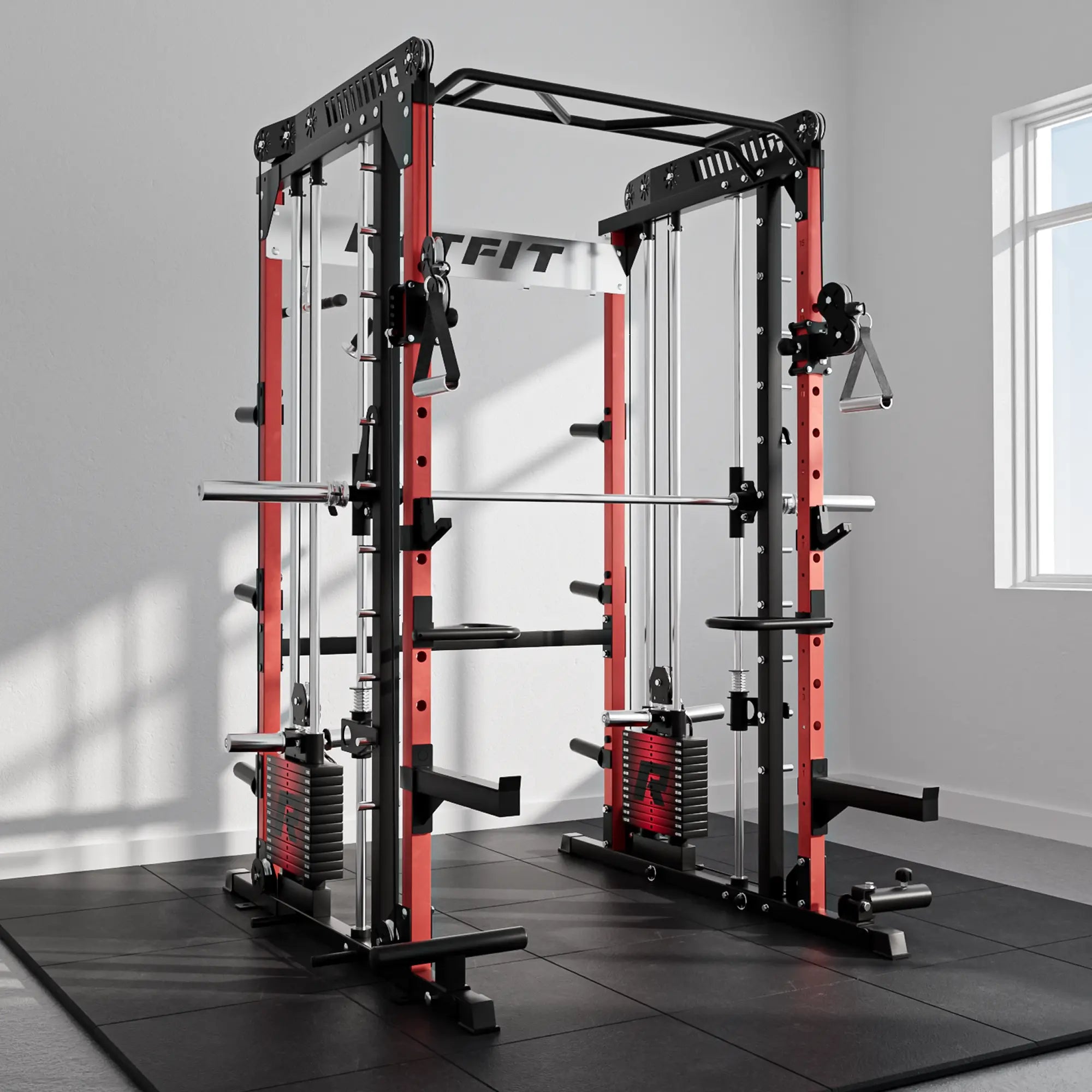
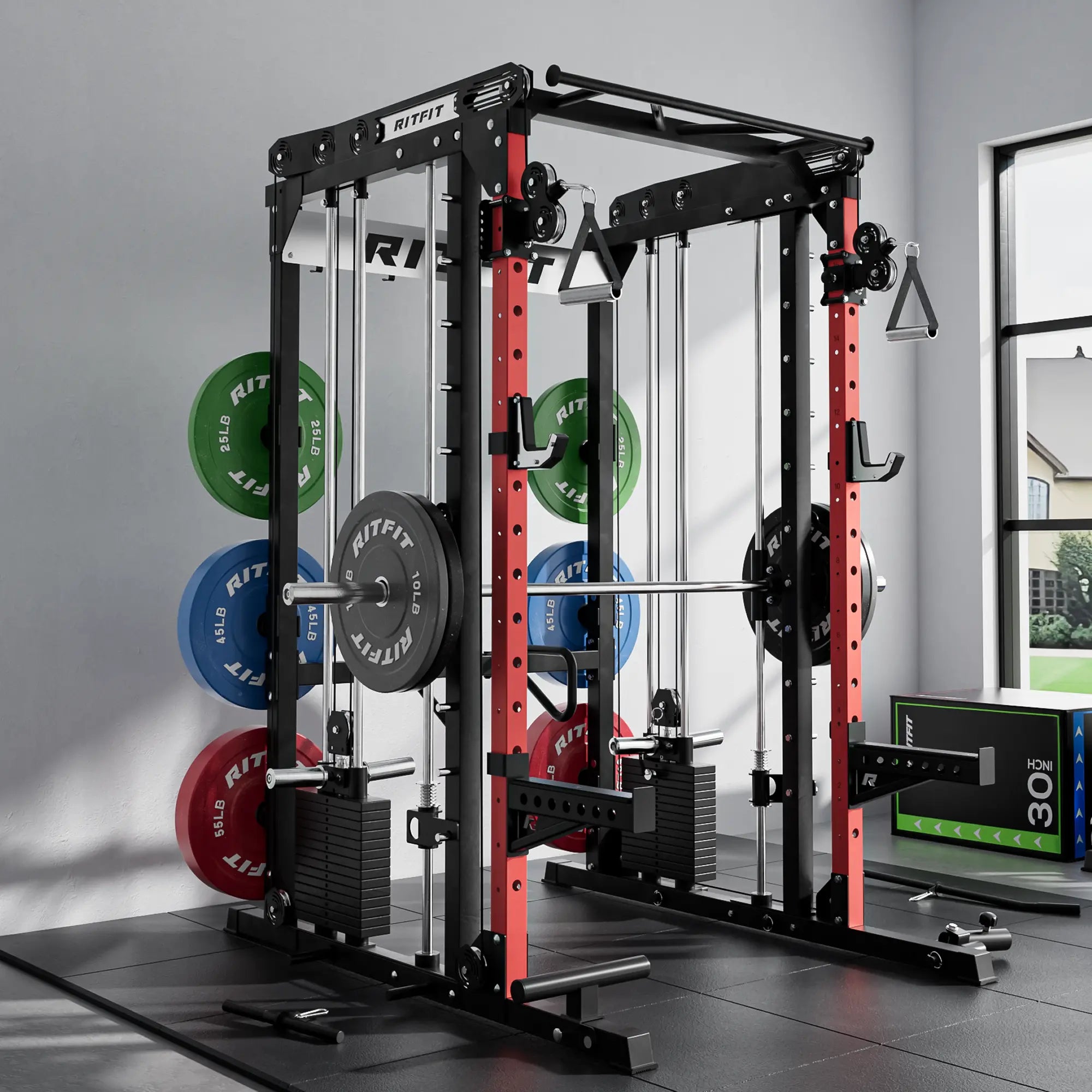
If you specifically want Smith and cable exercises in one machine, consider the RitFit M1 PRO Smith Machine. Its product page describes a Smith system, cable crossover, and pull-up bar.
That combination may appeal if you will use those functions regularly. Verify configuration, included accessories, room requirements, and applicable component limits.
Warranty and Support: Check the Current Terms
Warranty language can change and coverage often depends on category and configuration. Read the current warranty policy for the exact models you are considering.
Check what is covered, what is excluded, who is eligible, and how replacement parts are handled. A longer headline term is not automatically better if the parts you care about are excluded.
Frequently Asked Questions
These answers focus on the purchase decision: which features matter, what beginners should verify, and when a simpler setup is enough.
Is expensive home gym equipment worth it?
It can be worth it when a feature solves a problem you actually have, the dimensions fit your room, and the support terms make sense for how long you plan to keep the equipment. Price alone does not make a machine better for your goals. A high price can buy better adjustment, finish, or convenience, but those things matter only if you use them. Compare the complete setup, not just the label.
Is budget equipment a bad choice for beginners?
No. A budget-friendly machine can be a perfectly sensible choice for a beginner if it supports the exercises you plan to do and its specifications are clear. Check the intended use, each component's published limit, assembly requirements, and included accessories before ordering. A low price is not proof of poor quality, but it is not proof of good quality either; verify the details.
Should I buy a rack or an all-in-one machine?
Start with the exercises you want to perform and the room you have. A rack-centered setup often suits someone who wants barbell squats, presses, and other free-weight movements. An all-in-one machine may make more sense if you will regularly use its Smith, cable, or pulley functions. Compare the full configuration and movement clearance, not only the headline product name.
What should I check before ordering home gym equipment?
Measure the space, including clearance for the equipment and loading or unloading weights. Verify the specific component limits, compatible accessories, assembly requirements, included items, warranty, and parts support. Follow the manufacturer's instructions, and do not assume one component's rating applies to every hook, safety, cable, or pulley on the machine.
How much should I spend on a first home gym?
Spend enough to buy a complete, usable setup for the movements you will actually train, not simply the largest machine your budget allows. Leave room for essentials such as a compatible bar, plates, flooring, or storage when they are relevant to your plan. If a premium feature would force you to skip something necessary, it is usually smarter to postpone that upgrade.
Do I need a Smith machine for home training?
You do not need one by default. A Smith machine can be useful if guided bar paths, solo training, or integrated cable functions fit your routine. If your main goal is free-weight barbell training, a rack setup may be more direct. Decide which functions you will use regularly and avoid paying for features that will sit unused.
Conclusion
Premium equipment can be worth it, but most home lifters do not need the most expensive version of everything.
Buy features that earn their place, keep the full setup within budget, and verify the exact configuration.
RitFit is worth considering when the right model fits your training and space.