








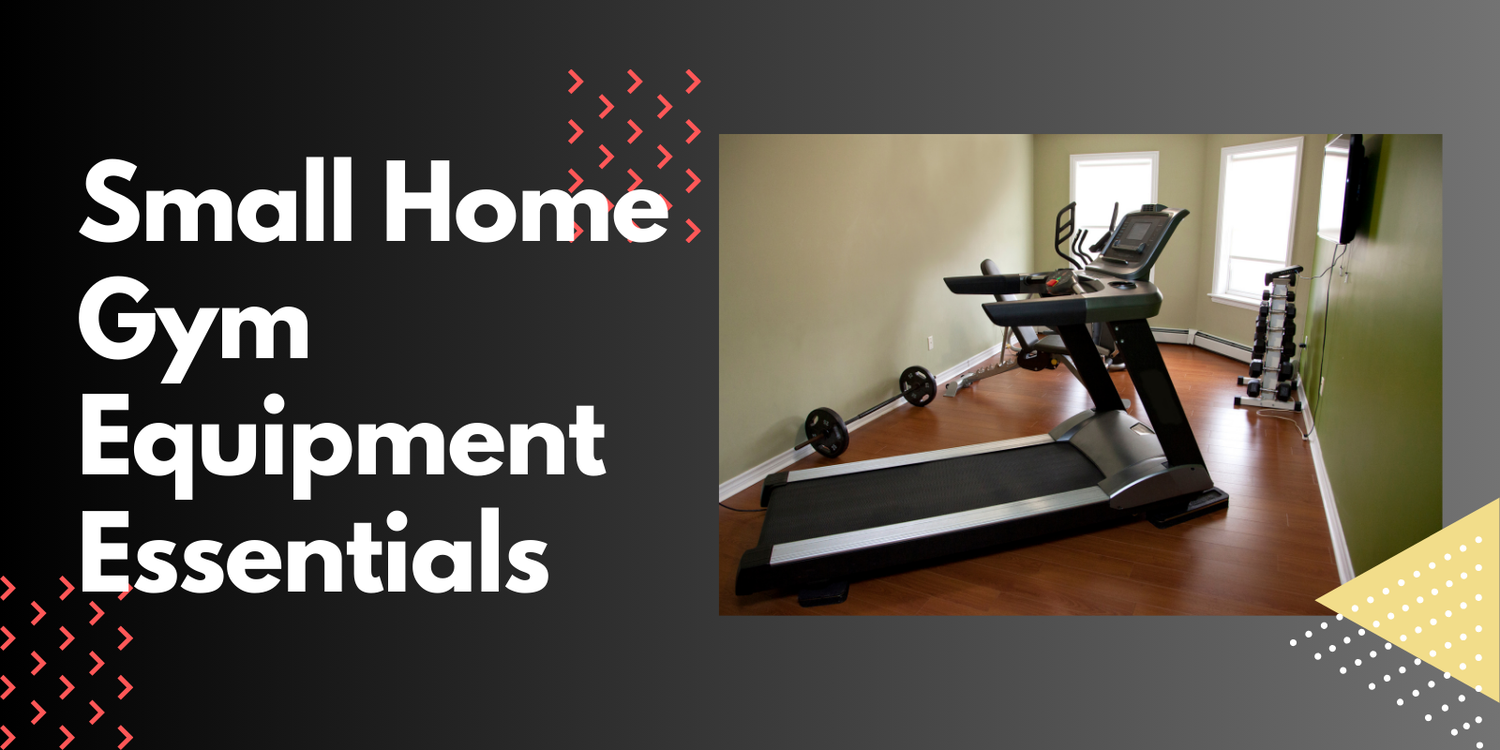
Building a home gym starts with choosing small home gym equipment that earns its floor space. The goal is a full-body setup that fits a 100 or 200 sq ft room without turning your living space into a storage locker.
This guide compares two room sizes and shows which high-density pieces to prioritize. You will learn what footprint each station needs, how to add benches and attachments, and how to protect your training progress in a tight space.
Quick Answer: The best small home gym equipment for limited space is a high-density all-in-one system like the M1 2.0 or PSR05 Smith machine, which fits 50-plus exercises into 14 to 23 sq ft. Add an adjustable bench, a barbell, weight plates, and cable attachments to cover full-body training.
Key Takeaways
- Space math: A 100 sq ft room fits a Smith machine under 15 sq ft, while a 200 sq ft room handles a 23 sq ft all-in-one unit.
- High-density rule: Prioritize equipment that combines several functions in one footprint to avoid dead space in a small home gym.
- All-in-one edge: M1 2.0 and PSR05 Smith machines deliver 50-plus exercises with cable, rack, and lat pulldown functions in one corner.
- Accessory payoff: An adjustable bench, a barbell, bumper plates, and attachment bundles expand a compact setup without extra floor space.
- Home results: Research shows home-based resistance training is feasible and can support strength and body composition goals.
How much space does a home gym really need?
A functional home gym needs roughly 14 to 23 sq ft of floor space for one high-density station, which fits comfortably inside a 100 or 200 sq ft room. The real limit is usually ceiling height, because most Smith machines require at least 82 to 85 inches of clearance.
- 100 sq ft room: Choose a machine with a footprint under 15 sq ft, such as the PSR05, and leave open floor for bench work.
- 200 sq ft room: Run a larger all-in-one unit like the M1 2.0 and still add a bench, a bar, and plate storage.
- Ceiling first: Measure from floor to joist before buying so the bar path clears overhead presses.
Start by measuring your room and ceiling, then choose equipment that fits the footprint you actually have.
How do you choose small home gym equipment that earns its footprint?
Choose small home gym equipment that combines multiple functions in one footprint, because single-purpose machines waste the most space in a tight room. Prioritize pieces you can use in several movement patterns, then add extras only when they clearly expand your options.
- Minimize dead space: Avoid large single-use items such as treadmills that sit unused most of the year when you could run outside.
- Count exercises per square foot: An all-in-one machine can deliver 50-plus movements in the floor space of one station.
- Keep progression simple: A piece that allows heavier loads over time protects your long-term training progress.
Home-based resistance training is a feasible way to keep a consistent routine when your space is limited. A systematic review of home-based exercise programs reported gains in cardiorespiratory fitness, physical activity, and quality of life.[1]
"If your space is limited, a good set of adjustable dumbbells might be your better option. They will allow you to progress to heavier weight as you get stronger."
Jeff Cavaliere, MSPT, CSCS, Physical Therapist and Strength Coach, Creator of ATHLEAN-X, Athlean-X
Why is the M1 2.0 Smith machine a top pick for a 200 sq ft room?
The M1 2.0 Smith machine is a strong pick for a 200 sq ft room because it combines a power rack, guided bar, and cable crossover in about 23 sq ft of floor space. That is under 12 percent of the room, so you still have space for a bench, a barbell, and plates.
- Exercise range: Cover high and low crossover, chest press, mid row, lat pushdown, and overhead triceps extension on one unit.
- Ceiling requirement: The M1 2.0 needs a minimum ceiling height of 85.3 inches for safe overhead work.
- Triceps note: Cable work helps arm development, though triceps tendon injuries are rare in weight lifters.[4]
- Bigger option: If your room runs closer to 200 sq ft, the M3 Smith machine adds more rack and crossover capacity.
To get even more from the rack, add a free barbell and a set of weight plates for floor and bar work.
What makes the PSR05 Smith machine right for a 100 sq ft space?
The PSR05 Smith machine fits a 100 sq ft space because its footprint comes in at just under 14 sq ft and it needs only 82 inches of ceiling height. That is about 14 percent of the room, which leaves space for bench work and plate storage.
- Built-in storage: The PSR05 has generous weight plate storage, so plates stay organized without a separate stand.
- Multi-function: Its guided bar and cable system handle presses, rows, and lat pulldown exercises in one corner.
- Compound first: Compound exercises are the most efficient movements for small home gym lifting, because they train multiple muscle groups per set.
Even with a single Smith machine, the PSR05 can anchor a full-body routine when you add the right accessories.
Which add-ons make a compact Smith machine setup more versatile?
The highest-value add-ons for a compact setup are an adjustable bench, a set of cable attachments, and a free barbell with plates, because all of them expand movement options without adding floor space. Start with these three, then add niche items only when they clearly pay off.
- Adjustable bench: A single adjustable bench supports presses, rows, and floor work, then packs away when not in use.
- Attachment bundles: Rope, straight bar, double D, and V handles in a set of attachment bundles remove any excuse for skipping a full workout on your M1 2.0 Smith Machine.
- Free barbell: A loose barbell plus bumper plates opens up deadlifts, rows, and other bar movements beyond the guided bar.
A home-based resistance training program can support strength and body composition goals during weight loss, according to a randomized pilot trial.[2]
Browse the full lineup of Smith machines to compare sizes, and see the home gym guide for layout ideas.
Is a hip thrust machine worth the floor space in a small home gym?
A dedicated hip thrust machine is worth the space only in a 200 sq ft room, where you have room for niche items after the core setup. In a 100 sq ft space, a Smith machine hip thrust or bench-based variation delivers the same glute work without an extra footprint.
- Glute training at home: Hip thrust machines have become popular because they target the glutes with a consistent range of motion.
- Room to decide: In a 200 sq ft room, a dedicated machine adds variety; in a 100 sq ft room, skip it.
- Compact alternative: Learn the Smith machine hip thrust to work the same muscles with equipment you already own.
Add the machine only after your bench, bar, and attachments are in place, because those cover far more movement patterns per square foot.
Can you get comparable results training at home versus the gym?
You can get meaningful results training at home, because consistent home-based resistance training improves strength, body composition, and metabolic health without gym access. The evidence base is growing, and adherence matters more than the building you train in.
- Strength and body composition: Home-based resistance programs can support muscle function and weight goals during a structured plan.[2]
- Metabolic health: Research comparing home and gym resistance training found comparable effects on glycemic control in type 2 diabetes.[3]
- Consistency wins: A setup that fits your daily routine beats one you can only reach across town.
Pair your high-density setup with a simple plan, track your loads, and progress gradually over several weeks.
FAQs About Small Home Gym Equipment
What is the best small home gym equipment for a 100 sq ft room?
The best small home gym equipment for a 100 sq ft room is a compact all-in-one Smith machine like the PSR05, which fits in about 14 sq ft and needs only 82 inches of ceiling height. Add an adjustable bench and cable attachments to cover full-body training without extra floor space.
How much floor space does a Smith machine need?
A Smith machine home gym typically needs between 14 and 23 sq ft of floor space, depending on the model. The PSR05 fits in under 14 sq ft, while the M1 2.0 takes about 23 sq ft. Measure your ceiling height first, because most units need at least 82 to 85 inches.
Is a Smith machine worth it for a small apartment?
Yes. A Smith machine is worth it in a small apartment because one unit combines a rack, guided bar, and cable system in a single footprint. This high-density design lets you perform dozens of exercises in the space a single free-weight station would use.
Can I do a full-body workout with one piece of equipment?
Yes. An all-in-one Smith machine can cover a full-body workout with movements like presses, rows, pull-downs, and leg exercises in one corner. You can expand coverage further with an adjustable bench, a barbell, bumper plates, and cable attachments, without taking up more floor area.
What accessories make a compact home gym more versatile?
The most useful accessories for a compact home gym are an adjustable bench, a set of cable attachments, and a free barbell with weight plates. These pieces unlock extra movements on your Smith machine and store away easily. They add function without adding footprint.
Do I need a high ceiling for a Smith machine home gym?
Most Smith machines need at least 82 to 85 inches of ceiling clearance for safe overhead work. The PSR05 requires about 82 inches, while the M1 2.0 needs 85.3 inches. Measure your ceiling before buying so the bar has room for full range of motion.
Conclusion
You do not need a warehouse to build a serious home gym. With a high-density Smith machine like the M1 2.0 or PSR05, an adjustable bench, and a few attachments, you can run a full-body program in under 23 sq ft of space.
Measure your ceiling first, then pick your cornerstone machine and build outward. Find more savings and setup ideas on the RitFit discount guide before you order.
Disclaimer
Always consult a physician before starting any new exercise program, especially if you have a medical condition or injury. Ensure your floor can support the weight of heavy equipment and follow the manufacturer installation guide for your room.
References
1. Batalik L, Winnige P, Dosbaba F, Vlazna D, Janikova A. Home-Based Aerobic and Resistance Exercise Interventions in Cancer Patients and Survivors: A Systematic Review. Cancers (Basel). 2021;13(8). doi:10.3390/cancers13081915. PMCID: PMC8071485
2. Binmahfoz A, Johnston L, Dunning E, Gray CM, Gray SR. The effects of a home-based resistance training program on body composition and muscle function during weight loss in people living with overweight or obesity: a randomised controlled pilot trial. Nutr Metab (Lond). 2025;22(1):90. doi:10.1186/s12986-025-00986-1. PMCID: PMC12323239
3. Bärg M, Idiart-Borda Polotto V, Geiger S, Held S, Brinkmann C. Effects of home- and gym-based resistance training on glycemic control in patients with type 2 diabetes mellitus-a systematic review and meta-analysis. Diabetol Metab Syndr. 2025;17(1):228. doi:10.1186/s13098-025-01793-7. PMCID: PMC12175443
4. Sollender J, Rayan G, Barden G. Triceps tendon rupture in weight lifters. J Shoulder Elbow Surg. 1998;7(2):151-153. doi:10.1016/s1058-2746(98)90227-0.





