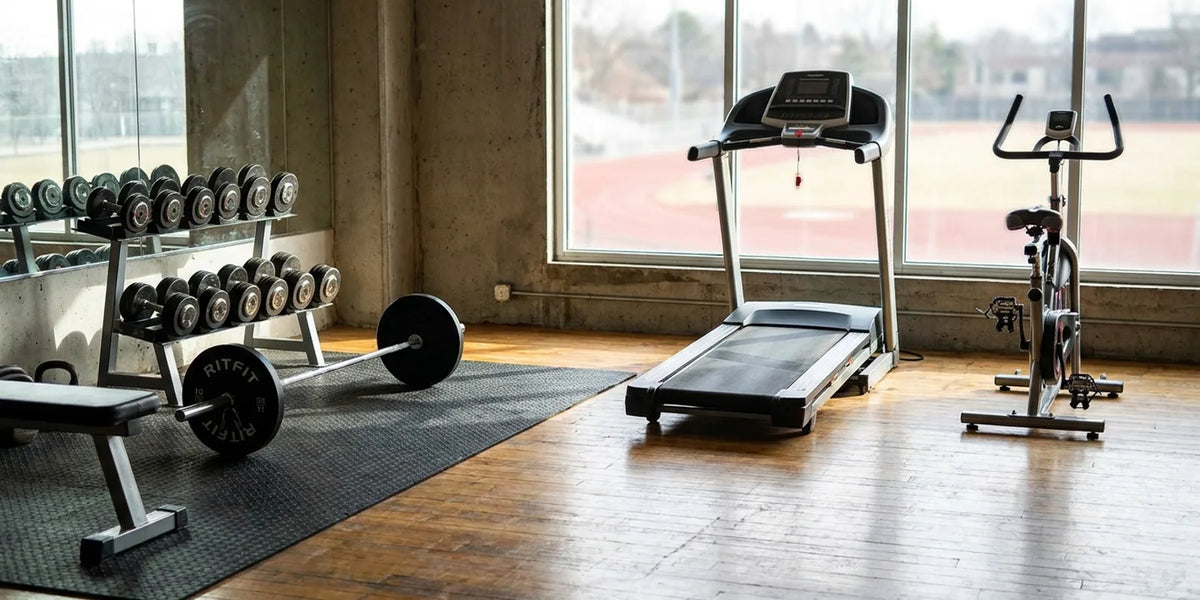
Weightlifting vs cardio is not a contest that ends with one winner. Lifting loads your muscles, bones, and joints in a way that builds strength and protects you as you age, while cardio trains your heart, lungs, and endurance so you can actually use that strength for longer.
This guide compares what each one does, explains the one situation where they genuinely fight, and gives you a weekly split, session order, and starting numbers you can use tomorrow.
Quick Answer: Weightlifting vs cardio is a priority decision, not a choice. Lift two to four times a week for strength and muscle, add 150-300 minutes of moderate cardio or 75-150 minutes of vigorous cardio weekly, and lift before cardio in the same session so hard endurance work never undercuts your heaviest sets.
Key Takeaways
- Different Jobs: Weightlifting builds strength, muscle, and bone density, while cardio builds heart, lung, and endurance capacity, and neither one replaces the other.
- Order Matters: Doing resistance work before endurance work inside one session produced 6.91 percent more lower-body strength change than the reverse order.
- More Is Not Better: One hour of aerobic activity a week was linked to a hazard ratio of 0.85 for all-cause mortality, flattening near three hours a week.
- Together Beats Either: The lowest all-cause mortality hazard ratio, 0.50, belonged to the group doing aerobic activity plus 2 or more strength sessions a week.
- Beginners Can Have Both: Untrained participants showed no strength penalty from adding endurance work, so new lifters can train both from day one.
What Does Weightlifting Actually Do for Your Body?
Weightlifting builds strength, muscle size, bone density, and the joint support that keeps you capable as you age. Loaded movements such as squats and deadlifts also raise the energy your body spends at rest, because muscle tissue costs calories to maintain.
- Strength and muscle: Compound lifts load large muscle groups through a full range of motion, which is the most efficient way to drive hypertrophy and raw force at the same time.
- Bone and joint support: Carrying load through your spine and hips tells your skeleton to stay dense, which matters more every decade after 30.
- Daily capacity: The strength you build shows up as easier stairs, safer lifting of grocery boxes, and better balance when you trip.
How Heavy Should You Start?
Pick a load you can move for the top of your rep range with about 2-3 reps left in reserve, which for most beginners lands near 3-4 sets of 5-12 reps on a compound lift. If the last rep slows down but still looks clean, the weight is right.
When Should You Add Weight?
Add load when you hit the top of your rep range on every set with clean form for two sessions in a row, then increase by the smallest jump your plates allow. That steady progression is progressive overload in practice, and small jumps every week beat heroic jumps every month.
If you are still learning how a rep range changes the feel of a set, start with how rep ranges change a strength session before you chase heavier numbers. Lifters who train near maximal loads also benefit from understanding what a weightlifting belt does for bracing and confidence under the bar.
What Does Cardio Actually Do for Your Body?
Cardio trains your heart, lungs, and blood vessels, which is why it improves endurance and lowers cardiovascular risk. It also raises your VO2 max, the ceiling on how much oxygen your working muscles can use.
- Heart and vessels: Repeated aerobic work makes the heart pump more blood per beat and keeps arteries flexible, which is the part of fitness weightlifting touches least.
- Endurance: A stronger aerobic base means you stop gasping between sets, so long lifting sessions stay productive to the end.
- Mood and recovery: Easy aerobic work between hard lifting days moves blood through sore tissue without adding much fatigue.
How Hard Should Your Cardio Be?
Split cardio into easy work you can hold a conversation through and hard work where talking becomes impossible, roughly heart rate zones 2 and 4. Two easy sessions plus one hard interval session covers most lifters without eating into recovery from lifting.
Lifters who want low-impact options can read what a cycling workout does for you or how rowing machine workouts load the upper back while they build your engine. If you prefer short, intense work, HIIT workouts for cardio give you a hard session in a fraction of the time.
Which One Burns More Calories and Fat?
Cardio burns more calories during a session, while weightlifting changes body composition over months. Neither one wins outright for fat loss, which is why most people do better running both than picking a side.
- During the session: Steady cardio for 30 minutes spends more energy than a typical lifting session of the same length.
- Around the clock: Muscle tissue you add through lifting raises your resting energy use, so the two methods pay off on different timelines.
- For the scale: Body composition responds to total weekly activity and protein intake far more than to which single method you chose.
Aerobic work also lifts your heart rate and breathing without heavy loading, so it fits the same week as your lifting without competing for recovery.
"Real fat loss requires total-body strength training and conditioning that drives results. That means combining functional movements with compound lifts, aiming for the largest muscle groups that elevate heart rate and improve energy expenditure the most."
Jeff Cavaliere, MSPT, CSCS, Physical Therapist and Strength Coach, former Head Physical Therapist for the NY Mets, How To Get Six Pack Abs Guide (Athlean-X)
Does Cardio Cancel Out Your Strength Gains?
Not for beginners or moderately trained lifters. A meta-analysis of 27 studies found a lower-body strength penalty only in trained individuals, with an effect size of -0.35, and even that penalty appeared only when endurance and resistance work shared one session.[1]
- Who is affected: Trained lifters lost the most ground, while moderately trained participants showed a smaller and less certain change at -0.20.
- Who is not affected: Untrained participants showed essentially no difference, with an effect size of 0.03 for leg press and squat strength.
- Where the conflict comes from: The trained-group penalty appeared when both modalities shared a session, and largely disappeared when they were separated.
The practical read is simple: concurrent training is not a trap, it is a recovery budget. Once your lifting is serious enough to demand real recovery, the scheduling choices in the next two sections start to matter much more than the fact that you run.
Should You Do Cardio Before or After Weights?
Lifting before cardio protects the quality of your heaviest sets. A meta-analysis of 10 studies found that a resistance-then-endurance order produced 6.91 percent more lower-body strength change than the reverse order, with no difference for muscle size.[2]
- Same session, that order: Resistance training first protects the quality of your heaviest sets, which is where strength is actually built.
- Same session, reversed: Long or hard cardio first leaves you lifting on tired legs, and that is exactly where the reverse order loses ground.
- Two sessions a day: Separate the two by several hours so the second session does not compromise the first.
Muscle size did not change either way in the same analysis, so if hypertrophy is your main goal, place cardio wherever it fits your schedule. The order question only has a clear winner when both land in the same session.
How Should You Schedule Strength and Cardio in One Week?
Build the week around lifting, then place cardio on the days in between. Adults should get 150-300 minutes of moderate aerobic activity or 75-150 minutes of vigorous activity per week, according to the World Health Organization, plus muscle-strengthening work on 2 or more days.[3]
| Day | Session | Why it sits there |
|---|---|---|
| Monday | Full-body strength, 3-4 sets of 5-12 reps | Freshest legs for your heaviest squats and deadlifts |
| Tuesday | Easy cardio, 20-30 minutes | Blood flow for recovery without adding fatigue |
| Thursday | Full-body strength | Roughly 48 hours between lifting sessions |
| Saturday | Hard intervals, 8-12 minutes of work | Kept well away from the heaviest lifting day |
Example week for a lifter training three days. Adjust the number of lifting days to your recovery, schedule, and experience level.
The strongest health signal comes from combining both methods rather than choosing one: in a cohort of US adults, the group with the lowest all-cause mortality hazard ratio of 0.50 did aerobic activity plus 2 or more strength sessions per week.[4] That same pattern held for cardiovascular and cancer mortality, which is why the weekly plan above keeps both lanes active.
When to Stop if Something Hurts
Stop the session for sharp, sudden, or one-sided pain, numbness, or a joint that gives way, and stop any movement that makes pain worse as the set continues. Dull soreness that fades as you warm up is normal, but pain that changes how you move is a signal to back off and get it assessed.
No Heavy Equipment? Substitutions That Still Count as Strength Work
Goblet squats, split squats, push-ups, and single-leg hip bridges load the same patterns with far less gear, and a loaded backpack or a pair of adjustable dumbbells covers most of it. Substitutions still need to be hard: finish each set with about 2-3 reps left in reserve so the muscle gets a real reason to adapt.
How Do You Choose Based on Your Goal?
Cardio vs weightlifting is the same question as weightlifting vs cardio, just reversed. The best workout for your goals is the one you can repeat every week.
Choose by the outcome you care about most, then let the other method fill the space left in your week. Strength, fat loss, and heart health point to different priorities, and none of them requires dropping one method entirely.
- Get stronger: Prioritize 3-4 lifting sessions, keep cardio easy and short, and never place hard intervals the day before a heavy lower-body session.
- Lose fat: Keep lifting 2-3 times a week to protect muscle, then add 150-300 minutes of moderate cardio or its vigorous equivalent across the week.
- Improve heart health and stamina: Make aerobic work the anchor at 150-300 minutes a week and hold 2 lifting sessions to keep strength and bone density.
- Train for an event: Put the priority method first in the week, schedule the other around it, and use easier weeks as competition approaches.
Common Mistakes That Break the Plan
- Hard cardio before heavy lifting: Intervals first drain the session that matters most, which is the mistake behind most of the strength losses reported by trained lifters.
- Raising both volumes in the same week: Increase one variable at a time, or you cannot tell which change caused the fatigue.
- Skipping easy cardio because it feels pointless: The easy sessions are what let you keep the hard ones without wrecking recovery.
- Chasing soreness as proof: Soreness tracks novelty, not progress, so a routine that leaves you wrecked every week is a schedule problem.
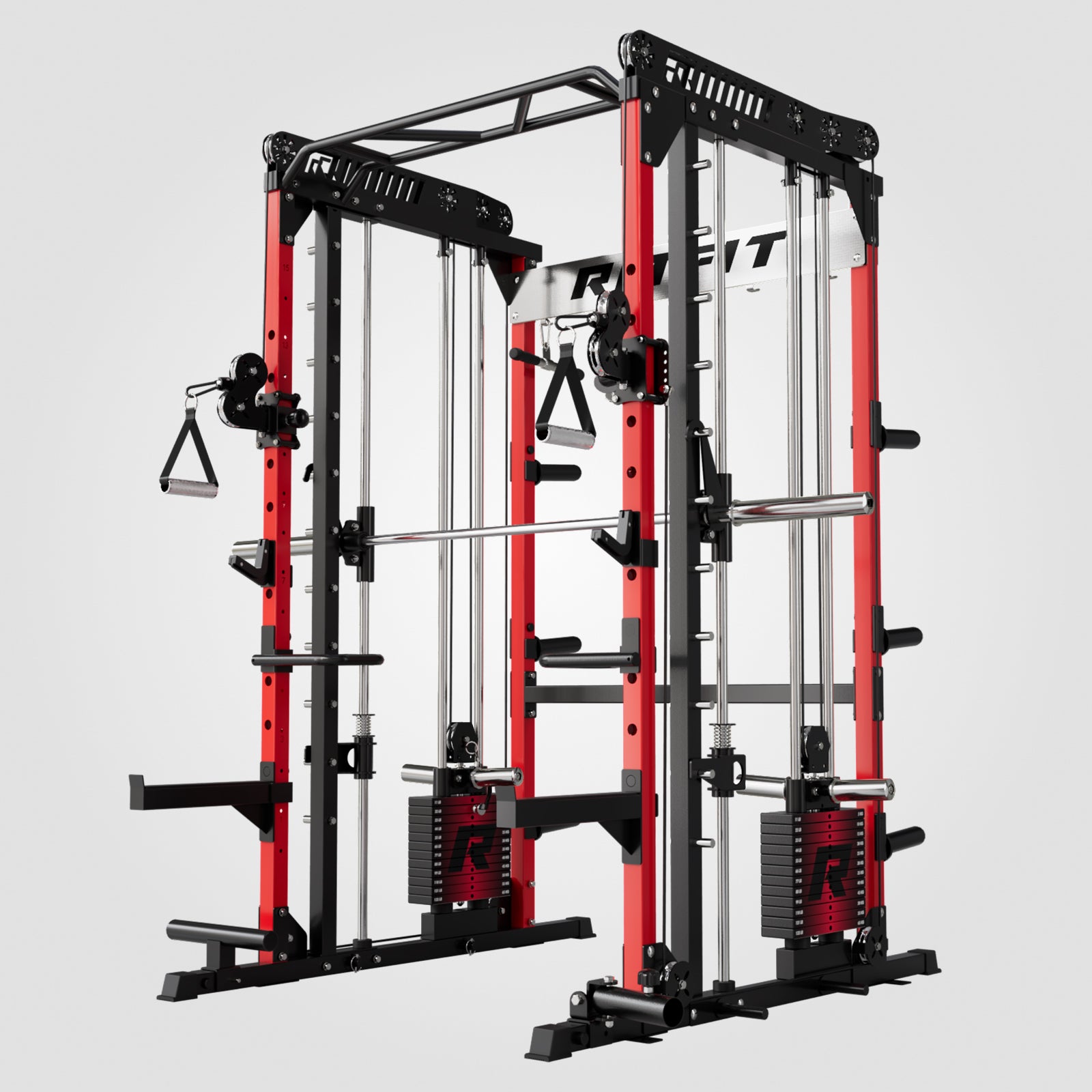
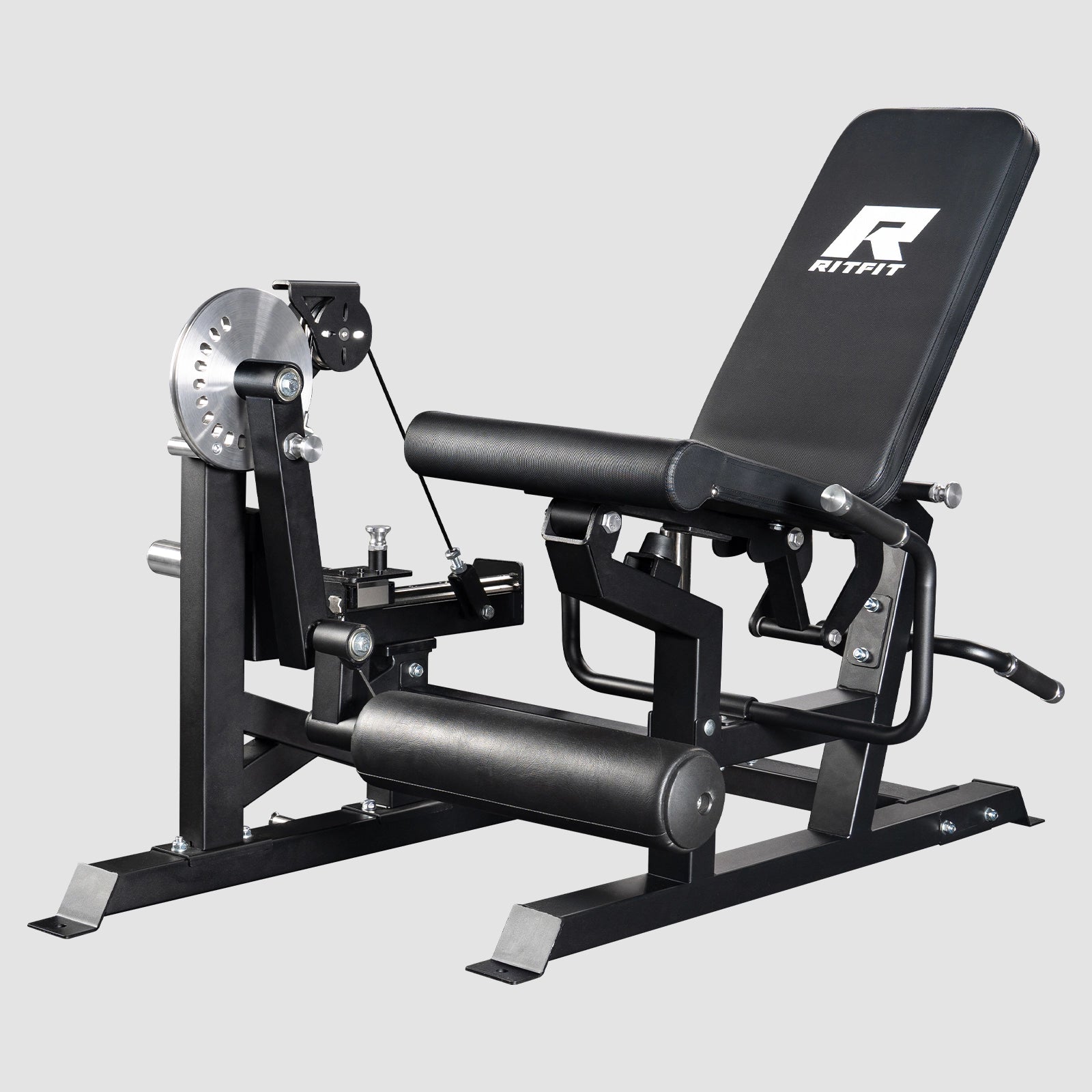
Whatever you pick, the equipment side is simpler than most people expect. A basic RitFit strength equipment setup covers the lifting half of every plan above, and the SOSIES functional and strength training line adds the functional movements that show up in conditioning work.
How Do You Train Both at Home?
One rack or bench, one barbell, and one cardio option covers both goals at home. Cardio does not require a machine, because brisk walking, stairs, and jump rope all count toward your weekly aerobic target.
- Strength base: A RitFit 7 ft Olympic barbell paired with a rack handles squats, presses, and deadlifts, which is the foundation of every plan above.
- Small-space lifting: A RitFit adjustable foldable utility bench folds away so the same floor bay can host your cardio work.
- Conditioning options: Jump rope, weighted vest walks, or an affordable used bike cover the aerobic side without adding another machine to the garage.
If you have never laid out a training space, metcon workouts show how a single session can combine strength and conditioning movements in one block.
FAQs About Weightlifting vs Cardio
Can you do weightlifting and cardio on the same day?
Yes. Put the strength work first. Ten studies of concurrent training found that a resistance then endurance order produced about 6.91 percent more lower-body strength change than the reverse order. Keep hard cardio short, and leave several hours between a lifting session and an all-out interval workout.
Which is better for losing weight, weightlifting or cardio?
Neither wins outright. Cardio usually burns more calories during the session, while lifting builds the muscle that keeps your daily energy use higher. A large cohort study of US adults found the lowest mortality risk among people who did both, so treat them as partners rather than competitors.
How many days a week should you lift weights?
Two to four full-body sessions cover most people. Two sessions protect muscle and strength, three is the sweet spot for steady progress, and four suits experienced lifters who split upper and lower work. Leave at least 48 hours before training the same muscle group again.
Does cardio reduce muscle growth?
Not at the doses most people use. Pooled data from 27 studies found no meaningful interference with lower-body strength in untrained or moderately trained lifters. Trained lifters lost ground only when endurance and resistance work were crammed into the same session, so spacing them out protects muscle.
How much cardio should you add to a lifting routine?
Start with two 20 to 30 minute sessions a week at a pace you can talk through, then add one harder interval session once that feels easy. One hour a week of aerobic work is already linked to a lower mortality risk, so you do not need long endurance blocks.
Can beginners do strength training and cardio at the same time?
Yes, and beginners have the most room to improve both at once. Untrained participants in a pooled analysis showed no strength penalty from adding endurance work. Begin with two full-body lifting days and two easy cardio days, then add intensity once the routine feels automatic.
Conclusion
Weightlifting vs cardio comes down to priority, not purity: lift for strength and muscle, add cardio for heart and stamina, and order them so hard endurance work never lands before your heaviest sets. Two to four lifting sessions plus 150-300 minutes of moderate aerobic activity a week covers nearly every goal in this guide.
Start with the split you can repeat for eight weeks, then add intensity once the schedule feels automatic. If you are building the home side of your setup, check the RitFit discount guide before you buy.
Disclaimer
This article is general fitness information and is not medical advice, and individual responses to training vary. Consult a qualified physician or physical therapist before starting a new program, especially if you have a heart condition, joint injury, or other medical concern.
References
1. Petré H, Hemmingsson E, Rosdahl H, Psilander N. Development of Maximal Dynamic Strength During Concurrent Resistance and Endurance Training in Untrained, Moderately Trained, and Trained Individuals: A Systematic Review and Meta-analysis. Sports Med. 2021;51(5):991-1010. doi:10.1007/s40279-021-01426-9. PMCID: PMC8053170
2. Eddens L, van Someren K, Howatson G. The Role of Intra-Session Exercise Sequence in the Interference Effect: A Systematic Review with Meta-Analysis. Sports Med. 2018;48(1):177-188. doi:10.1007/s40279-017-0784-1. PMCID: PMC5752732
3. Coleman CJ, McDonough DJ, Pope ZC, Pope CA. Dose-response association of aerobic and muscle-strengthening physical activity with mortality: a national cohort study of 416 420 US adults. Br J Sports Med. 2022. doi:10.1136/bjsports-2022-105519. PMCID: PMC10064988
4. López-Bueno R, Ahmadi M, Stamatakis E, Yang L, Del Pozo Cruz B. Prospective Associations of Different Combinations of Aerobic and Muscle-Strengthening Activity With All-Cause, Cardiovascular, and Cancer Mortality. JAMA Intern Med. 2023;183(9):982-990. doi:10.1001/jamainternmed.2023.3093. PMCID: PMC10407764