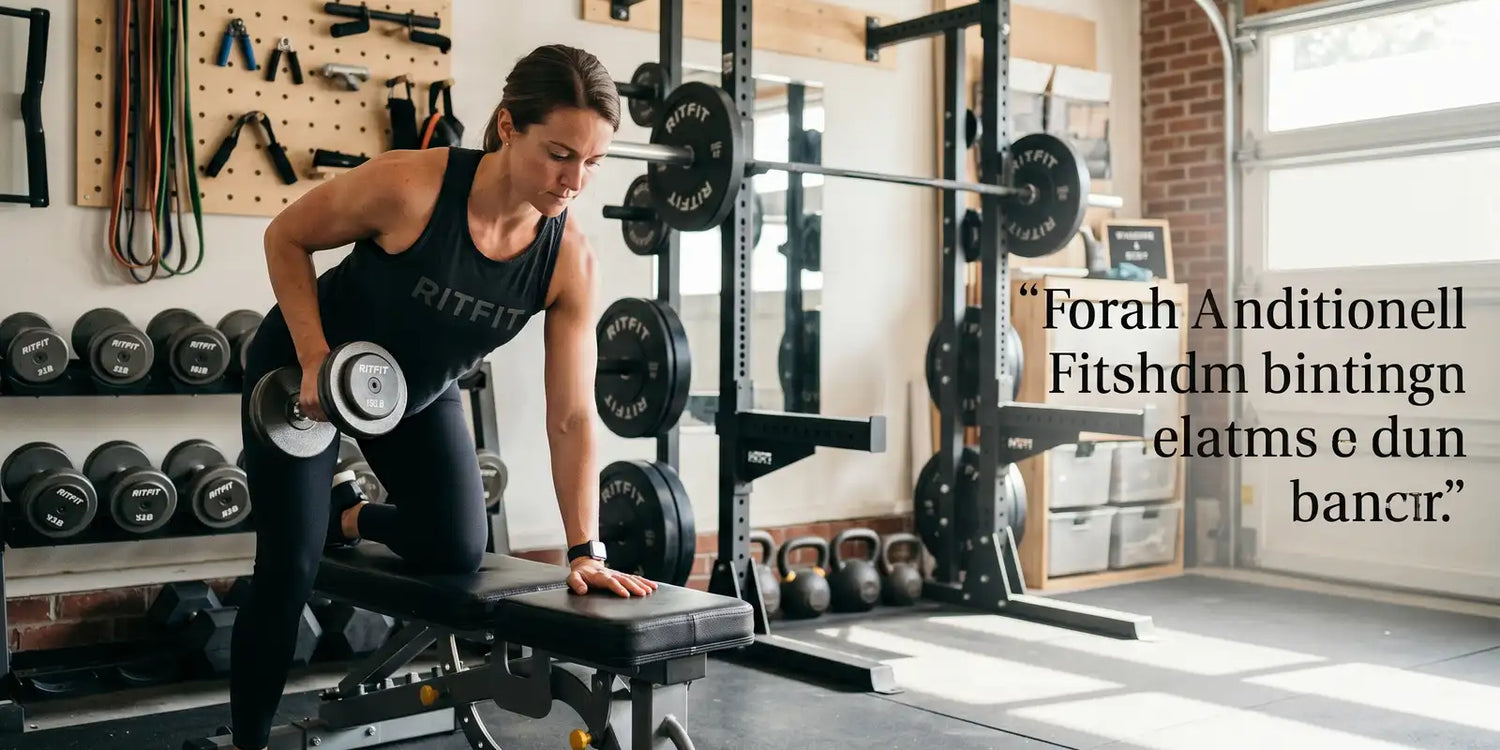
Overload in fitness means working a muscle or system harder than it is used to, forcing the body to adapt and grow stronger. It is the single principle behind nearly every strength, muscle, and endurance gain.
This guide explains what overload is, how it differs from progressive overload, why it drives results, and how to apply it safely without slipping into overtraining.
Table of Contents
Key Takeaways
- Definition: Overload is training a muscle or system beyond its current capacity so it is forced to adapt.
- The progression link: Progressive overload is the long-term strategy of gradually increasing that stress over time.
- Many levers: You can overload by changing load, volume, frequency, intensity, tempo, or range of motion, not just weight.
- Recovery is the line: Healthy overload is followed by recovery, while overtraining ignores it and stalls progress.
- It is for everyone: Beginners and older adults benefit too, when progression is gradual and tracked.
What Is Overload in Fitness?
Overload is the principle that a muscle or body system must be challenged beyond its normal workload to improve. When you ask the body to do more than it is accustomed to, it responds by getting stronger, larger, or more efficient.
The idea traces back to the overload principle, a foundation of modern strength and conditioning. The key word is more, which can mean more weight, more reps, or more total work than your body currently finds easy.
- The core rule: Without enough stimulus, the body has no reason to change, so results plateau.
- It is relative: Overload depends on your current level, so what challenges a beginner may be a warm-up for an advanced lifter.
- It applies everywhere: Strength, muscle size, endurance, and even flexibility all respond to a progressive overload approach.
Overload vs Progressive Overload
Overload and progressive overload are related but not identical. Overload is the principle of training above your current capacity in a session, while progressive overload is the ongoing practice of increasing that stress over weeks and months.
- Overload: A single hard stimulus that exceeds what your body is used to right now.
- Progressive overload: Repeatedly raising that stimulus so adaptation keeps happening instead of stalling.
- Why both matter: A one-time overload sparks change, but only steady progression sustains long-term gains.
Tracking your sessions with a fitness log makes progression visible, so you know exactly when to add weight or reps.
Why Overload Works: The Science of Adaptation
Overload works because the body adapts to demands placed on it. A challenging stimulus creates temporary fatigue and microscopic stress, and recovery rebuilds the system slightly stronger than before.
Stress, Recovery, and Supercompensation
This cycle is often called supercompensation, where rest after training lifts your capacity above its previous baseline.
- Stimulus: A hard session signals the body that its current capacity is not enough.
- Recovery: Sleep, nutrition, and rest repair tissue and refill energy stores.
- Adaptation: The body rebuilds stronger, ready for the next slightly harder session.
Skip the recovery half of the cycle and adaptation never completes, which is why overload and rest must be planned together.
The Training Variables You Can Overload
Overload is not only about adding weight. Several variables can be increased to create the stimulus your body needs to adapt.
- Load: Lifting heavier weight, often guided by your repetition maximum (RM).
- Volume: Doing more sets or reps within a session or week.
- Frequency: Training a muscle or movement more often across the week.
- Intensity: Working closer to failure, measured with tools like reps in reserve (RIR).
- Tempo and range of motion: Slowing the lift or moving through a fuller range to raise mechanical stress.
Muscle action emphasis is another lever, since eccentric and concentric loading can be programmed differently[1]. The video below shows how foot position on a Smith machine squat shifts load between muscle groups.
The overload principle is also one of the 5 components of fitness in practice, since it shapes how strength and endurance improve.
How to Apply Overload Without Plateauing
The simplest way to keep progressing is to change one variable at a time and track the result. Small, consistent increases beat large, erratic jumps that invite injury.
You also do not have to keep adding weight to keep gaining. A study comparing load progression with repetition progression found that both approaches can drive muscular adaptation[2].
- Add reps first: Once you hit the top of a rep range, add weight and drop back to the lower end.
- Increase weight in small steps: Modest jumps let your joints and connective tissue keep pace.
- Use a deload: Plan lighter weeks periodically to let accumulated fatigue clear and progress resume.
When progress stalls, the fix is usually a small change in volume or intensity, not training harder on every single set.
Overload vs Overtraining: Knowing the Line
Overload becomes overtraining when stress consistently outpaces recovery. The first builds you up, while the second breaks you down.
- Healthy overload: Challenging sessions followed by rest, sleep, and good nutrition that let you return stronger.
- Overtraining signs: Persistent fatigue, declining performance, poor sleep, and rising injury risk.
- The fix: Reduce volume or intensity, prioritize recovery, and reintroduce overload gradually.
Strength training for everyone, including women following structured programs, works best when overload and recovery stay in balance.
Applying Overload Safely for Beginners and Older Adults
Overload is not just for advanced athletes. Beginners and older adults often see the fastest relative gains because their starting point leaves the most room to adapt.
Progressive resistance exercise that gradually overloads muscle is a recommended strategy to counter age-related muscle loss, with attention to appropriate intensity and progression[3].
- Start light: Master form with manageable loads before chasing heavier weights.
- Progress slowly: Small weekly increases are safer and still effective over time.
- Support the basics: Helpful tools like fitness accessories for seniors can make safe progression easier.
Anyone with a health condition or injury history should check with a qualified professional before starting a new overload program.
FAQs About Overload in Fitness
What is overload in fitness?
Overload in fitness means working a muscle or body system harder than it is used to so that it is forced to adapt and grow stronger. It is the core training principle behind strength, muscle, and endurance gains. Without enough overload, the body has no reason to change, so progress stalls over time.
Is overload the same as progressive overload?
Not quite. Overload is the principle of training above your current capacity, while progressive overload is the practice of gradually increasing that stress over weeks and months. You apply overload in a single session, but progressive overload is the long-term strategy of steadily raising load, reps, or volume so adaptation continues.
How do I create overload in my workouts?
You can create overload by manipulating several variables, including adding weight, doing more repetitions or sets, training more frequently, shortening rest, slowing tempo, or increasing range of motion. Most lifters start by adding reps or a small amount of weight each week. Tracking your sessions in a log makes it easy to see when to push harder.
What is the difference between overload and overtraining?
Overload is a planned, recoverable stress that drives positive adaptation, while overtraining is excessive stress without enough recovery that causes fatigue, performance loss, and injury risk. The line is recovery. Healthy overload is followed by rest, sleep, and nutrition that let you come back stronger, whereas overtraining ignores those recovery needs.
How quickly should I increase overload?
Progress should be gradual and based on how your body responds. Many beginners can add small load or rep increases each week, while experienced lifters progress more slowly and may use planned deload weeks. Pushing too fast raises injury risk and can lead to plateaus, so steady, trackable increases generally outperform aggressive jumps.
Conclusion
Overload is the engine of fitness progress, asking your body to do a little more than it is used to so it adapts and grows stronger. Apply it by adjusting one variable at a time and pairing every hard session with real recovery.
If you are starting out, begin light, track your sessions, and add small increases each week to keep moving forward safely.
Disclaimer
This article is for general educational purposes only and is not medical advice. Consult a qualified healthcare or fitness professional before starting a new training program, especially if you have an injury or health condition.
References
1. Vincent KR, Vasilopoulos T, Montero C, Vincent HK. Eccentric and Concentric Resistance Exercise Comparison for Knee Osteoarthritis. Medicine and Science in Sports and Exercise. 2019;51(10):1977-1986. https://pmc.ncbi.nlm.nih.gov/articles/PMC6746593/
2. Plotkin D, Coleman M, Van Every D, et al. Progressive overload without progressing load? The effects of load or repetition progression on muscular adaptations. PeerJ. 2022;10:e14142. https://pmc.ncbi.nlm.nih.gov/articles/PMC9528903/
3. Hurst C, Robinson SM, Witham MD, et al. Resistance exercise as a treatment for sarcopenia: prescription and delivery. Age and Ageing. 2022;51(2). https://pmc.ncbi.nlm.nih.gov/articles/PMC8840798/