Pre-workout is one of the most talked about supplements in the gym, yet most beginners are not sure what it actually is or whether they need it. This guide explains what pre-workout contains, when people take it, and how to read a label.
You will learn the common ingredients and their roles, the difference between stimulant and stim free formulas, and simple alternatives. This article is educational and is not medical or dosing advice.
Quick Answer: Pre-workout is a dietary supplement, usually a flavored powder mixed with water, taken 30 to 60 minutes before training to support energy, focus, and performance. Most formulas combine caffeine with ingredients like beta-alanine, creatine, and citrulline. You do not need it to build muscle, but it can help on tough days when sleep and food are already dialed in.
Key Takeaways
- What it is: Pre-workout is usually a flavored powder mixed with water and taken before training to support energy and focus.
- What is inside: Most formulas blend caffeine with ingredients like beta-alanine, creatine, and citrulline.
- When to take it: People commonly take it around 30 to 60 minutes before a workout.
- Is it required: No, it is optional, and sleep, food, and consistent training matter far more.
- Read the label: Watch for proprietary blends that hide individual ingredient amounts.
What Is Pre-Workout, Exactly?
Pre-workout is a dietary supplement, usually a flavored powder mixed with water, that is taken before exercise to help support energy, focus, and performance. There is no single standard recipe, so ingredients and amounts differ widely by brand and goal.
Most products are multi-ingredient pre-workout supplements, often called MIPS, that blend caffeine with ingredients such as creatine, beta-alanine, amino acids, and nitric oxide agents[1]. The idea is that this combination may work together better than any single ingredient on its own.
It pairs naturally with focused training, whether you use strength training equipment at home or in a commercial gym.
What Is Actually in Pre-Workout?
Pre-workout typically contains a small group of well known ingredients, each with a different job. The most common are caffeine, beta-alanine, creatine, and citrulline, though formulas vary by brand and goal.
Caffeine for energy and focus
Caffeine appears to be the primary ingredient behind several of the short term effects of pre-workout, acting as an adenosine receptor antagonist that reduces the feeling of fatigue[1]. It is the reason many people feel more alert and driven before a hard session.
Beta-alanine and the tingle
Beta-alanine is the ingredient responsible for the harmless tingling sensation many people notice after taking pre-workout. The body uses it to help make carnosine, which helps buffer the acid that builds up during intense effort.
Creatine for power
Creatine is one of the most researched supplements and supports short, high intensity efforts like lifting and sprinting. Useful context on effort and intensity appears in this guide to reps in strength training.
Citrulline and the pump
Citrulline is included to support nitric oxide production, which can increase blood flow and create the muscle pump feeling during training. It is often paired with other ingredients in a blend.
Other common add-ins
- Amino acids: Branched chain amino acids are sometimes added to support recovery.
- Electrolytes: Small amounts may help fluid balance, useful during sweaty sessions like circuit training workouts.
- B vitamins: Often included to support normal energy metabolism.
What Is the Difference Between Stimulant and Stim Free?
The main difference between stimulant and stim free pre-workout is caffeine. Stimulant pre-workouts contain caffeine or other stimulants for an energy boost, while stim free pre-workouts deliver the other ingredients like beta-alanine and citrulline without it.
- Stimulant formulas: Best when you want extra alertness and drive, often used earlier in the day.
- Stim free formulas: A common choice for evening sessions, since they avoid disrupting sleep.
Your choice depends on your training time and how sensitive you are to caffeine, whether you train with functional training equipment or barbells.
When Do People Take Pre-Workout?
Most people take pre-workout roughly 30 to 60 minutes before training so the ingredients reach the bloodstream by the time hard sets begin. Caffeine in particular tends to peak in the blood within about 60 minutes of ingestion[1].
Timing seems to matter more than many people expect. In one crossover trial with trained cyclists, a low dose of caffeine taken around 60 minutes before hard exercise reduced perceived effort and improved a short time trial, while the same dose taken 35 or 0 minutes before had no effect[2].
- Plan ahead: Take it before you arrive, not as you step onto the gym floor.
- Mind the clock: Caffeine can last several hours, so late sessions may affect sleep.
This planning helps for time sensitive formats like Tabata workouts and other short, intense sessions.
Do You Actually Need Pre-Workout?
No, you do not need pre-workout to make progress in the gym. Muscle and strength are driven mainly by consistent training, enough protein, and good recovery, and pre-workout is an optional tool on top of those basics.
That said, some ingredients can help in the moment. One study of a commercially available pre-workout reported improvements in anaerobic power output and reduced muscular fatigue after a single dose[3].
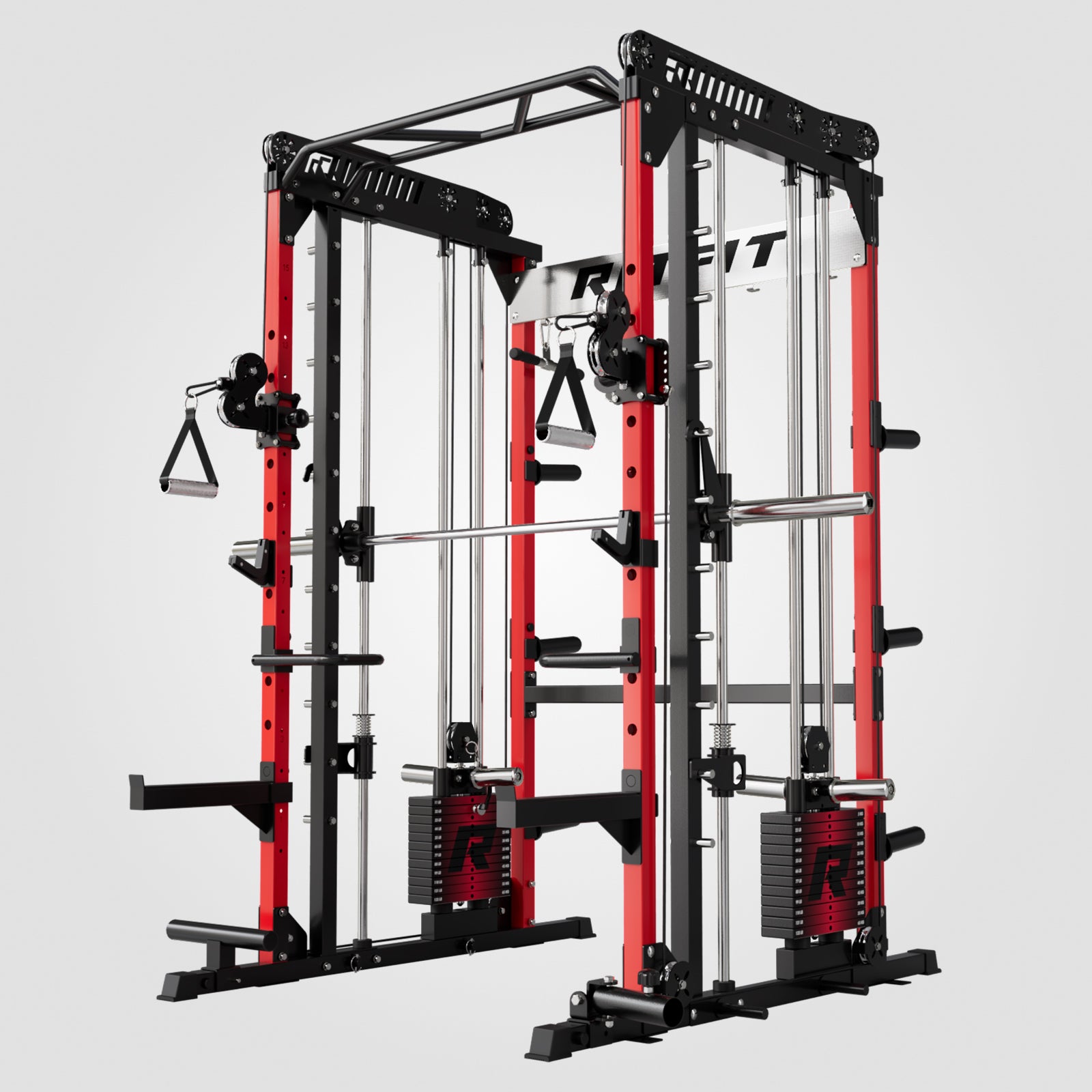
If your sleep and diet are dialed in, a well chosen formula can help on tough days, especially when you train hard with strength machines or a RitFit P3 Power Cage.
How Do You Read a Pre-Workout Label?
Reading a pre-workout label means checking which ingredients are listed and whether their amounts are disclosed. The biggest thing to watch for is a proprietary blend, which lists ingredients without telling you how much of each is included.
An analysis of pre-workout products found that beta-alanine and citrulline are among the most common ingredients, that the average beta-alanine dose often falls below useful levels, and that nearly half of ingredients sit inside undisclosed proprietary blends[4].
- Look for transparency: A label that lists each ingredient amount is easier to evaluate.
- Check the caffeine: Know the total so you can judge it against your other caffeine sources.
- Match your goal: Strength, endurance, and conditioning formulas emphasize different ingredients.
What Should You Keep in Mind?
For most healthy adults, common pre-workout ingredients are generally considered safe when used as directed, but a few practical points are worth remembering. Caffeine sensitivity and timing near bedtime are the most common issues people run into.
- Start small: A smaller first serving lets you gauge how you respond before going further.
- Stack your caffeine: Count coffee and energy drinks toward your daily total.
- Watch the timing: Evening stimulant use can interfere with sleep quality.
These habits matter most for beginners following a structured plan, such as a 5/3/1 strength program for beginners or strength training for women at home.
"Not only is the face pull an excellent movement to grow your upper back muscles, it can also improve poor posture. The rear shoulder muscles play a big role in preventing the bad posture so many people get from time spent sitting at desks jobs and hunched over their electronics."
Jeff Cavaliere, MSPT, CSCS, Physical Therapist and Strength Coach and former Head Physical Therapist for the NY Mets, "Upper Back Workout (Athlean-X)", Athlean-X
What Are the Alternatives to Pre-Workout?
The main alternatives to pre-workout are whole food and lifestyle habits that support energy naturally. A balanced meal with carbohydrates, good hydration, and quality sleep often does most of what a powder claims to do.
- Food first: A snack with carbs before training can steady your energy.
- Simple caffeine: Black coffee is a low cost stimulant some people prefer.
- Recovery basics: Sleep and consistency outperform any single supplement.
These fundamentals support demanding sessions like metcon workouts and intense work on CrossFit and conditioning equipment.
FAQs About Pre-Workout
What is pre-workout?
Pre-workout is a dietary supplement, usually a powder mixed with water, taken before exercise to support energy, focus, and performance.
Most products are multi-ingredient blends combining caffeine with ingredients like beta-alanine, creatine, and citrulline.
There is no single standard formula, so ingredients and amounts vary widely between brands and goals.
What are the main ingredients in pre-workout?
Common pre-workout ingredients include caffeine for energy and focus, beta-alanine which can cause a harmless tingling sensation, creatine for power output, and citrulline for blood flow.
Many formulas also add amino acids, electrolytes, and B vitamins.
Research notes that beta-alanine and citrulline are among the most frequently included ingredients.
When should you take pre-workout?
Most people take pre-workout roughly 30 to 60 minutes before training so the ingredients reach the bloodstream by the time hard sets begin.
Caffeine typically peaks in the blood within about 60 minutes.
Because caffeine effects can last several hours, many people avoid stimulant pre-workouts late in the day to protect their sleep.
Do you really need pre-workout to build muscle?
No, pre-workout is not required to make progress in the gym.
Muscle and strength are driven mainly by consistent training, adequate protein, and recovery.
Pre-workout is an optional tool that some people find helps energy and focus on tough days.
Good sleep, balanced meals, and hydration matter far more than any powder.
Is pre-workout safe?
For most healthy adults, common pre-workout ingredients are generally considered safe when used as directed, though caffeine sensitivity, proprietary blends with undisclosed doses, and timing near bedtime are worth watching.
This article is educational and not medical advice.
Anyone with a health condition, who is pregnant, or unsure should consult a qualified healthcare professional first.
How long does pre-workout last in your body?
A standard pre-workout dose typically keeps you feeling energized for a few hours.
Caffeine, the main stimulant in most formulas, peaks in the blood within about 60 minutes and its effects can last for several hours.
That is why many people take stimulant formulas earlier in the day and switch to stim free options for evening training sessions.
Does pre-workout have side effects?
The most common side effect is the harmless tingling from beta-alanine, along with extra energy that can disrupt sleep if taken late in the day.
Too much caffeine may cause jitters or make it hard to sleep.
Starting with a smaller serving and counting caffeine from coffee and energy drinks helps you stay in a comfortable range.
Conclusion
Pre-workout is an optional, multi-ingredient supplement that mainly blends caffeine with ingredients like beta-alanine, creatine, and citrulline to support energy and focus before training.
Take it around 30 to 60 minutes before you train, read labels for proprietary blends, and remember that sleep, food, and consistent effort matter most. Choose a formula that fits your goal, then put the energy to work.
Disclaimer
This article is for general educational purposes only and does not provide medical, dosing, or health advice. Consult a qualified healthcare professional before using any supplement, especially if you are pregnant, have a health condition, or take medication.
References
1. Harty PS, Zabriskie HA, Erickson JL, Molling PE, Kerksick CM, Jagim AR. Multi-ingredient pre-workout supplements, safety implications, and performance outcomes: a brief review. Journal of the International Society of Sports Nutrition. 2018;15(1):41. PMCID: PMC6083567
2. Davenport AD, Jameson TSO, Kilroe SP, et al. A Randomised, Placebo-Controlled, Crossover Study Investigating the Optimal Timing of a Caffeine-Containing Supplement for Exercise Performance. Sports Medicine - Open. 2020;6(1):17. PMCID: PMC7105519
3. Panayi S, Galbraith A. Acute Ingestion of a Commercially Available Pre-workout Supplement Improves Anaerobic Power Output and Reduces Muscular Fatigue. International Journal of Exercise Science. 2022;15(6):455-472. PMCID: PMC9022706
4. Jagim AR, Harty PS, Camic CL. Common Ingredient Profiles of Multi-Ingredient Pre-Workout Supplements. Nutrients. 2019;11(2):254. PMCID: PMC6413194