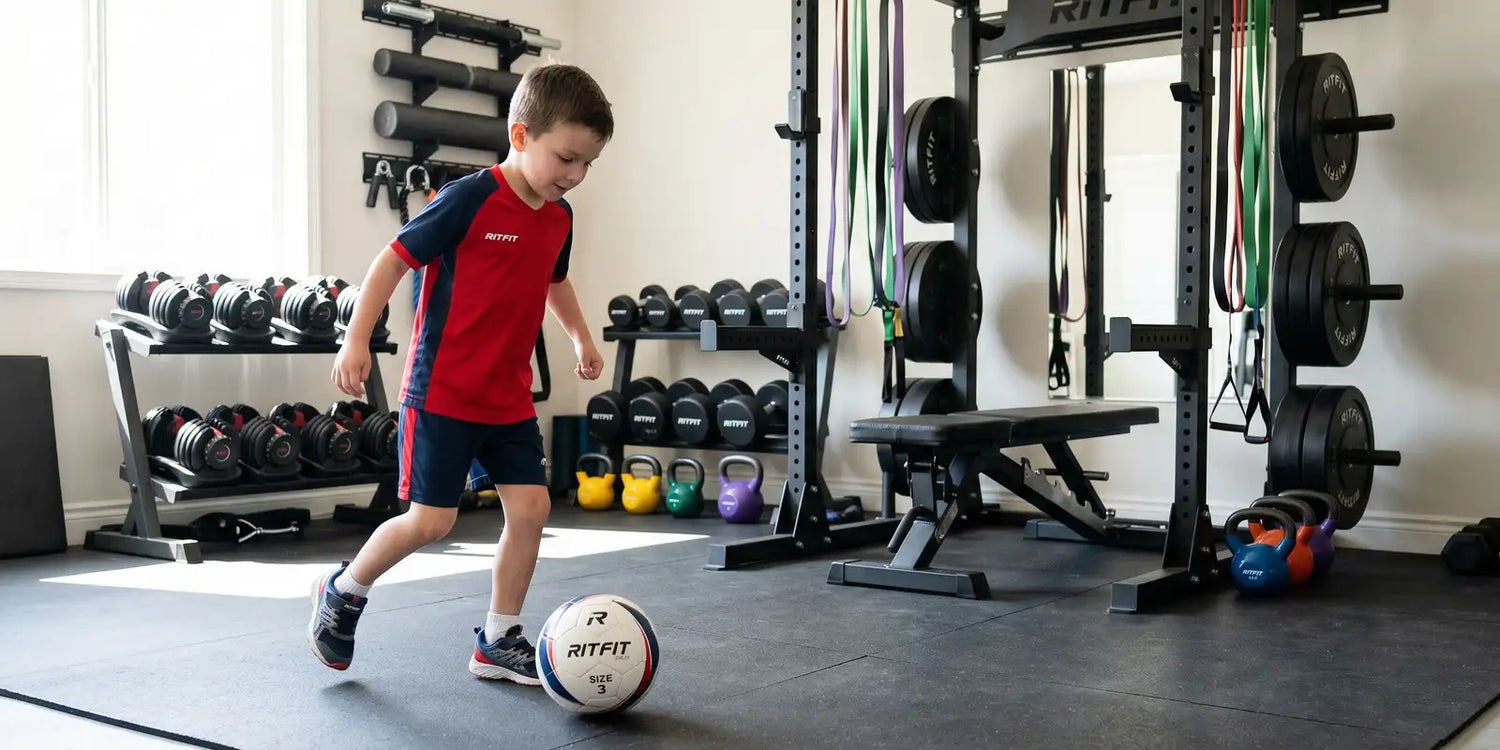
Choosing the right soccer ball size for a 6 year old is straightforward once you know the guidelines. A size 3 soccer ball is the standard recommendation for children ages 5 to 8 according to US Youth Soccer and FIFA.
Using the correct ball size affects safety, skill development, and enjoyment on the field. This guide covers every youth soccer ball size from toddler to age 10 with a clear chart and practical buying tips for parents.
Table of Contents
Key Takeaways
- Size 3 for ages 5 to 8: A 6 year old uses a size 3 soccer ball measuring 23 to 24 inches and weighing 300 to 320 grams.
- Safety first: The correct ball size prevents muscle and tendon strain while helping children build confidence on the field.
- Size 4 starts at age 8: The transitional size 4 ball bridges the gap between junior and adult specifications.
- Lightweight option for young joints: US Youth Soccer allows lightweight size 4 balls for U6 players to reduce impact stress.
- Transition at age 12: Players move to the full size 5 match ball once their strength and technique are developed.
Soccer Ball Size Chart by Age
The following chart shows every youth soccer ball size based on recommendations from US Youth Soccer and FIFA. A 6 year old falls into the size 3 category along with children ages 5 through 8.
| Ball Size | Circumference | Weight | Age Range |
|---|---|---|---|
| Size 1 | 18 to 20 inches | 195 to 205 g | Under 4 years |
| Size 2 | 20 to 22 inches | 250 to 280 g | Ages 3 to 5 |
| Size 3 | 23 to 24 inches | 300 to 320 g | Ages 5 to 8 |
| Size 4 | 25 to 26 inches | 350 to 390 g | Ages 8 to 12 |
| Size 5 | 27 to 28 inches | 410 to 450 g | Ages 12 and older |
Parents can also check our complete soccer ball size guide for adult and teen recommendations beyond the youth range.
Why Ball Size Matters for Young Players
The right soccer ball size goes well beyond comfort. Using a ball that is too large or heavy can cause injuries and slow down skill development in young players.
Safety and Injury Prevention
A size 5 ball weighs 410 to 450 grams, which is far too heavy for a 6 year old to kick safely. One youth soccer coaching resource notes that young muscles and tendons may not be ready for the weight of a full-size ball, making proper sizing essential for injury prevention.
The US Youth Soccer Small Sided Games Manual even allows lightweight size 4 balls for U6 players specifically to reduce joint stress at impact. Proper technique matters too, and learning how to head a soccer ball safely becomes even more important as children progress to heavier ball sizes.
Skill Development and Confidence
A correctly sized ball gives young players better control over their touches and kicks. This builds confidence and encourages them to practice more often.
When a 6 year old uses a size 3 ball, the lighter weight and smaller circumference allow proper dribbling and passing technique. The right ball helps children develop fundamental skills that transfer to larger sizes as they grow.
Detailed Breakdown of Youth Soccer Ball Sizes
Each soccer ball size serves a specific purpose based on a child's age and physical development. Here is what parents need to know about every youth size.
Size 1 for Toddlers Under 4
Size 1 is the smallest soccer ball at 18 to 20 inches in circumference and about 195 to 205 grams. It is designed for toddlers to develop basic motor skills and coordination in a safe, manageable way.
Size 2 for Ages 3 to 5
Size 2 balls measure 20 to 22 inches and weigh 250 to 280 grams. One soccer coaching resource suggests this size for preschoolers, though many youth programs skip directly to size 3 as their smallest available option.
Size 3 for Ages 5 to 8
Size 3 is the standard ball for 5, 6, and 7 year olds in most organized youth leagues. It measures 23 to 24 inches in circumference and weighs 300 to 320 grams, making it light enough for young children to control while still providing a realistic soccer experience.
This is the size most recreational and club leagues require for U6 through U8 age groups. Once children master basic ball control, they can start learning skills like shooting a soccer ball for beginners with proper form.
Size 4 for Ages 8 to 10
Size 4 is the transitional ball for older youth players, measuring 25 to 26 inches and weighing 350 to 390 grams. Players aged 8, 9, and 10 use this size to prepare for the full adult ball.
This intermediate size helps developing players refine their technique with slightly more weight and circumference. It serves as the bridge between junior and senior specifications before the final step up to size 5.
Training Ball vs Match Ball for Kids
Not all size 3 soccer balls are the same. Training balls and match balls serve different purposes for young players.
- Training balls: Built for durability with thicker outer covers that withstand daily backyard and field use. These are the best choice for regular practice sessions with young children.
- Match balls: Designed for official games with softer touch and more consistent flight. These cost more and are usually reserved for league matches rather than daily training.
- Lightweight balls: A lighter version reduces weight while keeping the standard size circumference, making it easier for the youngest players to pass and shoot without straining.
- Futsal balls: Smaller and heavier with low bounce, these are used for indoor training but are not recommended as a substitute for outdoor youth soccer balls.
For most 6 year olds, a durable training ball in size 3 is the best starting point. Once children gain confidence, they can practice skills like juggling a soccer ball for beginners to improve their touch and coordination.
How to Choose the Right Soccer Ball for Your Child
Buying the right soccer ball involves more than just picking the correct size. Here are practical tips to help parents make the best choice for their young player.
- Match the size to age: Verify the circumference and weight printed on the packaging matches the recommendation for your child's age group.
- Check the material: A quality ball should feel firm and smooth, not plasticky or overly soft. Polyurethane covers offer better durability than PVC.
- Confirm inflation: Use a pressure gauge to check the ball is inflated to the recommended level before first use. Most balls list the ideal PSI near the valve.
- Choose training over match: Training balls withstand daily wear and are more cost-effective for growing children who will move up sizes within a few years.
- Look for quality markings: Balls labeled with official size and weight specifications near the valve tend to hold their shape longer than unmarked alternatives.
As young players develop their skills, they may want to learn advanced techniques like how to curve a soccer ball for set pieces and free kicks.
When to Move Up to the Next Size
Transitioning from size 3 to size 4 typically happens around age 8 when the player has developed sufficient leg strength. The jump adds 50 to 70 grams of weight and 2 inches of circumference.
Watch for signs that your child is ready, such as kicking the ball with ease and wanting more challenge during practice. Most leagues set the transition at U9, but coaches may recommend moving up earlier for physically advanced players.
The final transition to size 5 occurs around age 12. This watch guide explains how ball size, weight, and construction affect performance for young players at every stage.
FAQs About Youth Soccer Ball Sizes
What size soccer ball does a 6 year old use?
A 6 year old should use a size 3 soccer ball according to US Youth Soccer and FIFA guidelines. This ball measures 23 to 24 inches in circumference and weighs 300 to 320 grams. The lighter weight and smaller circumference help young children develop proper kicking technique and ball control.
What size soccer ball do 5 year olds use?
Most 5 year olds use a size 3 soccer ball, which measures 23 to 24 inches and weighs 300 to 320 grams. Some programs suggest a size 2 ball for children just starting out. The size 3 is more widely available and commonly used in youth leagues for this age group.
What size soccer ball do 8 year olds use?
An 8 year old typically uses a size 4 soccer ball, which measures 25 to 26 inches in circumference and weighs 350 to 390 grams. This is a transitional size that bridges the gap between the junior ball and the full adult size 5 used in professional matches worldwide.
What size soccer ball do 10 year olds use?
A 10 year old should use a size 4 soccer ball, measuring 25 to 26 inches in circumference and weighing 350 to 390 grams. This intermediate size helps developing players refine their skills before transitioning to the full size 5 ball around age 12, depending on league rules.
What size soccer ball do 3 year olds use?
A 3 year old should use a size 1 mini ball, which measures 18 to 20 inches in circumference and weighs about 205 grams. This tiny ball is designed for toddlers to develop basic motor skills and coordination safely. Some parents use a size 2 ball if a size 1 is unavailable.
Conclusion
Getting the right soccer ball size is one of the simplest ways to support your child's development on the field. A size 3 ball is the clear choice for 6 year olds and children ages 5 through 8.
Check out the RitFit soccer gear collection for quality options. As children grow, the transition to size 4 around age 8 and size 5 around age 12 keeps their equipment aligned with their developing strength and skill level.
Disclaimer
The information in this article is based on guidelines from recognized soccer organizations and is intended for general educational purposes only. Parents should consult their child's coach or league administrator for specific ball requirements and seek professional medical advice if they have concerns about their child's physical readiness for sports.
References
1. US Youth Soccer. Small Sided Games Manual. Washington Youth Soccer. https://washingtonyouthsoccer.org/wp-content/uploads/2019/08/US_Youth_Small_Sided_Games_Manual_2017_3-22-18.pdf
2. Geisinger B. Soccer Ball Size Guide: Which Size Should You or Your Child Use. Soccer.com. https://www.soccer.com/guide/soccer-ball-sizes
3. FIFA. Laws of the Game: Law 2 - The Ball. Federation Internationale de Football Association. https://www.fifa.com/technical/football-technology/standards/fifa-quality-programme-for-football-balls