









Table of Contents
Are you planning to add kettlebells to your strength training routine? The kettlebell deadlift is one of the best places to start because it teaches the hip hinge, the foundational pattern behind swings, cleans, and many lower body lifts. Done right, it trains your glutes, hamstrings, quads, lats, and core while reinforcing a tall, confident posture. Below you will learn the correct kettlebell deadlift form, what muscles it works, the key benefits, common mistakes to avoid, and beginner friendly progressions.
What Are Kettlebell Deadlifts?
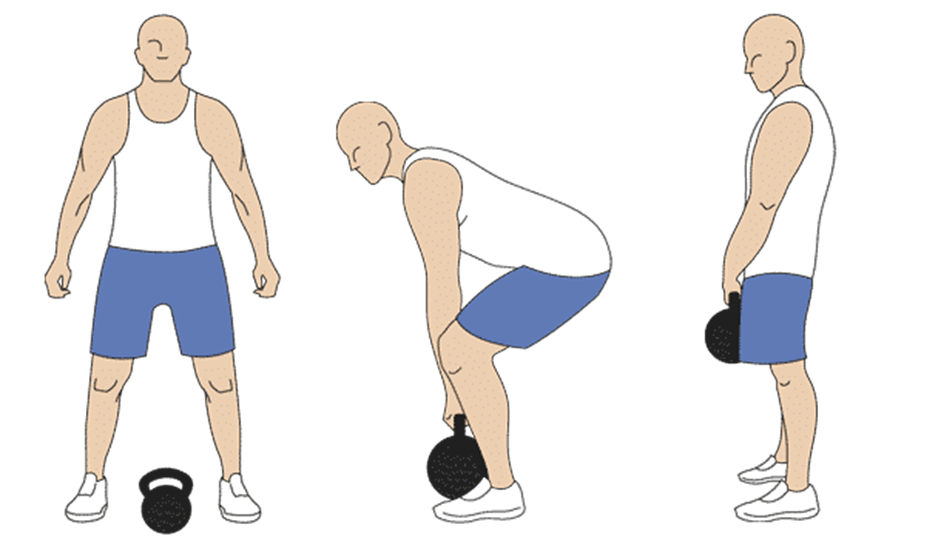
A deadlift is a strength exercise where you pick weight up from the floor by hinging at the hips, then return it under control. A kettlebell deadlift is a deadlift variation performed with one kettlebell held with two hands, or two kettlebells held at your sides.
In simple terms, you lift “dead weight” from the ground to a tall standing position, then set it down again with control. This is a posterior chain focused compound move that builds strong glutes and hamstrings, while also training the quads, upper back, and deep core to stabilize your spine. Because kettlebells keep the load closer to your body than many other tools, they are often a friendlier choice for beginners and home lifters learning great technique.
Step-By-Step Guide for Proper Kettlebell Deadlift Form
To get the most out of your workout, follow these steps used by professional trainers.
Step 1 Set up
Stand tall with feet about hip width to slightly wider. Place the kettlebell on the floor between your feet, with the handle in line with your midfoot. Soften your knees. Keep your ribs stacked over your pelvis, eyes looking a few feet in front of you, and shoulders “down and back.”
Step 2 Brace, then hinge
Inhale through your nose and tighten your core as if you are preparing for a cough. Push your hips back like you are closing a car door with your glutes. Your shins should stay mostly vertical while your torso leans forward. Reach down with straight arms and grab the handle.
Step 3 Stand up by driving the floor away
Push through your whole foot and squeeze your glutes to stand. The kettlebell should travel in a straight line up, staying close to your body. Think “legs and hips lift the bell” rather than “arms lift the bell.” Finish tall with glutes tight, core braced, and shoulders stacked over hips.
Step 4 Lower with control
Hinge your hips back first, then let your knees bend naturally as the bell passes them. Lower until the kettlebell touches the floor softly between your feet. Pause for a half second to reset your brace and posture.
Step 5 Reset and repeat
Rebuild the same starting position each rep. If your back position changes, the rep does not count.
Quick form checklist for every rep
Keep the kettlebell over midfoot, not drifting forward.
Keep a neutral spine, meaning no rounding and no aggressive arching.
Feel tension in hamstrings on the way down.
Stand up by squeezing glutes, not by leaning back.
Exhale near the top while keeping your ribs down.
Beginner training prescription
Frequency 2 times per week with at least one rest day between sessions.
Sets and reps 3 to 5 sets of 6 to 10 reps.
Rest 60 to 120 seconds between sets.
Effort level Choose a weight that feels like you could do about 2 more clean reps at the end of each set while maintaining perfect form.
Common Kettlebell Deadlift Mistakes
Even though kettlebell deadlifts look simple, small form errors can reduce results or raise injury risk. Use the fixes below to keep your reps strong and safe.
Bad Feet Position
The right foot position is crucial since it improves the exercise's efficacy and safeguards your feet if the kettlebell falls. An extended stance can expose you to injury and make the exercise more challenging and dangerous. In contrast, standing with feet too close together makes the workout unnecessarily harder. Always place the kettlebell in the middle with the feet a little wider than the hips or the shoulder length.
Not Selecting the Right Weights
The key to effective weightlifting training is selecting the appropriate weights for workouts. You may think a light kettlebell would cause no harm, but this is far from the truth. A kettlebell that is too light will typically put pressure on the wrong muscles. This wastes energy, engages the wrong muscles, and offers little to no benefit. Similarly, if the kettlebell is too heavy for you, it would not only be difficult to use. Still, it may also cause serious injury to different muscles.
Bending Arms
Kettlebell deadlifts never involve even the slightest arm flexion. The same goes for the wrist. Bending or cocking the wrist is very common and weakens the arm position. Keep your arms and wrist straight at all times.
Rounding of Your Back
You are not completing deadlifts properly if your lower and upper back starts to round up. Maintaining a straight back makes lifting easier, engages the right muscle, and reduces early exhaustion. It may be difficult to achieve initially, but you must be persistent and patient if you wish to achieve the perfect posture.
Squatting the Weight Up
Keep in mind that the kettlebell deadlift is not a squat. So if you end up focusing all your energy on squatting the weight up, adding this exercise to your strength training routine may not be as beneficial as you want it to be.
Tight Grip
One of the most common beginner mistakes is that individuals hold the kettlebell too tight because they fear dropping it. Your grip strength is not a primary concern. Loosen up your grip and hold the bell in the hook of your fingers rather than the flesh of your hand.
Muscles Worked During Kettlebell Deadlifts
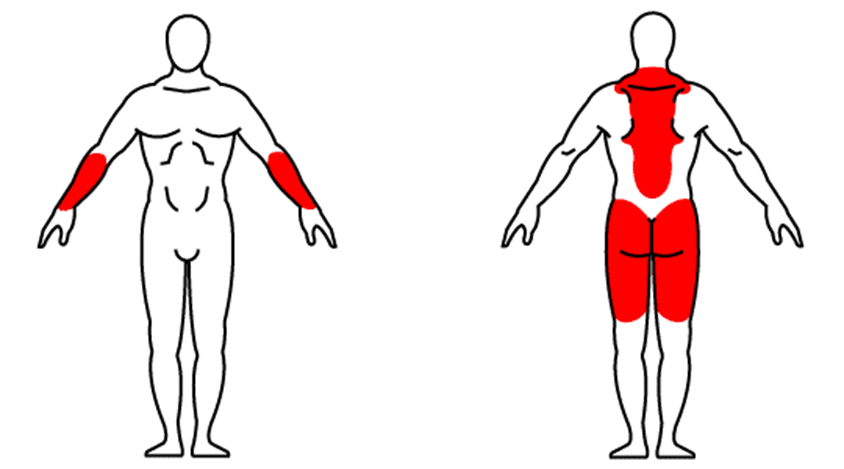
Deadlifts involve major muscle groups to increase functional strength and improve mobility. The primary muscles used during the kettlebell deadlift are:
Upper and Lower Back
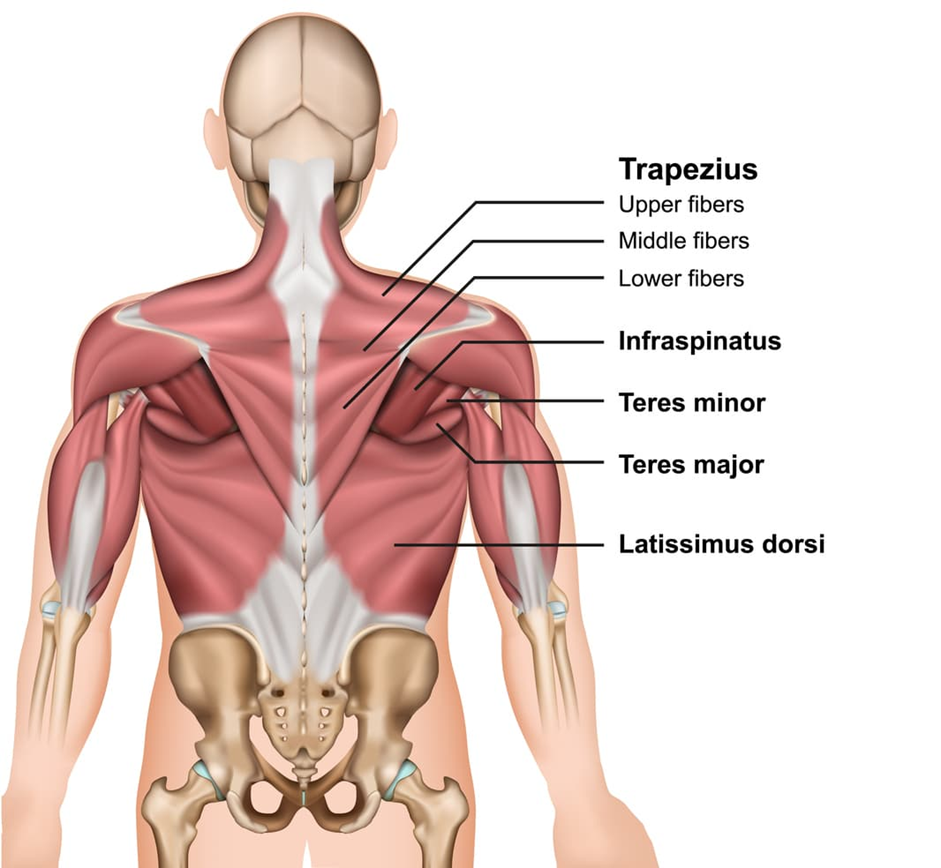
The back muscles are a collection of powerful, paired muscles located on the back of the trunk. Keeping your back straight is a major part of deadlifts. So it is no surprise that lower and upper back muscles are widely used to effectively perform power training.
Glutes
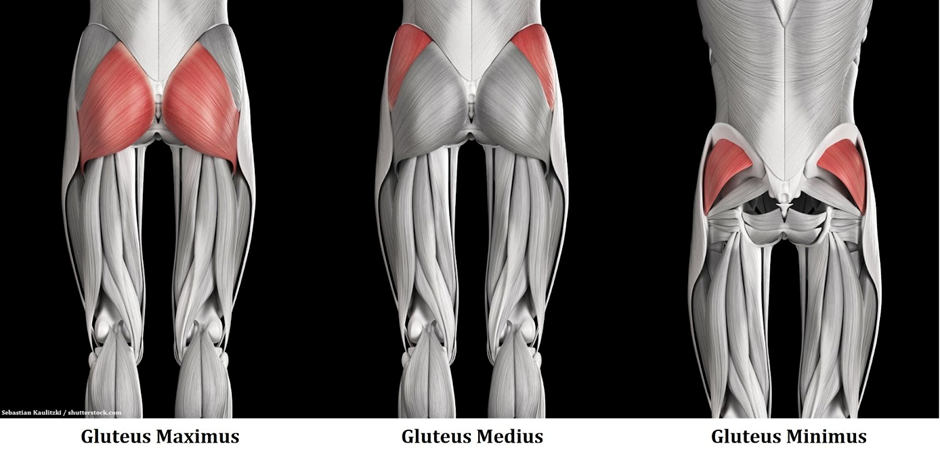
The strongest and largest muscle in the human body is the glutes. The gluteal area, also called the buttocks, comprises the gluteus maximus, gluteus medius, and gluteus minimus. It is also a primary muscle used when doing kettlebell deadlifts.
Hamstrings
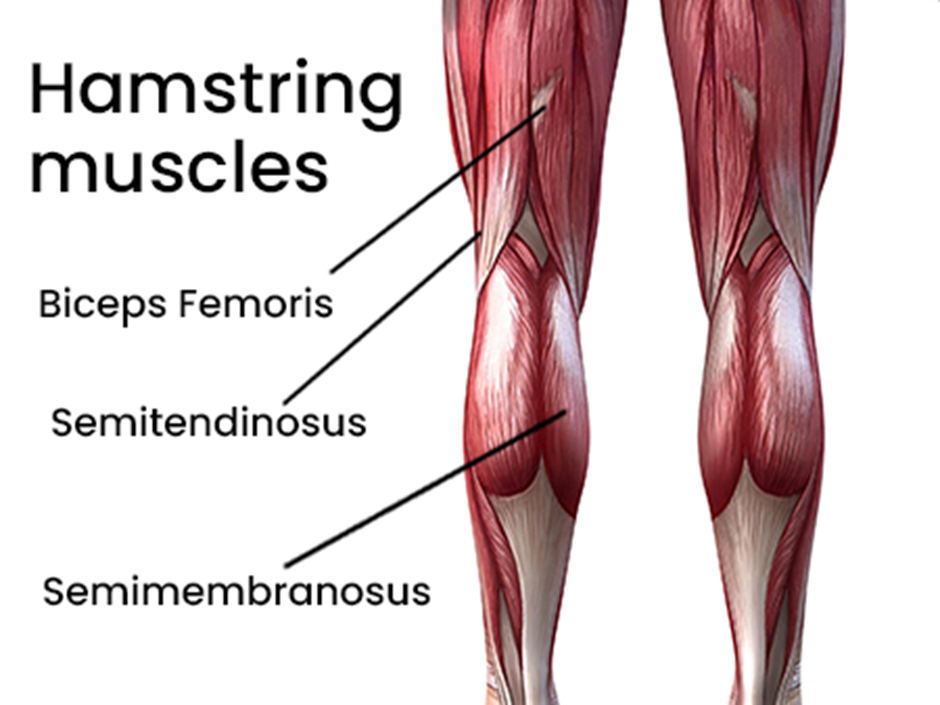
Running along the back of the leg are the hamstring muscles. Semitendinosus, Semimembranosus, and Biceps femoris are the three hamstring muscles. They are primarily utilized when performing lifting-related squats.
Quadriceps
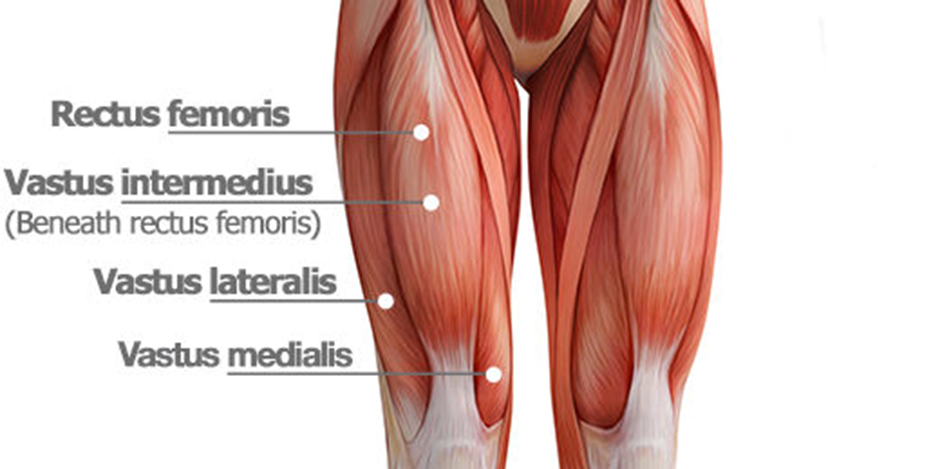
There are four quadriceps muscles in your thigh that are located in front of it. These include rectus femoris, vastus lateralis, vastus medialis, and vastus intermedius. The most frequently used muscle in kettlebell lifts is the rectus femoris, which aids with rip flexion.
Benefits Of Kettlebell Deadlifts
Halfway through the article you may be wondering why you should do kettlebell deadlifts because not all of us enjoy working their muscles. But here are a few reasons why you should think about doing it right away.
Full body muscle activation
Strength training activates your body as it uses multiple muscle groups. It is aimed at reducing muscle tightness.
Maintained muscle mass and reduced fat
Kettlebell deadlifts employ most of the body's primary muscles, which helps maintain lean muscle mass while reducing body fat.
Improved posture
An important part of a kettlebell deadlift is maintaining proper posture. When you incorporate this exercise into your workout routine, the improved posture becomes evident in no time.
Enhanced cardiovascular fitness
Over time, communication between the nervous and muscular systems can be altered. But cardiovascular endurance can be improved through deadlifts as workout helps with the mind-body connection.
Kettlebell Deadlifts Variations
Single Leg Kettlebell Deadlift
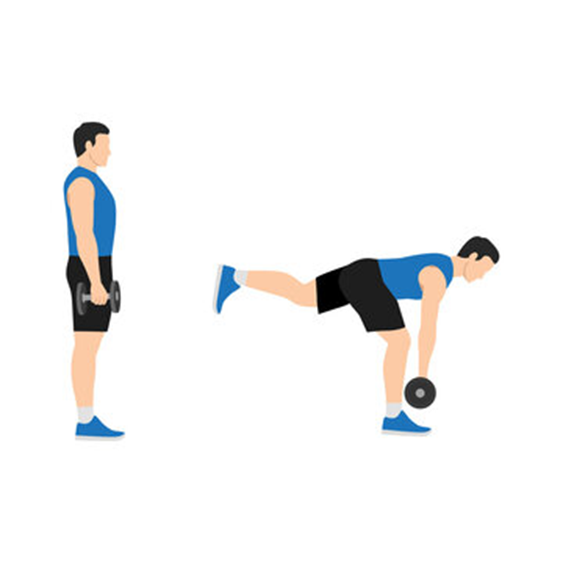
Unilateral deadlift is another name for the single-leg deadlift. It can be used as the foundation to make your posture stable for beginners and professionals. The posture is simple but challenging to perform. The person has to keep the back and one leg straight while leaning forward with a kettlebell in one hand. Keeping the lats engaged distributes the effort and holds the weights as close to the body as possible. This variation helps in addressing left-to-right strength imbalances.
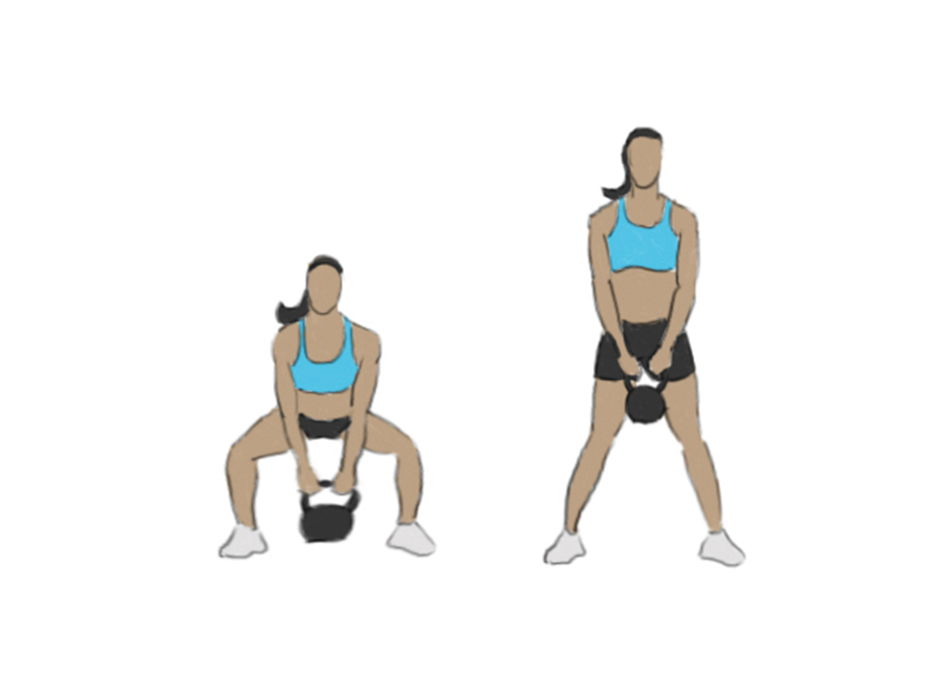
Kettlebell Sumo Deadlift
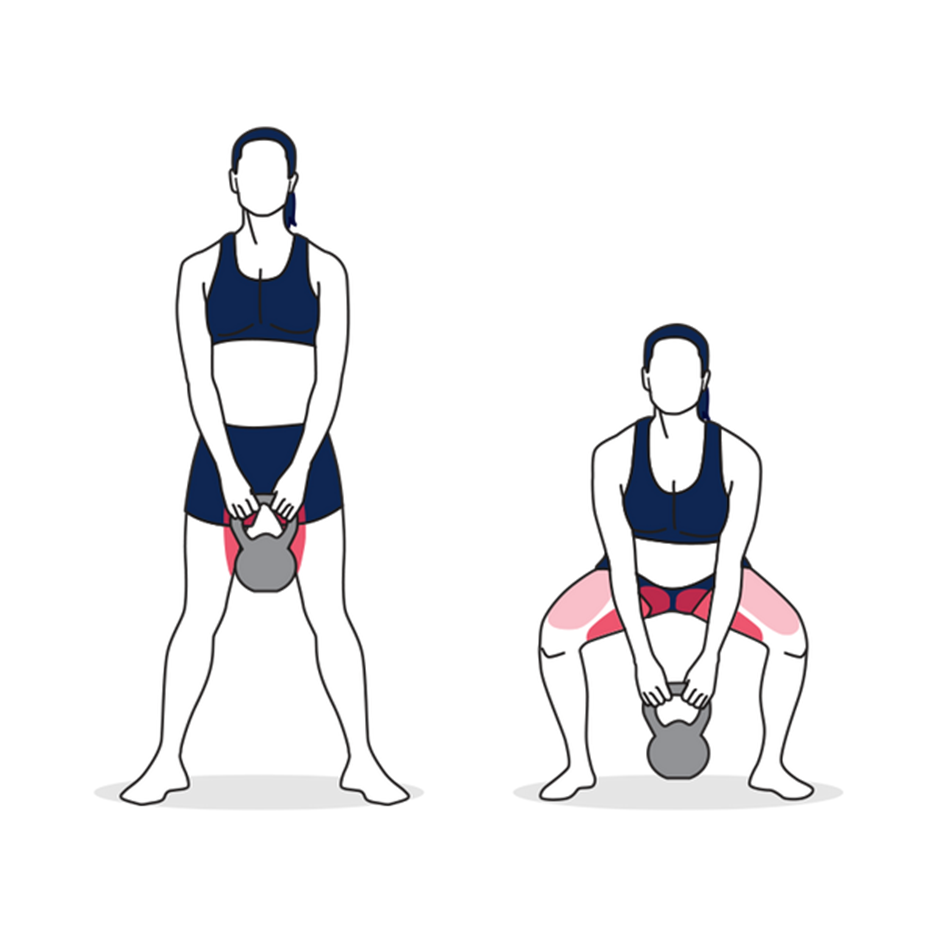
The main difference between a regular kettlebell deadlift and Kettlebell Sumo Deadlift is the legs are much apart than the shoulder length. It is often compared to a barbell deadlift as the stance is similar. However, lifting a barbell is much easier as it places less stress on back muscles. The core muscles used are the quadriceps.
Kettlebell Romanian Deadlift
Kettlebell Romanian Deadlift is a hip-hinge exercise that can be done with just one kettlebell. It focuses mainly on your hamstrings, making it an excellent deadlift variation for at-home workouts. It is to be noted that the majority of the movement should be from the hips, leading to improved hip mobility. Like all other deadlift variations, this also requires keeping your back straight and avoiding unnecessary knee bending.
Single Leg Kettlebell Romanian Deadlift
This exercise needs to be carried out carefully. Being quick won't help. Instead, it can be used as a corrective exercise to strengthen muscles and enhance balance. Just like other single-leg variations, the single-leg kettlebell Romanian deadlift also involves leaning forward on one leg while maintaining a straight spine.
Kettlebell Suitcase Deadlift
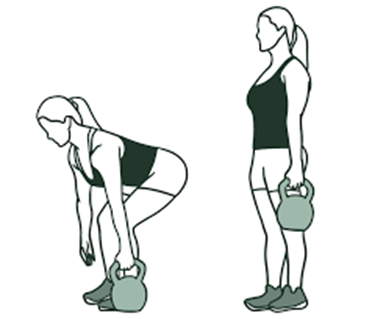
This exercise is identical to picking up a suitcase from the floor, except that there will be a kettlebell instead. To raise the weight off the ground, one must hunch at the hips, bend their knees, and use their legs and back muscles. It is an anti-rotational exercise that trains you well before shifting to power-building exercises. As a result, your balance, posture, and overall fitness will improve because they will help you develop stronger back and hip muscles.
Kettlebell Kickstand Deadlift
The kettlebell kickstand deadlift variation also helps to develop strength and stability by focusing on unilateral strength. Compared to a standard deadlift, this one requires you to place one foot just barely behind the other so that it can serve as a kickstand. In addition, it is aimed to increase your power output when running, jumping, and lifting by offering muscle power.
Kettlebell Deadlift FAQs
How heavy should a kettlebell be?
Light weights should be preferred for a beginner with close to no lifting experience. However, keeping it too light can cause problems, as this means that the targeted muscles are not being used appropriately. Hence, professionals widely suggest that the ideal kettlebell weight for beginner men is in the range of 26 lbs to 53 lbs. Whereas for the female counterparts, anything between 16lbs to 35lbs can be a good starting point.
People not new to weight training and have some or considerable experience with lifting training can pick weights between 53lbs to 70lbs. Women can choose from 35lbs to 53lbs.
Nevertheless, much relies on your age, strength, and exercise objectives. Therefore, the best course of action is speaking with a gym instructor to determine the ideal kettlebell size for you.
How often should I perform kettlebell deadlifts?
This question depends on your workout goals and experience. Anyone new to exercise should stay between one to three times a week with a longer recovery time. Meaning that one should not perform a kettlebell deadlift on consecutive days.
If your training history is strong and you are either an intermediate or advanced athlete, you may look forward to five to six times a week. The recovery time also does not need to be long. However, you must go to the gym at least five times a week to incorporate this routine into your workout plan.
It is also wise to begin small and gradually raise the frequency. Then, you can change weight, sets, reps, and the kinds of lifts you do to find yourself an ideal kettlebell deadlift routine.
What is the difference between a kettlebell deadlift and a barbell deadlift?
Both deadlifts are beneficial when it comes to boosting muscular strength and burning calories. However, there are a few significant differences between them.
The weights greatly differ between the two exercises. The barbell workout has heavy weights compared to the kettlebell. It won't be wrong to say that beginners often start with a kettlebell before shifting to the barbell lifts.
Since the weights differ, calorie burns and muscle gain are much higher in the barbell deadlift compared to the kettlebell lift.
Summary
The kettlebell deadlift is a straightforward yet effective exercise that can help you develop body muscles, increase strength, and improve your overall neuromuscular efficiency. By incorporating it into your workout routine, you can benefit from improving your functional fitness in daily life and achieving a toned and healthy body.
It is the most functional exercise you can look forward to in your workout routine, regardless of whether you are a beginner or a trained athlete. This article involves everything you need to know about kettlebell deadlifts to do them right and get the most out of your efforts. Now all that is left to do is to finally begin doing it.
Important disclaimer: This article is for general educational purposes only and is not medical advice. If you have shoulder, neck, back, elbow, or wrist pain, a recent injury or surgery, numbness or tingling, unexplained weakness, or dizziness, consult a qualified clinician before starting. Stop any exercise that causes sharp pain.





